Hotline: +84 866 227 878
- SG$ Singapore Dollar
- A$ Australian Dollar
- £ British Pound Sterling
- C$ Canadian Dollar
- € Euro
- MYR Ringgit Malaysia
- US$ United States Dollar
- đ Vietnamese Dong


 Hotline/Whatsapp: +84 86 622 7878
 Email: sales@asiamystika.com
 About Us
 Destinations
 Travel Styles
 Travel Guide
 Blogs
Blogs

Heading to Sapa in 2026? This friendly guide breaks down the best accommodation in Sapa, from luxury hotels with infinity pools and mountain views to cozy homestays in Ta Van. You’ll also see which area to stay in based on your budget, travel style, and how much peace (or town convenience) you want.
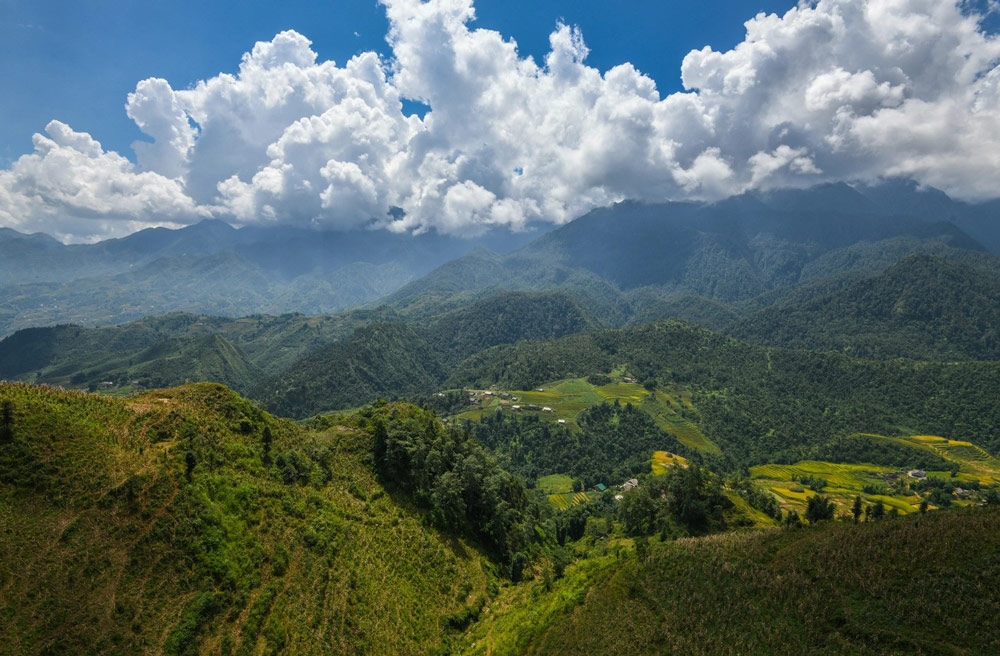
You’ve probably seen the dreamy shots of Sapa already, those emerald rice terraces rippling down the mountains like waves. But here’s the part the photos don’t warn you about: Sapa has two completely different moods, and where you sleep decides which one you wake up to.
Up in Sapa Town, life is lively and convenient. You’ve got cafés, restaurants, shops, tours, and that classic misty “mountain town” feeling. At the same time, let’s be honest, by 2026 the town center is much more built up than many people expect. There’s more concrete, more construction, and more crowds, especially on weekends and holidays. If you love being in the middle of the action and you want easy access to everything, choosing accommodation in Sapa town can still make total sense. You’ll be close to markets, viewpoints, and night food spots, and you won’t have to think too hard about transport.
Now go a little lower into the valley villages and the vibe flips. Places like Ta Van, Lao Chai, and other quiet corners feel slower, greener, and more “real Sapa.” This is where you hear roosters in the morning, watch fog drift through rice fields, and actually feel the calm that people imagine when they book a trip here. The villages are still the soul of the region, and if your dream is terraces, fresh air, and local life, staying outside town is usually the better choice. The trade-off is that you’ll need to plan transport a bit more, and you’ll swap convenience for atmosphere.
So what’s the point of this guide? Simple: to help you pick the best accommodation in Sapa for your style, not just what looks good on a booking page. Maybe you want a high-end hotel with a heated pool and mountain views, where you can sip tea while the clouds roll in. Or maybe you want the budget-friendly experience, a basic bamboo hut or homestay where dinner is cooked by a local family and you fall asleep to the sounds of the valley. Both can be amazing, as long as they match your vibe.
By the end, you’ll know exactly where you should stay in Sapa in 2026 to get the trip you’re actually hoping for. So tell me, are you more of a “town convenience and comfort” traveler, or a “valley peace and local life” traveler?
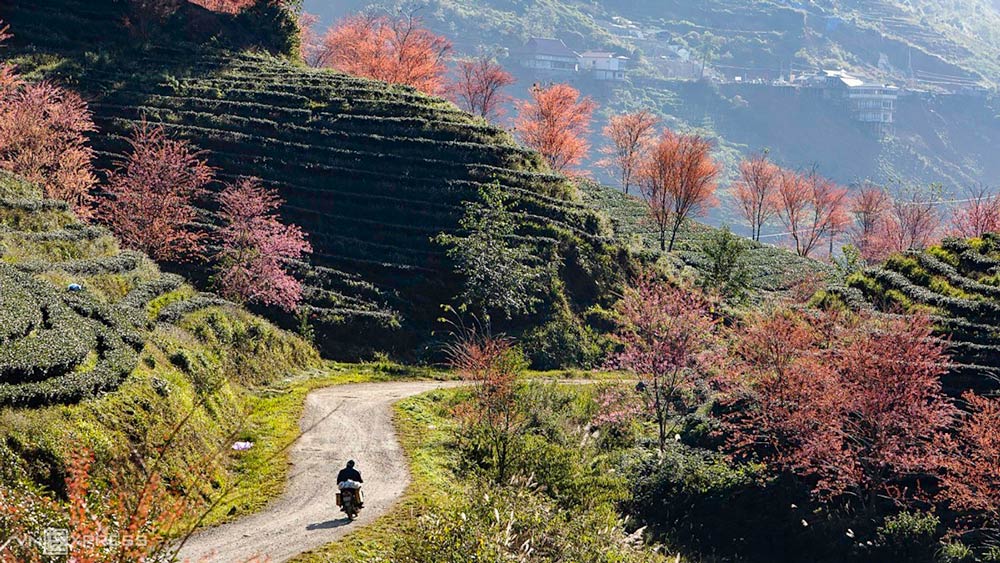
When people ask, “Where is the best area to stay in Sapa, Vietnam?” my answer is always the same: it depends on what you want to wake up to. In Sapa, your accommodation isn’t just a place to sleep, it shapes your whole trip. Stay in town and you’ll have comfort and convenience. Stay in the valley and you’ll feel the landscapes and local life up close. Go even farther out and you’ll get that quiet, remote, luxury “hideaway” vibe. Let’s break down the three main zones so you can choose the right Sapa places to stay for your style.
If it’s your first time, or you’re traveling with family, kids in strollers, or older relatives, the town center is often the easiest choice for accommodation in Sapa. Everything is right outside your door. You can walk to the Stone Church, pop into cafés, and browse the night market without planning transport. It’s also the most practical base if you want quick access to Sun Plaza and the route to Fansipan, especially when your day is packed and you don’t want to waste time commuting.
That said, town comes with trade-offs. It can be noisy, and weekend traffic gets messy fast. Also, Sapa’s famous fog is real, and in the center it can block views for hours or even days. If your dream is opening the curtains to a perfect terrace panorama, town can sometimes disappoint. But if you value comfort, food options, and “everything in one place,” this zone is still a strong pick.
This is where many travelers say they find the “real Sapa.” If you’re coming to trek, breathe fresh air, and actually feel close to the landscape, the Muong Hoa Valley and villages like Ta Van are the sweet spot. Staying here means you’re not just visiting the rice terraces, you’re living in them for a night or two. Mornings are quieter, evenings feel slower, and the scenery is the kind that makes you want to put your phone down and just look.
The big thing to know: it’s not as convenient. You’re about 10km from town, and once you settle in, you’ll likely stay put. Taxi rides back and forth add up, and it’s not the kind of place where you casually pop out for “one more coffee option.” So this zone is best if you’re happy to commit to the village experience and plan your time there intentionally. If you can, it’s one of the most memorable ways to choose accommodation in Sapa.
If you’re after honeymoon energy, a true reset, or a “no schedule, no noise” kind of trip, remote eco-lodges are the dream. These are destination stays, the kind of places you travel to and then happily don’t leave. Think private views, nature all around, and the feeling of being far away from crowds. Some well-known options are located 45 minutes or more from town, so it’s not a base for sightseeing, it’s the main event.
This zone is perfect if you want luxury with peace, but it’s not ideal if you’re trying to squeeze in lots of activities or want to explore town at night. Choose it when you want Sapa to feel slow, quiet, and deeply refreshing.
So, where’s the best area to stay in Sapa, Vietnam?
If you want convenience, choose town. If you want scenery and soul, choose the valley. If you want privacy and escape, go for a remote eco-lodge. And honestly? If your schedule allows, the best move is often a split stay: one night in town for easy logistics, then two nights in the valley to experience Sapa the way people daydream about.
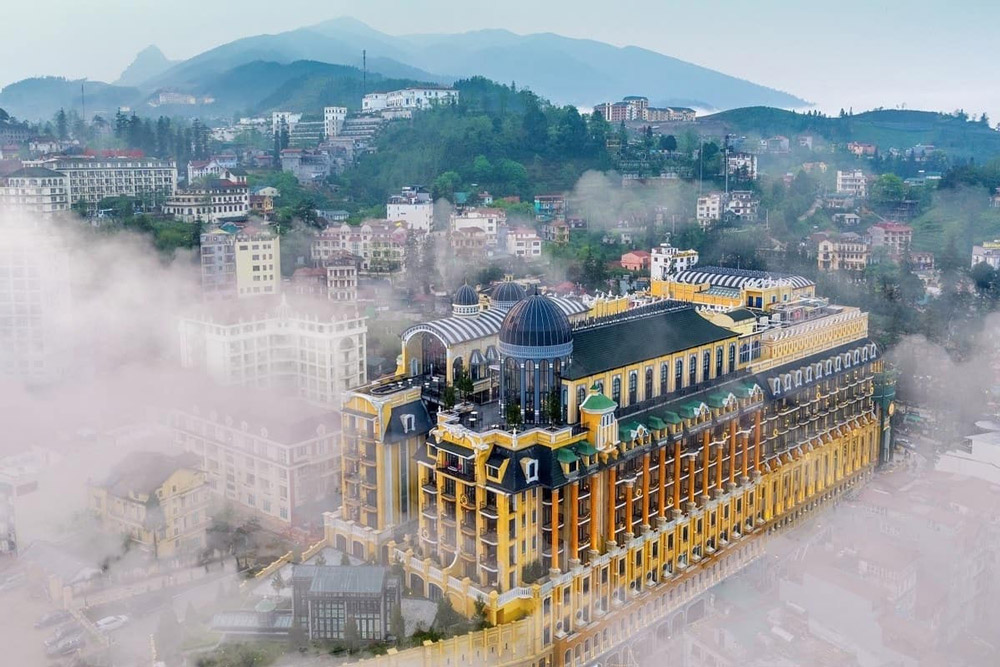
If you want your trip to feel extra special, choosing the right accommodation in Sapa matters just as much as the trekking and viewpoints. Luxury in Sapa comes in a few styles. One is “glam in the town center” where everything is on your doorstep. Another is “bucket list views” where the hotel itself is the highlight. And then there’s a newer wave of boutique mountain retreats built for privacy and quiet. Here are three of the best places to stay in Sapa Vietnam if you want comfort, design, and those wow moments.
If you like being able to step outside and immediately find cafés, shops, and the buzz of Sapa, Hotel de la Coupole is the most convenient high end choice. The design leans into a French Indochine look with bold, fashion inspired interiors, so even a slow afternoon in the lobby feels like an experience. The biggest reason people pick it is simple: you get true 5 star comfort while staying right in the heart of town.
And yes, the indoor pool is a big deal here. Sapa can be cold and foggy, so having a heated indoor swim changes the whole mood of your evening. You can come back after a chilly day out and still enjoy the “treat yourself” moment without worrying about the weather.
If your dream version of Sapa is waking up to wide open mountains and terraces, Topas Ecolodge is the name that keeps coming up for a reason. This is the kind of Sapa accommodation you book when you want the hotel to be part of your story, not just a place to sleep. The famous infinity pool looking out over the valley is genuinely stunning in real life, not just in photos.
A practical detail that makes it easier to justify the splurge: one of the infinity pools is heated, so it can still be enjoyable even in cooler months. That means you can plan a winter visit without feeling like the pool is “just for looking.”
Local tip: treat Topas like a destination. Once you arrive, you’ll want to slow down. Plan at least one full day on site so you are not rushing in and out.
If you’re looking for a more secluded luxury vibe, Ville De Mont is one of the most interesting newer options. It sits high up in a pine forest setting and is designed around privacy, with villas rather than a standard hotel feel. It’s the type of place that works well for couples, small groups, or anyone who wants Sapa to feel quiet and exclusive.
What I like about recommending it is this: it gives you that “mountain hideaway” feeling while still being in Sapa, which is perfect if your idea of luxury is space, calm, and fresh air instead of busy town energy.
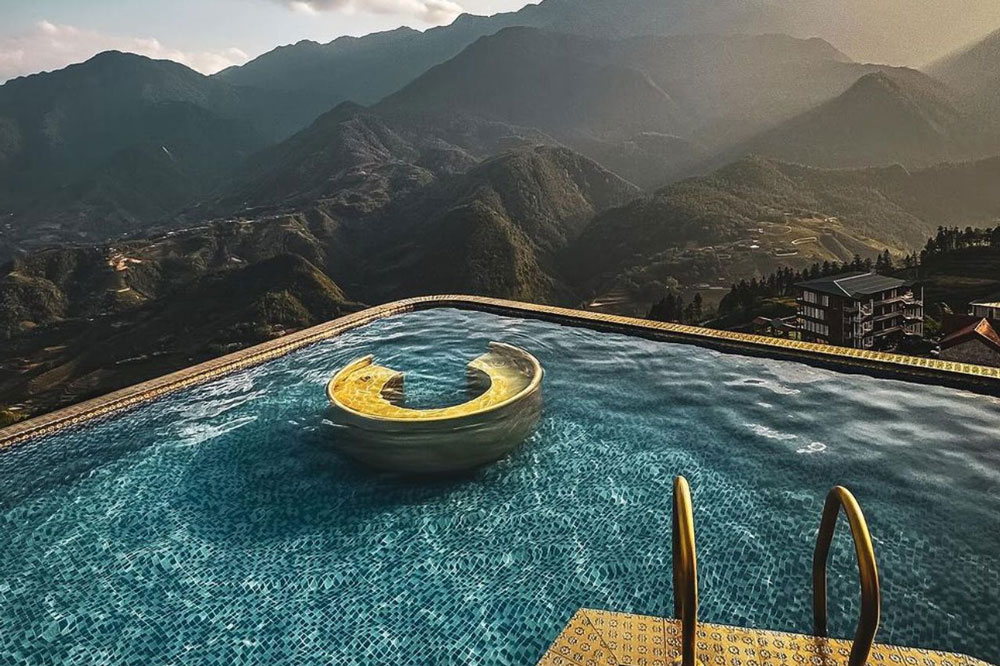
If you want the best place to stay in Sapa without paying full luxury prices, mid-range hotels are the smart choice. This is the “sweet spot” of Sapa Vietnam accommodation where you still get big views, cozy rooms, and real comfort after a day in the mountains. For many travelers, this category is the most satisfying type of accommodation in Sapa because you can enjoy great facilities and still keep your budget under control.
Pistachio Hotel Sapa is a top pick if you want that famous infinity pool look without the premium price tag. The pool view toward Fansipan is the big selling point, and it’s the kind of feature that makes your stay feel more special than the rate suggests. Prices often sit around the $60 to $80 range, depending on season and weekends, so it works well for couples and friends who want a “wow” hotel moment while still staying practical. If your plan is to spend mornings exploring and come back for a sunset swim, this one fits the vibe.
Bamboo Sapa Hotel is for travelers who value reliable comfort over chasing trends. It’s known for steady service, a strong breakfast, and a pool setup that makes sense in Sapa’s cooler weather. That matters more than people expect. When the air is cold and the town is foggy, having a heated pool option can turn an average evening into the best part of the day. If you want a hotel that feels easy, dependable, and well-run, Bamboo is a safe choice.
Laxsik Ecolodge is a great middle ground if you love the valley scenery but still want hotel-level comfort. It sits in Lao Chai, so you’re closer to terraces and quieter mornings, yet the stay feels more structured than a simple homestay. Think private bungalows and a more polished setup rather than basic huts. This is ideal if you want to wake up in nature but you still care about a comfortable bed, privacy, and a smoother overall experience.
If you’re choosing between these three, here’s the simple way to decide. Pick Pistachio if you want the iconic view and pool experience. Pick Bamboo if you want consistent quality and convenience. Pick Laxsik if you want valley atmosphere with more comfort than a typical village stay.
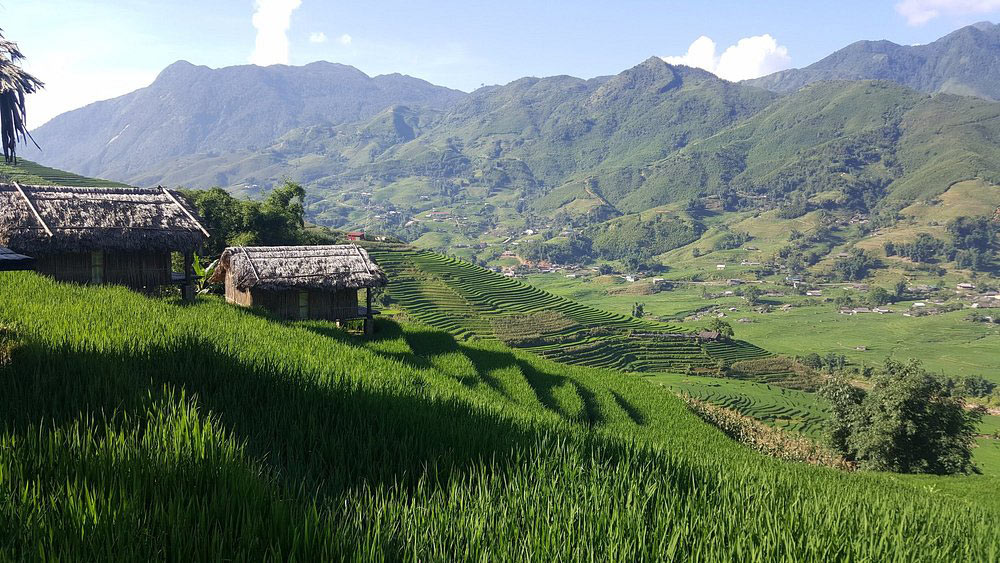
If you are searching for accommodation in Sapa that feels warm, local, and budget friendly, homestays are where the magic happens. These are the Sapa places to stay that give you more than a room. You get slow mornings, terrace views, home cooked meals, and the kind of hospitality that makes Sapa feel personal. The best part is that you can keep costs low without sacrificing the experience.
Eco Palms House is a classic valley pick for good reason. Instead of basic shared rooms, you get your own bungalow style stay with wide open views over the rice fields. It feels peaceful and scenic but still comfortable enough for travelers who want privacy at night. If you want that “wake up in the terraces” feeling and you do not want to go fully rustic, Eco Palms is one of the easiest choices to recommend.
If you want to stay close to the action but still want a homestay vibe, Mega View Homestay is a clever option. It sits in town, tucked down a small alley, so you can walk to restaurants and cafés while still enjoying a more homey atmosphere than a standard hotel. The hosts are a big reason people love it. Ask for Nam if you can. A great host can turn a simple stay into the highlight of your trip, especially if you want local tips that are actually useful.
For the best value in the valley, Ta Van Village homestays are hard to beat. This area is full of simple stays, but the smart move is to look for places that keep the local charm while adding a few comforts like private bathrooms. Names like Luckydaisan or Sapa Clay House often hit that balance well. This is a great route if you are comparing places to stay in Sapa Vietnam and you want culture plus comfort without a high price.
Quick tip to book better budget stays in Sapa: choose based on location and bathroom setup first, then photos. In Sapa, a clean private bathroom and an easy path to your room matter more than fancy decor. What kind of stay are you leaning toward, town convenience or valley views?
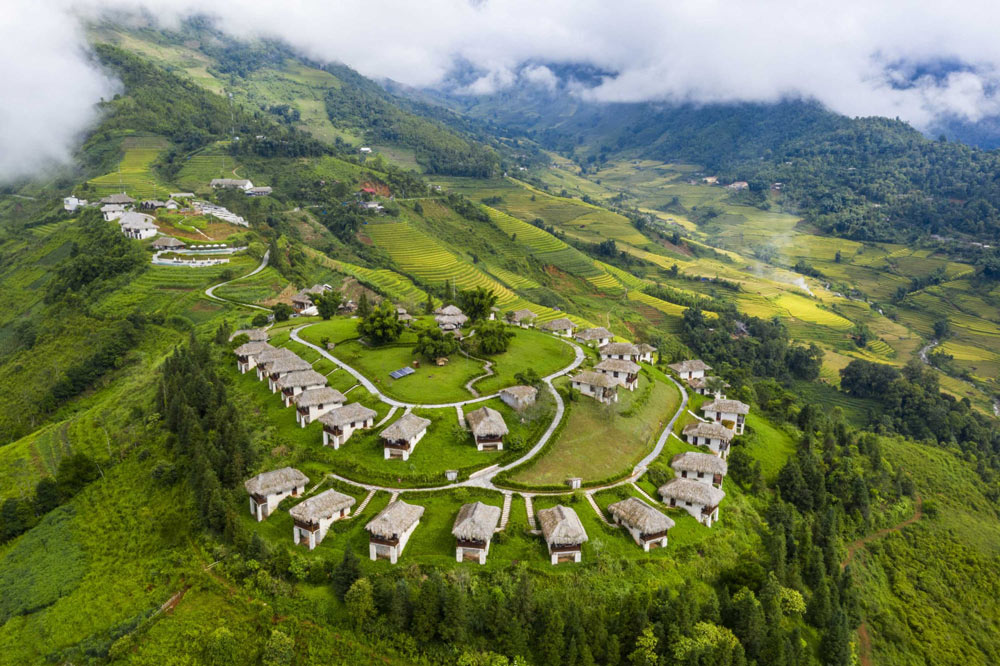
Planning your accommodation in Sapa gets much easier once you understand two things: prices change a lot by season, and your experience depends heavily on timing. Sapa can feel like a peaceful mountain escape on a quiet weekday, then suddenly feel packed and expensive during peak dates. A little planning saves you money and helps you actually enjoy the views you came for.
For budgeting in 2026, these ranges are a helpful baseline. A dorm bed or very simple homestay usually lands around $8 to $15 USD per night. If you want a comfortable private room with a view in a well rated mid-range hotel, expect roughly $45 to $75 USD. For higher end resorts and boutique five star stays, it commonly starts around $150 USD and can climb $300+ USD in peak periods. The biggest price jumps happen on weekends, school breaks, and Vietnamese holidays, so if you can travel midweek, you often get the same room for noticeably less.
If you are wondering when to avoid Sapa in Vietnam, there are two time windows to be careful with. First is June to August, the rainy season. The scenery can be very green, but trekking routes can turn slick and messy, and heavy rain can block views with thick fog. If your trip is mostly about hiking, this is the period where you need the most flexibility in your schedule. Second is Tết holiday (late January or February depending on the year). Sapa becomes extremely busy with domestic travel, and accommodation prices can jump dramatically, sometimes close to triple compared to normal weeks. If you still want to visit during Tết, booking early is not optional.
Now the big planning question: How many days in Sapa is enough? You can technically do 2 days and 1 night, but it often feels like you are speed running the destination. You arrive, rush a quick viewpoint or Cat Cat, then you are already leaving. It works only if your time is very tight and you are okay with a “taste of Sapa” trip rather than a full experience.
For most travelers, 3 days and 2 nights is the sweet spot. It gives you enough time to see different sides of Sapa without feeling exhausted. A simple plan that works well is: Day 1 for town sights and an easy walk like Cat Cat, Day 2 for a proper trek in the valley, and Day 3 for Fansipan if the weather is clear. With this timeline, you can also choose your accommodation in Sapa more confidently, one night in town for convenience, then one night in the valley for the scenery and calm.
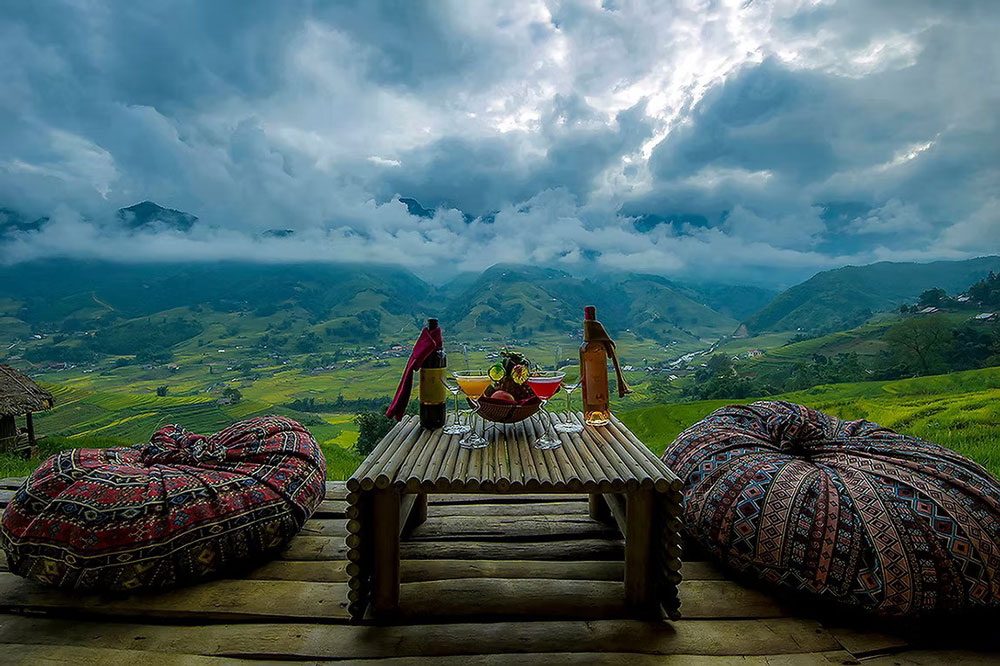
Yes, it’s absolutely worth it, but only if you experience the right side of Sapa. A lot of first-timers stay only in the town center, then wonder why it feels busy, grey, and more “mountain city” than “mountain escape.” The real charm is outside town, in the rice terrace valleys and small villages where mornings are quiet and the views feel endless. If you choose your accommodation in Sapa with that in mind, the trip usually goes from “nice” to “wow, I get it now.”
Three days is the sweet spot for most travelers. The journey from Hanoi is around 5.5 hours, so with only two days, you spend a huge chunk of your trip just sitting on the road. With 3 days, you can actually slow down. You have time for one easy day around town, one day for trekking or village exploring, and another day for Fansipan or simply enjoying the views from your hotel or homestay. If you want your accommodation in Sapa to feel like part of the experience rather than just a bed between transfers, give it those extra nights.
Air conditioning is common, but heating is the real thing you must check. In winter, especially December to February, Sapa can get very cold, sometimes close to freezing. Many budget stays look cozy in photos but don’t have proper heating, which can make nights uncomfortable. Before you book, look for clear wording like “Heating” or “Electric blanket.” If it doesn’t mention either, assume the room might be chilly and plan accordingly. This one small detail can make your Sapa accommodation feel either relaxing or miserable.
Yes, totally. Trekking is popular, but it’s not a requirement. You can book a homestay in Ta Van or the valley, take a taxi there, and simply enjoy the scenery and slow pace. Many people do this as a “digital detox” mini retreat: sit with a coffee, watch the fog move across the terraces, eat a home cooked dinner, and sleep early. If you want the village atmosphere without the long hikes, this is one of the easiest ways to do it.
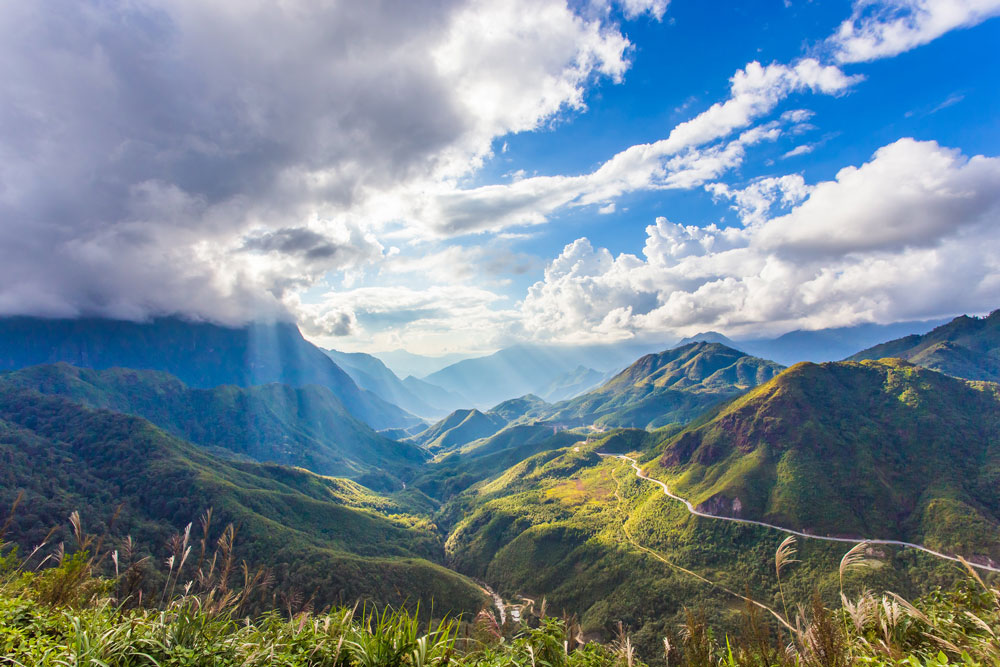
At the end of the day, choosing the right accommodation in Sapa isn’t just a practical decision. It’s the decision that shapes your whole trip. If you stay in Sapa Town, you get comfort and convenience. More restaurant choices, cafés you can walk to, and an easy base for quick sightseeing. If you stay down in the valley villages, you get what most people actually come to Sapa for: quiet mornings, rice terraces outside your window, and that peaceful “mountain life” feeling that no town hotel can fully copy.
One simple tip that almost always pays off: splurge on a room with a “Mountain View.” Sapa is one of those rare places where spending an extra $20 doesn’t just upgrade your room. It upgrades your entire experience. When the fog lifts and the terraces appear, or when the clouds roll in at sunrise, you’ll be so glad you didn’t choose the cheapest option facing a wall. This is the kind of view you’ll remember long after the trip ends.
Next Step: Plan Your Route
Booked your room? Now make getting there easy. Check out our guide on How to get from Hanoi to Sapa by Train vs. Bus so you can choose the most comfortable option for your schedule.
Want a Stress-Free Sapa Trip?
If you’d rather save time and effort planning Vietnam, you can simply reach out to Asia Mystika, a trusted tour operator in Vietnam. Tell us your travel style and budget, and we can help you match the right accommodation in Sapa, arrange transport from Hanoi, and build a smooth itinerary that fits your pace.
WhatsApp: (+84) 866.22.7878
Planning trip: Click here
Email: sales@asiamystika.com
Website: www.asiamystika.com
Asia Mystika Profile: Click Here