 Hotline: +84 866 227 878
- SG$ Singapore Dollar
- A$ Australian Dollar
- £ British Pound Sterling
- C$ Canadian Dollar
- € Euro
- MYR Ringgit Malaysia
- US$ United States Dollar
- đ Vietnamese Dong


 Hotline/Whatsapp: +84 86 622 7878
 Email: sales@asiamystika.com
 About Us
 Destinations
 Travel Styles
 Travel Guide
 Blogs
Blogs
 News
News

Visiting sapa lake soon? This 2026 guide explains whether the lake is man-made, where to stay for a great lake view hotel, what to do around the shore, and whether swimming is allowed.
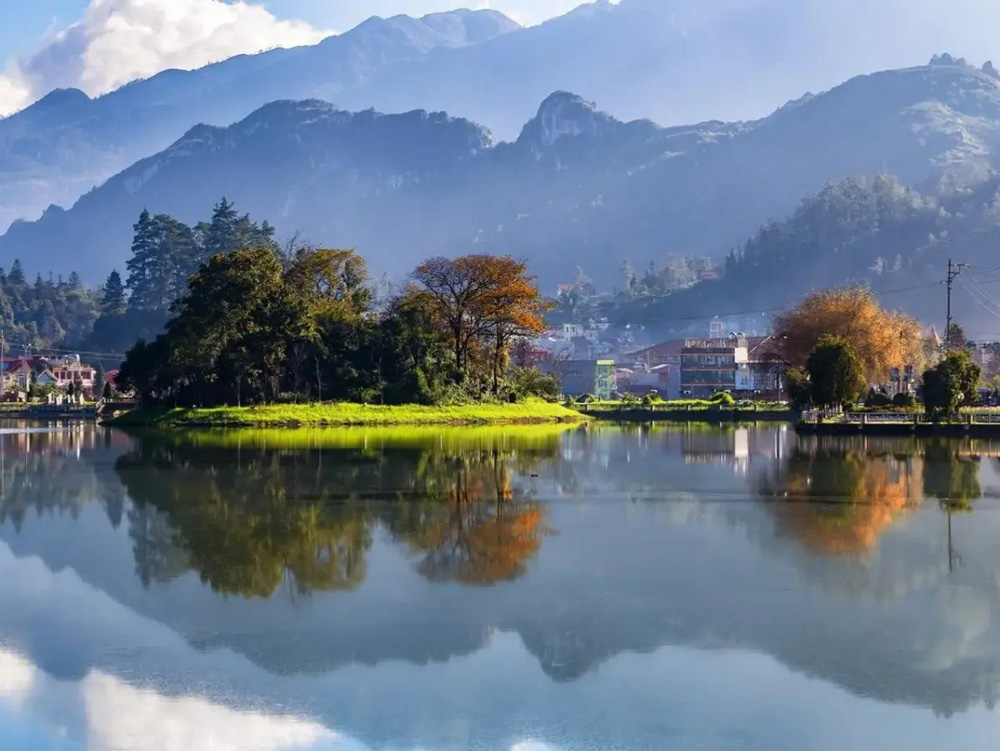
So your friends keep talking about Sapa, the misty mountains, the cool air, the markets, the food, the whole Northern Vietnam vibe, and now you’re finally building your own itinerary. Love that. And while most people plan their days around rice terrace treks and big peaks, there’s one spot you’ll naturally keep coming back to, even without trying: Sapa lake.
Sapa Lake Vietnam is the calm center of the town. It sits right where the energy of Sapa flows past, scooters, café conversations, families strolling, yet the water somehow makes everything feel slower. You might not travel all the way to Sapa “just for a lake,” but in reality this is the place where you’ll start your morning walk, take a break between activities, and wind down at night when the lights reflect on the surface and the air turns crisp.
In this guide, I’ll help you make the most of it with the details travelers actually need. We’ll cover how to choose the best lake view accommodation, what the lake is really like (and what not to expect), the truth about swimming rules, plus what the atmosphere feels like after sunset so you can plan your evenings without guesswork.
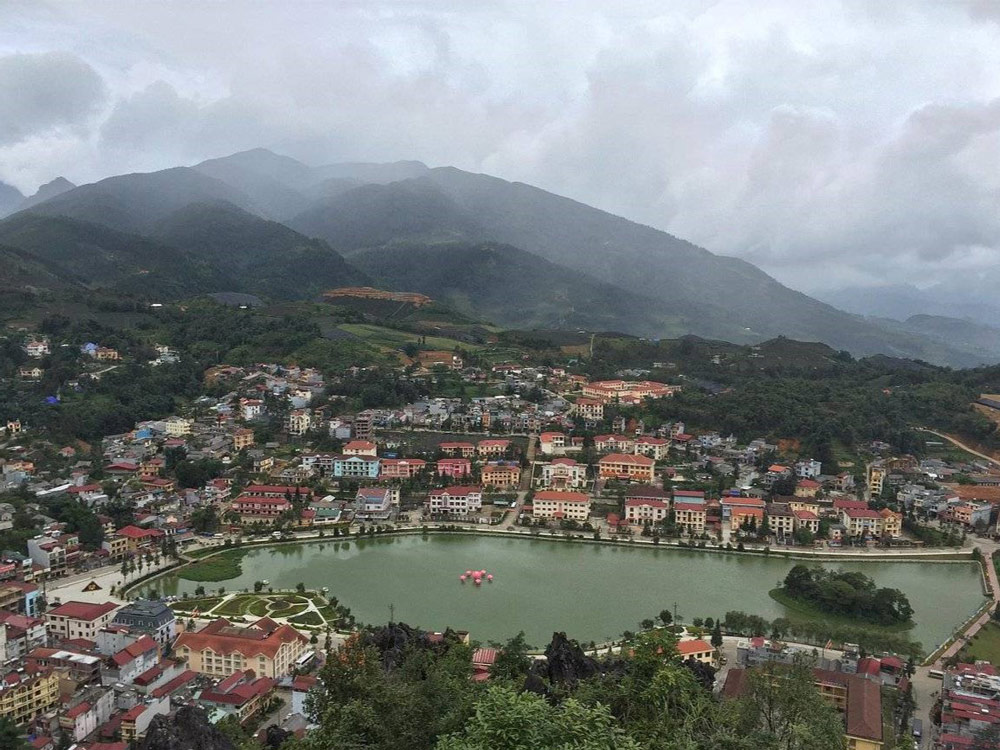
Yes. Sapa lake is man-made. It is an artificial lake created in the town center to bring in more open space and soften the feel of a growing mountain town. Instead of being a wild, natural body of water, this lake was planned as a calm public area where locals and visitors can breathe, walk, and enjoy the scenery without leaving town. Some local stories mention water flowing down from the Hoang Lien mountains as part of why this spot worked well for a lake, then the area was shaped and improved over time for tourism and town life.
You will also hear a very simple name used by everyone here. Locals call it Hồ Sa Pa. “Hồ” is just the Vietnamese word for “lake.” So when you see “Hồ Sa Pa” on signs or maps, it is literally “Sapa Lake.” It is an easy detail to remember, and it helps a lot when you ask for directions in town.
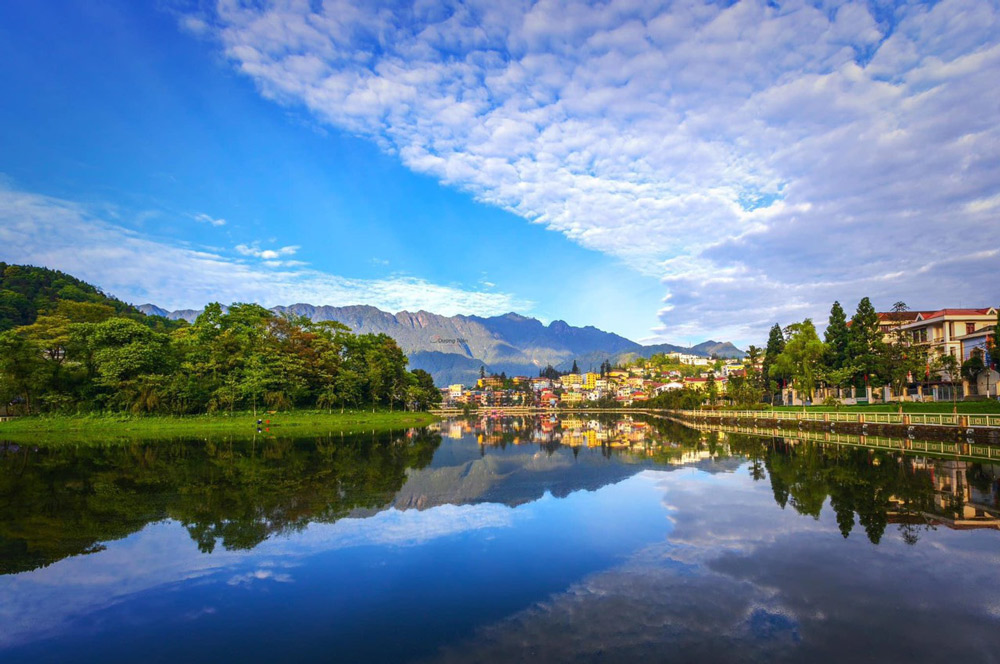
Yes, Sapa lake is extremely easy to access. It sits right in the center of town, so you can treat it like Sapa’s “compass point.” If you ever feel turned around after cafés, markets, or foggy streets, just aim back toward Sapa lake and you will quickly find your bearings again.
About the “address” question: the lake itself does not have one street number because it’s a public landmark, not a single building. Instead, it’s bordered by the town’s main streets. Many guides describe it as sitting between Ngu Chi Son Street, Xuan Vien Street, and Pham Kim Dong Street, with Pham Xuan Huan Street also right nearby (you will see lots of hotels and food spots on this road as you loop around).
The easiest walking reference is the Sapa Stone Church. From the church and central square, it’s only a few minutes on foot to reach the water. Just head downhill and you will see the lake open up in front of you.
For navigation, you honestly do not need a special guide. Open any digital map and look for the big blue shape in the middle of town. A relaxed loop around the shoreline usually takes about 30 to 45 minutes, depending on how many photo stops and coffee pauses you allow yourself.
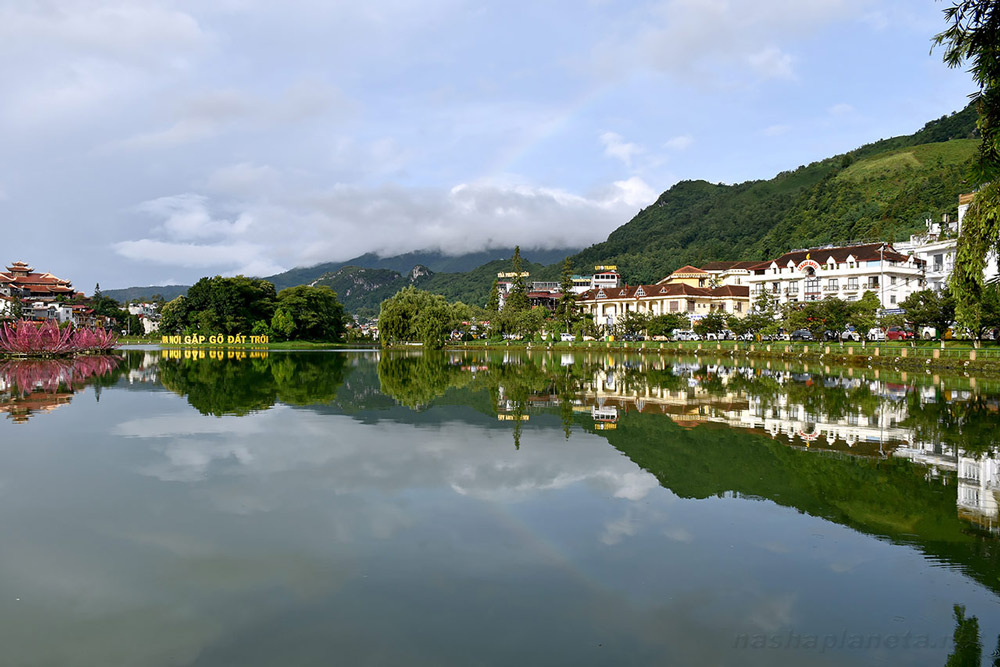
Not everyone comes to the mountains to chase a summit, and honestly, that is totally okay. If you want Sapa’s views without sore legs, Sapa lake is the perfect starting point. You can do a slow loop by the water, grab a warm drink nearby, and use the lake as your “reset button” between easy activities. It is the kind of place where your day can feel full, even if you never touch a hiking trail.
If you are wondering what to do in Sapa besides Fansipan, start with experiences that give you maximum scenery with minimal effort. Moana Sapa is a curated photo park made for dramatic mountain backdrops and fun photo installations, so you can get those iconic cloud shots without a long walk. Then treat yourself to a Red Dao herbal bath at a traditional spa in town. You sink into a hot wooden tub filled with mountain herbs, and the whole thing feels like a warm reset for your body after travel. After that, go simple: spend an hour cafe hopping on the main streets, pick a seat with a valley view, and let the clouds do the entertainment.
For easy sightseeing that still feels epic, use wheels, not willpower. A taxi or motorbike ride to Silver Waterfall (Thac Bac) is straightforward and scenic, and the falls are about 15 km from Sapa town, so it is an easy half day add on. Then continue toward O Quy Ho Pass (Heaven Gate), one of the best viewpoints in the area. From Sapa, it is typically around 25 to 40 minutes by road, and you get huge mountain panoramas with almost no walking at all.
If your goal is a relaxed trip, this is the sweet formula: slow mornings at Sapa lake, a wellness break in the afternoon, then an easy drive to a waterfall and a high pass viewpoint for your “wow” moment. You still get the scenery that made you book Sapa in the first place, just in a way that feels comfortable and enjoyable.
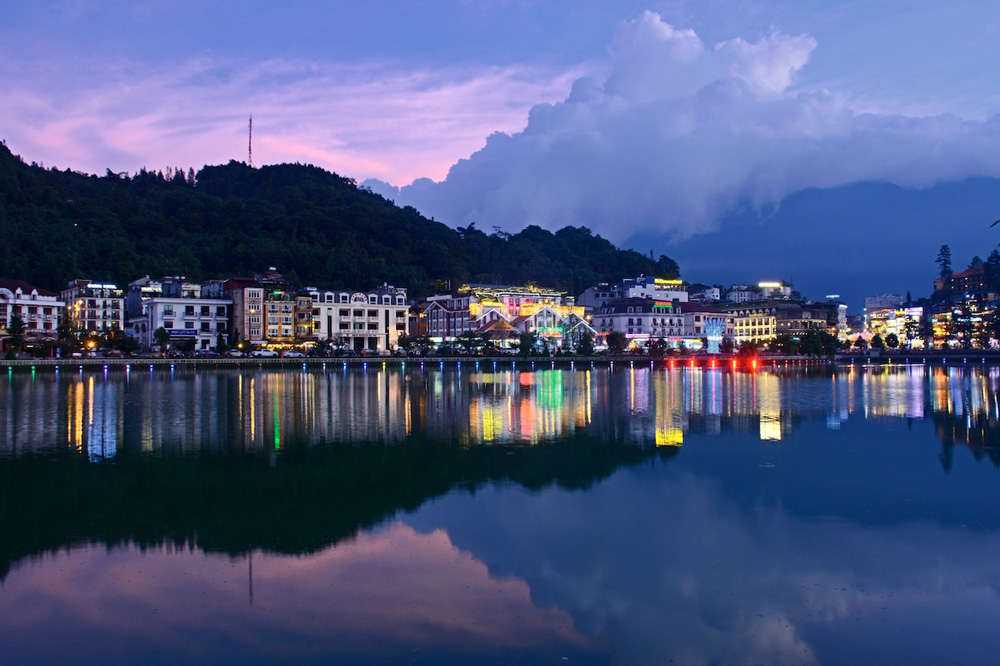
When the sun drops and the air turns crisp, Sapa suddenly feels more alive. The weekend night market is the easiest way to jump into that energy. You’ll hear sizzling grills, smell sweet roasted snacks, and see stalls packed with local textiles and handmade goods. This is the place to try hot roasted chestnuts, grab grilled pork skewers, and wander without a strict plan. If you want a small souvenir that actually feels “Sapa,” look for simple woven items you can use again like a scarf or small bag. They are practical and they travel well.
After the market buzz, slow it down with a walk around Sapa lake. At night, the lake becomes the town’s calm corner, with lights reflecting on the water and couples and families doing an easy loop before heading back to their hotels. It’s a simple plan, but it works because it lets you enjoy Sapa without needing to trek. Finish the evening at a lakeside café with something warm like hot coffee or mulled wine, and you’ll understand why this area is where many travelers naturally end their day.
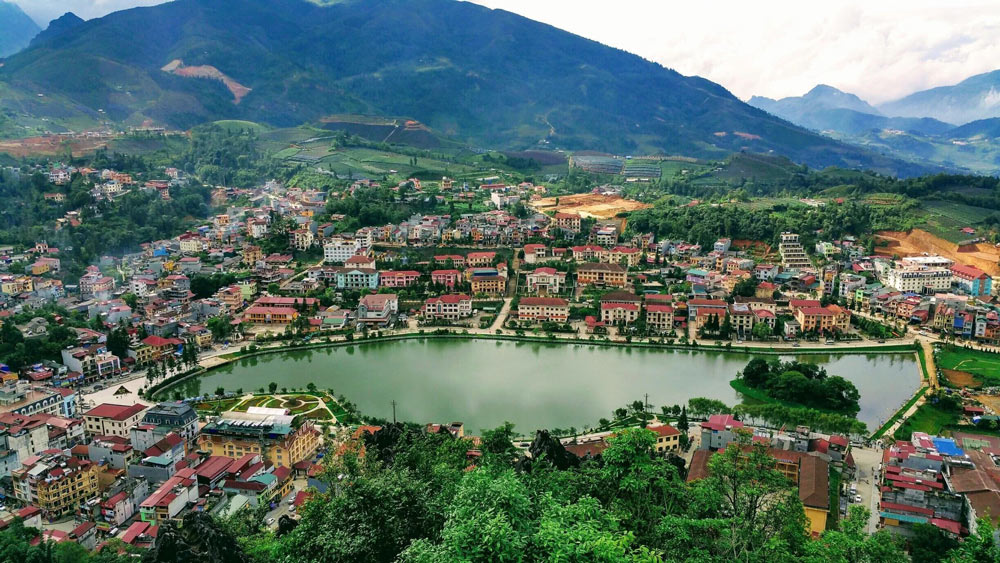
If Sapa lake is your “home base” in town, the first step is getting to Sapa smoothly from Hanoi. In 2026, most travelers choose between two routes. The direct limousine bus is the simplest for many people because it takes roughly 5.5 to 6.5 hours on the expressway and drops you right into Sapa town. The other option is the overnight train to Lao Cai, then a shuttle or taxi up to Sapa. Trains usually run overnight and arrive early morning, which is great if you want to sleep through the long distance and start your day fresh.
Once you arrive, Sapa can feel a little twisty at first. The streets slope, turn, and disappear into fog like a movie set. That’s why I recommend downloading an offline map or grabbing a paper tourist map from your hotel. Then use Sapa lake as your anchor point, most roads and landmarks loop back toward it, so you’re rarely “lost,” you’re just taking the scenic route.
If you’re pairing Sapa with Ha Long Bay (many people do), timing matters. The best sweet spots are September to November or March to May. You’ll get a better chance of clear views and comfortable weather, plus September and October are famous for terraces looking their most beautiful around Sapa.
For how long to stay, I’d plan at least 3 days and 2 nights. That gives you breathing room instead of rushing. One travel block for getting up from Hanoi, one day for town highlights and a Fansipan day if you want it, then one day for valley villages and countryside views. And every evening, you can come back to Sapa lake for an easy walk and a warm drink, which is honestly one of the nicest parts of staying in town.
Book your Hanoi transport early if you travel in peak months
Pack layers and comfortable shoes for steep streets
Add one calm evening around sapa lake to slow the trip down
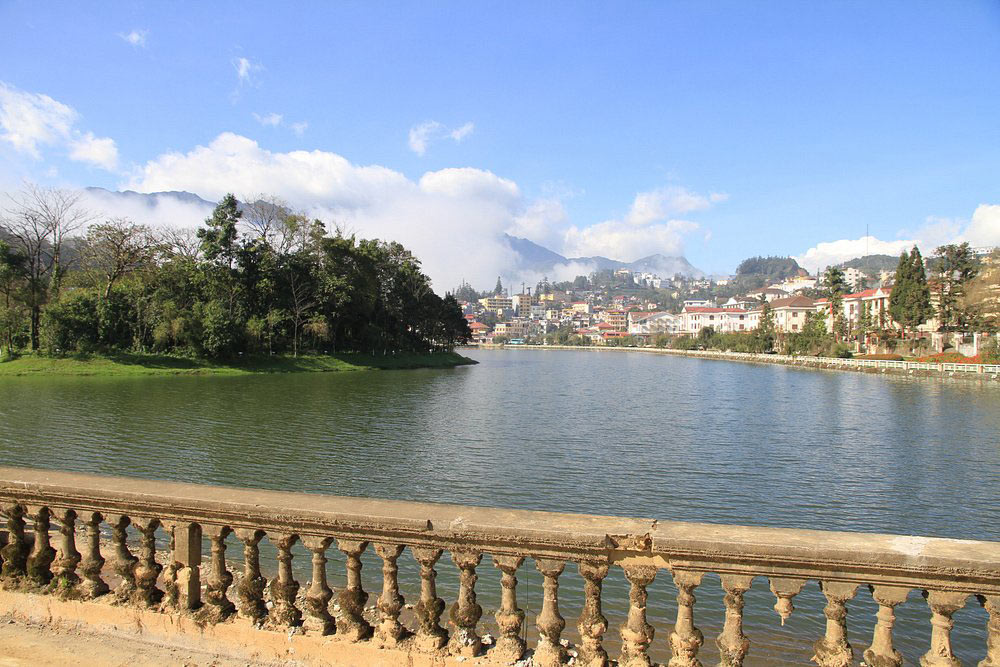
Sapa is loved for three big reasons: layered rice terraces, Fansipan peak, and the living culture of ethnic minority communities like the Hmong and Dao. It’s one of the rare places where the scenery and the local traditions both feel unforgettable.
If you’re short on time, these are the crowd favorites: Fansipan (by cable car or summit visit), Cat Cat Village, Muong Hoa Valley, Sapa lake, and the Sapa Stone Church area. Together, they give you a mix of nature, viewpoints, and town atmosphere.
You can still have an amazing trip without long walks. Take the Fansipan cable car, book a Red Dao herbal bath, visit the Sapa Museum, or hire a car for easy scenic stops like Silver Waterfall and O Quy Ho Pass. Minimal effort, maximum views.
Try Cat Cat Village for an easy cultural outing, browse the central market, stop by Moana Sapa for styled photo spots, and spend a slow afternoon cafe-hopping with valley scenery. This is the “soft side” of Sapa that many travelers end up loving most.
Start with a gentle loop around Sapa lake when the lights reflect on the water. Then head to the weekend night market, snack on hot grilled skewers, or catch a local cultural show in the main square if one is on. Nighttime Sapa is cozy, lively, and very photo-friendly.
A sweet spot is 3 days and 2 nights. That gives you time for travel, one day for town plus Fansipan, and one full day for the valleys and villages without rushing everything.
For the best all-around weather in both places, choose September to November or March to May. You’ll usually get clearer skies for cruising in Ha Long Bay and the most comfortable conditions for exploring Sapa.
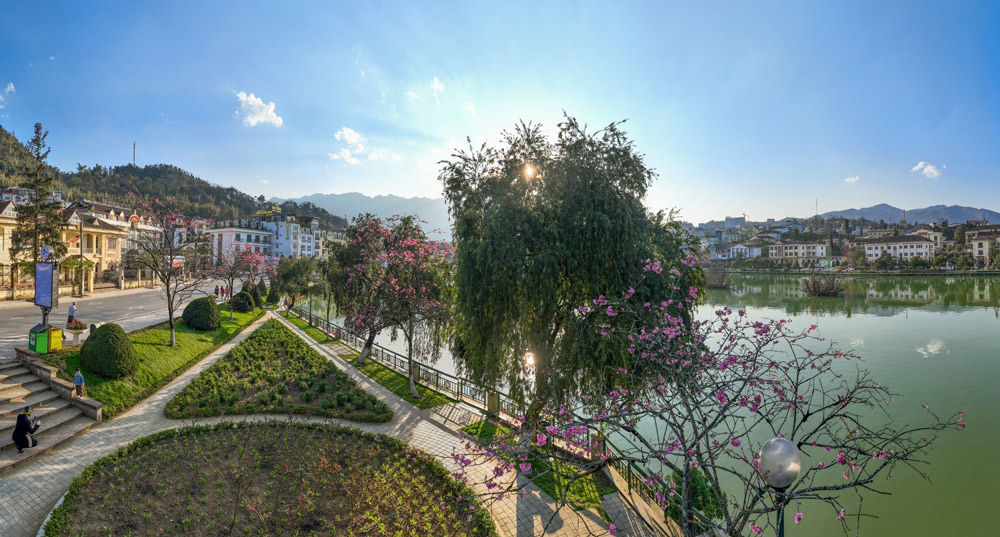
Sapa is one of those rare places that works for almost every travel style. If you’re adventurous, you can chase big views and mountain moments. If you’re more into slow travel, you can still have an amazing trip by spending your mornings in a cozy café, your evenings strolling around Sapa lake, and your days picking easy scenic stops that don’t require tough hiking. That’s the beauty of Sapa. It can be as active or as relaxed as you want, and the cool mountain atmosphere makes even simple plans feel special.
To enjoy it comfortably, plan a few essentials in advance. Pack layers because Sapa evenings can turn chilly fast, especially near the lake where the air feels cooler. It’s also smart to book your transport from Hanoi early if you’re traveling on weekends or during peak seasons. And if you want your itinerary to feel complete, check out your other guides like local homestays for a more personal experience or a packing list so you don’t forget the small things that make mountain travel easier.
If you’d like to save time and effort and have everything arranged smoothly, you can contact Asia Mystika, a trusted tour operator in Vietnam. They can help you build a Sapa itinerary that matches your pace, handle the logistics, and make sure you get the best moments around Sapa lake and beyond without the planning stress.
Ready to go? Start planning your custom Sapa itinerary with us
Who we are: Learn more about the local experts at Asia Mystika
WhatsApp: (+84) 866.22.7878
Email: sales@asiamystika.com
Website: www.asiamystika.com
