Hotline: +84 866 227 878
- SG$ Singapore Dollar
- A$ Australian Dollar
- £ British Pound Sterling
- C$ Canadian Dollar
- € Euro
- MYR Ringgit Malaysia
- US$ United States Dollar
- đ Vietnamese Dong


 Hotline/Whatsapp: +84 86 622 7878
 Email: sales@asiamystika.com
 About Us
 Destinations
 Travel Styles
 Travel Guide
 Blogs
Blogs

Planning 4 days in Sapa? This 2026 guide covers the ideal Sapa 4 days 3 nights itinerary, best months to visit, Fansipan cable car, valley trekking, and easy Hanoi transfer tips.
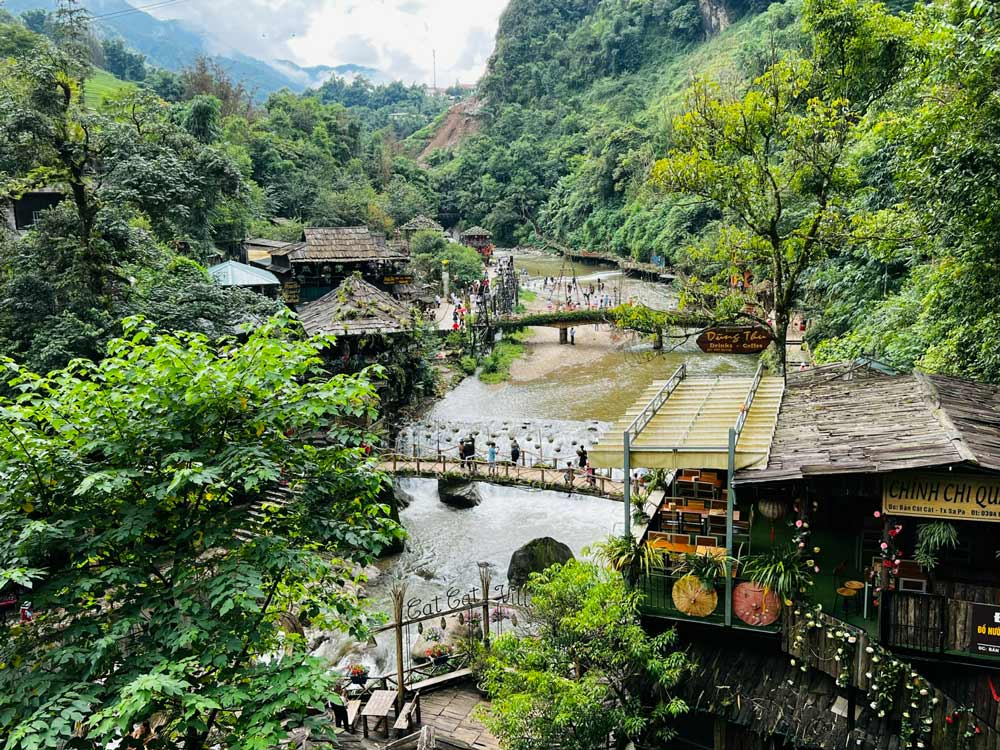
Most travelers treat Sapa like a checklist destination: arrive, ride the cable car, snap a few photos, and rush back to Hanoi. But that speed-first approach misses the best part of the mountains—quiet mornings, valley depth, local rhythm, and the kind of experiences you only notice when you are not racing the clock.
That leads to the core question: Is 4 days in Sapa too much?
The honest answer is: it depends on how you use those days.
If you stay only in the crowded center and repeat the same streets, yes, four days can feel excessive. But if you structure your trip around high-altitude highlights, deep-valley immersion, café downtime, and one buffer day for mountain weather, then 4 days in Sapa is not too long—it is ideal.
A thoughtful Sapa 4 days 3 nights itinerary gives you what short trips cannot:
This guide gives you a practical 2026 framework for what to do in Sapa, Vietnam for 4 days, including transport logic, daily pacing, and a realistic Hanoi connection plan.
If you are planning a wider route, start here:
High-value keywords to focus on in this article
To help you make decisions fast, this article emphasizes planning-intent terms such as:
These are high-value because they directly map to booking and scheduling decisions.

The first planning reality is transit. Hanoi to Sapa usually takes around 5.5–6 hours by VIP limousine van (longer with traffic or weather disruption). That means a short itinerary can be dominated by transport fatigue.
If rain hits your trekking day, a 4-day schedule lets you re-order activities without losing your entire Sapa experience. That is a major practical advantage over shorter plans.
For most travelers and content outcomes, the strongest windows are:
September to November (Golden Season)
March to May (Spring Clarity)
Months to avoid for risk-sensitive travelers: June to August
Winter (Dec–Feb) can still be beautiful and atmospheric, but it is often colder and foggier, with less predictable views.
For weather-linked alternatives and destination options:
Getting there: best transport for 4-day pacing
For most travelers, the best transfer setup is:
Train remains a valid alternative for slow-travel style, but for itinerary efficiency, van transfer usually wins in 2026.
Useful related routes:
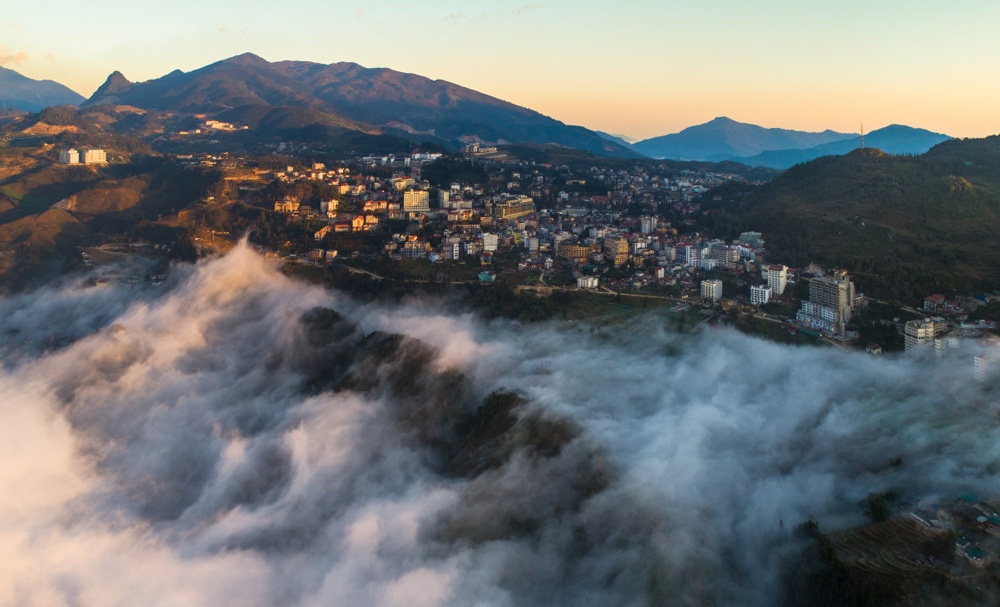
After a long transfer, Day 1 should be low-intensity and high-reward. Your goal is acclimatization, orientation, and relaxed enjoyment.
Afternoon (around 12:00–5:00 PM): easy town loop
These stops provide strong atmosphere without physical overload.
Internal links:
What to do in Sapa without trekking (Day 1 version)
If your legs need recovery from transit:
Related links:
Things to do in Sapa at night
Day 1 evening should feel warm and local:
Internal references:
Day 2 is your high-altitude signature day.
Morning: Sun World Fansipan Legend
Start early and ride:
This delivers a dramatic mountain experience without requiring a full technical trek.
Internal links:
Why this matters in a 4-day itinerary:
You lock in the iconic highlight early, leaving Day 3 and Day 4 flexible for weather, valleys, or alternatives.
Afternoon: slow café culture with valley views
After descending, do not force another hard activity. Sapa’s café scene is part of the destination’s character and a key advantage of slower itineraries.
A good afternoon template:
Helpful links:
Evening: light local loop
Use evening for:
A strong Day 2 balance is: altitude + reflection, not altitude + over-scheduling.
This is the day that justifies choosing four days instead of two or three.
The “real Sapa” principle
Town is convenient—but valley life is the real signature. To experience authentic Sapa rhythm, leave the center with a local guide.
Route recommendation: Lao Chai → Ta Van → Giang Ta Chai extension
A full-day valley route often includes:
Internal links:
Why local guides add major value
A local H’Mong or Red Dao guide helps with:
That guidance transforms a scenic walk into a meaningful experience.
Lunch: homestay-style farm-to-table stop
Lunch in valley homestay areas usually gives:
This is often one of the most memorable moments of the day.
Return strategy
Because this is a full trek day, pre-arrange return transport to avoid end-of-day uncertainty. Motorbike taxi or private car pickup both work depending on group composition and weather.
Evening recovery
After valley trekking:
This protects energy for Day 4.
Day 4 should be efficient: one final high-impact experience, then clean departure flow.
Morning: Rong May Glass Bridge + O Quy Ho Pass
For travelers who want one more dramatic mountain moment before leaving, this is an ideal final stop:
On the return route, stop at Silver Waterfall for a fast but rewarding nature break
Internal links:
Afternoon: shopping + quick lunch + departure
Back in town:
Arrival in Hanoi is typically evening (traffic/weather dependent), suitable for onward city stay or airport positioning.
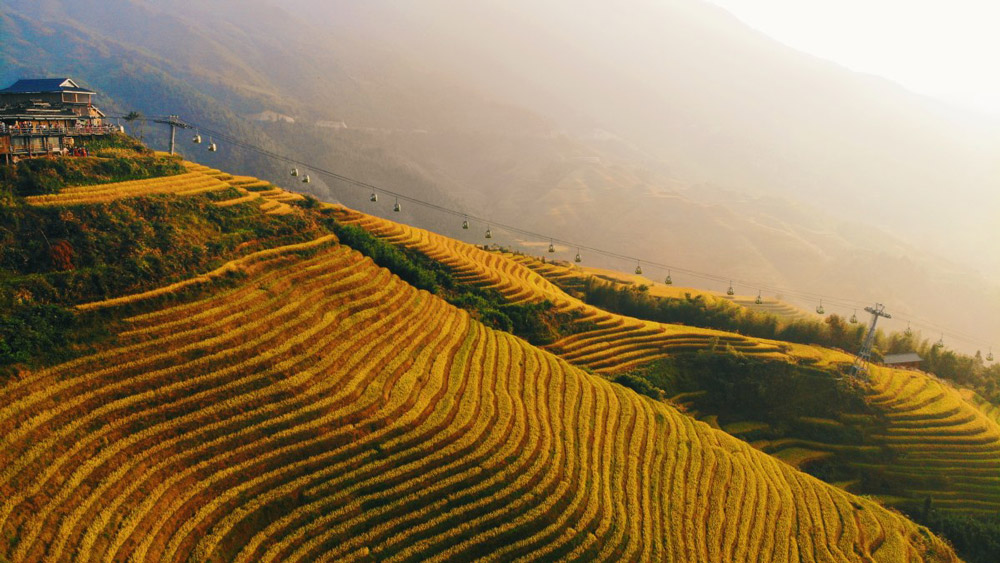
If shrinking to Sapa itinerary 2 days
You will likely need to sacrifice depth:
A 2-day version can still be done, but it often feels compressed after transit.
If using Sapa itinerary 3 days
Three days is the standard and works well for many travelers:
However, weather disruptions hit harder in 3-day plans because there is less margin for re-ordering.
If expanding to Sapa itinerary 5 days
With one additional day, you can:
This is excellent for travelers prioritizing immersion over checklist speed.
Hanoi Sapa itinerary 5 days combo (high-value structure)
A practical and popular split:
This combines city texture + mountain depth with manageable logistics.
Useful internal supports:
No. Four days is too long only if you stay exclusively in the town center. If you include Fansipan, a full valley trek, and slower mountain pacing, 4 days is an excellent duration.
Most travelers need at least 3 days/2 nights to justify the long Hanoi transfer. Four days is ideal for a more relaxed and weather-resilient itinerary.
You can ride the Fansipan cable car, visit Rong May Glass Bridge, explore Moana Sapa, enjoy the night market, and relax at valley-view cafés.
September to November is best for golden harvest terraces. March to May is excellent for spring skies and comfortable trekking weather.
A practical split is 1.5 days in Hanoi plus 2.5 days in Sapa. Use early transfer timing, reserve Fansipan early, then combine one valley day with one accessible attraction day.
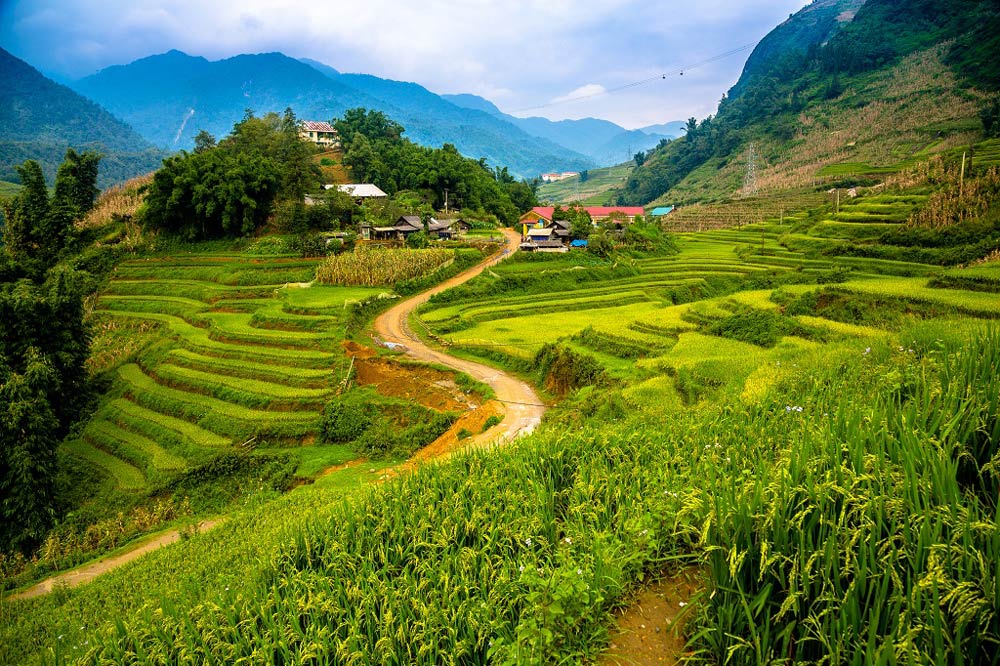
Giving yourself 4 days in Sapa is not indulgent—it is strategic. It lets you combine the spectacular and the meaningful: summit-level views one day, real valley immersion the next, then a final day for adrenaline or gentle culture before departure. You are no longer forced to choose between highlights and depth.
That is why a Sapa 4 days 3 nights itinerary is often the best “value per hour” format for mountain travel in northern Vietnam. You gain:
Final tip: where you sleep matters. A smart approach is to spend the first nights in town for convenience, then move to a quieter valley eco-lodge for at least one night if your schedule allows.
If you want to save time, reduce planning friction, and avoid transport mistakes, they can contact Asia Mystika, a trusted tour agent in Vietnam.
Asia Mystika can help with:
Contact and planning pages:
Ready to go? Start planning your custom Sapa itinerary with us
Who we are: Learn more about the local experts at Asia Mystika
WhatsApp: (+84) 866.22.7878
Email: sales@asiamystika.com
Website: www.asiamystika.com