 Hotline: +84 866 227 878
- SG$ Singapore Dollar
- A$ Australian Dollar
- £ British Pound Sterling
- C$ Canadian Dollar
- € Euro
- MYR Ringgit Malaysia
- US$ United States Dollar
- đ Vietnamese Dong


 Hotline/Whatsapp: +84 86 622 7878
 Email: sales@asiamystika.com
 About Us
 Destinations
 Travel Styles
 Travel Guide
 Blogs
Blogs

Hungry in Sapa? This 2026 guide to food in sapa vietnam covers must-try mountain dishes like salmon hotpot, street snacks to look for at night, and the top restaurants to book.
our friends have probably hyped up Vietnam’s street food already. Pho in Hanoi. Banh mi in Saigon. Amazing, yes. But once you head up into the misty northern highlands, the whole food story shifts. Sapa is cooler, cloudier, and sometimes downright chilly at night. So the meals here are built for comfort, warmth, and sharing.
That’s why food in Sapa Vietnam feels so different. Think hearty hotpots, smoky grilled meats, and dishes that make sense when your hands are cold and you want something filling. A lot of the best meals are also communal, meaning you sit with friends or family around a bubbling pot or a sizzling grill, eating slowly while the mountain air rolls in outside.
In this guide, I’ll walk you through the must-try local dishes, help you decode typical Sapa menus so ordering feels easy, and share top-rated places to eat for a memorable dinner. I’ll also include a few crowd favorites that travelers keep recommending online, so you get options that locals love and visitors genuinely return for.
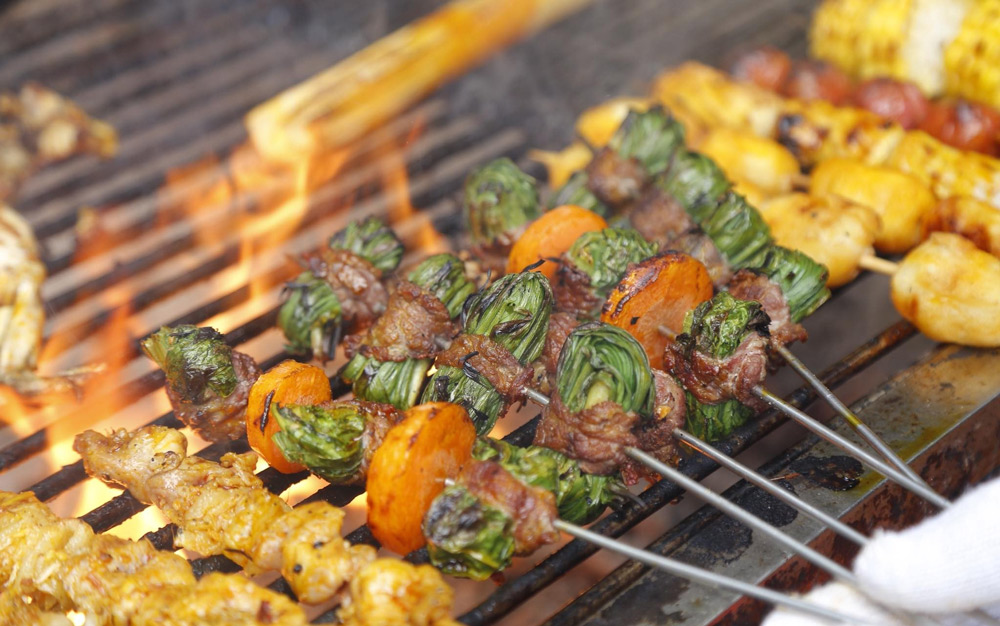
Sapa’s food scene changes for one simple reason: the climate. Up here in the Hoang Lien Son mountains, evenings can feel genuinely cold compared to most of Vietnam. That is why food in Sapa Vietnam leans heavily into meals that warm you up fast like steaming hotpots, charcoal grilled meats, and comforting soups. You will also notice a lot of ingredients that feel “mountain-grown” or “forest-found” such as wild herbs, mushrooms, and bamboo shoots. The cooking style is practical and satisfying. It is designed for hungry hikers and chilly nights.
Sapa is also famous for its local agriculture, which is shaped by the highland environment and ethnic minority farming traditions. Alongside the famous rice terraces, the region is known for fresh highland vegetables that taste crisp and clean, plus cold-water fish raised in the cool mountain conditions, and free-range mountain poultry that makes simple grilled dishes taste surprisingly rich. So when you sit down to eat in Sapa, you are not just trying “Vietnamese food.” You are tasting a highland version of it, built around warmth, freshness, and sharing at the table.
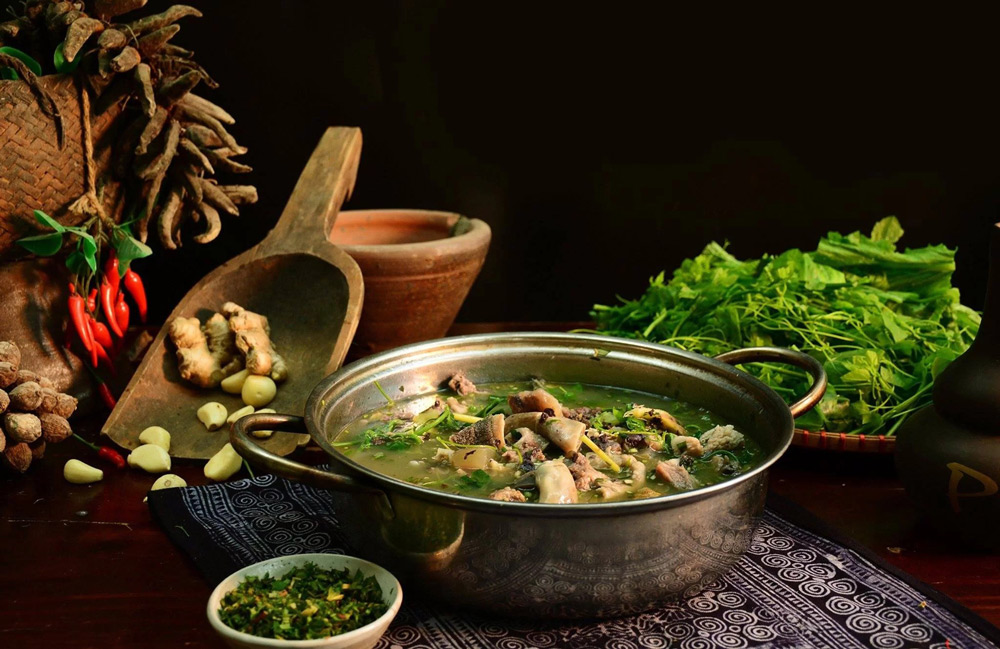
This is the signature “mountain dinner” you’ll hear everyone talking about. Because Sapa sits high in cool terrain with cold, clean water sources, the region has developed cold-water fish farming, including salmon and sturgeon, which is rare in Vietnam. In restaurants, the most comforting way to eat them is hotpot. You get a bubbling broth that’s often bright and slightly tangy, then you dip thin slices of fish with a basket of local greens. After a chilly day out, it’s the kind of meal that warms you up fast and feels best when shared with friends.
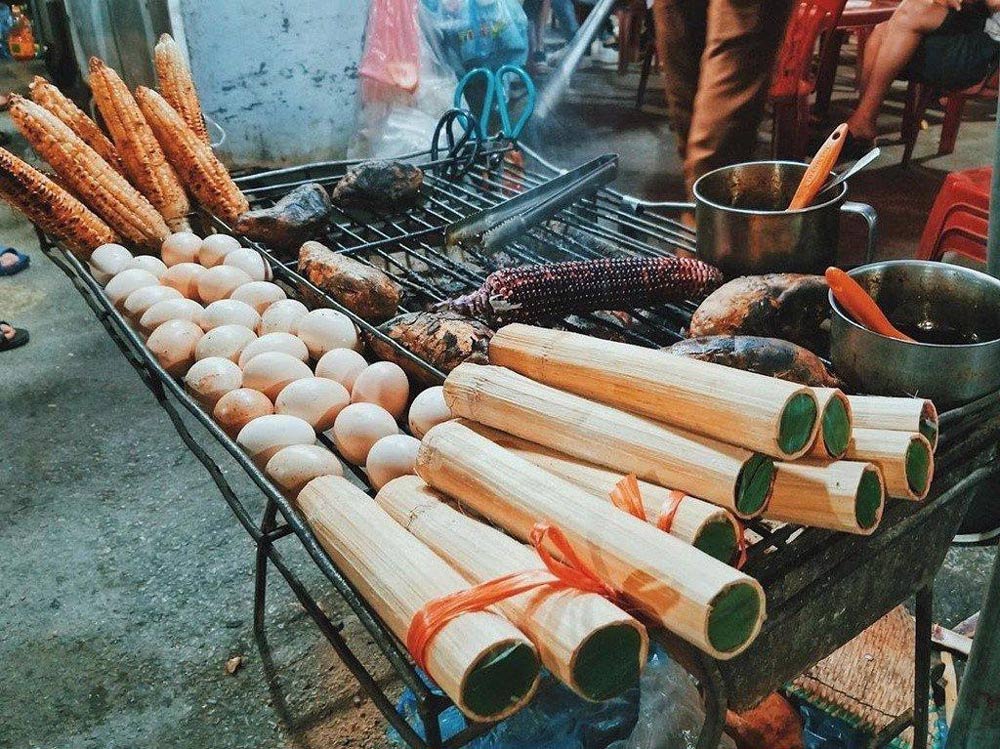
If you want a classic street-style bite, look for cơm lam, sticky rice packed inside a bamboo tube and roasted over hot coals. When it’s ready, you peel back the bamboo and get this smoky, gently sweet rice that smells like the mountains. It’s often paired with grilled skewers, usually pork, and the flavor upgrade comes from mắc khén, a Northwest “mountain pepper” with a citrusy scent and a light tongue-tingle that makes grilled food taste extra addictive.
This one is a Sapa specialty many travelers remember, even if they can’t pronounce it at first. Gà đen is a local black chicken that’s commonly cooked two ways: grilled (often with a touch of sweetness like honey) or slow-simmered in an herbal soup that people order when they want something nourishing. The meat is usually firmer than regular chicken, and the overall vibe is cozy and “good for you,” perfect for cold nights in the highlands.
If you want the most culturally iconic option in food in Sapa Vietnam, this is it, but I’ll be honest: it’s not for everyone. Thắng cố is a traditional Hmong-style stew, often made from horse meat and organs simmered in a large pot with spices and herbs, creating a bold, earthy flavor. It can smell strong to beginners, so treat it like a cultural tasting experience. If you’re curious, try a small bowl at a local market, then decide if you want more.
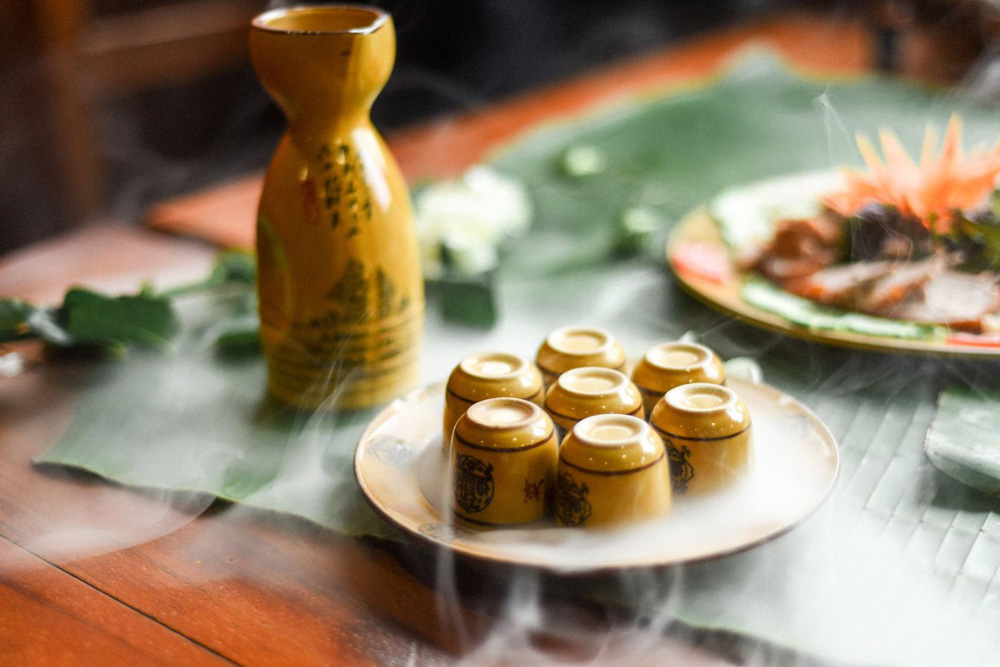
After a cold day in the mountains, choosing the right dinner spot matters. These five places are popular for a reason. They match the highland mood, serve the dishes people actually come to Sapa for, and are easy to enjoy even if it’s your first time ordering food in sapa Vietnam.
If you want a “first night in Sapa” restaurant that feels very Northwest, start here. A Phủ is well-known for local specialties like thắng cố and fish hotpot options that arrive with big baskets of vegetables and mushrooms. The space leans into traditional wooden styling, so your meal feels like part of the mountain experience, not just something to tick off.
This is a strong choice when you want a warmer, more date-night vibe. Red Dzao House is often recommended for local dishes such as wild boar, plus drinks like local wines that fit the chilly Sapa evenings. The setting is designed around Red Dao cultural style, so it feels special without being stiff.
This name comes up again and again in traveler discussions because it’s reliable and friendly, with a menu that works for mixed groups. You can order Vietnamese favorites, but it’s also a great option if someone in your group is vegetarian or vegan. Many reviews mention dishes like curries and veggie-friendly choices, and HappyCow notes vegan options can be made on request.
If you want smooth service and an English-friendly menu, this is one of the easiest places to feel confident ordering. It’s especially known for sturgeon and salmon hotpot, and there are plenty of reviews that call out the sturgeon hotpot as a highlight. It’s a safe pick for couples, families, or anyone who wants a comfortable “sit down and relax” dinner.
For a budget-friendly meal that still feels satisfying, Little Sapa Restaurant is a dependable choice. Reviews often mention generous portions and solid local-style dishes like wild pig and other mountain meats. It’s the kind of place you go when you want good value and a simple, no-pressure dinner.
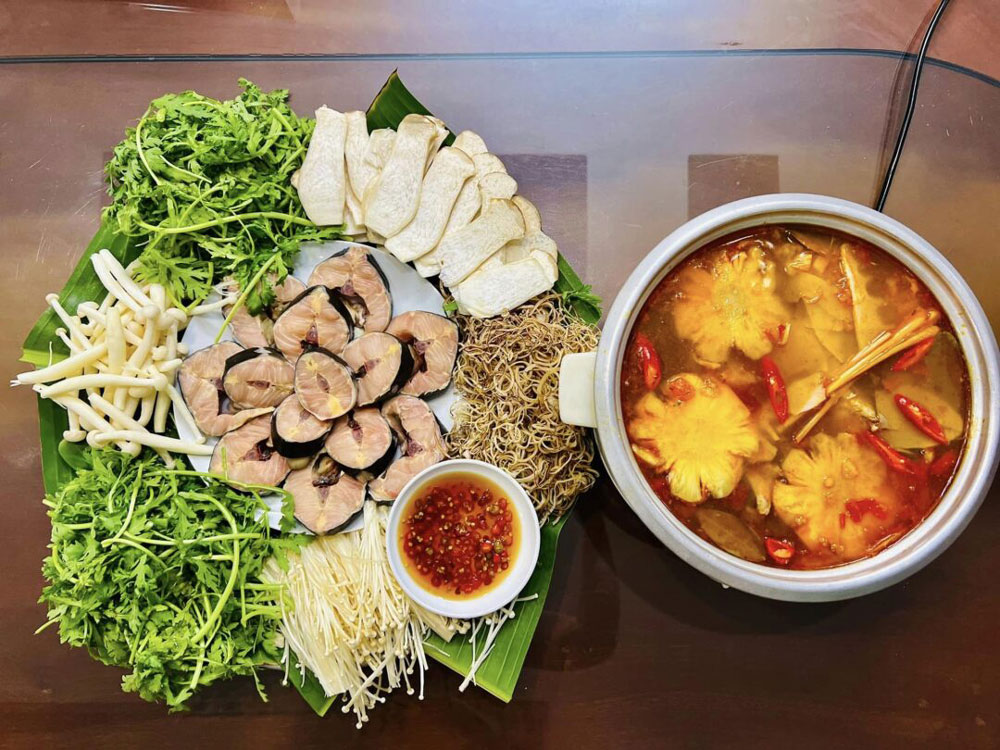
Ordering food in Sapa Vietnam gets a lot easier once you know a few “magic words” on the menu. If you see “Nướng”, that means grilled. It’s usually your safest, tastiest option on a cold night because everything comes out smoky and hot, often served with local greens. “Lẩu” is hotpot, the big shared meal where a bubbling pot sits in the middle and you cook fish, meat, and vegetables at the table. And if you spot “lợn cắp nách,” don’t panic at the name. It’s a local free-range pig, literally nicknamed “carried-under-arm” because the pigs are small and traditionally easy to carry. It’s a famous regional delicacy, often roasted or grilled, and it’s one of the most “Northwest Vietnam” things you can try.
Also, remember that not every great bite in Sapa comes from a menu. Some of the best snacks are found the simple way, straight from the grill. In the evenings near Sapa Lake and the central square, you’ll see little charcoal stalls selling warm treats and skewers. This is where you can grab quick comfort snacks like sweet chestnut cakes or roasted bites while you walk. No ordering stress, no translating, just point, pay, and enjoy the heat from the coals as the mountain air cools down around you.
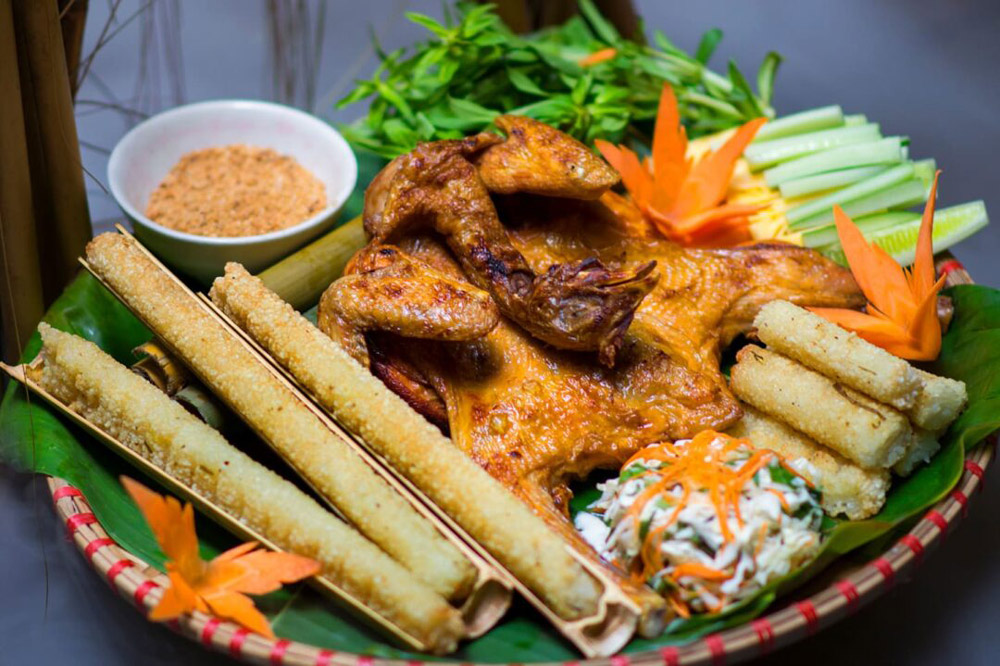
If you want the best “first time” experience of food in Sapa Vietnam, start with these four: salmon or sturgeon hotpot, bamboo sticky rice (cơm lam), charcoal-grilled skewers, and black chicken (gà đen). They’re warm, filling, and feel made for the mountain weather.
Sapa is known for cold-weather mountain cuisine. Think hotpots, smoky grilled meats, and ingredients that come from the highlands, like cold-water fish (salmon/sturgeon), free-range mountain pork, and local herbs that give dishes that “only-in-the-north” taste.
Sapa is famous for its terraced rice valleys, Fansipan mountain, and the rich cultures of ethnic communities like the Hmong and Red Dao. The food is part of that cultural experience, it’s hearty, regional, and different from what you’ll eat in Hanoi or Saigon.
Across Vietnam, the two big national stars are phở (noodle soup) and bánh mì (baguette sandwich). But in Sapa, the comfort foods change with the climate. Here, hotpots and grilled meats tend to become the number one choice, especially at night when the air turns cold.
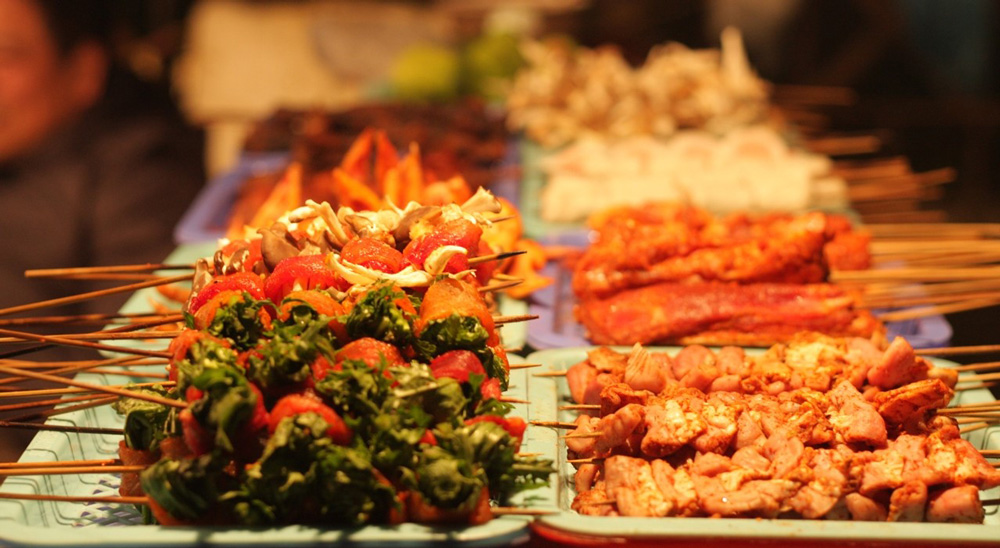
Eating food in Sapa Vietnam isn’t just about “finding dinner.” It’s part of the whole mountain experience. After a long day walking through terraces or breathing cold air on a high pass, nothing feels better than sitting close to a warm stove, watching steam rise from a bubbling hotpot, and sharing the meal slowly with your group. Sapa food is comfort, community, and that cozy feeling of being taken care of by something hot and hearty.
So here’s my gentle push: step a little outside your comfort zone. Try the famous hotpot, sample cơm lam, and if you’re curious, take a small tasting of thắng cố as a cultural experience, not a pressure test. If you’re visiting in peak season in 2026, it’s also smart to book a table early at one of the top restaurants, especially on weekends when the town gets busy. Then round out your planning by reading your other Sapa guides, so your food stops match your itinerary, not fight it.
If you want to save time and effort and have your whole Sapa trip planned smoothly, you can contact Asia Mystika, a trusted tour operator in Vietnam. They can help you build an itinerary that balances trekking, villages, and the best food in Sapa Vietnam stops without the stress of planning every detail yourself.
Ready to go? Start planning your custom Sapa itinerary with us
Who we are: Learn more about the local experts at Asia Mystika
WhatsApp: (+84) 866.22.7878
Email: sales@asiamystika.com
Website: www.asiamystika.com
