 Hotline: +84 866 227 878
- SG$ Singapore Dollar
- A$ Australian Dollar
- £ British Pound Sterling
- C$ Canadian Dollar
- € Euro
- MYR Ringgit Malaysia
- US$ United States Dollar
- đ Vietnamese Dong


 Hotline/Whatsapp: +84 86 622 7878
 Email: sales@asiamystika.com
 About Us
 Destinations
 Travel Styles
 Travel Guide
 Blogs
Blogs
 News
News

Looking for the perfect homestay in Sapa? This complete 2026 guide walks you through some of the most popular options, including Mama Chao, Indi, and Zizi Homestays. We compare prices, explain what kind of experience each place offers, and share practical tips on village trekking so you can choose the stay that truly fits your travel style—whether you’re chasing views, culture, or budget comfort.
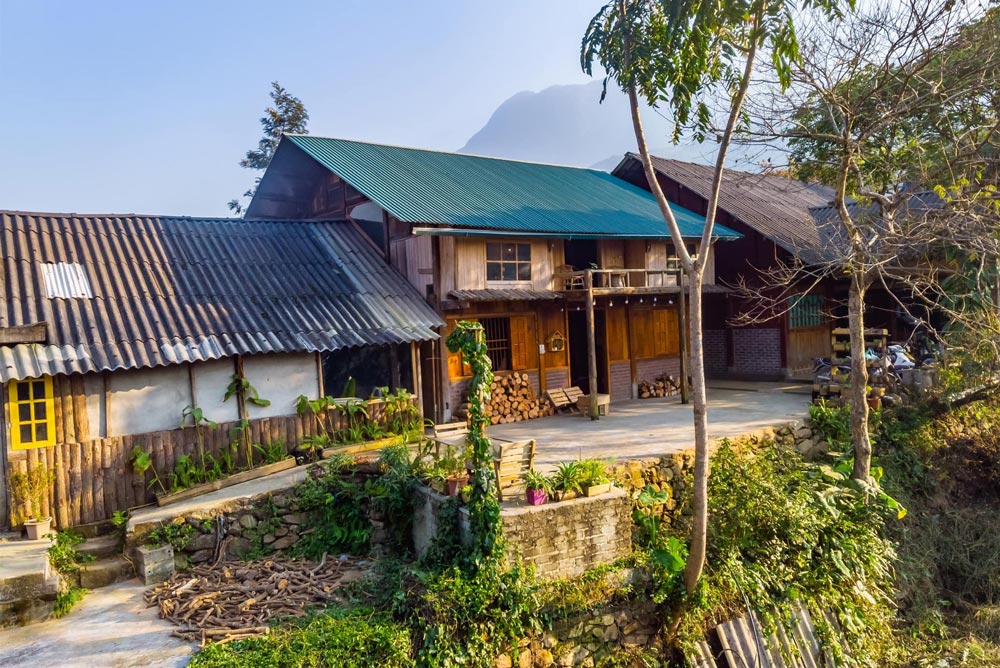
Hotels in Sapa can give you a nice view from a balcony, but if you really want Sapa to stay with you, try watching the mist roll over the rice terraces from the wooden porch of a local family’s home. That’s the magic of a homestay in Sapa – it’s not just about where you sleep, it’s about who you share your evening tea and dinner with.
Before we dive in, it’s important to clarify what “homestay” actually means in Sapa today, because it now covers two quite different experiences:
This style of stay is perfect for backpackers, culture lovers, and budget-conscious travelers who are happy to swap 5-star luxury for 5-star hospitality – homemade meals, shared stories by the fire, and real connections with the people who call Sapa home.
In this guide, we’ll go through some of the most loved Sapa homestays such as Mama Chao, Indi, Zizi, and Lado, explain the difference between homestays and hostels, and help you choose the best area to stay if you’re planning to trek through villages like Lao Chai, Ta Van, or Cat Cat. By the end, you’ll know exactly what kind of “homestay Sapa” experience fits you best.
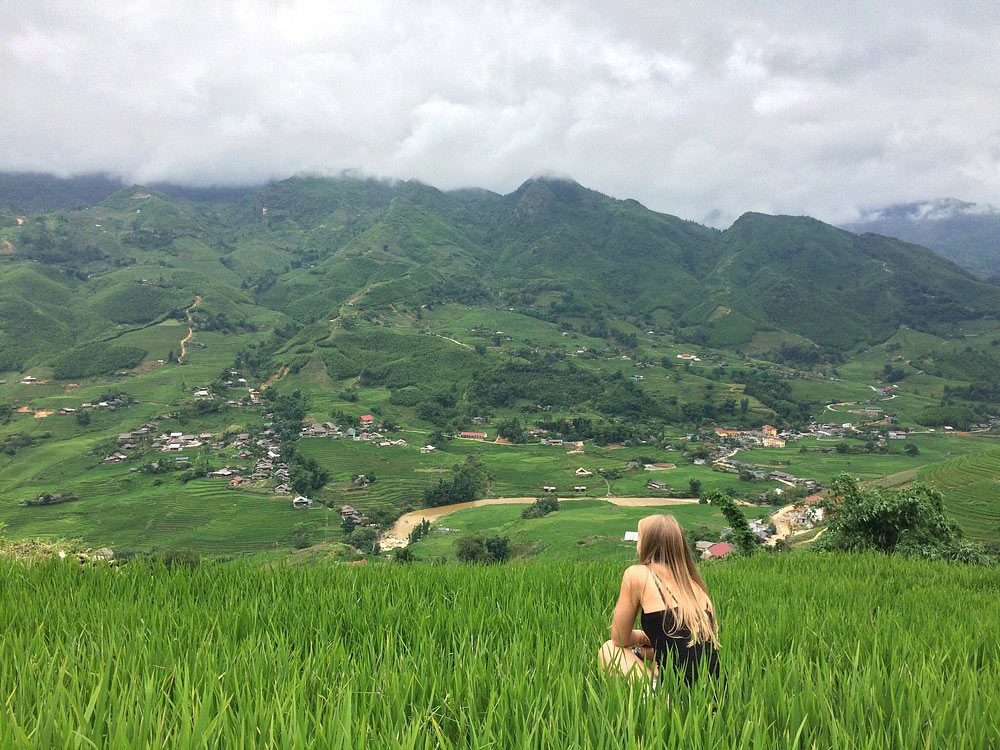
If you’re searching “difference between homestay and hostel Sapa”, you’re already asking the right question. The two experiences can feel completely different, even though they’re often in the same price range.
Choosing a homestay Sapa style stay is ideal if you want to slow down and really feel the local life.
If you’re okay with basic comfort in exchange for real village atmosphere, a homestay in the valley will likely be the highlight of your Sapa trip.
A Sapa hostel is a different world. These places are built with backpackers and solo travelers in mind.
If you like energy, music, and spontaneous new friends, then a hostel in town is probably your best match.
There’s no “right” answer – it’s about the kind of trip you want. Some travelers even split their stay: a couple of nights in a Sapa hostel for convenience, then a night or two in a homestay Sapa village for a deeper, quieter experience.
If you’re searching for the best homestay in Sapa, these four names come up again and again in Sapa homestay reviews and even on Reddit threads. Each offers a different style of stay, but all give you that warm, personal touch you simply don’t get in a big hotel.
Mama Chao Homestay Sapa is often described as more than just a place to sleep – it feels like visiting a relative in the mountains. Travelers love it for one main reason: Mama Chao herself. She’s known for her big smile, generous hospitality, and the way she makes everyone feel at home, even if you arrive covered in mud after trekking.
The house looks straight out over the valley and rice terraces, so you can sit with a cup of tea and just watch the clouds drift across the hills. The highlight for most guests is the “family dinner” – everyone sits together at a long table, sharing homemade dishes, local vegetables, and a bit of rice wine while swapping stories.
There are trade-offs: getting there usually involves a short motorbike taxi ride from the main road, and the setup is simple with shared bathrooms and basic rooms. If you’re okay with that, you’ll be rewarded with one of the most heartwarming homestay Sapa experiences you can have.
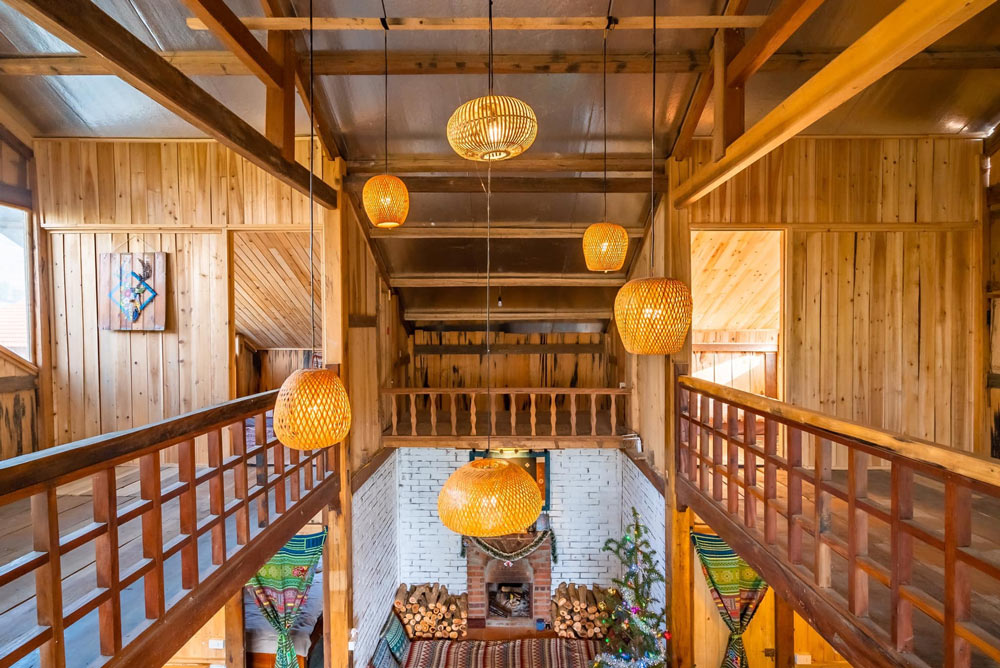
If you like your places cute, warm, and well-designed, Indi Homestay Sapa might be your match. Often described as a “home away from home”, it blends traditional materials like wood with soft lighting and thoughtful decor, giving it a very comforting, hygge-style vibe.
Located in Ta Van Village, Indi sits right among the rice fields, away from the noise of Sapa Town. Mornings here usually start with mist on the terraces, the sound of birds, and maybe one of the friendly dogs wandering over for a pat.
One of the best parts is the communal living room with a fireplace. On cold Sapa nights, guests often gather here with blankets, hot tea, or a beer, and it turns into a naturally social space without feeling like a party hostel. If you want quiet scenery, warm interiors, and village life, Indi Homestay is a very comfortable choice.
Zizi Homestay Sapa is known as a kind of “trekker’s basecamp”. If you’re a backpacker or solo traveler looking to meet others, this is a great option. It’s often full of people who’ve spent the day hiking and are now back at the homestay comparing muddy shoes and swapping route ideas.
What makes Zizi stand out is that they run their own trekking programs, led by local guides from the area. Many travelers appreciate this more ethical approach, as the money supports local families and the treks are more respectful of village life.
In terms of comfort, Zizi offers both dorm beds and private rooms, so you can choose based on budget and privacy. The hot showers are a big plus after long hikes – especially in winter when the wind coming off the mountains can be seriously cold. If your idea of a perfect homestay Sapa stay includes meeting other travelers and having treks organized for you on-site, Zizi is a strong contender.
Lado Homestay Sapa is ideal if you want a homestay feel, but you’re not completely ready to give up the comfort of a hotel. Think of it as a bridge between the two worlds: you still get wooden elements, local touches, and beautiful views, but with more polished rooms and facilities than the very rustic options.
It’s especially good for travelers who say, “I want the rice terraces and the nature, but I don’t want to rough it too much.” You can enjoy the scenery, sleep well, and still feel like you’re staying somewhere charmingly local rather than in a concrete block.
Lado is also known for one very Instagrammable feature: the balcony nets. These are strong nets stretched over the view where you can lie down, almost floating above the valley. It makes for an incredible photo and an even better feeling – just you, the sky, and the mountains stretching out in front.
If you’re trying to decide on the best homestay in Sapa, think about what matters most to you: deep family connection (Mama Chao), cozy interiors (Indi), social trekking vibes (Zizi), or homestay charm with more comfort (Lado). Any of these four can turn your stay from “nice” into “unforgettable.”
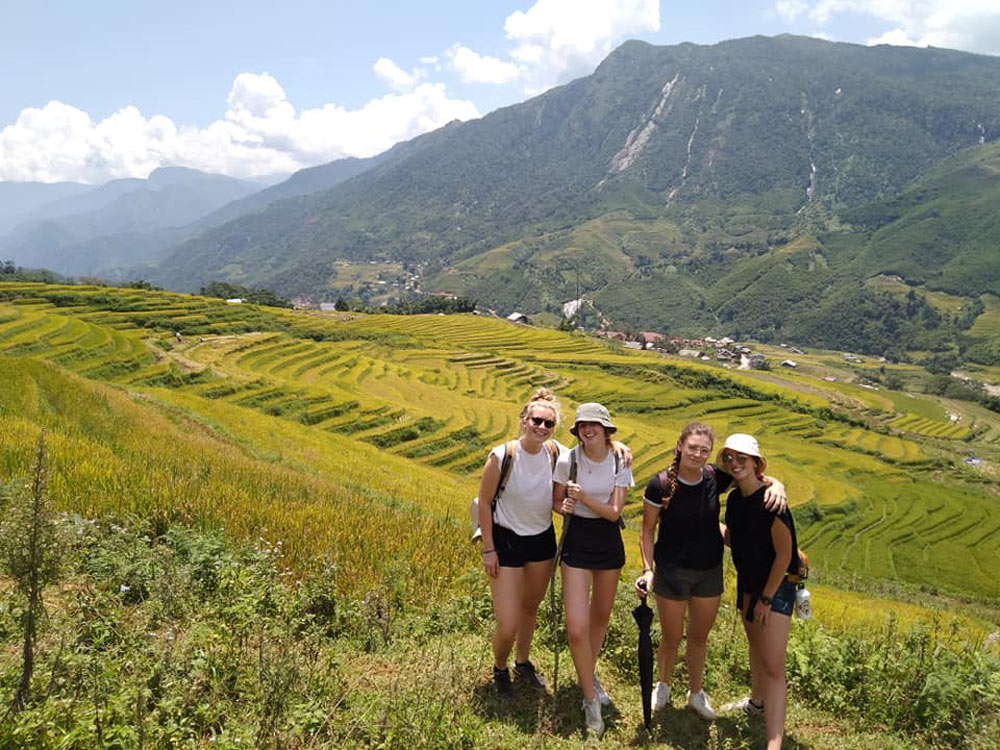
When people talk about “Sapa homestay trekking”, they’re talking about more than just a walk followed by a place to sleep. The whole idea is that your hike and your homestay are part of one connected experience – you don’t take a taxi to the house, you walk there through the rice terraces, bamboo forests, and small paths locals use every day.
In a typical homestay Sapa itinerary, things might look like this:
You arrive in Sapa Town in the morning, meet your local guide at a cafe or your hotel, and then start walking. The route usually winds 10 km (give or take) through villages, terraced fields, and small streams as you make your way down to places like Ta Van Village. Along the way, your guide will point out local crops, explain how rice is grown, and share stories about H’Mong or Red Dao traditions.
By late afternoon, you reach your homestay, drop your backpack, and finally sit down with a hot tea or beer while the family prepares dinner. In the evening, everyone gathers for a shared meal, and you really feel that you’re staying in Sapa, not just near it.
You wake up to mountain air and maybe the smell of pancakes or noodle soup. After breakfast with the host family, you set off again – this time often through bamboo forests, small bridges, and quieter trails that loop back towards town or another village. By mid-afternoon, you’re usually back in Sapa Town, tired legs but a full heart (and camera).
The good news is: you don’t have to figure all this out on your own. Many popular places for homestay Sapa – like Zizi Homestay or Mama Chao – can arrange everything for you. They’ll help you book a local guide who meets you in Sapa Town, shows you the route, and leads you directly to the homestay so you’re not stressing about directions or getting lost in the mist.
If you love the idea of walking into the valley in the morning and falling asleep in a wooden house by night, then Sapa homestay trekking is exactly the style of trip you should try. It turns simple sightseeing into a small adventure, and your homestay into something you truly earned step by step.
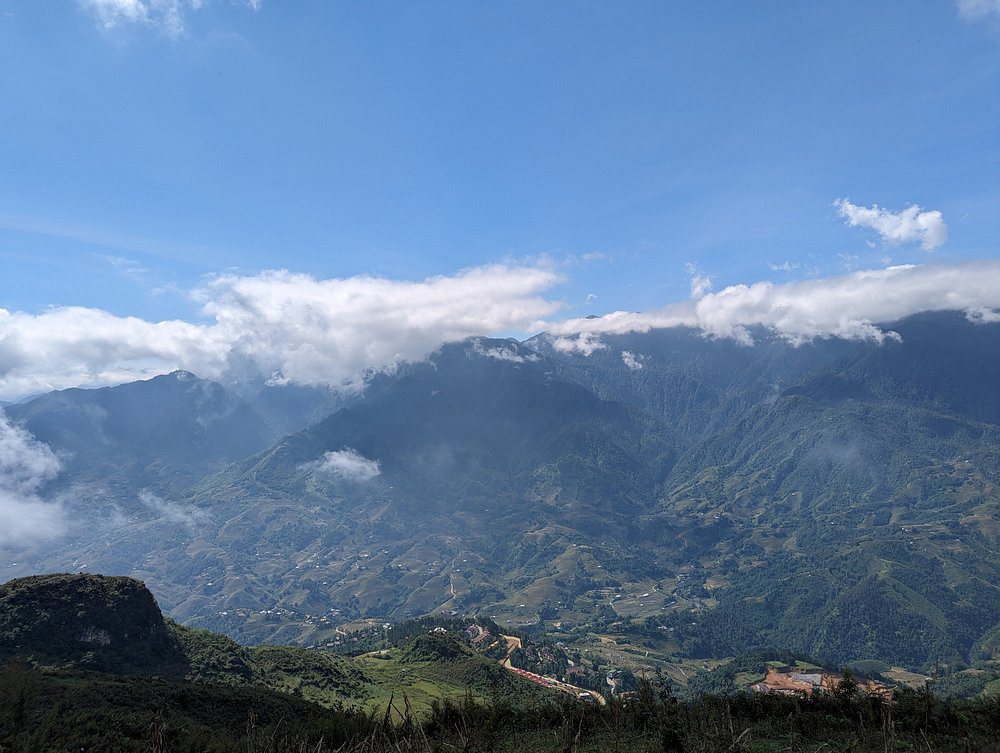
When you start searching “homestay Sapa Vietnam” or “where is the best place to stay in Sapa?”, you’ll quickly realize one thing: your experience depends a lot on where you sleep, not just which homestay you choose. The biggest decision is usually Sapa Town vs. the Valley Villages.
If you stay in or near the town center, you’re choosing convenience first.
If you want to go out for dinner, grab a drink, and walk back to your bed in under 5 minutes, staying in town makes a lot of sense.
Choosing a homestay in Ta Van or Lao Chai is a very different experience – this is where Sapa feels like Sapa.
If your dream homestay Sapa Vietnam moment is sitting on a balcony above the fields with a cup of hot tea, watching the fog move between the hills, then the valley villages are where you should sleep.
Simple rule:
Some travelers even split their stay: one night in town, one or two nights in a village homestay – the best of both worlds.
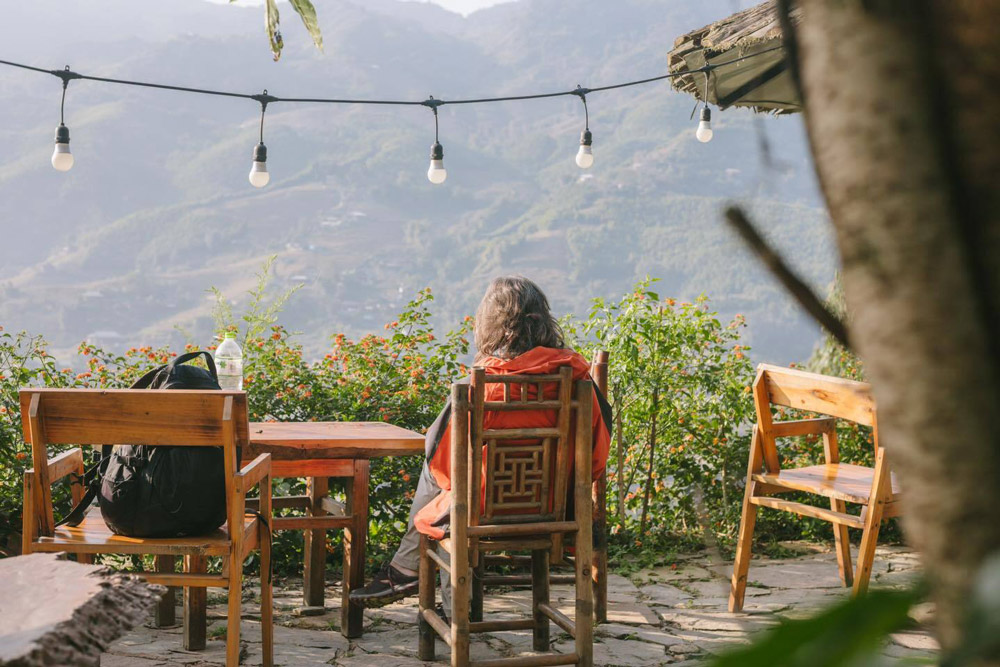
If you’ve been scrolling through Sapa homestay Reddit threads, you’ll notice one recurring theme: relax, don’t overthink it, but do plan for the weather. Sapa has hundreds of homestays, especially in Ta Van and Lao Chai, so you’re rarely “stuck” without a bed. Many travelers say it’s perfectly fine to book the first night, then walk or scooter around the valley to find a place that matches your feeling – the view, the hosts, the atmosphere. The exception is for famous spots like Mama Chao or popular Instagrammable homestays; for those, booking ahead is still a smart move, especially on weekends and holidays.
One thing you absolutely shouldn’t underestimate is the climate. In photos, Sapa often looks dreamy and soft, but from December to February, it can be brutally cold, especially at night. Houses in the villages aren’t insulated like European chalets, so you really want to ask your homestay in advance about heating. Don’t just ask, “Is it warm?” – ask specifically for electric blankets, extra duvets, or heaters. Many seasoned travelers mention this as their number one tip for enjoying a homestay Sapa stay in winter instead of shivering through the night.
In the warmer months, the problem flips: instead of cold, you’ll be dealing with mosquitoes and other little mountain insects, especially if you’re staying right in the rice fields. Pack mosquito repellent, long-sleeve sleepwear, and maybe a light scarf for evenings on the balcony. It sounds like a small detail, but it can make your village nights much more comfortable. With these simple preparations – flexible booking mindset, smart winter gear, and basic bug protection – your 2026 Sapa homestay trip will feel far more “romantic mountain escape” and far less “why didn’t anyone warn me?”.
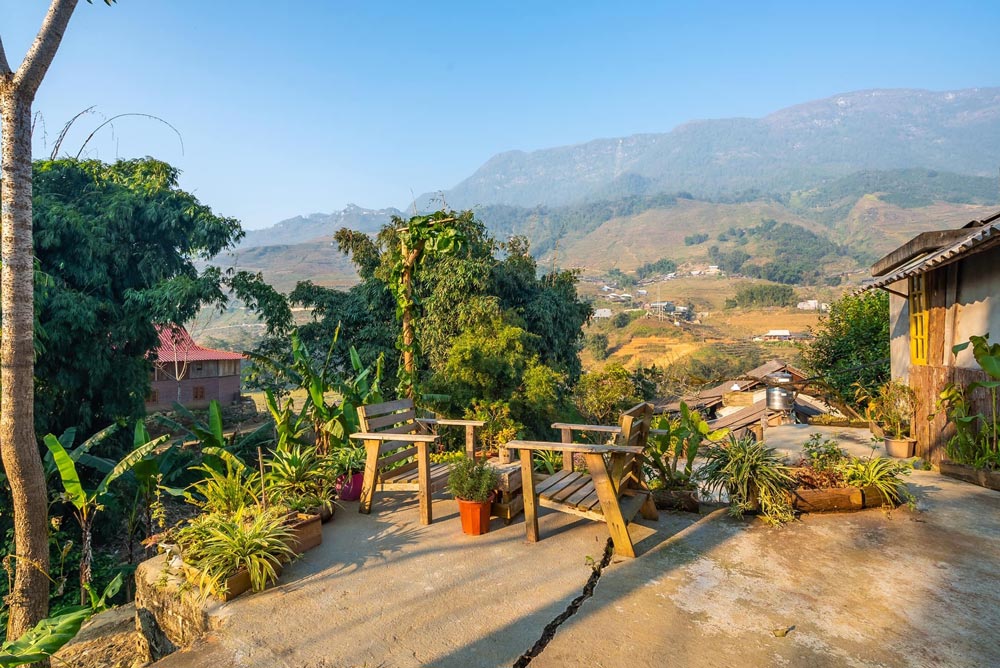
If you’re still deciding how to plan your homestay Sapa trip, these are the questions travelers ask the most – and the answers that will really help you choose.
There isn’t one single “winner” – it really depends on what you’re looking for.
So the “best” homestay is the one that matches your style, not just the one with the highest rating.
Yes – but comfort in a homestay is different from comfort in a 4-star hotel. You’ll usually get:
In a true village homestay, you should be ready for shared bathrooms, wooden floors that creak, and roosters early in the morning. If you want more privacy and hotel-style comfort, choose a “homestay lodge” or boutique homestay rather than a very basic family house.
Surprisingly, yes – and often it’s better than people expect. Most popular homestays now have reliable Wi-Fi, even in villages like Ta Van and Lao Chai. You can still check emails, upload photos, and video call family from the rice terraces. Just don’t expect perfect speed during storms or power cuts – it’s still the mountains.
It depends on your priorities:
A lot of travelers do a mix: one night in a hostel in town + one or two nights in a homestay. That way you get convenience and authenticity.
Prices are one of the best things about homestay Sapa stays:
For that price, you’re not just paying for a bed – you’re getting home-cooked meals, local stories, and a front-row seat to some of the most beautiful landscapes in Vietnam.
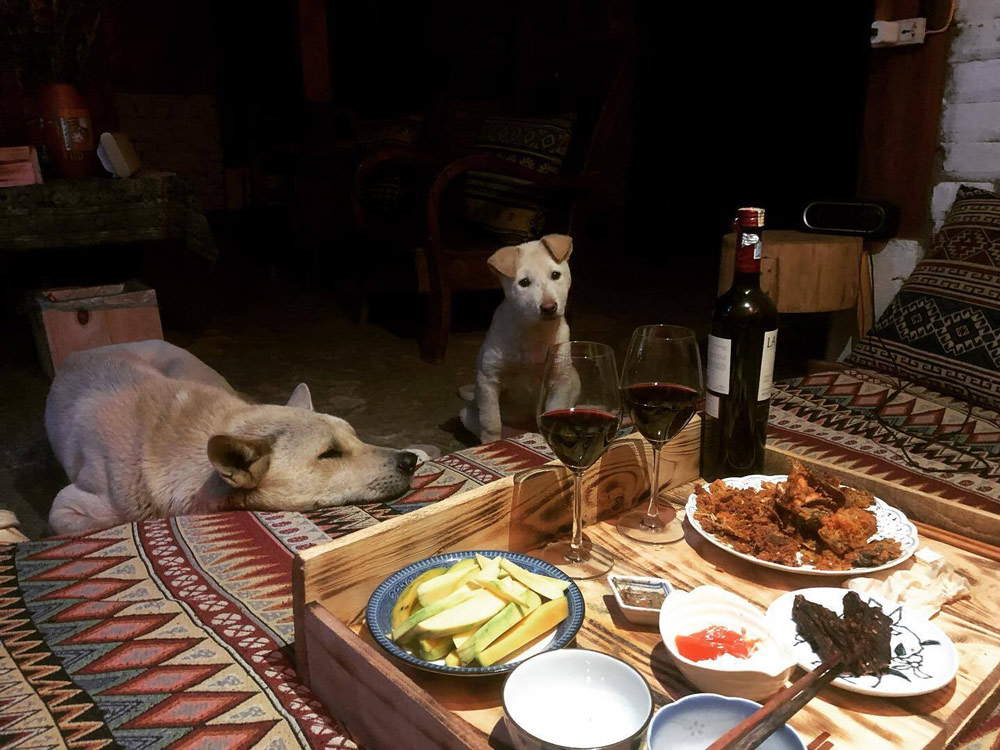
In the end, choosing a homestay Sapa stay isn’t just about saving money or getting a nice view – it’s about where your money goes and who it helps. When you sleep in a wooden house run by a H’Mong or Red Dao family, pay for a home-cooked dinner, or book a trek with a local guide, you’re putting your travel budget directly into the hands of the communities who have lived on these mountains for generations. It’s one of the most meaningful ways to travel: simple comfort, real connection, and fair support for the people who call Sapa home.
So don’t come to Sapa only to collect pretty pictures and move on. Come for the “family dinner” nights, where everyone eats around one table, clinks tiny cups of corn wine, and laughs in a mix of English, Vietnamese, and hand gestures. Whether you choose a warm-hearted place like Mama Chao, a cozy designer spot like Indi, or a social base like Zizi, the real souvenir you’ll take home is the feeling of being welcomed into someone’s house, not just checking into another hotel room.
If you’re ready for that, the packing list is simple: earplugs for the early-morning roosters, a good pair of walking shoes, and an open mind. Book your village stay, say yes to the family meal, and let the valley do the rest.
If you’d like to save time and avoid the stress of figuring everything out alone, you can reach out to Asia Mystika, a local tour operator in Vietnam. They can help you:
That way, you get all the warmth and authenticity of a village homestay, with the comfort of having logistics, tickets, and timing handled for you.
WhatsApp: (+84) 866.22.7878
Planning trip: Click here
Email: sales@asiamystika.com
Website: www.asiamystika.com
Asia Mystika Profile: Click Here
