Hotline: +84 866 227 878
- SG$ Singapore Dollar
- A$ Australian Dollar
- £ British Pound Sterling
- C$ Canadian Dollar
- € Euro
- MYR Ringgit Malaysia
- US$ United States Dollar
- đ Vietnamese Dong


 Hotline/Whatsapp: +84 86 622 7878
 Email: sales@asiamystika.com
 About Us
 Destinations
 Travel Styles
 Travel Guide
 Blogs
Blogs
 News
News

Discover Sapa weather in July in this 2026 guide. Learn about temperatures, rainfall, emerald rice terraces, trekking safety, what to wear, Fansipan timing, and how to plan a smooth summer Sapa trip.
The Temperature: Sapa weather in July is pleasantly cool compared to the rest of Vietnam, averaging around 18°C to 25°C.
The Rain: July is the peak of the rainy season, with high humidity and frequent showers. The good news is that rain often arrives as heavy, short bursts in the late afternoon.
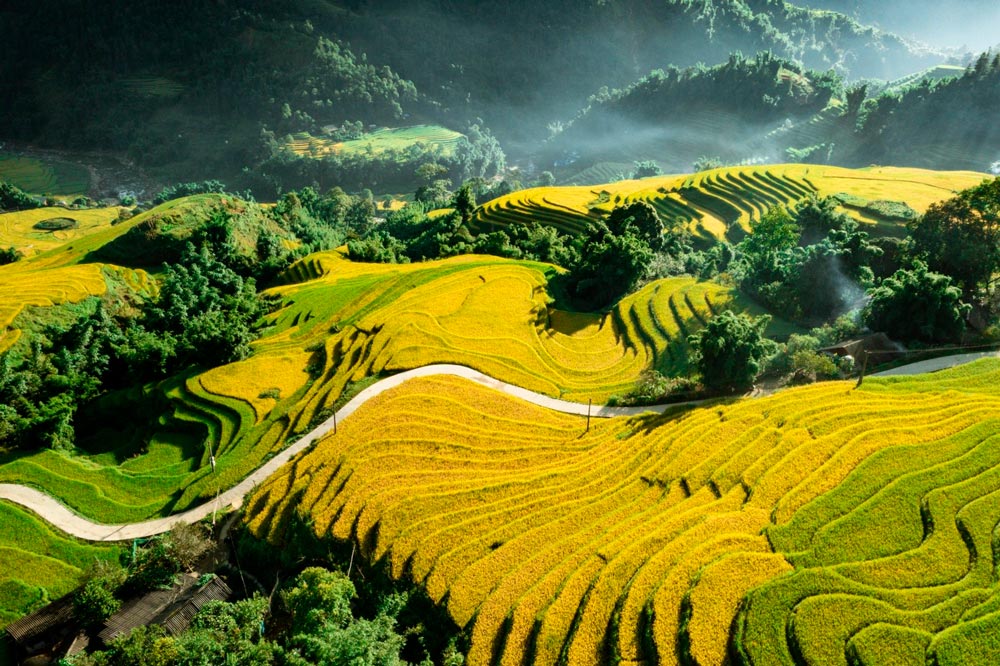
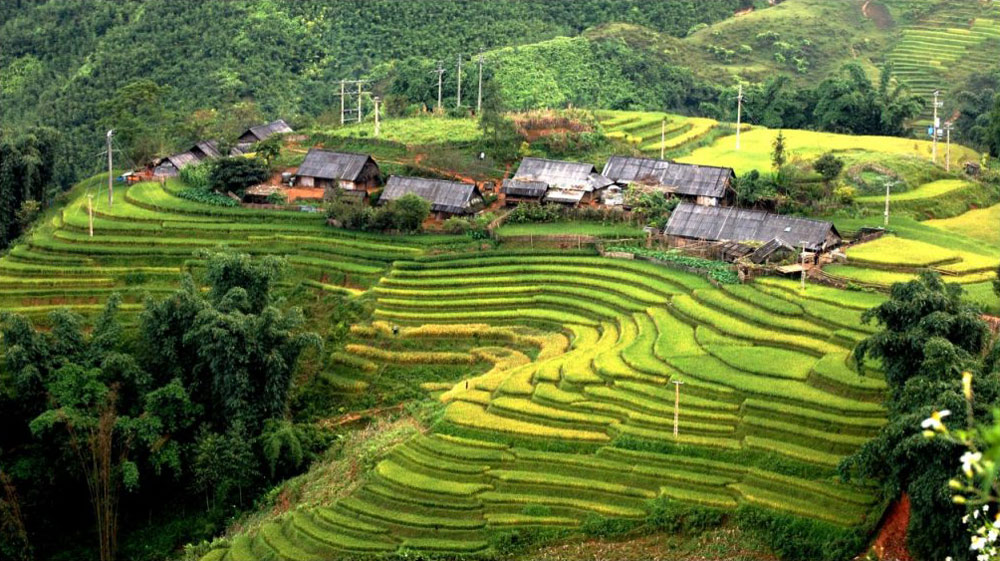
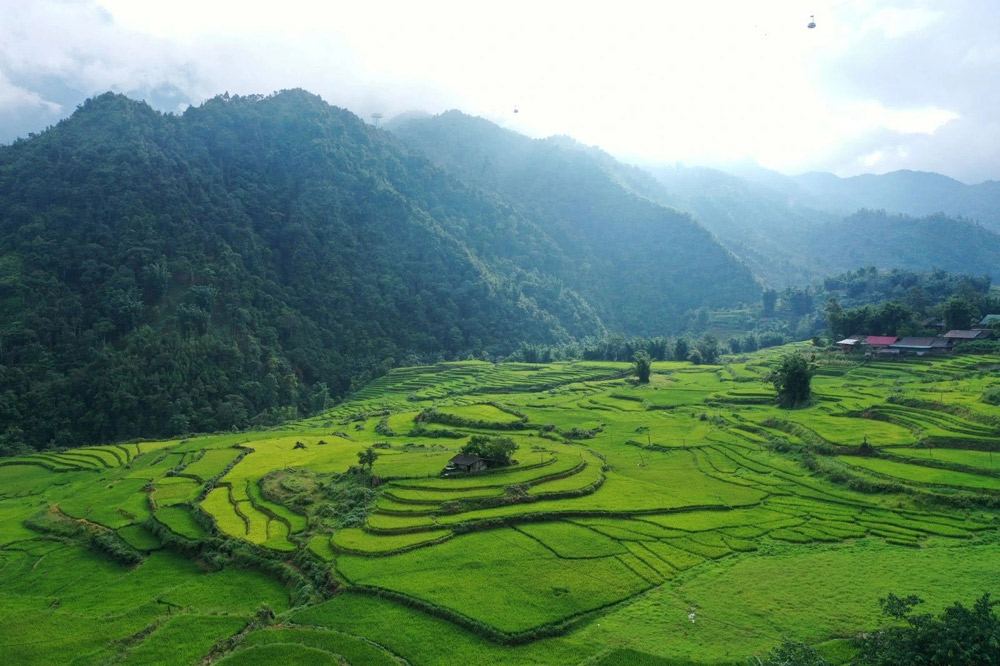
The Scenery: July transforms Sapa Valley into a breathtaking emerald paradise. The rice terraces are at their most vibrant green.
The Strategy: Start hikes early, ideally around 6:30 AM, to enjoy cool, misty mornings and return before the afternoon downpours arrive.
Sapa weather in July is pleasantly mild but wet. Temperatures usually range from 18°C to 25°C, making Sapa feel much cooler than Hanoi, Da Nang, Ho Chi Minh City, and many other lowland destinations in Vietnam during the same month.
This coolness is one of the biggest reasons people visit Sapa in July. While Hanoi can feel extremely hot and humid, Sapa offers fresh mountain air, misty mornings, and softer temperatures. The town sits high in the Hoang Lien Son mountains, so even in summer, it rarely feels as suffocating as Vietnam’s lowland cities.
However, July is also the peak of the summer monsoon. That means you should expect high humidity, frequent rain, and sudden afternoon thunderstorms. The landscape is wet, the trails can be muddy, and fog can appear quickly in the valleys.
But here is the important part: the rain is exactly what makes Sapa in July so beautiful.
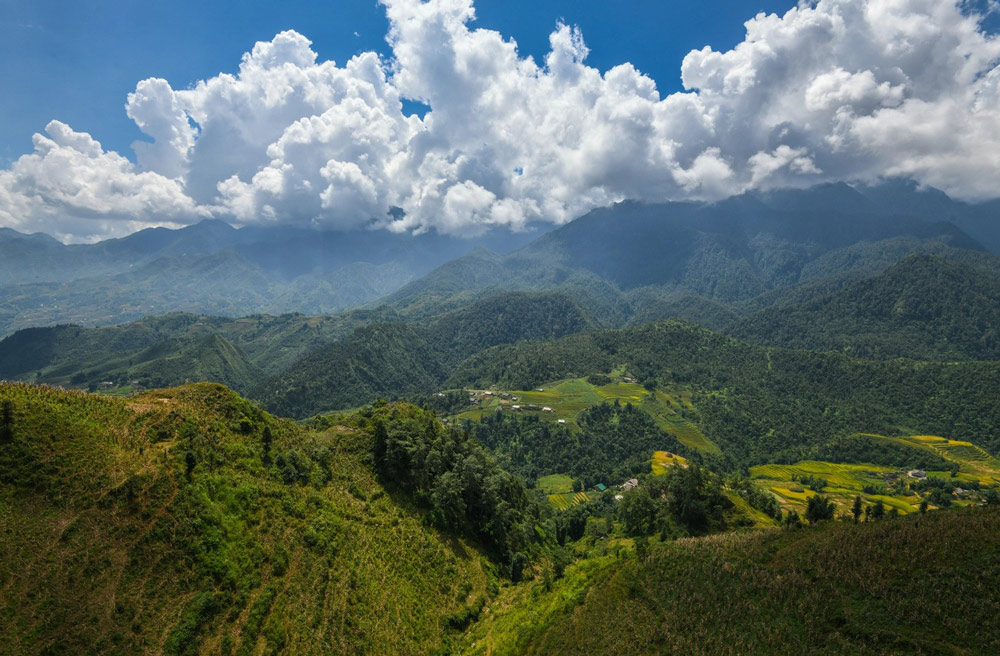
The terraces become vivid green. Waterfalls grow stronger. The hillsides look alive. Bamboo forests, village paths, and mountain slopes feel lush and full. Instead of the dry brown fields of winter, July gives you one of the richest, most vibrant versions of Sapa.
This is not the best month for travelers who want dry weather and perfect blue skies every day. But it is an excellent month for travelers who want emerald rice terraces, dramatic clouds, powerful landscapes, and a cooler escape from Vietnam’s summer heat.
The weather like in Sapa Valley in July is warm, humid, green, and rainy. Average temperatures usually sit between 18°C and 25°C, and rainfall can reach around 300mm or more during the month.
The daily pattern matters more than the monthly average. July weather in Sapa is not always nonstop rain from morning to night. Many days follow a rhythm:
The morning starts cool and misty. By around 8:00 AM, the fog often lifts enough for trekking and photography. Late morning can be bright and humid. By early afternoon, clouds begin to build. After 2:00 PM, heavy rain or thunderstorms are much more likely.
This is why smart timing can completely change your July trip.
| Time of Day | Expected Weather | Ideal Activity |
| 5:30 AM to 7:30 AM | Cool, misty, fresh, often quiet | Sunrise views, early coffee, start trekking |
| 8:00 AM to 11:30 AM | Clearer skies, humid but manageable | Muong Hoa Valley trek, village walks, terrace photography |
| 12:00 PM to 1:30 PM | Warmer, clouds building | Lunch, short town walk, return toward hotel |
| 2:00 PM to 5:00 PM | Heavy showers or thunderstorms likely | Café, spa, herbal bath, market visit, hotel rest |
| Evening | Cool, damp, sometimes foggy | Dinner, hotpot, gentle walk near town center |
If you plan well, July can be very rewarding. The key is not to fight the weather. Move with it.
Start early. Trek in the morning. Keep afternoons flexible. Carry rain gear every day. Avoid long exposed hikes after lunch. This simple approach lets you enjoy the best of July without letting the monsoon control your whole itinerary.
Yes, is Sapa worth visiting in July? Absolutely, provided you do not mind getting a little wet.
July is one of the most visually powerful months in Sapa. The summer rains feed the rice terraces, turning the valleys into a glowing green landscape. If you have only seen Sapa in golden harvest photos, July will surprise you. It is softer, greener, wetter, and more alive.
Compared with winter, the difference is dramatic. In January or February, the rice terraces are usually brown, dry, and fallow. The mountains can be atmospheric, but the fields are resting. In July, the rice is growing strongly. The terraces look full, layered, and vibrant. For nature lovers and photographers, this is a major reason to visit.
Waterfalls are also more impressive in July. The rain increases water flow, making streams and falls stronger than in the dry season. The whole landscape feels fresh after showers.
Still, July is not perfect. Trails can be slippery. Leeches and insects may appear on some wet routes. Fog can block views. Fansipan may be clouded over by midday. Domestic travelers often visit Sapa during summer holidays, so the town can feel busy on weekends.
| Pros of Visiting Sapa in July | Cons of Visiting Sapa in July |
| Stunning emerald green terraces | Muddy trekking trails |
| Cool mountain escape from lowland heat | Frequent afternoon rain |
| Powerful waterfalls and lush valleys | High humidity |
| Dramatic clouds and misty scenery | Fansipan views can disappear quickly |
| Great for green rice photography | Some routes can be slippery |
| Lower international crowds than September | Domestic summer tourists can crowd the town |
July is worth visiting if you want greenery, atmosphere, and summer mountain energy. It is not ideal if you need dry trails and predictable weather.
Many travelers ask whether June or July is better for Sapa. The answer depends on what you want.
June marks the transition into the rainy season. The rice terraces are becoming greener, but the landscape has not yet reached its fullest summer color. Hanoi can already feel intensely hot, sometimes reaching uncomfortable heatwave levels, while Sapa remains much cooler because of its altitude.
July is wetter than June, but it is also visually stronger. The rice fields are greener, the waterfalls are fuller, and the valleys feel more alive. For nature photographers, July is usually the better choice because the terraces have reached that rich emerald stage.
If you want slightly less rain, choose June. If you want the most vibrant green landscapes, choose July.
For most travelers focused on scenery, July is visually superior, as long as you are ready for rain and mud.
Is July a good time to go to Vietnam? It depends entirely on your route.
Vietnam has a long shape and several regional climate patterns. July does not feel the same in every part of the country. This is important if you want to combine Sapa with Hanoi, Da Nang, Hoi An, Nha Trang, Ho Chi Minh City, or the Mekong Delta.
Northern Vietnam, including Hanoi and Sapa, is hot, humid, and rainy in July. Hanoi can feel heavy and tropical. Sapa is cooler, but still wet.
Best for:
Watch out for:
Central Vietnam, including Da Nang, Hoi An, Hue and Nha Trang, is often one of the best regions to visit in July. This area usually enjoys hot, sunny, beach-friendly weather while the north and south are wetter.
Best for:
Watch out for:
Southern Vietnam, including Ho Chi Minh City and the Mekong Delta, is also in the wet season. Rain often comes as short, heavy tropical showers, usually in the afternoon.
Best for:
Watch out for:
A smart July itinerary could be:
Hanoi for culture and food Sapa for green terraces and cool mountain air Da Nang or Hoi An for sunshine and beaches.
This gives you contrast. You experience the dramatic monsoon beauty of the mountains, then balance it with the drier coastal weather of Central Vietnam.
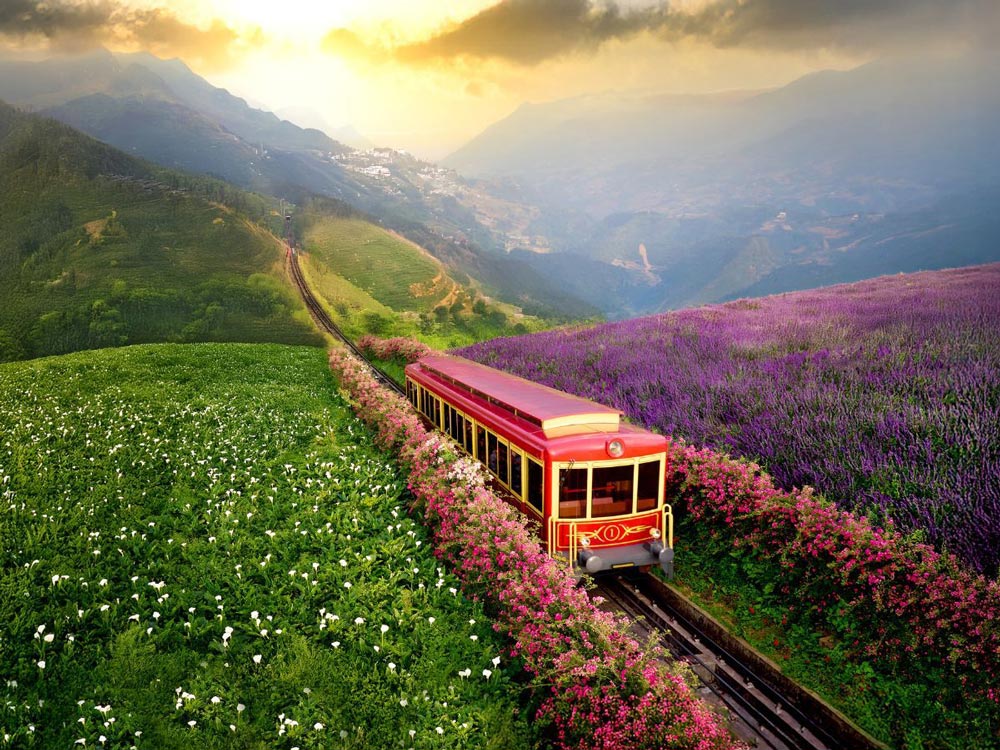
Most standard blogs simply say: “It rains in July.” That is true, but it is not helpful enough.
The real question is: how do you enjoy Sapa despite the rain?
The answer is timing, transport, and route design.
In July, rain often arrives after 2:00 PM. It is not guaranteed every day, but this pattern is common enough that smart travelers should plan around it.
This is why Asia Mystika recommends the 6:00 AM valley strategy.
Wake up early, have coffee or tea, and begin your descent into Muong Hoa Valley around 6:30 AM. At this hour, the air is cool, the mist is still soft, the village paths are quieter, and the terraces look fresh in the morning light.
A good early July trekking plan looks like this:
This timing lets you enjoy the best weather window and avoid being deep in the valley when the strongest rain arrives.
Instead of getting soaked on a remote trail, you can be safely back in town, enjoying hot tea, local coffee, or a bowl of warming food while the afternoon rain passes.
Rainy season affects more than trekking. It also affects transportation.
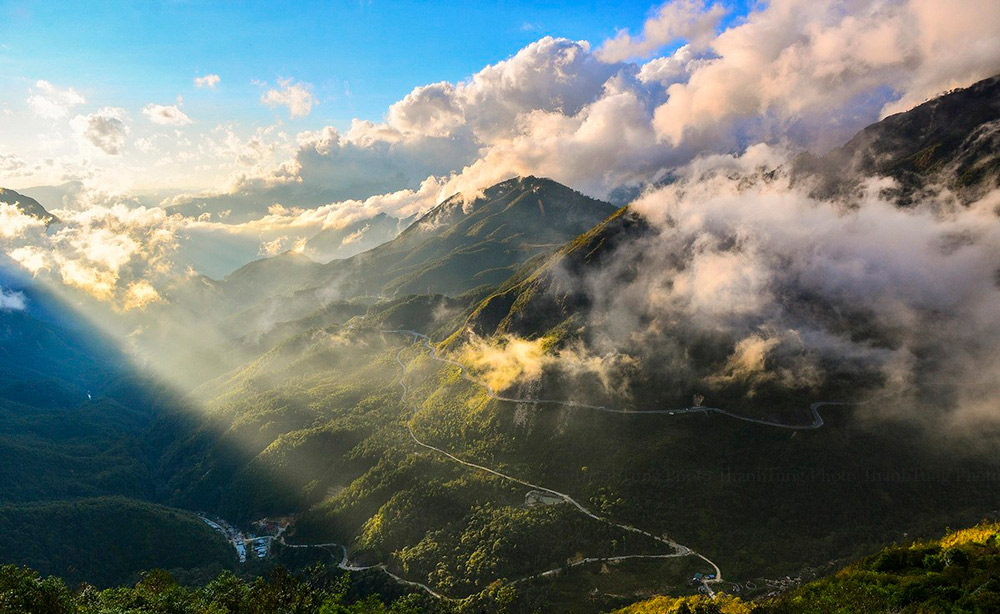
The road from Lao Cai to Sapa includes winding mountain sections. During heavy rain, conditions can become slippery, visibility can drop, and localized landslides may occur in vulnerable areas.
An Asia Mystika guide explains:
“During the July monsoon, we strongly advise our clients against taking the overnight sleeper buses from Hanoi. The winding mountain pass from Lao Cai to Sapa can be prone to localized landslides and slippery conditions in heavy rain. Instead, book the overnight train, which is infinitely safer in wet weather, or hire one of our daytime private Limousine vans where our experienced drivers can navigate the roads securely in daylight.”
This is especially important for families, older travelers, nervous passengers, and first-time visitors.
For July, the safest transport mindset is:
If you want a smoother route, Asia Mystika can help arrange your Hanoi to Sapa transport, local guides, and weather-smart itinerary in one plan.
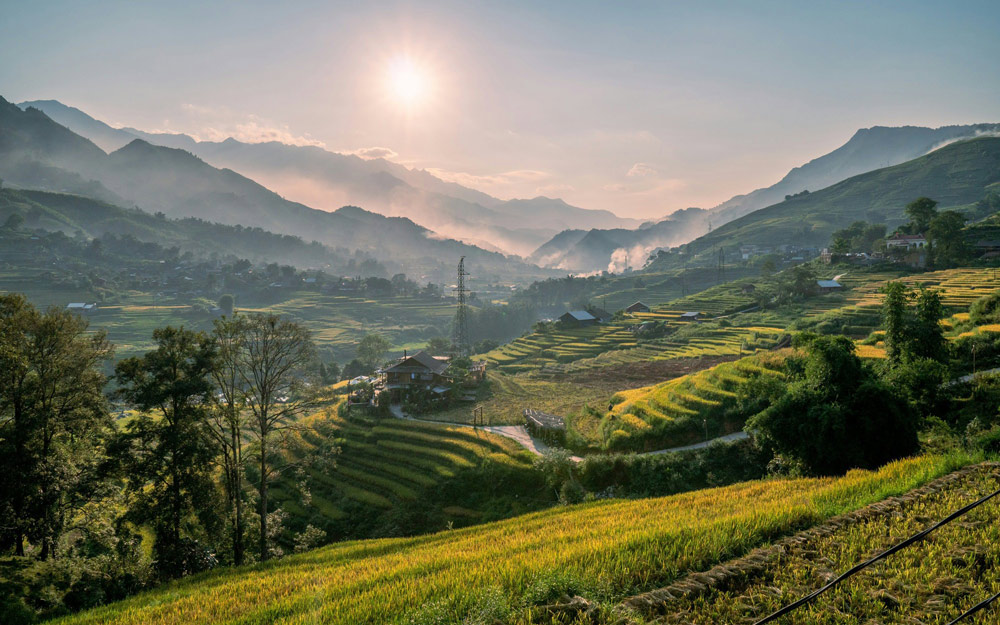
Pack lightweight, breathable clothing for humid days, a high-quality raincoat or poncho, and deeply treaded waterproof trekking boots to navigate slippery, muddy trails safely.
It can if you go in the afternoon. The summit of Fansipan changes rapidly and is often clouded over by midday, so take the absolute first cable car of the morning for the best chance of clear views.
July is the peak summer holiday season for domestic Vietnamese tourists escaping the lowland heat, so Sapa town can be bustling, especially on weekends. International tourist numbers are generally lower than in the September harvest season.
Yes, Sapa is worth visiting in July if you enjoy lush green scenery and do not mind rain. The rice terraces are at their most vibrant emerald stage, and the waterfalls are strong and dramatic.
July is rainy, but trekking is still possible with the right timing. Start hikes early in the morning, choose safe routes with a local guide, wear proper boots, and avoid long exposed trails during afternoon storms.
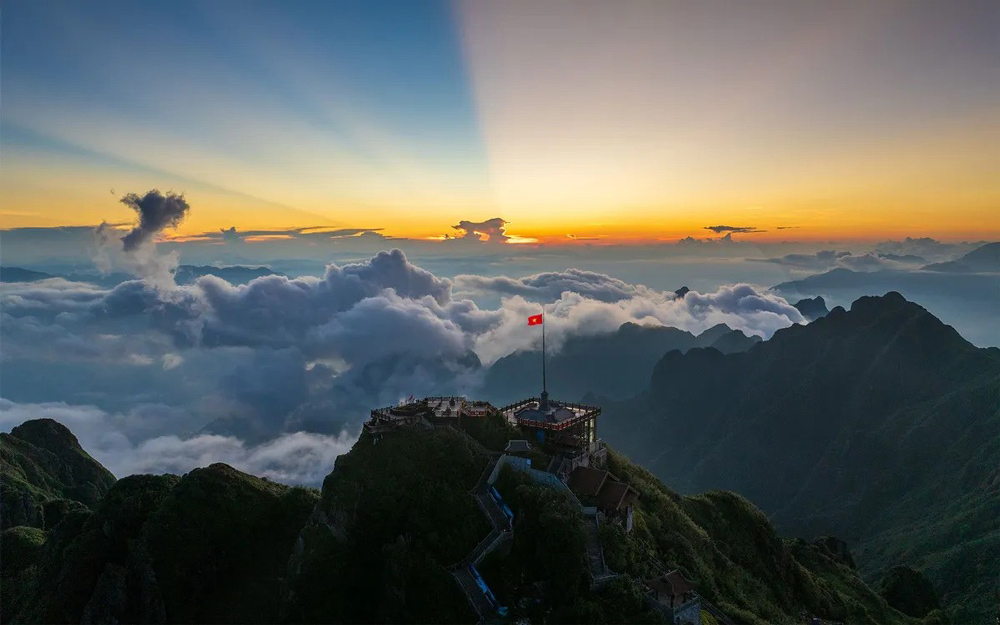
Sapa weather in July requires a raincoat, flexible planning, and shoes that can handle mud. But the reward is one of the most beautiful versions of Northern Vietnam.
This is the season of emerald terraces, misty ridges, powerful waterfalls, cool mornings, and dramatic monsoon skies. The rain is not just an inconvenience. It is the reason the landscape looks so alive.
If you are willing to start early, avoid afternoon storms, and travel with safe transport, July can be a wonderful month to visit. You will not get dry-season predictability, but you will get lush scenery that winter travelers never see.
The key is to plan smart. Trek in the morning. Keep afternoons flexible. Visit Fansipan early. Use trusted drivers. Avoid risky night road transfers in heavy rain. Pack waterproof gear. And let the rhythm of the mountains guide your day.
Stop stressing over unpredictable monsoon transport, muddy trails, and sudden afternoon storms.
If you want to save time and effort while traveling to Vietnam, contact Asia Mystika, a trusted tour agent in Vietnam. We can arrange an all-inclusive Summer Sapa package with vetted eco-lodges, expert local trekking guides, safe train or limousine transfers, smart rainy-season routing, and flexible backup plans.
Start planning your emerald mountain escape today with Asia Mystika’s customized Sapa tour packages, and let us make your July journey smooth, safe, and unforgettable.
Ready to go? Start planning your custom Sapa itinerary with us
Who we are: Learn more about the local experts at Asia Mystika
WhatsApp: (+84) 866.22.7878
Email: sales@asiamystika.com
Website: www.asiamystika.com