Hotline: +84 866 227 878
- SG$ Singapore Dollar
- A$ Australian Dollar
- £ British Pound Sterling
- C$ Canadian Dollar
- € Euro
- MYR Ringgit Malaysia
- US$ United States Dollar
- đ Vietnamese Dong


 Hotline/Whatsapp: +84 86 622 7878
 Email: sales@asiamystika.com
 About Us
 Destinations
 Travel Styles
 Travel Guide
 Blogs
Blogs

Planning your first trip to Vietnam and not sure whether you need a visa? You’re not alone. With new e-visa rules, updated airport procedures, and changes to visa exemptions in 2026, it can feel confusing to figure out what actually applies to you. This guide breaks everything down in simple language so you know exactly what to prepare before flying.
Whether you’re trying to understand the Vietnam e-visa application, checking if you qualify for visa-free entry, or wondering what happens when you land at Hanoi or Ho Chi Minh Airport, we’ll walk you through every step. No jargon, no outdated advice — just clear, up-to-date information to help you arrive in Vietnam with confidence.
You’ve already picked your dates. You can practically taste your first bowl of pho. Maybe you’ve even mapped out your Halong Bay cruise. But then reality hits: “Wait… do I need a Vietnam visa? And which one?” It’s the moment every traveler faces. Suddenly you’re Googling terms like e-visa, visa exemption, and visa on arrival, and everything starts to blur together.
Here’s the truth: Vietnam’s visa rules have gone through big updates over the last few years, especially after 2023 and 2024. Some travelers can now stay longer. Some nationalities no longer need advance paperwork. Others still require an e-visa before boarding the plane. And many people are surprised to learn that the old “Visa on Arrival” system doesn’t work the way it used to.
That’s exactly why this guide exists. In the next sections, you’ll get a clear breakdown of what the 2025 Vietnam visa rules actually are, how the modern e-visa system works, who qualifies for exemptions, and what you must prepare before your flight. No guesswork. No outdated advice from travel forums. Just a simple roadmap so you don’t end up stuck at your departure gate or — worse — denied boarding.
Take a breath. The visa process is simpler than it looks. And by the end of this guide, you’ll know exactly which option is right for you.

Before you dive into forms and fees, here’s the first question you must answer: Do you even need a visa to enter Vietnam? Many travelers are surprised to learn that Vietnam offers generous visa-free entry to a long list of nationalities. But the rules vary widely, so it’s worth taking a moment to understand where you stand.
If you're from Singapore, good news — you can walk right in. No paperwork, no applications, nothing. You’re allowed to stay up to 30 days visa-free, which makes Vietnam one of the easiest destinations in the region for Singaporean travelers. And Singapore isn’t alone.
Most ASEAN neighbors — such as Thailand, Malaysia, Indonesia, Cambodia, Laos, and the Philippines — also enjoy visa-free entry, though the permitted stay differs by country. For many Southeast Asian travelers, Vietnam works like a quick weekend escape or a spontaneous food trip because there’s no admin barrier.
If you’re visiting from Europe or parts of Asia, Vietnam rolled out an even more traveler-friendly update: a 45-day exemption for citizens of the UK, France, Germany, Italy, Spain, Japan, South Korea, and several others. This longer window means you can explore Hanoi, Halong Bay, Hoi An, and Ho Chi Minh City without rushing — no paperwork required unless you plan to stay beyond a month and a half.
Now, if you’re from the US, Canada, Australia, India, or most other non-exempt countries, the rule is simple: yes, you need a visa. But don’t worry — Vietnam’s modern e-visa system is fast, affordable, and far less stressful than the old “visa on arrival” setup. For the majority of travelers, the e-visa is the easiest, most reliable path into Vietnam.
In short: If your passport isn’t on the exemption list, you’ll need a visa. And the sooner you apply, the smoother your trip will be. Let’s walk through your best options next.

If you’re not on the visa-exempt list, the Vietnam E-visa is hands down the easiest, safest, and most budget-friendly way to enter the country. It’s a fully online visa that gives you up to 90 days in Vietnam, and you can choose between single-entry or multiple-entry depending on your travel plans. The best part? It’s available to all nationalities, making it the go-to option for most travelers in 2026.
Let’s break it down.
There is just one official E-visa website: https://evisa.xuatnhapcanh.gov.vn/
Bookmark it, save it, tattoo it on your travel notebook — because many travelers accidentally end up on “agency” websites that look official but charge double or triple the real fee. These third-party sites are not scams, but they are unnecessary and overpriced. Stick to the official portal and you’ll be fine.
The government advertises a 3-working-day processing time… but let’s be honest.
Airlines won’t let you board without an approved E-visa, so don’t leave this to the last minute.
The fee is straightforward:
Pay directly on the official website with your card. No hidden extras.
After submitting your application, you’ll get a registration code — this is your golden ticket. Keep it somewhere safe.
To check your status:
Once approved, download and print the PDF. Immigration staff will ask for the physical copy when you land, so don’t rely on just your phone.
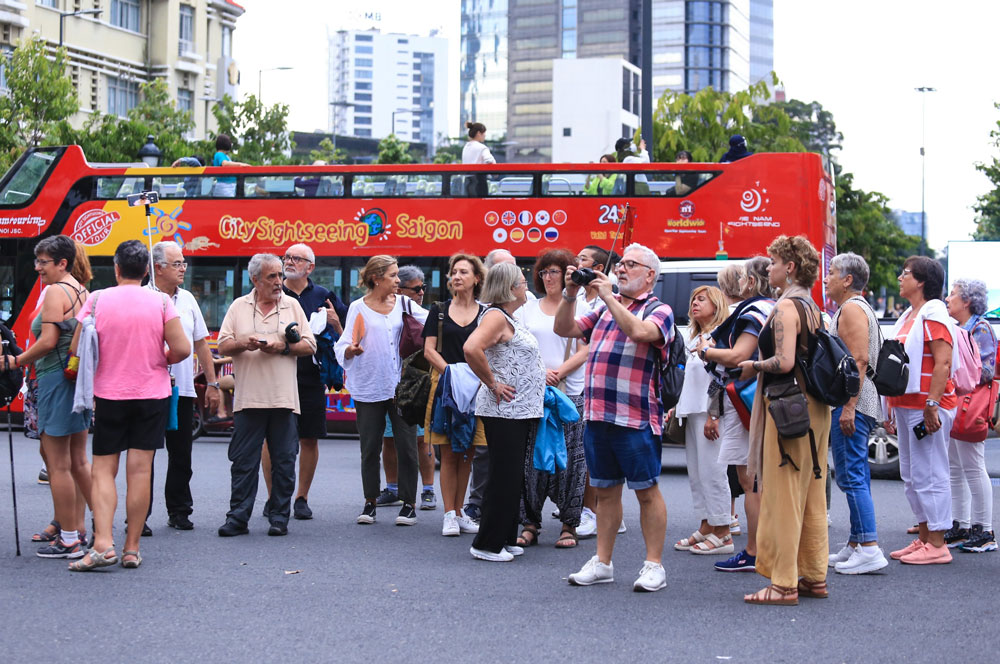
Let’s clear up one of the biggest misunderstandings about traveling to Vietnam: “Visa on Arrival” is not what it used to be. Years ago, travelers could land in Hanoi, walk to a counter, and get a visa stamped on the spot. That system has mostly disappeared, and today it works very differently.
Technically, yes — but not for regular tourists. The old-style VOA is no longer available for people who simply show up at the airport expecting a visa. In 2026, the E-visa has replaced it for almost everyone.
If you’ve heard of the “VOA desk” at Noi Bai Airport, it still exists, but there's a catch: You can only use it if you already have a pre-approved Visa Approval Letter issued by an authorized Vietnamese agency before you fly.
Meaning:
Many travelers get confused because online agencies still advertise “Visa on Arrival,” but what they’re really selling is the approval letter, not the visa itself.
Only in one situation: You have an emergency last-minute trip and don’t have time to wait for an E-visa.
In those cases, you can pay for an urgent approval letter (sometimes $80–$150 depending on speed). Once you land, you present the letter, pay the stamping fee, and receive your visa.
But for normal vacations, this is unnecessary, expensive, and stressful.
If you're planning a typical holiday, business trip, or multi-city itinerary in Vietnam, skip the VOA route. The E-visa is simpler, cheaper, faster, and the official option Vietnam wants travelers to use.
Your future self will thank you for doing it the easy way.
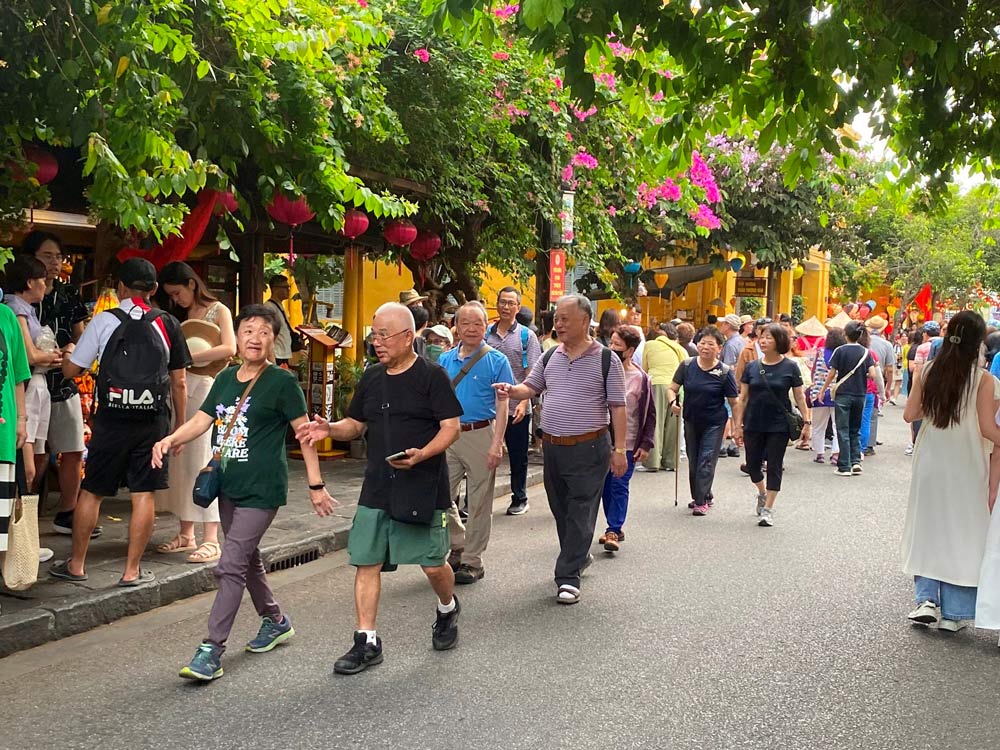
Visa rules can feel confusing because they aren’t the same for everyone. Here’s a friendly, no-nonsense breakdown for two of the most asked-about nationalities: India and Bangladesh.
If you’re from India, the big question is always:
“Is Vietnam visa free for Indian passport holders?”
Unfortunately, no — India is not on Vietnam’s visa-exemption list, so you must apply for a visa before arriving.
The good news? Indians can use the Vietnam E-visa, and it’s the easiest, fastest option.
It’s valid for up to 90 days, single or multiple entry, and works for both tourism and business trips.
Important Tip (Please don’t skip this):
Make sure the name you enter on the E-visa application matches your passport exactly, including middle names and order.
Vietnam’s system is strict, and even a small mismatch can delay or reject your application.
For most Indian travelers, the process is smooth — just apply online, wait a few days, and print the approval.
If you’re from Bangladesh, the process is a little more complicated.
While Vietnam has opened E-visas to all nationalities on paper, Bangladeshi passport holders often face extra verification steps, and many travelers report difficulty applying directly through the standard E-visa portal.
What does this mean for you?
Friendly Advice:
Visa rules for Bangladesh change more frequently than for other countries, so double-check with the Vietnam Embassy in Dhaka before booking your flights.
A little preparation goes a long way — and ensures your Vietnam trip starts smoothly, not at an airport counter.

Applying for a Vietnam E-visa is simple — but only if you follow the steps carefully. A surprising number of travelers get delayed or rejected because of tiny mistakes. Here’s the friendly, stress-free version of the process so you get it right the first time.
Skip Google ads, skip agencies, skip “helpful” third-party sites.
The only correct website is: https://evisa.xuatnhapcanh.gov.vn/
Everything else is either an agency (more expensive) or a scam.
You will need two uploads:
Passport scan/photo – must be clear, readable, and not cropped.
Portrait photo – straight face, white background, no glasses.
Important Tip:
A blurry phone picture can get your application stuck or rejected. Use good lighting or scan your documents. If the system can’t read your details, they simply decline it — no refunds.
This is the part where most mistakes happen.
If you choose the wrong airport, immigration will not let you enter until you fix it — which is impossible on the spot.
The payment is done online with a card.
Note that the fee is non-refundable, even if your application gets rejected. That’s why accuracy in Steps 2 and 3 matters a lot.
You’ll receive an email when your visa is ready. Download the PDF and print at least 2 copies.
Do not rely on showing it on your phone — immigration in Vietnam often asks for the printed version, and you don’t want to hunt for a printer after a 10-hour flight.
Apply at least two weeks before your trip, triple-check your details, and keep everything printed. Do that, and your entry into Vietnam will be smooth, fast, and stress-free — the way your holiday should begin.
Landing in Hanoi is exciting — but the immigration hall at Noi Bai can feel a bit overwhelming if you don’t know where to go. The good news? Once you understand the process, it’s very straightforward. Here’s exactly what to expect, depending on the type of visa you’re holding.
This is the easiest and fastest option.
Once you get off the plane, follow the signs to Immigration.
There’s no extra counter, no paperwork, no questions about approval letters.
Just prepare:
Hand both to the officer, wait for a quick scan, and you’re through.
Most travelers clear in 5–15 minutes unless you land during a peak-time rush.
Citizens of Singapore, Thailand, France, the UK, Japan, Korea, and several others can enter without a visa.
Your process is just as simple:
No forms, no fees — you’re done.
This is where it gets a little more complicated.
Before joining the main immigration line, you must go to the “Visa on Arrival” desk — a small office on the left side of the hall.
Bring:
You will hand over your documents, fill out a short form, and wait while they issue a visa sticker for your passport. Only after you receive the sticker can you proceed to the immigration line.
This process can take anywhere from 10 minutes to an hour depending on how many people are ahead of you.
No matter which visa you use, keep your documents ready in a small folder — passport, printed visa, approval letter (if applicable), and flight itinerary. It makes the whole process smooth and stress-free, so you can step out into Hanoi and start your adventure right away.
Vietnam’s entry process is organized and friendly — just follow the signs, prepare your paperwork, and you’ll be exploring the Old Quarter before you know it.
Visa rules can feel confusing, so here’s a clear, friendly breakdown of the questions travelers ask the most. Consider this your quick reference before you fly.
It depends on your nationality. Many travelers do — but not everyone.
Here’s the recap in plain English:
If you're not on the exemption list, the E-visa is your easiest and cheapest option.
Nope. Singaporeans can enter Vietnam for up to 30 days without a visa. Just bring your passport and that’s it — no paperwork needed.
Unfortunately, no. Whatever airport or land border you selected on your application is locked in. If you planned to enter through Hanoi but suddenly want to arrive in Ho Chi Minh City, you’ll need to apply for a new E-visa.
This happens more often than people think, especially during holidays or peak travel seasons.
If your visa doesn’t come back in time and your flight is approaching, you have two choices:
They can sometimes secure an approval letter within 24–48 hours — at an extra cost — so you can still travel.
Good news — no, not for E-visa holders. Your printed E-visa letter is enough. The passport-style photos are only required if you’re doing Visa on Arrival (VOA), which most tourists no longer use.
If you’re still unsure which visa you need or want someone to double-check your paperwork, don’t stress — help is easy to find. Just ask, and you’ll be on your way to Vietnam without the visa headache.
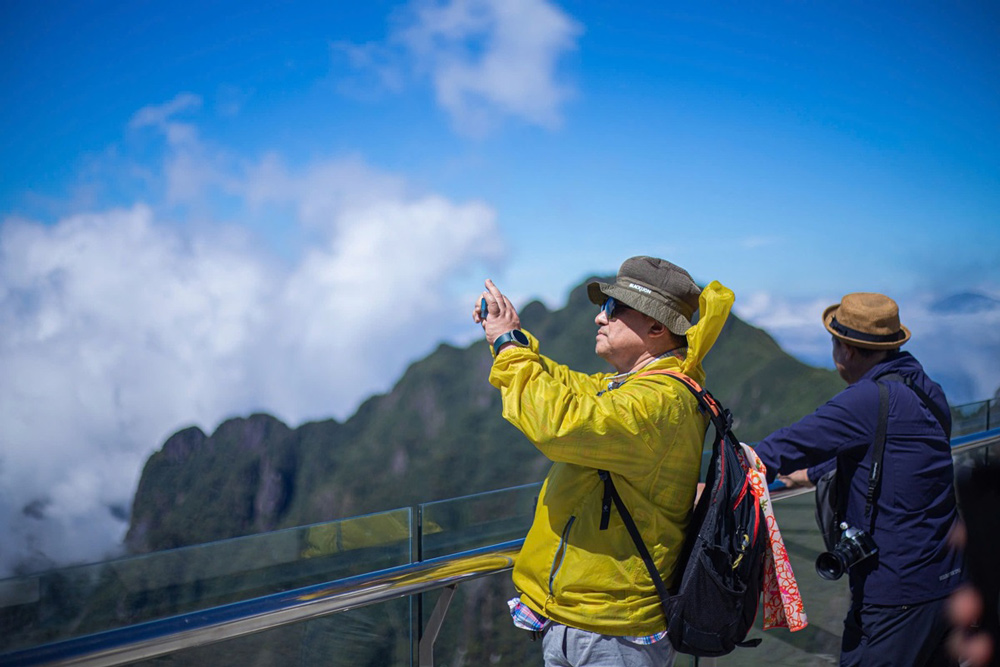
Getting your Vietnam visa doesn’t need to be stressful. In 2025 and 2026, the E-visa is absolutely the best way to enter the country — it’s simple, affordable, and now available to all nationalities. As long as you apply early and stick to the official .gov.vn website, the process is smooth from start to finish.
Before you hit that final Submit button, take one extra moment to check the two details that cause the most rejections:
A tiny typo can delay your entire trip, so triple-checking here is worth it.
And remember — despite what some old blogs still say — the traditional “Visa on Arrival” is no longer the standard. With the expanded E-visa system in place since late 2023, almost every traveler can skip the long lines, avoid agency fees, and arrive with confidence.
Now that you’ve handled the paperwork, it’s time for the fun part: planning your journey. Start with our updated guide on Things to Do in Hanoi and build your perfect itinerary.
Need help or prefer someone to handle everything for you?
If you want to save time, avoid visa headaches, and have your entire Vietnam trip planned by local experts, you can reach out to Asia Mystika, a trusted tour operator based in Vietnam.
We can help with:
Travel relaxed — we’ll take care of the logistics so you can focus on enjoying Vietnam.
Safe travels, and see you in Hanoi!
WhatsApp: (+84) 866.22.7878
Planning trip: Click here
Email: sales@asiamystika.com
Website: www.asiamystika.com
Asia Mystika Profile: Click Here