Hotline: +84 866 227 878
- SG$ Singapore Dollar
- A$ Australian Dollar
- £ British Pound Sterling
- C$ Canadian Dollar
- € Euro
- MYR Ringgit Malaysia
- US$ United States Dollar
- đ Vietnamese Dong


 Hotline/Whatsapp: +84 86 622 7878
 Email: sales@asiamystika.com
 About Us
 Destinations
 Travel Styles
 Travel Guide
 Blogs
Blogs

Planning to visit Fansipan Sapa in 2026? This guide covers everything you need to know before you go, from how to reach the cable car station and what ticket prices to expect, to weather tips and what the summit experience is really like. Whether you want an easy scenic ride or are wondering if the final climb is worth the effort, this article will help you plan your Fansipan trip with confidence.
You have probably seen the photos already. A dramatic peak wrapped in mist, a sea of clouds below, and travelers celebrating at the top of Northern Vietnam. That is the magic of Fansipan Sapa, one of the most iconic experiences in the country and a true bucket-list stop for mountain lovers.
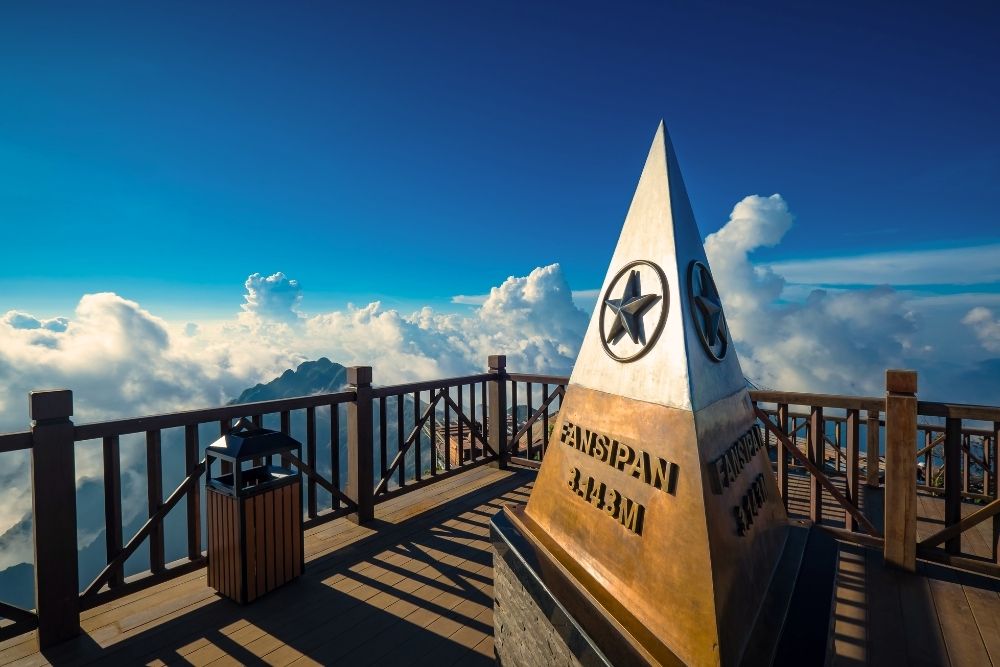
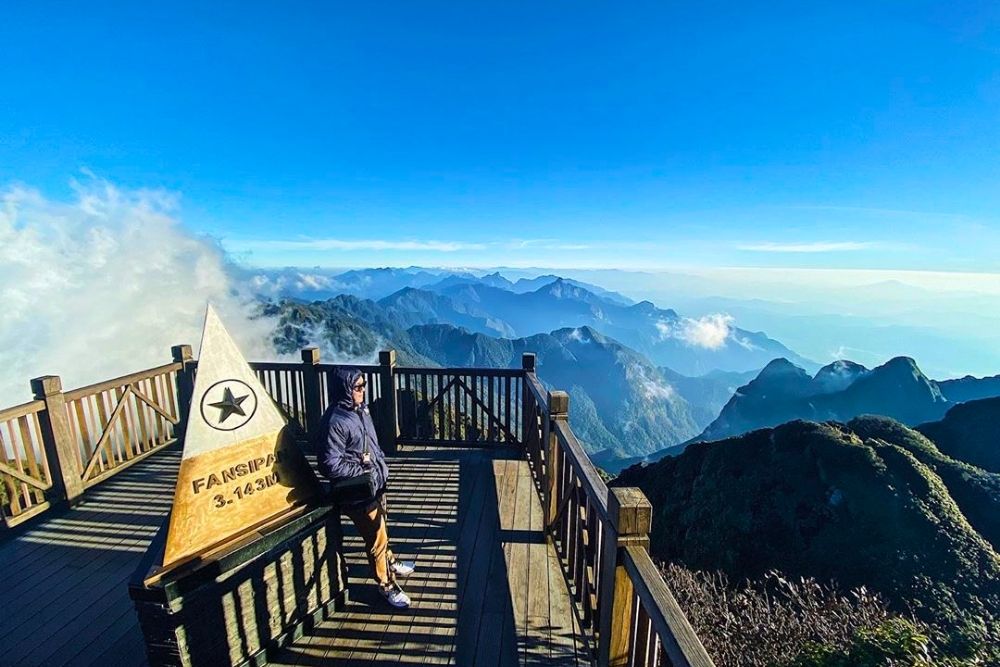
Known as the Roof of Indochina, Fansipan Sapa rises to 3,143 meters above sea level, making it the highest mountain in Vietnam, Laos, and Cambodia. It is not just a famous viewpoint. It is a symbol of adventure, natural beauty, and the unforgettable highland spirit that makes Sapa so special.
In this 2026 guide, we will walk you through everything you need to know about Fansipan Mountain Sapa Vietnam. From cable car options and hiking routes to weather tips and what to expect at the summit, this article will help you plan your visit with confidence.
A lot of first-time visitors ask the same question: are Sapa and Fansipan the same? The answer is no. Sapa is the mountain town where most travelers stay, eat, shop, and start their journey. Fansipan Sapa refers to the famous peak that rises beside the town and dominates the skyline. In simple terms, Sapa is the base, and Fansipan is the summit experience everyone comes for.
The good news is that the distance between them is surprisingly short. From Sapa town center to the foot of Fansipan, it is only about 9 kilometers, which usually means a quick drive of around 15 minutes. That is one reason Fansipan Sapa is so popular. You can sleep in town, have breakfast, and still be on your way to the mountain without a long transfer.
The story of the mountain is just as interesting as the landscape itself. In the past, reaching the top of Fansipan was a serious challenge reserved mostly for experienced trekkers willing to spend days climbing through forest and steep terrain. Today, modern transport has changed everything. With the cable car system and improved access, Fansipan Sapa has gone from an expedition-style adventure to a much more approachable destination, allowing many more travelers to experience the Roof of Indochina for themselves.
Getting to Fansipan Sapa is much easier than many first-time visitors expect. The route is well organized, and you have several simple ways to reach the mountain from town.
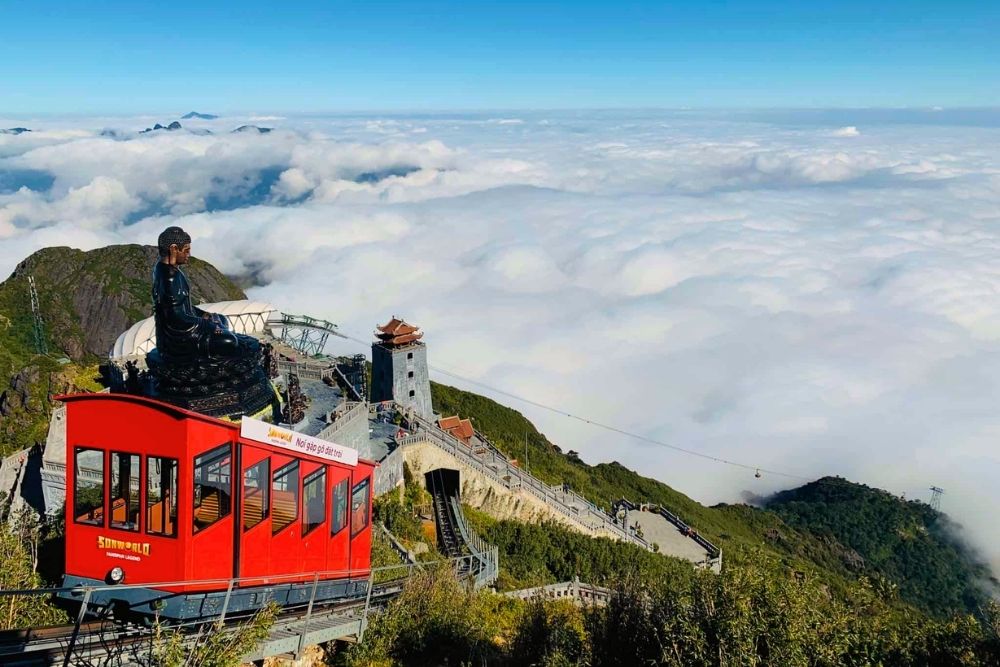
The most convenient option is the Muong Hoa Funicular. It departs from Sun Plaza in the center of Sapa and takes you directly to the Hoang Lien cable car station. This is the smoothest choice because you can begin your journey right in town without needing extra transport. It is especially useful if you want a comfortable start and enjoy scenic views along the way.
You can also go by road. From Sapa town, it only takes about 10 minutes by taxi to reach the cable car base. Renting a motorbike is another popular option if you prefer more flexibility. This works well for travelers who want to move at their own pace and maybe stop for photos before heading up.
For beginners, booking a Sapa Fansipan tour is often the easiest solution. Many hotels can arrange a half-day trip that includes transfers and tickets, so you do not need to think about routes or timing. If you want a stress-free visit, this is a very practical choice.
In short, whether you choose the funicular, a quick road transfer, or a guided tour, reaching Fansipan Sapa from town is simple and beginner-friendly.
There are two main ways to experience Fansipan Sapa, and the right choice depends on the kind of trip you want. One is fast, smooth, and scenic. The other is physically demanding but deeply rewarding.
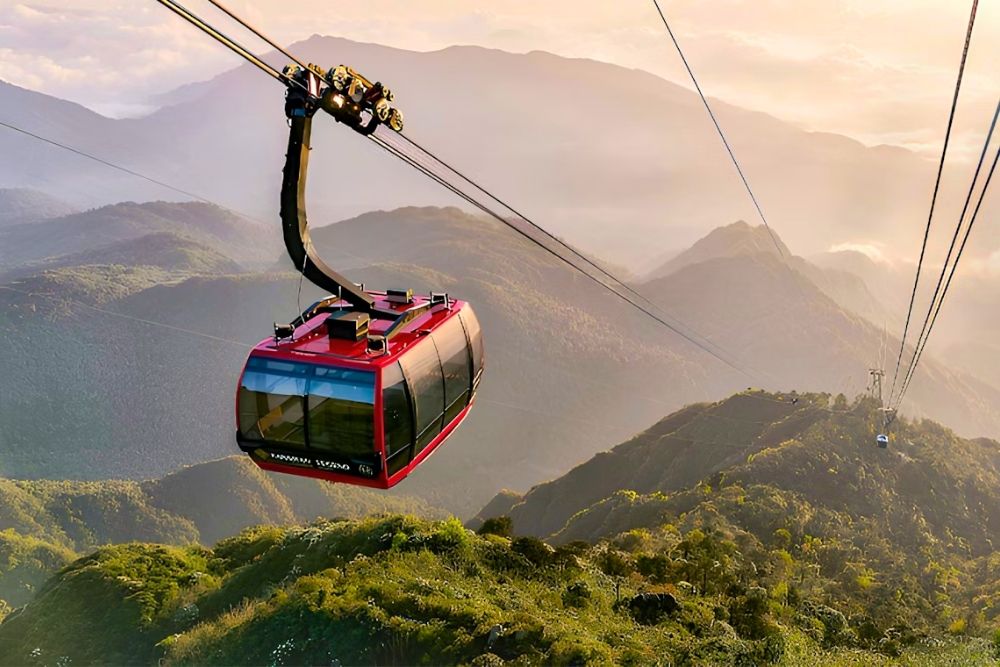
For most travelers, the cable car is the easiest and most popular option. The Fansipan cable car crosses Muong Hoa Valley in about 15 minutes, lifting you from the mountainside into a world of clouds and panoramic peaks. It is famous for its dramatic views and remains the best choice if you want the summit experience without a full trek. Ticket listings for 2026 show the standard adult round-trip cable car fare at around US$33, with combo options available if you also want the Muong Hoa funicular or summit tram.
What makes it such good value is simple. In one short ride, you get access to some of the most spectacular mountain scenery in Vietnam, with none of the exhaustion of a multi-day climb. For families, older travelers, or anyone short on time, this is the clear winner.
If you want the classic adventure, hiking is the more rugged path. The traditional Fansipan Sapa hike usually starts around Tram Ton Pass and takes one to two days depending on route, pace, and weather. Expect steep sections, muddy trails, bamboo forest, and a much more physical journey than the cable car route. Sources describing current trekking logistics note that hikers generally need route registration or permission, and guided tours commonly handle this process.
This option suits travelers who care more about the journey than convenience. Reaching the top on foot feels earned in a completely different way. But it is not something to do casually. Weather can change fast, the terrain is demanding, and going with a local guide is the safer and more practical approach.
If your priority is scenery and comfort, choose the cable car. If your priority is challenge and accomplishment, choose the hike. Either way, Fansipan Sapa delivers a summit experience that feels unforgettable.
Reaching the top of Fansipan Sapa is only the beginning. Once you arrive at the summit station, the experience becomes much more than a mountain viewpoint. This is where nature, architecture, and spirituality come together in a way that feels unforgettable.
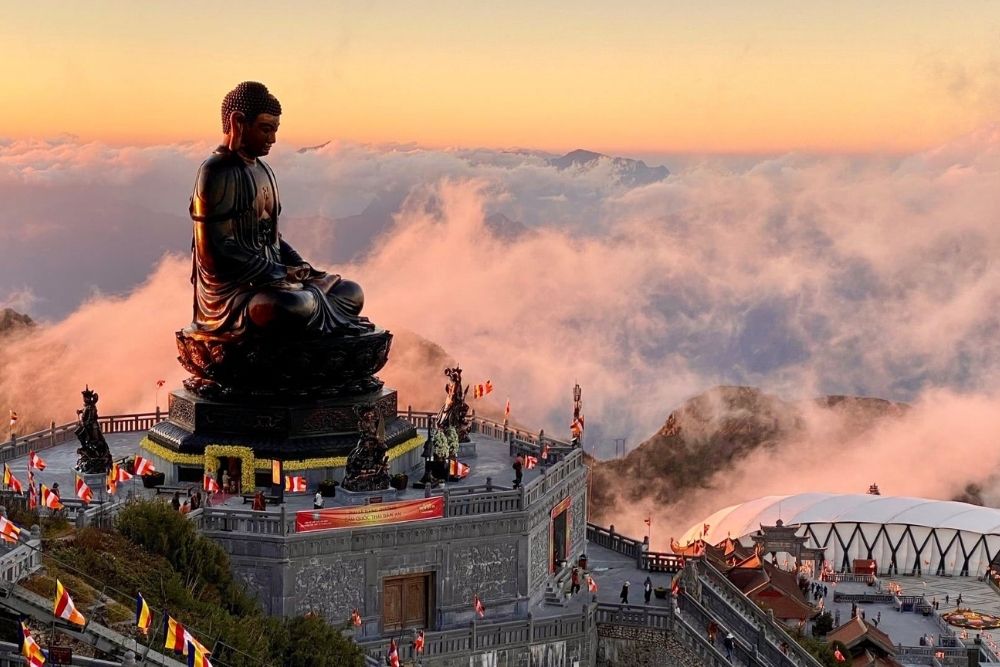
One of the most striking sights on the mountain is the giant bronze Amitabha Buddha. Rising calmly above the clouds, it gives the summit area a peaceful and almost surreal atmosphere. Even if you are not visiting for religious reasons, standing near this statue is still one of the most memorable moments on Fansipan. The scale is impressive, but the feeling is surprisingly quiet and calming.
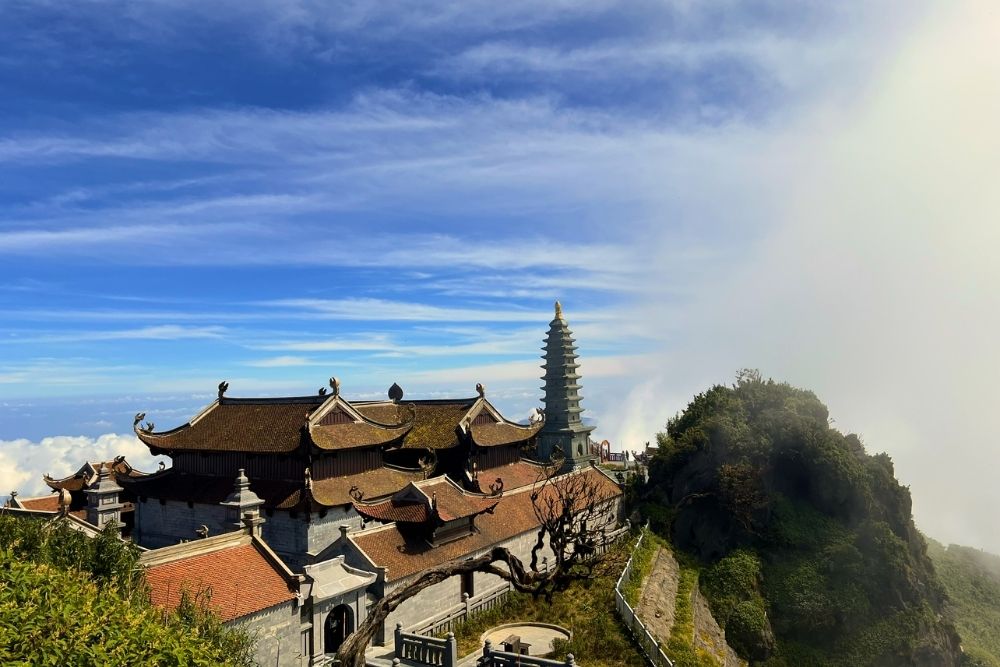
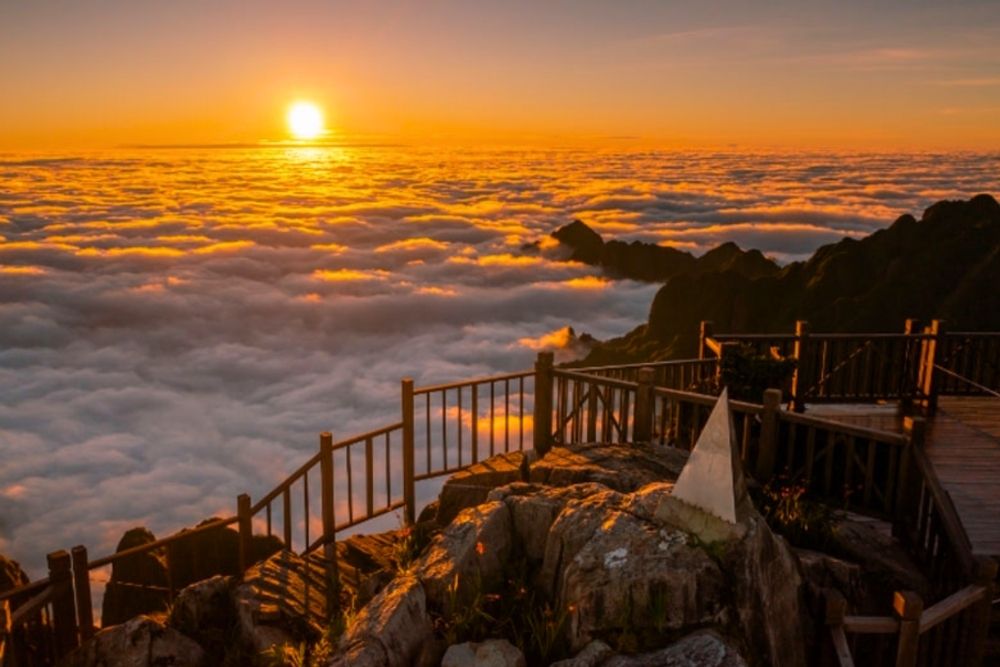
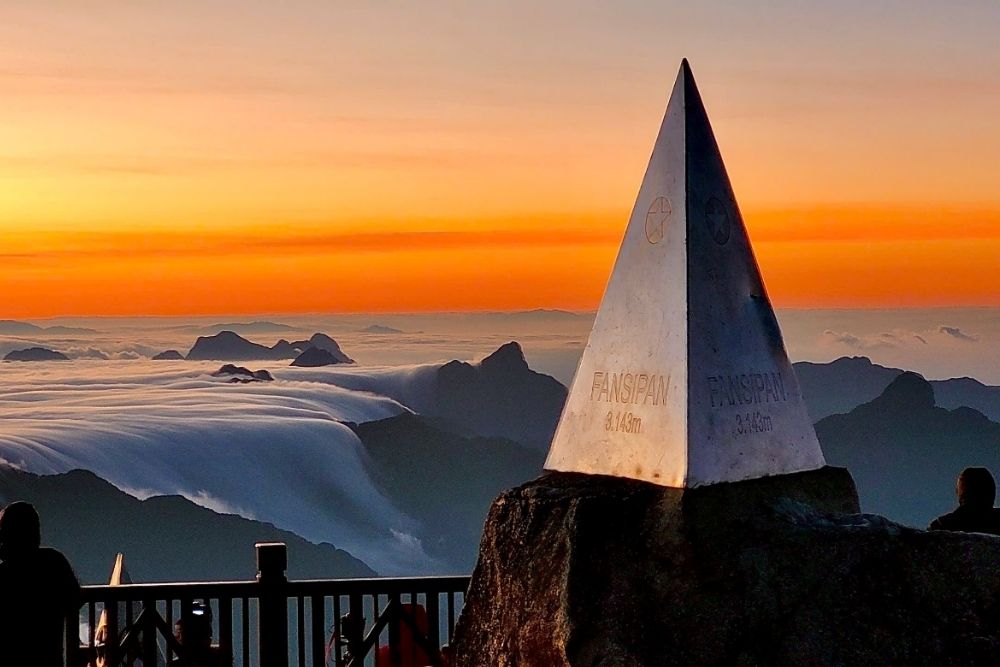
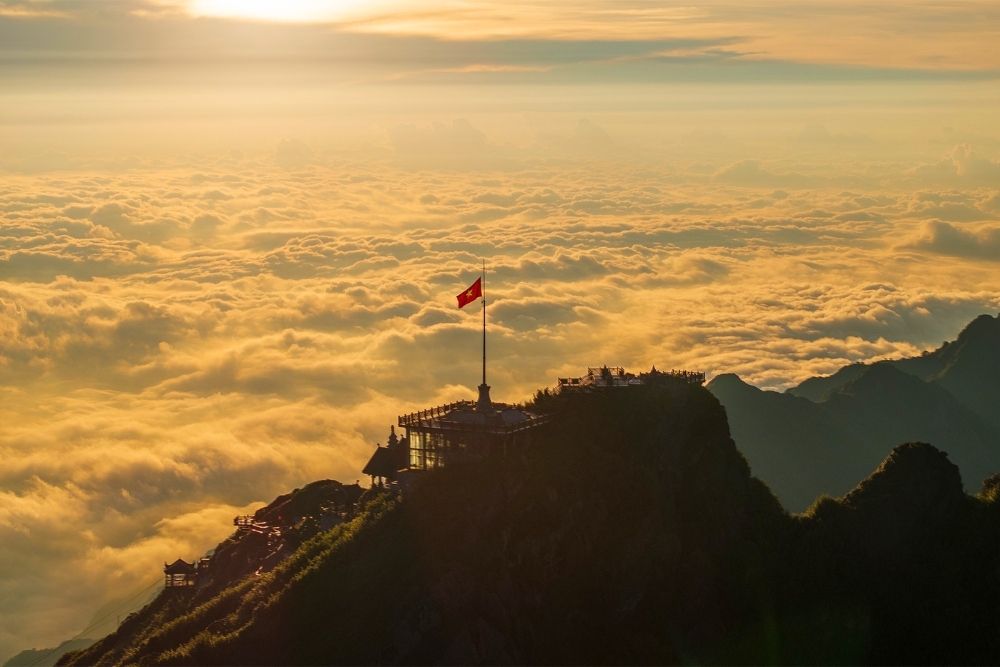
Around the summit, you will find a beautifully designed spiritual complex with pagodas, temple buildings, and stone pathways that follow the mountain’s shape. These structures add depth to the visit and make the area feel more meaningful than a simple lookout point. From here, many visitors continue with the final climb up the 600 stone steps leading to the metal pyramid, which marks the true summit of Fansipan. It takes some effort, but reaching that point feels special because you are standing on the highest peak in Indochina.
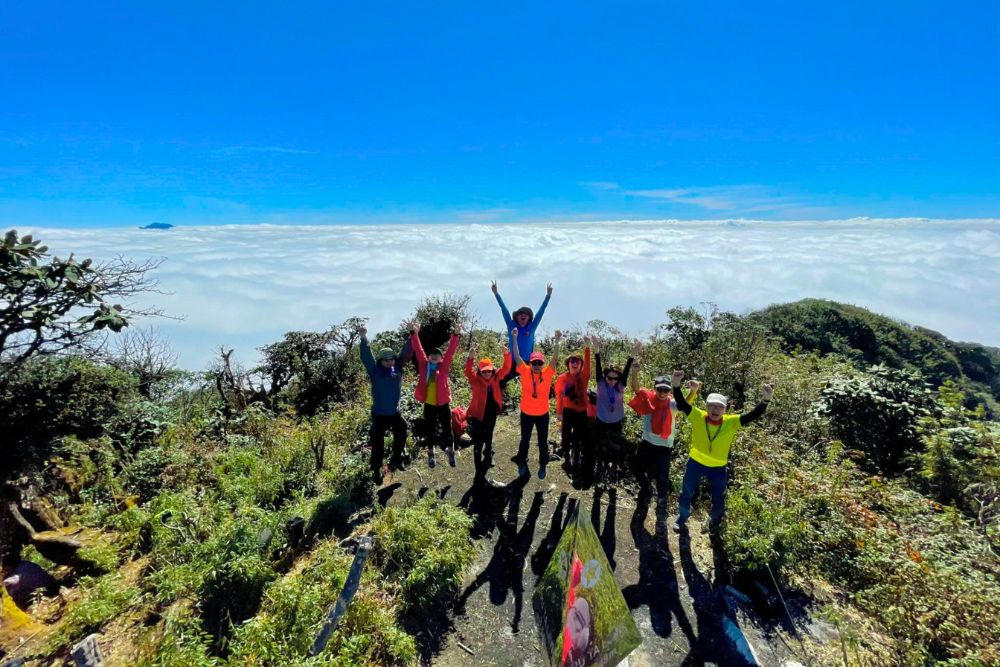
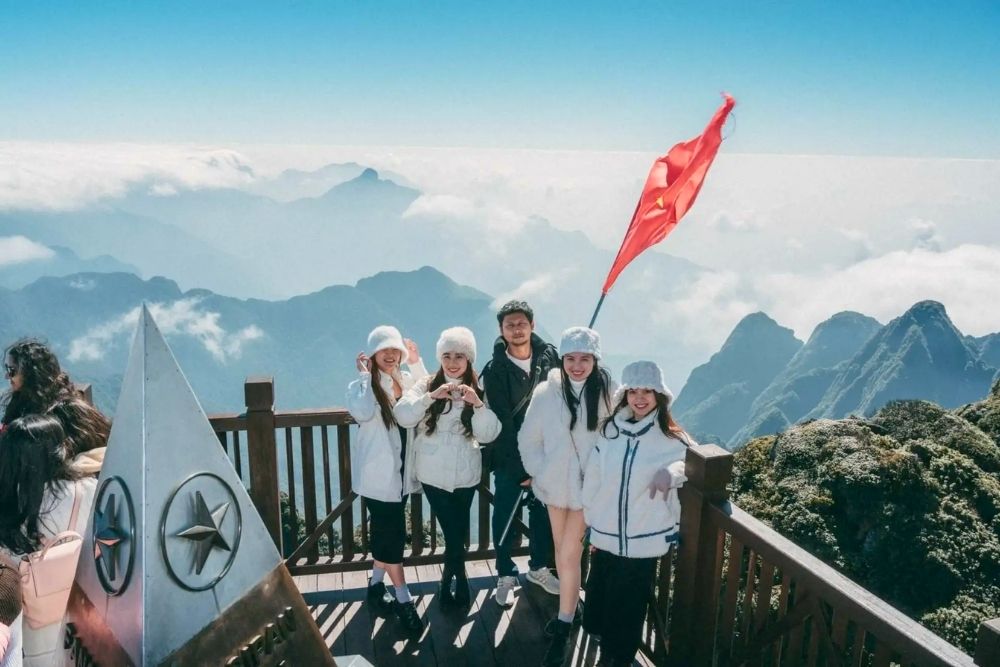
For many travelers, the real highlight of Fansipan Sapa is cloud hunting. Watching thick white clouds drift across the mountains and spill over the valleys below is the number one reason people fall in love with this place. On a good day, the landscape looks almost unreal. This is also the best time to capture the classic Fansipan photos that make the journey feel worth it.
So when thinking about what to do in Fansipan Sapa, do not just rush to the summit marker and leave. Take time to explore the spiritual sites, admire the Buddha, and wait for the clouds to move. That is when the mountain truly shows its magic.
Yes, it is. Fansipan Sapa is noticeably colder than Sapa town because of its much higher altitude. In most cases, the summit is around 8 to 12°C colder than the center of town below. That means a cool morning in Sapa can turn into a freezing, windy experience once you reach the top.
This is why Fansipan weather often catches visitors off guard. The sky in town may look bright and calm, but the summit can still be covered in fog, rain, or strong wind. The change happens fast, and that is part of the mountain’s nature. If you are visiting Sapa Fansipan Vietnam, it is always smarter to prepare for colder conditions than you expect.
A good rule is simple. Bring a heavy jacket, a beanie, and a raincoat no matter what month you travel. Even in warmer seasons, the summit can feel harsh once the wind picks up. Dressing properly makes the trip much more comfortable and helps you enjoy the views instead of rushing back down.
Many travelers ask the same question before planning the trip. Is it worth it to go to Fansipan? In most cases, the answer is yes. Visiting Fansipan Sapa remains one of the most memorable experiences in northern Vietnam.
It is true that the summit area today feels more developed than it once was. There are more visitors, organized walkways, and a few souvenir stalls near the top. However, these additions do not take away from the main attraction. The real highlight is the mountain itself. Standing above the clouds and looking across the endless ridges of the Hoang Lien Son range creates a sense of scale that photos rarely capture.
Another reason the trip stands out is the journey. The cable car system that carries visitors toward the summit is an impressive piece of modern engineering. In just a short ride, you move from green valleys to a high-altitude landscape filled with temples, statues, and dramatic viewpoints. Few destinations combine natural beauty and infrastructure in such a striking way.
For travelers exploring Fansipan Sapa Vietnam, the experience offers something rare. It is not only about reaching the highest peak in Indochina. It is about the feeling of being surrounded by mountains and clouds in one of the most unique landscapes in the country.
You have two easy options. You can start from Sun Plaza in town and take the scenic Muong Hoa funicular to the Hoang Lien station, or you can take a short 10-minute taxi ride directly to the cable car base. From there, the cable car carries you up toward the summit area.
No. Sapa is the town where visitors stay, eat, and begin their trip, while Fansipan is the 3,143-meter mountain rising right beside it. They are closely connected, but they are not the same place.
From Sapa town center to the foot of the mountain, the distance is about 9 kilometers. That is why visiting Fansipan feels very convenient, even on a short trip.
Yes, definitely. The summit is usually around 8 to 12 degrees Celsius colder than Sapa town. In winter, temperatures at the top can even fall below freezing, so warm clothing is essential.
Yes, absolutely. For many travelers, it is the highlight of the trip. Riding the cable car through the clouds and seeing the large spiritual complex at the top makes Fansipan Sapa one of the most unforgettable experiences in northern Vietnam.
Reaching the top of Fansipan Sapa is one of those travel moments that truly lives up to the stories you hear from other travelers. Standing on the Roof of Indochina, surrounded by mountains and clouds stretching in every direction, feels both exciting and peaceful at the same time. It is not just another viewpoint. It is a place that captures the spirit of Northern Vietnam’s highlands.
If you are planning to visit Fansipan Sapa, a little preparation will make the experience even better. During the busy travel season in 2026, it is wise to purchase cable car tickets in advance to avoid long waiting lines. Bringing warm layers is also important, since the summit air can be much colder than the town below.
With the right timing and preparation, a trip to Fansipan becomes much more than a simple excursion. It becomes one of the highlights of your entire journey through Sapa.
Asia Mystika Travel is a Vietnamese local travel agency dedicated to bringing first-hand experience of lovely scenery, and distinctive indigenous cultures to every customer. With professional local tour guides and prestiged airline partners (4 domestic airlines and over 300+ international airlines), we offer unique local experience at an extremely reasonable price. All tours are 100% customizable, no shopping and no extra fee.
Ready to go? Start planning your custom Sapa itinerary with us
Who we are: Learn more about the local experts at Asia Mystika
WhatsApp: (+84) 866.22.7878
Email: sales@asiamystika.com
Website: www.asiamystika.com