
- SG$ Singapore Dollar
- A$ Australian Dollar
- £ British Pound Sterling
- C$ Canadian Dollar
- € Euro
- MYR Ringgit Malaysia
- US$ United States Dollar
- đ Vietnamese Dong




 About Us
 Destinations
 Travel Styles
 Travel Guide
 Blogs
Blogs

Planning a trek in Sapa, Vietnam? Discover the best Sapa trekking tours, from 1-day hikes to 2-day homestays. Learn about prices, local guides, ethical travel, and how to choose the right itinerary.
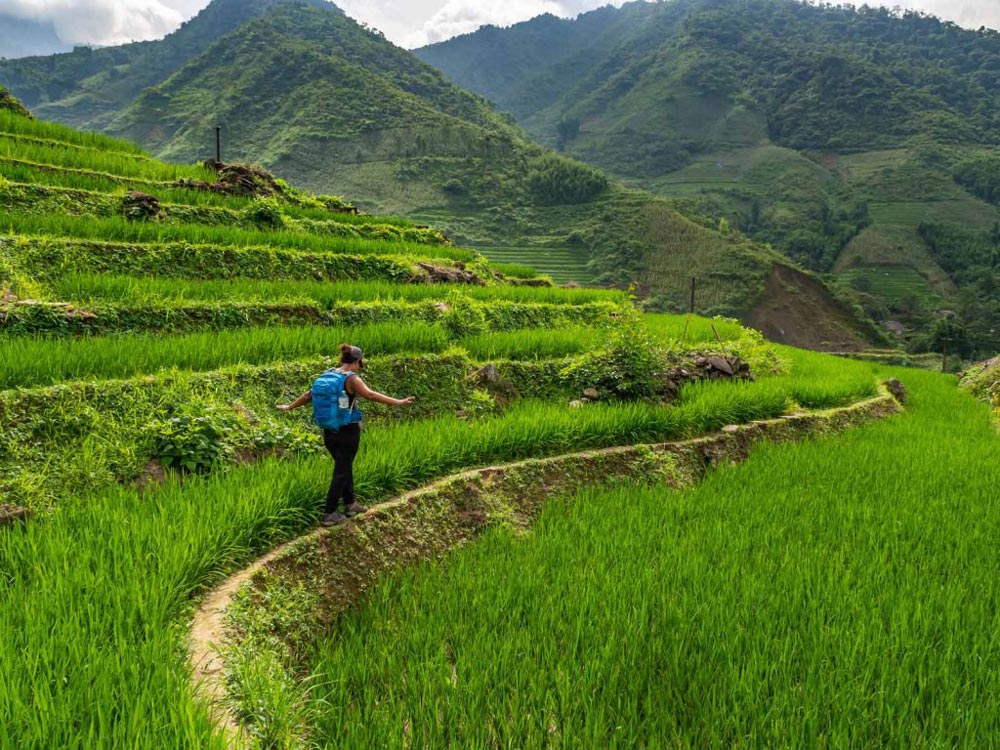
Imagine stepping out of the morning mist and looking down into a plunging valley covered in emerald and golden rice terraces. Wooden homes sit quietly on the hillsides. Water buffalo move slowly through the fields. Clouds drift across the Hoang Lien Son mountains, sometimes hiding the path ahead, sometimes revealing a view so wide and peaceful that you forget how far you have walked.
This is the reality of a true Sapa trek tour.
Sapa is a mountainous destination in Northern Vietnam, famous for dramatic landscapes, terraced rice fields, and vibrant ethnic minority communities such as the Black Hmong and Red Dao. Vietnam’s official tourism site describes Sapa as one of the best trekking destinations in the country, where travelers can book overnight treks through rice terraces and experience ethnic culture firsthand.
But for first-time visitors, planning Sapa Vietnam trekking can feel confusing. Should you trek alone or hire a guide? Is a 1-day trek enough? Is a 2-day homestay worth it? How much should a fair Sapa trek tour price be? Which villages are authentic, and which routes are too commercial?
This guide cuts through the noise. It will help you understand what trekking in Sapa is really like in 2026, how to avoid tourist traps, why ethical guiding matters, what itineraries to choose, what prices to expect, and how to prepare for the weather.
If you are still shaping the wider trip, start by planning your Sapa adventure. Then use this guide to choose a Sapa trekking tour that matches your time, fitness level, and travel values.
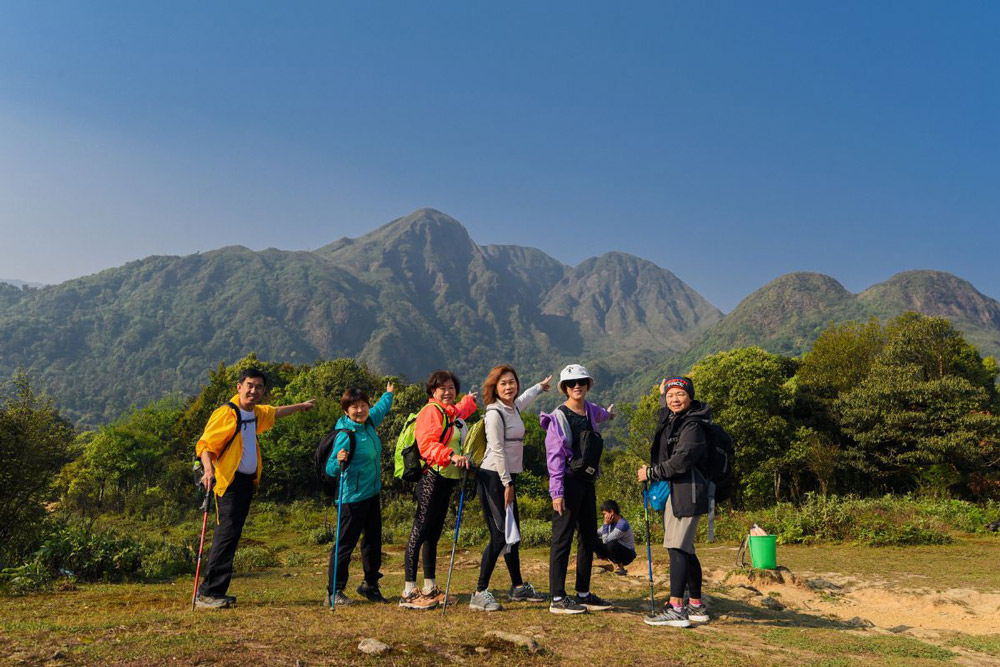
Sapa is beautiful, but it is important to arrive with realistic expectations.
In 2026, Sapa town is no longer a quiet mountain village. The center has become a busy tourism hub with hotels, restaurants, cafés, photo parks, shops, and large-scale attractions. This development is convenient in many ways. You can find comfortable accommodation, easy transport, international food, local tours, and quick access to Fansipan.
However, if you only stay in the town center, you may leave wondering where the peaceful Sapa from the photos has gone.
The answer is simple: you need to step off the main road.
The real beauty of trekking in Sapa lies in the valleys, villages, rice terraces, bamboo forests, and mountain paths beyond the commercial center. Places like Muong Hoa Valley, Lao Chai, Ta Van, Giang Ta Chai, and Ta Phin still offer the landscapes and slower rhythms that make Sapa unforgettable.
This is why a Sapa village trek is so valuable. It moves you away from the crowded town and into the landscapes that originally made Sapa famous. Instead of seeing mountains from a café window, you walk through them. Instead of taking a quick photo of rice terraces from a road, you follow narrow paths beside them. Instead of passing villages from a bus, you meet local people with a guide who can explain what you are seeing.
A good Sapa trek tour is not only about distance. It is about access. It gives you access to quieter routes, cultural context, safer paths, local homes, and better timing. That is what separates a meaningful trekking experience from a rushed tourist walk.
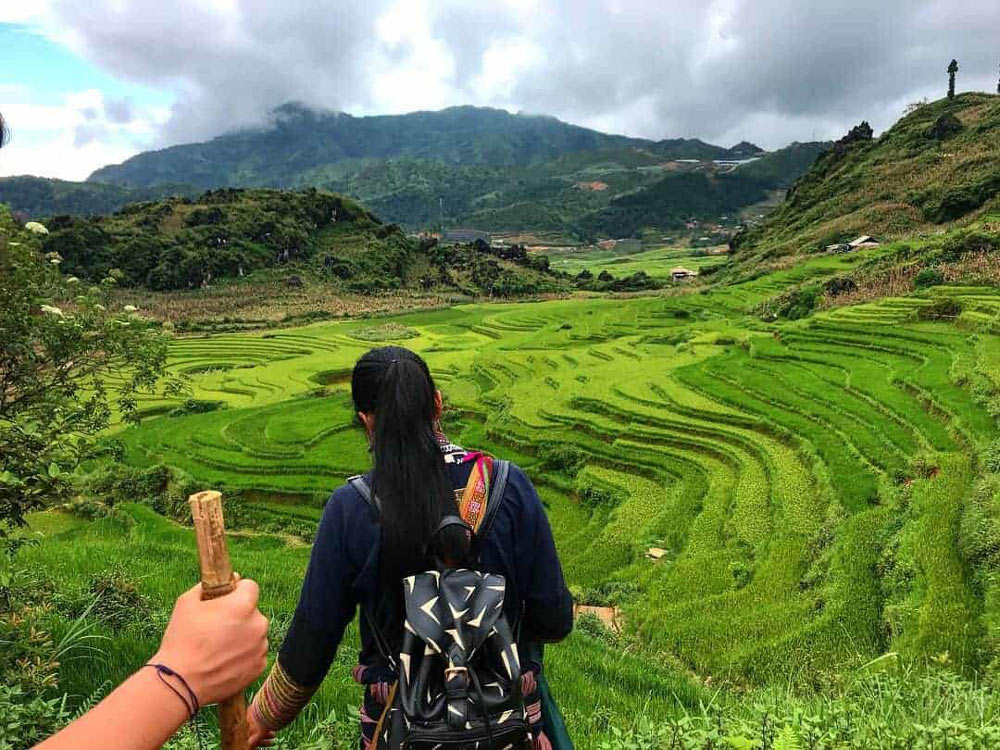
Many backpackers ask the same question: can I go trekking in Sapa without a guide?
The honest answer is: yes, but only for simple routes.
If you are walking around Sapa town or visiting a very accessible place like Cat Cat Village by main road, you can go independently. Vietnam’s official tourism guidance notes that some villages such as Cat Cat and Ta Phin can be seen without a guide.
But for true Sapa Vietnam trekking, especially across valley trails, rice terraces, bamboo forests, and less obvious village paths, hiring a local guide is strongly recommended.
Sapa’s trails can be beautiful, but they are not always well marked. Some routes cross farmland, narrow ridges, muddy slopes, and small village paths. After rain, the ground can become extremely slippery. A 2026 hiking guide notes that Sapa trails can become muddy and slippery after rain, making footwear with proper grip essential.
This matters because Sapa’s weather changes quickly. A path that feels easy in the morning can become difficult after an afternoon shower. Fog can reduce visibility. Mud can turn descents into slow, careful work. A local guide knows which routes are safe for the day’s conditions and which paths should be avoided.
A Sapa village trek is not like walking through a theme park. Many trails pass through private farmland, local homes, rice terraces, and living communities. A guide helps you understand where you can walk, when to ask permission, and how to behave respectfully.
This matters because Sapa is home to ethnic minority communities with distinct languages, traditions, dress, agricultural practices, and social customs. Without a guide, you may see the scenery but miss the meaning.
The best Sapa guides are often local women from Hmong or Dao communities. They do more than lead the way. They translate, explain local customs, introduce village life, help with slippery sections, and share personal stories that give depth to the walk.
With a guide, your tour trekking Sapa experience becomes more than “look at the view.” You learn why terraces are built the way they are, how farming seasons work, what traditional textiles mean, how families live in the valleys, and how tourism has changed the region.
For first-time visitors, a guide is not just safer. It is better.
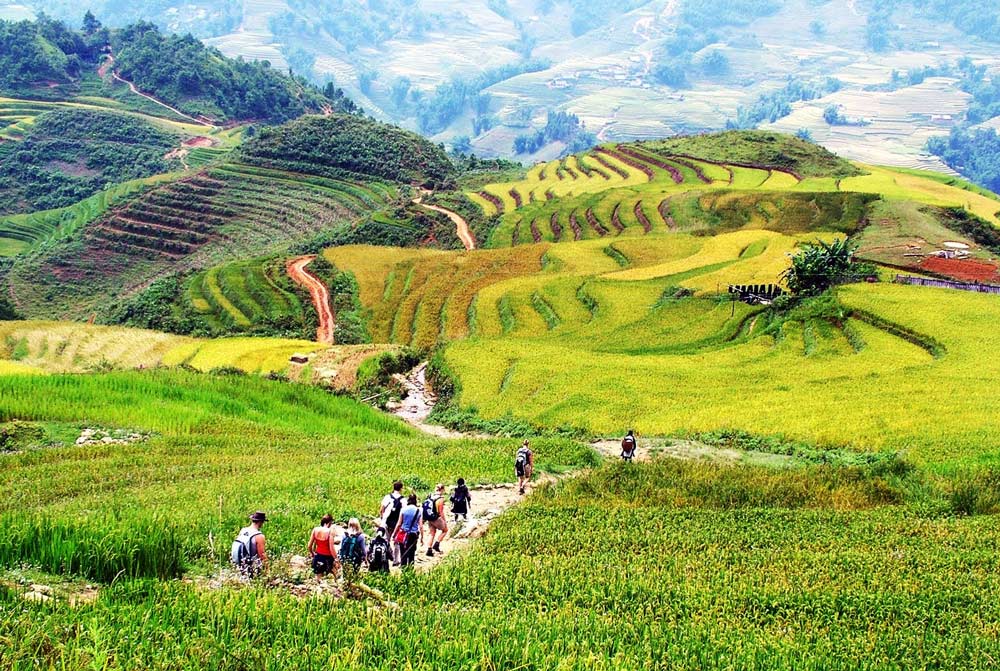
The best Sapa trekking tour is not always the cheapest or the most famous. It is the one that respects the land, supports local people, and gives travelers a meaningful experience without exploiting the community.
Sapa has become popular, and tourism money does not always reach the people who make the experience special. Large agencies may sell generic tours while paying local guides very little. Some routes become crowded because everyone follows the same easy path. Some homestays lose their local character when they are treated only as a cheap overnight stop.
That is why ethical travel matters.
A responsible Sapa trek tour should:
Vietnam’s official sustainable travel guidance for Sapa emphasizes that the region is home to several ethnic minority groups and that tourism should help preserve nature and heritage.
When you book with an ethical agency like Asia Mystika, the goal is not only to “see Sapa.” The goal is to experience it in a way that benefits local communities. Your money supports fair wages for indigenous guides, local meals, family-run homestays, and responsible route planning.
For foreign travelers, this also creates a better experience. You are not pushed through a generic route with a large crowd. You get a more personal, respectful, and flexible journey.
Top Sapa Trek Tour Packages and Itineraries
Different travelers need different routes. Some have only one day. Others want a deeper homestay experience. Some start in Sapa town, while others want Sapa trekking from Hanoi with all transport included.
Below are the most useful Sapa trek tour packages to consider.
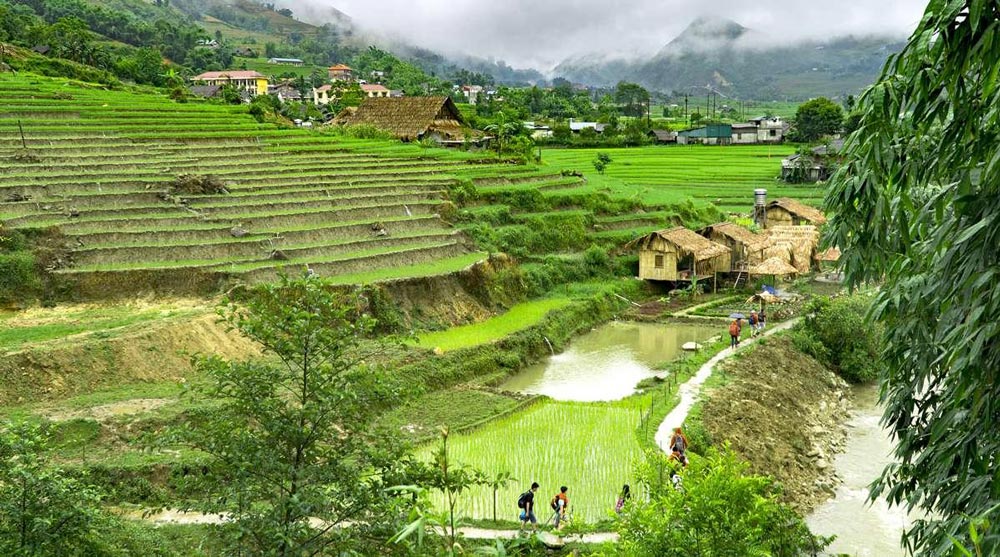
A Sapa trekking tour 1 day is perfect if you are short on time but still want to escape the town center and experience the valleys.
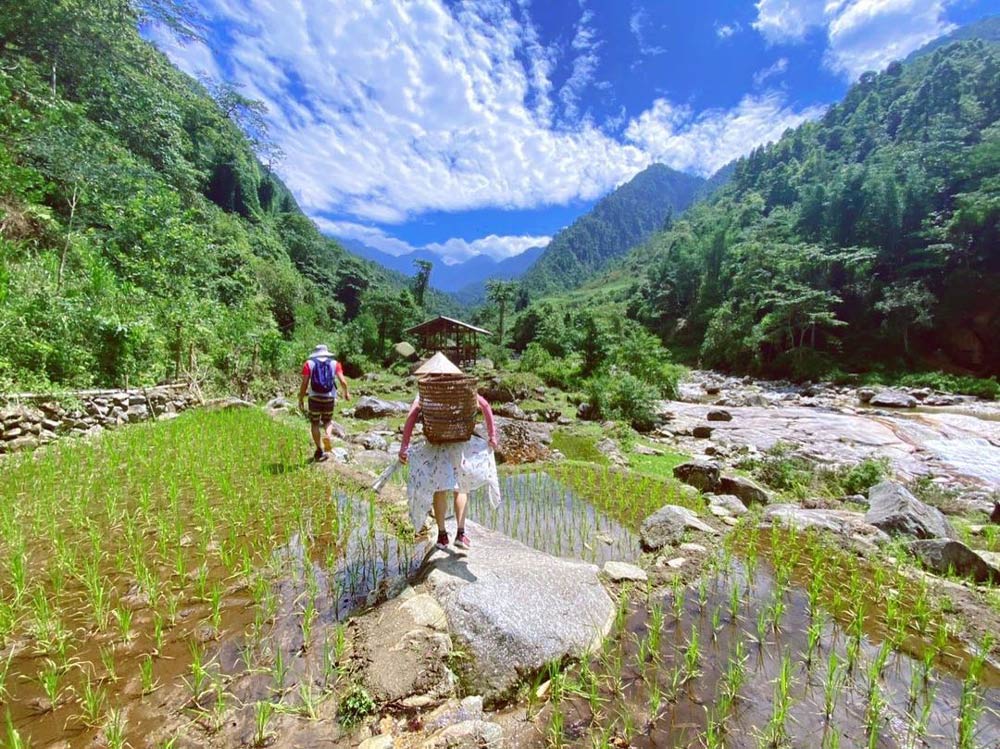
A typical 1-day trek may last around 4 to 6 hours, depending on the route and weather. Popular routes often include Lao Chai and Ta Van, two villages in the Muong Hoa Valley. This route gives you rice terrace views, village paths, local homes, small bridges, mountain scenery, and a glimpse of Hmong and Giay community life.
A sample 1-day Sapa trek itinerary may look like this:
Morning: Meet your local guide in Sapa town. Begin walking downhill toward Muong Hoa Valley. Pass rice terraces, small farms, and village paths.
Midday: Stop for lunch at a local home or simple village restaurant.
Afternoon: Continue to Ta Van or a nearby village, then return to Sapa town by car or motorbike transfer.
This tour is ideal for:
Is a Sapa trekking tour 1 day enough? It is enough for a taste, but not enough for full immersion. You will see beautiful scenery, but you may not experience the quiet evening atmosphere of the valley or the deeper rhythm of village life.
Still, if you only have one day, it is absolutely worth doing.
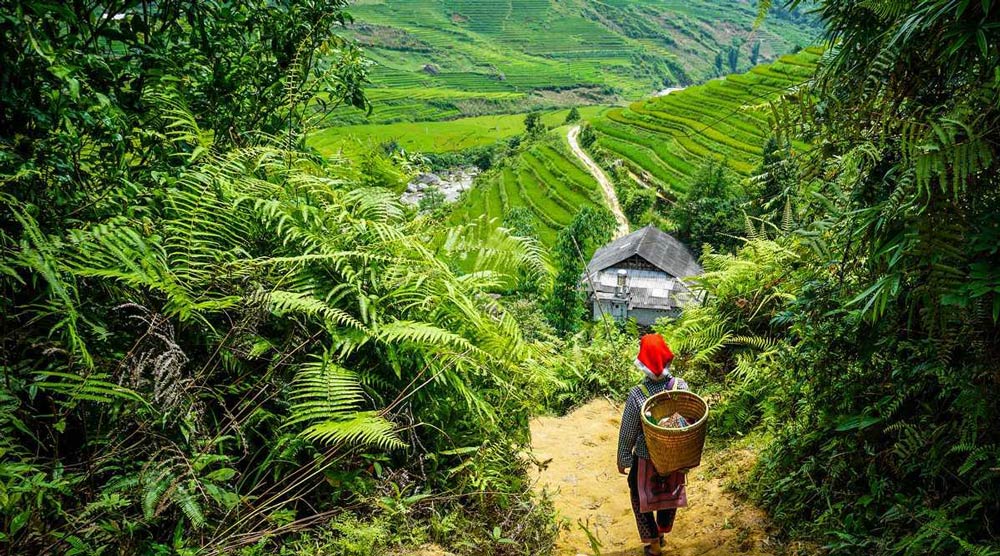
A Sapa trekking tour 2 days 1 night is the best choice for most travelers.
This itinerary gives you time to walk deeper into the valley, pass through less crowded sections, enjoy a local dinner, and stay overnight in a traditional homestay. It feels more complete than a day trek because you do not have to rush back to town.
A typical 2D1N Sapa trek tour itinerary may include:
Day 1: Sapa to Lao Chai and Ta Van
Start from Sapa town and trek down into Muong Hoa Valley. Walk through terraced fields, small villages, and local farmland. Stop for lunch along the route. Continue to Ta Van or a nearby village for an overnight homestay.
Evening: Homestay dinner
Share a family-style dinner with your host or guide. Meals are usually simple, warm, and generous. Depending on the homestay, you may try local rice wine and learn about family life in the village.
Day 2: Bamboo forests, village paths and return
Continue trekking through quieter paths, bamboo forest sections, waterfalls, or nearby villages depending on the chosen route. Return to Sapa by transfer in the afternoon.
This format is highly recommended because it offers a balance between adventure and comfort. You walk enough to feel connected to the land, but not so much that the trip becomes exhausting for average travelers.
A Sapa trekking tour 2 days 1 night is ideal for:
For many visitors, the homestay evening becomes the most memorable part. After the day-trippers leave, the valley becomes quieter. You hear cooking sounds, animals, distant voices, and the natural rhythm of the mountains. This is the side of Sapa that cannot be experienced from a hotel in town.

Many travelers do not want to arrange transport separately. That is where Sapa trekking from Hanoi becomes useful.
A complete Sapa Vietnam trekking tour can include pickup from Hanoi’s Old Quarter, transport to Sapa, guided trekking, accommodation, meals, village visits, and return transfer. This saves a lot of planning time.
The two most common transport options are:
VIP limousine van: Comfortable, direct, and usually the best option for daytime travel. Current 2026 transport guides estimate the Hanoi to Sapa limousine journey at around 5.5 to 6.5 hours, with ticket prices varying by seat type.
Overnight sleeper train: More romantic and atmospheric, but less direct. The train goes from Hanoi to Lao Cai, then travelers transfer by road to Sapa. This is a classic choice for those who enjoy train travel, but it requires more coordination.
For most foreign visitors, booking a full Sapa trek tour package from Hanoi is the easiest choice. You avoid confusing pickup points, early-morning station transfers, separate guide booking, and last-minute accommodation issues.
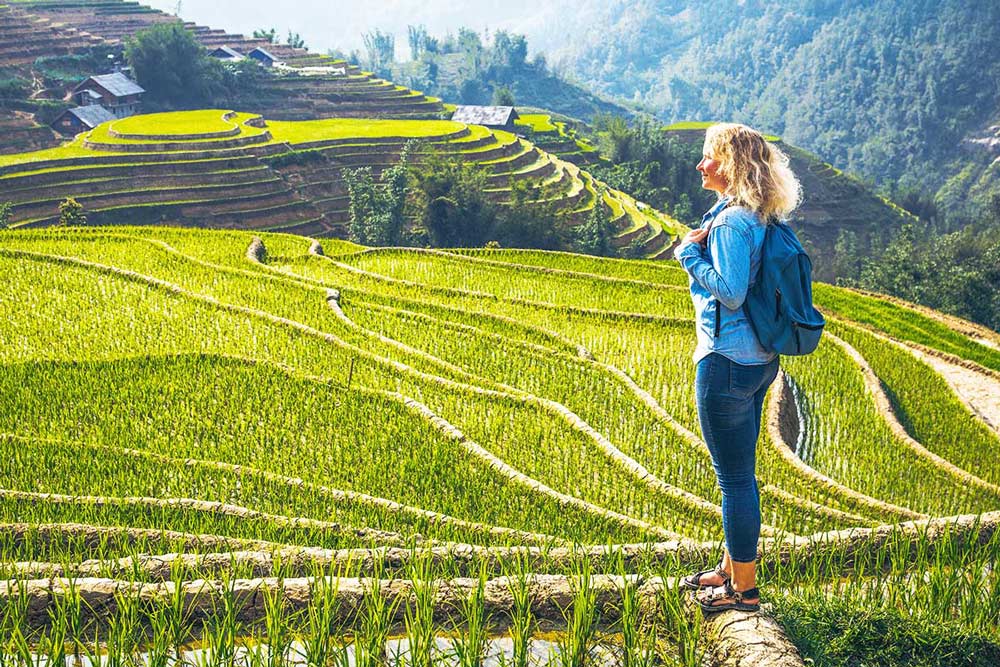
The Sapa trek tour price depends on group size, guide quality, accommodation, meals, transport, and whether the tour starts from Sapa or Hanoi.
A cheap large-group tour may cost around $25 per day, especially if it includes basic guiding and simple meals without premium inclusions. These tours can be suitable for backpackers, but they may involve larger groups, less flexibility, and more standardized routes.
A premium private trek Sapa Vietnam experience usually costs around $45 to $80+ per day, depending on inclusions. This price may include:
Public tour platforms show a wide range of prices. Some 2-day Sapa trekking and homestay tours from Hanoi are listed from around the low $50s to higher private-tour prices depending on group size, transport, and accommodation.
The key is not to compare only the lowest price. Compare what is included.
Before booking a Sapa trek tour, ask:
A cheap tour is not always bad, but a very cheap tour may mean someone else is absorbing the cost, often the local guide or homestay family.
When reading any Sapa trek tour review, you will notice repeated themes.
Travelers usually love:
They often warn future visitors about:
These reviews are useful because they remind travelers that Sapa Vietnam trekking is not a polished city activity. It is beautiful, but it is still a mountain experience. You may get muddy. Your shoes may be dirty. Your legs may feel tired. The weather may not cooperate.
And that is part of the experience.
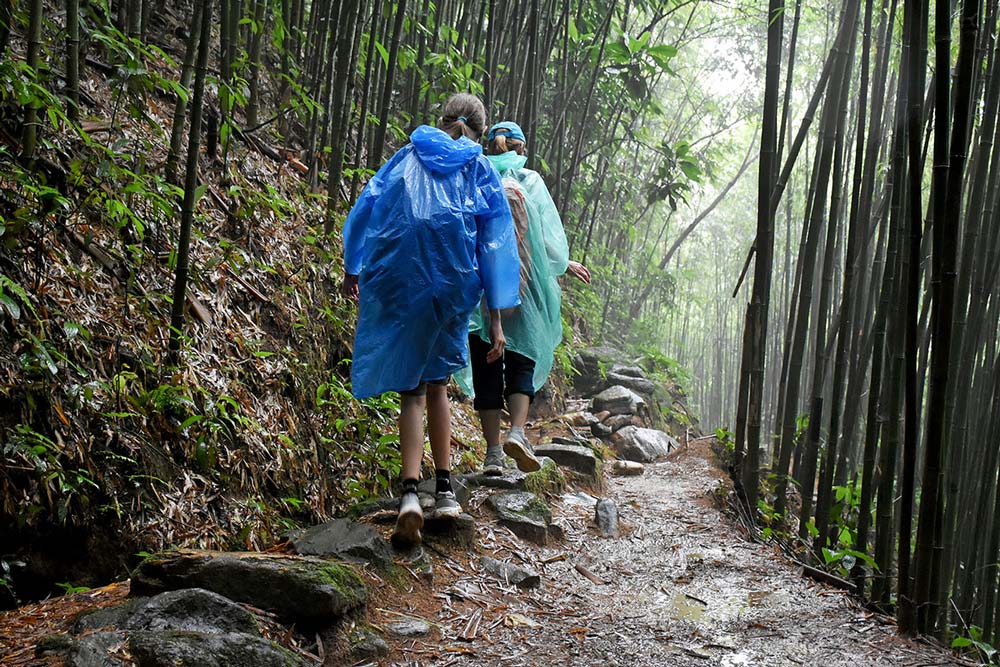
The best time for a Sapa trek tour depends on what kind of scenery you want.
September to November is one of the best periods. September and October are famous for golden rice terraces before and during harvest season. The weather is often cooler and more stable than the rainy months.
March to May is also excellent. Spring brings fresh greenery, flowers, clearer skies, and comfortable trekking temperatures.
June to August is rainy season. A 2026 trekking guide notes that June to August brings muddy trails, but the landscape is very lush and trekking is still possible if travelers come prepared with a rain jacket or poncho.
December to February can be cold, misty, and atmospheric. This period is not always best for views, but it can be beautiful for travelers who enjoy winter moods.
If you dislike heavy rain and mud, avoid July and August. If you want golden rice terraces, choose September or early October. If you want comfortable trekking weather, choose March to May.
For a deeper seasonal breakdown, use this Sapa seasonal weather guide.
Packing properly can make or break your Sapa trekking tour.
The most important item is footwear. Bring shoes with strong grip. Waterproof hiking shoes or trail shoes are ideal. Avoid smooth sneakers if rain is expected. The trails can become slippery quickly, and descents are much easier with proper grip.
Bring layered clothing. Sapa can be cool in the morning, warm during the day, and cold again at night. If you stay in a homestay, evenings can feel much colder than expected.
A practical Sapa trekking packing list includes:
Do not overpack for the trek. If you are returning to Sapa town after the homestay, leave large luggage at your hotel and carry only what you need.
For a 2-day trek, one small backpack is enough. You should be able to walk comfortably without feeling weighed down.
You can walk some main roads and accessible village routes alone, such as simple routes around Cat Cat or parts of Ta Phin. However, for real trekking in Sapa, a local guide is highly recommended. Trails can be unmarked, muddy, steep, and culturally sensitive because they pass through farmland and local villages. A guide improves safety, navigation, and cultural understanding.
The best Sapa trekking tour 2 days 1 night itinerary usually follows Muong Hoa Valley through Lao Chai and Ta Van, with an overnight homestay and a second day through quieter village paths, bamboo forests, or nearby valleys. For extra comfort, travelers can add a traditional Red Dao herbal bath after the trek.
A Sapa trek tour price usually ranges from around $25 per day for large budget group tours to $80+ per day for private, ethical treks with an English-speaking local guide, clean homestay, meals, and customized pacing. Prices vary depending on transport, group size, accommodation, and inclusions.
Yes, a Sapa trekking tour 1 day is worth it if you are short on time. It will still take you out of the busy town center and into the terraced valleys. However, if you want deeper cultural immersion, a homestay, and quieter trails, a 2-day trek is a better choice.
You can book Sapa trekking from Hanoi as a complete package that includes VIP limousine van or sleeper train transfer, hotel pickup, local guide, trekking itinerary, meals, homestay, and return transport. This is the easiest option for travelers who want to avoid managing transport and guide booking separately.
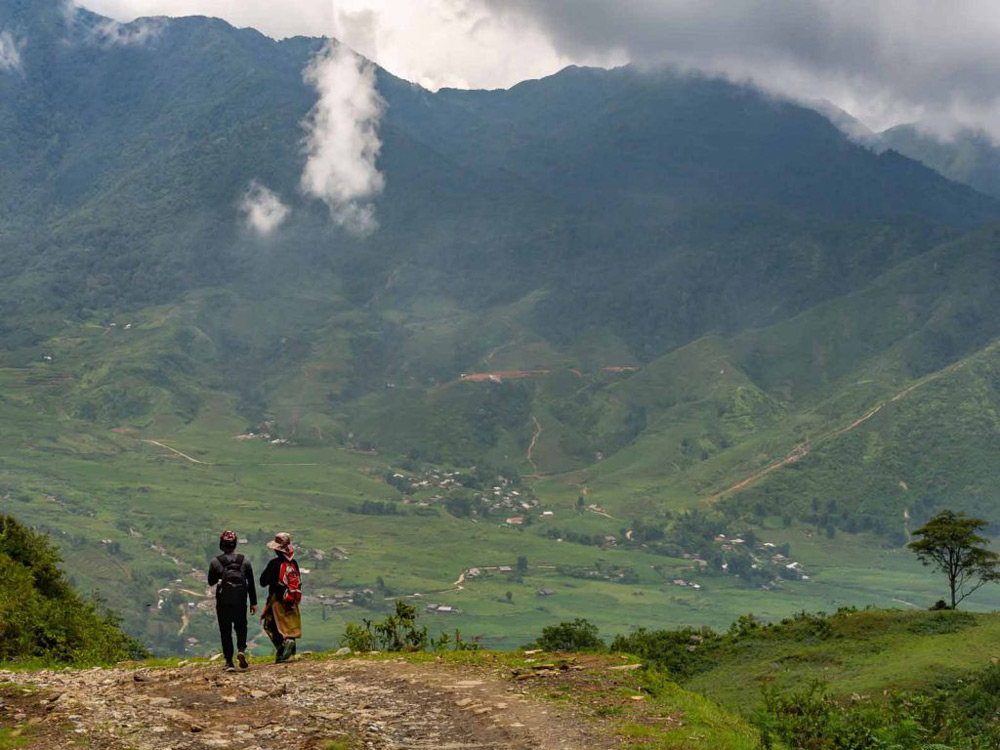
Sapa is not just a place to take beautiful photos. It is a place to walk, listen, slow down, and connect with the land and its people.
The town center may be busy in 2026, but the deeper valleys still hold the Sapa that travelers dream about: misty terraces, quiet villages, bamboo forests, mountain paths, family meals, and stories shared by local guides who know the land intimately.
A thoughtful Sapa trek tour helps you reach that side of Sapa. It moves you beyond the main roads and into the real landscapes of the Hoang Lien Son mountains. More importantly, when designed ethically, it supports the local communities who make the experience meaningful.
If you want to save time and effort while traveling in Vietnam, Asia Mystika can help you design a private, ethical, and personalized Sapa trekking tour.
Skip the overcrowded generic bus tours. Instead, travel with a trusted tour agent in Vietnam that understands local routes, fair guiding practices, comfortable transport, and flexible pacing. Whether you want a gentle Sapa trekking tour 1 day, a deeper Sapa trekking tour 2 days 1 night, or a complete Sapa trekking from Hanoi package, Asia Mystika can tailor the journey to your fitness level, comfort needs, and travel dreams.
Start planning today and Explore our customized Sapa trek tour packages.
Ready to go? Start planning your custom Sapa itinerary with us
Who we are: Learn more about the local experts at Asia Mystika
WhatsApp: (+84) 866.22.7878
Email: sales@asiamystika.com
Website: www.asiamystika.com
