
- SG$ Singapore Dollar
- A$ Australian Dollar
- £ British Pound Sterling
- C$ Canadian Dollar
- € Euro
- MYR Ringgit Malaysia
- US$ United States Dollar
- đ Vietnamese Dong




 About Us
 Destinations
 Travel Styles
 Travel Guide
 Blogs
Blogs

Planning a trip to Vietnam? Discover everything you need to know about Swing Sapa, including 2026 ticket prices, the Rainbow Slide, safety facts, and honest reviews from foreigners.
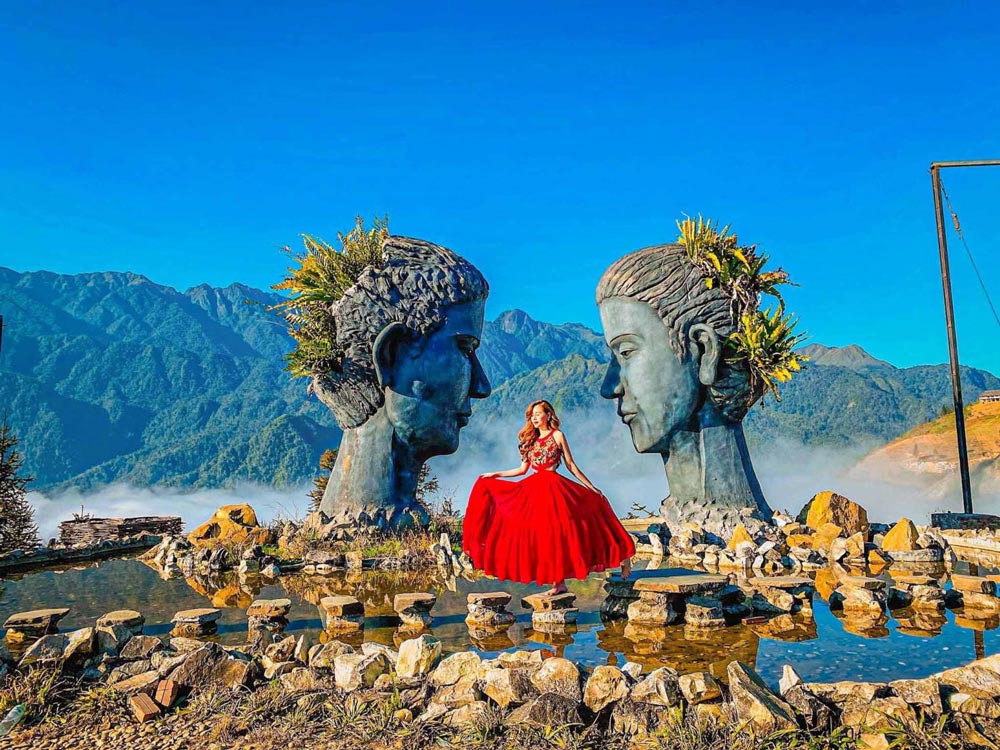
You have likely seen the viral photos already: travelers in flowing dresses sitting on swings above a misty emerald valley, giant stone hands reaching toward the clouds, rainbow slides cutting down a hillside, and dreamy “Bali-style” corners tucked into the mountains of Northern Vietnam.
This is Swing Sapa, one of the most photographed attractions in Sapa and a favorite stop for travelers who want beautiful photos without committing to a full-day trek.
For foreign visitors, it is important to understand what Swing Sapa Vietnam really is. It is not an untouched mountain village, a cultural museum, or a natural hiking trail. It is a purpose-built photo and light-adventure complex located close to Sapa town. Its main appeal is simple: it uses the dramatic mountain scenery of Sapa as a backdrop for creative photo zones, playful activities, and easy sightseeing.
Located at 87 Nguyen Chi Thanh in Sapa town, Swing Sapa is close enough to the center for a short taxi ride, motorbike ride, or even a walk if you are staying nearby. Visitor guides describe it as a complex with photo spots such as an infinity pool, giant Buddha statue, huge stone hand, swings, and a floating bed, with an entrance fee commonly listed around 80,000 VND and opening hours from 7:00 AM to 6:00 PM.
If you are planning your Sapa itinerary, Swing Sapa can be a fun addition to your travel plan. It is easy to reach, affordable, and ideal for travelers who want memorable photos, a light activity, and a relaxed morning before moving on to Fansipan, Cat Cat Village, Muong Hoa Valley, or a guided trek.
This guide explains everything you need to know before visiting Swing Sapa in 2026, including activities, ticket prices, the Swing Sapa Rainbow Slide, opening hours, safety concerns, honest reviews, whether it is too commercialized, and how it compares with the famous Glass Bridge Sapa.
Before looking at Swing Sapa itself, it helps to understand why Sapa has become one of Vietnam’s most talked-about mountain destinations.
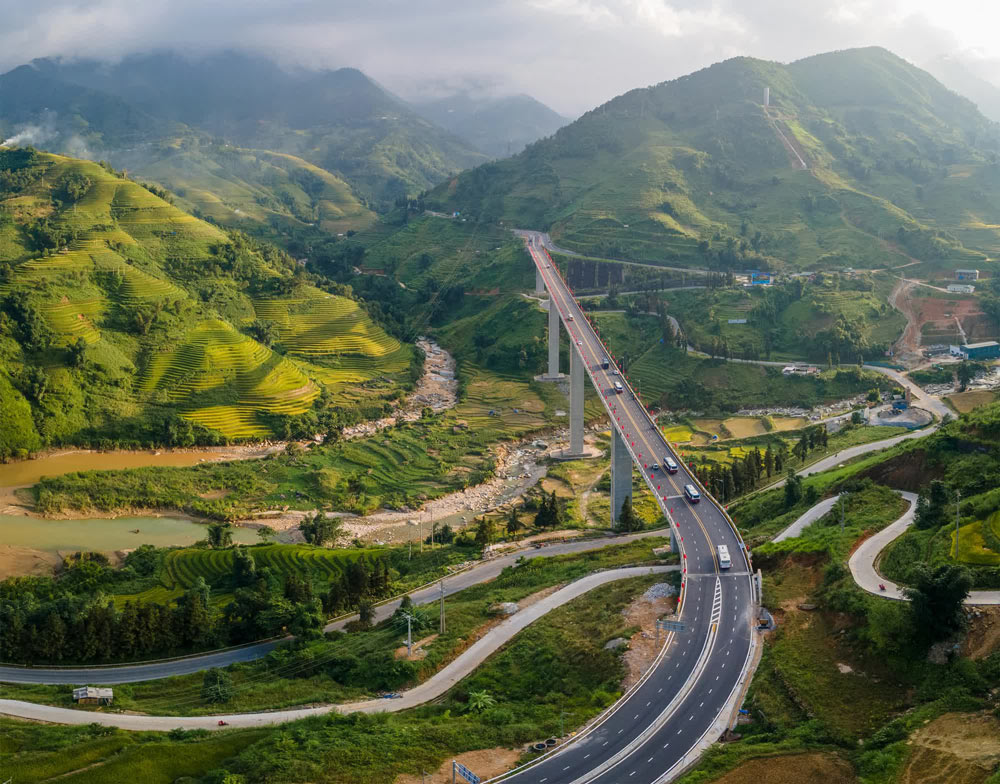
Sapa is special because it brings together landscapes, culture, and climate in a way that feels very different from most of Vietnam. Instead of beaches, motorbike-filled cities, or tropical lowlands, Sapa offers cool air, steep valleys, terraced rice fields, ethnic minority villages, and the mighty Hoang Lien Son mountain range.
For many travelers, Sapa is their first real encounter with the mountainous northwest of Vietnam. The region is famous for its H’mong and Red Dao communities, traditional textiles, village markets, trekking routes, and views that change completely with the weather. In the morning, the valley may be wrapped in fog. By midday, the terraces may shine green or gold. By late afternoon, clouds may roll back across the mountains again.
Sapa is also home to Fansipan, the highest mountain in Vietnam and often called the “Roof of Indochina.” This gives the town a strong adventure identity, even though the cable car has made the summit much more accessible for ordinary travelers.
So, what makes Swing Sapa special within this setting?
It takes the visual drama of Sapa, the mountains, mist, valleys, and cloud layers, and turns it into a controlled photography experience. Instead of hiking for hours to find a scenic viewpoint, visitors can enter a single complex and move between designed photo zones. The swings, stone hands, stairway, infinity-style water features, and rainbow slide are all arranged to make the mountains look even more dramatic in photos.
That is why Swing Sapa is especially popular with travelers who have limited time. You may not have a full day for trekking. You may be visiting with children. You may want a soft adventure after a cold Fansipan morning. Or you may simply want a few beautiful photos in the mountains.
For top-of-funnel travelers who are still asking, what is so special about Sapa Vietnam, Swing Sapa offers an easy visual answer. It shows the mist, the slopes, the valleys, and the playful side of modern Sapa tourism in one compact place.
Still, it is important to treat it correctly. Swing Sapa is not the deepest cultural experience in Sapa. It is not meant to replace a village trek or a conversation with a local guide. It is best seen as a fun, photogenic stop that complements the broader Sapa experience.
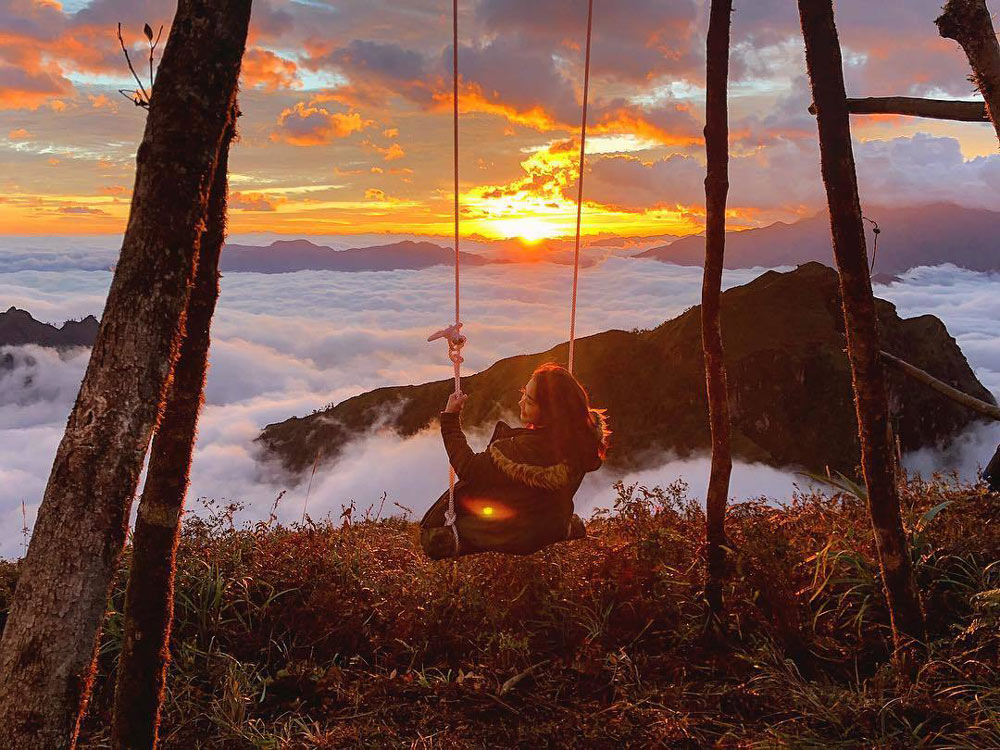
The main reason people visit Swing Sapa is for photography. The complex is often described as a “mini Bali” in the mountains because it borrows the visual language of Bali-style swings, sky nests, infinity pools, oversized sculptures, and open-air photo corners.
If you enjoy creative travel photos, you will find plenty to do here. If you prefer raw nature with no props, you may find it too staged. That contrast is exactly why honest expectations matter.
The most popular Swing Sapa activities are the static photo zones spread across the complex. These are designed for visitors to walk through slowly, pose, take photos, and enjoy the mountain view.
Common photo spots include:
Giant stone hands: One of the signature scenes. The hands appear to lift visitors into the sky, creating the illusion that you are standing above the valley.
Infinity pool-style corners: These areas use water reflection and open mountain views to create a soft, dreamy effect. On misty mornings, the photos can look especially atmospheric.
Stairway to heaven: A staircase-style photo prop that makes it look like you are climbing into the clouds. It is simple, but it works well when the sky is clear or lightly foggy.
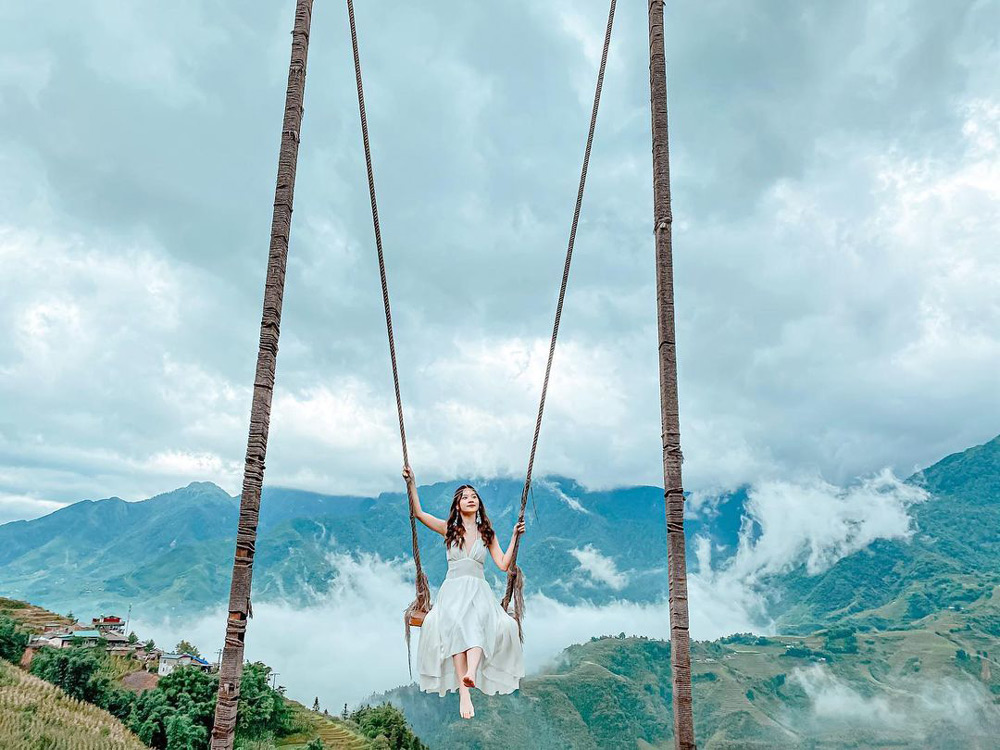
Sky swings: These are among the most famous features. The camera angle makes the swing appear far higher and more dramatic than it actually is.
Floating beds and net beds: These give a relaxed, dreamy look and are popular for couple photos or solo portraits.
Large statues and themed corners: Some areas include oversized figures, romantic sculptures, or fantasy-style elements designed for social media photography.
Travel descriptions of Swing Sapa mention features such as the giant hands, sky-high net bed, white ladder, flying swing, infinity lake, and cloud-facing viewpoints, all designed to frame the mountain and valley scenery.
For visitors who like taking photos, this is the main value. You can easily spend 1.5 to 2 hours moving through the complex, taking pictures, waiting for better light, renting costumes, or enjoying a drink.
The Swing Sapa Rainbow Slide is one of the most searched attractions in the area. It is a colorful dry slide that runs down the hillside, usually ridden on a cushioned tube or mat.
The slide is popular because it gives just enough excitement without feeling extreme. It is not a serious thrill ride. It is quick, colorful, and fun, making it suitable for adults, teenagers, and many families with children.
The rainbow slide works especially well for short videos. The bright colors contrast with Sapa’s green mountain background, and the downhill movement gives visitors a lively clip to share. For many people, this becomes the most memorable activity at Swing Sapa because it adds motion to what is otherwise mostly a photo-stop experience.
Current visitor information for rainbow slides in Sapa lists Swing Sapa as a Bali-style playground with a rainbow slide, photo zones, giant stone hands, stairway to heaven, sky swing, floating net bed, and misty mountain views. Ticket information commonly lists about 150,000 VND for three slide turns, with possible extra turns when the site is quiet.
The Swing Sapa Rainbow Slide is also a useful option if you are traveling with children. Kids may not care much about staged photo corners, but they often enjoy the slide. For adults, it is lighthearted and quick, a nice break from walking and posing.
In addition to photo zones and the slide, Swing Sapa may offer drinks, costume rental, and other light entertainment depending on weather and operations. Some visitor information notes costume rental services and café spaces, while guests staying inside the homestay area may have access to certain photo areas beyond normal public hours.
Costume rental is especially popular among travelers who want dramatic photos. Flowing dresses, ethnic-inspired outfits, and romantic styles can make the mountain backdrop look more cinematic. However, if you are a foreign traveler who values cultural sensitivity, avoid treating ethnic clothing as a costume without context. If you want to learn about local dress and textile traditions, combine a photo stop with a guided village visit or textile-focused experience.
Foreign travelers value clear pricing, especially in tourist destinations where ticket types can be confusing. The good news is that Swing Sapa tickets are generally inexpensive compared with many other attractions in Vietnam.
However, prices can change by season, package, and activity. Treat the numbers below as practical 2026 estimates and check again before visiting.
So, how much is Swing Sapa?
The basic entrance fee is usually around 80,000 VND per person, which is approximately 3 to 4 USD depending on the exchange rate. Some sources state that this entrance fee includes access to the photo areas and a basic drink or bottle of water. Sun Paradise Land lists the entrance ticket at 80,000 VND per person, including entrance and a drink, with combo options from about 100,000 to 120,000 VND depending on the time and drink choice.
This makes Swing Sapa price one of its strongest advantages. For a low entry cost, you get access to a large number of designed photo spots and mountain views. If the weather is clear, the value is strong.
For budget travelers, this is far cheaper than the Fansipan cable car, the Glass Bridge, or a full guided tour. For families, it is also an affordable way to fill a morning or afternoon.
The Swing Sapa Rainbow Slide price is usually separate from basic entrance, unless you choose a combo ticket.
A common combo price is around 150,000 VND, which may include entrance plus several slide turns or additional activities. Travel guides for Rainbow Slide Sapa commonly list about 150,000 VND for three slides at Swing Sapa.
Some visitor reviews and booking references report slightly different prices, often between 120,000 and 150,000 VND depending on the package and date. This is normal in Vietnam, especially for attractions that adjust services during peak periods, quiet periods, or holiday seasons.
A practical way to think about it:
If you only want a few photos, basic admission may be enough. If you want the full playful experience, choose the combo that includes the Rainbow Slide.
The usual Swing Sapa opening hours are 7:00 AM to 6:00 PM daily. Multiple visitor sources list the complex as open from 7:00 AM to 6:00 PM, with the homestay area operating separately for overnight guests.
The best time to visit depends on your goal.
If you want soft light and fewer crowds, go between 7:00 AM and 9:00 AM. This is also a good time for cloud hunting, especially when the morning mist sits low in the valley. Visitor guidance also highlights 7:00 AM to 9:00 AM and 3:00 PM to 5:00 PM as good check-in times for photography.
If you want warmer light, try late afternoon. However, keep in mind that mountain fog can arrive quickly. If the weather looks good in the morning, it is often better not to delay.
Swing Sapa is located close to central Sapa. Some sources place it at 87 Nguyen Chi Thanh and describe it as very near Sapa Stone Church, while other maps and listing sites may show nearby numbers along Nguyen Chi Thanh. The practical point for travelers is that it sits on the Nguyen Chi Thanh side of town and is easy to reach from the center.
You can get there by:
If you are planning a more complete route, this is where a local tour operator can help. Swing Sapa is easy on its own, but combining it efficiently with other attractions requires timing, transport, and weather awareness.
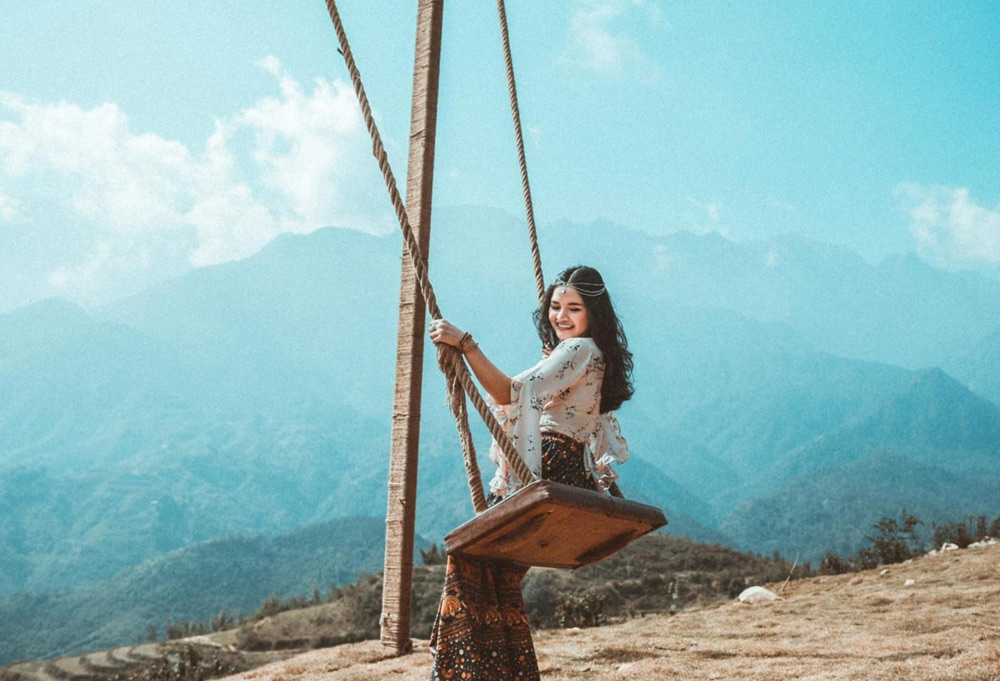
One unusual search term around this attraction is Swing Sapa death. It sounds dramatic, but it usually comes from the way the photos look online.
Many Swing Sapa pictures create the illusion that travelers are swinging over a terrifying cliff. In reality, the visual effect is created by camera angle, slope, positioning, and the distant mountain background. The swing looks higher in the photo than it feels on site.
The large swings are designed as tourist photo attractions rather than extreme sports. Staff usually help visitors with positioning and safety, especially for popular ride or photo features. Rainbow slide guidance also notes that staff help riders sit properly and land smoothly, making the experience suitable for first-timers and children.
There is no credible public information in the sources checked for this guide indicating a fatal accident at the Swing Sapa facility. The search interest appears to come mainly from nervous travelers reacting to viral high-angle photos.
That said, safe does not mean careless. You should still follow basic rules:
The most realistic safety issue is not falling from a huge cliff. It is slipping on wet paths, rushing for photos, or ignoring instructions. Sapa’s weather can make surfaces damp, and photo parks naturally encourage people to focus on the camera instead of their footing.
So, are the Swing Sapa death rumors true? Based on available public visitor information, no credible fatal accident report is found. The scary height in photos is mostly an optical illusion, and the attraction is designed for casual tourism rather than extreme danger.
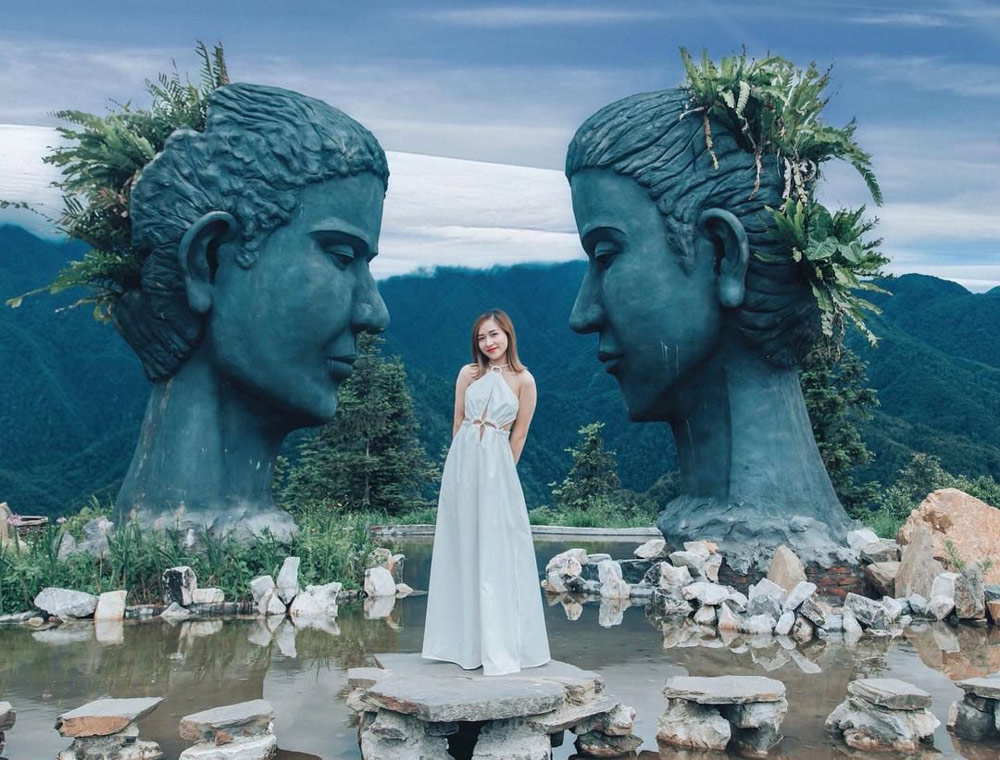
The best way to enjoy Swing Sapa is to arrive with the right expectations.
If you expect untouched nature, deep cultural immersion, or a peaceful hidden mountain retreat, you may be disappointed. If you expect a fun, affordable, highly photogenic stop with a few playful activities, you will probably enjoy it.
The first advantage is price. Swing Sapa tickets are affordable, especially compared with Fansipan or the Glass Bridge. For around the cost of a coffee and snack in many international cities, you get access to multiple photo zones and mountain views.
The second advantage is convenience. It is close to town, easy to reach, and does not require serious fitness. This makes it useful for families, couples, solo travelers, and visitors who want a light activity between bigger plans.
The third advantage is visual impact. When the weather is clear or softly misty, the photos can look genuinely beautiful. The mountains do much of the work. The props simply frame them.
The fourth advantage is time efficiency. You do not need half a day. Many travelers spend about 1.5 to 2 hours here. That means you can visit Swing Sapa in the morning and still have time for Fansipan, Cat Cat Village, a café stop, or a short trek.
The fifth advantage is accessibility. Not every traveler wants to hike muddy trails for hours. Some visitors are traveling with young children, elderly parents, or limited time. Swing Sapa gives them a way to enjoy mountain scenery in an easier format.
The biggest downside is that Swing Sapa is commercialized. It is built for photos, and you will feel that immediately. The props are obvious. The poses are encouraged. The whole experience is designed around social media.
For some foreign travelers, especially those looking for authentic highland culture, this can feel gimmicky. If you came to Sapa mainly to learn about H’mong villages, Red Dao herbal traditions, rice farming, or mountain life, Swing Sapa should not be your main experience.
Crowds can also affect the visit. During weekends, holidays, or peak domestic travel periods, you may need to wait for popular photo spots. This can reduce the relaxed feeling and make the place feel more like a queue than an escape.
Weather is another major issue. Since the attraction depends heavily on views, fog and rain can change everything. On a clear day, the background looks magical. On a grey, wet day, the same props can feel flat and muddy.
Swing Sapa is worth it if you treat it as a fun, affordable, 2-hour photo stop.
It is not worth it if you expect a deep cultural experience or untouched nature.
The best itinerary is to combine Swing Sapa with more meaningful Sapa experiences. For example, visit the photo park in the morning, then spend the afternoon trekking with a local guide. Or stop here before Fansipan, then visit a village homestay the next day. That way, you enjoy the playful side of Sapa without missing the real reason the region is famous.
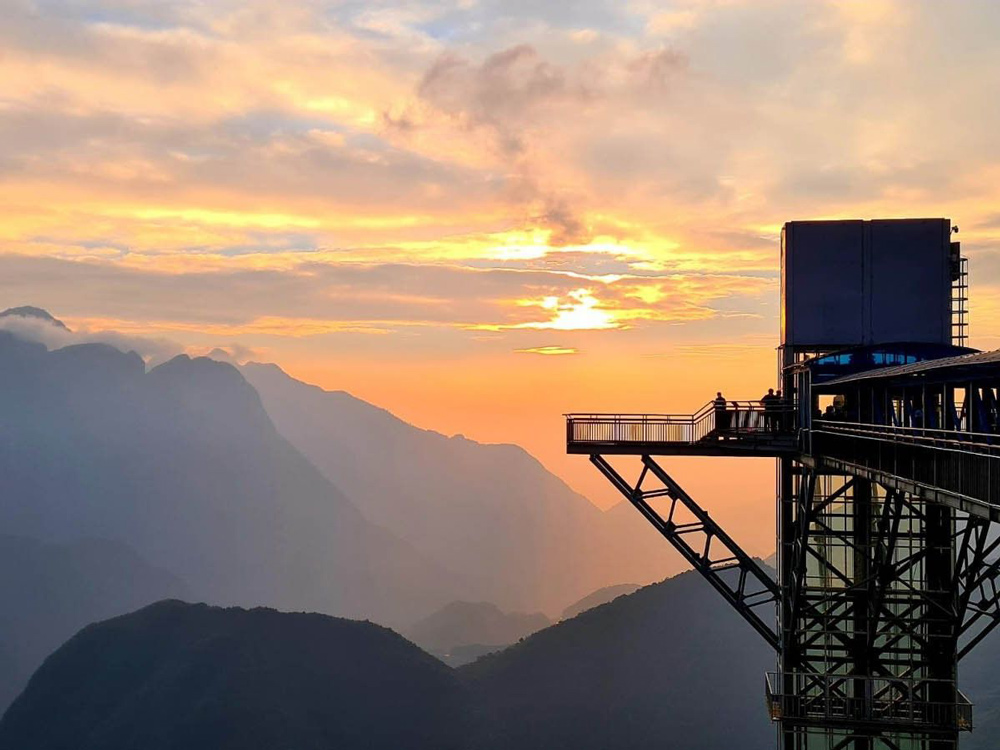
Another viral attraction near Sapa is the Rong May Glass Bridge, often called Glass Bridge Sapa. Many travelers compare it with Swing Sapa because both are photogenic and mountain-based, but the experiences are very different.
Swing Sapa is cheap, close to town, and focused on photo props. It is playful rather than intense. You go there to take pictures, ride the rainbow slide, and enjoy a soft adventure.
Glass Bridge Sapa, by contrast, is a large-scale engineering attraction near O Quy Ho Pass. It is designed to create a real height experience, with a glass elevator and skywalk high above the mountain landscape. Recent 2026 pricing references list the main bridge entrance at around 500,000 VND per adult, including glass elevator access, with extra activities such as ziplining, suspension bridge walking, and aerial swing priced separately.
So, is Glass Bridge Sapa worth it?
Yes, if you want a genuine adrenaline experience and the weather is clear. The height feels much more real than at Swing Sapa. The views are bigger, the price is higher, and the experience is more dramatic.
No, if you are mainly looking for affordable photos. In that case, Swing Sapa is better value.
Here is a simple comparison:
Choose Swing Sapa if you want:
Choose Glass Bridge Sapa if you want:
If you are still unsure, read our full Sapa Glass Bridge review before choosing. For many travelers, the best solution is to visit Swing Sapa for easy photos and save Glass Bridge for a clear-weather day when the mountain views justify the higher cost.
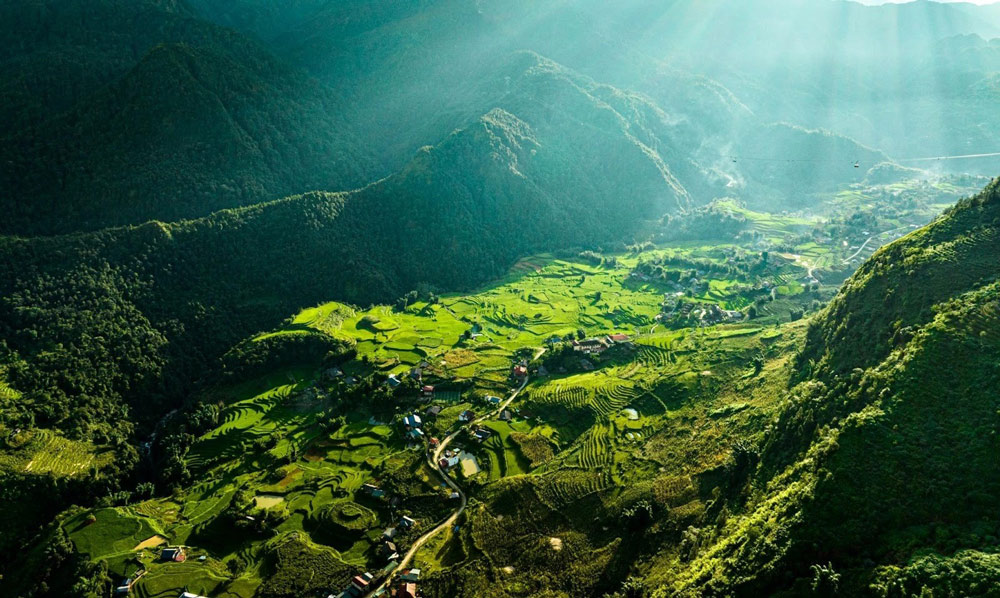
Because Swing Sapa depends so heavily on visibility, timing matters.
The biggest mistake is visiting during heavy rain and expecting dreamy mountain photos. Sapa’s mist can be beautiful, but thick fog can also erase the entire background. When the mountains disappear, the photo park loses much of its charm.
If your main goal is photography, you should avoid the peak rainy months of July and August. This period can bring heavy rain, muddy paths, thick cloud cover, and reduced visibility. The park may still be open, but the experience can feel grey and slippery instead of bright and scenic.
You should also be careful with major Vietnamese public holidays. Domestic tourism can increase sharply during Tet, the April 30 and May 1 holiday period, and other long weekends. During these times, Sapa town, Fansipan, photo parks, and central attractions can become crowded.
before finalizing your trip.
For photography, the best months are usually:
March to May: Spring weather, flowers, softer skies, and comfortable temperatures.
September to October: Golden rice terrace season and some of the most beautiful mountain scenery of the year.
November to early December: Cooler air, atmospheric mist, and fewer crowds than peak periods.
The best time of day is usually early morning from 7:00 AM to 9:00 AM. You may get soft light, fewer visitors, and cloud layers in the valley. Late afternoon from 3:00 PM to 5:00 PM can also be good for warm light, but weather is less predictable.
Because Swing Sapa is a photo attraction, clothing matters more than it would on a normal sightseeing stop.
For comfort and photos, consider:
If you plan to rent costumes, arrive early for more choices and fewer crowds.
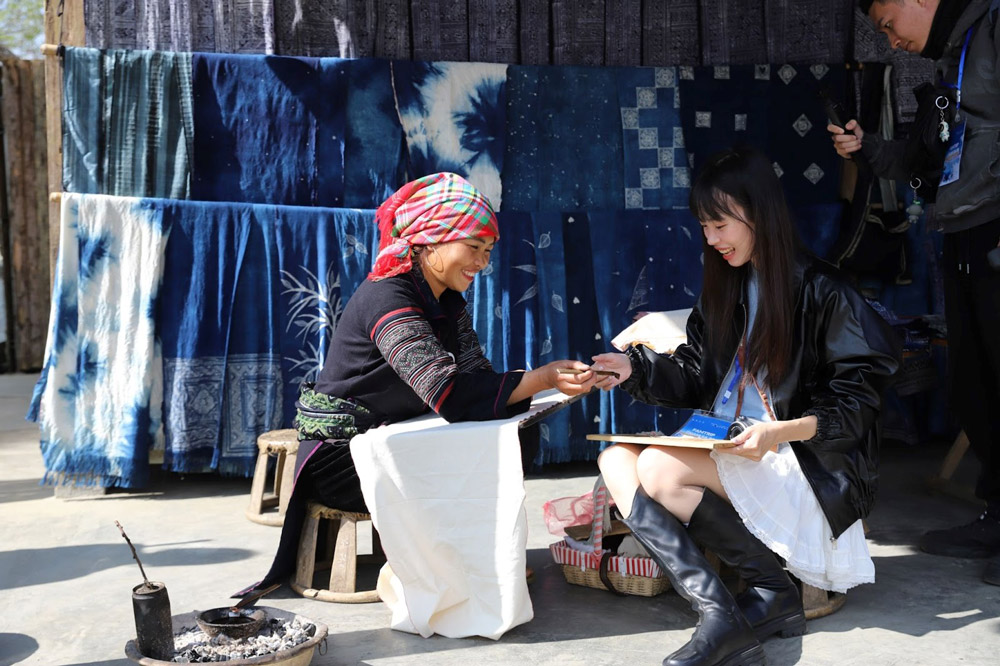
Sapa is special because it offers a rare combination of towering mountains, terraced rice fields, cool highland weather, and rich ethnic minority cultures. It is one of the best places in Vietnam to experience mountain scenery, trekking, H’mong and Red Dao communities, Fansipan, and misty valley views.
The basic Swing Sapa entrance fee is usually around 80,000 VND per person, often including entrance and a basic drink. Some combo options may cost around 100,000 to 150,000 VND, depending on activities, drinks, and services included.
The Swing Sapa Rainbow Slide price is commonly around 150,000 VND for three slide turns when purchased as part of an activity combo. Prices can vary by season, package, and on-site policy, so check the latest price before buying your ticket.
Swing Sapa opening hours are generally 7:00 AM to 6:00 PM daily. The best time to visit is usually from 7:00 AM to 9:00 AM for soft light, fewer crowds, and possible cloud hunting, or from 3:00 PM to 5:00 PM for warmer late-afternoon light.
No credible public information found for this guide confirms a fatal accident at Swing Sapa. The “dangerous height” seen in many photos is mostly an optical illusion created by camera angles, slopes, and mountain backgrounds. Visitors should still follow staff instructions, avoid risky poses, and be careful on wet surfaces.
Yes, Glass Bridge Sapa is worth it if you want a real adrenaline experience, glass-floor walking, and dramatic views from the O Quy Ho Pass area. However, it is much more expensive than Swing Sapa. If you only want casual photos and a light activity, Swing Sapa is better value.
Avoid July and August if you dislike heavy rain, mud, and low visibility. Also avoid major Vietnamese public holidays if you want fewer crowds. For Swing Sapa specifically, clear weather matters because the mountain backdrop is the main reason the photos look impressive.
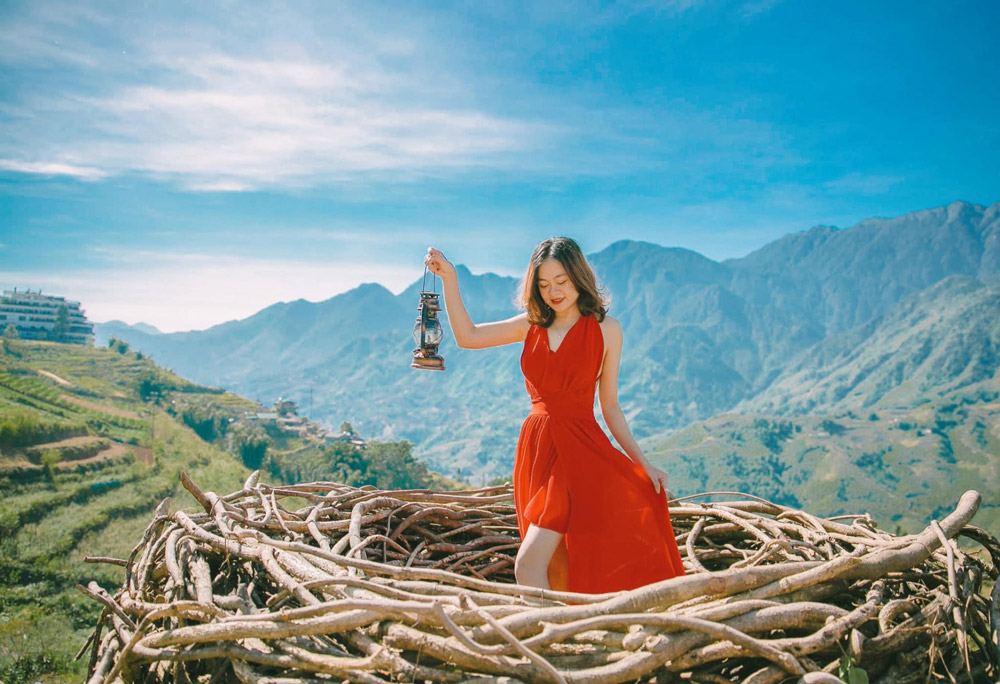
Swing Sapa is one of the easiest and most affordable ways to enjoy Sapa’s playful, photogenic side. It is not the most authentic cultural experience in the region, and it should not replace trekking, village visits, or deeper exploration. But as a short morning or afternoon stop, it can be genuinely fun.
The best way to enjoy it is to understand what it is: a scenic photo park with mountain views, creative props, a colorful Rainbow Slide, light entertainment, and a very accessible location near Sapa town. If the weather is clear, your photos can look spectacular. If the fog is heavy, the experience may feel less impressive. Timing matters, but the low ticket price makes it a flexible addition to your itinerary.
For travelers who want to make the most of Sapa, the ideal plan is not to choose between photo spots and authentic travel. You can do both. Visit Swing Sapa for the fun shots, then continue into Muong Hoa Valley, trek with a local guide, visit ethnic minority villages, enjoy a Red Dao herbal bath, or head to Fansipan for bigger mountain views.
If you want to visit Swing Sapa, Fansipan, local villages, trekking routes, and the best viewpoints without worrying about taxis, tickets, timing, or weather backup plans, Asia Mystika can help.
As a trusted tour agent in Vietnam, Asia Mystika can design a private, customized Sapa itinerary that blends photogenic stops with authentic local experiences. We can help arrange transport, local guides, tickets, timing, and route planning so you spend less time organizing and more time enjoying Vietnam.
If you want a smooth, personal, and meaningful Sapa journey, Explore our customized Sapa private tour packages
and let Asia Mystika take care of the details.
Ready to go? Start planning your custom Sapa itinerary with us
Who we are: Learn more about the local experts at Asia Mystika
WhatsApp: (+84) 866.22.7878
Email: sales@asiamystika.com
Website: www.asiamystika.com
