 Hotline: +84 866 227 878
- SG$ Singapore Dollar
- A$ Australian Dollar
- £ British Pound Sterling
- C$ Canadian Dollar
- € Euro
- MYR Ringgit Malaysia
- US$ United States Dollar
- đ Vietnamese Dong


 Hotline/Whatsapp: +84 86 622 7878
 Email: sales@asiamystika.com
 About Us
 Destinations
 Travel Styles
 Travel Guide
 Blogs
Blogs

Looking for a peaceful hotel that still feels close to town? In this 2025/2026 review of Sapa Village Hotel, we share what makes the property special, from the charming rose garden rooms to highlights from the Ta Van restaurant menu. We’ll also suggest the best time to visit nearby Cat Cat Village for the nicest weather and photos.
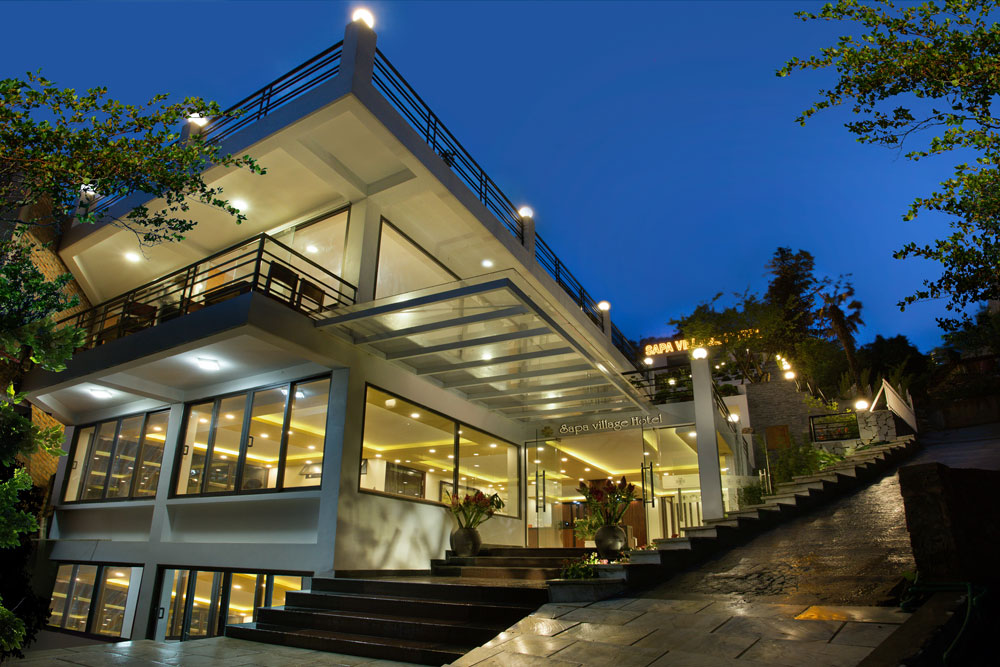
Picture a place that doesn’t feel like it was dropped into Sapa, but built into the hillside itself. That’s the charm of Sapa Village Hotel. Instead of tall concrete blocks and busy lobby energy, this hotel feels like a little village of its own, with stone paths, terraced levels, and rose gardens that make you slow down the moment you arrive.
Sapa Village Hotel is located at 520 Dien Bien Phu Street, and the setting is one of its biggest strengths. The design is intentionally “green” and layered, almost like a garden that happens to have rooms inside it. While many hotels in the center compete by building higher and bigger, Sapa Village Hotel wins by creating a calmer atmosphere. It’s quieter, it feels more connected to nature, and it’s the kind of place where you actually want to sit outside for a while instead of rushing off to the next stop.
In this 2026 review, I’ll break everything down in a practical way. We’ll look at the 2026 room rates, what you can expect from the on-site Ta Van restaurant, and how this hotel works as a comfortable base for exploring nearby attractions, especially Cat Cat Village. If you want a Sapa stay that feels peaceful and refreshing, not crowded and hectic, this might be exactly what you’re looking for.
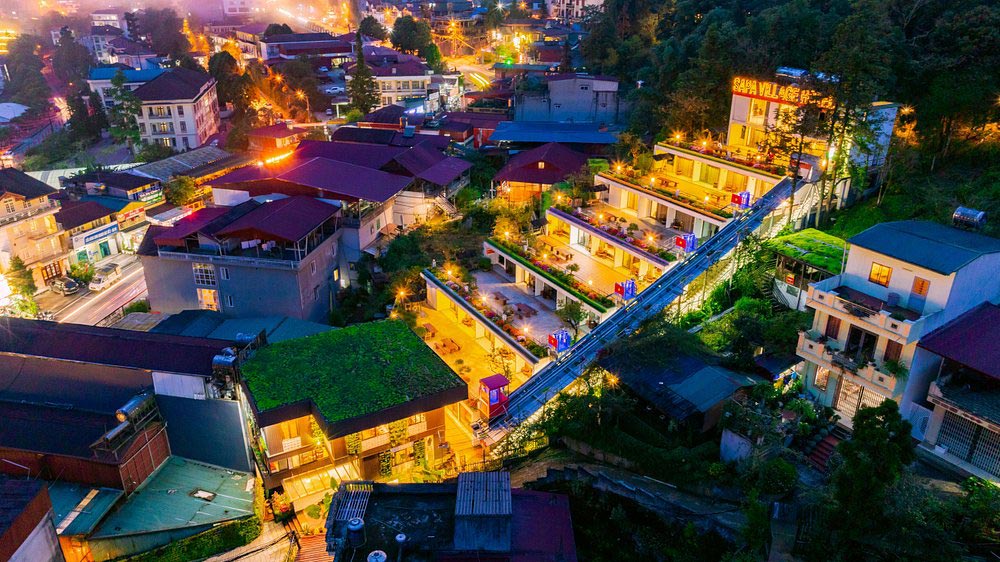
If you’re searching “Where is the Sapa Village Hotel?”, here’s the clear answer: Sapa Village Hotel is tucked in Alley 520, Dien Bien Phu Street. And honestly, the location is one of the biggest reasons people end up loving it. It sits in that rare “just right” zone, not trapped in the noisy center, but still close enough that you don’t feel cut off from Sapa’s energy.
Think of it as a Goldilocks spot. You’re away from the crowds and late-night noise around Cau May Street, yet it’s only about a 10-minute walk (around 800 meters) to Sapa Lake and the Night Market. That makes evenings easy. You can wander into town for food and shopping, then return to a quieter, greener space to actually rest.
The terrain is another hidden advantage. Because the hotel sits on a hillside, the rooms are arranged like terraces, stacked in a way that helps many rooms keep a view instead of staring into another building or another guest’s balcony. It feels more open, and it matches the “village in the landscape” idea that makes Sapa Village Hotel stand out in the first place.
There are also a couple of practical landmarks nearby that make life easier. Sapa Lake is close enough for a calm morning walk or a light jog when the air is crisp. And if you’re traveling independently, the hotel is very near the interprovincial bus station, which is a big plus for backpackers arriving by night bus or moving on to the next destination without complicated transfers.
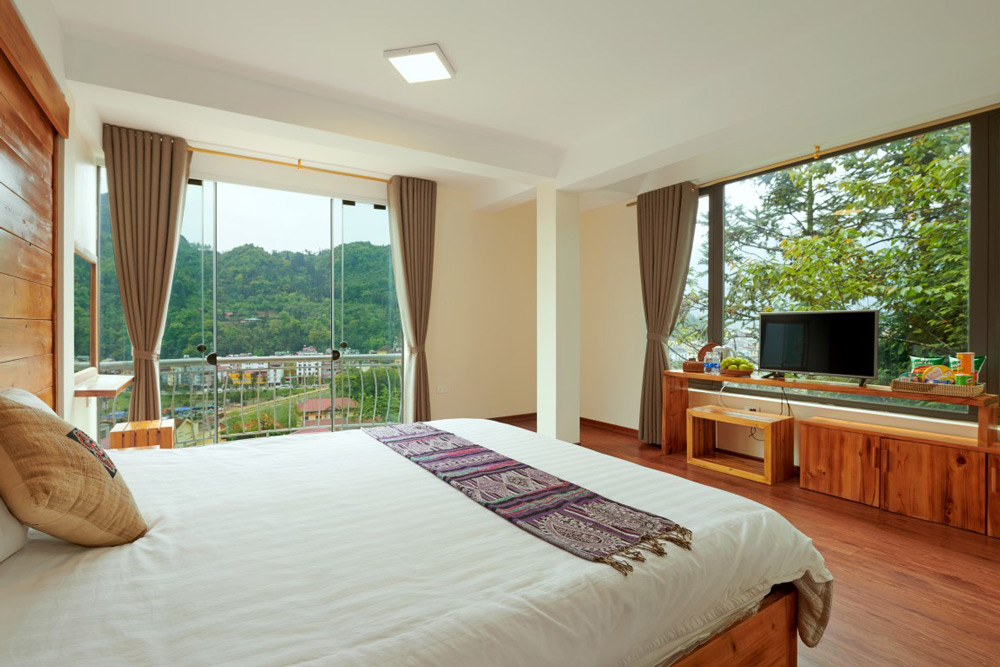
If you’ve been scrolling through Sapa Village Hotel photos, you’ve probably noticed the same vibe again and again: this place feels less like a typical hotel and more like a cozy hideaway built into a garden. Many of the photos show rooms with warm wooden interiors, touches of stone walls, and the best part, private patios that open into greenery and, in the right season, blooming roses. It’s a very “slow travel” kind of setting, the type of place where you actually want to sit outside for a while instead of rushing straight into town.
One of the most enjoyable features is the terrace layout. Because the hotel is built on a hillside, many rooms come with an outdoor seating area. That small detail makes a big difference in Sapa. You can start your morning with a coffee in the fresh air, or wind down in the evening with a quiet view instead of staying inside your room. It’s simple, but it’s exactly what gives Sapa Village Hotel that relaxed, village-like feeling.
In terms of room types and value for 2026, the pricing usually stays friendly for what you get:
A final note that shows up often in Sapa Village Hotel reviews: guests tend to love the homelike, peaceful feel, but it’s also a bit rustic by nature. You may hear nature sounds at night, like wind, insects, or distant village noise, because you’re surrounded by greenery instead of sealed inside a high-rise building. For most travelers, that’s part of the charm, it makes the stay feel more like Sapa, not just another hotel room.
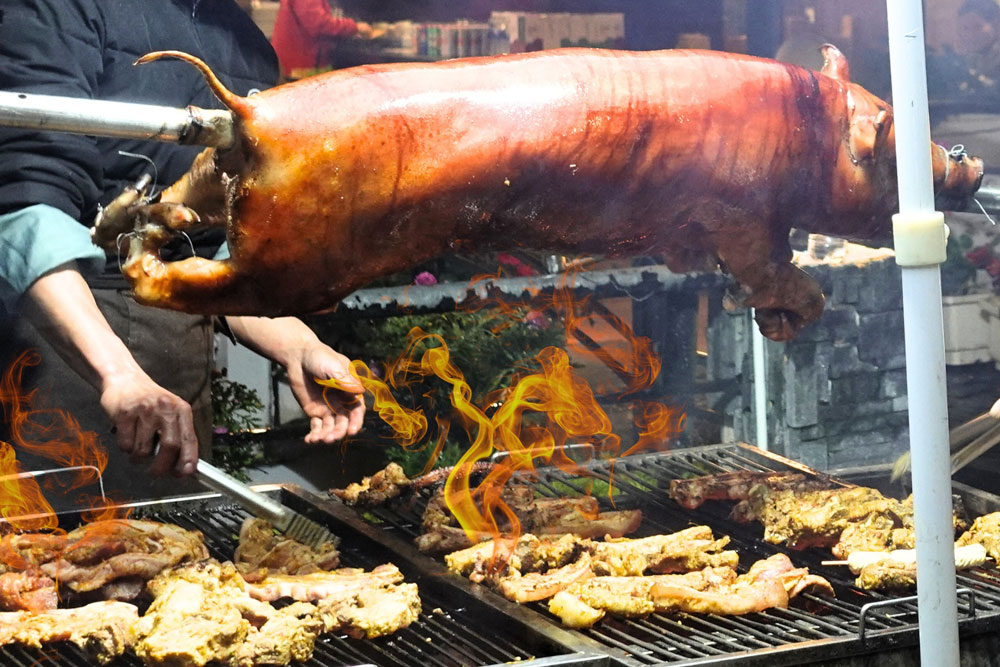
One of the nicest things about staying at Sapa Village Hotel is that you don’t have to leave the property to eat well, especially when the weather turns chilly or foggy. The on-site dining spot located right inside the hotel grounds, so it feels more like you’re dining in a garden than in a typical city hotel restaurant. For travelers who want a calm, easy stay, this is a real convenience.
Breakfast is usually included, and it’s a comfortable mix of familiar and local. You’ll often find options like pancakes and eggs, plus the classic Vietnamese favorite phở, our famous noodle soup that’s warm, comforting, and perfect for Sapa mornings. It’s not over-the-top luxury, but it’s satisfying, and it saves you time before you head out for exploring.
For lunch and dinner, Ta Van Restaurant leans into what Sapa is known for with dishes inspired by hill tribe cuisine. If you want to try local flavors that feel truly “mountain region,” two must-tries are smoked buffalo meat (thịt trâu gác bếp) and bamboo sticky rice (cơm lam). Smoked buffalo has a bold, slightly chewy texture with a smoky aroma, while cơm lam is sticky rice cooked in bamboo, simple but surprisingly addictive when it’s hot and freshly served.
The atmosphere is another reason people remember meals here. It’s often open-air dining, surrounded by greenery, with views of the hotel’s lush gardens. Even a simple dinner feels more relaxing when you’re sitting outdoors, breathing cool mountain air, and hearing the quiet sounds of the hills around you. If you want an easy night where you can eat well and unwind without heading back into the busy town center, Ta Van Restaurant at Sapa Village Hotel is a great option.

If you want a taste of the “real” Sapa without planning a full day trek, Cat Cat Village is the easiest place to start, and Sapa Village Hotel works perfectly as your base. The hotel’s location makes it simple to head out early, return for a shower, and still have time for dinner in the garden later. It’s one of those day trips that feels smooth when your starting point is convenient.
Getting to Cat Cat is flexible depending on your energy level. If you enjoy walking, it’s roughly a 2.5 to 3 km downhill walk to the entrance. The downhill part is manageable for most people, and it’s a nice way to warm up your legs while soaking in the mountain air. If you’d rather save your steps for inside the village, a taxi is quick and inexpensive, usually around 50,000 to 70,000 VND. It’s a smart choice if you’re traveling with kids, older family members, or you simply want to arrive fresh.
So why visit Cat Cat Village? It’s known as the nearest H’Mông ethnic village to Sapa town, which is exactly why it’s popular, it’s accessible but still gives you a glimpse of local culture and mountain scenery. The biggest photo moments are easy to spot once you’re inside: the iconic waterfall and the traditional water wheels are the must-see sights. They’re the classic Cat Cat images for a reason, especially when the light is soft in the morning.
One local-style tip that makes a huge difference: go early, around 7:00 AM. Cat Cat gets crowded fast, and those crowds can take away from the peaceful vibe and your photos. If you arrive early, you’ll enjoy quieter paths, better lighting, and a more relaxed experience before the big tour groups roll in.
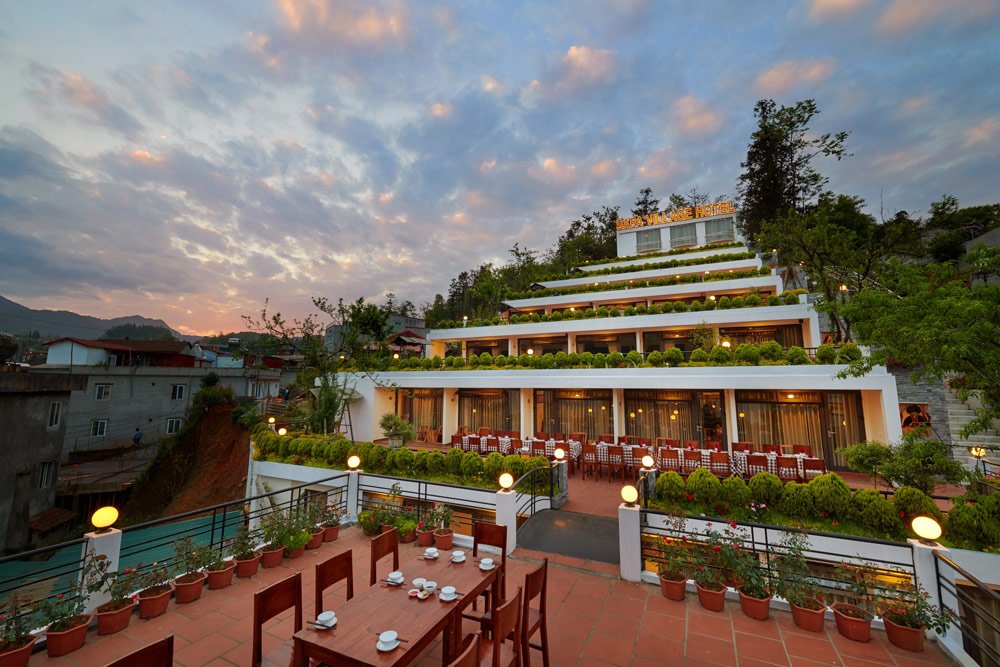
First, a quick clarification because this confuses a lot of travelers. When people search “How long should I spend in Sapa Village?”, they might mean two things: Sapa Village Hotel (the property) or Sapa village as a destination with ethnic villages around town. In this guide, we’re talking about both, because the best way to enjoy the area is to use Sapa Village Hotel as your calm base while you explore the valleys, villages, and viewpoints nearby.
For most travelers, 3 days and 2 nights is the sweet spot. It’s long enough to see the highlights without rushing, and it gives you time to enjoy the hotel’s garden atmosphere instead of just using it as a place to sleep. A simple plan looks like this:
Day 1: Check in to Sapa Village Hotel, then take an easy afternoon exploring Sapa Lake and the town center. It’s the perfect low-effort start, especially after traveling from Hanoi.
Day 2: Choose your main adventure. You can do a trek to Cat Cat Village for culture and photos, or go for Fansipan Legend if you want the “Roof of Indochina” experience.
Day 3: Before heading back to Hanoi, add one more village for a deeper Sapa feel, something like Ta Van. It’s a great way to end the trip with softer scenery and a slower pace.
Now for the big question: “What is the best time to visit Sapa Village?” Two seasons stand out. September to October is the famous golden rice season, when the terraces glow yellow during harvest and the whole region looks incredible. It’s also a great time for the hotel itself because the gardens usually feel lush and green. The other beautiful window is March to May, the flower season. Sapa feels fresh, you may catch blossoms in the area, and the hotel’s rose garden is often at its prettiest, making the whole property feel like a peaceful hillside garden escape.
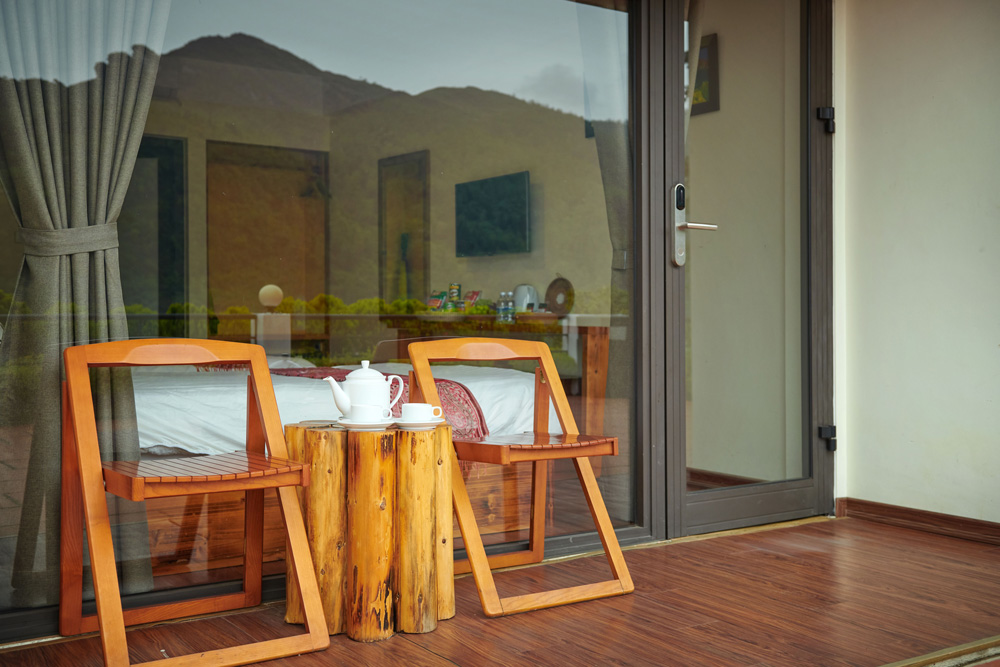
Sapa Village Hotel is tucked in Alley 520, Dien Bien Phu Street, not far from Sapa Lake. It’s in a quieter hillside pocket, so you get more peace, but you can still walk into town when you want.
A great trip length is 3 days and 2 nights. That gives you time to explore the town, visit at least one village, and still relax a little instead of rushing from place to place.
Two standout options: September for the rice harvest season when the terraces turn golden, or April for spring weather and flowers. Both are great for photos and comfortable walking.
Yes. The hotel has an on-site restaurant called Ta Van Restaurant, serving breakfast and local specialties like smoked buffalo meat and bamboo sticky rice, so you can eat well without leaving the property.
Yes, it’s fairly close. Cat Cat Village is about 3 km away. If you enjoy walking, it’s doable on foot for hikers. If you want the easy option, it’s roughly a 10-minute taxi ride.
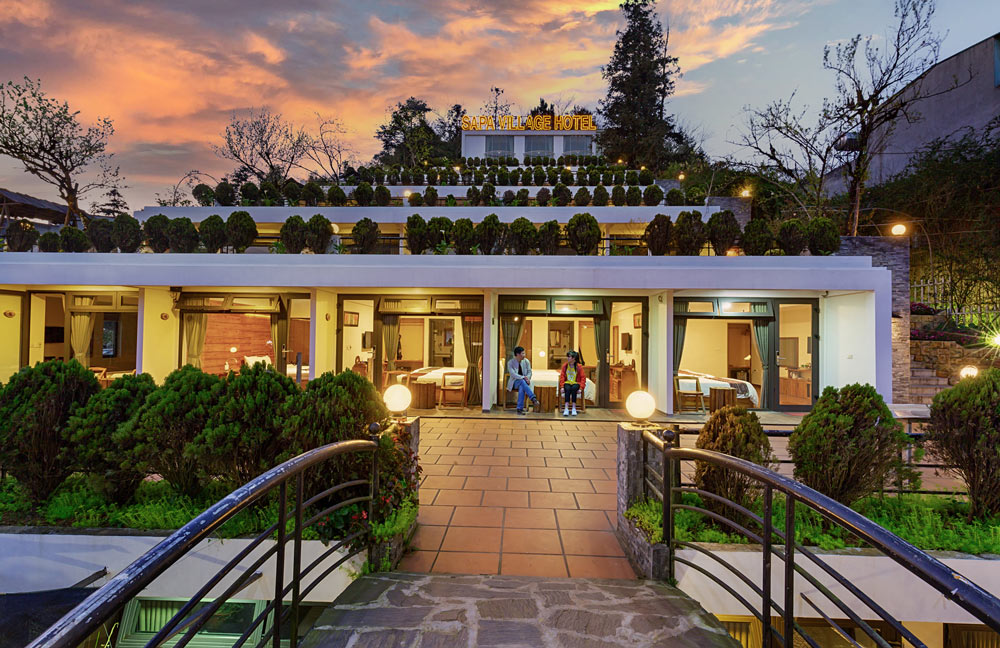
If you’re looking for a place that feels calm and green, not like another tall building in the middle of town, Sapa Village Hotel is a really satisfying choice. The best way to describe it is a garden resort vibe on a backpacker-friendly budget. You get stone paths, terraces, and a relaxed atmosphere that makes you feel closer to nature, without being stuck far away from Sapa’s cafés, lake, and night market.
My final verdict: this hotel is perfect for nature lovers who want to escape the concrete-heavy center but still want easy access to town when they feel like going out. It’s a great middle ground. Quiet enough to rest well, green enough to feel refreshing, and convenient enough that you’re never “too far” from anything.
Before you book, here are two tips that can make your stay much better. First, request a room on a higher terrace level. Higher terraces usually mean better views, more privacy, and a calmer feel away from foot traffic. Second, if you’re booking mainly for scenery, choose the “Deluxe Mountain View” room. That category is what delivers the best mountain-facing experience and is the biggest reason many travelers love this place.
If you’d like to save time and effort planning your Vietnam travels, you can contact Asia Mystika, a tour operator in Vietnam. We can help you design a smooth Sapa itinerary, arrange transport, and match you with the right hotels and village experiences, so you can focus on enjoying the mountains instead of juggling logistics.
WhatsApp: (+84) 866.22.7878
Planning trip: Click here
Email: sales@asiamystika.com
Website: www.asiamystika.com
Asia Mystika Profile: Click Here
