 Hotline: +84 866 227 878
- SG$ Singapore Dollar
- A$ Australian Dollar
- £ British Pound Sterling
- C$ Canadian Dollar
- € Euro
- MYR Ringgit Malaysia
- US$ United States Dollar
- đ Vietnamese Dong


 Hotline/Whatsapp: +84 86 622 7878
 Email: sales@asiamystika.com
 About Us
 Destinations
 Travel Styles
 Travel Guide
 Blogs
Blogs
 News
News

Practical Da Nang travel tips for first-timers, including money, ATMs, SIM cards, eSIMs, daily budget, Grab, safety, etiquette and the Da Nang fireworks festival.
The Money: Da Nang runs on Vietnamese đồng and is very affordable for most international travelers. Bring some cash, use bank ATMs, and expect uneven card acceptance outside hotels, malls and higher-end restaurants.
The Connectivity: Sort a SIM card or eSIM in Vietnam before you need your first ride. Mobile data unlocks Grab, maps, translation, food delivery and easy airport transfers.
The Safety: Da Nang is safe for tourists by normal travel standards. The realistic risks are traffic, beach conditions, minor overcharging and simple travel mistakes, not violent crime.
The Timing Bonus: The Da Nang International Fireworks Festival, known as DIFF, is spectacular, but it can push hotel rates sharply higher and make the riverside busier on show nights.
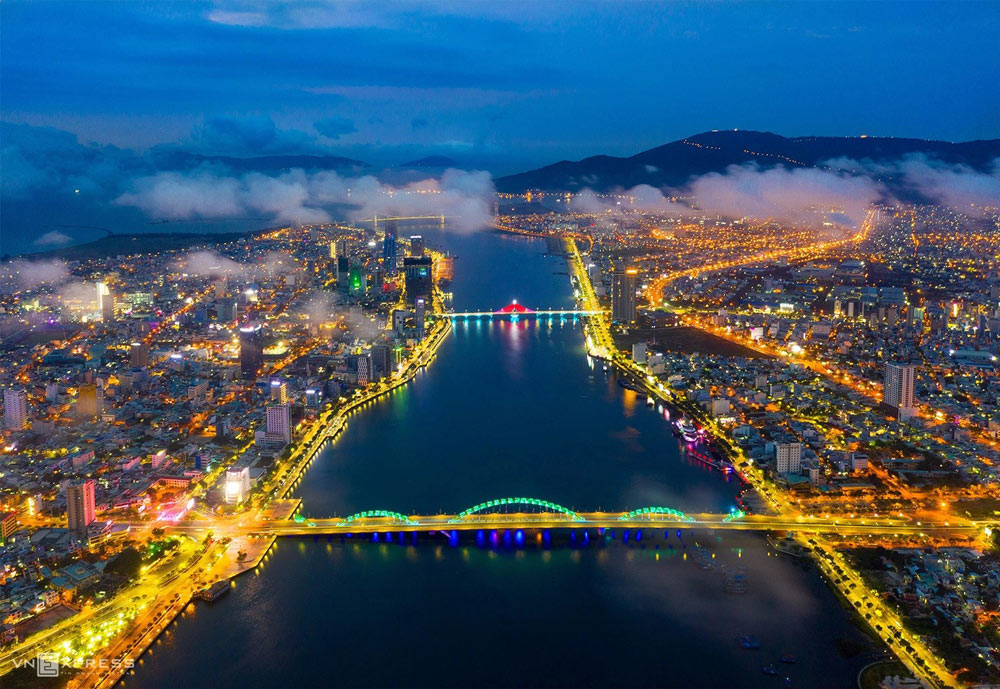
Da Nang is affordable compared with many beach cities in Asia, especially if you eat local food, use Grab wisely and choose accommodation based on season rather than only star rating. It is not as cheap as a rural town, and luxury beachfront resorts can be expensive in peak months, but the city still offers excellent value for travelers.
The local currency is the Vietnamese đồng, usually written as VND or shown with the symbol ₫. The number of zeros can feel intimidating at first. A coffee might cost 35,000 VND. A casual meal might cost 50,000–100,000 VND. A hotel room might cost 900,000 VND or more. Once you get used to the notes, it becomes easy.
As a rough checked reference in July 2026:
Exchange rates change daily, so treat these as planning references only.
Your Da Nang daily budget depends heavily on accommodation. Food and short transport are cheap, but hotels vary widely from local guesthouses to international beachfront resorts.
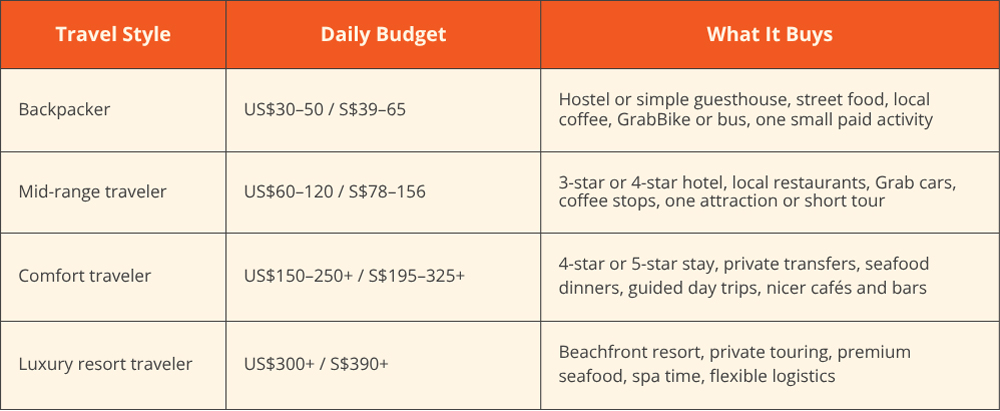
These numbers are not strict rules. A couple sharing a hotel room may spend less per person than a solo traveler. A backpacker who books Ba Na Hills, drinks cocktails and takes Grab cars everywhere may spend more than expected. A comfort traveler who eats local food can keep costs surprisingly reasonable.
Here is a practical first-timer feel for costs in Da Nang:
The biggest budget mistake is assuming every meal will be street-food cheap. Da Nang can be very affordable, but beach clubs, seafood by weight, hotel restaurants, rooftop bars and private tours can raise your daily spend quickly.
Da Nang is modern, but cash is still important.
Cards are widely accepted at:
Cash is better for:
Use bank ATMs where possible. ATMs are easy to find in tourist areas, but withdrawal limits and fees vary. It is smart to withdraw enough for one or two days rather than carrying a huge amount.
Money exchange is usually better at reputable gold shops, banks or official exchange counters than at hotels. Hotel exchange can be convenient, but rates are often less attractive.
Use these Da Nang money tips during your first two days:

You need mobile data in Da Nang. This is not optional if you want the trip to feel easy.
Mobile data lets you use:
The whole transport system becomes simpler once your phone works. Without data, even a short airport transfer can feel more stressful than it should.
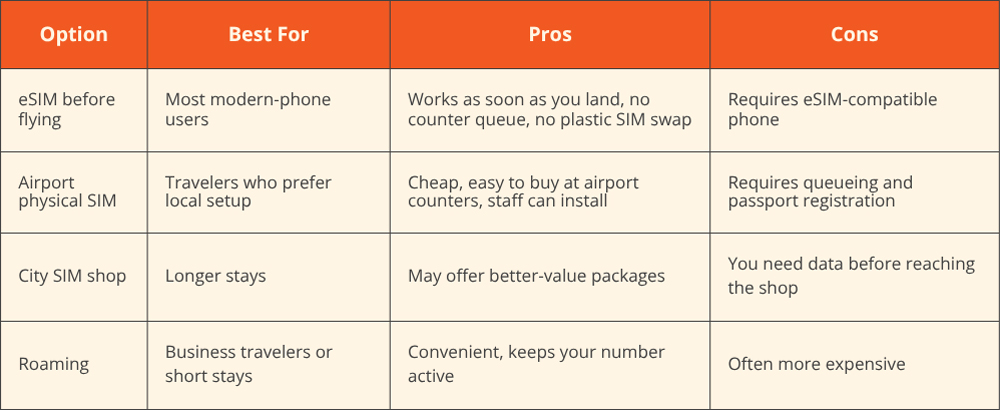
For most visitors, the smoothest option is an eSIM before flying. Set it up at home, activate it when you land, and book Grab before leaving the terminal.
A physical Vietnam SIM card is still a good option if your phone does not support eSIM. You can buy one at Da Nang Airport or from mobile shops in the city. Major Vietnamese networks include Viettel, Vinaphone and MobiFone.
The exact provider matters less than making sure the data works before you need your first ride.
For a short Da Nang trip, a small data package is usually enough if you mainly use maps, Grab and messaging. For remote work, video calls, social media uploads or long stays, choose a larger plan.
A practical estimate:
Do not leave the terminal until these are ready:
That first 10 minutes of setup can save hours of stress later.

Da Nang is one of Vietnam’s easiest cities for first-timers, but a smooth arrival depends on setup. Think of your first morning as a practical reset: money, mobile data, transport, hotel address and basic local awareness.
Use this checklist after arrival:
Once these are done, Da Nang feels easy.
Da Nang is not a city where tourists usually need to feel tense. But practical awareness still matters.
Use these Da Nang safety tips:
The realistic tourist problem in Da Nang is not violent crime. It is usually smaller things: inflated taxi quotes, unclear seafood prices, wrong change, confusing zeros, or paying more than necessary for convenience.
Most of these are easy to manage:
When visiting Linh Ung Pagoda, Marble Mountains, or other religious sites, dress respectfully.
Good etiquette:
Yes, Da Nang is safe for tourists by normal travel standards and is widely regarded as one of Vietnam’s safest major cities. Violent crime against tourists is rare; the realistic risks are traffic, beach conditions in rough season, heat, slippery attraction steps and minor overcharging.
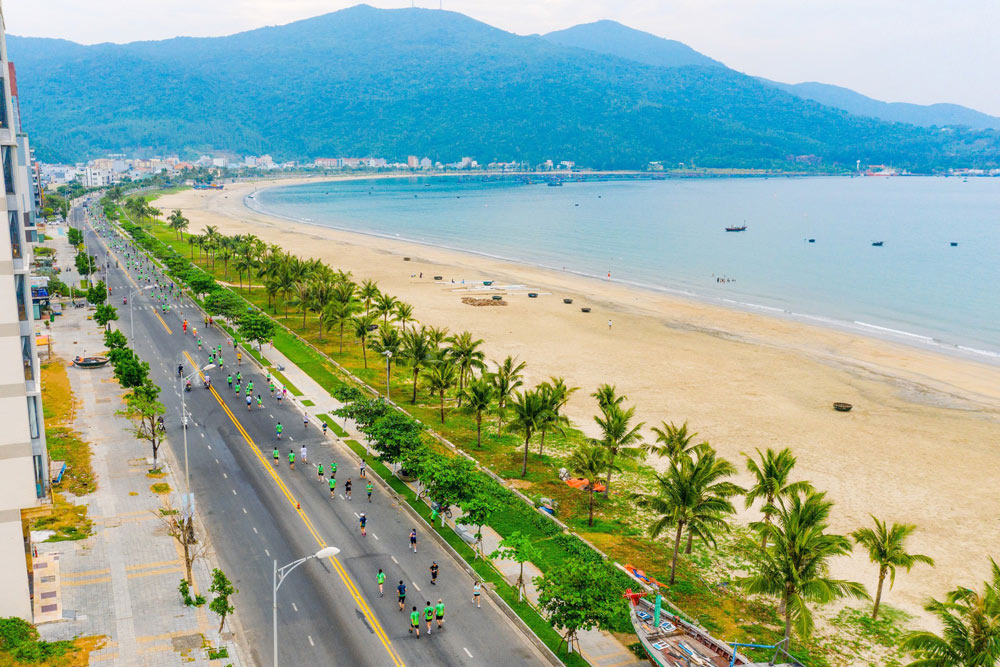
Da Nang is not only a beach city. It also has a growing event calendar, especially in summer and spring. Events can make your trip more exciting, but they can also affect hotel prices, traffic and restaurant availability.
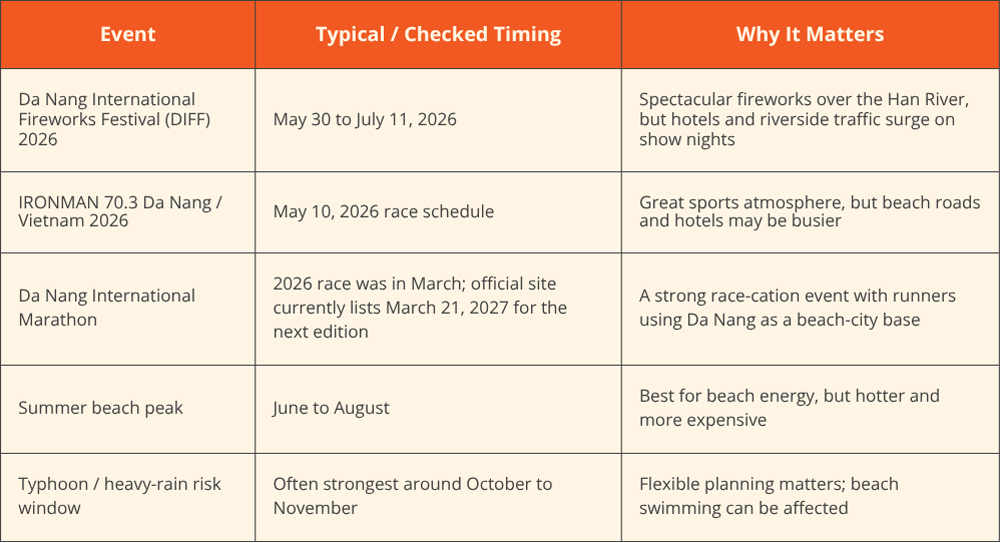
The Da Nang International Fireworks Festival, or DIFF, is one of the city’s biggest events. International teams compete with fireworks displays over the Han River, creating a spectacular night atmosphere.
It can be the best time to visit if you plan properly.
But it can also be the worst time to arrive unprepared.
Hotels near the Han River and central Da Nang can increase prices sharply. Riverside traffic becomes heavy. Restaurants get busier. Prime viewing areas fill early. If you did not know the festival was happening, the city may feel suddenly expensive and crowded.
So decide clearly:
Do you want to include DIFF in Da Nang? Or do you want to avoid the busiest show nights?
Both answers are fine. The mistake is not choosing.
Da Nang is increasingly popular for sports events because it has beaches, wide roads, hotels, airport access and scenic coastal routes. During major races, expect more demand around beach hotels, temporary road closures and early-morning crowd activity.
If you are not joining the race, check road closures before planning airport transfers, Ba Na Hills departures or Hoi An day trips.
Da Nang has become increasingly popular with digital nomads and long-stay travelers. The reasons are easy to understand: beach access, lower costs than many global cities, cafés, coworking spaces, good apartments, food variety and a softer pace than Hanoi or Ho Chi Minh City.
Popular long-stay areas include:
Long-stay travelers should budget differently from short-term tourists. Monthly apartments, coworking memberships, laundry, gym access and visa planning matter more than day-tour prices.
A comfortable single-person long-stay budget may sit far below what a hotel-based tourist spends, especially if you rent monthly and eat local food. But prices vary by season, apartment quality and how close you are to the beach.

Most guides explain Vietnamese đồng denominations. But they do not always explain the real mistake travelers make.
The problem is not usually haggling.
The problem is zero-count errors.
A first-time visitor may hand over 500,000 VND thinking it is 50,000 VND, especially when tired after a flight. Several Vietnamese notes can look similar at a glance, and almost everything has five or six zeros.
For your first two days, slow down. Count zeros carefully.
A simple system helps:
This is not about distrust. It is about getting comfortable with a new currency.
An Asia Mystika guide explains:
“The fireworks festival is the best and worst time to visit, in the same week. If you know about it, you plan around show nights, book months ahead, and get a world-class spectacle over the river. If you don’t, you arrive to find hotel prices up sixty percent and the riverside gridlocked, and nobody told you why. Our first question for summer bookings is always: do you want DIFF, or do you want to dodge it? Both are great answers — but you must pick one.”
This is exactly how to think about summer in Da Nang.
If you want DIFF, book early and choose your hotel area carefully. A Han River hotel can be wonderful for the fireworks atmosphere. A beach hotel may be better if you want to enjoy the festival but escape the most crowded riverside areas.
If you want to avoid DIFF, choose non-show nights, stay away from the main riverside crowd zone, or travel outside the festival window.
The most important practical move in Da Nang is not choosing the perfect taxi. It is being online before you leave the airport.
Once mobile data works, you can solve almost everything:
Without data, small tasks become unnecessarily stressful.
For the smoothest first day in Da Nang, keep it simple:
Do not force Ba Na Hills, Hoi An or a full-day tour immediately after a late arrival. Give yourself a calm setup first.
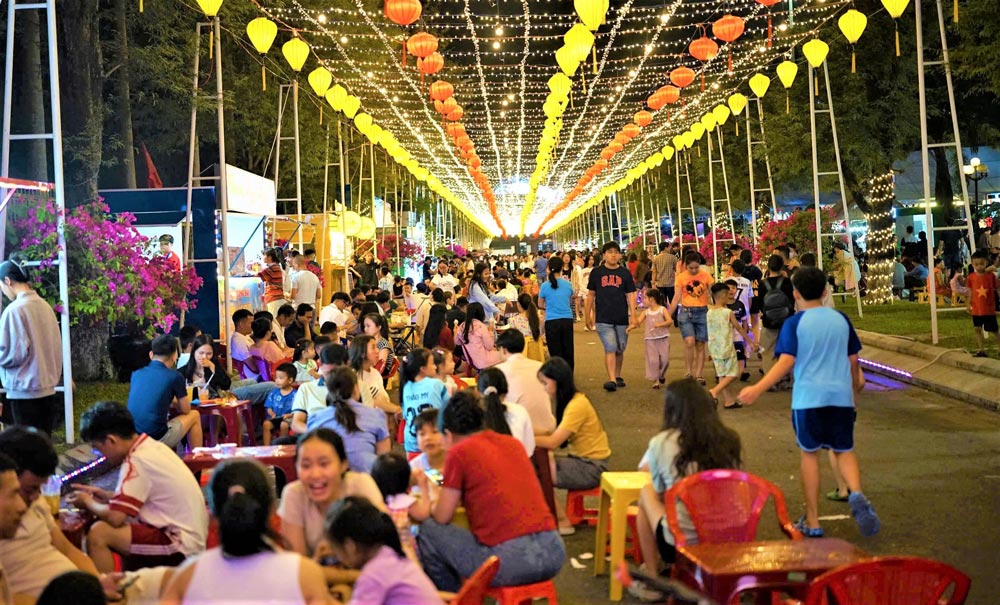
Da Nang is very affordable for most international travelers. A backpacker can manage on around US$30–50 per day, a mid-range traveler may spend US$60–120, and comfort travelers should plan US$150–250+, depending heavily on hotel choice and tours.
Yes. An eSIM bought online before flying is the smoothest option, while an airport SIM is the cheap physical alternative. Either way, have mobile data working before leaving the terminal because Grab depends on it.
The Da Nang International Fireworks Festival 2026 runs from May 30 to July 11, 2026, with international teams performing on scheduled show nights over the Han River. Check current dates before booking because hotels and traffic can surge around show nights.
Yes, Da Nang is safe for tourists by normal travel standards. The main risks are traffic, beach conditions, heat, slippery attraction steps and minor overcharging rather than violent crime.
Yes, cards work in many hotels, malls, resorts and higher-end restaurants, but cash is still essential for street food, markets, taxis, small cafés, local shops and beach vendors.
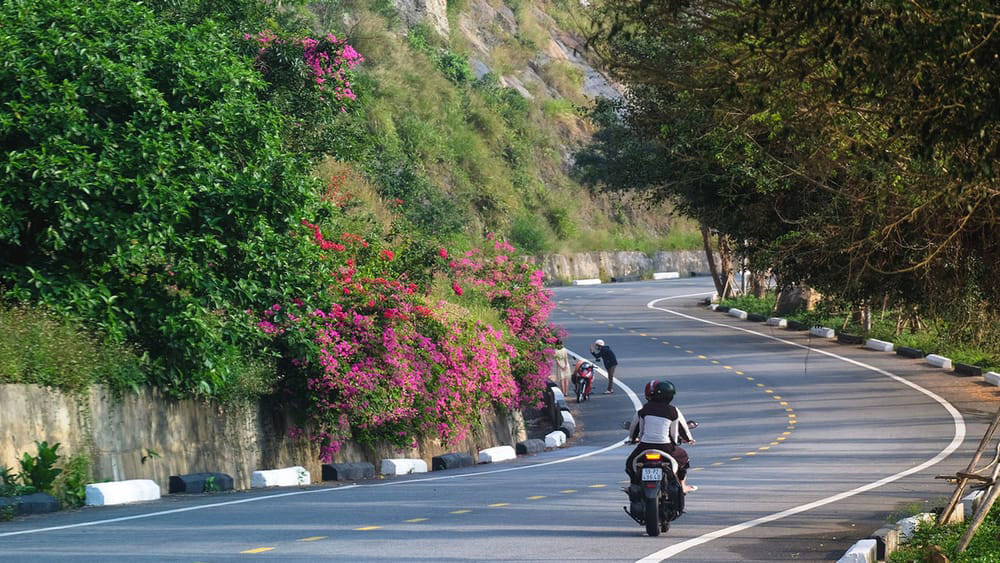
Being “set up” in Da Nang is not a trip-long anxiety. It is a first-morning task.
Sort your Vietnamese đồng cash. Get your SIM or eSIM working. Install Grab. Screenshot your hotel address. Learn how to count the zeros. Check whether your dates overlap with DIFF, the marathon, IRONMAN or summer peak season. Once those basics are done, Da Nang becomes one of the easiest cities in Vietnam to enjoy.
The money rule is simple: use cash for street-level spending, cards for hotels and larger bills, and count zeros slowly.
The connectivity rule is even simpler: be online before leaving the terminal.
The safety rule is reassuring: Da Nang is safe, but respect traffic, water conditions, weather and common-sense pricing checks.
And the event rule matters more than many first-timers realize: decide whether you want the fireworks festival or want to avoid the crowds and hotel spikes. Both are good choices. Just make the choice before booking.
For first-time travelers, these practical details can turn Da Nang from confusing to comfortable in the first few hours.
Stop landing unprepared in a city that runs on an app.
If you want to save time and effort while traveling to Vietnam, contact Asia Mystika, a trusted tour agent in Vietnam. We can build a Da Nang program where the practical setup is already handled: airport pickup, hotel planning, private transfers, DIFF timing advice, SIM/eSIM guidance, beach-season matching, Hoi An day trips and local support.
Start planning with Asia Mystika’s Free & Easy Danang Hoian package, explore Da Nang destination ideas, or contact us through Asia Mystika’s contact page for a personalized Central Vietnam itinerary.
Suggested Internal Links
