 Hotline: +84 866 227 878
- SG$ Singapore Dollar
- A$ Australian Dollar
- £ British Pound Sterling
- C$ Canadian Dollar
- € Euro
- MYR Ringgit Malaysia
- US$ United States Dollar
- đ Vietnamese Dong


 Hotline/Whatsapp: +84 86 622 7878
 Email: sales@asiamystika.com
 About Us
 Destinations
 Travel Styles
 Travel Guide
 Blogs
Blogs
 News
News

Flying into Vietnam soon? Whether it’s your first time landing in Hanoi or you’ve passed through Noi Bai International Airport before, having the right information makes your arrival so much smoother. This guide breaks down everything you need to know about Hanoi Airport (HAN) — from the airport codes and terminals to transport options, SIM cards, sleep pods, and insider tips that most travelers only learn the hard way. Think of it as your friendly, all-in-one handbook for navigating Hanoi’s gateway with confidence.
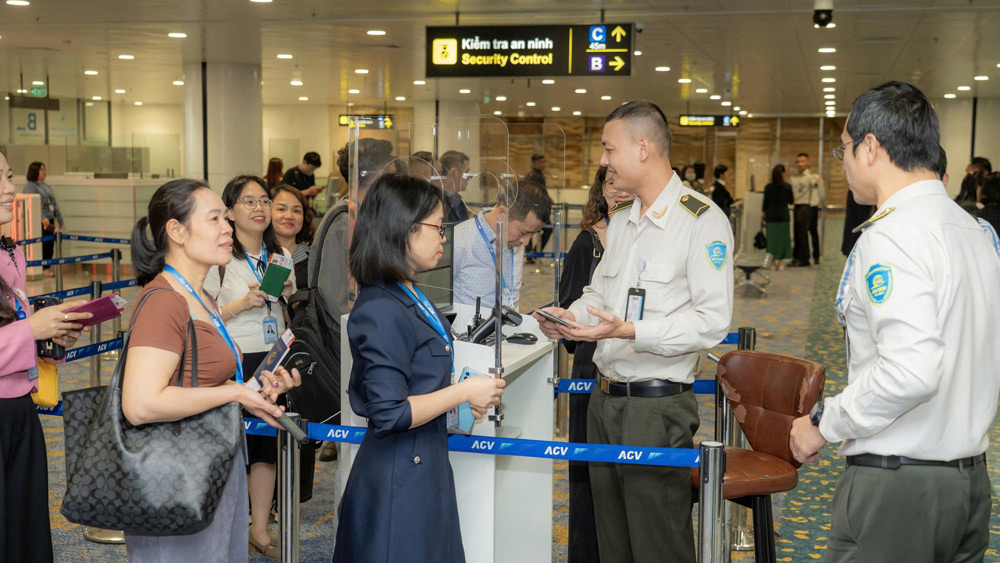
You’re minutes away from landing in Vietnam’s capital. Outside your window are patchworks of rice fields, hazy mountains, and winding rivers — a peaceful scene that feels worlds away from the lively streets waiting for you in Hanoi. But once your plane touches down, things can feel a bit overwhelming if you’re not sure what to expect.
So here are the essentials, right from the start:
Think of this guide as your personal cheat sheet — everything you need to move through Hanoi Airport smoothly and confidently. We’ll walk you through transportation options (and how to avoid tourist traps), help you figure out which terminal you’ll use, and even point you toward the best bowl of pho you can grab before your flight.
Let’s make your arrival in Hanoi easy, stress-free, and maybe even delicious.

One of the biggest sources of confusion at Hanoi Airport is figuring out which terminal you actually need. The two buildings serve very different purposes, and knowing where you're headed will save you a lot of unnecessary stress.
If you’re flying within Vietnam — say, from Hanoi to Da Nang, Ho Chi Minh City, or Phu Quoc — you’ll be using T1. It’s the older terminal, and it definitely feels that way: smaller halls, more foot traffic, and a bit of that classic “organized chaos” energy. Most local carriers operate here, including Vietnam Airlines, VietJet Air, and Bamboo Airways on their domestic routes.
All international arrivals and departures go through T2, the newer and much more modern building at Hanoi Airport. Expect wide walkways, big glass windows, and a calmer, cleaner atmosphere. If you're flying in from Seoul, Tokyo, Bangkok, Paris, or anywhere else abroad, this is where you’ll land.
They’re not connected on foot, so don’t expect to stroll from one to the other with your luggage. Instead, there’s a free shuttle bus running every 10–15 minutes between T1 and T2. The ride takes only a few minutes, and it’s the easiest way to transfer if you’re connecting from an international flight to a domestic one (or vice versa).
Once you understand the layout, navigating Hanoi Airport becomes so much easier — and your trip starts off on the right note.
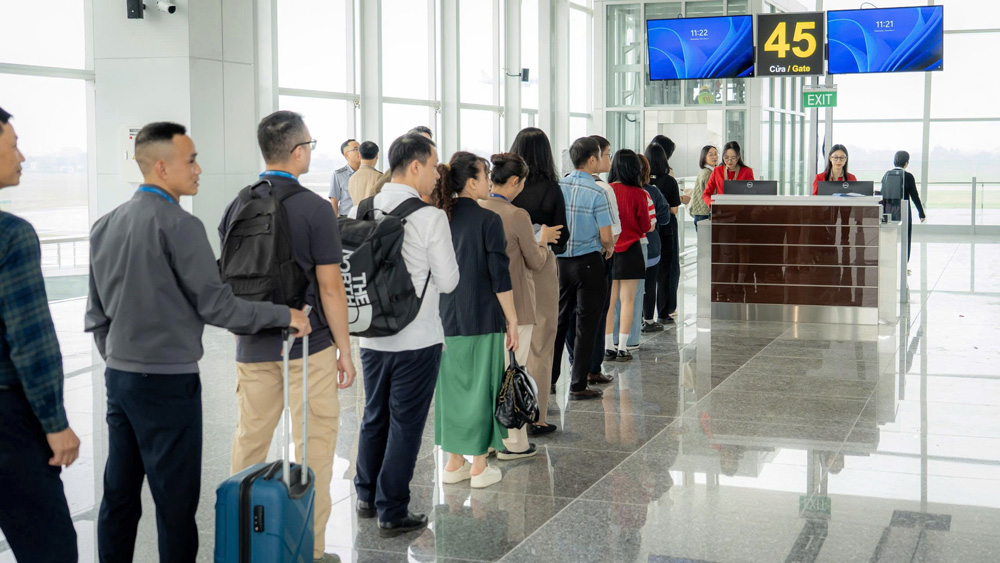
Touching down at Hanoi Airport can feel like stepping into a whirlwind — new signs, new procedures, new energy. But once you know what to expect, the whole process becomes surprisingly simple.
Immigration at Terminal 2 (International Arrivals)
If you're arriving from overseas, you’ll enter through T2, the international terminal.
2025 Update: Hanoi Airport now has Autogates for Vietnamese passport holders and a limited group of registered foreign residents. Most short-term visitors, however, will still need to queue at the staffed immigration booths.
A quick reminder: If you're traveling on an E-Visa, make sure you have a printed copy with you. The officers may ask for it, and showing it on your phone doesn’t always work.
Getting From Hanoi Airport to the Old Quarter (and vice versa)
Once you’re through immigration and baggage claim, it’s time to head into the city. Here are the safest and easiest options:
If you're on a budget but still want a reliable ride, Bus 86 is a gem. It’s the bright orange airport bus parked right outside the terminal.
It’s clean, air-conditioned, and designed for travelers — luggage space included. For solo visitors, it’s the perfect mix of cheap and convenient.
Grab (Southeast Asia’s version of Uber) is widely used in Hanoi and works smoothly at the airport.
Ignore anyone approaching you inside the terminal offering a “cheap taxi.” Those are almost always scams.
Grab is ideal when you have luggage or just want to get to your hotel quickly without thinking too hard.
If you prefer to step out of the airport and immediately see a driver holding your name on a sign, go for a pre-booked private transfer.
This is especially helpful if you're landing late at night, traveling with kids, or just prefer a smooth, predictable experience from airport to hotel.
With the right transport choice, getting from Hanoi Airport to the Old Quarter isn’t just easy — it’s the first step in starting your Vietnam adventure on the right foot.
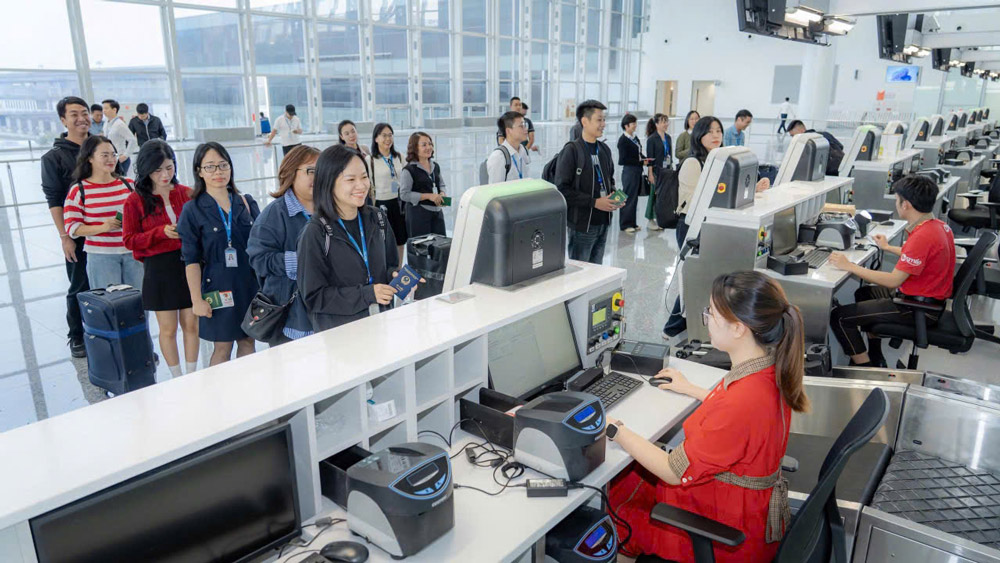
Flying out of Hanoi Airport doesn’t have to be stressful — as long as you know how the departure process works. Here’s a simple, traveler-friendly breakdown to help you breeze through your final hours in Vietnam.
Hanoi Airport has two separate terminals, and your experience will depend on whether you're flying domestic or international:
If you're transferring between domestic and international flights, remember that T1 and T2 are separate buildings. A free shuttle bus runs every 10–15 minutes, but give yourself extra time just in case.
This is one of the biggest questions travelers ask — and for good reason.
Arrive 2 hours before departure.
Security screening at T1 is known to move slowly during busy periods, so arriving early helps you avoid a last-minute rush.
Arrive 3 hours before departure.
Immigration at T2 can take anywhere from 20 to 45+ minutes depending on the time of day and how many flights are leaving at once. Better to have spare time for a coffee than to sprint to your gate.
If you want to double-check gate changes or delays, Hanoi Airport provides an official live departures board.
You can view real-time flight updates on the Noi Bai Airport official website.
It’s especially useful when you’re traveling during holidays or peak travel seasons.
With a little preparation, your departure from Hanoi Airport can feel calm, smooth, and surprisingly organized — the perfect ending to your Vietnam trip.
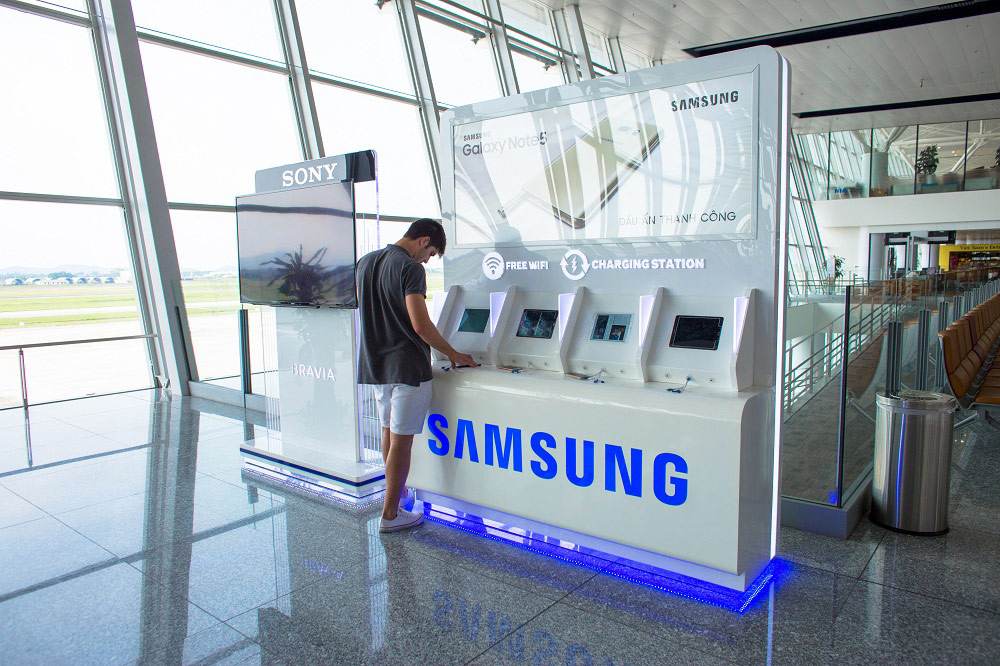
Whether you're waiting for a flight or riding out a long layover, Hanoi Airport has more to offer than you might expect. From quick meals to quiet lounges and even sleep pods, here’s what you’ll actually find inside both terminals.
This is where the best selection is. Once you clear security, you’ll find a mix of duty-free shops, souvenir stores with Vietnamese crafts, and a handful of familiar food outlets. Travelers usually gravitate toward:
Prices are higher than in the city, but that’s normal for any airport.
Things feel a bit more local here. The star of T1 is Highlands Coffee, Vietnam’s most popular chain — perfect for a coconut coffee or a quick bite while you wait. You’ll also find small convenience stores and sandwich counters scattered throughout.
If you prefer a quieter space with food, drinks, and Wi-Fi, Hanoi Airport has a few solid lounge options.
Widely considered the best lounge in the airport. It’s open to Priority Pass members and features comfortable seating, a generous buffet, barista coffee, and shower rooms — a lifesaver before a long flight.
Reserved for Vietnam Airlines Business Class and SkyTeam Elite passengers. It’s stylish, peaceful, and offers a decent menu and workstation areas.
Both lounges are located in the international terminal after security.
If you have a long layover, an early-morning arrival, or you simply want some quiet time, VATC Sleep Pods are a great option. They’re available in both terminals:
It’s not luxury, but it’s surprisingly comfortable — and much better than trying to nap upright in a waiting area.
Hanoi Airport is not huge, but it has everything you need to eat, relax, shop, and regroup before your next flight.

Hanoi is served by Noi Bai International Airport (HAN) — the city’s one and only commercial airport. Whether you’re flying in from abroad or connecting to another city in Vietnam, this is the airport you’ll be using.
Travelers often say Hanoi Airport has the edge. Noi Bai is newer, cleaner, and far less congested compared to Tan Son Nhat Airport (SGN) in Ho Chi Minh City, which is known for heavy traffic inside and outside the terminal. If you like smooth arrivals and shorter lines, Hanoi wins.
Just one active commercial airport: Noi Bai International Airport.
There is another small airport, Gia Lam, but it’s military-run and only used for private helicopters — not for regular passenger flights.
A safe rule of thumb:
Security and immigration at Hanoi Airport can move slowly during busy times, especially at Terminal 1 for domestic departures, so give yourself some breathing room.
Yes. Connect to “Noi Bai Airport Free Wi-Fi” and you’re good to go. The signal is generally stable enough for messaging, checking maps, or making quick travel arrangements.
Absolutely. Right after baggage claim in Terminal 2, you’ll see several mobile carrier kiosks lined up.
Tip: Go with Viettel — they offer the most reliable coverage throughout Vietnam, especially if you’re heading to Sapa, Ha Long Bay, or rural areas.

Noi Bai may look calm from the airplane window, but once you land, the size of the airport and the distance from the city can surprise first-timers. The split between Terminal 1 (domestic) and Terminal 2 (international) is the detail that catches most travelers off guard, yet once you know how everything works — where to go, how to move between terminals, and which transport options are worth your time — navigating Hanoi Airport becomes effortless.
Here’s the simple rule seasoned travelers swear by: If you’re flying domestic, give yourself extra time for security. If you’re flying international, don’t rush through — the Song Hong Lounge in T2 is one of the most pleasantly surprising airport lounges in Southeast Asia, especially if you want a good meal before your flight.
In short, with a little preparation, Noi Bai becomes an easy gateway to Vietnam — not a stress point.
Safe travels, and welcome to Hanoi!
Planning a Trip to Vietnam and Want to Save Time?
If you prefer a worry-free arrival, smooth airport transfers, or a fully planned itinerary, you can reach out to Asia Mystika, a trusted Vietnam-based tour operator. We can arrange everything from airport pick-ups and hotel transfers to complete multi-day tours across Hanoi, Sapa, Ha Long Bay, and beyond — letting you enjoy Vietnam without the logistics stress.
WhatsApp: (+84) 866.22.7878
Planning trip: Click here
Email: sales@asiamystika.com
Website: www.asiamystika.com
Asia Mystika Profile: Click Here
