 Hotline: +84 866 227 878
- SG$ Singapore Dollar
- A$ Australian Dollar
- £ British Pound Sterling
- C$ Canadian Dollar
- € Euro
- MYR Ringgit Malaysia
- US$ United States Dollar
- đ Vietnamese Dong


 Hotline/Whatsapp: +84 86 622 7878
 Email: sales@asiamystika.com
 About Us
 Destinations
 Travel Styles
 Travel Guide
 Blogs
Blogs
 News
News

Planning a trip to Vietnam? This guide explains Vietnam e visa rules and lists key Hanoi embassy locations for the US, UK, Australia, and Singapore, so you know who to call and where to go.
Planning a trip to Hanoi is exciting, but “the embassy” often causes confusion. Here is the simple rule to follow:
If you need a visa: Contact the Embassy or Consulate of Vietnam in your home country before you fly. For example: Vietnam Embassy in Singapore, Berlin, or Washington D.C. You can also apply for the Vietnam e-visa online if you qualify.
If you are already in Hanoi and need help: Contact your country’s embassy in Hanoi. This is for lost or stolen passports, emergencies, notarization, or consular assistance. For example: the US Embassy in Hanoi, Australian Embassy Hanoi, or Singapore Embassy Hanoi.
In this guide, we'll cover both! This is your cheat sheet for understanding who to contact, where they are, and what to do for both visas and consular help in Hanoi.
Before you even land in Hanoi, you’ll need to sort out how you’re entering Vietnam. This is where a lot of travelers get confused between e-visas, “visa on arrival,” and embassies. Let’s make it simple.
| Your Situation | Visa Type | Why |
|---|---|---|
| Tourist, short visit (under 90 days) | E-Visa | Easiest, fastest, all online |
| Urgent travel & already have a sponsor in Vietnam | Visa On Arrival (VOA) | Only when instructed |
| Long-term stay (work/study), visa upgrade | Embassy Visa | Necessary for non-tourist purposes |
| Simply prefer to have a visa sticker in your passport | Embassy Visa | Provides a physical visa sticker in your passport |
For most tourist, the Vietnam e-visa is the easiest and most reliable option. You should use this method if:
You’re traveling for tourism or business meetings.
You’re staying up to 90 days.
You want the simplest, fastest, fully online process.
From 2023, Viet Nam has been issuing electronic visas (e-visas) to citizens of all countries and territories around the world. Here’s how you get a Vietnam e-visa:
Step 1: Go to the official Vietnamese government portal. Never use third-party agents unless necessary.
Step 2: Fill out the online form. You’ll need: Passport scan, Recent portrait photo, Travel dates Entry/exit border or airport.
Step 3: Pay the fee online. Visa fee is paid via card. (Fees vary slightly based on single vs. multiple entry)
Step 4: Wait for approval. Usually 3 - 5 working days. Sometimes faster, sometimes longer during peak months.
Step 5: Download & print your e-visa. Immigration may ask for a printed copy, so always bring one. Also save a digital backup on your phone.
For most short trips (holidays, visiting friends, basic business trips), this is the method you should aim for. Most of the time, you do not need to visit a Vietnamese embassy in person.
Today, with the e-visa system in place, VOA is no longer the main method for regular tourists. We would not recommend VOA for most travelers, UNLESS:
You already have a sponsor in Vietnam (company, school, organization).
You need an urgent/emergency visa and receive instructions to apply this way.
You’ll still see blog posts and old forums talking about Visa on Arrival (VOA) in Hanoi. The name makes it sound like you can simply turn up at the airport and get a visa stamped on the spot. In reality, it doesn’t work like that.
VOA always requires a pre-approval letter from a travel agency or sponsor before you fly.
Without that letter, airlines could refuse to let you board.
Even with the letter, you had to queue at the visa counter on arrival, pay a stamping fee in cash, and wait for processing.
For most travelers, the recommendation is clear: Use the e-visa. Treat “visa on arrival” as a legacy option or a last resort if specifically instructed by your employer, school, or an official agency.
If you’re searching for “Vietnam Embassy in Singapore” or similar, you’re usually in one of these situations:
You’re applying for a longer-term visa (work, study, residence).
You need to change or upgrade your visa type.
You prefer to have a visa sticker in your passport before traveling.
In those cases, you’ll need to contact the Embassy or Consulate of Vietnam in your current country of residence. Using Singapore as an example:
Most Vietnamese embassies, require you to book an appointment online.
Walk-ins are usually not accepted.
The booking link is normally listed on the official embassy website (for Singapore, this is often a page like Vietnam Embassy in Singapore with an online appointment system).
This pattern is similar worldwide: Check your local Vietnamese embassy’s website, read their visa section carefully, and book an appointment before showing up.
So you’ve arrived in Vietnam. Now you’re wondering: “If something goes wrong, which Hanoi embassy do I contact?”. This section clears that up completely.
When you are already in Hanoi, your embassy is your lifeline for emergencies, official documents, and personal safety. Every visitor should know at least the basics of what their embassy can do for them, and what they absolutely cannot do.
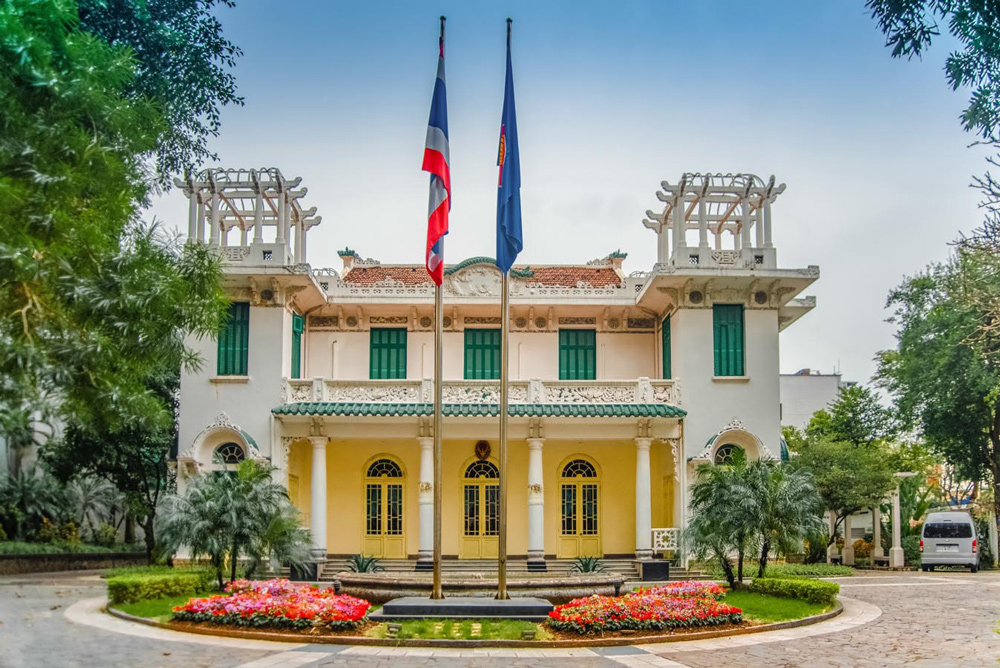
What Your Embassy in Hanoi Can Actually Do
When you contact your country’s embassy, they can assist with real emergencies and essential consular matters such as:
Lost, stolen, or damaged passport: Your embassy can issue an emergency passport or temporary travel document so you can continue your trip or fly home.
Medical emergencies or hospitalization: They can help you contact your family, communicate with your insurance provider, locate English-speaking hospitals and doctors, and provide guidance (not medical treatment)
Arrest, detention, or legal issues: They cannot get you released, but they can make sure you’re treated properly, notify your family, and give you a list of local lawyers
Birth registration and key documents: If your child is born in Vietnam, the embassy helps register the birth and issue relevant documents.
Crisis, natural disaster, or major incidents: In large-scale emergencies, your embassy coordinates evacuation information and safety updates.
What Your Embassy in Hanoi Cannot Do
To avoid misunderstandings, every traveler should know the limits of embassy support. Despite what many think, embassies do not:
Replace or extend your Vietnam visa (for extending your visa, check out Section 6 of this article)
Act as a travel agency
Pay your hotel, medical bills, or travel expenses
Provide legal advice
Arrange transportation or rescue services
Intervene in private disputes or business issues
Hold or transfer money for you
They are there for emergencies and consular protection, not general travel services.
Important Tips: Almost All Hanoi Embassy Require Online Appointments!
This is one of the biggest mistakes travelers make — just showing up.
For 99% of services, including:
Passport services
Notarial services
Birth registration
Document requests
…you must book an appointment online through the embassy’s official website. Only life-or-death emergencies are accepted without an appointment.
To prevent unnecessary delays and ensures you get the help you need quickly, before you visit any embassy in Hanoi, always check:
Appointment portal
Emergency hotline
Opening hours
Public holiday closures (both home-country + Vietnam holidays)
A scannable, helpful list with the addresses you found.
If you’re searching for Hanoi embassy information and suddenly see “Consulate General Ho Chi Minh City,” you might wonder whether they’re the same thing. Here’s the quick breakdown you need.
Embassy - The Main Diplomatic Mission (Located in Hanoi)
An embassy is the central diplomatic office of a country, always located in the capital city.
This is where you’ll find the Ambassador and the full diplomatic team.
In Vietnam, all foreign embassies are in Hanoi. Embassies handle:
Lost or stolen passports
Emergency assistance
Medical or legal crises
Citizen services
Visa inquiries (for Vietnamese traveling abroad)
Political and diplomatic functions
Consulate - A Secondary Office (Often in Ho Chi Minh City)
A consulate is a branch office located in another major city. It performs most of the same citizen services as the embassy, but it does not handle high-level diplomatic work. Consulates are especially useful if you are staying in the south of Vietnam, so you don’t have to fly to Hanoi for routine paperwork.
Example: Singapore Embassy vs. Singapore Consulate General
Singapore Embassy in Hanoi
Located at 41 & 43 Tran Phu Street, Ba Dinh District.
This is the official diplomatic mission and the main point of contact for emergencies in northern Vietnam.
Singapore Consulate General in Ho Chi Minh City
Located at Saigon Centre, Le Loi Boulevard, District 1.
Handles most everyday services for Singapore citizens living in or visiting southern Vietnam.
Which One Should You Contact?
If you’re in Hanoi or northern Vietnam → Contact your embassy in Hanoi.
If you’re in Ho Chi Minh City or the south → The consulate is faster and more convenient.
For diplomatic or complex legal matters → The embassy is always the correct place.
If you're already in Hanoi and need more time in Vietnam, you won’t be dealing with your embassy — you’ll be working with the Vietnamese Immigration Department. This is the official government office responsible for all in-country visa extensions and residence procedures.
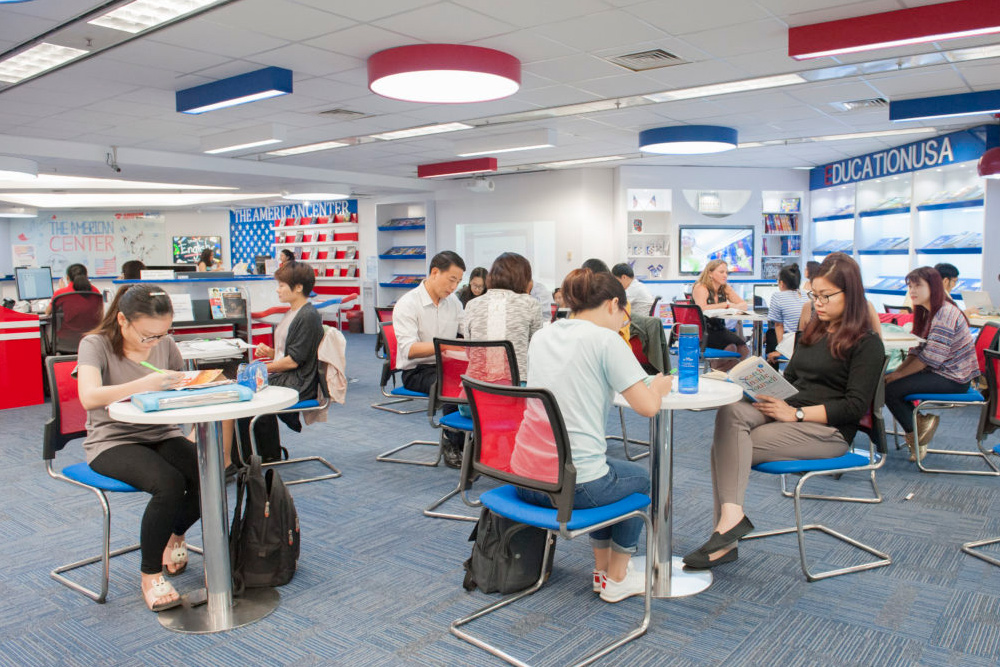
Vietnam Immigration Department (Hanoi Office)
Address: 44 – 46 Tran Phu Street, Ba Dinh District, Hanoi
Direction: https://maps.app.goo.gl/Z1Lu2c62pmV7CUXR9
This is the only place in Hanoi authorized to process visa extensions, convert visa types, or issue Temporary Residence Cards (TRCs).
What You Can Do Here:
Extend your tourist visa
Apply for or renew a Temporary Residence Card (TRC)
Update your visa status (in certain cases)
Handle overstays or administrative issues
What You Cannot Do Here:
Apply for a brand-new visa to enter Vietnam
Fast-track a visa without required documents
Solve embassy-related matters like passport replacement
Those still require your home country’s embassy.
A Local Tip Before You Go
Visa extensions in Vietnam can be slow, document-heavy, and confusing, especially for first-timers. Requirements change often, queues can be long, and staff rarely explain things in English.
That’s why most tourists and long-term expats in Hanoi use a trusted local visa agent. A good agent handles:
Paperwork
Ministry approvals
Office visits
Updates on changing rules
You pay a small service fee, but you avoid hours of confusion — and reduce the risk of rejection or delays
You must book online through their official appointment system. Search for “Vietnam Embassy Singapore appointment” and choose the official .gov.vn or mofa.gov.sg link.
Walk-ins are not accepted.
Not in the traditional sense.
The old “Visa on Arrival” required a pre-approval letter — you could not simply show up.
These days, the Vietnam E-Visa is the standard and recommended method for tourists. Always apply online before your flight.
The Embassy (Hanoi) is the main diplomatic mission in the capital.
The Consulate General (HCMC) is a branch office.
Both provide consular services like emergency assistance, lost passports, or document services for Singaporean citizens.
The main office for foreigners is at 44-46 Tran Phu Street, Ba Dinh District.
Yes, embassies hire "Locally Engaged Staff." These jobs are always listed on the official embassy websites (look for a "Careers" or "Job Opportunities" section). They don't accept unsolicited resumes.
Ambassadors change every few years. As of late 2025, the Ambassador is Mr. Ng Teck Hean. You can always find the current ambassador's name on the Singapore Embassy's official website.
Traveling to Vietnam should be exciting - filled with bún chả, Old Quarter strolls, and breathtaking trips to Ha Long Bay or Ninh Binh. But having a simple “just in case” plan gives you peace of mind, and knowing the right embassy contacts is the best travel insurance you can have in Hanoi.
Before you go:
Get your Vietnam E-Visa online through the official portal.
Double-check the entry dates and passport details.
When you arrive:
Save your country’s embassy and consulate addresses (from Section 4) in your phone.
Keep a digital backup of your passport and visa
With these essentials covered, you’re free to enjoy Hanoi the way you should — relaxed, confident, and fully immersed in the experience.
Now that you’ve handled the “what if,” it’s time to focus on the fun. If you want a seamless, stress-free Vietnam trip planned by local experts, Asia Mystika can help you design the perfect itinerary, from airport pickup to hidden-gem food tours and luxury escapes.
Ready to make your Hanoi trip effortless and unforgettable? Reach out to Asia Mystika and let the adventure begin.
