 Hotline: +84 866 227 878
- SG$ Singapore Dollar
- A$ Australian Dollar
- £ British Pound Sterling
- C$ Canadian Dollar
- € Euro
- MYR Ringgit Malaysia
- US$ United States Dollar
- đ Vietnamese Dong


 Hotline/Whatsapp: +84 86 622 7878
 Email: sales@asiamystika.com
 About Us
 Destinations
 Travel Styles
 Travel Guide
 Blogs
Blogs
 News
News

Curious about love market sapa? This 2026 guide explains what it really is, when it happens, what to eat, typical food prices, and smart night market tips.
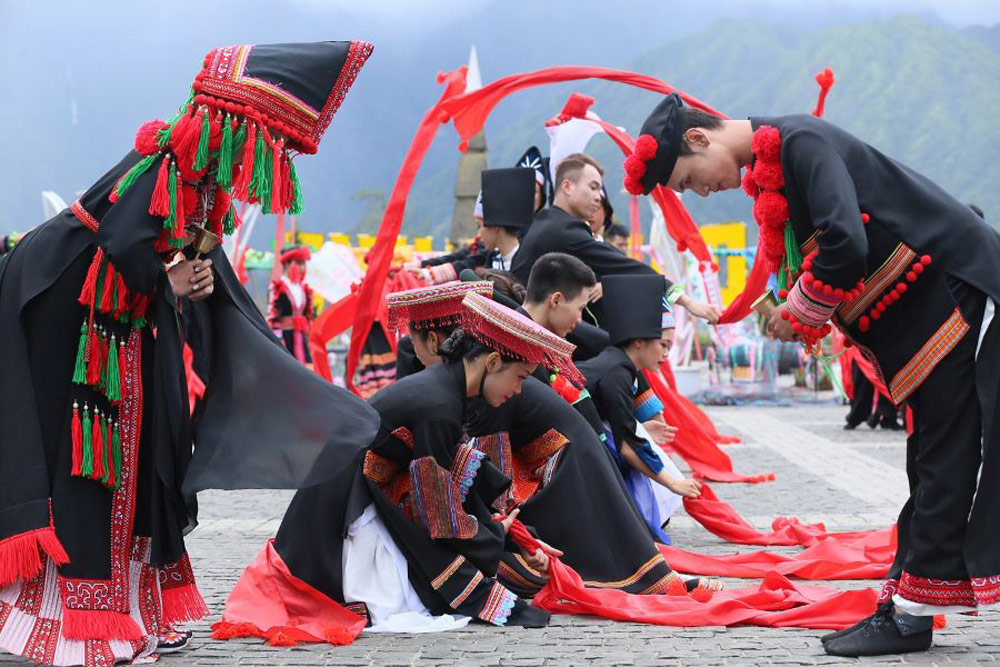
You’ve probably heard friends rave about Northern Vietnam. The misty mountains. The cool air. The bright textiles and street food that somehow tastes even better when you’re wrapped in a jacket at night. If that’s the vibe you’re chasing, Sapa is one of the best places to experience it.
And if you’re visiting on a weekend, there’s one event that keeps coming up in every conversation: love market sapa. It’s often described as the town’s most famous gathering, where the streets feel more alive, the music is louder, and the cultural energy is impossible to ignore.
Now, let me set expectations in a friendly, honest way. The name “Love Market” sounds super romantic, and maybe a little scandalous to Western ears. But today, you shouldn’t expect to see real-life matchmaking happening in front of you. What you will find is something even more meaningful: a lively cultural celebration with local communities, traditional sounds, beautiful outfits, and a nighttime atmosphere that feels uniquely Sapa. If you want one unforgettable Sapa experience, this is the one you shouldn’t skip.
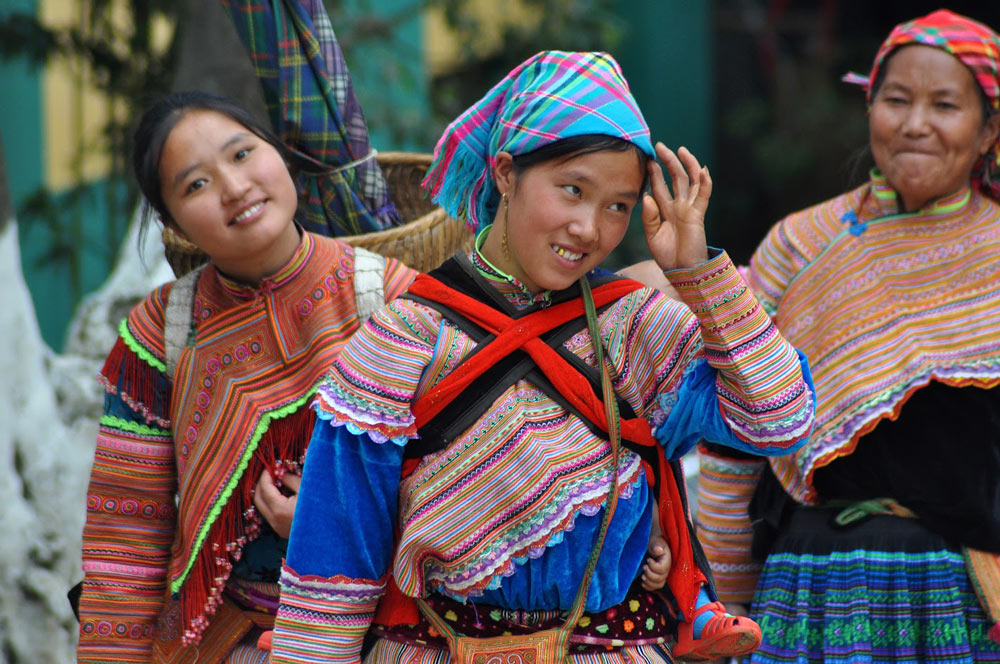
The story of love market sapa starts with a very practical mountain reality. In the past, H’Mong and Red Dao communities lived in villages that were far apart. When weekend trading days brought everyone into Sapa, Saturday night became a rare chance to socialize beyond your own village. Young people would meet, sing call-and-response songs, and play traditional instruments like the khen (also called qeej). It wasn’t a “market” where anyone sold love. It was a social rendezvous built around music, flirting, and the excitement of meeting someone new before the long walk home.
Now for the 2026 reality check. Modern tourism changed the dynamic. When crowds started showing up with cameras, the truly personal parts became more private. Today, what you’ll usually see is a public cultural celebration in the town center, with folk music, traditional dances, and community games that recreate the atmosphere in a visitor-friendly way. It can feel “staged” compared to the old stories, but it’s still beautiful and worth seeing because it puts Sapa’s living culture right in front of you in one energetic night.
So when someone asks, “What is the love market in Sapa?” the best answer is this: it’s no longer a public matchmaking night, but it remains a lively window into highland traditions, especially on weekend evenings. If you go expecting a romantic reality show, you’ll be disappointed. If you go expecting music, costumes, and a buzzing cultural vibe, you’ll have a great night.
When people talk about weekend nightlife in Sapa, they often mix up two very different things. So let’s make it simple.
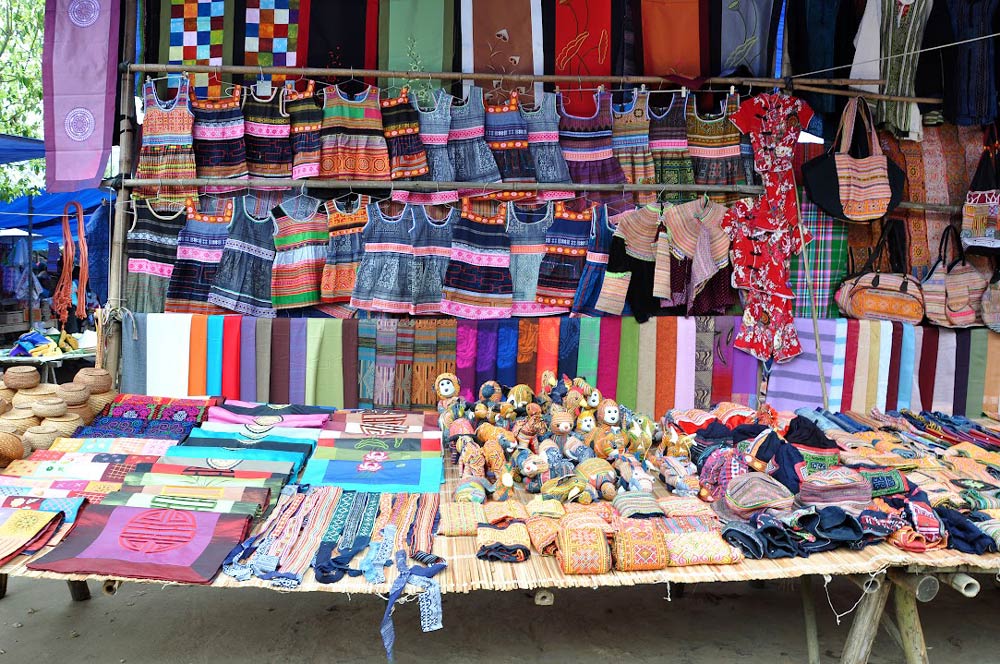
The Sapa Night Market is the “eat, shop, wander” zone. It usually runs Friday to Sunday, starting around 4:00 PM and going to about 10:00 PM (sometimes later if it is busy). It is the commercial heartbeat of the weekend, with smoky grills, warm drinks, and rows of stalls selling textiles, silver jewelry, and souvenirs. You go here for dinner, snacks, and shopping.
The love market Sapa is different. It is a specific cultural gathering on Saturday night, centered at Sapa Town Square in front of the Stone Church. These days it is more of a public cultural showcase than a real matchmaking scene, with folk music and community performances that bring the highland vibe into the heart of town. (Some weekends also feature an additional curated show later at nearby cultural parks, so if you hear different timings, that is often why.)
Is the Sapa Night Market worth it? Absolutely yes. It is the easiest place to grab dinner, people-watch, and buy brocade textiles and handmade crafts in one relaxed evening. My local tip is to slow down and shop smarter: look for stalls where the seller can explain the product, and choose items that feel truly handmade, like embroidered pieces or small silver accessories that are easy to pack.
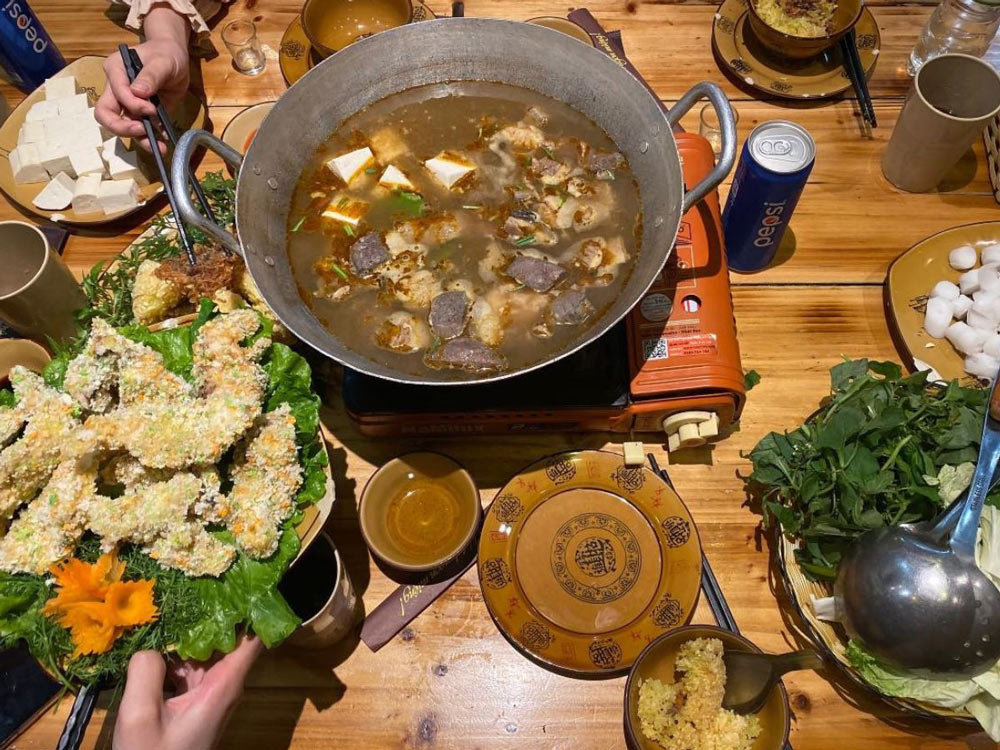
One of the best parts of love market Sapa is that you do not need a fancy plan. You just follow the smell of charcoal grills and warm snacks in the cold mountain air. When people talk about love market Sapa food, they usually mean the highland comfort bites that keep your hands warm and your stomach happy while you watch the performances.
Start with cơm lam, sticky rice roasted inside bamboo. It is lightly smoky, soft, and perfect with grilled pork skewers sizzling right next to it. Skewers are usually a quick, cheap win, and many Sapa night market guides mention prices around 15,000 to 20,000 VND per skewer depending on the stall. If you want something sweet, grab warm chestnut cakes or roasted snacks that are made for foggy evenings. And for adventurous eaters, try thắng cố, a traditional highland stew commonly associated with H’Mong culture. Prices vary a lot depending on where you try it, but it is usually a sit-down dish rather than a tiny snack.
Now the practical part, love market Sapa price. The main gathering in the square is generally free to watch, since it happens in the public town center. Some weekends may also have separate, more curated shows that can require tickets, so if you see a ticket booth, do not panic, just ask what is included. For food and shopping, Sapa is still very friendly for most budgets. Expect street snacks to land around 20,000 to 100,000 VND depending on what you order and how hungry you are. For souvenirs, many brocade items (scarves, small bags, accessories) commonly start around 100,000 VND and can go higher for more detailed pieces. Bargaining is totally normal, just do it politely and with a smile because many items are handmade and take real time to craft.
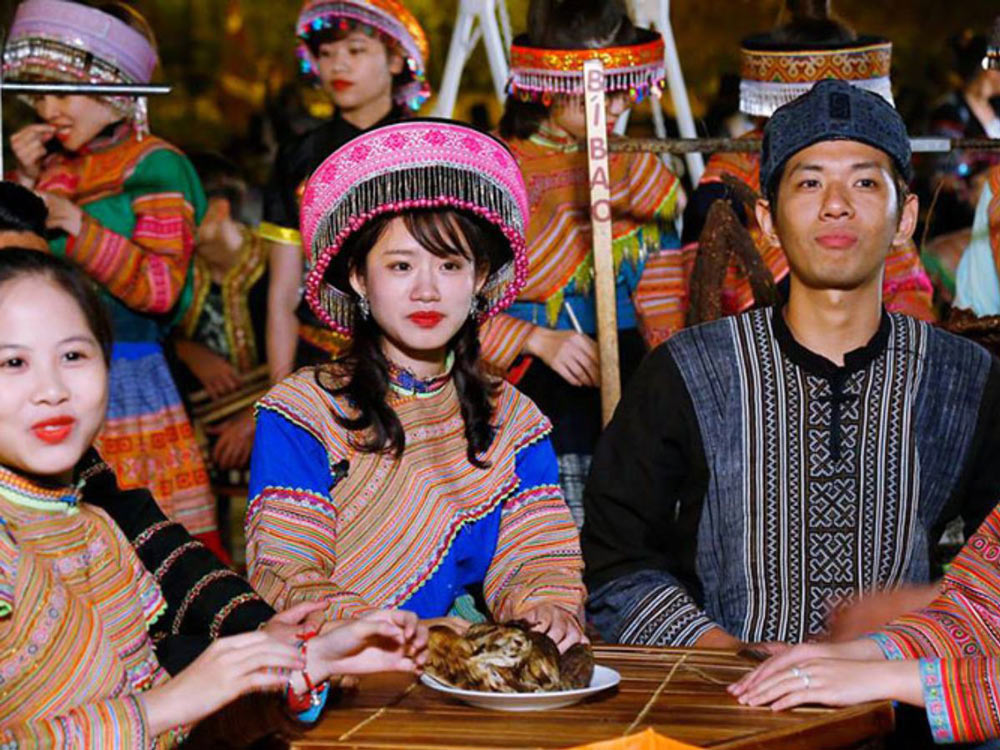
If you want love market Sapa to feel even more meaningful, don’t just show up at night and hope you “get it.” The best way is to build a full day that slowly brings you into Sapa’s culture and scenery, so the evening event feels like a natural finale, not a random show.
Start your morning at Moana Sapa. It’s a modern, curated photo park that many travelers call “Little Bali” because it’s designed for those big, viral mountain shots. Expect dramatic viewpoints, clean photo angles, and that wide-open Sapa sky when the weather is clear. Go early if you can, because the light is softer and you’ll avoid the biggest crowds. It’s the easiest way to secure those sweeping photos your friends keep talking about without hiking for hours.
Then in the afternoon, head to Cat Cat Village. This is where Sapa starts to feel real, not just beautiful. Cat Cat is a traditional H’Mong village where you can see daily life up close, handcraft work, weaving, simple farms, and the rhythm of the valley. The walk down is scenic and fun, and yes, the walk back up will work your legs. But here’s why it’s worth it: seeing the village during the day gives you context. So when you later watch music and performances at love market Sapa, it feels connected to actual communities and traditions, not just something staged for tourists.
Simple day plan that works
If you want, I can turn this into a time-stamped schedule (8:00, 10:30, 14:00, 18:30) based on your travel month, because daylight and fog timing changes the whole mood in Sapa.
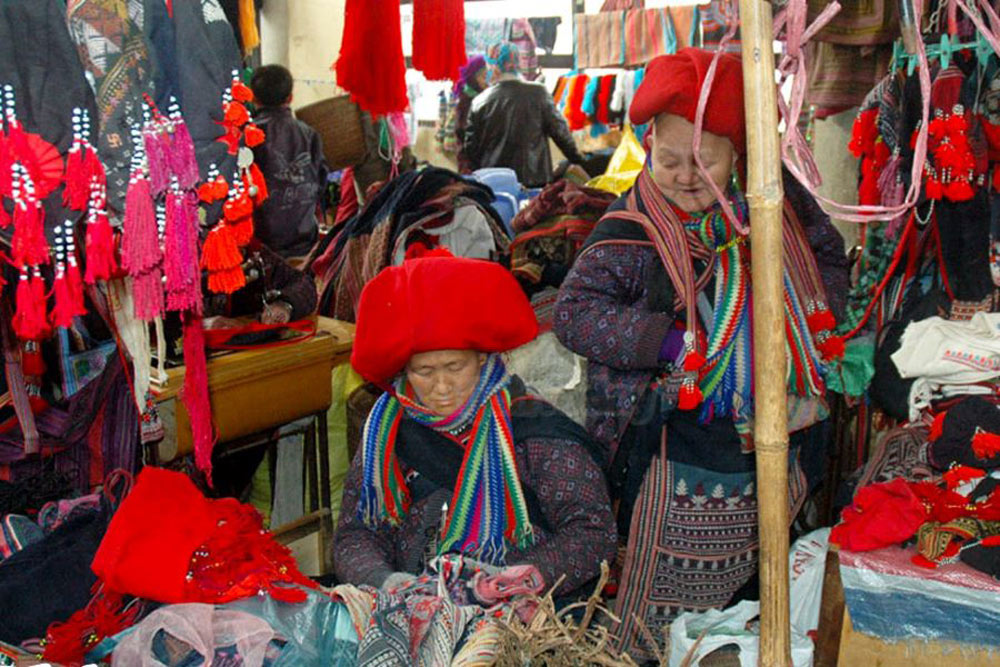
Historically, love market Sapa was the one weekly chance for young people from remote H’Mong and Red Dao villages to meet, sing, and court during the weekend market. Today, the “real dating” side is mostly private, and what visitors see is a Saturday-night cultural gathering in the town center with traditional music and performances.
It happens every Saturday night at Sapa Town Square in front of the Stone Church. The square usually starts filling up from around 6:00 PM, and the liveliest window is typically early evening through the night, often running roughly 6:00 PM to 10:00 PM depending on the crowd and weather.
Yes, even if you miss the Saturday performances. The night market is the best place to eat warm highland street food, people-watch, and shop for handmade textiles and crafts. It usually runs Friday to Sunday, around 4:00 PM to 10:00 PM.
Generally, yes. The town center is typically well-lit and busy on weekends. Just use normal crowd awareness, keep your phone and wallet secure, and be extra mindful in packed market areas where pickpocketing can happen.
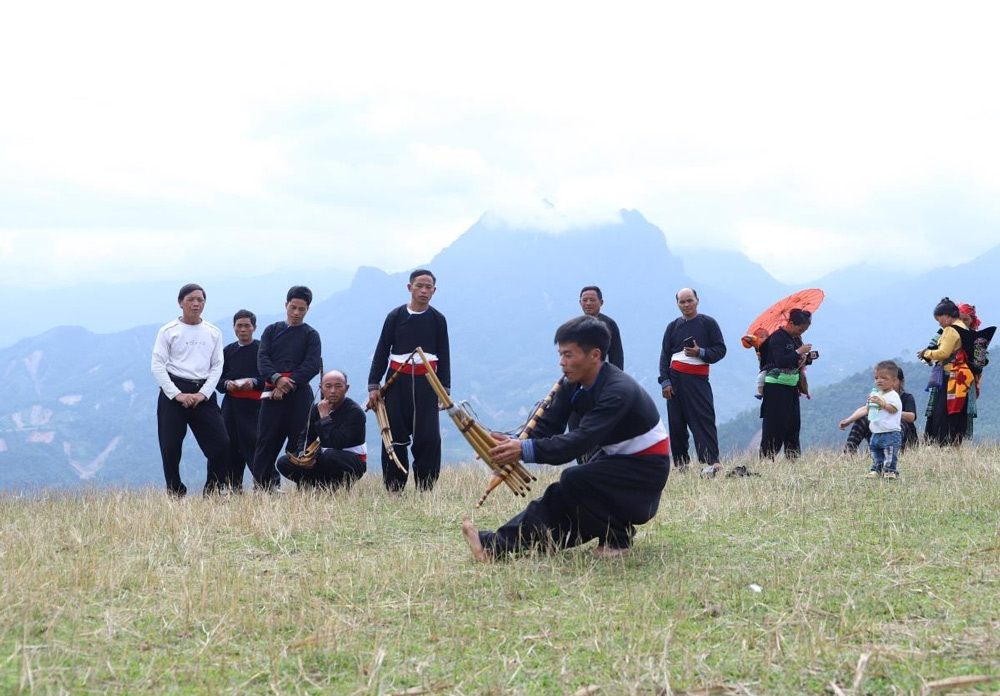
By the time night falls in Sapa, the town feels completely different. The air turns cool and clean, the streets glow with warm lights, and you start catching that unforgettable mix of senses: charcoal grills sizzling, the soft sound of bamboo flutes, and the bold colors of ethnic clothing moving through the mist like living art. That’s the magic of love market Sapa. It’s not a “romance show.” It’s a lively, atmospheric slice of highland culture that makes you feel like you’re somewhere far from ordinary.
One final tip before you go: pack a warm jacket because it gets chilly the moment the sun disappears, even if the day felt mild. And arrive with an empty stomach. You’ll want space for grilled skewers, hot soups, and all the little snacks that keep your hands warm while you wander.
If you want your Sapa weekend to run smoothly without juggling transport, hotel choices, and timing, you can contact Asia Mystika, a trusted tour operator in Vietnam. They can help you plan a simple itinerary, arrange Hanoi–Sapa transfers, and time your trip so you catch the best night market atmosphere and the love market Sapa experience without stress.
Ready to go? Start planning your custom Sapa itinerary with us
Who we are: Learn more about the local experts at Asia Mystika
WhatsApp: (+84) 866.22.7878
Email: sales@asiamystika.com
Website: www.asiamystika.com
