 Hotline: +84 866 227 878
- SG$ Singapore Dollar
- A$ Australian Dollar
- £ British Pound Sterling
- C$ Canadian Dollar
- € Euro
- MYR Ringgit Malaysia
- US$ United States Dollar
- đ Vietnamese Dong


 Hotline/Whatsapp: +84 86 622 7878
 Email: sales@asiamystika.com
 About Us
 Destinations
 Travel Styles
 Travel Guide
 Blogs
Blogs
 News
News

Curious about the best market in sapa? This 2026 guide covers the Sapa Night Market, weekend markets like Bac Ha, plus what to eat and what souvenirs are actually worth buying.
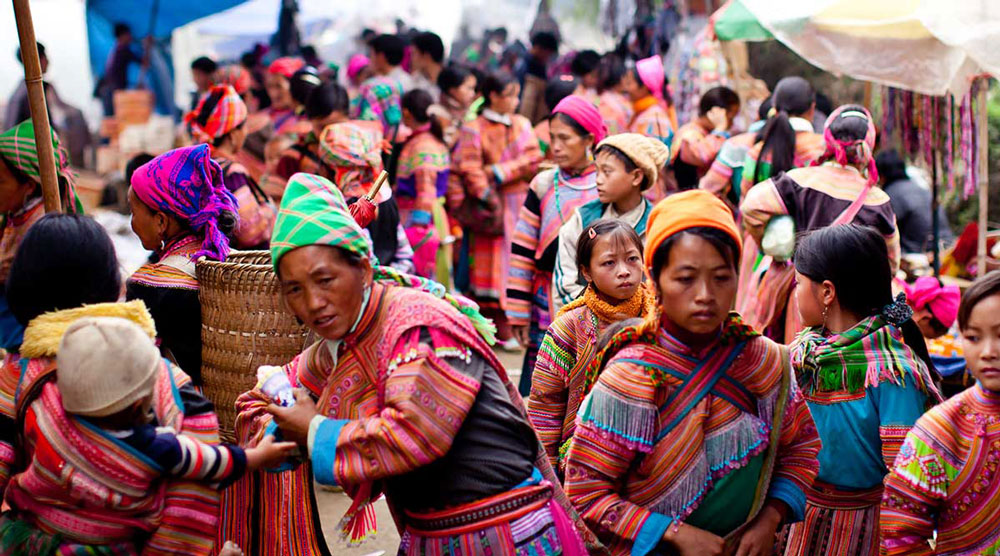
So your friends have been raving about how incredible Vietnam is, and now you’re planning a trip to the misty mountains of the North. I totally get it. Sapa has that magnetic pull, cool air, dramatic valleys, and a culture you can feel the moment you step into town.
But here’s the secret: if you really want to understand Sapa, you can’t just chase viewpoints. You need to visit a market in Sapa. Markets are where the highlands come alive. This is where you’ll see the everyday rhythm of local life and where ethnic communities like the H’Mong and Red Dao show up in full color, literally, with their textiles, crafts, and foods. A market in Sapa is not just a place to shop. It’s one of the fastest ways to connect with the human side of the mountains.
In this guide, I’ll make it easy for you. We’ll break down the key differences between everyday town markets, the lively night markets, and the big weekend ethnic gatherings further out in the valleys. By the end, you’ll know exactly which market fits your travel style and what you should not miss when you go.
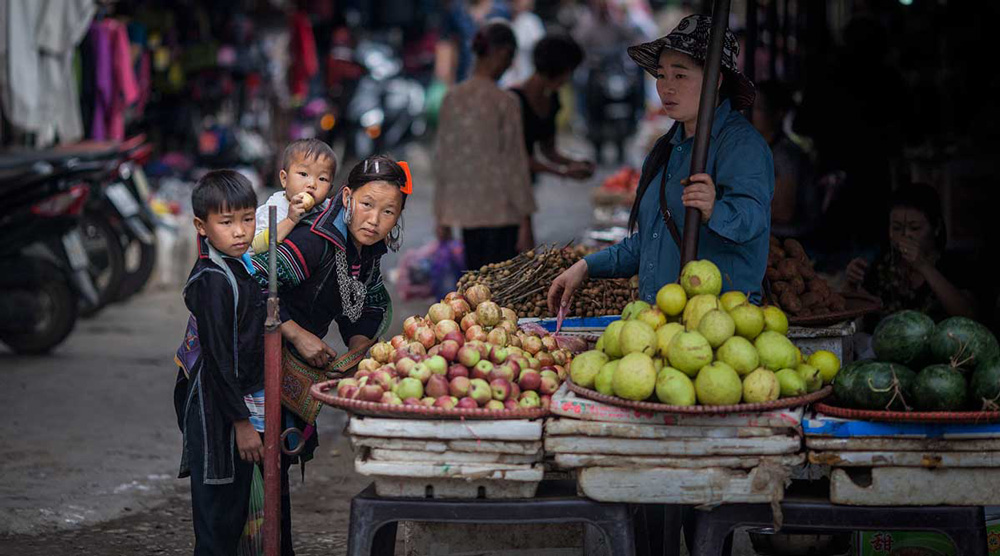
If you want to see the most “everyday” market in Sapa, start with Sapa Market, locally called Chợ Sapa. It sits right near the Sapa Bus Station, so it’s easy to find even on your first day, and it’s also a short walk from the Stone Church area.
Sapa Market is commonly referenced around Lương Định Của Street, and it runs daily from 6:00 AM to 6:00 PM (times are often listed as “for reference”). Go early if you can. The market feels most alive in the morning, and weekends are especially busy when more local ethnic sellers come in.
Think of Chợ Sapa as a practical two-level stop:
Behind the main building, there’s usually a more local-feeling section for fresh produce, meat, and simple hot dishes. It’s where people do real grocery shopping, and it’s also a great place to grab a cheap bowl of phở when you need something warm and fast.
Yes, there are small supermarkets and minimarts in town. For example, Xuân Trường Supermarket is often listed as a convenient place for snacks and daily essentials. But if you want that true local shopping experience, the best “real groceries” still happen at the traditional market in Sapa.
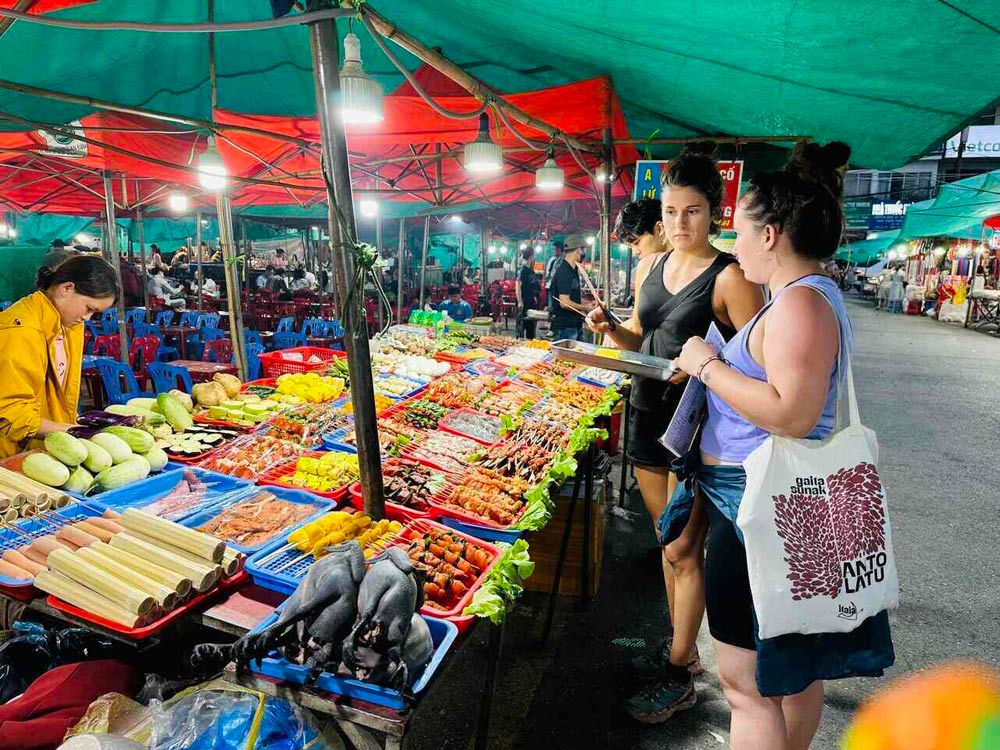
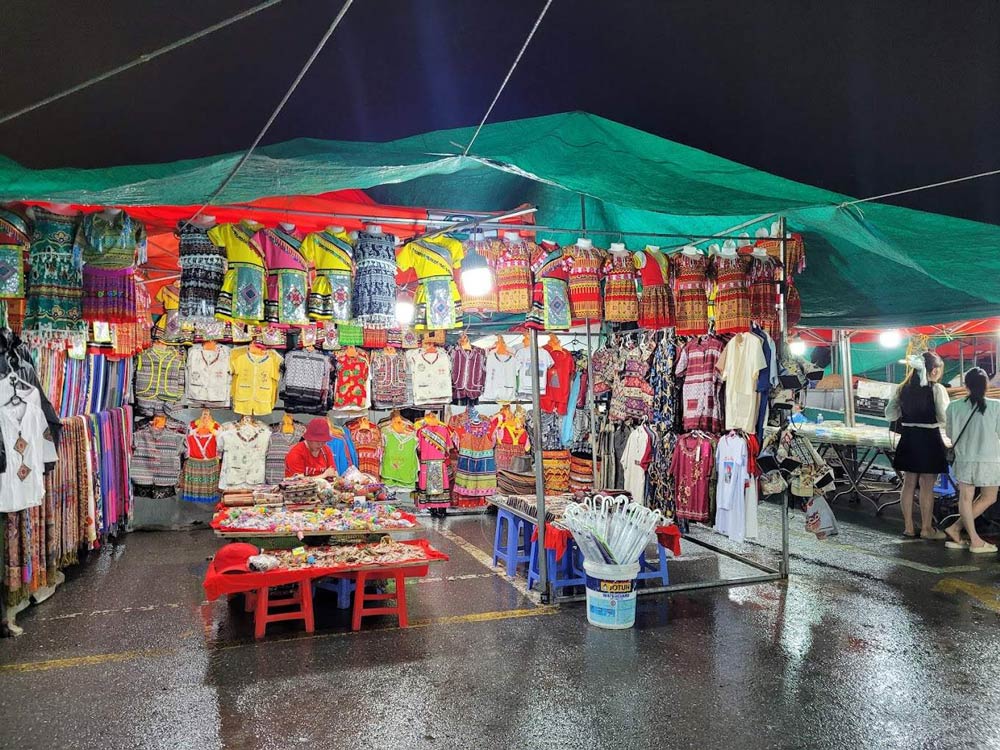
After sunset, the most fun market in Sapa is the Sapa Night Market, a weekend-only scene that pops up right in the town’s core. You’ll usually find it around N1 Street, close to the Sapa bus station and within easy reach of the central area near the lake and main square. It typically runs Friday to Sunday, roughly 4:00 PM to 10:00 PM (and on busy nights, some stalls stay later).
The vibe is pure mountain comfort. You’ll smell charcoal grills long before you see them, with sweet potatoes, warm chestnut cakes, and skewers sizzling in the cool air. It’s the perfect place to eat slowly, people-watch, and pick up small handmade items while the town feels extra alive. If you’re only in Sapa for one weekend evening, this is the easiest way to experience local energy without planning anything complicated.
One more thing that confuses travelers: the Love Market is not the same as the night market. Love market Sapa is a specific cultural gathering that happens on Saturday night in Sapa Town Square right in front of the Stone Church. If you time it right, you can do both in one night, dinner and snacks at the night market first, then walk to the square for the performances.
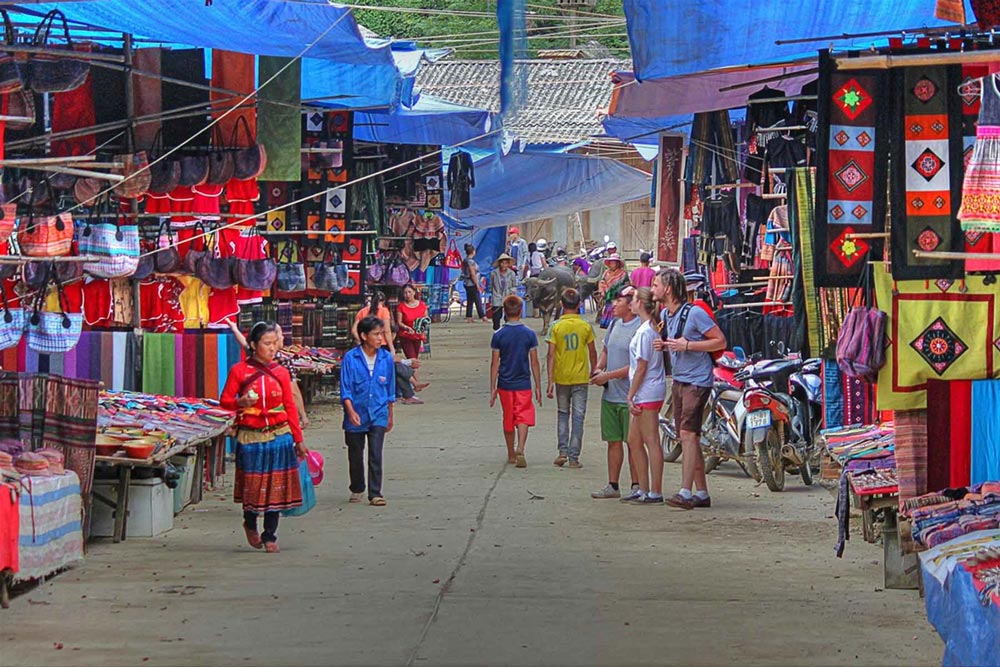
If you only have time for one “big” market in Sapa region, make it Bac Ha Market. It’s the kind of Sunday morning that feels like a living documentary, not a tourist stop. Yes, it’s a 2 to 3-hour drive from Sapa town (roughly about 100 km), but it’s absolutely worth the early alarm because the scale and energy are on a different level.
When to go: Bac Ha happens only on Sundays. It starts very early, often 5:00 AM in summer and around 6:00 AM in cooler months. The best window is the early morning rush. Aim to arrive by 7:00 AM so you get the real atmosphere before the tour buses thicken the crowd. The market usually starts winding down around midday, although some guides describe it running into the early afternoon.
What makes Bac Ha unforgettable is the sheer color and variety. You’ll see Flower H’Mong outfits that look hand-painted, busy textile corners, and a full-on livestock trading area with animals like buffaloes and horses. Then there’s the food zone, where you can try local corn wine and the famous thắng cố (a traditional highland stew, often made with horse meat or other meats depending on the stall). It’s bold, it’s cultural, and it’s definitely for adventurous eaters.
Quick local tips to enjoy it more
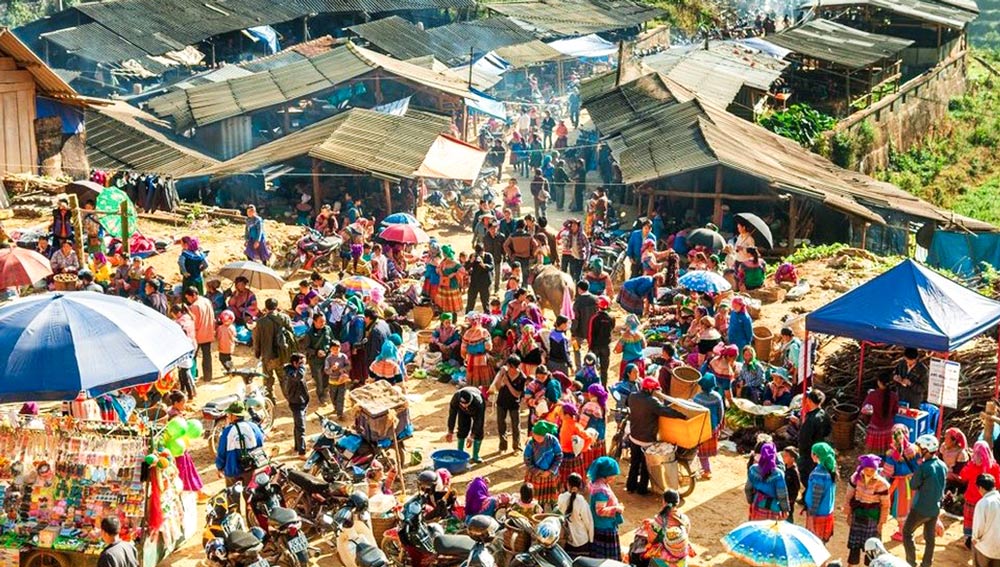
A market in Sapa feels completely different from a market in Vietnam’s big cities, and that’s exactly why first-timers love it. Highland markets are closely tied to real daily life. You’ll see more farm produce, forest herbs, local snacks, and brocade textiles made and sold by ethnic minority communities. It’s less “shopping mall energy” and more “this is how the mountains trade, eat, and meet.”
City markets, on the other hand, are louder, faster, and much more commercial. They can be fun, but the vibe is different. The perfect example is Bến Thành Market in Ho Chi Minh City. Is it worth visiting? Yes, if you’re in Saigon and want a famous indoor market experience. It’s huge, central, and packed with stalls selling everything from souvenirs and fabrics to coffee and snacks. But it’s also very tourist-heavy, so you’ll see plenty of mass-produced goods and “shopping games” like bargaining.
So here’s the easy takeaway. Go to Ben Thanh for the iconic city-market buzz and one-stop souvenir browsing. Go to Sapa’s markets for culture that feels closer to the source, especially textiles, local ingredients, and the weekend ethnic atmosphere you simply won’t find in a city building.
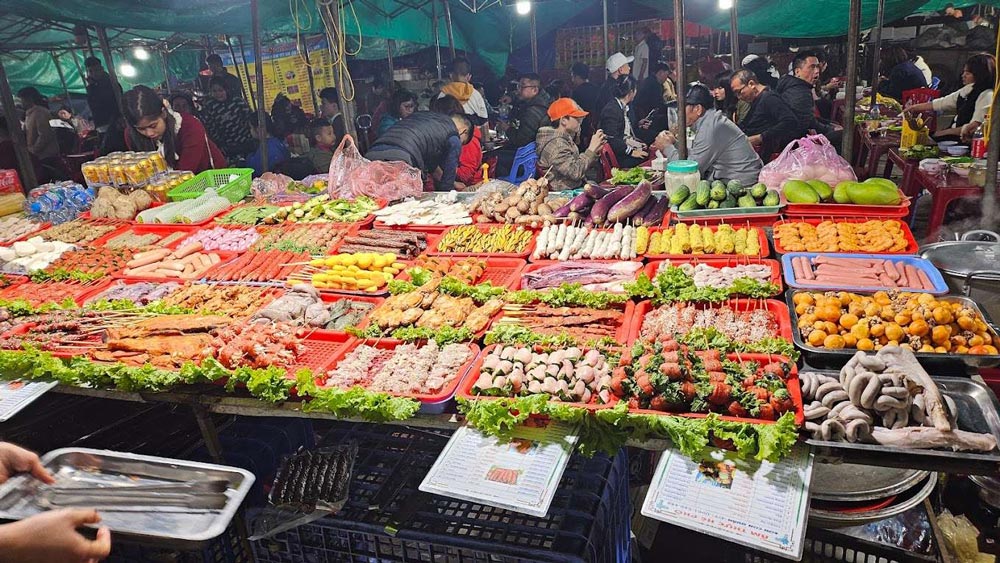
The night market is mostly in the town center area, starting around the central square near the Sapa Stone Church, then stretching toward the lake and down in the direction of the bus station zone on weekend evenings. If you stay anywhere central, you can usually just follow the lights and the smell of grilled food and you’ll find it.
Absolutely, yes. Some souvenir stalls can feel a bit repetitive, but the street food is the real reason to go. You can grab an easy dinner for cheap, things like grilled pork skewers, cơm lam (sticky rice cooked in bamboo), and hot chestnuts that feel perfect in Sapa’s cool air. It’s also a fun place for people-watching, even if you don’t buy anything.
100% yes if you’re in Northern Vietnam on a Sunday and you don’t mind an early start. Bac Ha is one of the most colorful and culturally rich open-air markets in the region. It feels very different from a market in Sapa town because it’s larger, more traditional in atmosphere, and gives you a deeper look into highland life.
Yes, but it’s a completely different experience. Ben Thanh in Ho Chi Minh City is a busy city market that’s great for souvenirs, snacks, and the big urban buzz. A Sapa market Vietnam experience is more about cool mountain weather, ethnic textiles, local produce, and weekend highland culture. If you have time for both on your Vietnam trip, they complement each other nicely.
At the end of the day, visiting a market in Sapa isn’t really about spending money. It’s about stepping into a living rhythm that has shaped the highlands for generations. Markets are where people come to trade, eat, meet friends, and keep traditions moving forward, from the everyday bustle of Chợ Sapa to the weekend energy of the night market, and the big cultural spectacle of Bắc Hà. If you want to understand Sapa beyond viewpoints and photo spots, the market is the fastest, most human way to do it.
Before you go, pack like a smart traveler. Bring an empty tote bag (you’ll thank yourself later), carry small cash in VND for snacks and crafts, and be ready to wake up early if you want the most authentic atmosphere and the best photos. And if you’re still building your Northern Vietnam plan, check out my other Sapa and North Vietnam guides too, they’ll help you connect markets with villages, waterfalls, and the best seasons to travel.
Want to save time and effort for your Vietnam trip?
If you’d rather skip the planning stress, contact Asia Mystika, a trusted tour operator in Vietnam. They can help you fit the right markets into your schedule, arrange transport to places like Bắc Hà, and build a smooth itinerary that matches your travel pace, so you can focus on enjoying the culture instead of juggling logistics.
Ready to go? Start planning your custom Sapa itinerary with us
Who we are: Learn more about the local experts at Asia Mystika
WhatsApp: (+84) 866.22.7878
Email: sales@asiamystika.com
Website: www.asiamystika.com
