 Hotline: +84 866 227 878
- SG$ Singapore Dollar
- A$ Australian Dollar
- £ British Pound Sterling
- C$ Canadian Dollar
- € Euro
- MYR Ringgit Malaysia
- US$ United States Dollar
- đ Vietnamese Dong


 Hotline/Whatsapp: +84 86 622 7878
 Email: sales@asiamystika.com
 About Us
 Destinations
 Travel Styles
 Travel Guide
 Blogs
Blogs
 News
News

Dreaming of waking up to misty mountains, quiet pine forests, and fresh air far from the crowds? Choosing the right Sapa ecolodge can completely shape your trip. In this 2026 guide, we break down the most talked-about names like Topas Ecolodge, Laxsik Ecolodge, and lesser-known gems such as Pine Hill, comparing prices, locations, real traveler experiences, and seasonal tips. We’ll also show you when Sapa is at its best – and when you might want to rethink your dates – so you can find the ecolodge that truly fits your travel style.
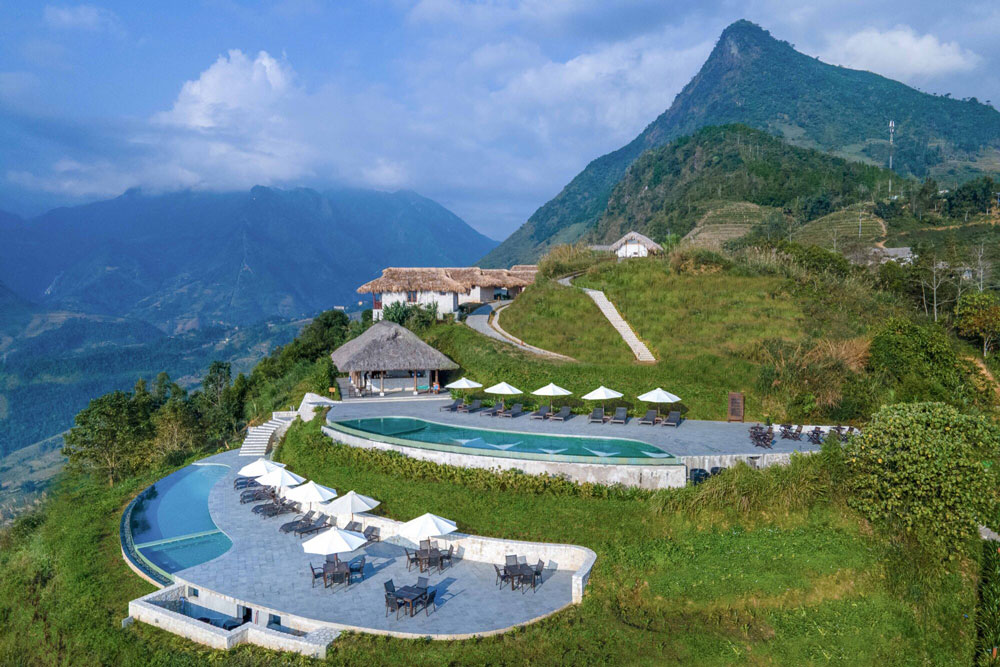
If you’ve been to Sapa recently, you probably noticed the town center feels a lot busier than it used to. Bright signs, traffic, and rows of new buildings can make it hard to get that calm mountain vibe people dream about. That’s why many travelers now choose a Sapa ecolodge instead of a standard hotel. The idea is simple. Stay outside the crowded core, wake up to open views, and let nature set the pace.
So what does an ecolodge mean in Vietnam, especially in Sapa? A true Sapa ecolodge is usually built with natural, low impact materials like wood and local stone. It’s placed right in or near the rice terraces, not in the middle of town. And most importantly, the experience is designed around quiet landscapes, fresh air, and outdoor moments rather than nightlife. Think morning mist over the valley, short walks straight from your doorstep, and a setting that feels connected to the local environment instead of separated from it.
In this guide, we’ll keep things practical and easy to follow. We’ll compare the standout names like Topas Ecolodge and Laxsik Ecolodge with more convenient stays such as Sapa Pine Hill. We’ll also point you to more affordable, genuinely local style lodges that still deliver the terrace views and warm hospitality many people come for.
By the end, you’ll have clear answers to the questions everyone asks. Is Topas really worth around $300 a night, and what are you paying for at that level? Also, when is Sapa a bad idea, so you can avoid showing up at the wrong time and feeling disappointed. If you want the best match for your budget and travel style, you’re in the right place.
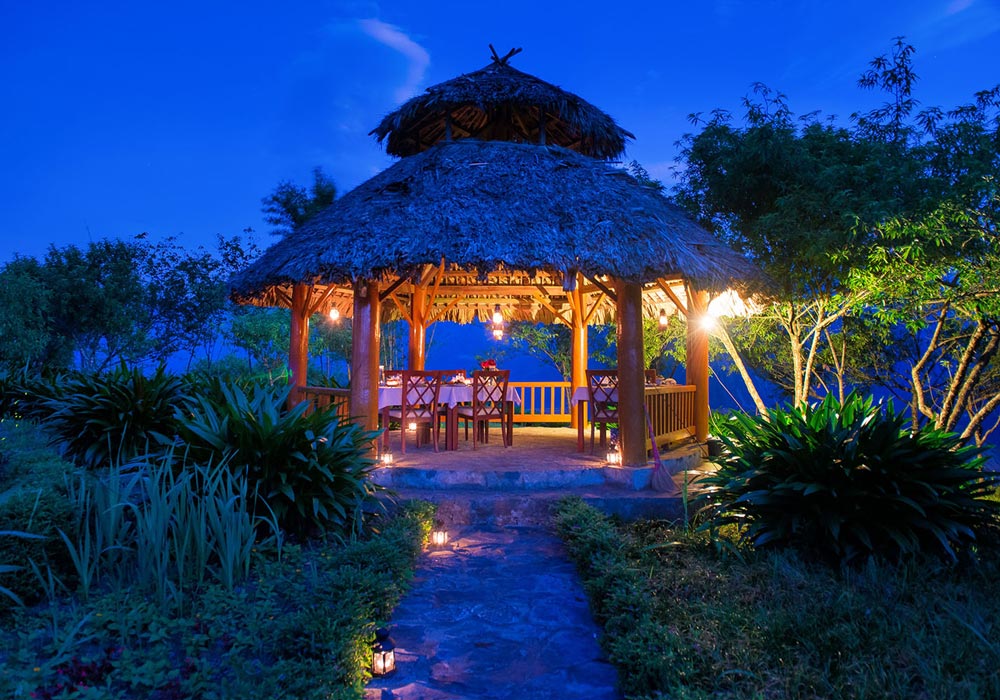
If you’re searching for a Sapa ecolodge that genuinely feels like a flagship stay, Topas Ecolodge Sapa is the name that keeps coming up for a reason. It sits on a high ridge inside Hoang Lien National Park, around 45 minutes from Sapa. The whole setup is designed to let the landscape do the talking. Even National Geographic has highlighted it as a strong choice for travelers who care about the planet.
What makes the vibe so special is the balance. You get a clear Scandinavian touch in the clean lines and uncluttered design, but the experience still feels rooted in the northern highlands. The bungalows are built from local white granite, and the lodge keeps things intentionally simple so you spend more time soaking up the view than hunting for entertainment.
Now the detail many people love to know, who owns Topas Ecolodge? The story starts with Topas in Denmark, a travel company founded in 1973, which later teamed up with a local Sapa partner family to develop trekking in the region. Their collaboration was supported by Danish development funding, and that long-term partnership explains why the lodge feels both international in standards and local in spirit.
So, what to do at Topas Ecolodge once you arrive? The headline moment is the water. You have two saltwater infinity pools, with the upper one heated year round, and a lower pool area set up as an adults-focused space with a jacuzzi feel. Beyond the pools, Topas is great for people who want active days without the crowded routes. They run guided treks, bike programs, and even structured trail running retreats that take you through villages and terrace paths most day-trippers never see. When your legs are done, the Rice Spa is the reset button, especially the Red Dao herbal bath, a famous local wellness ritual.
Let’s talk money, because “Topas Ecolodge Sapa price” is the big question. On average, it often sits in the $200 to $390 per night range, and it is common to see around $300 depending on dates and room type. Peak periods can push higher, especially around holidays. If you want better value, look for official seasonal offers or bundles that add perks like transfers or credits.
Finally, the “Topas Ecolodge Sapa reviews” side of things. Across major booking platforms, guests repeatedly mention the scenery, the comfort of the bungalows, and how memorable the pool experience is. If you have the budget, Topas is a true once-in-a-lifetime Sapa ecolodge stay, especially for couples, photographers, wellness lovers, and anyone who wants their Sapa trip to feel elevated from start to finish.
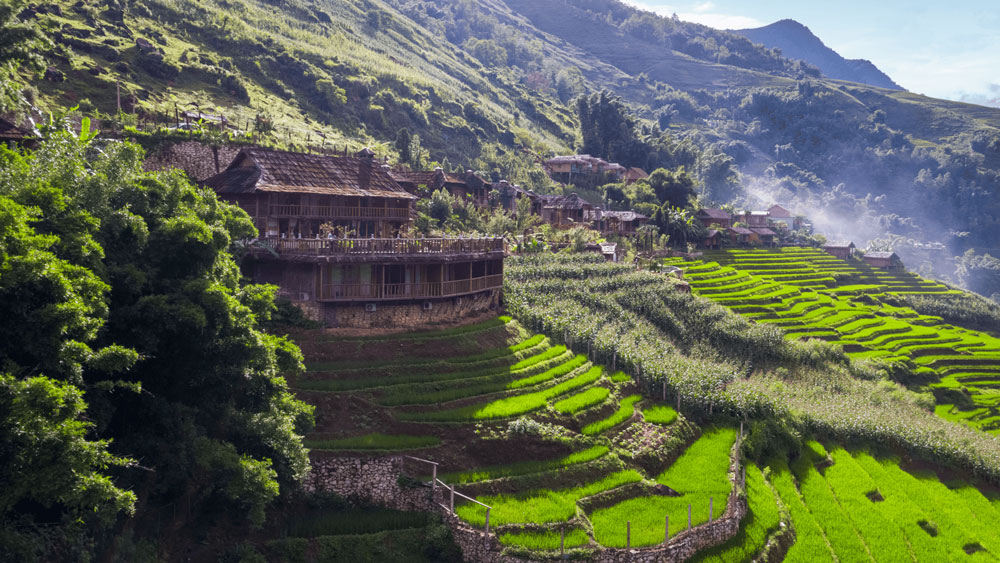
If you want a Sapa ecolodge that feels upscale but doesn’t require a long journey deep into the mountains, Laxsik Ecolodge Sapa is a strong pick. It’s located in Lao Chai village area near the Muong Hoa Valley, so getting there is usually a quick taxi ride from Sapa town instead of a longer transfer.
What makes Laxsik stand out is how close you feel to the landscape. Many of the rooms and bungalows are built in warm wood tones, with balconies facing open valley views, and guests often mention that the rice fields feel right at your doorstep. It’s that “wake up, open the curtains, and wow” kind of place, but still comfortable and polished.
Compared to Topas, Laxsik’s biggest advantages are convenience and value. Pricing often comes in a bit softer, with many nights landing around $150 to $250, and some room types showing lower starting points depending on season and deal. If you’re traveling with family or you simply don’t want your stay to feel “remote,” this balance can be exactly what you need.
Food is another reason people enjoy this sapa ecolodge. Their on-site restaurant highlights
local flavors and leans into a farm fresh approach, using organic ingredients sourced from nearby farms and markets. They also promote hands-on experiences like their H’Mong cuisine program with the chefs, which is a fun way to connect with the region beyond just sightseeing.
If your dream is luxury by the terraces, plus an easy ride back to town when you want it, Laxsik Ecolodge Sapa is a very persuasive choice.
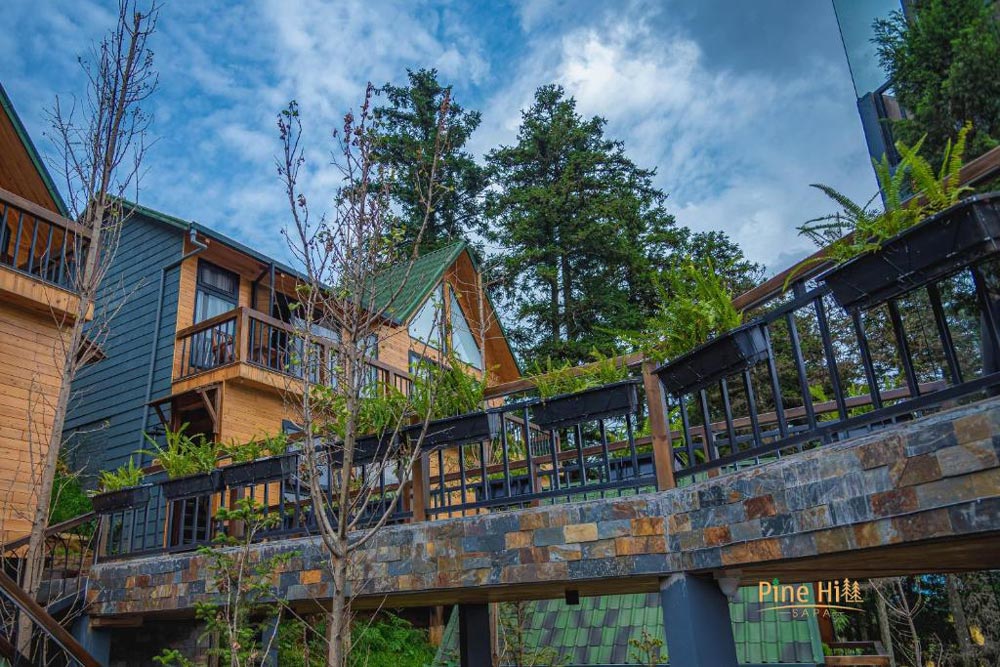
Not everyone wants to ride far out of town to enjoy a Sapa ecolodge experience. If you love the idea of a cozy wooden stay but still want Sapa’s buzz within reach, Sapa Pine Hill Eco Lodge fits that sweet spot. It’s about a 5 minute walk to the town center, yet it sits on its own private hill, so you get a calmer atmosphere the moment you step back onto the property.
Here’s the key difference to remember. Topas feels like a full escape (around 45 minutes away). Laxsik is closer (around 15 minutes). But Pine Hill is basically “town, but quieter”. You can enjoy that cabin-like mood, then easily head out whenever you feel like it without planning taxis or transfers. For many travelers, that simple freedom makes the whole trip feel lighter.
This Sapa ecolodge option is perfect if your evenings look like this: a quick stroll to the Night Market, a plate of cheap, tasty street food, maybe a warm drink, then back to your hilltop hideaway when you’re done. If you want nature vibes without giving up convenience, Sapa Pine Hill Eco Lodge is a really smart choice.
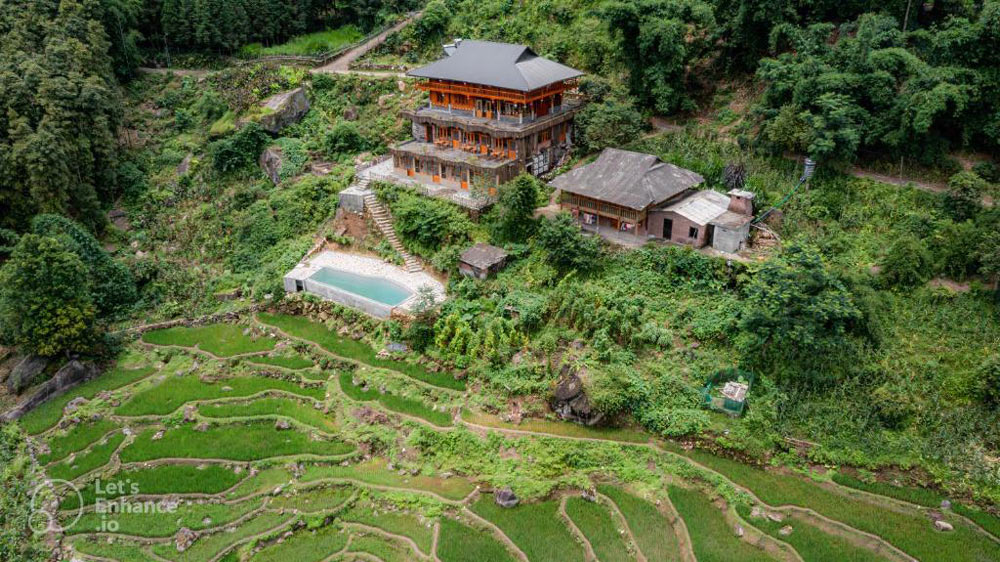
If you search “Sapa ecolodge review” and feel confused, here’s the reason: in Sapa, “ecolodge” doesn’t always mean a big-name resort. You’ll also find small family-run places that use names like Sapa Eco Lodge (or Muong Hoa Eco Villa) in villages such as Su Pan Village or nearby valley areas, far from the busiest streets. Travelers often mention these stays as quieter and more “real” compared to the town center vibe.
Now let’s talk “Sapa ecolodge price” in a practical way. These village lodges are usually very affordable, often around $30 to $60 per night depending on season and room type. What you get is not flashy luxury, but the kind of comfort that matters after a long trek: a clean room, a warm shower (always double-check this in reviews), and a view that makes you want to put your phone down for a minute. When you read reviews, focus on road access, hot water, blankets in winter, and noise (roosters are enthusiastic in the mountains).
And yes, people also search “Sapa ecolodge menu” for a reason. Many of these smaller lodges keep food simple and satisfying: rice, seasonal vegetables, eggs, tofu, and local dishes served fresh. Some places do a shared dinner table where everyone eats together, which is honestly one of the fastest ways to feel the local warmth. Eco-minded lodges often highlight ingredients from local farmers or their own gardens.
The best part is the trekking convenience. A lot of these stays sit right along classic routes through the valley, so you can start your hike straight from your door instead of booking a car first. Popular trails pass through areas like Y Linh Ho, Lao Chai, and Ta Van, which is exactly why village-based ecolodges feel so natural for walkers.
If you want a true “wake up in the rice terraces” feeling without paying luxury rates, this is the smartest way to do a Sapa ecolodge stay. Bring a light jacket, keep small cash for village shops, and pick a place with reviews that match your style, quiet, social, or somewhere in between.
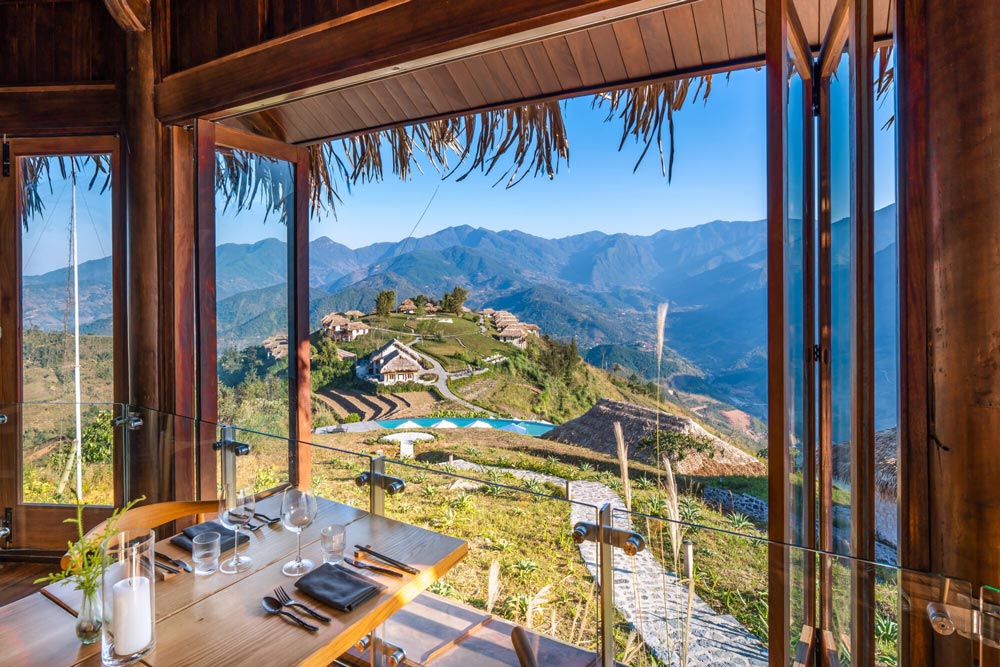
So, why is Sapa so famous in the first place? It’s the rare mix of dramatic mountain scenery and living culture. The star attraction is the terraced rice landscape in the Muong Hoa Valley, where the fields curve along the hills like natural artwork. Add in the traditions of communities like the Red Dao and Black H’Mong, and Sapa becomes more than a viewpoint. It’s a place where your Sapa ecolodge stay can feel connected to daily life in the highlands, not just a sleep stop.
Timing matters a lot here, because the terraces look completely different across the year. If you want peak “postcard” beauty, aim for September to October, when the rice turns golden before harvest and the valley looks like it’s glowing. Another beautiful window is late April to May, when farmers flood the fields and the terraces reflect the sky like giant mirrors. If you care about photos, this is the easiest way to make your trip feel instantly special without needing fancy edits.
Now the honest answer to “When to avoid Sapa in Vietnam?” Try not to plan your main trekking days in July to August. This is the wetter period in the north, and it can bring slippery paths, limited visibility, and occasional landslide risk that disrupts travel. You might still get lucky with clear mornings, but if your dream is long walks and wide-open views, this season can be frustrating.
Last tip, don’t underestimate Vietnam’s big holidays. Around Tet and the April 30 to May 1 break, demand jumps fast, meaning higher room rates, packed transport, and busy roads heading into the mountains. If you must travel during these dates, lock in your Sapa ecolodge early and keep your schedule flexible. If you want a calmer trip and better value, choose non-holiday weeks and you’ll feel the difference immediately.
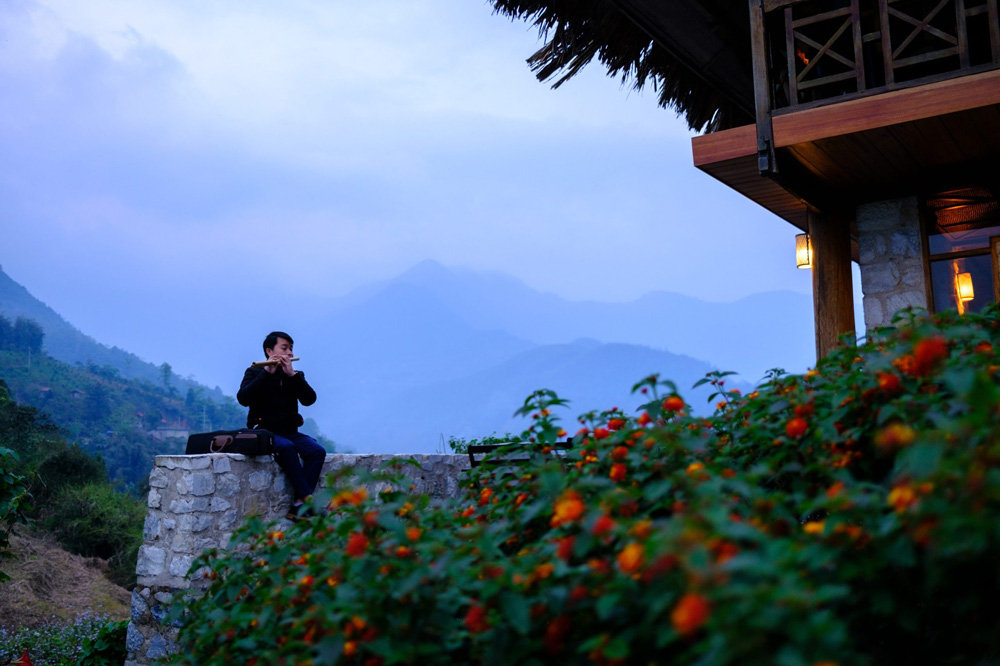
Topas Ecolodge is part of Topas Explorer Group and grew out of a long-running partnership between the Danish Topas group and the local Huong family in the Sapa region.
It depends on the style you choose. Simple village stays often sit around $30–$50 per night, while high-end properties like Topas commonly start from $250+ and can climb higher in peak periods. If you’re comparing Topas specifically, many travelers see averages around the $300 range depending on dates.
Plan for a “slow travel” rhythm. Most guests come to soak in the famous cliff-edge pools, join guided walks that steer away from the busiest routes, treat themselves at the spa, then end the day with nothing on the schedule except the mountain views.
If trekking and clear panoramas are your main goals, try to skip July and August. This is when Northern Vietnam typically gets peak rainfall, which can mean slick trails, low visibility, and occasional travel disruption in mountain areas.
Not at all. It’s one of the most convenient “wood-cabin” style options because it’s right near the town core, with reviews noting it’s extremely close to the Stone Church and easy to reach on foot.
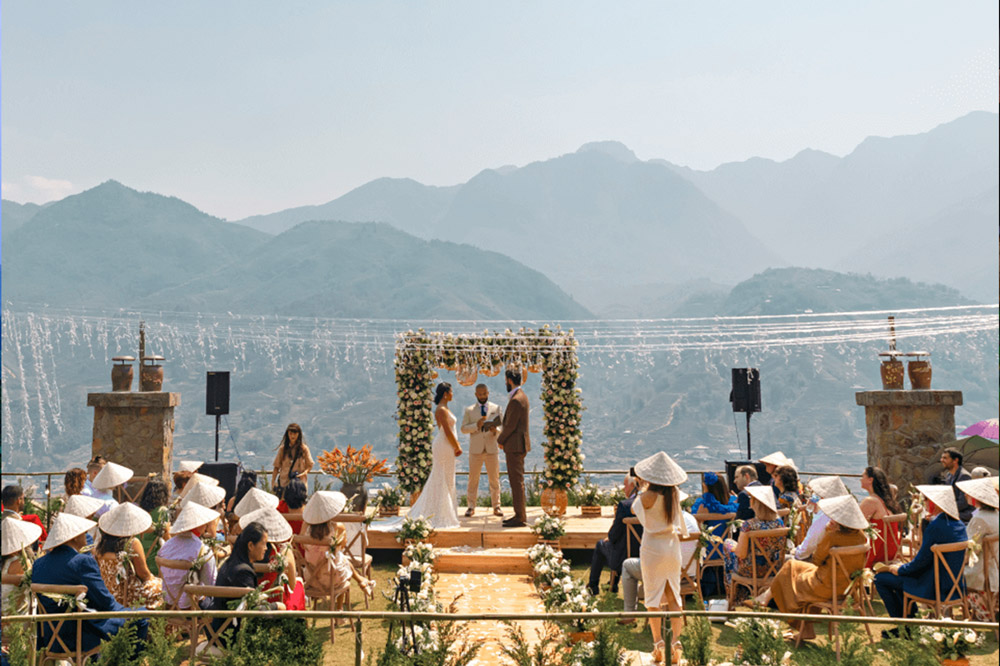
Choosing Sapa pine hill ecolodge or any ecolodge-style stay in Sapa is more than picking a place to sleep. It’s deciding what matters most on your trip. Do you want to wake up to fresh air and quiet views, even if that means being a bit farther from the buzz? Or do you want comfort and easy access, while still keeping a “cabin in the mountains” feeling? When you look at it that way, “ecolodge” becomes a travel style, not just a keyword.
Here’s the simplest way to decide. Topas Ecolodge is the splurge for travelers who want a true once-only escape and don’t mind paying for the full experience. Laxsik Ecolodge is the smart middle ground, with a polished feel and terrace-side scenery, plus easier access than remote resorts. And for travelers who want to stay close to town without giving up a nature-leaning vibe, Sapa pine hill ecolodge is the convenience winner. You get that warm wooden atmosphere, and you can still walk into town when you’re craving street food or a quick night market stroll.
If you’re booking Topas, one insider tip can make a real difference. Consider the Executive Bungalow for a more open valley outlook and a stronger “wow” moment when you step outside.
If you’d rather skip the planning stress, coordinate transfers smoothly, and choose the right lodge based on your travel style, you can contact Asia Mystika, a trusted tour operator in Vietnam. We can help you:
If you tell us your travel month and who you’re traveling with, we can help you decide whether Sapa pine hill ecolodge is the best fit, or if you’ll be happier with a valley lodge instead.
WhatsApp: (+84) 866.22.7878
Planning trip: Click here
Email: sales@asiamystika.com
Website: www.asiamystika.com
Asia Mystika Profile: Click Here
