 Hotline: +84 866 227 878
- SG$ Singapore Dollar
- A$ Australian Dollar
- £ British Pound Sterling
- C$ Canadian Dollar
- € Euro
- MYR Ringgit Malaysia
- US$ United States Dollar
- đ Vietnamese Dong


 Hotline/Whatsapp: +84 86 622 7878
 Email: sales@asiamystika.com
 About Us
 Destinations
 Travel Styles
 Travel Guide
 Blogs
Blogs
 News
News

Planning a solo trip to Vietnam? Discover the ultimate Sapa solo travel itinerary. Learn how to get around without a car, safety tips, and the best packages for solo adventurers.
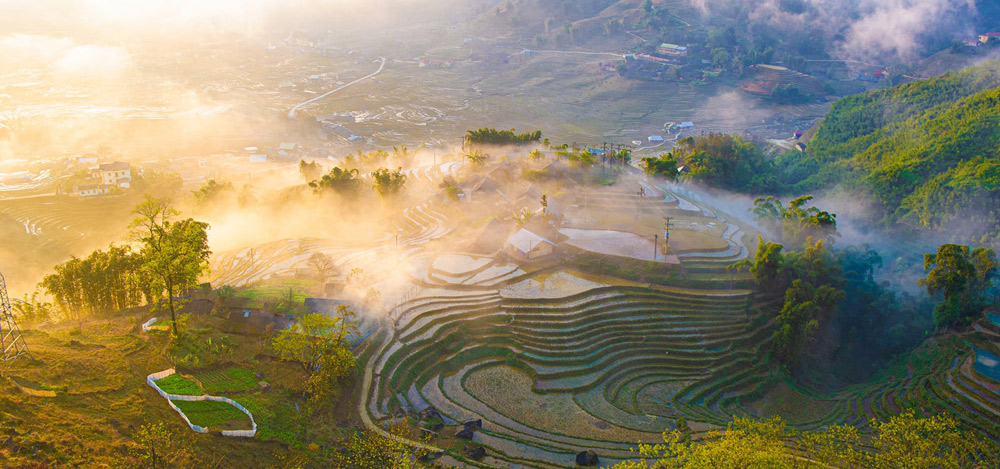
Traveling alone to the mist-shrouded peaks of Northern Vietnam may sound like a bold move, especially if this is your first time visiting the mountains of Southeast Asia. But here is the truth: Sapa solo travel can be one of the most rewarding journeys you take in Vietnam.
Sapa is not just a pretty mountain town. It is a place where clouds drift across terraced valleys, where ethnic minority villages sit quietly beneath the Hoang Lien Son range, and where a simple walk can turn into a deeply personal travel memory. For solo travelers, that mix of nature, culture, and calm makes Sapa feel surprisingly welcoming.
In 2026, Sapa is no longer the remote hill station it once was. The town center has become busier and more developed, with hotels, cafés, restaurants, cable car access, electric buggies, and organized tours. Asia Mystika describes Sapa as a mountain town in the Hoang Lien Son range, known for its cool climate, cloud-covered scenery, and attractions such as Sapa Stone Church, Ta Phin Village, Cat Cat Village, Love Waterfall, and O Quy Ho Pass.
Still, the real magic for a solo traveler often lies beyond the main streets. It is in the quieter valleys, the rice terraces, the village homestays, and the small conversations that happen when you slow down. If you are currently planning your Sapa adventure, this guide will help you understand what it is really like to visit Sapa alone, how safe it feels, how to move around, and whether a Sapa solo travel package is worth considering.
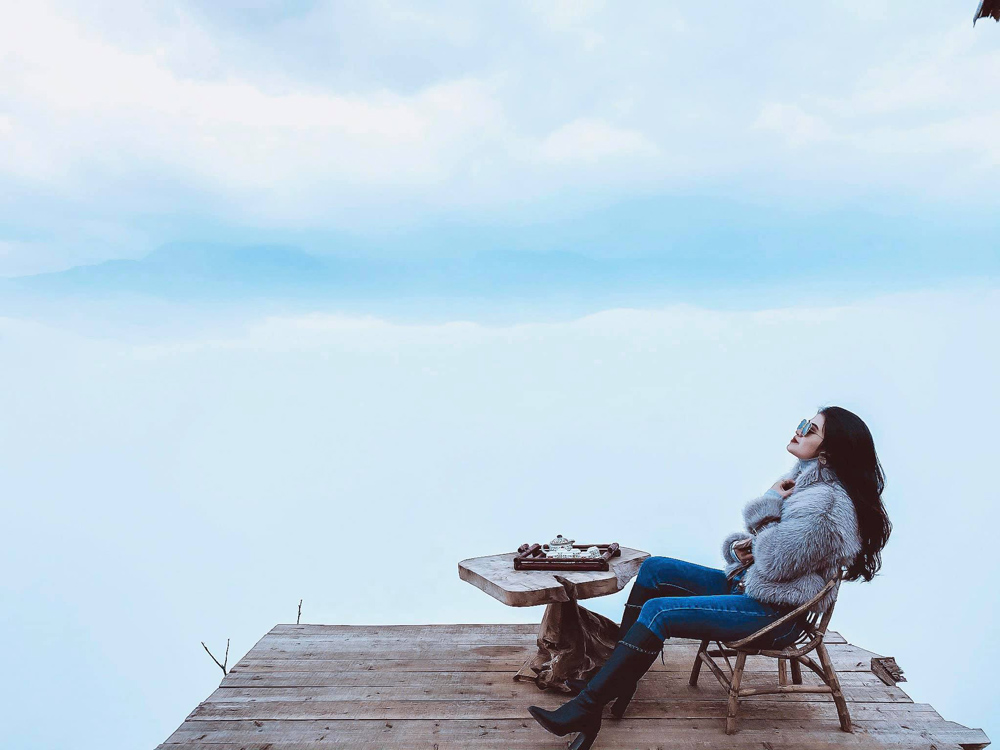
Yes, you can absolutely visit Sapa on your own. In fact, traveling to Sapa alone is very common. Many visitors arrive from Hanoi independently, join a trek after arrival, stay in a homestay, and return a few days later with new friends and better stories than they expected.
The first thing to understand is that Sapa is not a destination where solo travelers feel isolated by default. The route from Hanoi to Sapa is popular. The trekking trails are popular. The homestays are social. The cafés and restaurants are used to international guests. That means you can travel independently without feeling like you are completely on your own.
If you search for conversations about Sapa solo travel Reddit, you will often see a similar pattern in traveler discussions: people were nervous before going, but once they arrived, they found it easy to meet others. This is because Sapa naturally gathers people with similar interests. Most visitors come for trekking, mountain views, cultural experiences, photography, and a slower rhythm than Hanoi.
One of the easiest places to meet people is during the journey itself. Many solo travelers begin by booking the overnight sleeper train from Hanoi, then continue by shared transfer from Lao Cai to Sapa. Others choose a limousine van from Hanoi, which is faster and more direct. Asia Mystika’s own Sapa guides note that VIP limousine vans usually take around 5.5 to 6 hours, while the sleeper train to Lao Cai takes around 8 hours plus the onward transfer.
Once you arrive, the social side becomes even easier. A small trekking group can bring together people from different countries within minutes. A homestay dinner may place you around the same table with travelers you met that morning. Even a simple evening at the night market can lead to casual conversations over grilled skewers and hot tea.
That is the charm of solo travel in Sapa Vietnam. You can choose solitude when you want it, especially in the valleys, but you are rarely far from other travelers if you want company.
Is Sapa safe for solo travel? For most visitors, yes. Sapa is generally considered a safe destination for both male and female solo travelers. The town depends heavily on tourism, and locals are used to welcoming international guests.
Violent crime against foreign visitors is rare. The biggest frustration is usually not danger, but persistence from street vendors, especially around the town center and popular village paths. Some vendors may follow travelers for a while, trying to sell brocade crafts, bracelets, bags, or small handmade items. This can feel uncomfortable if you are alone, but it is usually not threatening. A calm “no thank you” and continued walking is normally enough.
For solo travelers, the bigger safety issue is not crime. It is the mountain environment.
Sapa’s beauty comes from its altitude, valleys, mist, and dramatic landscapes. But those same features can create real risks when trekking. Weather can change quickly. Paths can become slippery after rain. Fog can reduce visibility. Some routes are not clearly marked. If you walk far into the Muong Hoa Valley or toward more remote villages without a guide, it can be easy to underestimate distance and terrain.
That is why independent does not always mean unguided. You can travel to Sapa alone while still choosing a local guide for trekking. This gives you the best of both worlds: freedom in your overall trip and safety during the more challenging parts.
Before planning a trek, spend time understanding Sapa’s mountain weather. The dry months are usually more comfortable for hiking, while rainy periods can make trails muddy and unpredictable. Even when the forecast looks good, you should carry a light rain jacket, shoes with grip, and a small daypack with water.
Here are practical Sapa safety tips for solo travelers:
In short, Sapa is safe for solo travel, but the mountains deserve respect. The town is easy. The trails require preparation.
No, 27 is absolutely not too old to travel alone. In fact, it may be one of the best ages to enjoy Sapa solo travel.
This question appears often because people sometimes imagine solo travel as something only students or early-20s backpackers do. Sapa quickly proves otherwise. The traveler demographic here is much broader. You will meet people in their late 20s, 30s, 40s, 50s, and beyond. Some are on career breaks. Some are photographers. Some are couples splitting off for separate activities. Some are remote workers. Some are experienced hikers. Some simply want a peaceful mountain escape.
Sapa is not like a party island where the main attraction is nightlife. The vibe is different. It attracts travelers who care about landscapes, culture, food, photography, soft adventure, and personal reflection. That means age matters far less than travel style.
At 27, you are actually in a sweet spot. You are old enough to appreciate the cultural depth and slow rhythm of the valleys, but still energetic enough to enjoy trekking, early mornings, and long travel days. You can choose a social homestay if you want to meet people, or a boutique hotel if you prefer privacy. You can join a group trek, book a private guide, or combine Sapa with Hanoi and Halong Bay for a fuller Northern Vietnam route.
If your worry is “Will I look strange traveling alone?” the answer is no. In Sapa, solo travelers are normal. If your worry is “Will I be the oldest person there?” also no. If your worry is “Will I still meet people?” yes, especially if you stay in homestays, join small-group treks, or choose shared transfers.
The better question is not “Am I too old?” It is: what kind of Sapa solo itinerary fits my energy, comfort level, and travel goals?
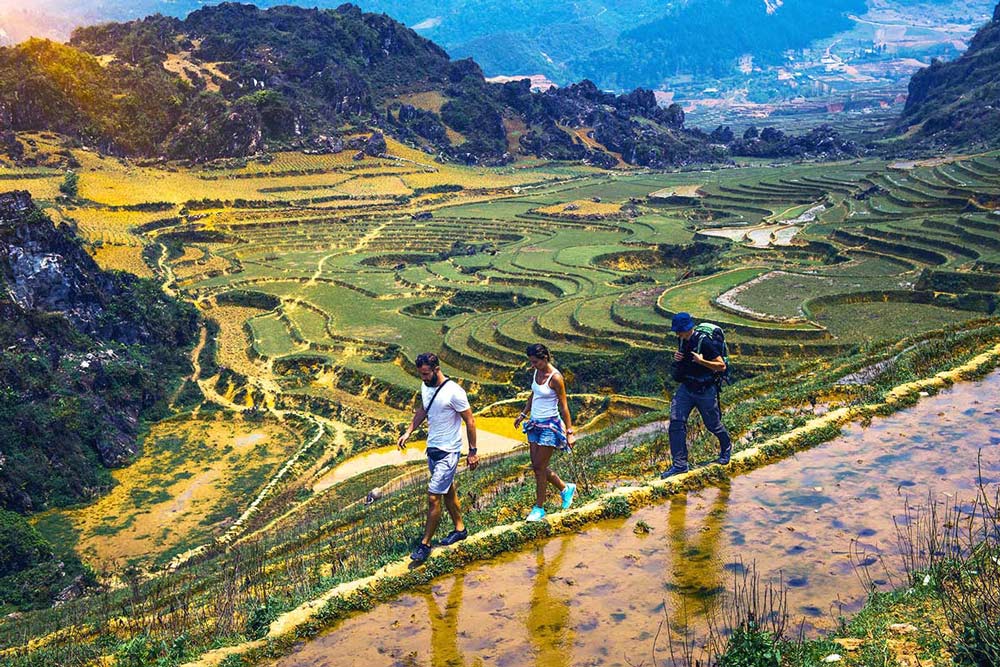
One of the biggest concerns for independent travelers is how to get around Sapa without a car. The good news is that you do not need to drive yourself to enjoy the destination.
Sapa town is compact, steep, and walkable. If you stay near the lake, stone church, Sun Plaza area, or central market, you can reach many cafés, restaurants, shops, and viewpoints on foot.
That said, “walkable” does not mean flat. Sapa has slopes, stairs, and uneven pavements. Bring comfortable shoes, especially if you plan to explore after rain. A short walk on the map can feel more tiring because of the incline.
Walking is best for:
For nearby attractions such as Cat Cat Village, Fansipan cable car station, or some village entrances, local motorbike taxis are widely available. These are known as xe om, which means motorbike taxi in Vietnamese.
For solo travelers, xe om can be convenient and affordable. You do not need to worry about parking, directions, or mountain traffic. Always agree on the price before you get on, or ask your hotel to arrange a trusted driver.
Foreign visitors should be cautious about renting and driving their own motorbikes in Sapa. The roads can be steep, winding, wet, and foggy. If you are not already an experienced rider in mountain conditions, it is better to avoid driving yourself.
Within parts of town and nearby tourist zones, electric buggies may be available. These are useful for short distances, especially if you are tired after trekking or traveling with luggage. Your hotel can usually help arrange local transfers for specific routes.
The most memorable way to move through Sapa is still on foot. For the Muong Hoa Valley, Lao Chai, Ta Van, Giang Ta Chai, or Ta Phin, a local guide makes the experience smoother and safer.
A guide helps with navigation, muddy paths, village etiquette, and cultural context. More importantly, hiring locally can support ethnic minority communities directly when done ethically. If you want a meaningful experience, consider hiring an ethical local trekking guide rather than choosing the cheapest possible option.
For many solo travelers, this becomes the highlight of the trip. You begin with a guide, but the day often turns into a conversation about family, farming, textiles, rice seasons, village life, and what Sapa has become in recent years.
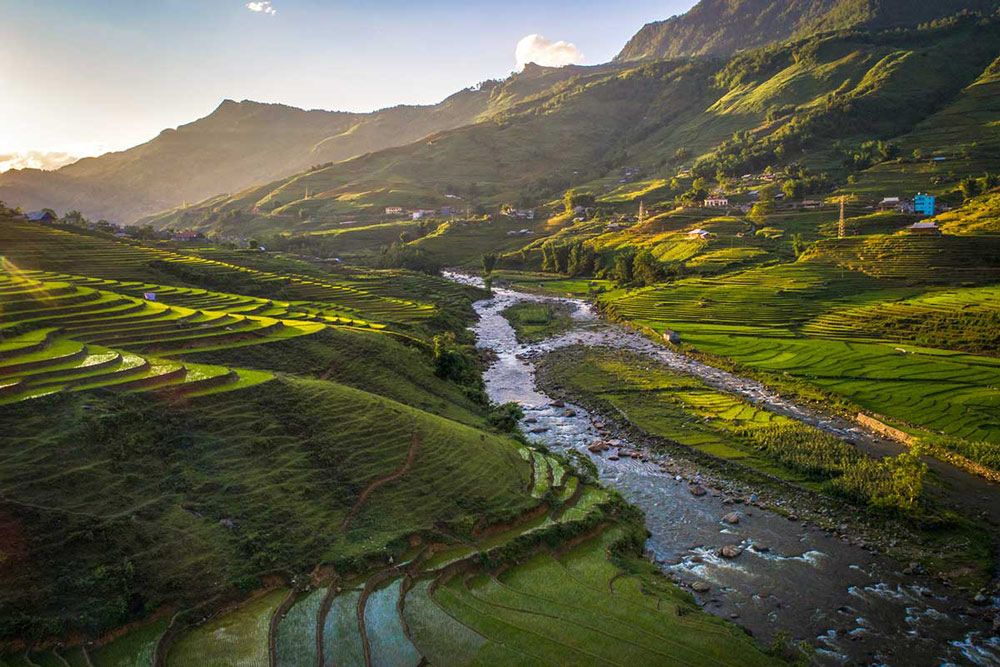
A strong Sapa solo travel itinerary should balance adventure with recovery. Do not try to do everything. Sapa rewards slow attention more than rushed sightseeing.
For most travelers, 3 days and 2 nights in Sapa is the ideal starting point. It gives you enough time to experience Fansipan, trek through the valley, stay in a homestay, and return to Hanoi without feeling completely exhausted.
Below is a practical itinerary designed for solo travelers.
Your first day is about arrival, orientation, and one major highlight.
Most travelers arrive from Hanoi by limousine van or sleeper train. If you arrive by van around midday or early afternoon, check into your accommodation and give yourself time to adjust. Sapa sits at elevation, and the air can feel cooler and thinner than Hanoi.
After a short rest, head toward the Fansipan cable car if the weather is clear. Fansipan is known as the “Roof of Indochina,” and the cable car makes it possible to reach dramatic mountain views without a difficult multi-day climb. On a clear day, the panorama is unforgettable: ridges, clouds, valleys, and sharp layers of green fading into the distance.
For solo travelers, Fansipan is a good first-day activity because it is structured and easy to manage. You can go independently, buy tickets, follow the route, and return to town without needing a group.
In the evening, keep things simple. Walk around Sapa Stone Church, visit the town center, and try local barbecue at the night market. The cool mountain air makes grilled food taste even better. You will find skewers, corn, sweet potatoes, eggs, pork, chicken, mushrooms, and hot drinks.
This first evening is also a good time to decide whether you want to join a group trek the next day or hire a private guide.
Day 2 is the heart of your Sapa trip.
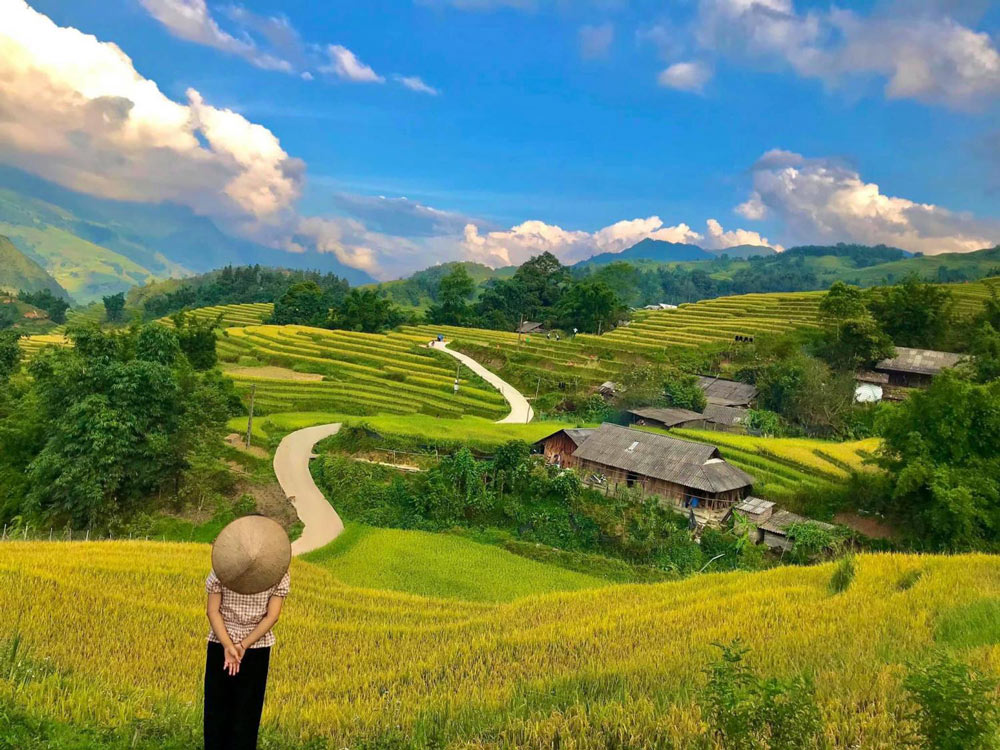
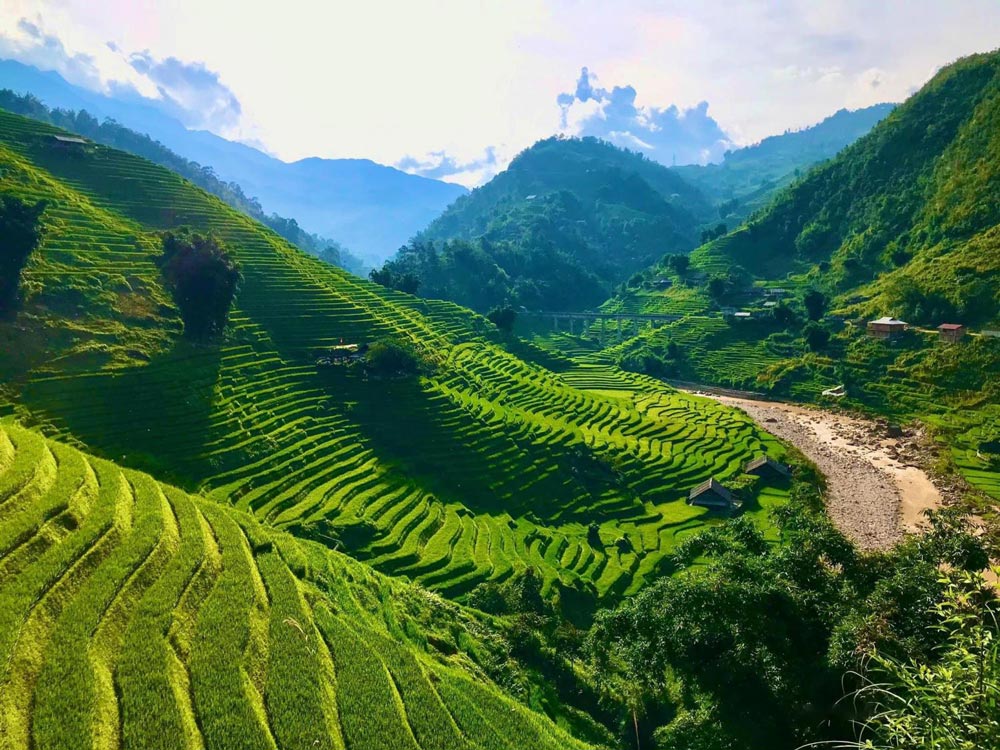
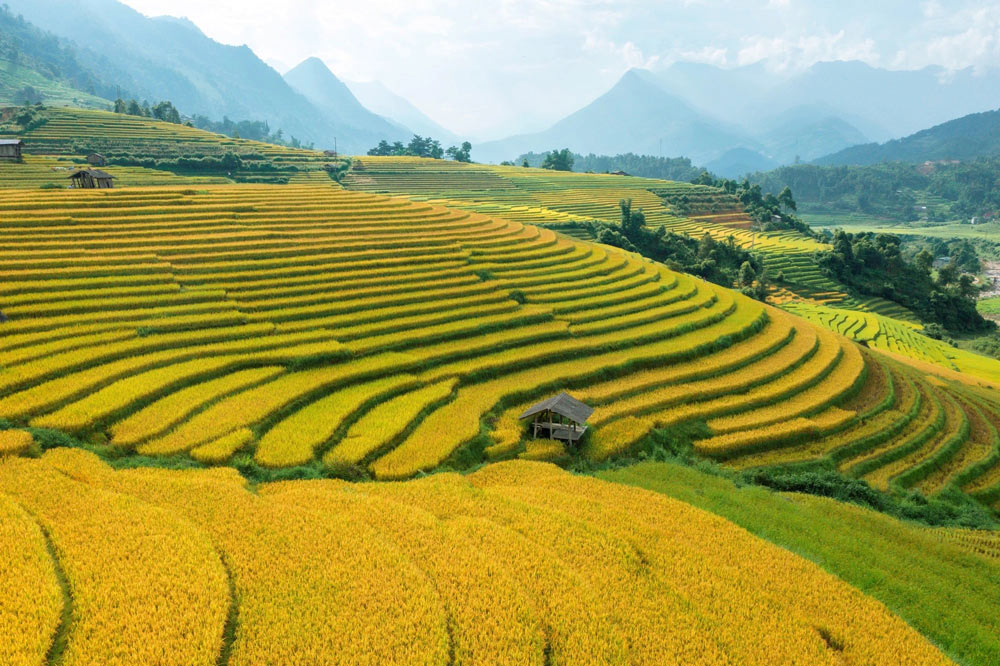
After breakfast, join a small group trek or meet your private guide for a route through the Muong Hoa Valley. A classic option is the trek from Lao Chai to Ta Van Village. This route gives you the landscapes people dream about when they imagine Sapa: rice terraces, wooden houses, bamboo patches, suspension bridges, water buffalo, and mountain views that shift with the weather.
The walking difficulty depends on the season. In dry weather, the paths can be manageable for most active travelers. After rain, they can become slippery and muddy. Good shoes matter. So does patience.
What makes this day special is not just the scenery. It is the rhythm. You walk slowly. You stop often. You notice the sound of water moving through the fields, the smell of wood smoke, the patterns on handmade textiles, and the way clouds can erase and reveal the valley within minutes.
For lunch, you may eat at a local home or small village restaurant. In the evening, stay overnight in a homestay around Ta Van or a nearby village. This is one of the best choices for solo travelers because it gives you a social setting without forcing anything. Homestay dinners often bring guests together around one table, making it easy to talk, share routes, and meet people naturally.
A village homestay also changes your relationship with Sapa. Instead of seeing the valleys as a day-trip backdrop, you experience the slower evening mood after many visitors leave. The air becomes quieter. The sky darkens behind the mountains. You hear insects, dogs, cooking sounds, and distant voices.
This is the part of solo travel in Sapa that stays with many people longest.
After trekking, your body will likely ask for a slower morning. Listen to it.
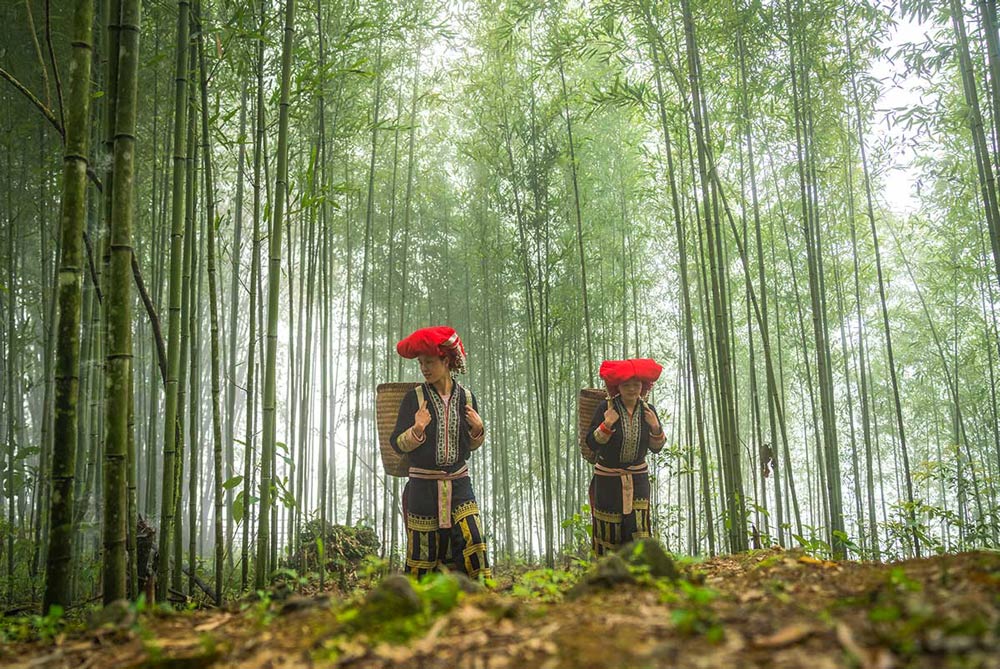
Start with breakfast at the homestay, then return to Sapa town. If you have time, enjoy a traditional Red Dao herbal bath. This is one of the most relaxing ways to end a trekking trip. The bath usually uses herbs associated with Red Dao traditions, creating a warm, aromatic soak that helps tired muscles recover.
If you want to compare options, use this guide to the best Red Dao herbal baths in Sapa. It can help you decide whether to choose a simple local bathhouse, a spa-style experience, or a more private wellness setting.
After the bath, take a gentle walk around Sapa Stone Church or stop at a café with mountain views. Do not overload this day. The goal is to return to Hanoi feeling satisfied, not destroyed.
In the afternoon, take a limousine van back to Hanoi. If you are connecting to Halong Bay, Ninh Binh, or another Northern Vietnam destination, consider spending one night in Hanoi first. Asia Mystika’s Hanoi, Sapa, and Halong Bay guide recommends using Hanoi as a practical hub because direct Sapa to Halong transfers can be long, tiring, and risky for cruise timing.
Independent travel is rewarding, but it also requires decision-making. For some travelers, that is part of the fun. For others, it becomes stressful.
A Sapa solo travel package can be a smart choice if you want freedom without handling every detail yourself. This is especially useful if you have limited time, arrive from another country, or want to combine Sapa with Hanoi, Halong Bay, or Ninh Binh.
The main challenge with Sapa is not whether it is possible to go alone. It is coordinating the moving parts:
Each item is manageable on its own. Together, they can take hours of research, messaging, comparing reviews, and checking schedules.
That is where Asia Mystika can help. Asia Mystika positions itself around personalized travel experiences and worry-free planning, with one consultant supporting travelers from the first message to the end of the trip.
A well-designed Sapa private tour package does not remove the independence of solo travel. Instead, it protects the parts that can go wrong. You still travel as yourself. You still enjoy quiet moments. You still choose your pace. But your transport, accommodation, and guides are arranged with local knowledge.
This is especially valuable if you care about:
If you want to compare routes and options, you can explore our Sapa tour packages. A private or customized package can be especially useful for solo travelers who want support without joining a rigid group tour.
Yes. Sapa is safe for solo travel for most visitors, including both male and female travelers. Locals are used to tourism, serious crime against foreigners is uncommon, and the town center is easy to navigate. The main risks are persistent vendors, slippery trekking trails, sudden weather changes, and walking too far into the mountains without a guide.
Absolutely. You can visit Sapa independently from Hanoi by limousine van or sleeper train, book accommodation yourself, and arrange treks after arrival. However, booking in advance can save time, especially during busy travel periods or if you want a trusted guide and smooth transfers.
Not at all. 27 is not too old to solo travel. Sapa attracts travelers across many age groups, especially people in their late 20s, 30s, 40s, and beyond. The destination is more about nature, culture, trekking, and peaceful views than partying, so mature solo travelers often feel very comfortable here.
You can get around Sapa by walking, using local motorbike taxis or xe om, taking short local transfers, using electric buggies in some areas, or joining guided treks through the valleys. For longer village routes, a local guide is strongly recommended.
The best Sapa solo travel itinerary for first-time visitors is usually 3 days and 2 nights. Spend Day 1 arriving from Hanoi and visiting Fansipan, Day 2 trekking through Muong Hoa Valley and staying in a homestay, then Day 3 recovering with a Red Dao herbal bath before returning to Hanoi.
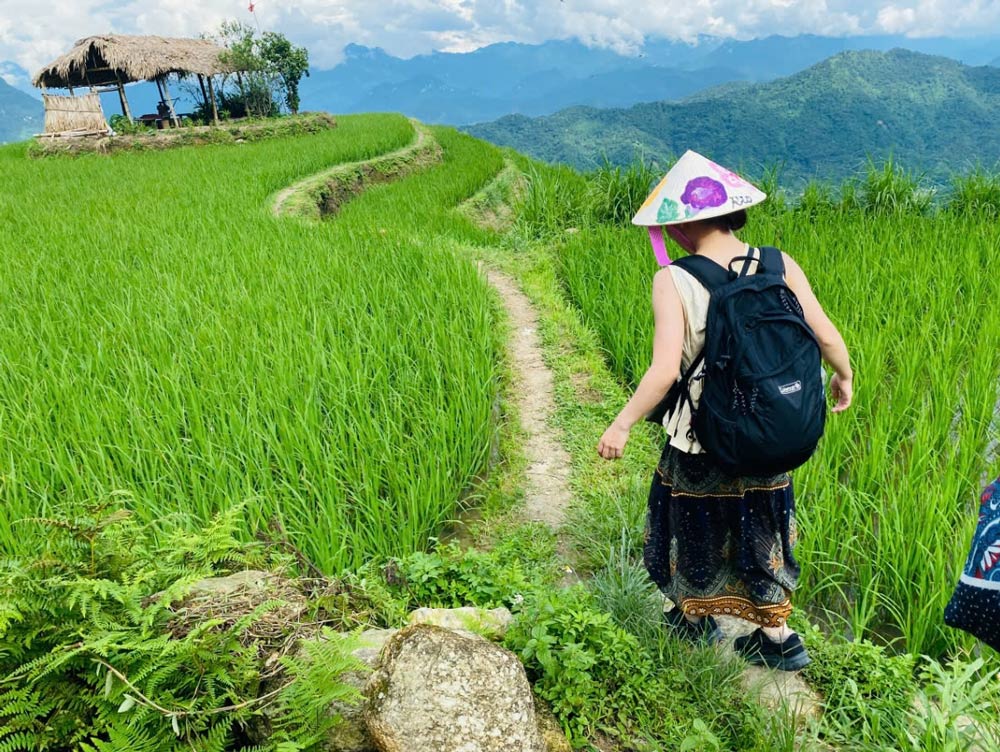
Sapa solo travel is not just possible. It can be deeply rewarding.
This is a destination that gives solo travelers exactly what many of them are searching for: space to think, landscapes that feel larger than everyday life, cultural encounters that happen naturally, and enough travel infrastructure to make the journey manageable.
The key is to plan with the 2026 reality in mind. Sapa town is busier than the postcard version many travelers imagine. But the valleys, villages, mountain paths, and homestay evenings still hold the quiet beauty that makes this place special. Go beyond the center. Choose your trekking route carefully. Respect the weather. Give yourself enough time to slow down.
If you want the adventure without spending hours comparing transfers, homestays, routes, and guide options, Asia Mystika can help. As a trusted tour agent in Vietnam, Asia Mystika can arrange a personalized Sapa journey that keeps your solo freedom intact while removing the stressful logistics.
Whether you want a short 3 day Sapa itinerary, a private trekking experience, a village homestay, or a wider Northern Vietnam route, Asia Mystika can help you save time and effort so you can focus on the part that matters most: enjoying the mountains.
Ready to plan your solo journey? Contact Asia Mystika and start building your perfect Sapa escape.
Ready to go? Start planning your custom Sapa itinerary with us
Who we are: Learn more about the local experts at Asia Mystika
WhatsApp: (+84) 866.22.7878
Email: sales@asiamystika.com
Website: www.asiamystika.com
