 Hotline: +84 866 227 878
- SG$ Singapore Dollar
- A$ Australian Dollar
- £ British Pound Sterling
- C$ Canadian Dollar
- € Euro
- MYR Ringgit Malaysia
- US$ United States Dollar
- đ Vietnamese Dong


 Hotline/Whatsapp: +84 86 622 7878
 Email: sales@asiamystika.com
 About Us
 Destinations
 Travel Styles
 Travel Guide
 Blogs
Blogs
 News
News

Plan the perfect trip with our 2026 Sapa travel guide. We cover the best months to visit, Hanoi to Sapa transport, and top things to do without trekking.
A trip to Sapa used to mean one thing: rugged trekking trails, basic homestays, and days spent walking through quiet mountain villages with very little infrastructure.
That version of Sapa still exists — but it’s no longer the full story.
Today, Sapa looks very different. The town has officially evolved into a “National Strategic Tourism City,” where modern expressways bring travelers from Hanoi in just a few hours, and luxury hotels stand side by side with traditional H’Mong markets. This contrast defines Sapa Vietnam 2026.
That’s why this guide takes a realistic approach. This is not just another highlight list — it’s a candid Sapa review so you understand what you’re actually walking into, including the crowds, the convenience, and the cultural experience.
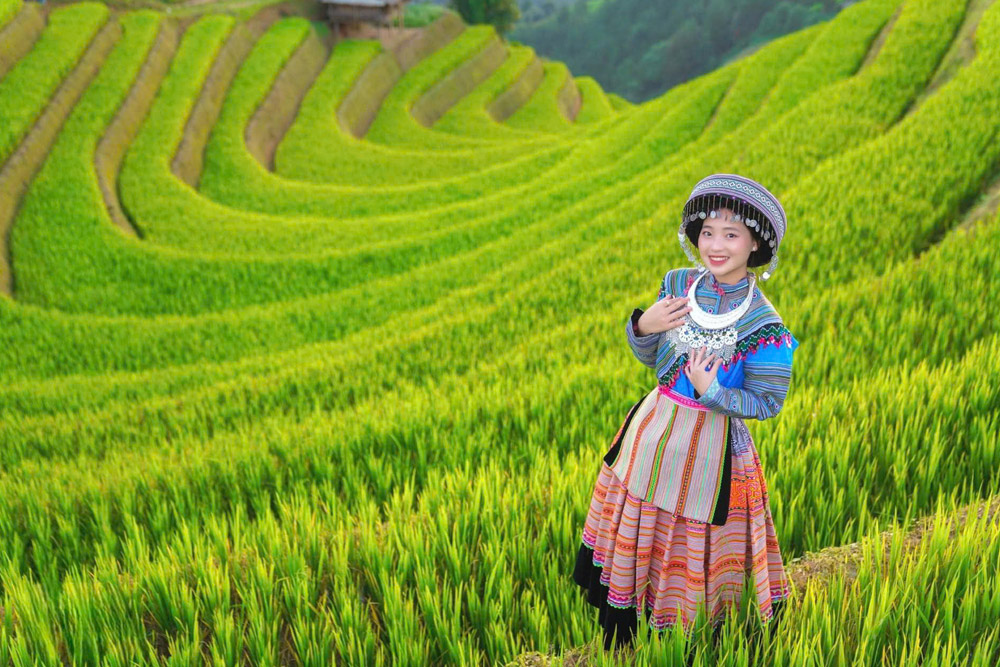
In this complete Sapa travel guide, we’ll cover:
What travel to Sapa looks like today (transport, accessibility, and timing)
The most important Sapa tourist attractions and where to go in Sapa first
How to plan your trip to Sapa based on your travel style
And the best way to balance nature, culture, and comfort in your itinerary
Whether you’re planning a rugged Vietnam tour Sapa adventure or a more relaxed mountain escape, this guide will help you navigate Sapa clearly, practically, and without surprises.
Planning your travel to Sapa starts with understanding one key fact: despite rumors over the years, there is still no airport in Sapa as of 2026. That means every trip to Sapa involves a two-step journey — flying into Hanoi, then heading north into the mountains.
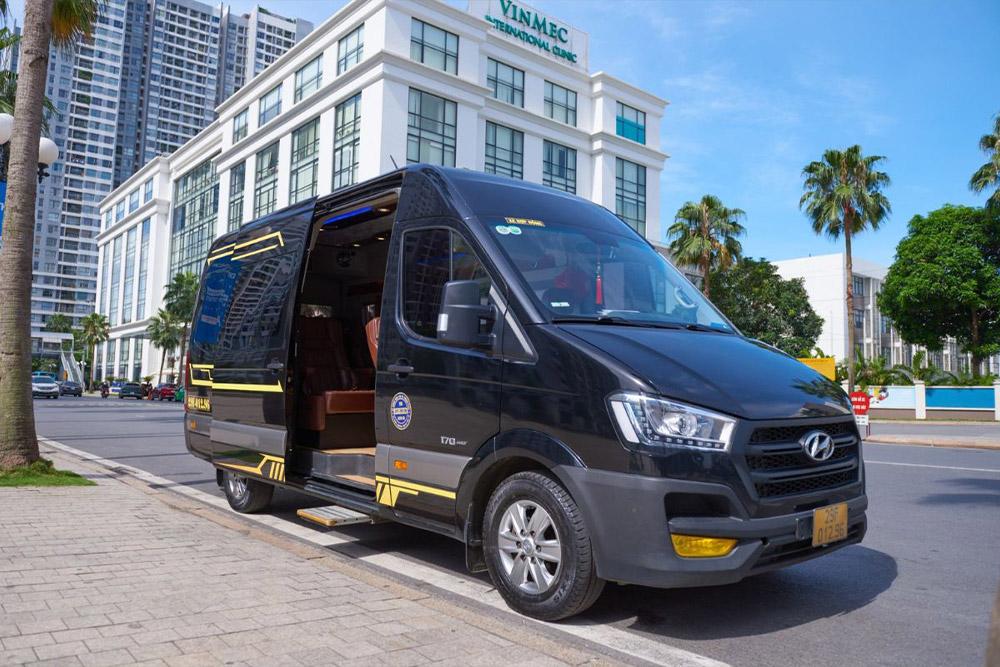
This is the most popular option for modern travelers.
Thanks to the Noi Bai – Lao Cai expressway, travel time has been reduced significantly:
5.5 to 6 hours door-to-door
Direct drop-off at your hotel in Sapa
These VIP vans usually feature:
Reclining “business-class” seats
Air conditioning
Hotel pickup in Hanoi Old Quarter
Due to updated traffic regulations in Hanoi, departure slots are more structured. Booking early is essential if you want a convenient departure time.
For most travelers, this is the best balance between speed and comfort.
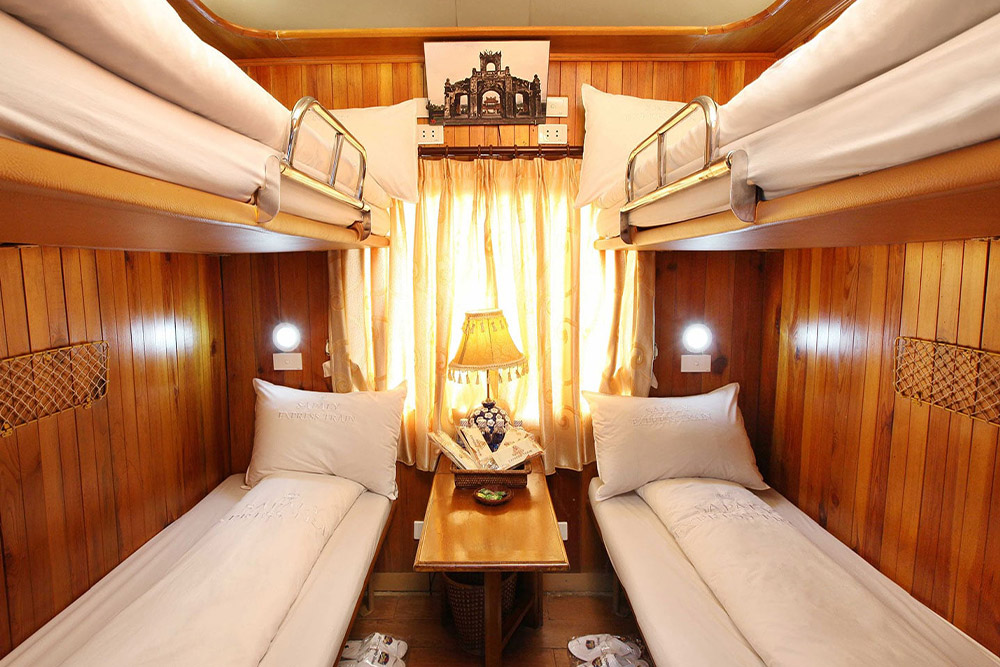
If you want a more traditional journey, the overnight train is still a popular choice.
Travel time: ~8 hours from Hanoi to Lao Cai Station
Followed by: 1-hour mountain transfer to Sapa town
The experience feels slower, but more atmospheric:
Private cabins (2 or 4 berths)
Wood interiors and soft lighting
A more relaxed pace of travel
Getting to Sapa is no longer the challenge it used to be. The real challenge is choosing the right transfer, timing it around crowds, and making every day feel worth the journey. That’s where Asia Mystika can help, turning the logistics into a seamless, personalized Sapa plan built around how you actually want to travel.
One of the most important decisions in any Sapa travel plan is timing. The landscape changes dramatically throughout the year, so the answer to “Which month is best to visit Sapa?” depends on what kind of experience you’re looking for.
The Golden Harvest (September - November)
Visiting Sapa, Vietnam in its peak season, you will enjoy golden Sapa rice fields, cool weather, clear views. This is peak season for photography and also the busiest time. Expect more crowds, higher prices, and limited hotel availability — but the scenery is at its absolute best.
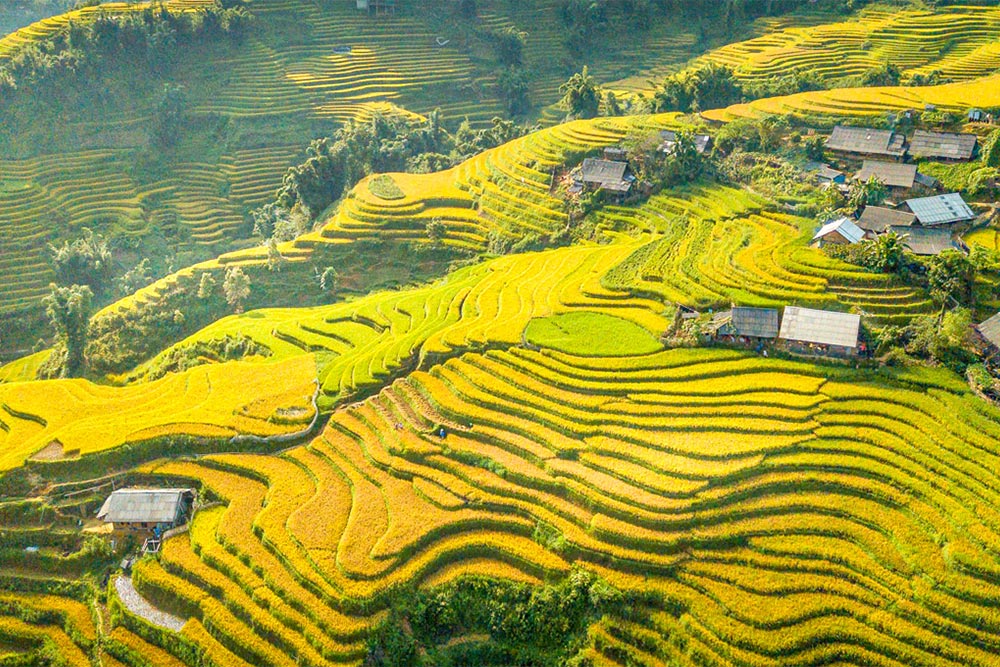
The Watering Season & Spring (March - May)
This is the most underrated window for Sapa travel. The weather is pleasant, flowers bloom across the valleys, and the flooded rice terraces create beautiful mirror-like reflections during watering season. The weather is mild, and the crowds are lighter than in peak season. If you want something visually unique and less crowded, this is a strong choice.
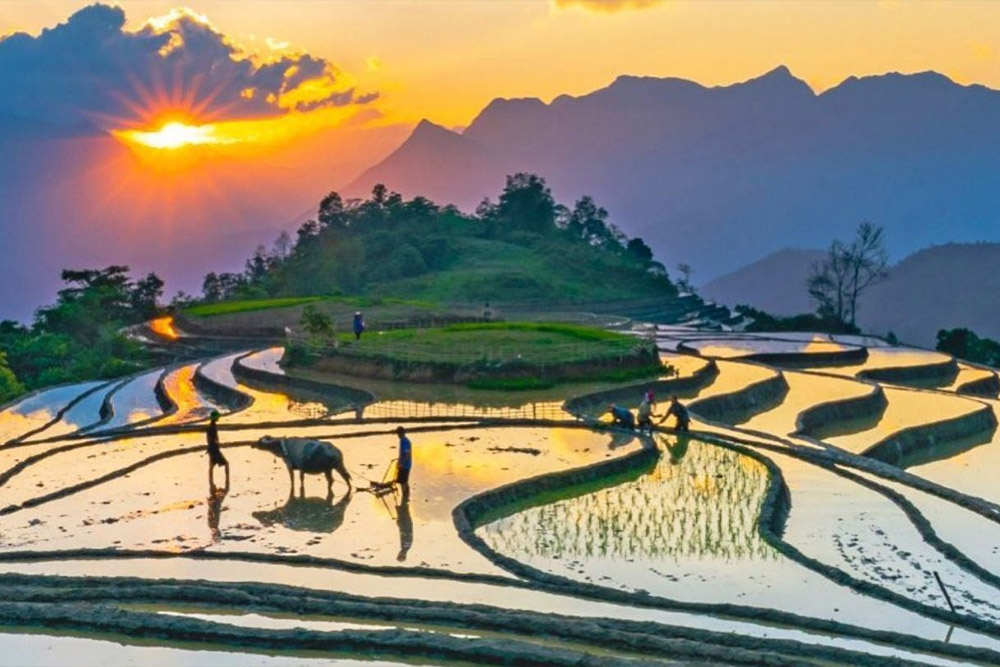
The "Avoid" Months (June - August)
This is the least recommended period for most travelers. This period brings heavy rain, thick fog, and occasional landslide risks on mountain roads. While prices are lower, the weather can significantly limit your experience.
So, which month is best to visit Sapa? September – November is the best for golden rice terraces, March - May is another choice with fewer crowds and spring landscapes.
When planning your Sapa travel, deciding where to go in Sapa will shape your entire experience. Sapa is not just one place — it’s a contrast between a busy mountain town and quiet valley landscapes.
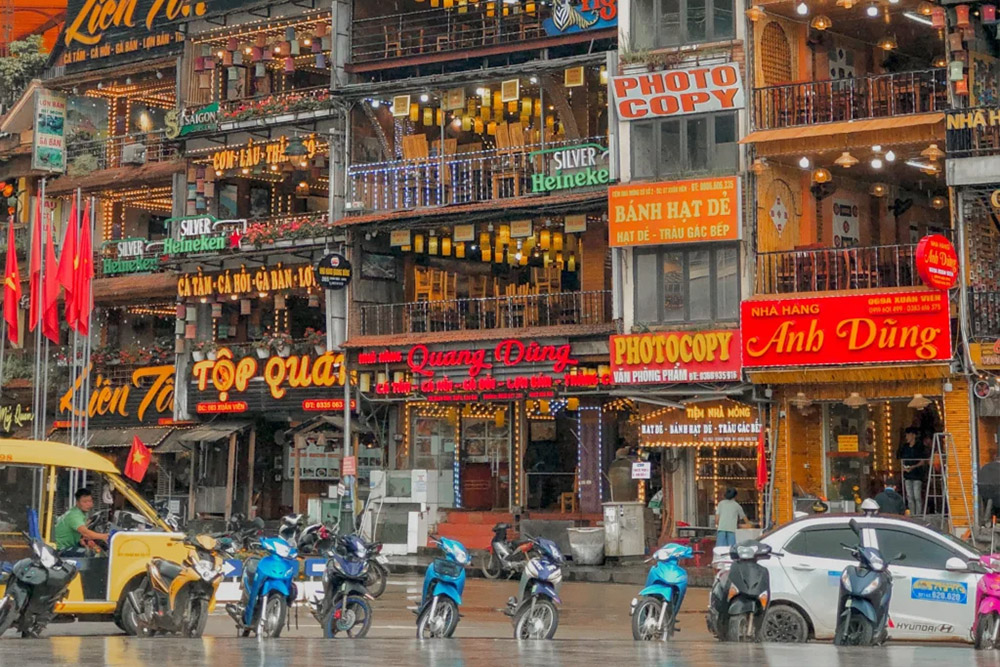
Sapa Town Center is the hub of most Sapa tourist attractions. You’ll find everything here: hotels, cafés, restaurants, spas, and direct access to the Fansipan cable car. It’s the easiest place to stay if you want convenience — you can walk to most places, book tours easily, and enjoy nightlife or shopping.
However, Sapa Vietnam now is much busier than before. Traffic, crowds (especially on weekends), and a more commercial feel are part of the experience. It’s ideal for first-time visitors who want comfort and accessibility.
Located about 10 km from town, these villages offer a completely different side of Sapa. This is where you’ll find the iconic rice terraces, quiet walking paths, and traditional homes of ethnic minority communities.
Staying here means waking up to mountain views, hearing nature instead of traffic, and experiencing a slower pace of life. Many accommodations are homestays or boutique eco-lodges.
The trade-off is convenience — fewer restaurants, limited transport, and you’ll need to plan trips into town if needed.
Many travelers now combine both — spending one or two nights in town, then moving to the valley for a quieter second half of their trip to Sapa.
If you’re wondering how many days in Sapa is enough, the sweet spot for most travelers is 3 days and 2 nights. This gives you enough time to experience the highlights without feeling rushed.
Here’s a balanced Sapa travel itinerary that mixes iconic attractions with local experiences:
Day 1: Arrival – Muong Hoa Monorail – Cable car to Fansipan
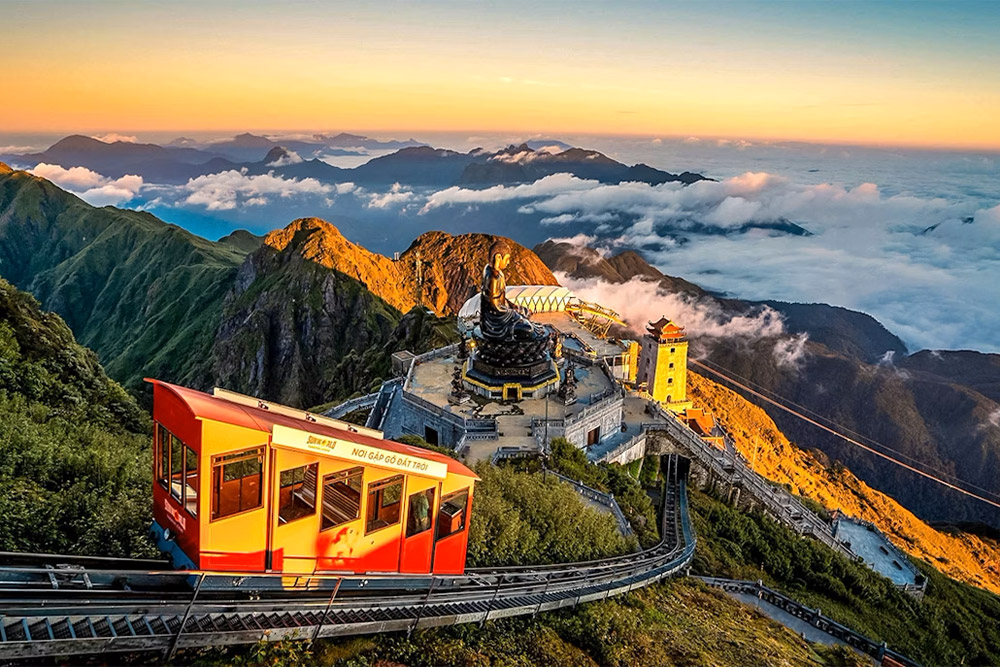
Arrive from Hanoi around midday, check into your hotel, and take it easy for a few hours. In the afternoon, head straight to Sun World Fansipan Legend.
Ride the Muong Hoa Monorail followed by the cable car to reach the summit area. It’s the fastest way to experience “the Roof of Indochina” without trekking. Expect cooler temperatures and incredible mountain views above the clouds.
Day 2: Lao Chai/Ta Van Village – Coffee Break
This is the core of your Sapa travel experience. Hire a local Sapa tour guide (or trekking guide) to explore the Muong Hoa Valley, including villages like Lao Chai and Ta Van.
Walking with a guide adds context — you’ll understand the culture, daily life, and landscape much better.
Midway through your trek, take a break at a mountain-view Sapa café. A strong Vietnamese iced coffee with mist rolling through the valley is one of those simple but unforgettable moments.
Day 3: Sightseeing at Cat Cat Village or Rong May Glass Bridge
Keep the final morning light and flexible. Visit Cat Cat Village early to avoid crowds, or take a taxi to the Rong May Glass Bridge for a more adrenaline-focused experience.
After lunch, head back to Hanoi via limousine van or train.
One of the biggest shifts in Sapa now is flexibility. Here, you can choose between full trekking immersion or effortless sightseeing — or combine both.
For those who want authenticity, trekking remains the highlight of any Sapa travel experience.
Routes through Giang Ta Chai offer bamboo forests, waterfalls, and scenic trails, while Sin Chai provides a quieter, less-commercialized alternative. This is where you’ll see daily life in the mountains, interact with local communities, and experience the landscape up close.
Trekking is more demanding, but it delivers the deepest connection to Sapa’s culture and nature.

If you’re wondering what to do in Sapa without trekking, there are plenty of options that still capture the essence of the region:
Fansipan Peak: Take the cable car to the “Roof of Indochina” and enjoy panoramic views along with the iconic 21.5-meter Great Buddha statue.
Moana Sapa: A modern photo destination with Bali-inspired gates and infinity-style viewpoints. Easy to access and designed for visuals.
Heaven’s Gate (O Quy Ho Pass): Hire a taxi and visit at sunset for one of the most dramatic viewpoints in the region — no hiking required.
Love Waterfall: Slightly more walking than Silver Waterfall, but still a gentle paved path through forest. Very manageable and peaceful.
Sapa Night Market: Street food, local snacks, and handicrafts. No effort required, just explore and enjoy.
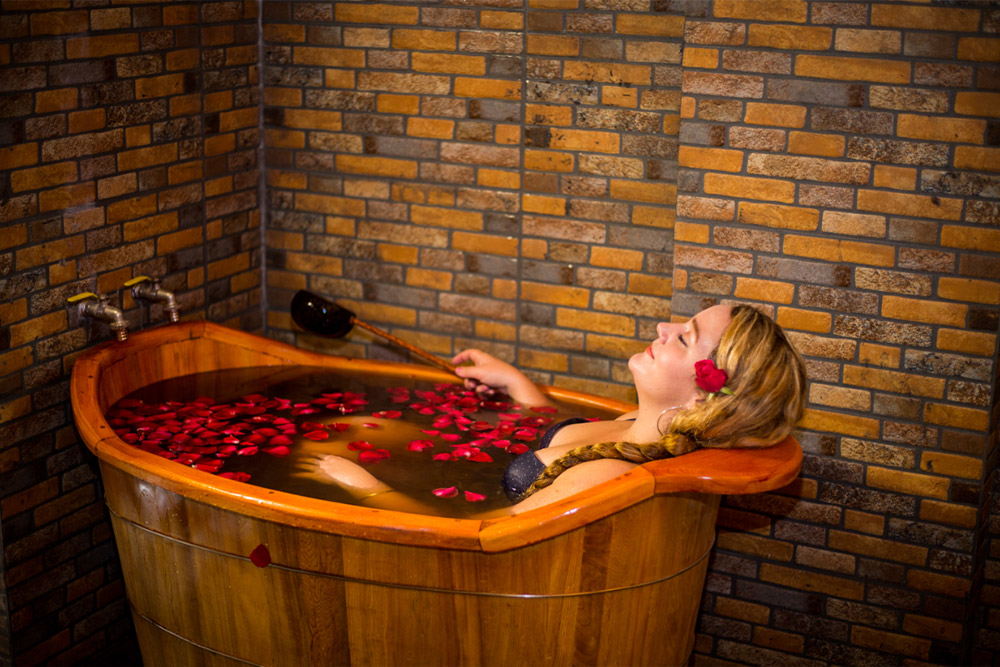
Sapa Spas (Red Dao Herbal Bath): A traditional hot herbal soak made from forest plants. Perfect after travel or light walking.
Cat Cat Village: The easiest village to visit without trekking. It’s more curated and touristy compared to villages like Ta Van or Sin Chai, but still a great introduction to local culture for a family trip.
Trekking offers depth and authenticity, while non-trekking experiences offer convenience and accessibility. The best Sapa travel plan in 2026 is a mix of both — and if you want that balance done right, share your preferences with our local experts to get a personalized itinerary built around your travel style.
After sunset, Sapa takes on a completely different atmosphere. If you’re wondering things to do in Sapa at night, the focus shifts from sightseeing to slow, cozy experiences.
Sapa Square & Stone Church
This is the heart of the town in the evening. The area comes alive with lights, street performers, and crowds gathering. On weekends, you may catch the traditional “Love Market” performances, where local ethnic groups showcase music and dance.
The Night Market (N1 Street)
A lively spot to browse H’Mong handicrafts, textiles, and silver jewelry. It’s less about shopping and more about soaking in the local vibe, trying snacks, and walking through the colorful stalls.
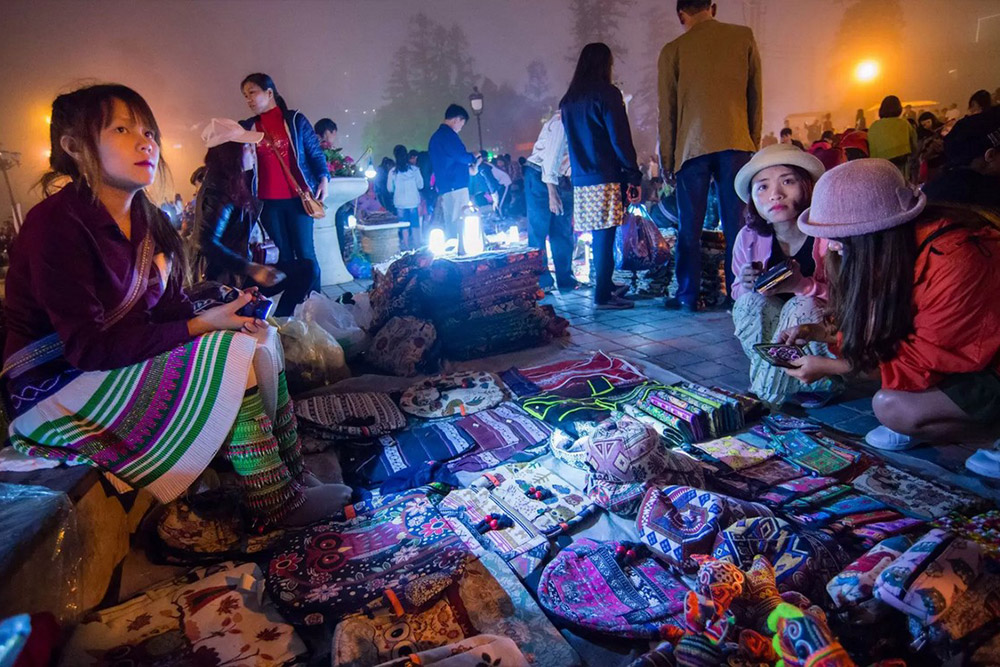
Warm Up Experiences
Nights in Sapa can get very cold, so this is the perfect time to slow down:
Enjoy a Red Dao herbal bath to relax after a long day
Or sit down for a bubbling salmon or sturgeon hotpot, one of the most comforting meals in the mountains
Yes — but with realistic expectations.Sapa now is more developed and crowded than before. For the peaceful scenery you see in photos, stay in the valley villages instead of the busy town center.
3 days and 2 nights is ideal. It gives you enough time to visit Fansipan, explore one village, and recover from the long travel to Sapa.
September is best for golden rice terraces. April is a great alternative with spring weather, flowers, and clearer skies.
Fly to Hanoi, then continue your trip to Sapa by limousine van (5.5–6 hours) or overnight train to Lao Cai followed by a short transfer.
Take the Fansipan cable car, visit Silver Waterfall, explore Cat Cat Village, stop by Moana Sapa for photos, or relax at a cliffside café.
A great Sapa travel experience is not just about pointing your camera at the mountains. It is about understanding how quickly this highland town is changing — and knowing how to balance convenience, culture, and nature.
Sapa in 2026 can be busy, modern, and commercial, but it can also still be deeply beautiful if you plan it well. Go for the culture, stay for the views, and always pack a rain jacket — even now, the mountain weather does whatever it wants.
If you want help turning your ideas into a smooth, well-paced journey, Asia Mystika can design a personalized Sapa itinerary around your travel style, from transport and hotels to trekking routes, valley stays, and no-trekking experiences.
