 Hotline: +84 866 227 878
- SG$ Singapore Dollar
- A$ Australian Dollar
- £ British Pound Sterling
- C$ Canadian Dollar
- € Euro
- MYR Ringgit Malaysia
- US$ United States Dollar
- đ Vietnamese Dong


 Hotline/Whatsapp: +84 86 622 7878
 Email: sales@asiamystika.com
 About Us
 Destinations
 Travel Styles
 Travel Guide
 Blogs
Blogs
 News
News

October is peak season in Sa Pa: cool, mostly dry, and famous for golden rice terraces. See temperatures, rainfall, visibility, packing tips, and how to plan your Sapa trip in October.
The Temperature: Weather in Sapa in October is cool and comfortable, with mild mornings around 14°C to 17°C and pleasant afternoons around 20°C to 23°C.
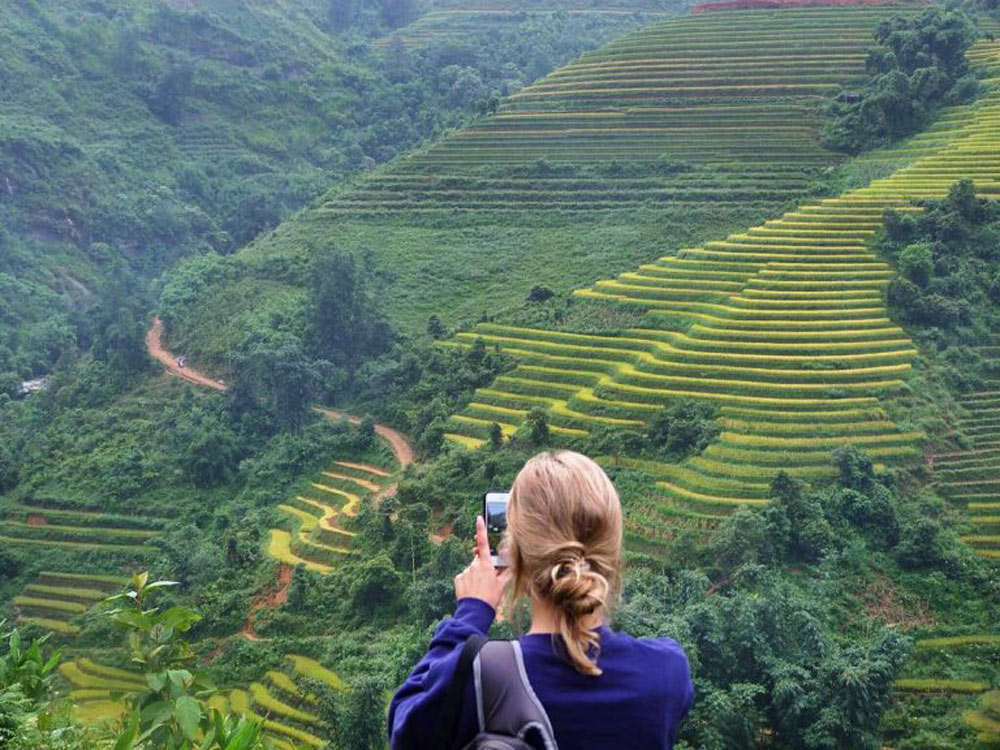
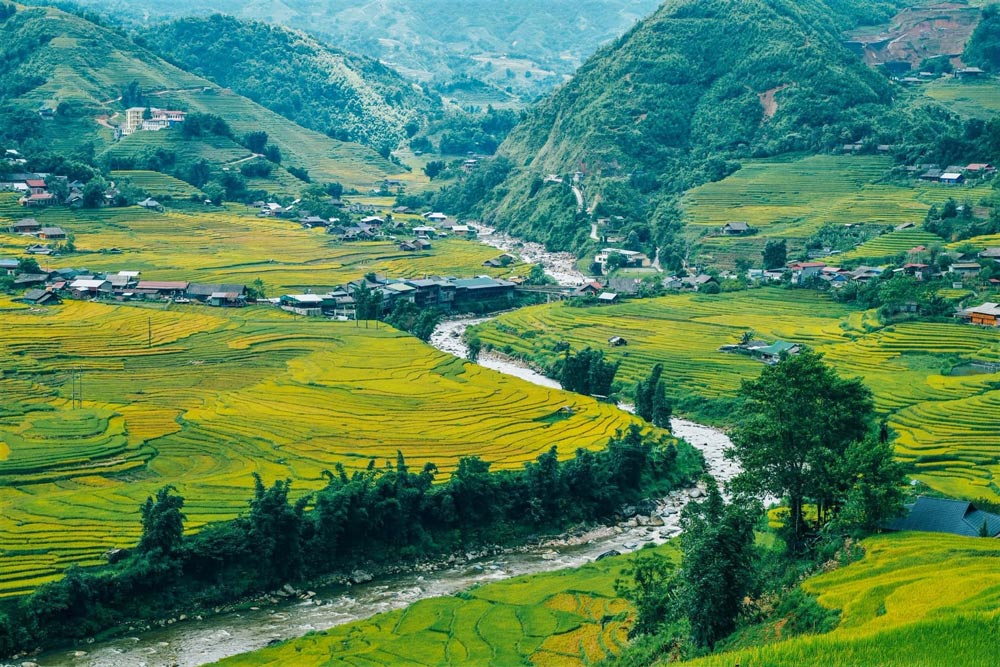
The Scenery: October is peak golden rice terrace season. The fields ripen to deep gold in early October before harvesting cuts them back to sculpted stubble by late month.
Trekking Conditions: Rainfall drops sharply from September, with mostly dry, firm trails. This is peak trekking season, and also one of the busiest times of year.
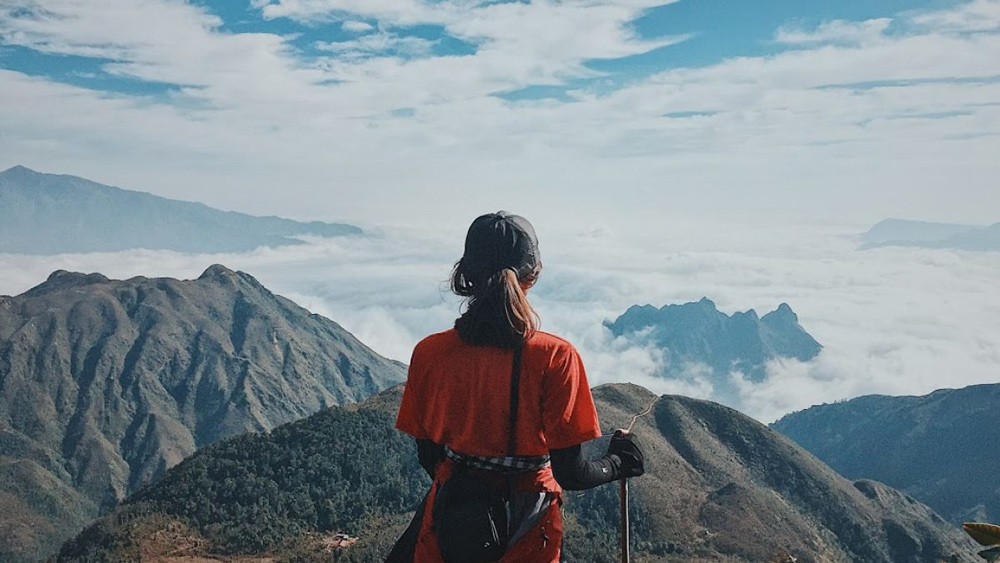
Visibility: Skies are generally clear with occasional morning mist, offering some of the year’s best conditions for photographing the terraces, Muong Hoa Valley, and Fansipan.
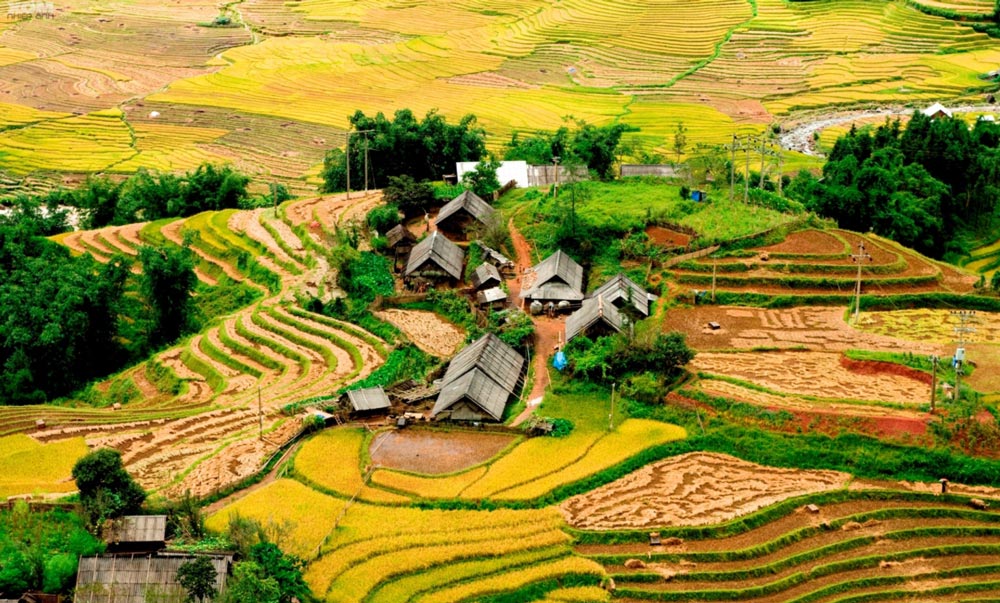
The weather in Sapa in October is cool, dry, and comfortable. Daytime temperatures usually sit around 20°C to 23°C, while overnight lows often drop to around 14°C to 17°C. It is one of the most pleasant months for walking, trekking, photography, and village exploration.
October sits at the tail end of the wet season. This means early October can still carry a few lingering showers, especially after humid afternoons or mountain cloud build-up. However, rainfall drops quickly as the month progresses. By late October, Sapa begins to feel much closer to November: crisp, dry, and clear.
This is exactly why October is so popular. You get the beauty of harvest season without the heavy monsoon rains of July and August. You get comfortable temperatures without the deep winter cold of December and January. And if you arrive at the right time, you get the most iconic Sapa view of all: golden rice terraces rolling across the valleys.
For many travelers, Sapa in October is the dream version of the destination. The air feels fresh. The trails are firm. The mountains are visible. The light is warm. The fields glow yellow. And ethnic villages around Lao Chai, Ta Van, Y Linh Ho, and Muong Hoa Valley feel especially photogenic.
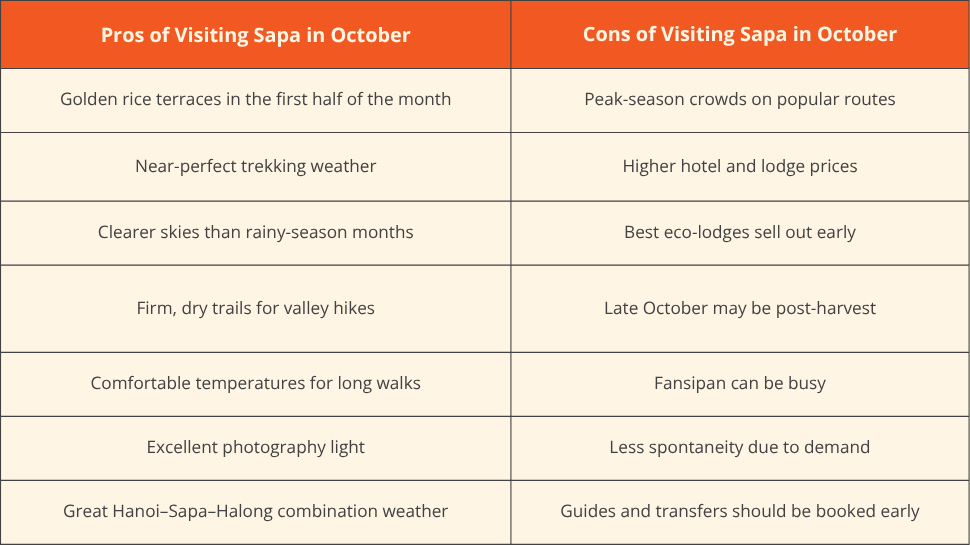
But October also comes with one important warning: it is peak season. The golden window is short, and many travelers know it. Hotels, eco-lodges, guides, and good transfer options can book out quickly, especially during the first half of the month.
So, is October beautiful? Absolutely. Is it effortless? Not if you leave planning until the last minute.
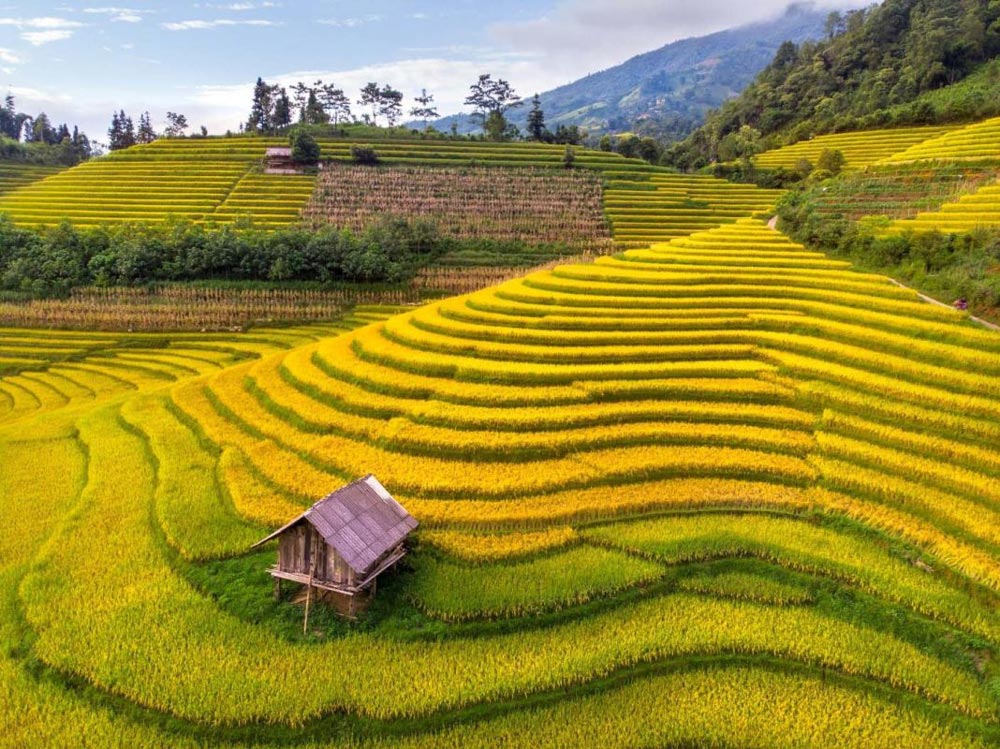
Weather in Sapa in October marks the shift from the final edge of summer rain into Sapa’s driest and clearest stretch of the year. Humidity falls steadily through the month, and by late October, the climate becomes crisp, cool, and trekking-friendly.
The most important detail is the day-to-night swing. October afternoons are mild and comfortable, but mornings and evenings can feel chilly, especially if you stay outside Sapa town or wake up early for sunrise photography.
Early October still feels like autumn harvest season. Late October begins to feel cooler and drier, with a stronger hint of winter in the evening air.
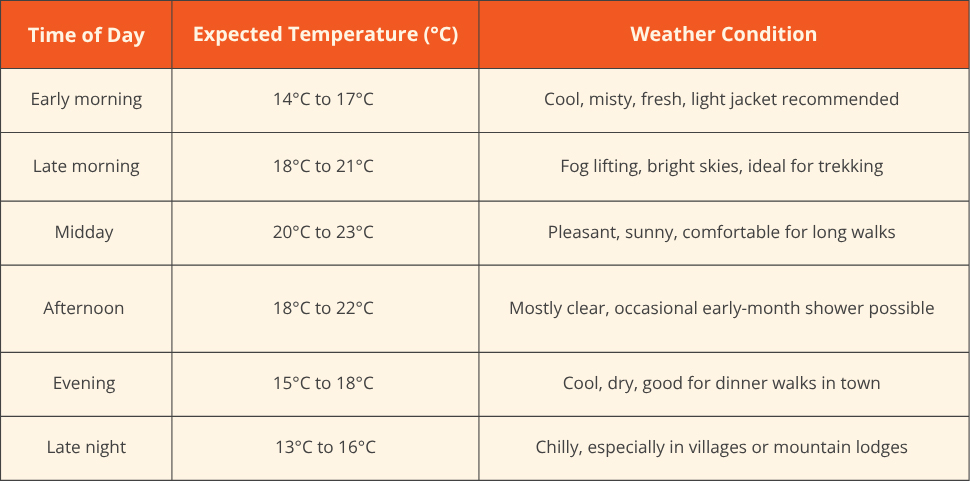
This weather is ideal for trekking because you can walk for hours without overheating. The air is lighter than in summer. The trails are much less muddy than in the monsoon months. Visibility is usually better than in the rainy season, especially from mid-morning onward.
October mornings may begin with mist, especially in the valleys. This is not always a bad thing. Mist can make the terraces look softer and more dramatic. By around 8:00 AM to 9:30 AM, it often lifts enough to reveal golden fields, blue skies, and mountain layers.
For photographers, October is excellent because the light changes beautifully across the day. Early morning mist adds mood. Mid-morning gives clarity. Late afternoon creates warm golden tones across the terraces. If the rice has not yet been cut, this is the kind of light travelers dream about.
Yes, Sapa is crowded in October, especially in the first half of the month.
October is peak season because of the golden rice harvest and reliable weather. Popular viewpoints, eco-lodges, homestays, trekking routes, and the Fansipan cable car can be busy. If you want good accommodation and a strong local guide, book well ahead instead of waiting until arrival.
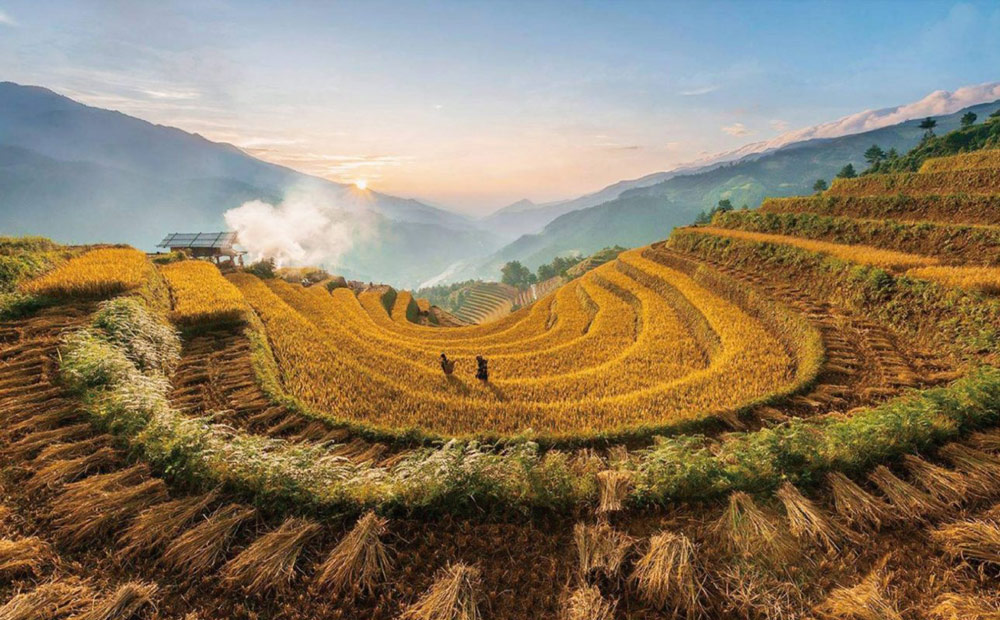
Yes, October is a good time to visit Sapa. In fact, for many travelers, it is the single best month of the year.
The combination is hard to beat: dry weather, comfortable temperatures, golden rice terraces, clearer skies, and excellent trekking conditions. If you want the classic Sapa postcard view, October gives you the strongest chance, especially in the first half of the month.
However, timing matters more than most travelers realize.
The rice terraces do not stay golden for the entire month. They typically reach peak gold in the first two weeks of October, although the exact timing shifts slightly each year depending on weather, planting dates, and village altitude. Harvesting often begins during the second half of the month. By late October, many fields may already be cut, leaving dry straw-colored stubble instead of glowing rice.
That post-harvest look is still beautiful, but it is different. The terraces become sculpted and textured rather than lush and golden. If your main goal is the classic golden photo, aim for early-to-mid October and ask your tour operator about that year’s harvest timing before confirming dates.
October is especially good for:
The main trade-off is popularity. October is beautiful because it is peak season. It is crowded for the same reason.
If your single priority is the golden rice terrace photo, October is the best month to go to Sapa, full stop. More precisely, the first half of October is usually the strongest window for deep-gold fields before harvesting is complete.
If you want similar weather but fewer crowds, consider September or November.
Here is the seasonal comparison:
Avoid late October if the terraces themselves are your main draw and you absolutely need golden rice. By then, the harvest may already be well underway or finished in many fields. If your priority is trekking comfort and clear skies, late October is still excellent.
Yes, 3 days in Sapa is enough in October if your itinerary is planned carefully and booked early.
October is the busiest month of the year, so spontaneity can be difficult. A 3-day plan works well when your guide, accommodation, and transfers are already secured. It gives you enough time for one golden-terrace trek, one Fansipan morning, and one village or market experience without rushing too much.
Because October weather is generally reliable, you do not need as much rain-buffer time as in July or August. Still, build some flexibility into the plan because mountain fog and harvest timing can change day by day.
Day 1: Arrival, Sapa Town, Cat Cat Village and Golden-Hour Viewpoint
Arrive from Hanoi by private car, limousine van, or overnight train via Lao Cai. After check-in, keep the first day light so you can adjust to the mountain air.
Explore Sapa town, visit Sapa Stone Church, walk around the central square, and enjoy coffee with a valley view. In the afternoon, visit Cat Cat Village for an easy introduction to the landscape.
If the rice is still golden, plan a late-afternoon viewpoint stop for golden-hour photography. The light at this time can make the terraces glow beautifully.
Day 2: Muong Hoa Valley Trek Through Lao Chai and Ta Van
Dedicate your second day to the classic Muong Hoa Valley trekking route. Walk through Lao Chai, Ta Van, or nearby villages with a local guide who understands which terrace areas are still golden during your travel week.
This is the day for your main harvest-season experience. Early October can be spectacular, with deep golden fields, local farmers harvesting rice, and layered mountain views. The trails are usually firm, making this one of the best months for longer walks.
A guided trek is strongly recommended because harvest timing varies from village to village. A good guide can adjust the route to find the best remaining terrace views.
Day 3: Fansipan Cable Car, Market Visit and Departure
Use your final morning for Fansipan if the forecast is clear. October is one of the better months for summit visibility, but early morning mist can still appear. Check local conditions and go when visibility is strongest.
After Fansipan, return to town for lunch, visit a local market, or enjoy a gentle café stop before departing for Hanoi.
If Fansipan is foggy, swap it with a lower viewpoint, Ham Rong Mountain, or a short village visit.
For October, book 2 to 4 weeks ahead at minimum. For the first two weeks of October, booking even earlier is better, especially if you want a good eco-lodge near Ta Van or Lao Chai.
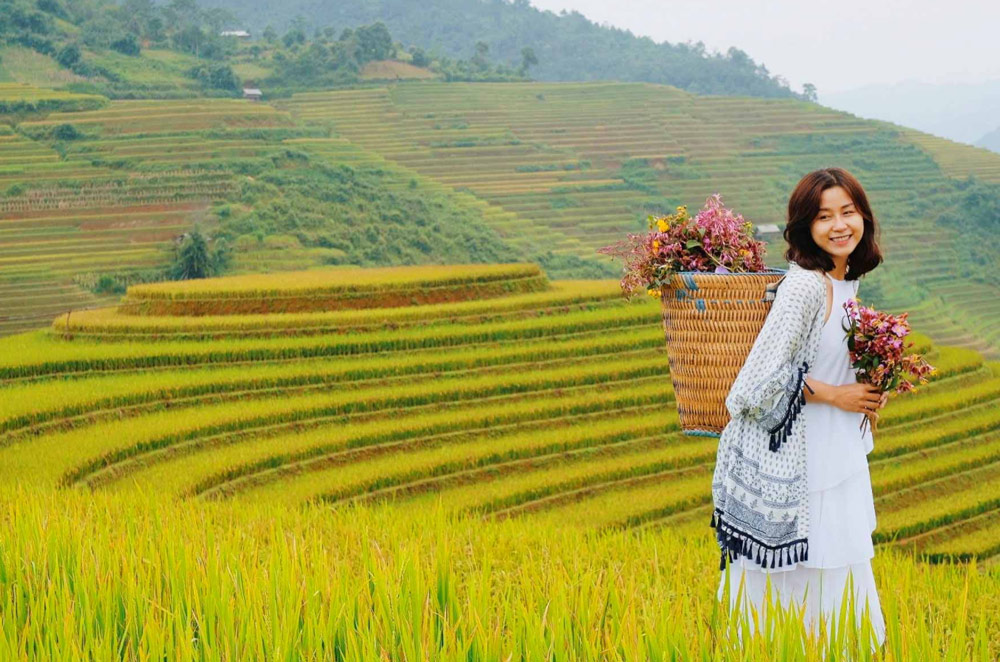
October is the most photographed month in Sapa, but it is also the month with the most unrealistic expectations.
Many blogs simply say, “October equals golden terraces.” That is partly true, but it misses the most important detail: the golden window is narrow.
The true peak-gold window is usually around the first two weeks of October. It can shift slightly depending on the planting date, rainfall, temperature, and exact village location.
This means booking “sometime in October” is not precise enough if the golden photo is your main goal.
Some years, certain fields are already harvested by mid-October. Some higher or shaded terraces may stay golden a little longer. Some lower areas may be cut earlier. The landscape can change quickly from glowing yellow to harvested stubble within days.
This is why travelers should ask a local operator for that year’s specific harvest forecast before locking travel dates.
The right question is not only, “Is October good for Sapa?” The better question is, “Which week of October is best for golden terraces this year?”
That small difference can make or break the experience.
October is the month when good planning matters most.
An Asia Mystika guide explains:
“October is the one month where we tell every client the same thing: book your homestay and guide at least a month out, ideally more. The best-located eco-lodges near Ta Van and Lao Chai sell out for the first two weeks of October long before the season even starts, because returning travelers already know this is peak gold.”
This is not exaggeration. The best-located stays are limited. The best trekking guides are in demand. The most scenic lodges book out first. Good private transfers also become more important because roads, arrival times, and luggage coordination can affect the whole trip.
If you want a smooth October Sapa experience, secure these early:
October rewards travelers who plan ahead. It can disappoint travelers who arrive without bookings and expect the best options to still be available.
Packing for Sapa weather in October is easier than packing for winter or monsoon season, but layers are still important.
The day can feel mild and sunny, while early mornings and evenings can feel chilly. If you are trekking, you may warm up quickly during the day. If you are riding to Fansipan or waiting at viewpoints, you may feel cold in the wind.
October Sapa packing checklist:
For early October, bring a light rain layer. Lingering showers are still possible. For late October, add more warmth, especially if you plan sunrise photography or Fansipan.
You do not need a heavy winter parka unless you are highly sensitive to cold or traveling at the very end of the month. A fleece and windproof jacket are usually enough for most travelers.
Pack light layers for mild days and a warmer fleece or light jacket for cool mornings and evenings. Rain gear is optional but useful in early October when a lingering shower is still possible.
Yes, October is peak season in Sapa thanks to the golden rice harvest and dry, comfortable weather. Expect busier trails, higher accommodation prices, and stronger demand for local guides.
The terraces are typically at their most golden in the first two weeks of October, though the exact timing shifts slightly each year depending on the local planting and harvest schedule.
Yes, October is one of the best months to visit Sapa because it combines cool weather, lower rainfall, firm trekking trails, clearer skies, and golden rice terraces in the first half of the month.
Late October can be too late if your main goal is golden rice photography. Many terraces may already be harvested by then, though the weather remains excellent for trekking and mountain views.
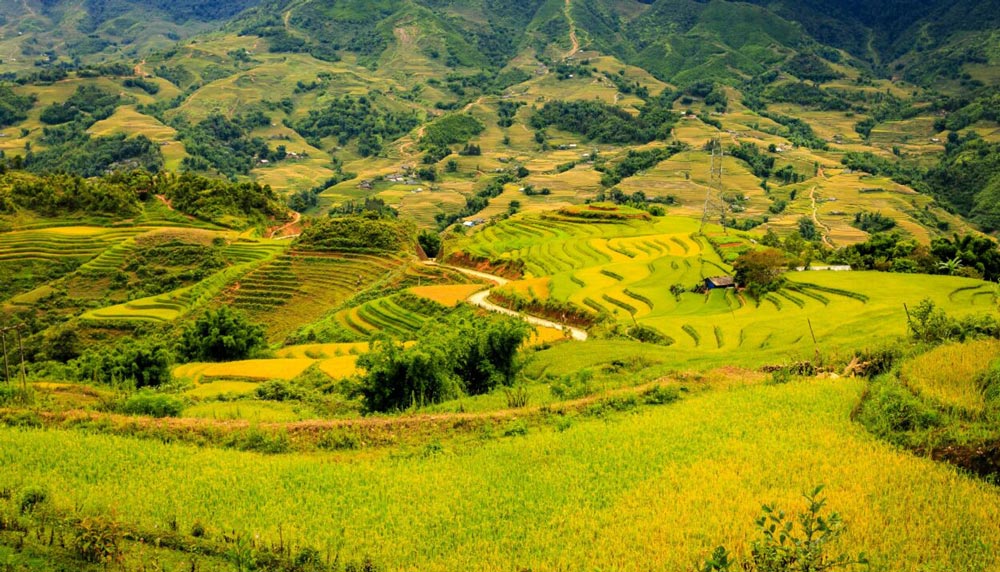
Weather in Sapa in October makes this one of the standout months for visiting Northern Vietnam’s mountains. The days are cool and dry. The trails are firm. The skies are clearer. The humidity drops. The mountain views open. And in the first half of the month, the terraces can glow with that deep golden harvest color travelers dream about.
But October also requires honest expectations.
The golden window is narrower than many people think. The best color usually appears in the first two weeks, and harvest timing can shift year by year. By late October, many fields may already be cut. The scenery remains beautiful, but it becomes more post-harvest and sculpted than golden.
October is also peak season. That means higher demand, busier viewpoints, fuller lodges, and more competition for the best guides and transfers. For travelers who plan early, it can be the perfect Sapa trip. For travelers who wait too long, the best options may already be gone.
So, come for the gold, the clear skies, and the trekking weather. But come prepared. Book early. Ask about the harvest forecast. Choose the right village routes. Pack layers. And give yourself enough time to enjoy the season properly.
Stop hoping the golden terraces will still be there when you arrive.
If you want to save time and effort while traveling to Vietnam, contact Asia Mystika, a trusted tour agent in Vietnam. We can arrange an October Sapa trekking package timed around that year’s confirmed harvest forecast, with eco-lodges, expert local guides, private transfers, Fansipan planning, and flexible route adjustments.
Start planning your golden-season mountain escape with Asia Mystika’s customized Sapa tour packages, and secure your place before peak-season dates sell out.
Suggested Internal Links
