
- SG$ Singapore Dollar
- A$ Australian Dollar
- £ British Pound Sterling
- C$ Canadian Dollar
- € Euro
- MYR Ringgit Malaysia
- US$ United States Dollar
- đ Vietnamese Dong




 About Us
 Destinations
 Travel Styles
 Travel Guide
 Blogs
Blogs

When is the rainy season in Sa Pa, Vietnam? See which months are wettest, how rain affects trekking, what to pack, and how to plan a great Sapa trip anyway.
The Timing: The rainy season in Sapa runs roughly from May to September, with the heaviest rainfall concentrated in July and August.
The Pattern: Rain usually arrives as intense, short afternoon downpours rather than continuous all-day drizzle, leaving many mornings usable for trekking.
The Scenery: This is the greenest, lushest period in Sapa. Flooded and freshly planted terraces in May and June give way to vivid green paddies by July and August.
Trekking Conditions: Trails become muddy and slippery, especially on steep terrace paths. Sturdy footwear and a flexible, rain-aware schedule matter more than in any other season.
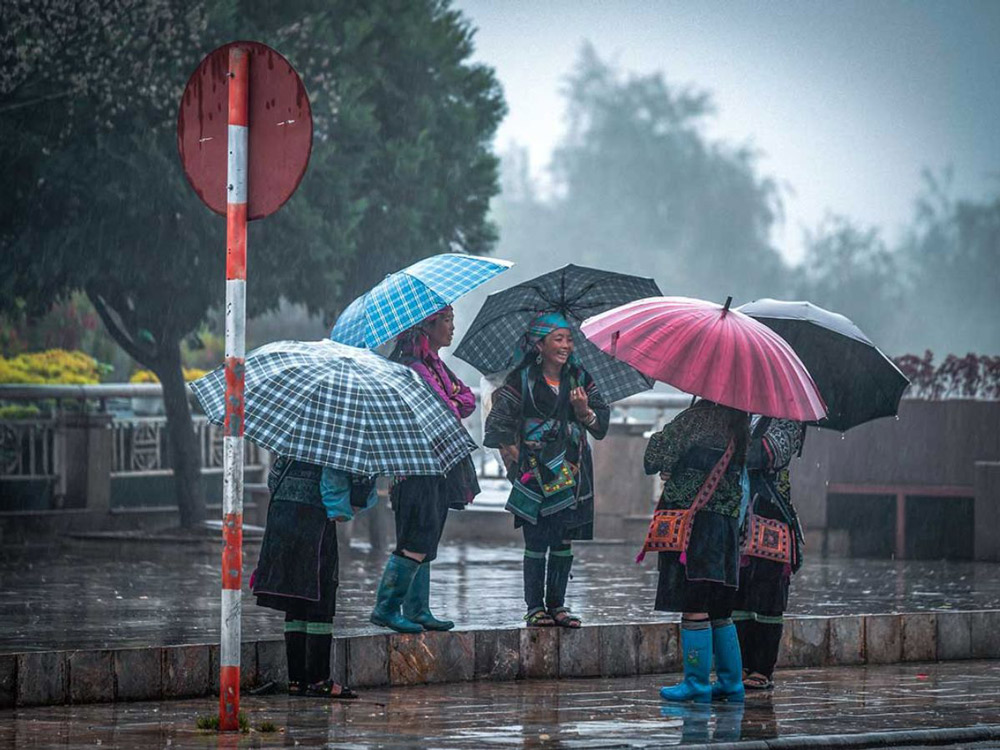
The rainy season in Sapa, Vietnam runs roughly from May through September. Rainfall builds through May and June, peaks in July and August, then gradually tapers off through September.
This does not mean every day is ruined by rain. The most important thing to understand about Sapa rainy season weather is the daily pattern. Rain often comes as a heavy afternoon storm rather than constant drizzle from morning to night. Many days begin misty, cool, and surprisingly clear. Clouds build through late morning and early afternoon, then a downpour arrives between mid-afternoon and early evening.
That rhythm makes Sapa very different from what many travelers imagine when they hear the word “monsoon.” Yes, you need rain gear. Yes, the trails can be muddy. Yes, July and August can bring serious rain. But with smart timing, the rainy season can still be a deeply rewarding time to visit.
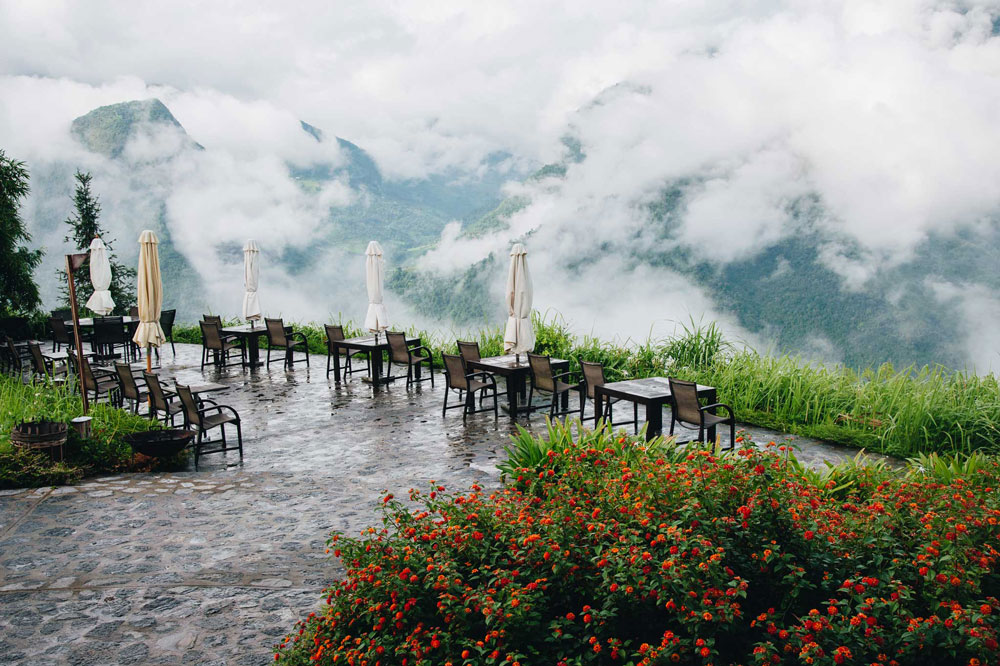
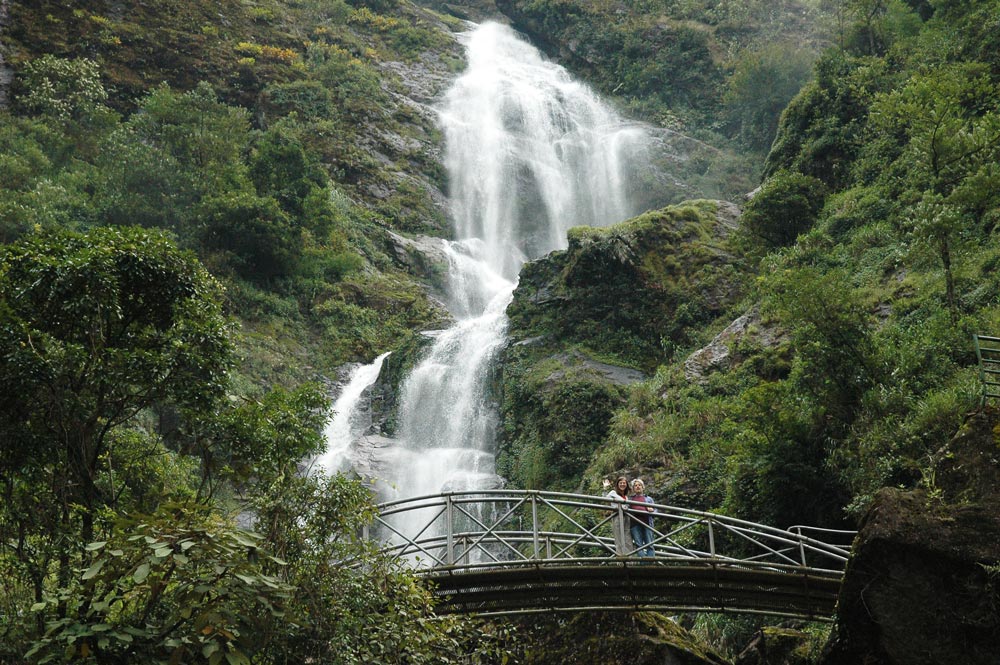
In fact, the rain is the reason Sapa looks so alive during these months. The terraces fill with water in May and June. Young rice begins to grow. By July and August, the valleys become intensely green. Waterfalls run stronger. The mountain air feels fresh after storms. Clouds drift through the ridges, giving the whole region a dramatic, cinematic mood.
If your goal is perfectly dry trekking, choose October or November instead. But if your goal is lush green rice terraces, fewer crowds, lower prices, and a more atmospheric mountain journey, the rainy season is not a bad time. It simply requires a different style of planning.
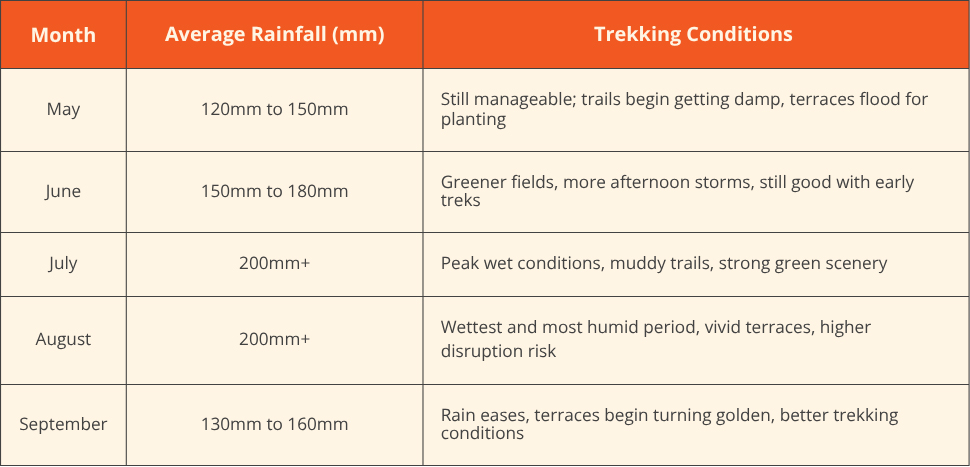
Rainy season in Sapa Vietnam is not one flat block of weather. May is very different from August. September is very different from July. The amount of rain, trail difficulty, cloud cover, and terrace scenery all change month by month.
Rainfall usually increases from May into June, becomes heaviest in July and August, then decreases again in September. Humidity and cloud cover follow the same curve. This is why travelers should not simply ask, “Is rainy season bad?” A better question is, “Which rainy-season month fits my travel style?”
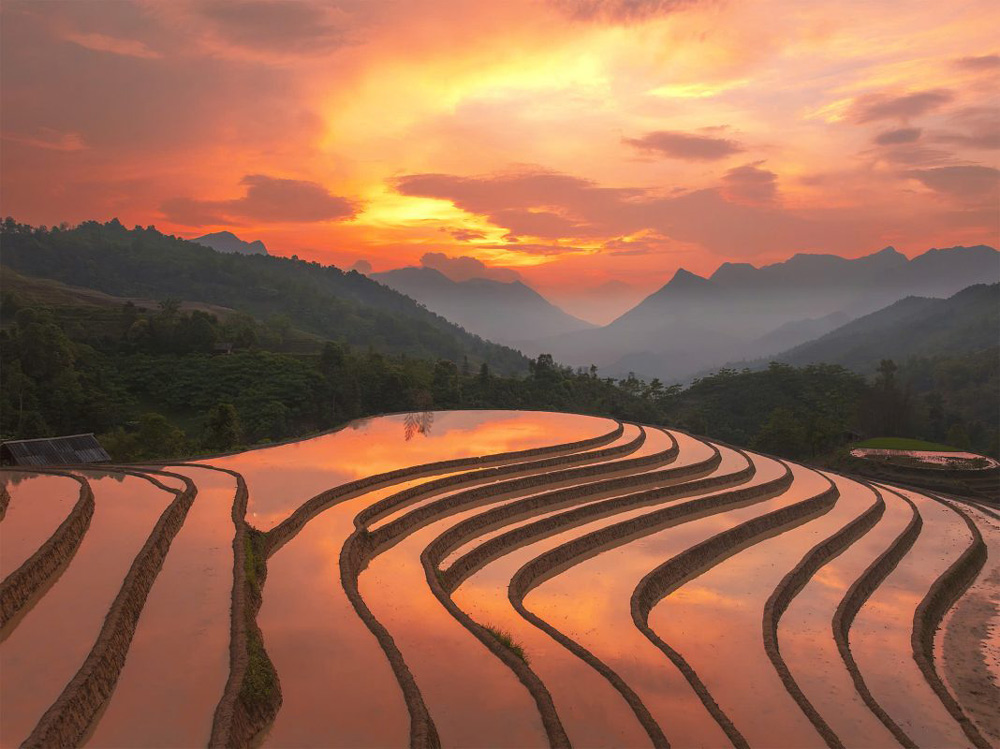
May is the first major month of the rainy-season transition. It is warm and increasingly humid, but still more manageable than July or August. The terraces are often flooded for planting, creating the famous water-pouring season effect. Fields reflect clouds, mountains, and sunlight like mirrors.
For photographers, May is underrated. The terraces are not fully green yet, but the reflections can be stunning. It is a good month for travelers who want a quieter Sapa and do not mind occasional afternoon rain.
June brings more humidity and more regular rain, but it also brings stronger green color. Young rice shoots begin to cover the terraces, and the valleys start to look more alive. Waterfalls become more powerful, and the mountains feel fresh after showers.
June is often the gentlest entry point into Sapa rainy season travel. It is wetter than May but not as intense as July and August. If you want green scenery with slightly lower risk than peak monsoon, June is a strong choice.
July is one of the wettest months in Sapa. Expect muddy trails, frequent afternoon storms, and high humidity. However, July also creates some of the most vivid terrace color of the year. The rice fields become bright, lush, and deeply green.
This is a month for travelers who value scenery and atmosphere over perfect convenience. Trekking is still possible, but it should be guided and timed carefully. Morning hikes are best. Long afternoon treks are not recommended.
August is often the heaviest rainy-season month. Rainfall can be intense, humidity is high, and mountain roads may face occasional disruption during severe weather. Trails can become slippery and difficult, especially after multi-day rain.
But the scenery is magnificent. The terraces are fully alive, waterfalls are strong, and post-rain mountain views can be incredibly sharp. Late August also begins the transition toward golden rice in some areas, especially as the fields prepare for September harvest.
August is not the easiest rainy-season month, but it is dramatic and rewarding for well-prepared travelers.
September is the bridge between rainy season and harvest season. Rainfall begins to decrease, and the rice terraces shift from green toward golden yellow. Early September can still be wet, but the conditions usually improve as the month continues.
For many travelers, September offers the best compromise: still lush, beginning to turn golden, and less rainy than July or August. It is also the start of Sapa’s most popular rice terrace season.
Usually not. Most days follow a pattern of a clear or partly cloudy morning, then cloud build-up and a heavy but relatively short downpour in the afternoon or early evening. Genuine all-day rain is less common than travelers expect, especially outside the July and August peak.
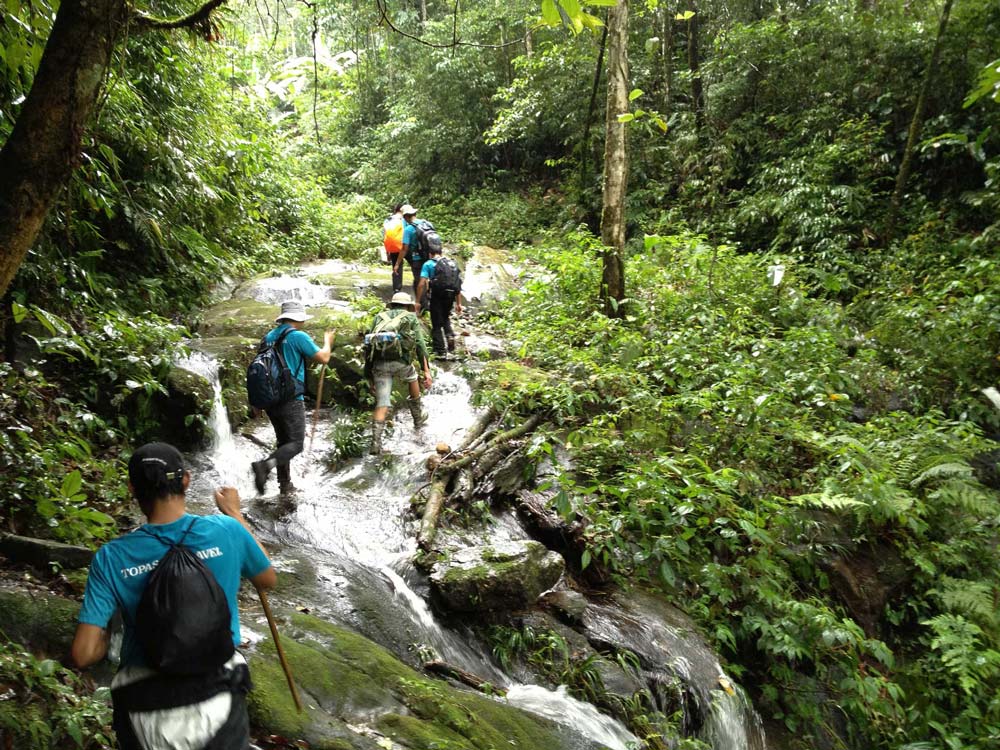
Yes, it is worth visiting Sapa during rainy season if you understand the trade-off.
You are not coming for dry trails. You are not coming for the easiest trekking conditions. You are not coming for guaranteed clear skies every day. You are coming for the greenest, most alive version of Sapa.
During the rainy season, the rice terraces become lush and vivid. The valleys feel fresh. Waterfalls run strong. Mist moves through the mountains. The landscape has a wild, cinematic quality that you do not get during the dry season.
Another advantage is crowd level. June to August is not the main international peak for Sapa. Many foreign travelers avoid these months because they worry about the rain. That means trails can be quieter, homestays can feel more peaceful, and accommodation prices may be lower than during the autumn harvest rush.
The trade-off is real. Trails can be muddy. Leeches may appear on shaded forest paths. Afternoon storms can interrupt plans. Mountain roads can be slower during heavy rain. Some viewpoints may be hidden by fog. But with the right shoes, guide, and schedule, many travelers still have an excellent trip.
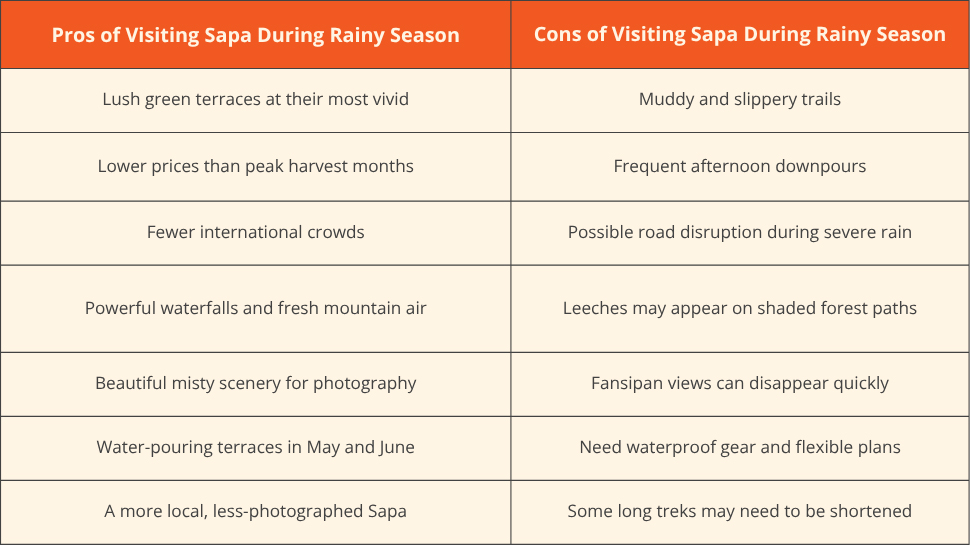
Rainy season is best for:
Rainy season is not ideal for:
If you plan smart, Sapa in rainy season can be beautiful. If you ignore the weather pattern, it can become frustrating.
The best month to go to Sapa depends on what you want.
If dry trails and golden terraces are your priority, aim for September through November. September and early October bring the golden rice season, while October and November are usually better for dry trekking and clearer skies.
If budget, green scenery, and fewer crowds matter more than guaranteed dry weather, June is one of the best rainy-season choices. It gives you lush landscapes without the full intensity of July and August.
Avoid late July and August if you have a low tolerance for heavy rain, muddy terrain, or possible road delays. These months can be visually stunning, but they require more patience and planning.
Here is the quick comparison:
Choose rainy season if you want green. Choose autumn if you want gold. Choose winter if you want fog, frost, and cold mountain atmosphere.
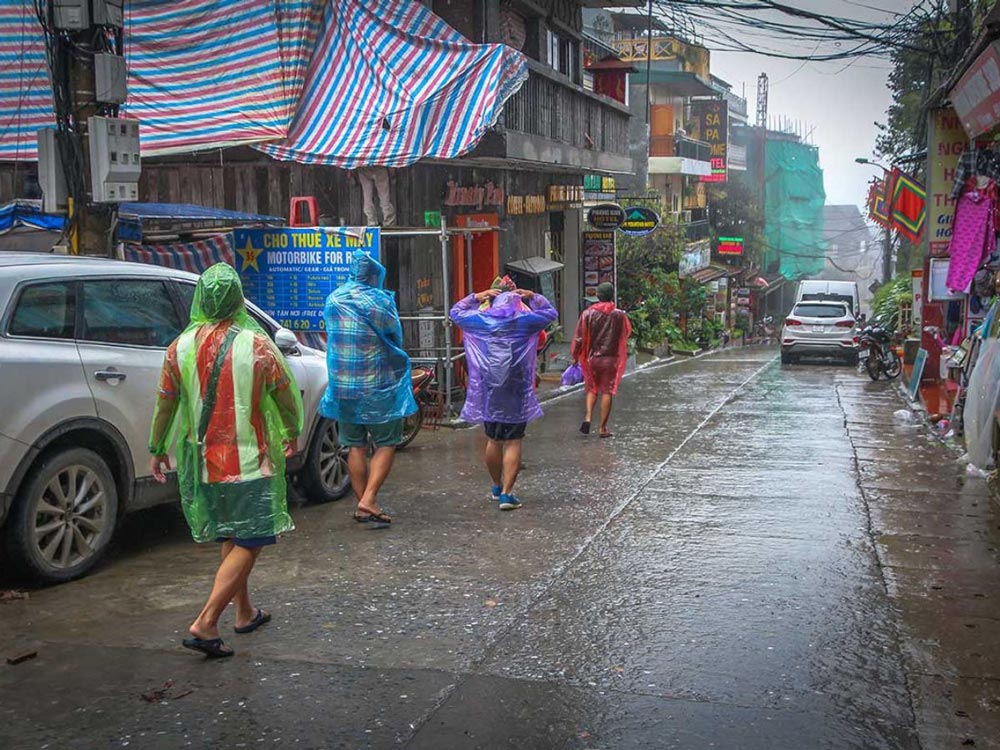
A rainy-season Sapa itinerary should be built around one simple idea: mornings are for outdoor adventure, afternoons are for flexible backup activities.
Do not plan the day as if the rain might not happen. Plan the day as if rain will happen, then enjoy the dry window when it appears.
The best rainy-season schedule front-loads trekking into the morning. Keep afternoons flexible for markets, cafés, cooking classes, herbal baths, homestay culture, short town walks, or rest. During July and August, build in one buffer day if possible, especially if Sapa is the highlight of your Northern Vietnam trip.
Day 1: Arrival, Sapa Town and Cat Cat Village
Arrive from Hanoi by private car, limousine van, or overnight train via Lao Cai. Because rainy-season travel can be slower, keep the first day light.
Explore Sapa town, visit Sapa Stone Church, enjoy a coffee with a valley view, and check the local weather pattern. If the morning or early afternoon is clear, visit Cat Cat Village for an easy introductory walk.
Avoid committing to a long trek on arrival day. If rain comes, you can easily return to town for hot food, a café, or a massage.
Day 2: Muong Hoa Valley Trek at First Light
Start early. This is your main trekking day, so leave around 6:30 AM to 7:30 AM if possible. Walk through Muong Hoa Valley, Lao Chai, or Ta Van with a local guide who can adjust the route based on trail conditions.
The goal is to finish the main trekking section before the afternoon storm window. Aim to be at lunch or safely indoors by around 1:00 PM.
In the afternoon, choose a rain-safe activity: local market, homestay cooking, textile experience, herbal bath, or café time.
Day 3: Fansipan Early, Buffer Afternoon
Use the morning for Fansipan cable car if visibility is promising. In rainy season, summit conditions change quickly, and afternoon cloud build-up can hide the views. Go early for the best chance.
Keep the afternoon open. If the weather stays clear, add a short viewpoint or town walk. If it rains, rest, enjoy hotpot, or shift to a cultural activity.
Optional Day 4: Weather Buffer or Remote Village
If you are visiting in July or August, consider adding one buffer day. This gives you room to move Fansipan, delay a trek, or avoid forcing outdoor plans during heavy rain.
A fourth day also lets you explore quieter village routes, such as Ta Phin, or enjoy slower local experiences without feeling rushed.
Rainy-season travel is not about luck. It is about planning with the weather instead of fighting it.
Most standard blogs treat rainy season purely as a warning. They focus on mud, rain, and inconvenience. Those things are real, but they are not the whole story.
The rainy season is also when Sapa becomes the greenest and most alive.
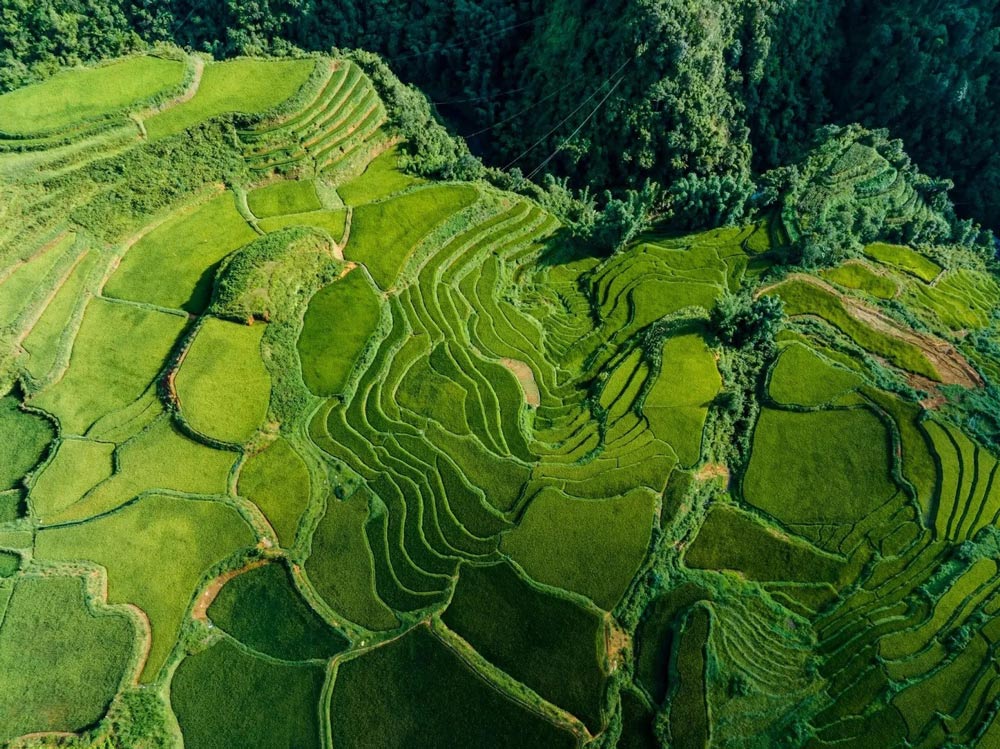
Here is the truth: July and August produce the single greenest terrace color of the entire year.
This is also the least-photographed season by international travelers because many people avoid Sapa once they hear the word “rainy.” That creates a rare opportunity. You are not sacrificing scenery by traveling in rainy season. You are trading the golden-terrace postcard for a lush, jungle-green version that fewer travelers capture.
The mountains look full. The fields glow. The rain adds shine and texture. Clouds create depth. Waterfalls roar. Village paths feel alive. If you love landscape photography, rainy season can be surprisingly rewarding.
The expectation shift is important:
This is the Sapa that many travelers miss.
Rainy season rewards early movement. It punishes late starts.
An Asia Mystika guide explains:
“During peak rainy season, we build every itinerary around one simple rule: be back under a roof by 2:00 PM. The afternoon storm almost always arrives between 2:00 and 4:00 PM, and it’s genuinely heavy — not a light shower. Guests who start early and respect that window get a full, satisfying day; the ones who push a trek into mid-afternoon are the ones who end up soaked and slipping on the terrace paths.”
This rule is simple but powerful.
If your trek begins at 10:30 AM, you are asking for trouble. You may still be deep in the valley when the storm arrives. A dirt path can turn slippery quickly. A gentle slope can become stressful. A scenic route can become a safety issue.
If your trek begins at 6:30 AM or 7:00 AM, everything changes. You enjoy cool air, soft light, quiet paths, and the best weather window. By the time the rain arrives, you can be under a roof with lunch, tea, or a warm local meal.
A smart rainy-season day looks like this:
Beating the rain is not about luck. It is about respecting the mountain rhythm.
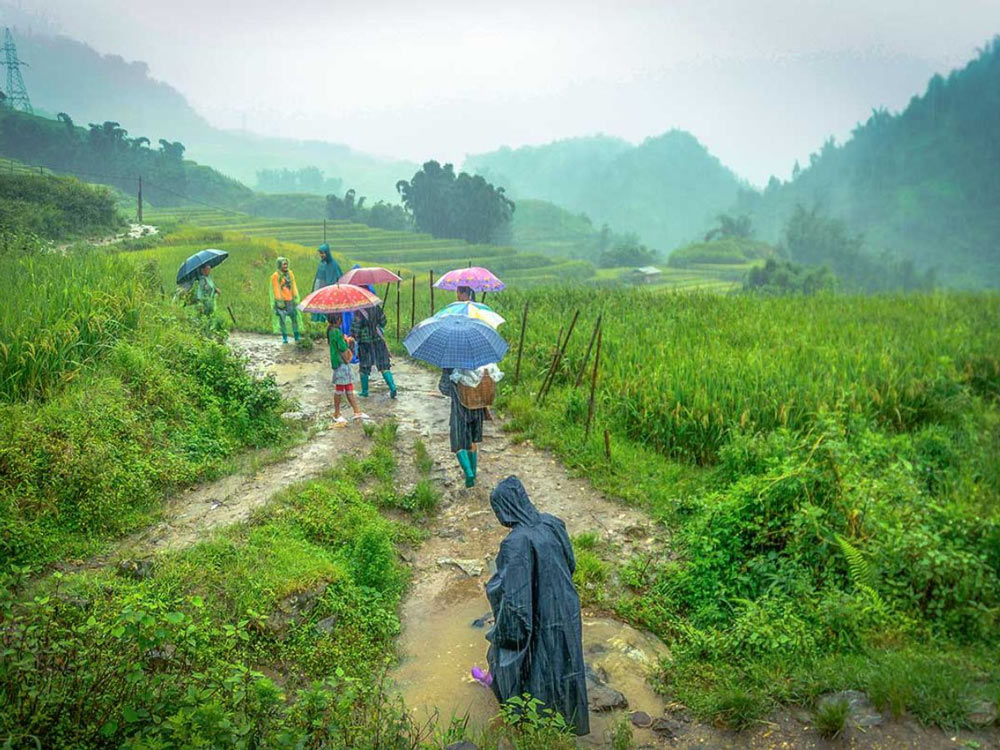
Packing for Sapa’s rainy season is about waterproofing, grip, and quick-dry comfort.
You do not need heavy winter clothing. You do need gear that handles humidity, mud, sudden rain, and damp evenings.
Rainy-season Sapa packing checklist:
Avoid smooth sneakers. Avoid jeans for trekking. Avoid relying only on umbrellas. Umbrellas are fine in town, but on narrow mountain trails they are awkward and less safe than a poncho or rain jacket.
Footwear matters most. Many rainy-season trekking problems come from poor shoes, not rain itself. If your shoes have real grip, your whole trip becomes easier.
The rainy season in Sapa, Vietnam runs roughly from May through September, with the heaviest rainfall in July and August. Rain typically falls as intense afternoon downpours rather than continuous drizzle.
Yes, you can still trek in Sapa during the rainy season. Most travelers trek successfully by starting early in the morning, when skies are usually clearer, and treating the afternoon as flexible or rest time.
Pack a proper rain shell or poncho, quick-dry clothing, and shoes with real grip for muddy, slippery terrace trails. A dry bag for electronics is also essential.
Usually not. Most days have a usable morning window before clouds build and heavy rain arrives in the afternoon or early evening.
Yes, Sapa is worth visiting during rainy season if you want lush green terraces, fewer international crowds, and lower prices. The key is to plan morning treks and keep afternoons flexible.
So, is rainy season in Sapa Vietnam still worth it?
Yes, if your expectations and itinerary are built around the daily rain pattern instead of fighting it.
This is not the season for perfectly dry trails. It is not the season for guaranteed clear views every hour. It is not the season for travelers who hate mud. But it is the season of vivid green terraces, powerful waterfalls, misty mountains, fewer crowds, and a more local rhythm.
Rainy season is not a fallback. It is a different version of Sapa.
May gives you mirror-water terraces. June brings fresh green fields. July and August deliver the deepest emerald color. September begins the transition toward golden harvest. Each month has its own beauty, and each one rewards travelers who plan smart.
The secret is simple: start early, finish treks before 2:00 PM, wear proper shoes, carry rain gear, and keep your afternoons flexible.
Stop letting the word “monsoon” talk you out of a trip.
If you want to save time and effort while traveling to Vietnam, contact Asia Mystika, a trusted tour agent in Vietnam. We can arrange a rain-aware Sapa itinerary built around morning treks, flexible afternoons, safe private transfers, local guides who know the daily rain pattern, and eco-lodges that keep you comfortable after a wet day outside.
Start planning your lush green mountain escape with Asia Mystika’s customized Sapa tour packages, and let us help you experience the rainy season the smart way.
