Hotline: +84 866 227 878
- SG$ Singapore Dollar
- A$ Australian Dollar
- £ British Pound Sterling
- C$ Canadian Dollar
- € Euro
- MYR Ringgit Malaysia
- US$ United States Dollar
- đ Vietnamese Dong


 Hotline/Whatsapp: +84 86 622 7878
 Email: sales@asiamystika.com
 About Us
 Destinations
 Travel Styles
 Travel Guide
 Blogs
Blogs

Discover Sapa weather in February in this 2027 travel guide. Learn about temperatures, Tet crowds, peach blossoms, frost, trekking conditions, what to wear, and how to plan a smooth winter-to-spring Sapa trip.
The Temperature: Sapa weather in February is cold but slightly warmer than January, with daytime temperatures usually around 10°C to 18°C and nights dropping to 5°C to 8°C.
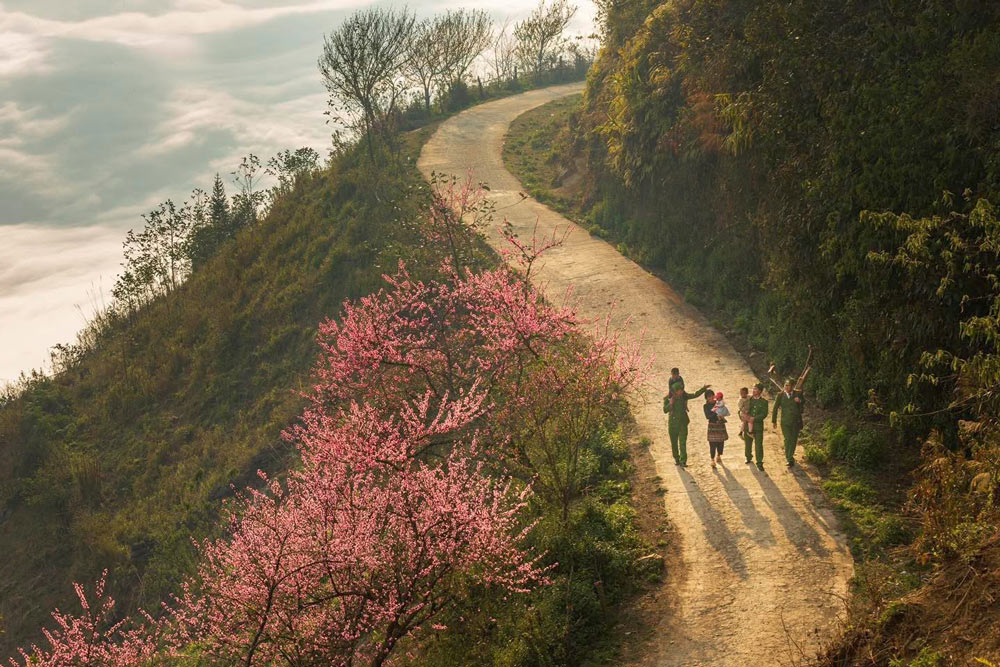
The Scenery: February is the bridge between winter and spring. You may see mist, cloud seas, late frost in high areas, and early peach and plum blossoms around villages and mountain roads.
Tet Crowds: In 2027, Tet Lunar New Year falls on February 6, so Sapa may become crowded around the national holiday period. Book hotels, transfers, and guides early.
What to Wear: Use the layering strategy: thermal base layer, fleece or sweater, windproof jacket, scarf, gloves, and proper trekking shoes.
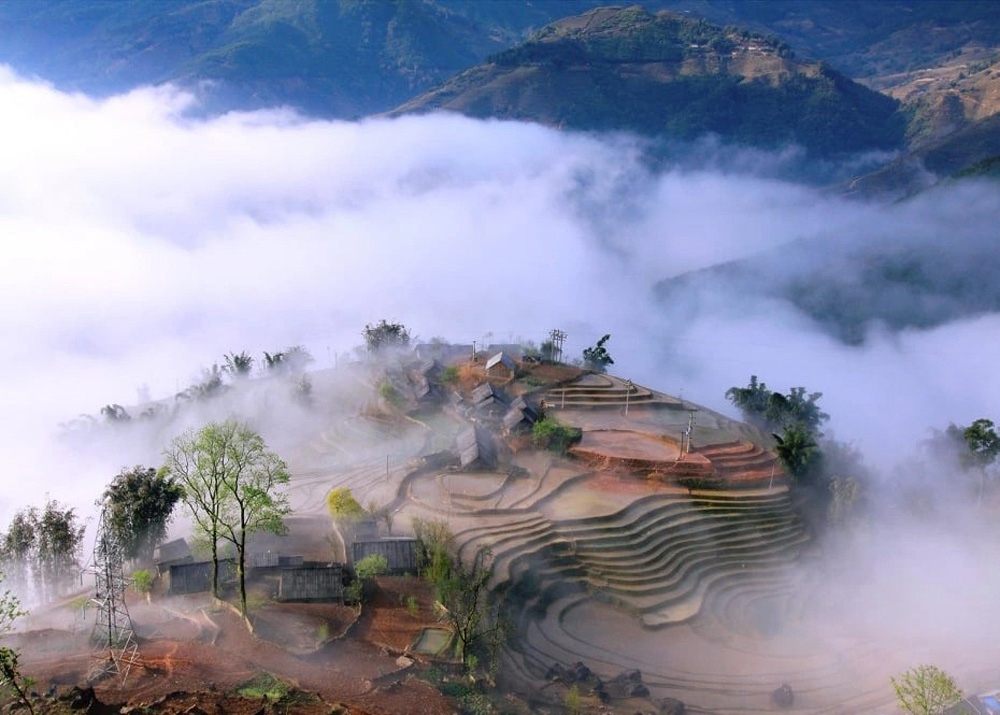
The weather in Sapa Vietnam in February is cold, misty, and slowly shifting from deep winter into early spring. It is still one of the colder months of the year, but it usually feels a little softer than January. Daytime temperatures often range from 10°C to 18°C, while nights can fall to around 5°C to 8°C, especially in Sapa town, high passes, and village areas outside the center.
For travelers from Singapore, Malaysia, Thailand, southern Vietnam, or other tropical places, February can feel surprisingly cold. You may arrive in Hanoi and feel mild winter air, then continue to Sapa and suddenly need a warm jacket. The altitude changes everything. Sapa sits high in the mountains, so wind, fog, and damp air can make the temperature feel lower than what your weather app shows.
February is also one of the most atmospheric months in Sapa. The valleys can be wrapped in mist in the morning. Fansipan may be covered in clouds one moment and glowing under blue sky the next. In some years, cold spells bring frost to high-altitude areas. In others, the first signs of spring appear earlier, with peach blossoms, plum blossoms, and fresh buds adding soft color to the mountain landscape.
This is why Sapa in February is so interesting. It is not purely winter and not fully spring. It is the transition month. You can experience cold mornings, dry trekking paths, foggy valleys, occasional sunshine, festive Tet energy, and the beginning of flower season.
If you want golden rice terraces, February is not the right time. The fields are usually brown, bare, or resting after the previous harvest. But if you want cool trekking, cloud hunting, spring blossoms, and a quieter mood outside the Tet holiday rush, February can be a beautiful choice.
Sapa weather in February is cold, relatively dry, and changeable. You should expect a clear difference between daytime and nighttime temperatures. Midday can feel pleasant if the sun appears, but evenings are cold enough to require warm layers.
In town, daytime temperatures often sit around 12°C to 18°C. At night, they can drop to around 5°C to 8°C. On Fansipan, O Quy Ho Pass, and higher viewpoints, temperatures may fall lower. During strong northern cold waves, the wind chill can make conditions feel near freezing.
Rainfall in February is usually lower than in the summer monsoon months. You may still meet drizzle, mist, or damp fog, but you are unlikely to face the heavy, trail-washing rains of July and August. This makes February a good month for trekking if you can handle the cold.
| Location | Avg. Day Temp (°C) | Avg. Night Temp (°C) |
| Sapa Town Center | 12°C to 18°C | 5°C to 8°C |
| Muong Hoa Valley | 13°C to 19°C | 6°C to 10°C |
| Lao Chai and Ta Van Villages | 12°C to 18°C | 5°C to 9°C |
| O Quy Ho Pass | 8°C to 14°C | 2°C to 6°C |
| Fansipan Summit Area | 0°C to 8°C | Below 0°C possible during cold spells |
The biggest challenge is not heavy rain. It is damp cold. When Sapa is foggy, the moisture sits in the air and seeps into your clothes. A 10°C morning in Sapa can feel colder than expected because of wind and humidity.
Travelers should also prepare for sudden shifts. You may begin the day in thick fog, then see the sky clear by late morning. You may feel warm during an uphill trek, then cold again when you stop for lunch. This is why layering is so important.
February weather rewards flexible travelers. Do not plan your whole trip around one perfect weather moment. Give yourself 2 to 3 days if possible, so you have a better chance of clear views, especially for Fansipan.
Yes, February is a good time to visit Sapa Vietnam, but it depends on your expectations.
February is ideal if you want cold mountain air, dry trekking trails, misty valleys, spring blossoms, and a chance to experience local New Year atmosphere. It is not ideal if you want green rice terraces, golden harvest fields, warm weather, or empty roads during Tet.
The biggest advantage of February is that it offers a beautiful transition from winter into spring. In early February, Sapa may still feel very wintery, with cold mornings, low clouds, and possible frost in higher areas. By late February, the scenery often begins to soften. Peach and plum blossoms may appear around villages, roadsides, and mountain slopes, especially in nearby highland areas.
The second advantage is trekking. February trails are generally firmer than summer trails. There is less mud, less humidity, and fewer insects. If you wear proper layers and hiking shoes, village trekking can be very enjoyable.
The main challenge is Tet. In 2027, Tet falls on February 6, with a long holiday period around it. This can bring domestic crowds, higher prices, fully booked hotels, busier restaurants, and limited availability for guides and transfers. If you want a peaceful Sapa trip, avoid the peak Tet travel window or book far in advance.
| Pros of Visiting Sapa in February | Cons of Visiting Sapa in February |
| Cold, atmospheric mountain scenery | Very chilly mornings and evenings |
| Dryer trekking paths than summer | Rice terraces are not green or golden |
| Possible peach and plum blossoms | Tet 2027 can create major domestic crowds |
| Good cloud-hunting conditions | Fog may block Fansipan views on some days |
| Less rain than monsoon months | Basic homestays can feel freezing at night |
| Great for photography after fog clears | Transport and hotels may sell out around Tet |
February is worth visiting if you like cool weather and mountain atmosphere. It is even better if you time your trip outside the busiest Tet dates.
The most important planning detail for Sapa in February 2027 is Tet.
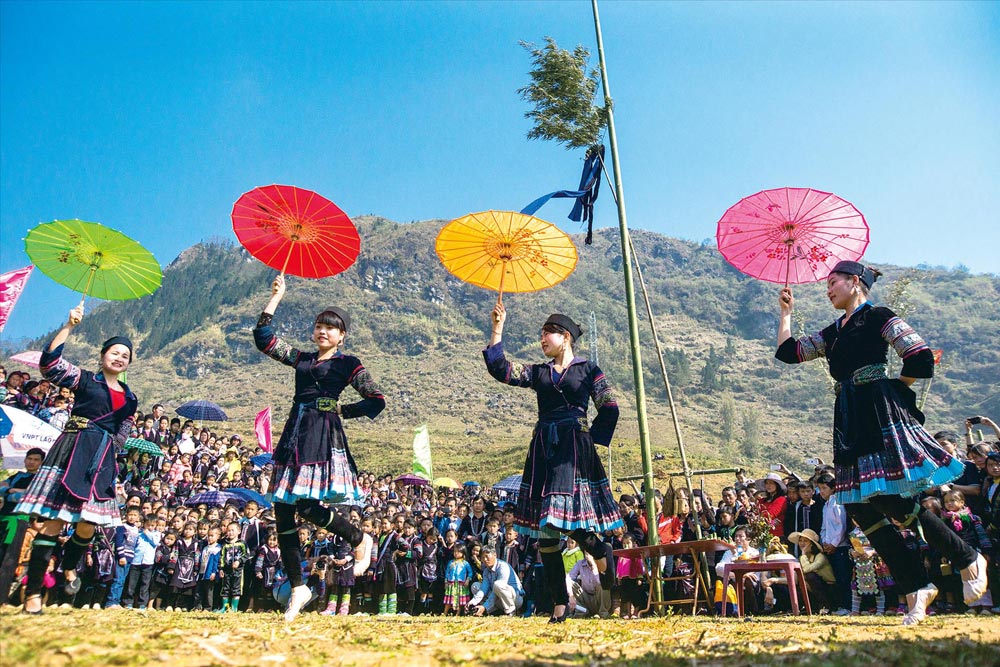
Tet, or Vietnamese Lunar New Year, falls on February 6, 2027. The public holiday period is expected to run around February 6 to February 14, with the busiest travel days often happening before and after the official holiday.
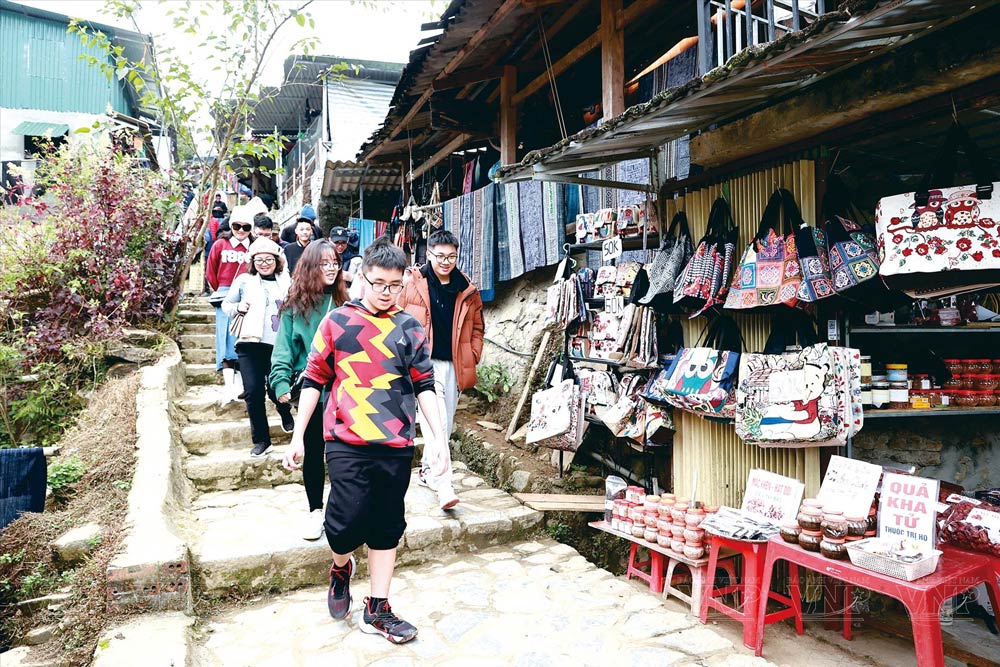
This matters because Sapa is popular with domestic travelers during holidays. Vietnamese families and groups often travel to mountain destinations for cool weather, sightseeing, and festive atmosphere. As a result, hotels can fill up quickly, limousine vans and trains can sell out, and prices may rise.
If you plan to visit Sapa during Tet, book early. Do not wait until the last week. You should secure:
Tet also changes the travel mood. Some small local shops or family-run restaurants may close for a few days. At the same time, the atmosphere can feel festive, colorful, and culturally rich. You may see peach blossom branches, kumquat trees, red decorations, family gatherings, and New Year customs.
If your goal is cultural immersion, Tet can be fascinating. If your goal is quiet trekking and low prices, avoid the peak holiday period.
Early February:
Cold, quieter, good for cloud hunting and trekking. This is ideal if you want fewer crowds before Tet travel begins.
Tet period, around February 6 to 14, 2027:
Festive but crowded. Book everything early and expect higher prices.
Late February:
A strong choice for travelers who want post-Tet calm, slightly warmer weather, and better chances of spring blossoms.
For most foreign travelers, late February is the best balance. It avoids the biggest Tet rush while still offering early spring atmosphere.
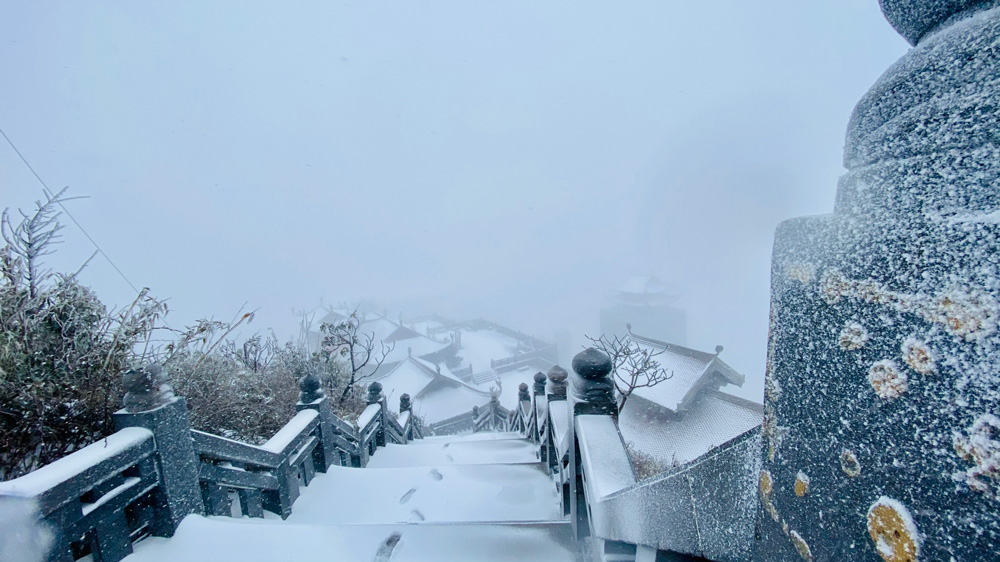
Yes, it can snow in Sapa in February, but it is rare.
February is still cold enough for frost and occasional snow in high-altitude areas, especially during strong cold fronts. However, snowfall is not guaranteed, and travelers should not plan a February trip expecting snow in Sapa town.
If snow appears, it is most likely on Fansipan Mountain, O Quy Ho Pass, and higher parts of the Hoang Lien Son range. Sapa town itself may see frost, icy conditions, or very cold fog, but actual snow in town is much less common.
Frost is far more realistic. On freezing mornings, frost can appear on grass, rooftops, terrace edges, leaves, and high roadside areas. It can make the landscape look magical, especially when the sun rises and lights up the white frost before it melts.
If you want the best chance of snow or frost, monitor cold front forecasts and head to higher elevations early in the morning. But remember: snow is a bonus, not a promise.
For most travelers, the real February highlight is not snow. It is the combination of mist, blossoms, cold air, and dramatic mountain clarity after fog lifts.
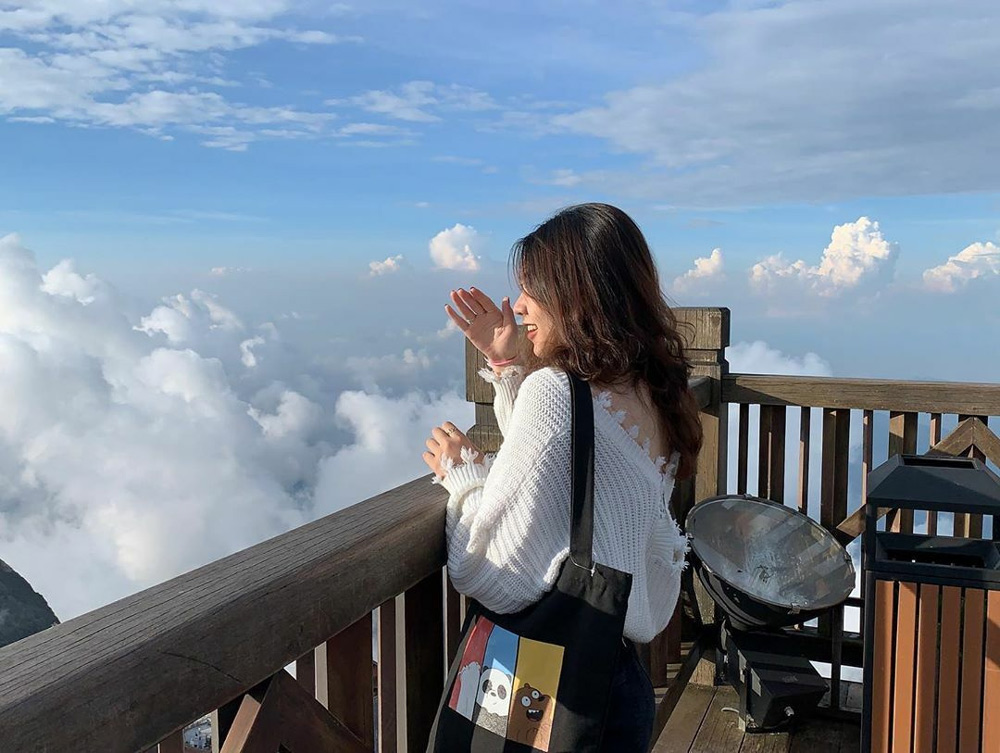
Knowing what to wear in Sapa in February is essential. This is not a month for shorts, sandals, or thin summer clothes.
You need layers that handle cold mornings, warmer trekking moments, damp fog, and chilly evenings. The best strategy is the onion strategy, which means wearing multiple layers you can add or remove throughout the day.
February Sapa packing checklist:
If you plan to stay in a village homestay, bring warmer sleepwear than you think you need. Many basic wooden homes have limited insulation. A room can feel much colder at night than a hotel in town.
For Families and older travelers, choose hotels with heating, electric blankets, or heated mattresses. Comfort at night makes a big difference in February.
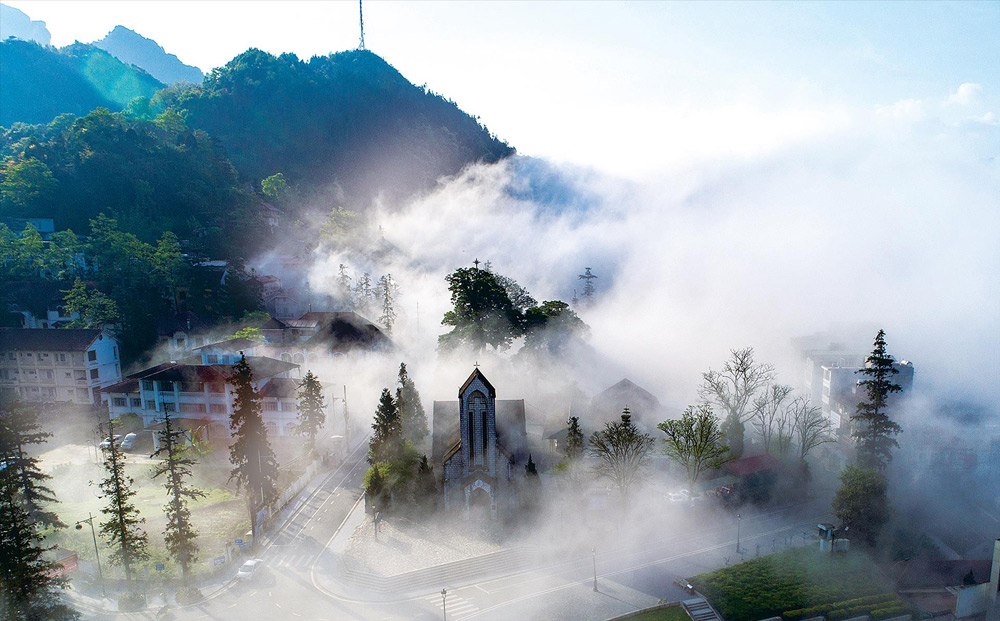
Most standard Sapa weather guides focus only on cold temperatures. That misses the most beautiful part of February: the transition from winter to spring.
In February, peach and plum blossoms can begin appearing around Sapa and nearby highland areas, especially toward the second half of the month. The exact timing depends on weather, altitude, and the lunar calendar. Some years bloom earlier, some years later.
The best time to photograph blossoms is early morning, around 7:00 AM to 9:00 AM. The air is soft, the light is gentle, and villages are just waking up. If there is light fog, the blossoms can look even more delicate against the mountain background.
Good areas to look for spring atmosphere include:
Do not expect blossoms everywhere. They appear in pockets. A local guide helps because they know which routes are blooming during your specific travel week.
Many travelers wake up in Sapa, see fog outside the window, and assume the day is ruined. In February, that is often wrong.
Fog can sit low in the valleys while higher viewpoints break above it. This creates the famous cloud sea, or biển mây. If you move early to higher ground, especially Fansipan or O Quy Ho Pass, you may rise above the mist and see clouds floating below you.
The trick is to start early. By late morning or midday, fog patterns can shift. Sometimes visibility improves. Sometimes the clouds rise and hide everything. A flexible guide can adjust the route based on the morning conditions.
An Asia Mystika guide explains:
“February looks softer than January, but foreign travelers should not underestimate the cold. Basic wooden homestays in ethnic villages often have no insulation and no central heating. For February trips, we recommend heated hotels in Sapa town or winter-ready lodges, especially for families, couples, and tropical-climate travelers.”
This is practical advice. A village homestay may sound romantic, but cold nights can be uncomfortable if the room is not properly prepared. Choose your accommodation based on season, not only on photos.
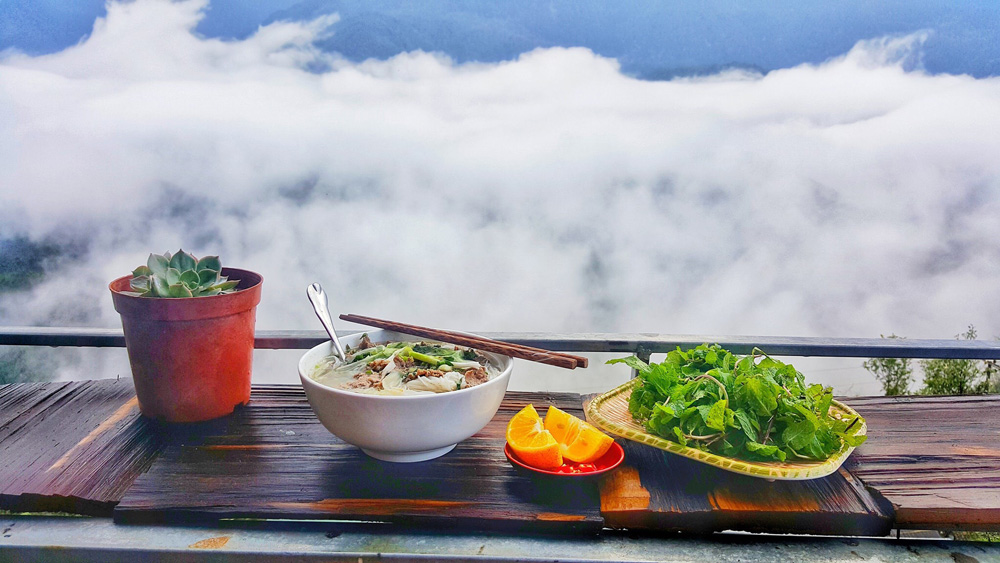
Yes, February is a good time to visit Sapa if you enjoy cold weather, misty valleys, spring blossoms, and dry trekking paths. Avoid or book early around Tet 2027 because domestic travel demand will be high.
Yes, Sapa is cold in February, especially in the early morning and evening. Daytime temperatures often range from 10°C to 18°C, while nights may drop to around 5°C to 8°C or lower during cold spells.
Snow in Sapa in February is possible but rare. Frost is much more common, especially on Fansipan, O Quy Ho Pass, and high mountain viewpoints during cold mornings.
Wear thermal layers, a warm fleece or sweater, a windproof jacket, scarf, gloves, thick socks, and sturdy hiking boots. Use layers so you can adjust between cold mornings and warmer midday trekking.
Tet can be a fascinating time to visit Sapa because the atmosphere is festive and cultural. However, it is also crowded and expensive, so book hotels, transfers, and guides well in advance if traveling around February 6 to 14, 2027.
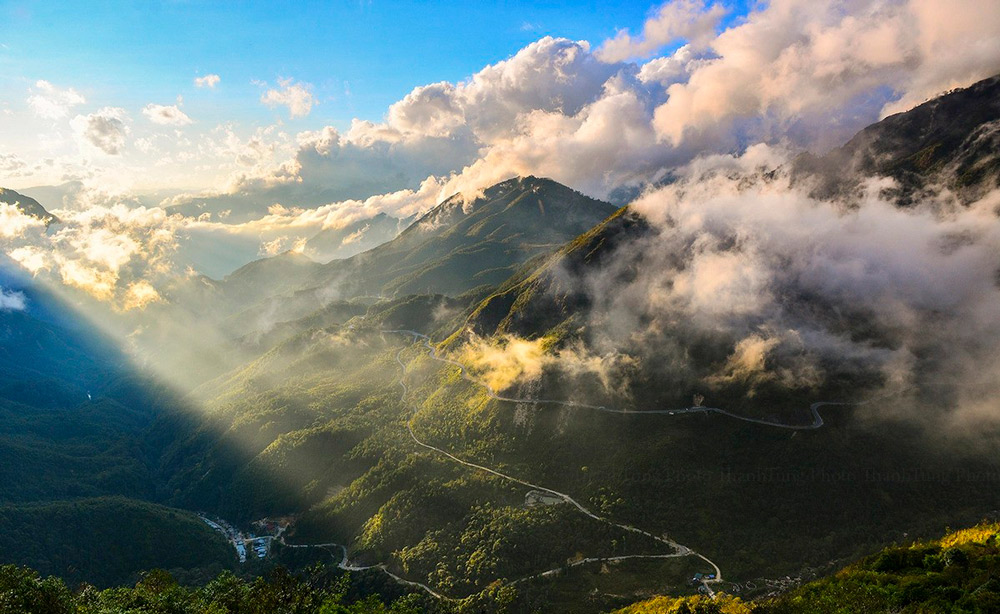
Sapa weather in February gives travelers one of the most atmospheric versions of Northern Vietnam. It is cold, misty, sometimes frosty, and slowly touched by spring. The rice terraces are not at their most colorful, but the mountains have a quiet beauty that feels deeply different from the busy summer and harvest months.
This is the season of cloud seas, peach blossoms, plum blossoms, hot tea, warm jackets, dry trekking paths, and early spring village walks. It is also the month of Tet 2027, so smart planning is essential.
If you travel before or after the holiday rush, February can be a wonderful time to see Sapa with fewer international crowds and a softer winter mood. If you travel during Tet, prepare for higher demand and book everything early.
The key is to plan like a mountain traveler. Pack layers. Choose heated accommodation. Start early for cloud hunting. Keep your itinerary flexible. Do not rely on snow, but welcome frost and blossoms if they appear.
Stop stressing over Tet crowds, cold-weather packing, hotel heating, mountain transfers, and unpredictable fog.
If you want to save time and effort while traveling to Vietnam, contact Asia Mystika, a trusted tour agent in Vietnam. We can arrange a complete February Sapa package with heated hotels or winter-ready lodges, expert local trekking guides, safe private Limousine transfers, Fansipan timing, blossom routes, and flexible backup plans.
Start planning your early spring mountain escape with Asia Mystika’s customized Sapa tour packages, and let us make your February journey warm, smooth, and memorable.
Ready to go? Start planning your custom Sapa itinerary with us
Who we are: Learn more about the local experts at Asia Mystika
WhatsApp: (+84) 866.22.7878
Email: sales@asiamystika.com
Website: www.asiamystika.com