
- SG$ Singapore Dollar
- A$ Australian Dollar
- £ British Pound Sterling
- C$ Canadian Dollar
- € Euro
- MYR Ringgit Malaysia
- US$ United States Dollar
- đ Vietnamese Dong


 About Us
 Destinations
 Travel Styles
 Travel Guide
 Blogs

The honest version of the Phu Quoc activity list — which beaches and experiences justify a day, which do not, and why the dry season is December to March, not November to April.
Key Takeaways: Things to Do in Phu Quoc
The Shortlist: Phu Quoc rewards about three genuinely different days — a beach day, a sea day and a south-island day. Past that, a single-base island stay starts repeating itself.
The Months: The dry window is December to March, not November to April. April averages about 150 mm of rain across about 12 rain days, November about 170 mm across about 13.
The Sea Day: The headline activities happen on water, so they are the ones that get canceled. Put the sea day early, not last.
The Trade-Off: Most of Phu Quoc's marketed must-do list is one company's ticketed venues. Knowing which is which is the whole decision.
The best things to do in Phu Quoc are a slow day on the long west-coast beaches, a boat day out to the southern islets, and a half-day inland for the pepper farms and the national park. Three distinct days covers the island for most travelers.
That is the whole inventory, re-ordered by what actually fills a day rather than by what exists. If you are still deciding whether the island earns a place in your route at all, that is a different question and we answer it on why Phu Quoc is rated the world's second-best island — who it suits, who it does not, and what the resort coast is really like. This page assumes you are going.
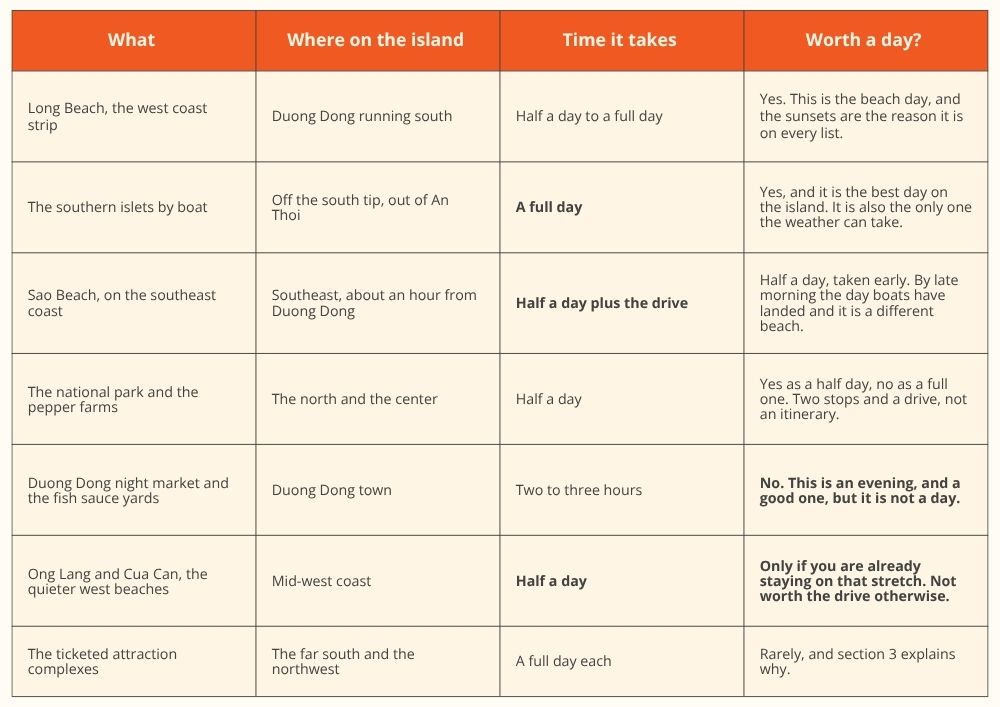
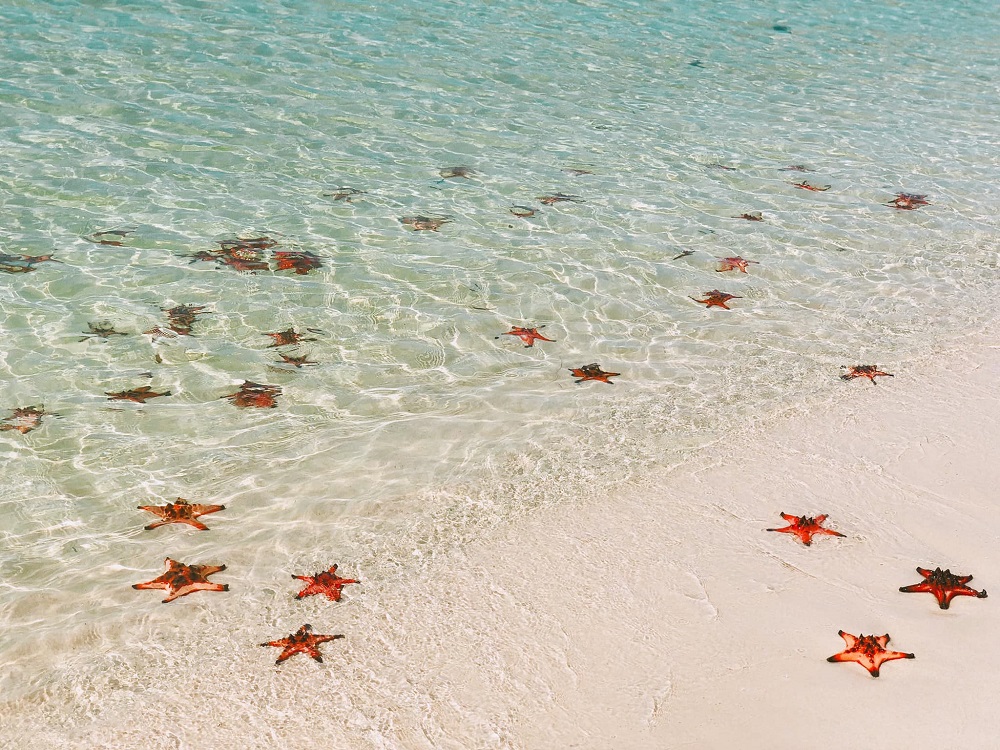
The west coast is the one to build a day around. Long Beach runs south from Duong Dong in a single unbroken strip, it faces the sunset, and it is shallow and calm enough that you can be in the water without thinking about it. The trade-off is that it is also where almost every property sits, so the stretch directly in front of town is busy and the sand is cleaner the further south you go.
Sao Beach on the southeast coast is the postcard, and it is genuinely worth the drive — before about ten in the morning. After that the organized day trips arrive, the sunbed rows fill, and you are looking at the same water through considerably more people. Go early or do not go.
Ong Lang and Cua Can are the quieter alternatives, with rockier entries and far fewer sunbeds. They are a good day if your base is nearby and a poor use of an hour each way if it is not.
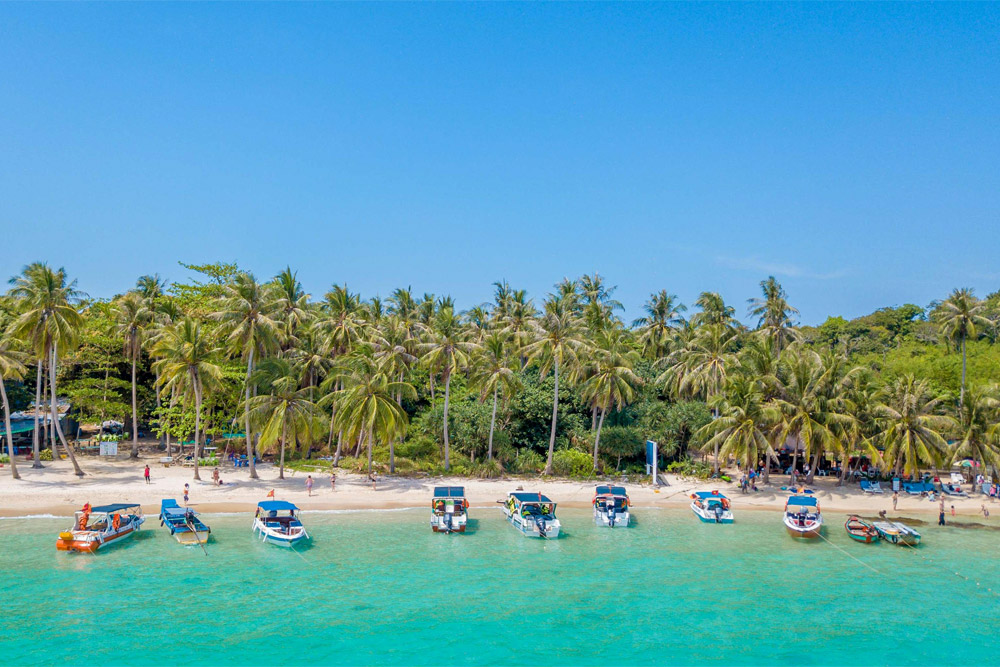
The boat day out to the islets off the south tip is the single best thing to do on Phu Quoc, and it is where the island stops feeling like a resort coast and starts feeling like an archipelago. You get flat turquoise water, a handful of uninhabited rocks, and a few hours where nothing is for sale.
It is also fragile. Sea days get called off for wind, not just for rain, and a cancellation in a tightly booked four-night stay has nowhere to go. We treat it as the fixed point of a Phu Quoc plan and build the rest around it — which is the opposite of how most itineraries are written.
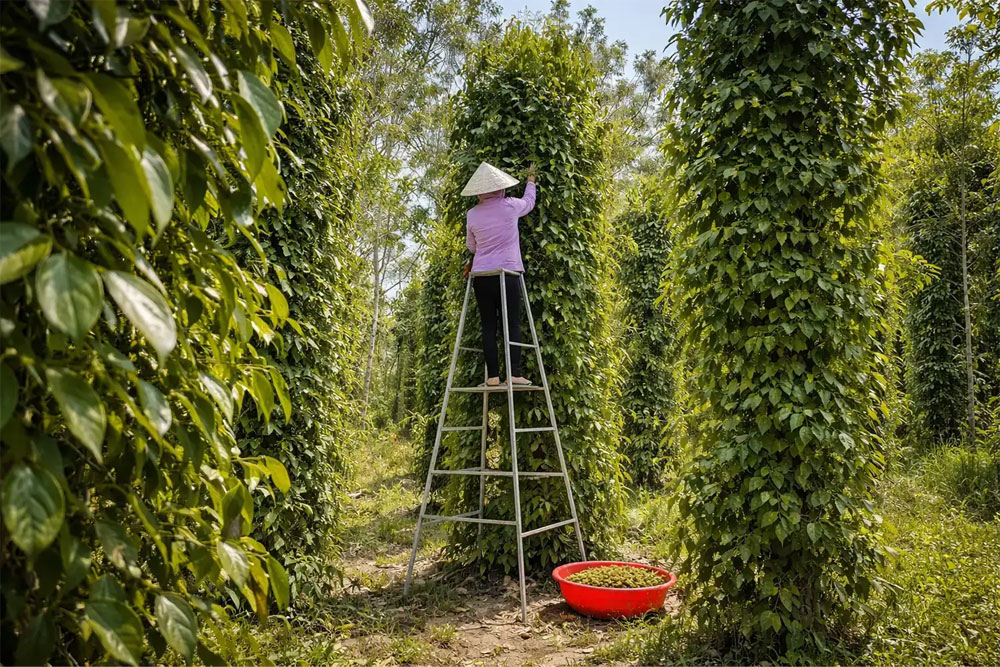
The interior is about half of Phu Quoc and most visitors never see any of it. The national park covers the north and the forest is genuinely intact, but it is not a hiking destination in the way Pu Luong or Cat Tien are — the trails are short, poorly marked and often wet. What the inland half-day is really for is the pepper farms and the fish sauce yards: Phu Quoc black pepper and Phu Quoc nuoc mam are both the real article, both still made here at small scale, and both are more interesting to stand inside than to read about.
Honest framing: this is a half day of three short stops joined by a lot of driving. It is worthwhile and it is not a full day.
Dinner on Phu Quoc is seafood, and the night market in Duong Dong is where most people have it at least once. It is loud, it is tourist-priced, the tanks are on the street and you point at what you want. Go once, go hungry, and do not expect it to be the best meal of your Vietnam trip — the island's kitchens are not where Vietnamese food is at its most interesting.
The better eating is in Ham Ninh on the east coast, where the crab is the point and the room is a concrete floor with plastic chairs.
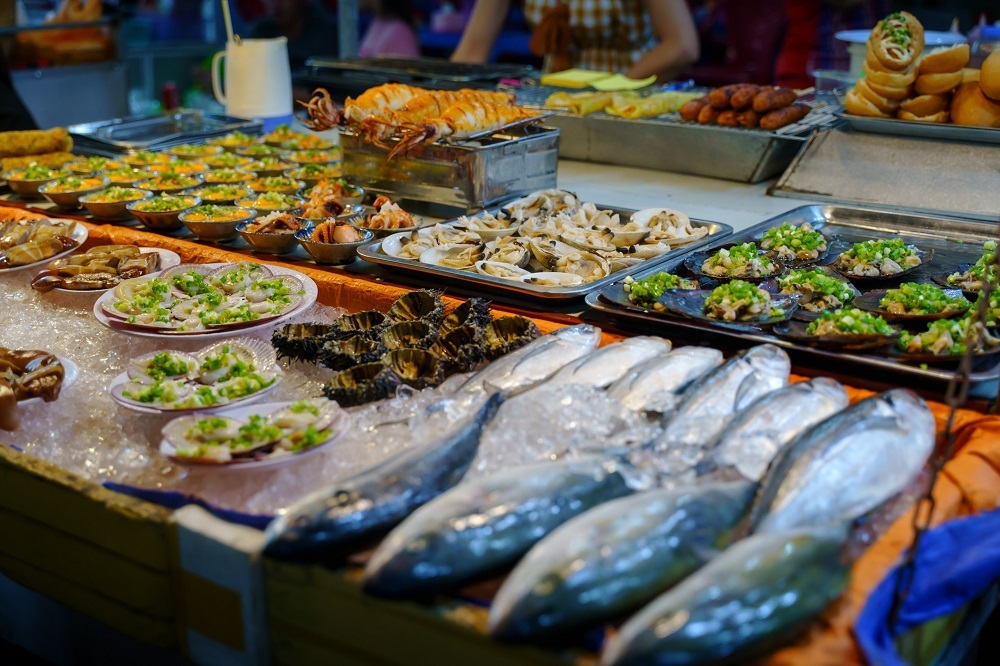
Island hopping on Phu Quoc means a day boat out to the southern archipelago, and there is a second, cable-based way of crossing to the nearest of those islands. Both are heavily marketed and both are busy in high season. We will not rank operators or quote fares here; that market changes monthly and anything we printed would be stale before you read it.
Getting around: the island is bigger than it looks, roughly fifty kilometers top to bottom. Ride-hailing works in and around Duong Dong and thins out quickly beyond it. Motorbike rental is arranged through your property or a shop in town, usually against a passport or a deposit, and it is worth saying plainly that the main north-south road carries fast truck traffic, that side roads turn to red mud in the rainy months, and that a lot of travel insurance will not cover you without the right license. We are not printing a day rate: the figure on most pages, including the one this page previously carried, is two years old, and an undated number is worse than none.

Phu Quoc's genuine dry season runs December through March, and November and April are advertised as dry season when they are not. The Kiên Giang provincial government's own climate figures put the rainy season at April through November and the dry season at December through March, and a climate reference compiled over a stated 2000–2020 period agrees, giving April about 150 mm of rain across about 12 rain days and November about 170 mm across about 13. That matters more here than on most Vietnam pages, because the island's best day is spent on the water and wind and rain are what cancel it.
Rainfall varies year to year and no two compilers agree exactly, so treat monthly figures as the shape of the season rather than a forecast. Our dedicated Phu Quoc seasonal guide carries the month-by-month rainfall and rain-day figures if you are choosing between two specific dates.

Phu Quoc's ticketed attractions — the theme parks, the cable car and the safari — are largely one company's venues, and a day inside them is a day not spent on the island itself. The water-based days are the ones worth protecting, and they are also the ones the weather cancels.
The marquee attractions on nearly every Phu Quoc list belong to a single integrated ecosystem — park, water park, safari, cable crossing, the hotels at both ends — and they are sold harder than anything else on the island because someone has a direct interest in selling them. That does not make them bad. It does mean the "top ten things to do" you are reading is substantially a tour of one company's assets, and a full day inside a ticketed complex is a day you could have spent on an island that is otherwise free.
The second thing nobody writes down: parts of Phu Quoc are an active construction site. The south and the northwest in particular have cranes, haul roads and half-finished frontage, and a brochure photograph will not show you the lot next door. Ask us what is currently being built near a specific stretch before you commit to it.

April on a brochure date. Travelers arrive with "dry season, November to April" in hand, book the second week of April because the flights are cheaper, and then lose a sea day to wind. If April is the only window you have, we will still build the trip — we will just put the boat day on day one and keep a spare afternoon behind it.
A two-night Phu Quoc stop inside a two-week Vietnam trip. The flight each way eats most of a travel day, which leaves roughly one usable day on the island, and one usable day is not enough for the thing you came for. Either give it four nights and let it be the rest at the end of a hard-traveling route, or leave it out and give those nights to Ninh Binh or the central coast. We say this often enough that it is worth putting in writing.
Every Phu Quoc activity list presents the headline attractions as a neutral inventory of the island. They are not one. The pages publishing those lists are, in large part, the attraction operator and a property developer, so the inventory is a tour of their own venues. We will tell you which of your candidate days are a single company's assets and which are the island itself, and then hand you the choice rather than the circuit. Some travelers want the ticketed day and should have it; what they should not have is the impression that it was the island's own recommendation.
Every ranking activity list treats the boat day as interchangeable with the rest of the week. It is not, because it is the only one the weather can remove outright. So we book it for the first full day, keep one later day unbooked as its replacement, and never schedule it the day before a flight. That is a structural decision about the order of your trip, not a weather note at the bottom of a page, and it is the single change that saves the most Phu Quoc itineraries.
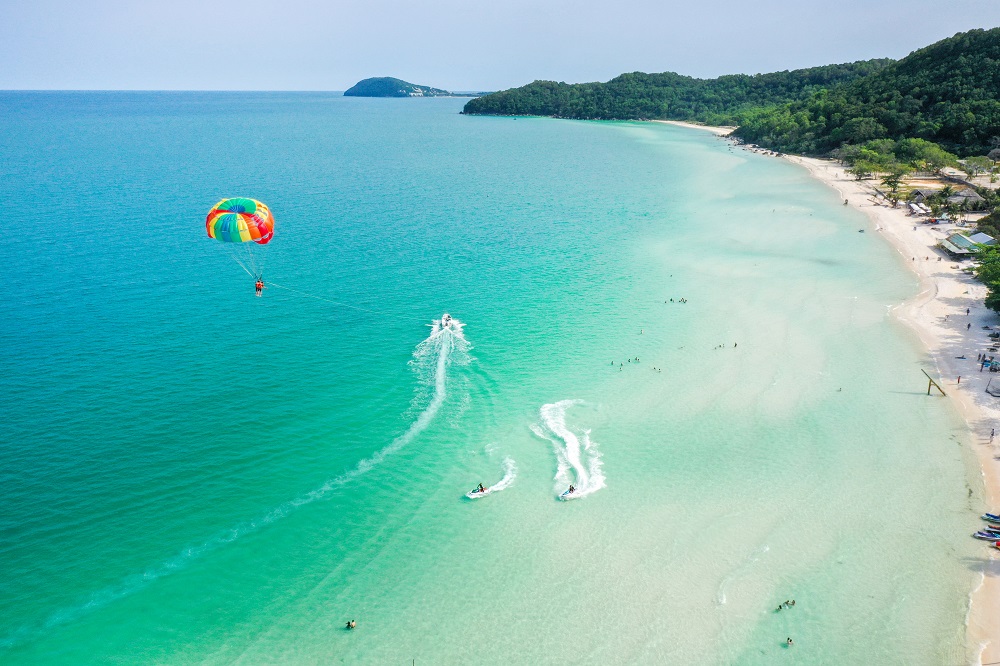
A slow day on the west-coast beaches, a boat day out to the southern islets, and a half-day inland for the pepper farms and the national park. Three different days is the honest shortlist.
Three to five nights for most travelers. Three covers a sea day and two beach days; past five, a single-base island stay starts repeating itself.
December through March is the genuine dry season. November and April are sold as dry season but average about 170 mm and about 150 mm of rain respectively.
Rarely, inside a longer Vietnam trip. The flight each way costs most of a travel day, which leaves roughly one usable day on the island.
Phu Quoc is not a long list. It is a beach day, a sea day and a south-island day, and the sea day goes first because it is the only one the weather can take away from you. Get the order right and four nights is a good stay; get it wrong and it is an expensive way to sit indoors.
The part that sits awkwardly is that the island's loudest attractions are the least likely to be what anyone remembers about it, and they are the ones you will be sold hardest.

Tell us which of those three days you actually care about and roughly when you are traveling, and we will shape the island stay around them — sea day first, a spare afternoon behind it, and a base chosen for the stretch of coast you want. Free quote, no obligation, and you can pull the draft apart as many times as you like.
If Phu Quoc is the slow end of a bigger route, our southern Vietnam and Phu Quoc beach holiday is the paired mainland-and-island version, with the delta and Saigon in front of the beach days. If you are still weighing the island against the alternatives, the case for and against Phu Quoc is the page that argues it both ways.
WhatsApp: (+84) 866.22.7878
Email: sales@asiamystika.com
Website: www.asiamystika.com
