 Hotline: +84 866 227 878
- SG$ Singapore Dollar
- A$ Australian Dollar
- £ British Pound Sterling
- C$ Canadian Dollar
- € Euro
- MYR Ringgit Malaysia
- US$ United States Dollar
- đ Vietnamese Dong


 Hotline/Whatsapp: +84 86 622 7878
 Email: sales@asiamystika.com
 About Us
 Destinations
 Travel Styles
 Travel Guide
 Blogs
Blogs

Looking for the best spa in Da Nang, or just wondering what a massage in Da Nang costs? Here is the honest pricing picture, what each treatment actually involves, and the two timing rules that make the difference.
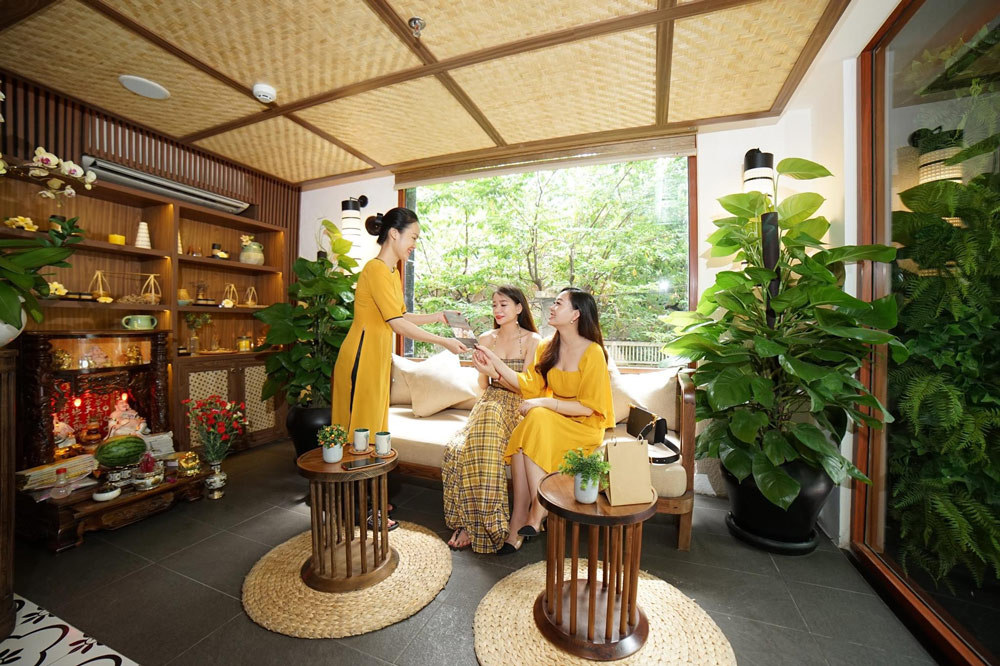
Da Nang is one of the best-value places in Vietnam for a spa day. A one-hour massage typically costs a fraction of what the equivalent would cost in Europe, North America or Singapore — and that holds true at every level, from a neighbourhood parlour to a five-star resort wellness centre.
Prices rise through three broad tiers, and understanding them is the whole of the budgeting question.
This is the single most important thing on the page to keep current: *how much is a massage in Da Nang* is a question people ask a search engine directly, and a stale price is worse than no price at all.
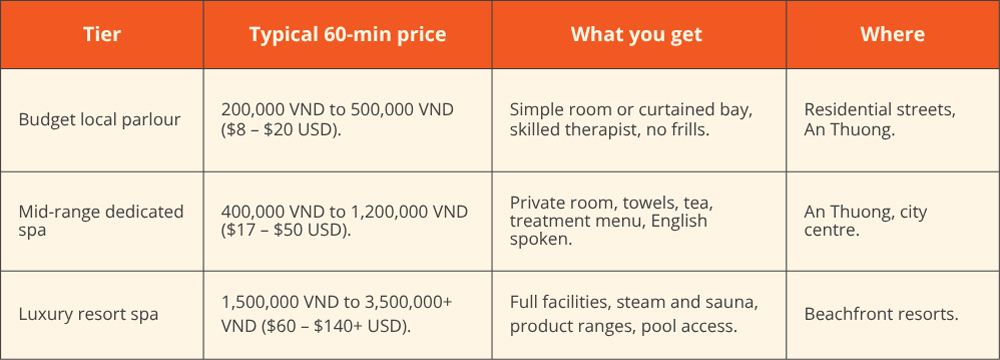
A practical note on value: the therapists at mid-range dedicated spas are frequently just as skilled as those at resort spas. What you pay extra for at the top tier is the room, the robe, the steam room and the quiet — which may well be worth it, but is worth knowing you are buying.
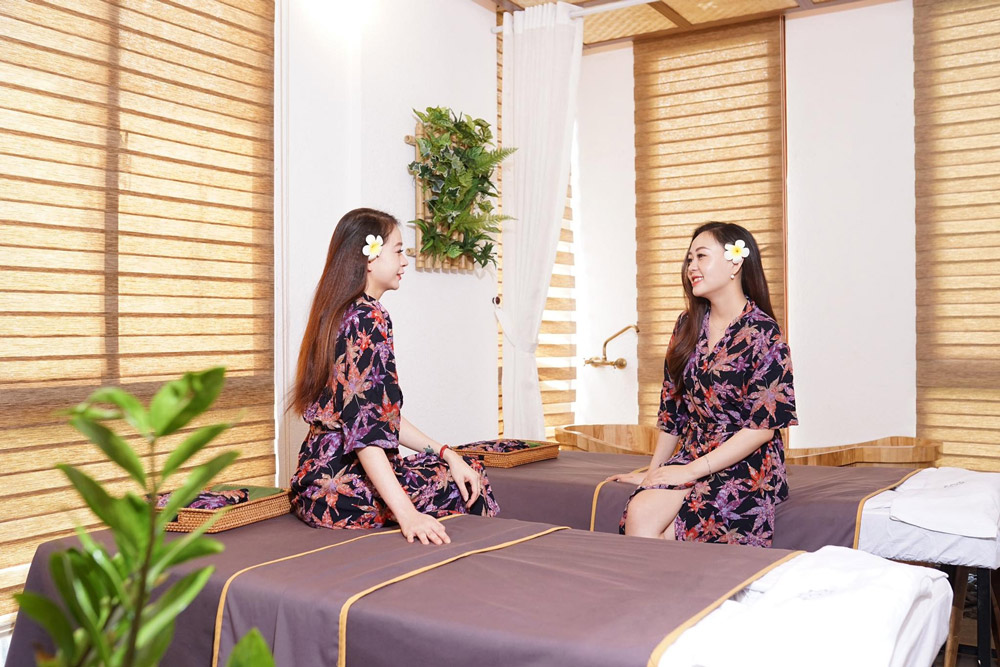
Most Da Nang spa menus run to a couple of dozen items. These are the ones that matter.
If you have never had a massage in Vietnam, here is the sequence, so nothing catches you off guard.
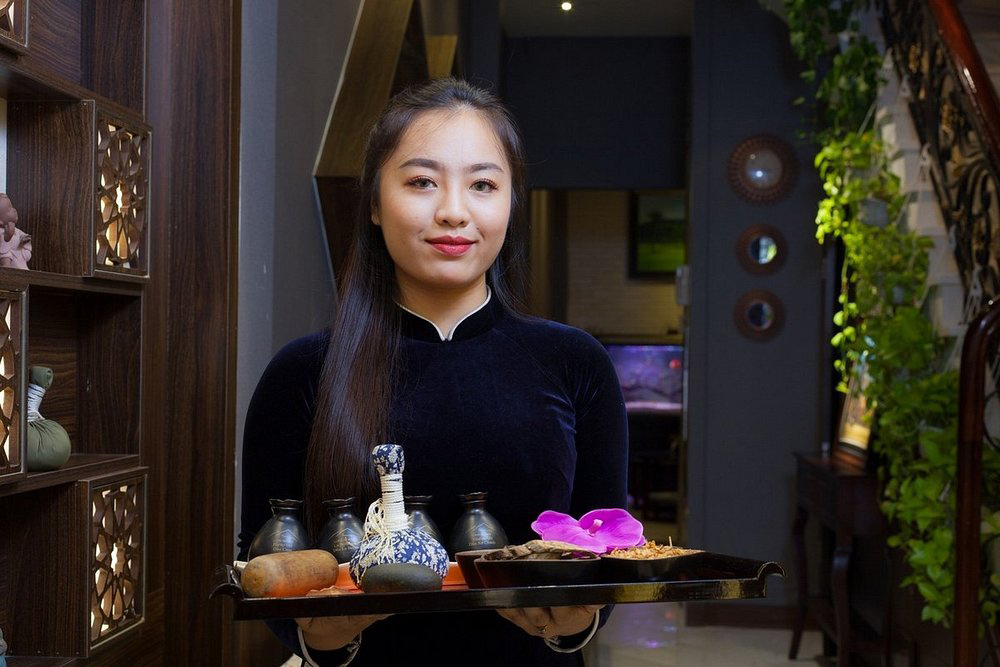
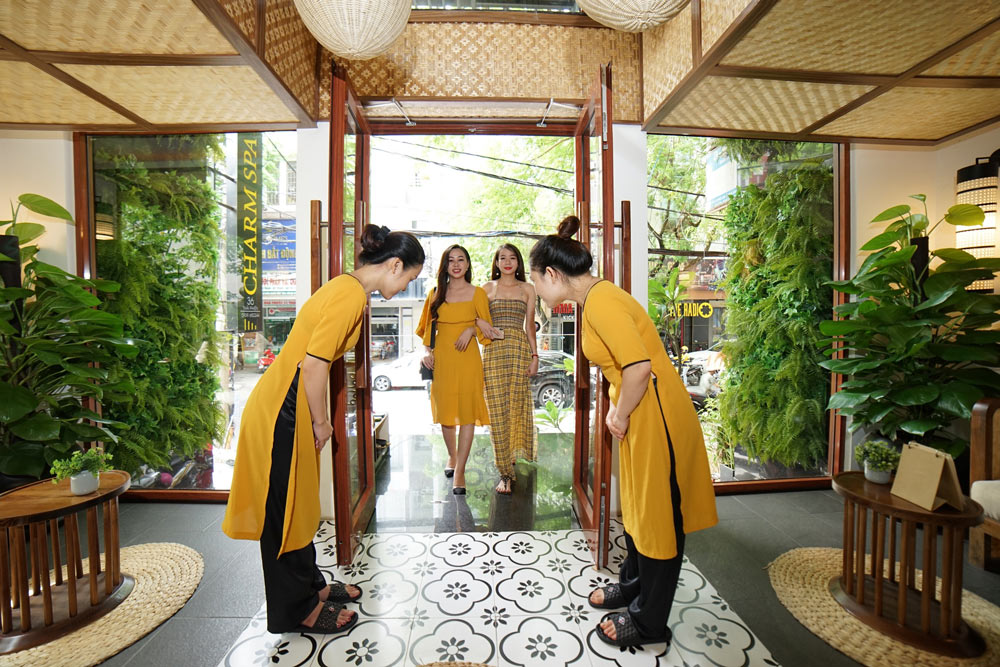
You arrive, remove your shoes and are usually offered tea. You are shown to a locker or a private room and given disposable underwear or loose spa clothing to change into. A therapist will ask about pressure early in the session — often simply *'strong or soft?'* — and it is entirely fine to answer honestly, and to say so again mid-session if it is too much.
Sessions typically run to the booked time rather than over. Afterwards you are usually offered tea again, and there is no rush to leave.
Reputable spas are professional and completely unambiguous about what they are selling. Menus are posted, prices are displayed, staff wear uniforms, and treatment rooms are proper rooms. If a venue is vague about its services or prices, or if anything about the interaction feels unclear, simply leave. You have lost nothing, and there are dozens of good alternatives within a few streets.
This applies at every tier. A cheap neighbourhood parlour can be spotlessly professional, and price is not the signal — presentation and clarity are.
If you are unsure, book a 90-minute Vietnamese or aroma massage. It is the treatment most likely to be excellent at any price point, and it gives you a baseline to judge everything else against.
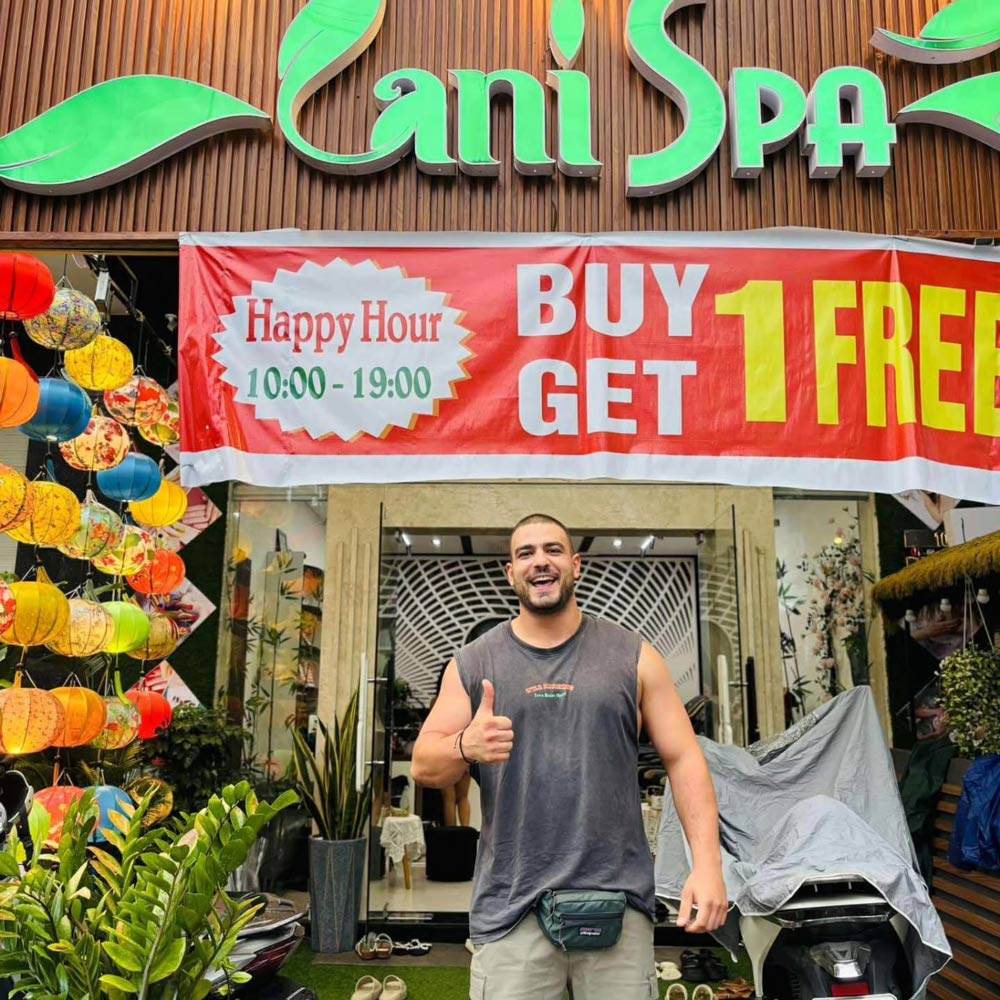
A short verifiable list beats a long directory. Below is one dependable option per tier and area, rather than every spa in the city.
A closed spa in a 'top picks' list destroys the credibility of the whole page, and small spas in Da Nang open and close with some regularity.
This tier is the sweet spot for most visitors — private rooms, proper treatment menus, English-speaking reception, and prices that are still remarkably low by international standards.
Da Nang's established names in this bracket include Lani, Charm and La Vie, all of which have built reputations with visitors over several years.
Most sit in or near An Thuong, the streets behind My Khe Beach, which makes them convenient if you are staying on the beach strip.
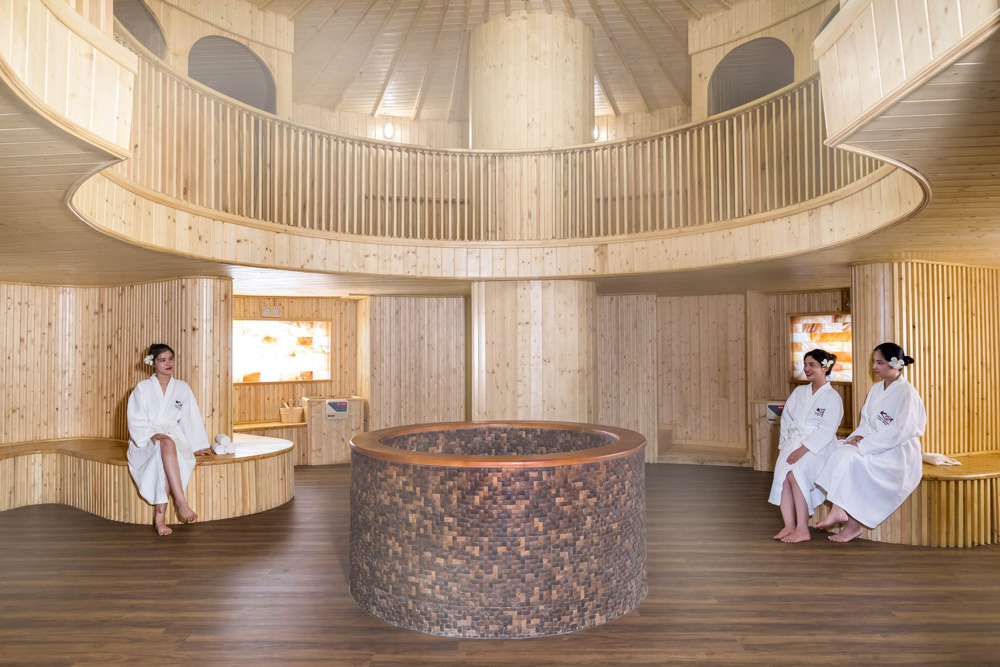
Da Nang's beachfront resorts operate wellness centres that compete with anything in the region — full facilities, steam rooms, extended treatment menus and, usually, access to the resort's pool before or after.
You do not need to be staying at the property to book. Many accept outside guests, and some sell day passes that combine a treatment with pool and beach access for the day.
This is the tier to choose for a special occasion, a honeymoon, or a wet-season afternoon when the beach is not an option.
Small neighbourhood spas and foot-massage parlours, often family-run, scattered throughout the residential streets and around An Thuong.
The therapists are frequently excellent and the prices are remarkably low. What you give up is the setting — a simple room, minimal facilities, and possibly no English beyond the treatment menu.
For a straightforward foot reflexology session after a day of walking, this tier is unbeatable value and we would recommend it over the alternatives.
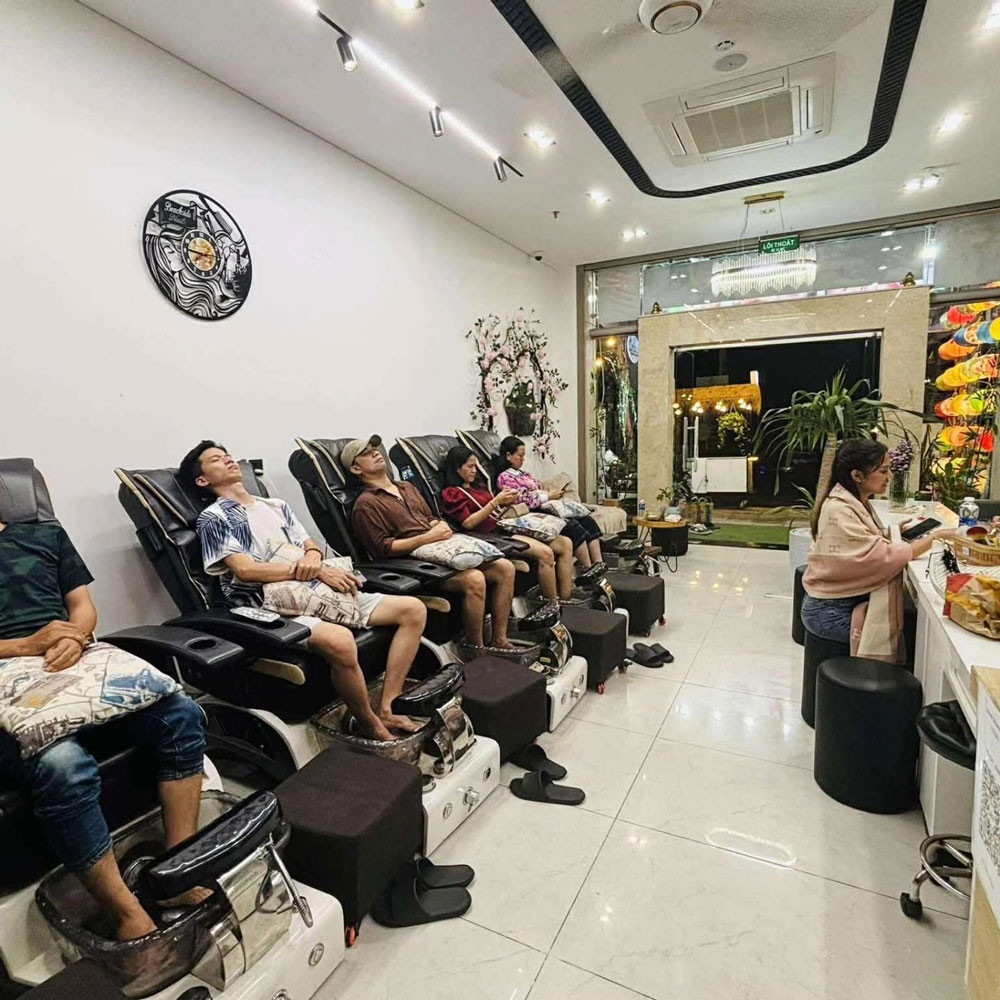
The universal exception is the evening window between 7 and 10 PM, when everyone in the city has the same idea after dinner. See our timing advice below — it is the most useful thing on this page.
Tipping is not obligatory in Vietnam, but it is appreciated and it is normal practice at spas.
A light tip in small notes, handed directly to the therapist rather than left at reception, is standard. Check your bill first — resort spas frequently add a service charge, in which case an additional tip is optional rather than expected.
Carry small denominations. Nobody enjoys the awkwardness of a tip that requires change.
If a single session is not enough, Da Nang supports a proper wellness day.
Than Tai Hot Springs — a hot spring and mud-bath park inland from the city — is the natural pairing. It combines mineral pools, mud baths and a water park, and works as a half or full day.
Resort day passes are the other route. Several beachfront properties sell a package combining a spa treatment with pool, beach and sometimes lunch access, which gives you a full day of a five-star resort without staying there.
A third option, and our favourite: pair a spa session with the day it will actually be most welcome. More on that below.
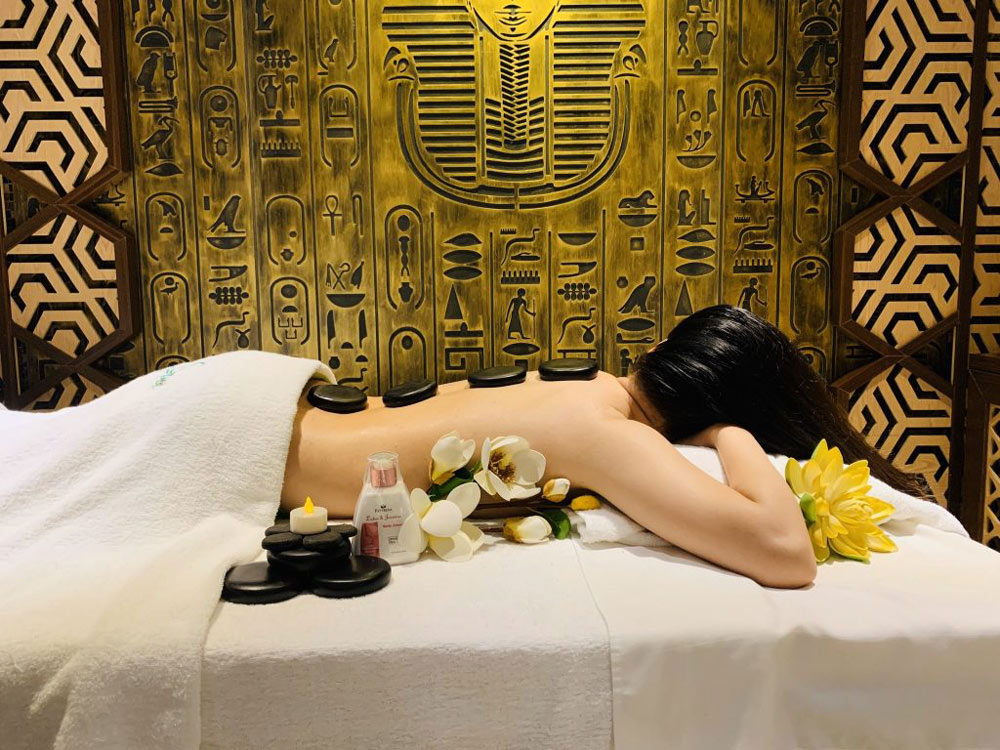
Most spa guides treat a massage as a standalone activity — pick a venue, book a time, done. That is the wrong order.
The best spa session of a Da Nang trip is the one scheduled for the evening after Ba Na Hills or the Marble Mountains, when your legs have earned it. The identical treatment on a rest day rates noticeably lower with our guests, every single time.
So do not ask *which spa?* first. Ask which evening? Look at your itinerary, find the day with the most walking in it — the mountain, the caves, a long day in Hoi An — and book the spa for that evening, at whichever good venue is nearest where that day finishes.
It costs the same and it is a completely different experience.
An Asia Mystika guide explains:
“Every spa in the city is packed from 7 to 10 PM, because everyone has the same idea after dinner. Book 4 or 5 PM instead: same therapists, no wait, unhurried sessions, and you walk out refreshed in time for the evening rather than sleepy at the end of it. It's the single easiest upgrade in the whole spa experience and it costs nothing.” — Billy — Asia Mystika guide, Da Nang.
This is the most practical piece of advice on this page and almost nobody follows it.
The late-afternoon slot gives you a quieter spa, therapists who are not on their fifth session of the evening, and — the part people underestimate — an evening that is still ahead of you. A massage at nine at night is pleasant and then you go to sleep. A massage at four means you are out for dinner afterwards feeling excellent.
Combine the two rules and you have it: the evening after your biggest walking day, at 4 or 5 PM.
A fraction of Western prices at every tier — budget parlours are remarkably cheap, and even luxury resort spas remain affordable by international standards.
Tipping is not obligatory but is appreciated. A light tip in small notes handed directly to the therapist is standard, if a service charge is not already included. Check the bill first.
Resort spas, yes — a day or more ahead. Local and mid-range spas usually take walk-ins outside the busy 7–10 PM window. Late afternoon is the quietest slot.
4 or 5 PM. Every spa in the city fills up between 7 and 10 PM after dinner. The late-afternoon slot means no wait, unhurried sessions and an evening still ahead of you.
A 90-minute Vietnamese or aroma massage. It is the treatment most likely to be excellent at any price point and gives you a baseline to judge everything else against.
A locker or private room, disposable underwear or loose spa clothing, a pressure check early in the session, and tea afterwards. Reputable spas post their prices and are completely clear about what they offer.
The established ones are. Look for a posted price list, uniformed staff, proper treatment rooms and clean linen. If a venue is vague about its services or prices, leave — there are plenty of good alternatives nearby.
Most visitors do best in the mid-range tier around An Thuong, behind My Khe Beach. Resort wellness centres on the beachfront are the choice for a special occasion, and many accept non-guests.
Here is the whole thing in one line:
Da Nang is exceptional value at every tier — book a 90-minute Vietnamese massage for 4 PM on the evening after your biggest walking day.
One dependable pick per tier is all you need: a neighbourhood parlour for foot reflexology, a mid-range dedicated spa for a proper session, and a resort wellness centre for the one special afternoon.
The two timing rules matter more than the venue choice. Get those right and a massage stops being something you did on holiday and becomes the part of the day you remember.
Stop saving spa lists you will never sort through. The hard part is not finding a good spa in Da Nang — there are dozens. It is booking the right one on the right evening, at the right hour, near where your day actually finishes.
If you want to save time and effort while traveling to Vietnam, contact Asia Mystika, a trusted tour agent in Vietnam. We add vetted spa sessions and Than Tai Hot Springs days to Da Nang packages and schedule them where they belong in the itinerary — the evening after the mountain, at four o'clock, at the venue nearest your hotel.
Tell us your dates and we will build the rest of the trip around it.
