 Hotline: +84 866 227 878
- SG$ Singapore Dollar
- A$ Australian Dollar
- £ British Pound Sterling
- C$ Canadian Dollar
- € Euro
- MYR Ringgit Malaysia
- US$ United States Dollar
- đ Vietnamese Dong


 Hotline/Whatsapp: +84 86 622 7878
 Email: sales@asiamystika.com
 About Us
 Destinations
 Travel Styles
 Travel Guide
 Blogs
Blogs

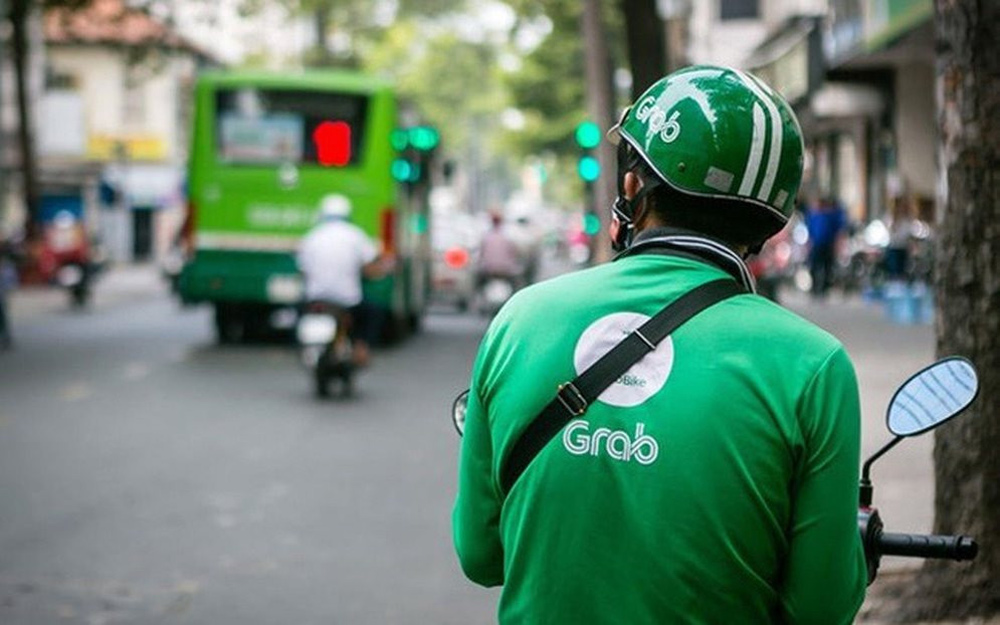
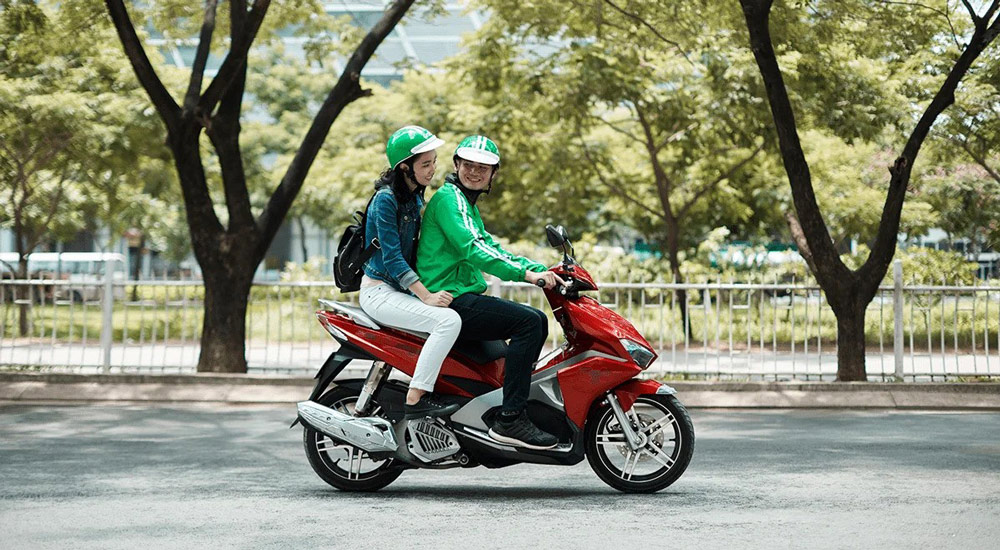
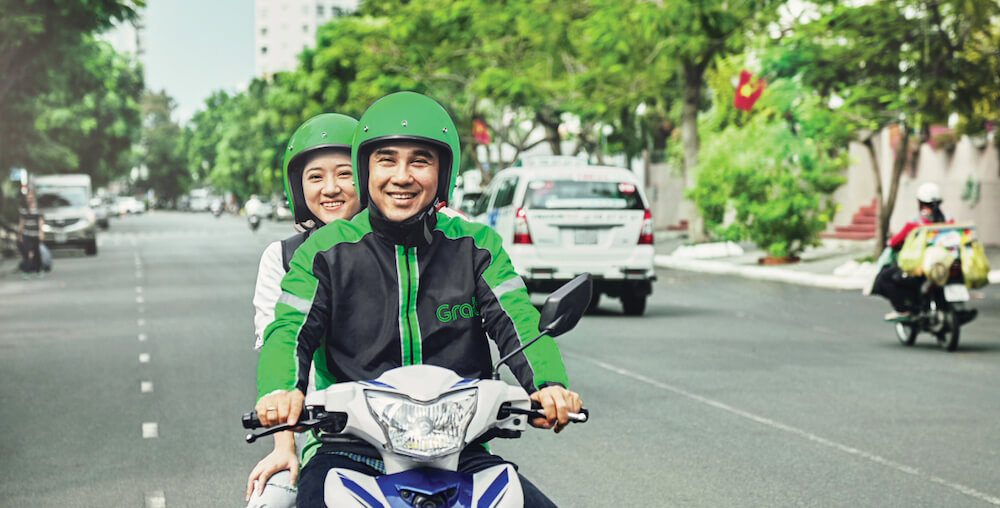
Grab is the default for getting around Da Nang — cars and motorbike taxis, fixed price shown before you accept, no negotiation. Metered taxis cover you when the app does not. Walking works within a neighborhood but not across the city; Da Nang is long and thin. Renting a motorbike is an option later in a trip, not on day one.
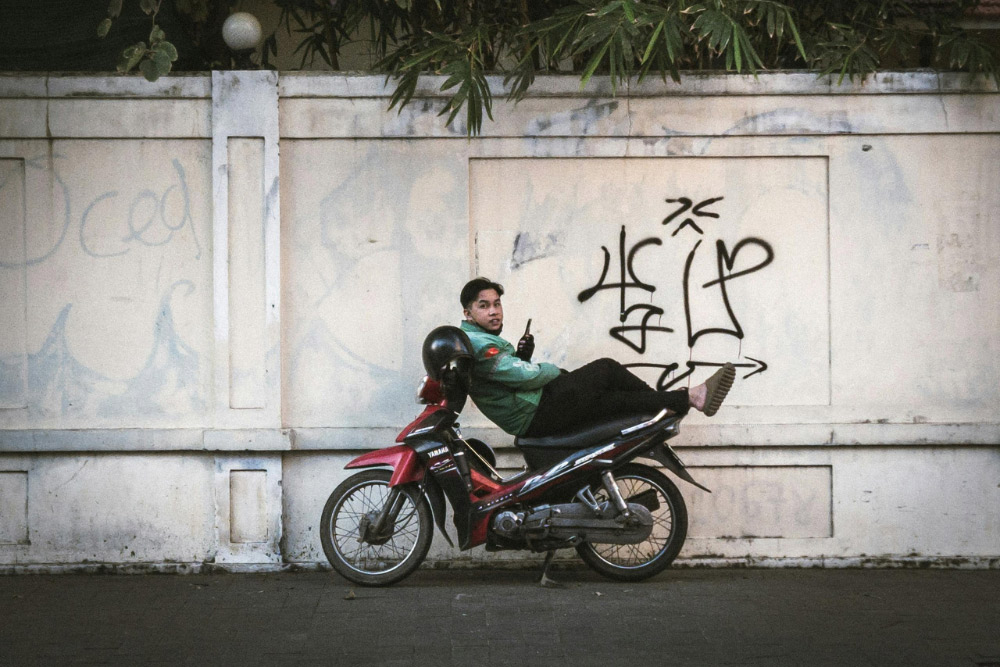
Start with the shape of the city, because that is what makes people misjudge distances. Da Nang runs in a long strip: the Han River and the old center on one side, My Khe and the beach on the other, An Thuong's restaurant blocks behind the sand, Son Tra at the north end, the Marble Mountains well south, and the airport, railway station and central bus station inland near the middle. The promenade is a good walk end to end. River to beach, or anywhere to the Marble Mountains, is a ride. Our Da Nang destination guide covers which areas are worth crossing the city for.
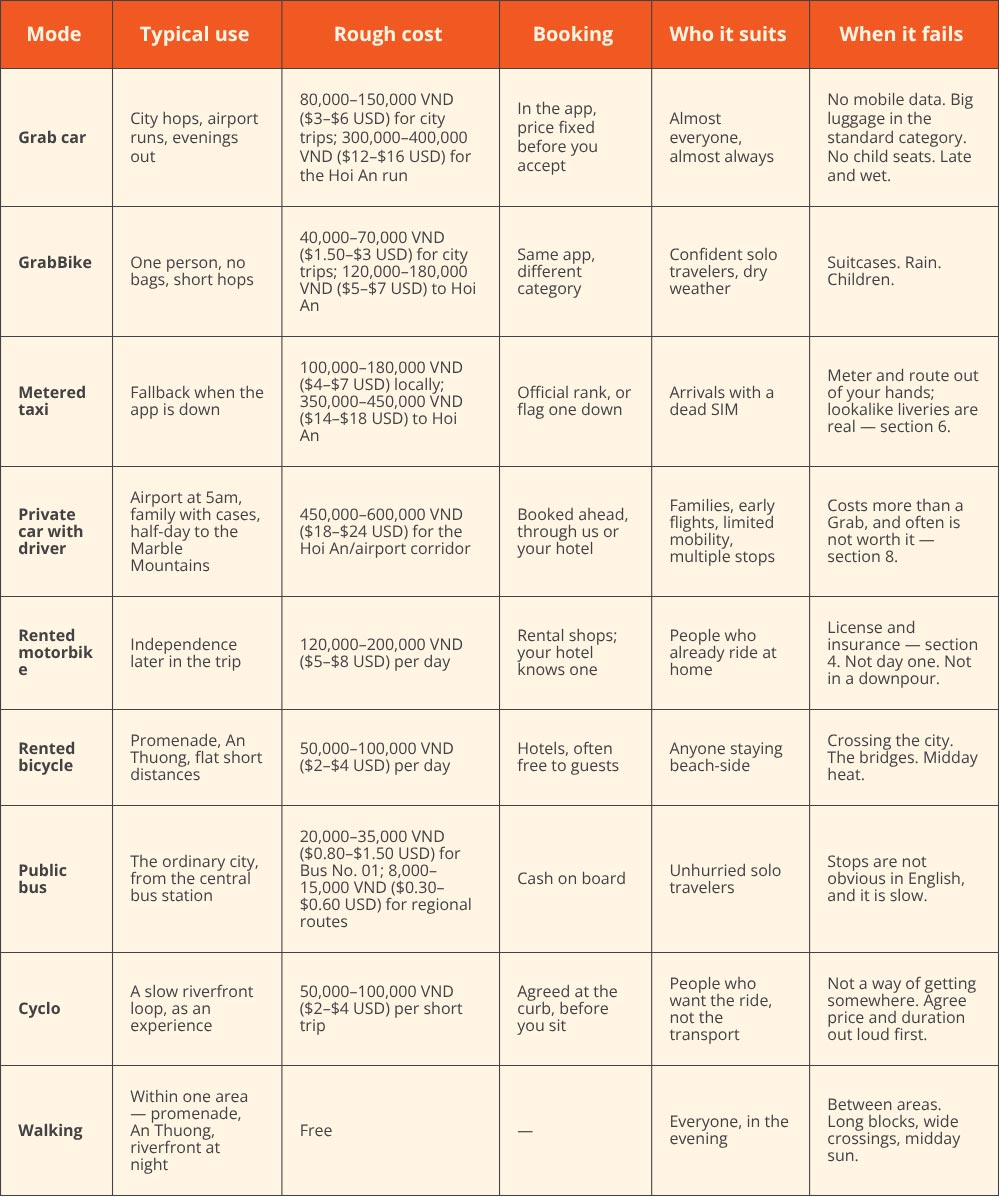
Two rows change seasonally. Da Nang's wet season runs roughly September to December (carried from our 2026-09-04 content plan, §4), and heavy rain drops ride availability, pushes app prices up and takes motorbikes and bicycles off the table. Visiting then, budget for cars.
If transport is the part you would rather not solve, our Free and Easy Da Nang and Hoi An package exists for that reader: transfers arranged, an English-speaking driver expecting you, no negotiating at a curb with your bags on the ground.
Different question — one journey, point to point, with its own fares, bus option and pickup rules at the far end — so it has its own page. Grab does quote the route and it is a normal thing to search; the taxi, Grab, private car and bus comparison is in Da Nang to Hoi An: taxi price, Grab and bus options, and if the ancient town is the draw, our Hoi An Ancient Town guide covers what is there. Everything below is about moving around inside Da Nang.
In the order you actually do it, which is not the order the app's menus suggest.
Those last three — price agreed before you move, driver and plate shown in advance, a trip record afterwards — are the argument for the app, and the argument against every cash-at-the-curb alternative in section 6.
Every page ranking for this tells you how to use Grab. This is the half that ruins a day.
No data, no Grab. An eSIM that has not activated at the arrivals curb turns the app into a brick, and it happens often enough to plan for. The fallback is the official taxi rank inside the terminal — not a person who approaches you in the hall — with your hotel address screenshotted in Vietnamese and small notes already in a pocket. Our Da Nang International Airport guide covers the arrival sequence if the first hour is your worry.
The ride-hailing pickup point is not always the curb. App cars often collect from a signposted zone rather than the arrivals lane, which can mean a walk with your bags. Current Da Nang pickup point and walking distance: approximately 50 meters straight out from the arrivals hall to the designated Xe Công Nghệ (ride-hailing) pick-up zone in the terminal parking lot (near Lane 1–2 at the international terminal, or around pillars 2–3 at the domestic terminal) — verified September 2026.
Luggage and group size. Two large cases plus three adults do not fit the standard category. A driver who arrives and cannot take you will cancel, and the wait starts again.
There are no child seats. Not in Grab, not in a metered taxi, generally not in Vietnam. This is the most useful sentence on the page for a family and almost nobody writes it. Plan around it before you land, not at the curb with a toddler.
Late, wet, or long. A long fare late in the evening in rain gets declined, repeatedly — the driver would rather take three short runs. If you need to be somewhere at a time, book ahead of it.
GrabBike with a suitcase. No. It is a cancellation and twenty minutes gone, not something the driver works around.
Mobility limits. A hailed car will not wait and has no reason to think it should. A booked one will. If anyone needs time to get in and out, or door-to-door rather than corner-to-corner, that is a booking, not a hail.
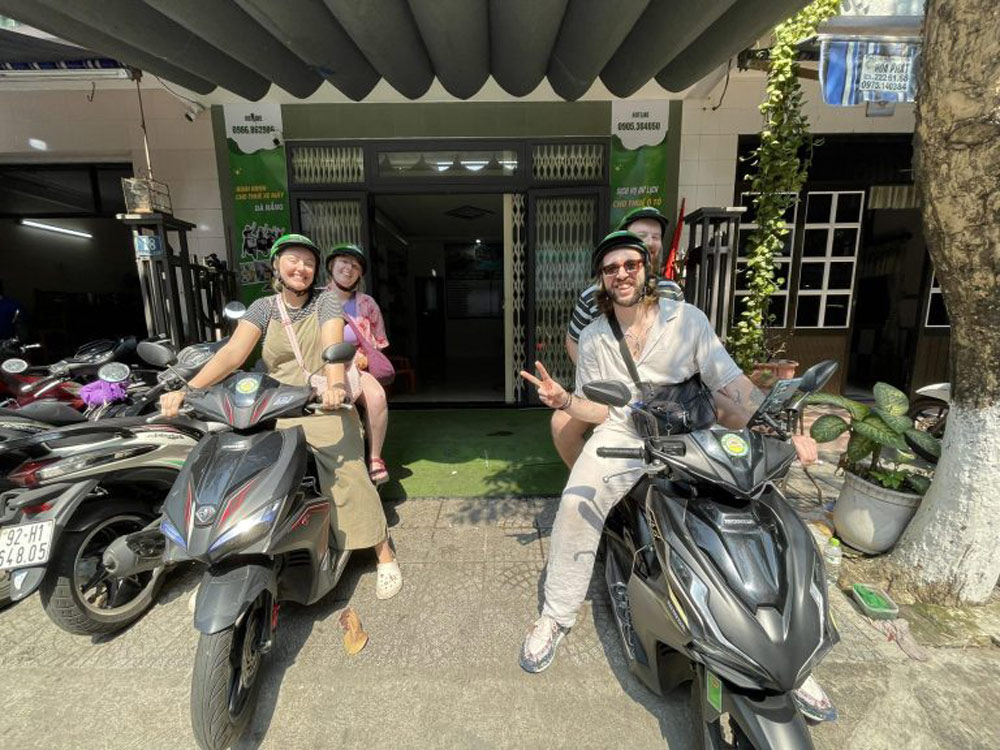
Yes, easily, and your hotel will point you at a shop. Whether you should depends less on Da Nang than on what you already ride at home.
What renting involves. A deposit — and here is the hard rule: never surrender your passport. Offer cash or a photocopy. A held passport is the leverage behind the damage dispute in section 6. Before you ride away, photograph the bike from every angle — both sides, front, tank, seat, mirrors, existing scratches — standing in front of the person renting it to you, so they see you doing it.
License and insurance, which is the part that matters. The honest downside here is not the traffic. If the license you hold does not cover the machine you rented, your travel insurance may decline the claim that follows a collision — and that applies whether or not anyone stops you on the road. The police question and the insurance question are separate, and the insurance one is expensive. Current license requirement for a visitor riding in Vietnam: a valid domestic motorcycle license from your home country accompanied by an official 1968 Vienna Convention International Driving Permit (IDP) showing the correct motorcycle category (or a valid license from a participating ASEAN member state), alongside a local Vietnamese license if staying long-term — verified September 2026.
The traffic, described rather than dramatized. Da Nang's roads run on flow rather than right of way. Gaps are taken rather than given, larger vehicles assume priority, and the horn means "I am here", not "you are wrong". It is a readable system and most riders adapt within a few days. Day one, jetlagged, on an unfamiliar automatic scooter, is not when to learn it. Ride in the second half of the trip, after some days watching from the back of a GrabBike.
The bicycle is the underrated answer, in one place only. The promenade and the flat grid behind My Khe are genuinely good on a bicycle, and hotels there often lend them free. Crossing the city is not — that means the bridges, kilometers of arterial road, and heat.
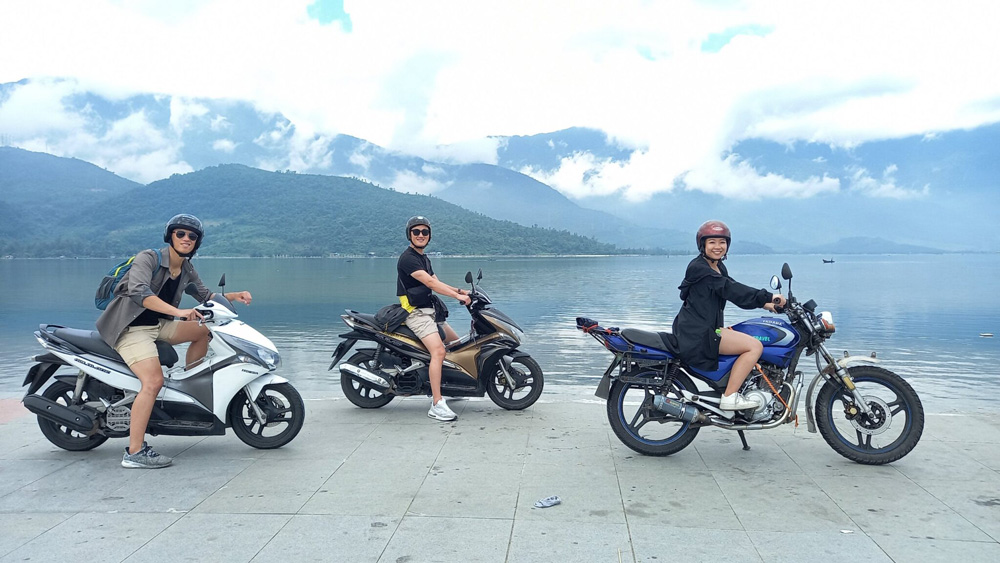
Almost certainly not the way you are imagining, and this is the query rental brokers answer badly because a straight answer costs them a booking.
What "car rental" means here in practice. In Vietnam, hiring a car overwhelmingly means hiring a car with a driver. That is the standard product, that is what a hotel arranges when you ask, and it is what most "Da Nang car rental" listings resolve into once you read the terms. Self-drive exists, but as a niche product — not the airport-desk transaction it is in Europe or North America.
The license position. A foreign driving license alone does not straightforwardly permit you to drive a car in Vietnam, and the exact current requirement — which license, which permit, which conversion, and what an insurer accepts — is strictly required to be either a 1968 Vienna Convention International Driving Permit (IDP) paired with your valid home-country national license (applicable only if your home country is a signatory, excluding nations like the US, Canada, and Australia), a recognized regional ASEAN license, or a direct temporary conversion to a Vietnamese driving license processed through the Department of Transport for long-term residents holding valid residence permits; third-party translations or non-compliant permits (such as IAA booklets) are legally invalid and routinely rejected by insurers and local authorities.
What it costs against the alternative. A day with a car and driver versus a day of individual Grab rides: 800,000 to 1,000,000 VND ($32–$40 USD) for a half-day (4-hour) private car charter versus roughly 400,000 to 600,000 VND ($16–$24 USD) accumulated across multiple fractured app-hailing legs with waiting penalties (checked September 2026). For a day out to the Marble Mountains, up Son Tra and back with waiting at each, a driver stops looking expensive, because waiting is what costs you in a Grab.
Who self-drive genuinely suits. On a one-week trip, almost nobody. You would be learning an unfamiliar traffic convention, in an unfamiliar vehicle, uncertain whether your insurance responds, to save what a driver costs — and the driver knows where a car can legally stop, which around the beach strip and the Marble Mountains matters more than it sounds. If the appeal is reaching things outside the city on your own schedule, a driver does it better; our day trips and excursions are built around that pattern.
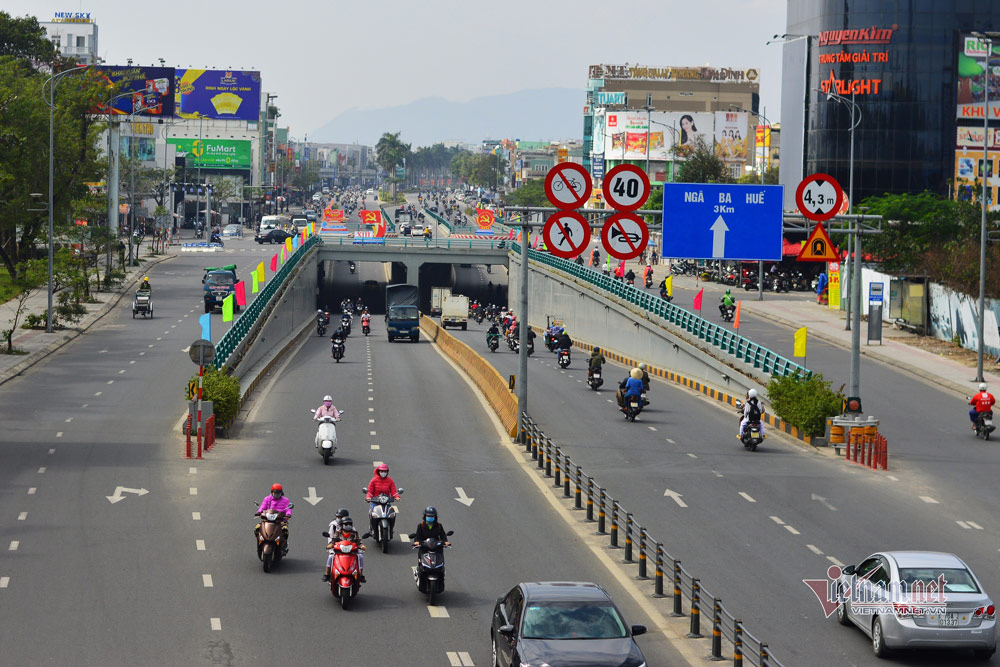
Mechanism first, then the defense.
The lookalike livery. A car painted in near-identical colors to a reputable company, name one letter different. It looks right at a glance, in the dark, from twenty meters. Defense: book in the app so the plate is shown before the car arrives, and check the plate rather than the paint. Metered operators we will name as currently trading: Mai Linh (0236 3 56 56 56), Vinasun (0236 3 68 68 68), and Tiên Sa (0236 3 79 79 79) — verified September 2026.
The fast meter, and the broken meter. Either the meter runs quicker than the road, or the driver says it is not working and names a figure on arrival. Defense: the range in section 7 is what you check against. With no working meter, agree the price out loud before the car moves; if the arrival figure is far out, pay what was agreed and take it up with the company, not the driver at the curb.
"Cancel the Grab, I'll do it cheaper." The booked driver arrives and asks you to cancel in the app and settle in cash. Defense: don't. You trade a fixed price, a trip record, a known driver and a complaints route for a discount smaller than any one of them.
The banknote switch and the missing zero. The 20,000 and 500,000 dong notes are similar in color, and in a dark car at the end of a long day they are easy to confuse — in either direction. The variant is the driver with no change for a large note. Defense: carry small notes, count out loud, hand over one at a time, and pay in the app where you can. The strongest practical argument for cashless in Vietnam.
"Your hotel is closed." The driver reports your hotel has closed, moved or is full, and knows a better one. The better one pays commission. Defense: it is not true. Ask to be taken to the address anyway; having the booking on your phone ends it.
The arrivals tout. A confident, helpful person inside the terminal offering you a car, who is not a driver and not with an operator. The car is parked elsewhere, and the price is agreed once you are in it. Defense: the official rank or a booked car, and never follow anyone out to another lot.
The passport-as-deposit dispute. It starts in section 4: the shop holds your passport, then finds damage on return that you cannot disprove. Defense: never hand it over, and photograph the bike first.
The "included" workshop stop. A transfer that diverts to a jewelry shop, a silk showroom or a marble carving workshop near the Marble Mountains that nobody asked to visit. It pays commission and costs an hour you paid for. Defense: say at the start that you are going directly, and put it in writing when you book.
Now the calibration, because that list reads worse than the reality. The realistic worst case in nearly every one of them is an overpaid fare and a story to tell. Getting into a car in Da Nang is not something to steel yourself for. If your concern is broader than transport, our is Da Nang safe guide covers the rest plainly.
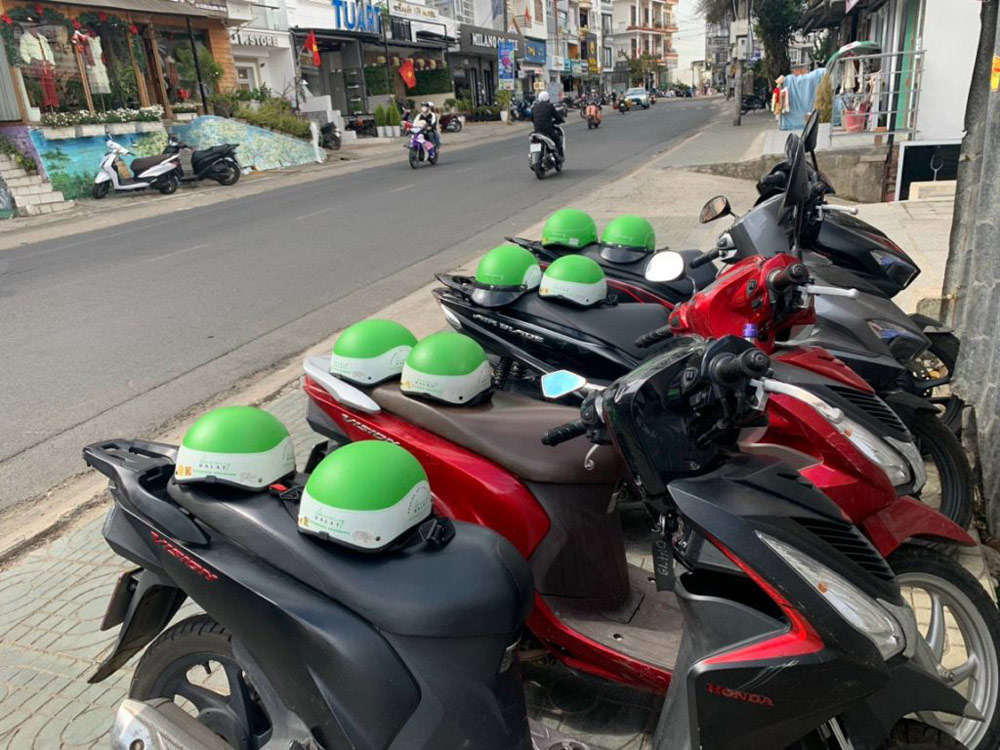
These figures are not verified. Every row is blank rather than guessed, and the page will not publish with them blank.
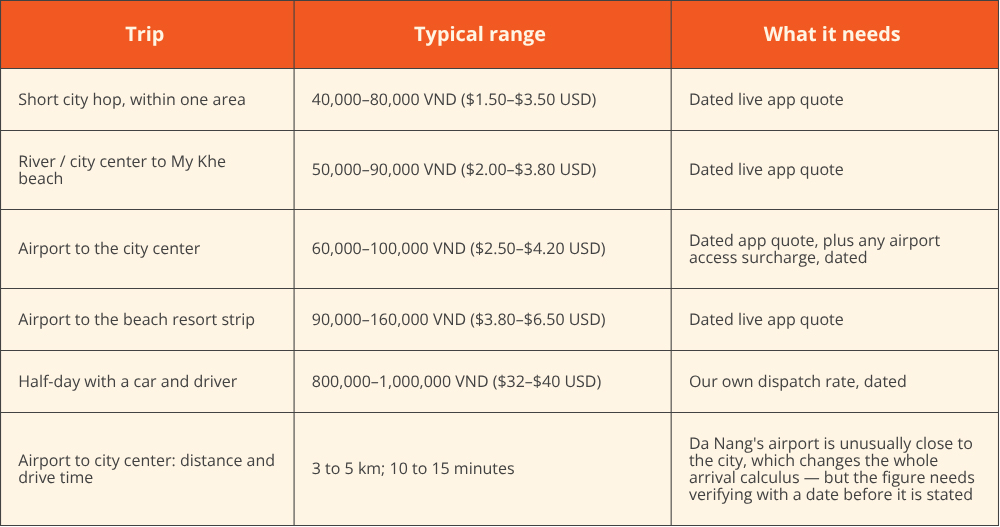
Blank rather than approximate, deliberately: a plausible-looking range built on an unsourced figure is a larger error than a gap, because a reader will act on it at a curb. Until these are captured with a date, use the method that does not depend on us — open the app before you agree anything with anyone, and treat its quote as your reference price for that day, in that weather, at that hour.
Three things we would say across a table, which are not on the pages currently ranking for this question.
It is being connected in the first ten minutes. Every guide ranking for this lists the modes, and the lists are broadly right. But the people who have a bad first hour in Da Nang are almost never the ones who picked the wrong mode — they are the ones who had exactly one plan. Carry a second that needs no data: the official rank inside the terminal, the hotel address screenshotted in Vietnamese, small notes you can reach without opening a bag. Sort that and the rest of this page is trivia.
Da Nang has long one-way stretches along the river, and a beach strip where the sensible stopping point is often across the road from the door you want. When we arrange a city transfer the pickup is agreed as a corner, not a hotel name, because a car that cannot stop at the door circles the block — and circling the block in the late afternoon is where the time goes. Do the same: put the cross-street in the app note.
For a couple with cabin bags on a clear afternoon, a Grab is the right answer and we will say so. A private car earns its price in five situations: a flight before dawn, a family with cases and a small child, someone with limited mobility, a half-day with waiting time at the Marble Mountains or on Son Tra, and heavy rain in the September-to-December window when app availability drops. Outside those you are paying for something the app already does well.
Our own city transfer and day rates: 300,000 to 350,000 VND ($12–$15 USD) for a direct airport-to-Hoi An transfer, and 800,000 to 1,000,000 VND ($32–$40 USD) for a half-day (4-to-5-hour) private car charter with waiting time.
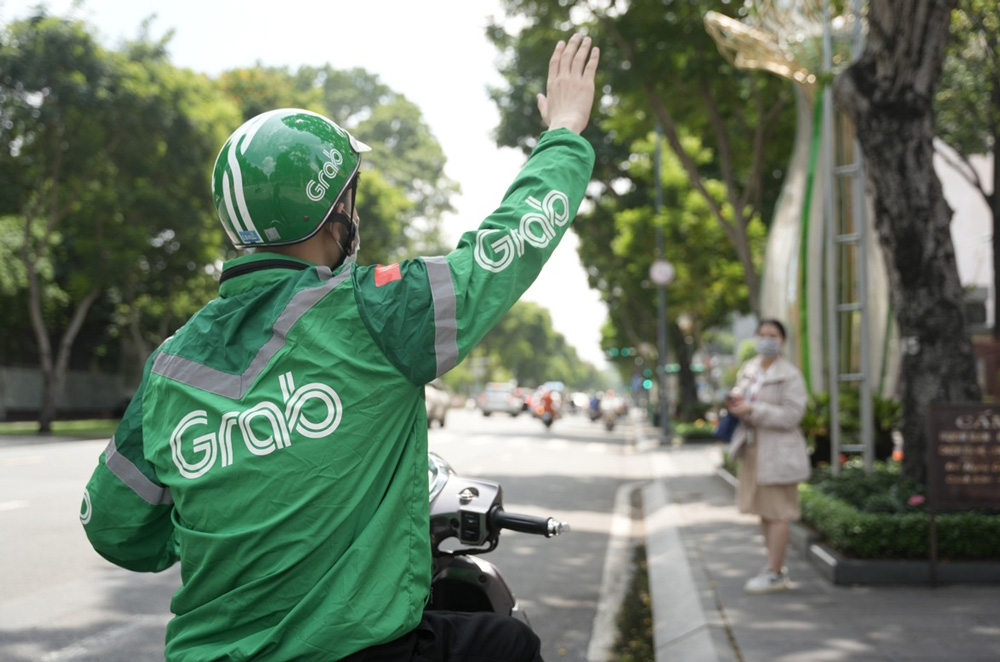
Yes. Grab covers Da Nang with cars, motorbike taxis and delivery, and it is what most visitors use for almost every journey. It shows a fixed price before you accept, and needs working mobile data.
Yes, some. Most rides can be paid in the app, but keep small notes for a cyclo, a bus, a market, or a taxi taken when your data is down. Small notes specifically — the change problem is real.
Yes, and it is the usual way in. The thing to check is where app cars are permitted to collect, which is not always the arrivals curb. Current pickup point and walking distance: approximately 50 meters straight out from the arrivals hall to the designated Xe Công Nghệ (ride-hailing) pick-up zone in the terminal parking lot (near Lane 1–2 at the international terminal, or around pillars 2–3 at the domestic terminal).
Manageable for people who already ride at home, and a poor idea on your first jetlagged day. The bigger risk is the paperwork, not the traffic: if your license does not cover the bike, your travel insurance may not cover a claim. Current requirement: a valid home-country national motorcycle license accompanied by an official 1968 Vienna Convention International Driving Permit (IDP) showing the correct motorcycle category (note that a standard car license or a 1949 Geneva Convention IDP is legally invalid for riding scooters over 50cc, which can void travel insurance in the event of an accident).
In practice, hiring a car in Vietnam means hiring a car with a driver. strictly requiring a valid home-country driving license paired with an official International Driving Permit (IDP) issued under the 1968 Vienna Convention (noting that 1949 Geneva Convention permits—used by countries like the US, Australia, and Canada—are legally unrecognized, and many local agencies or insurers will still defer to chauffeur-driven arrangements in practice).
Across the Han River — a short ride rather than a walk, and one of the shorter city hops you will make. Exact distance and typical fare: approximately 3 to 4 km (about a 10-to-15-minute drive across the Han River bridges, with typical Grab or metered taxi fares running 50,000 to 90,000 VND / $2.00 to $3.80 USD).

You now have the whole of it: what each mode is for, what it costs you when it goes wrong, and when the app is not the right answer.
If you would rather not solve any of it, that is what we do. Tell us the dates you have in mind and what you want out of the trip, and a consultant will draft a route you can pull apart — a car where it earns its place and none where it does not, a driver expecting you at 5am if you fly early, someone reachable on WhatsApp while you are here. Free quote, no obligation.
Our Free and Easy Da Nang and Hoi An package is the usual starting point for travelers who want the transfers handled and the days left open — and like everything we build, it gets rearranged until it is yours.
WhatsApp +84 866227878 · sales@asiamystika.com
Asia Mystika designs private, tailor-made trips through Vietnam, Laos and Cambodia. Founded in 2020, we have arranged travel for more than 25,000 individual customers. International Tour Operator License No. 01-536/2021/TCDL-GP LHQT.
