 Hotline: +84 866 227 878
- SG$ Singapore Dollar
- A$ Australian Dollar
- £ British Pound Sterling
- C$ Canadian Dollar
- € Euro
- MYR Ringgit Malaysia
- US$ United States Dollar
- đ Vietnamese Dong


 Hotline/Whatsapp: +84 86 622 7878
 Email: sales@asiamystika.com
 About Us
 Destinations
 Travel Styles
 Travel Guide
 Blogs
Blogs

Traveling from Ho Chi Minh City to Da Nang? Here is every option compared — flight times, the scenic train, sleeper buses, what each costs, and which one actually suits your trip.

Ho Chi Minh City — still widely called Saigon by locals and on many booking sites — sits in southern Vietnam. Da Nang is on the central coast, roughly 950 km to the north.
That distance matters, because it rules out the options that work well on shorter Vietnamese routes. There is no comfortable half-day drive here, and no quick bus hop. Your realistic choices are flying, the train, or a sleeper bus.
This route is searched almost equally in both directions, so everything below applies whether you are heading north to Da Nang or south to Saigon.
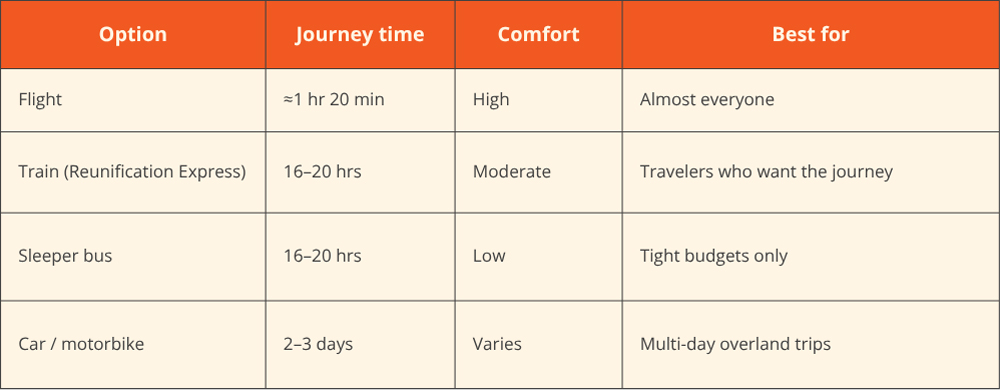
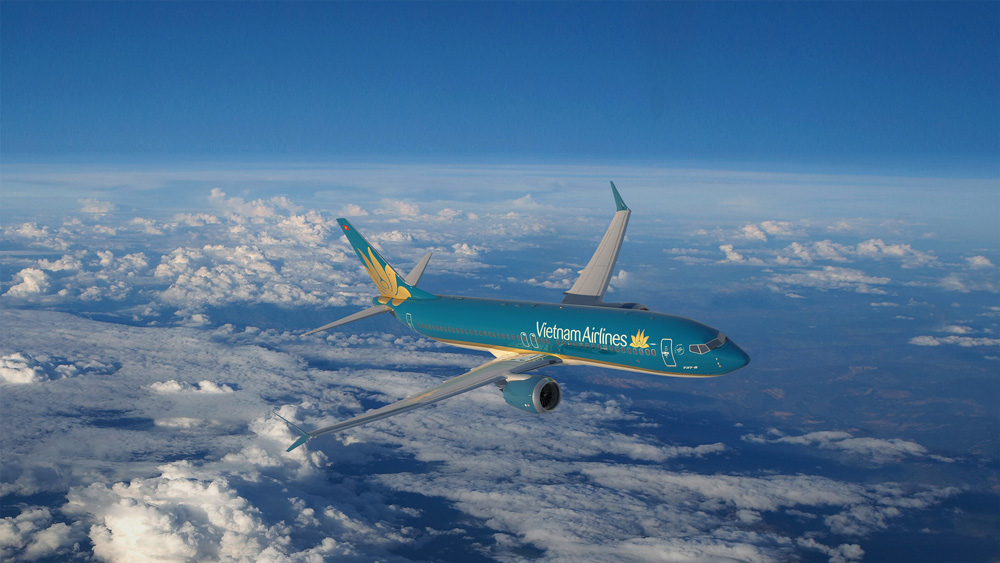
This is what we book for the overwhelming majority of guests, and for good reason.
The Ho Chi Minh City to Da Nang flight takes about 1 hour 20 minutes in the air. It is one of Vietnam's busiest domestic routes, with several airlines operating multiple daily departures.
Flights depart from Tan Son Nhat International Airport (SGN) and arrive at Da Nang International Airport (DAD). Both handle domestic traffic efficiently, and check-in to boarding is usually quick.
Domestic fares in Vietnam are low by international standards, though they rise sharply around holidays.
Two periods to plan around:
Outside those windows, booking two to four weeks ahead usually gets a reasonable fare. Low-cost carriers charge separately for checked baggage, so compare the total rather than the headline price.
At the Saigon end, allow extra time. Tan Son Nhat is busy and the domestic terminal can be congested, particularly in the early morning and evening peaks.
At the Da Nang end, arrival is straightforward. Da Nang International Airport sits inside the city — around 10 to 20 minutes from the center, 15 to 25 minutes from My Khe Beach, and 45 to 60 minutes from Hoi An.

The Reunification Express is Vietnam's north–south railway, running the length of the country between Hanoi and Ho Chi Minh City with Da Nang roughly in the middle.
It is a genuinely different way to see Vietnam — and a genuinely long one.
The Saigon to Da Nang train takes roughly 16 to 20 hours depending on the service.
Book ahead, especially around holidays — sleeper berths are the first thing to sell out on Vietnamese trains.
Honestly, for most travelers on this particular route: no.
The scenery that makes Vietnamese rail famous is the Hue to Da Nang section, where the line hugs the coast beneath the Hai Van Pass. That stretch is spectacular — but it is at the far northern end of this journey, and it is only two to three hours long.
Riding sixteen hours from Saigon to reach it means spending most of a day of your holiday to see a small fraction of the route's best scenery. A far better plan for most people: fly to Da Nang, then take the short train leg between Da Nang and Hue. You get the good part and keep the day.

Sleeper buses run the route overnight for less than a train ticket. Vietnamese sleeper buses have reclining bunk berths rather than seats, arranged in two levels.
The journey takes a similar length of time to the train — roughly 16 to 20 hours — in noticeably less comfort.
We rarely recommend this for a 950 km journey. The saving over a discounted flight is often small, and the cost in time and rest is significant. If your budget is genuinely tight, compare a sleeper bus fare against the cheapest advance flight before committing — the gap may be smaller than you expect.
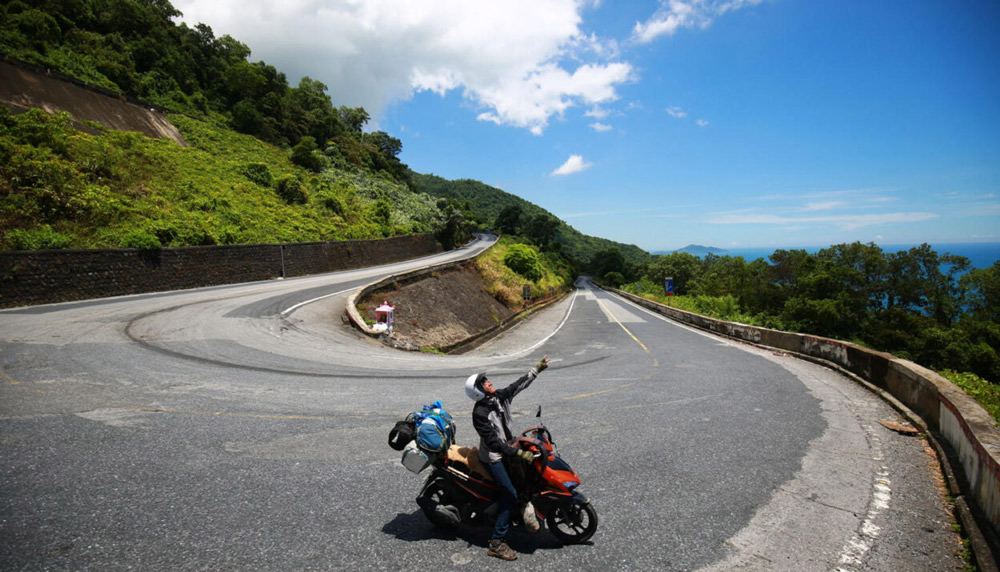
Driving the full 950 km takes two to three days with overnight stops. A private car transfer over this distance is impractical and expensive, and we do not arrange it as a point-to-point journey.
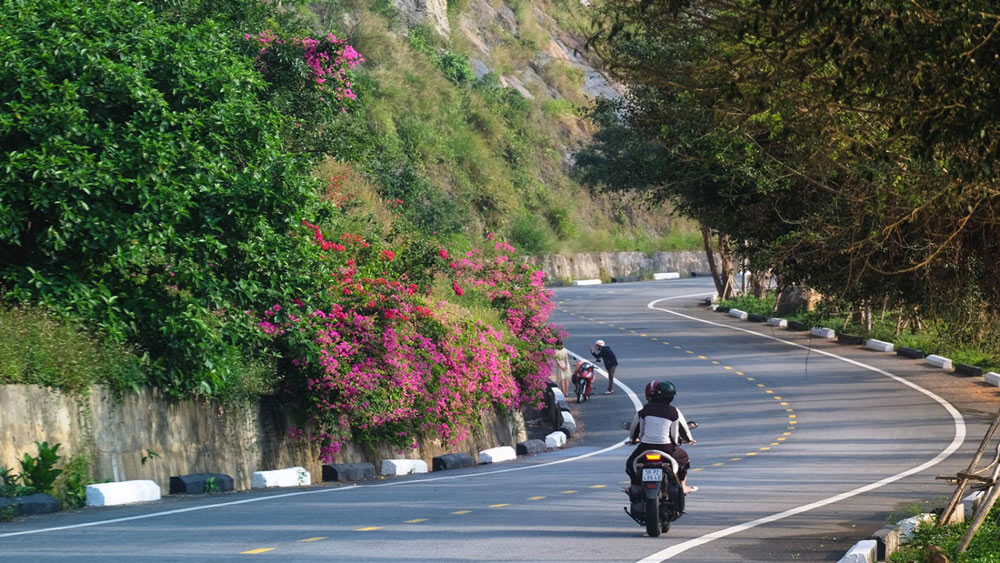
The motorbike version is a different matter. Riding the coastal route north from Saigon to Da Nang is a well-established multi-day trip, usually staged through Nha Trang and Quy Nhon over about a week.
That is a journey in its own right, not a transfer. It requires a license valid in Vietnam, and riding without one generally voids travel insurance.
For almost everyone, the answer is the same: fly. The time saved on a 950 km route is worth far more than the fare difference.

However you arrive, getting from the arrival point to your hotel is easy.
Da Nang International Airport is inside the city. Grab — Southeast Asia's ride-hailing app, which shows a fixed fare before you confirm — works well from the airport, and a pre-booked private transfer is the simplest option on a late arrival or with luggage.
Da Nang railway station sits west of the city center, about 10 to 15 minutes from the beach strip by car.
If you are heading straight on to Hoi An, allow 45 to 60 minutes by road from either arrival point.

An Asia Mystika guide explains:
“Guests sometimes want to take the train the whole way for the experience, and I ask them to sleep on it. Sixteen hours is a long time, and the beautiful part is the last two, between Hue and Da Nang. If the scenery is what you want, fly down and do that short leg by rail instead — you get the best of it and keep a day of your holiday.” — Rhea — Asia Mystika guide, Da Nang.
This is the single most useful piece of routing advice on this page. Vietnam's railway is genuinely wonderful in places, but those places are specific and short.
On a two-week Vietnam itinerary, a sixteen-hour transfer costs you roughly seven percent of your entire trip. That is a real price, and it is worth paying deliberately rather than by accident.
Travelers arriving from overseas often book their international flights months ahead and leave the internal legs until the last minute.
In Vietnam that is backwards. Domestic fares here are cheap but volatile, and around Tet and summer peaks they climb steeply and sell out. Lock the internal routing in as soon as your dates are fixed.
About 1 hour 20 minutes. It is one of Vietnam's busiest domestic routes, with several daily departures.
Roughly 950 km, which is why flying is the practical choice for almost every traveler.
Roughly 16 to 20 hours on the Reunification Express, depending on the service.
For most travelers, no. The famously scenic stretch is the short Hue to Da Nang section, so flying down and taking that shorter leg by rail gives you the best scenery without losing a full day.
It takes two to three days with overnight stops, and is realistic only as a multi-day motorbike journey rather than a transfer.
Two to four weeks ahead is usually enough, but book much earlier around Tet and the June to August peak.

Here is the whole thing in one line:
Fly from Ho Chi Minh City to Da Nang — 1 hour 20 minutes, several daily departures, low fares — and save the train for the short, spectacular Da Nang to Hue leg.
The 950 km between Vietnam's southern hub and its central coast is one of the country's essential connections, and it is also one of the easiest to get wrong. Choose the slow option for the wrong reasons and you lose a day. Choose the fast one and you arrive with your holiday intact.
Internal transfers are where Vietnam itineraries quietly lose days. A badly timed flight, a sixteen-hour train taken for the wrong reason, or an arrival with no transfer waiting — each one costs you part of a trip you planned for months.
If you want to save time and effort while traveling to Vietnam, contact Asia Mystika, a trusted tour agent in Vietnam. We are based here and we plan these routes every week: domestic flight advice, vetted hotels, private airport transfers, and the timing that makes a multi-city Vietnam trip work instead of just about function.
Tell us your dates and the cities you want to see, and we will sequence the rest.
