Hotline: +84 866 227 878
- SG$ Singapore Dollar
- A$ Australian Dollar
- £ British Pound Sterling
- C$ Canadian Dollar
- € Euro
- MYR Ringgit Malaysia
- US$ United States Dollar
- đ Vietnamese Dong


 Hotline/Whatsapp: +84 86 622 7878
 Email: sales@asiamystika.com
 About Us
 Destinations
 Travel Styles
 Travel Guide
 Blogs
Blogs
 News
News

Visiting mount sapa soon? This 2026 Fansipan guide explains the cable car experience, hiking trail options, what to expect at the top, and the best time to go for clear views.
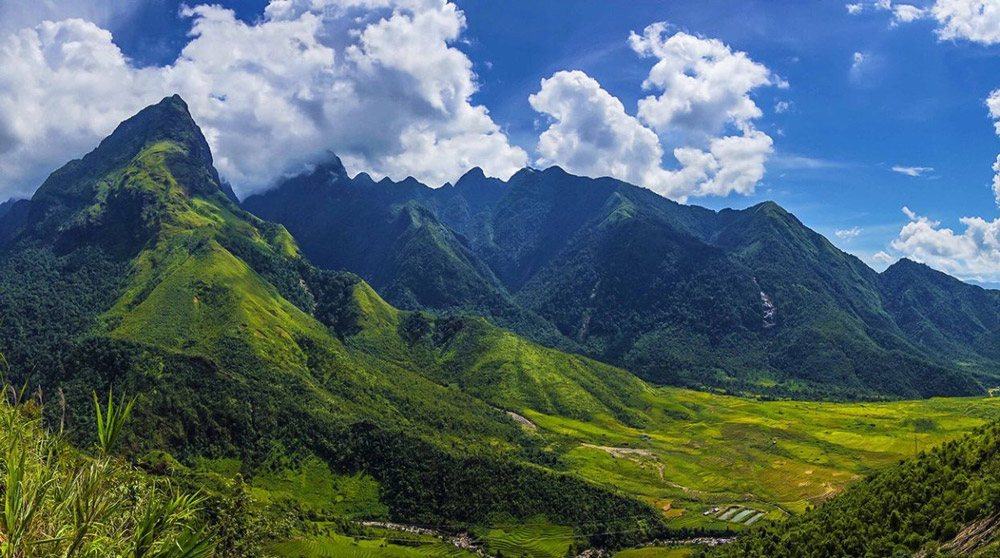
So, your friends just came back from Southeast Asia talking nonstop about a misty town in the clouds, and now you’re here typing “mount Sapa” into Google. Totally fair. Sapa has that kind of pull, the cool air, the sea of clouds, and those dramatic mountain ridges that make everything feel a little unreal.
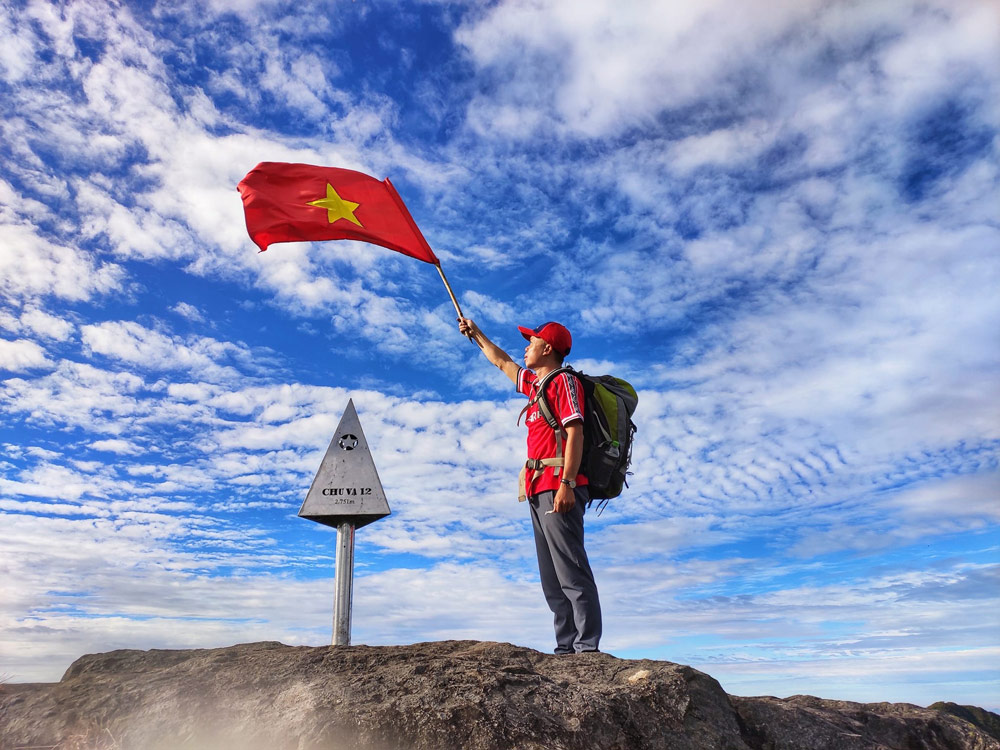
Here’s the key thing to know right away: when people say “Mount Sapa,” they’re almost always referring to Mount Fansipan, the most famous peak in the area. Fansipan is the headline mountain of Sapa mountain Vietnam travel, and it’s the one everyone dreams about standing on, camera up, wind in your jacket, feeling like you’ve reached the roof of the region.
In this guide, I’ll help you choose the best way to experience it, based on your travel style. Want the full adventure, muddy boots and proud exhaustion? You can trek your way up. Prefer comfort, big views, and an easier route that still feels epic? You can take the luxury cable car and reach the summit without breaking a sweat. Either way, Mount Fansipan is one of those Sapa experiences that stays with you long after you’ve left the clouds behind.
When you search “mount Sapa,” what you’re really looking at is Mount Fansipan, and it’s not “just another hill” near town. This peak rises to around 3,143 meters (10,312 feet) above sea level and earns the famous nickname “Roof of Indochina” because it’s the highest point across Vietnam, Laos, and Cambodia. (You might see slightly different numbers in newer sources, but the takeaway is the same. It’s the top of the region.)
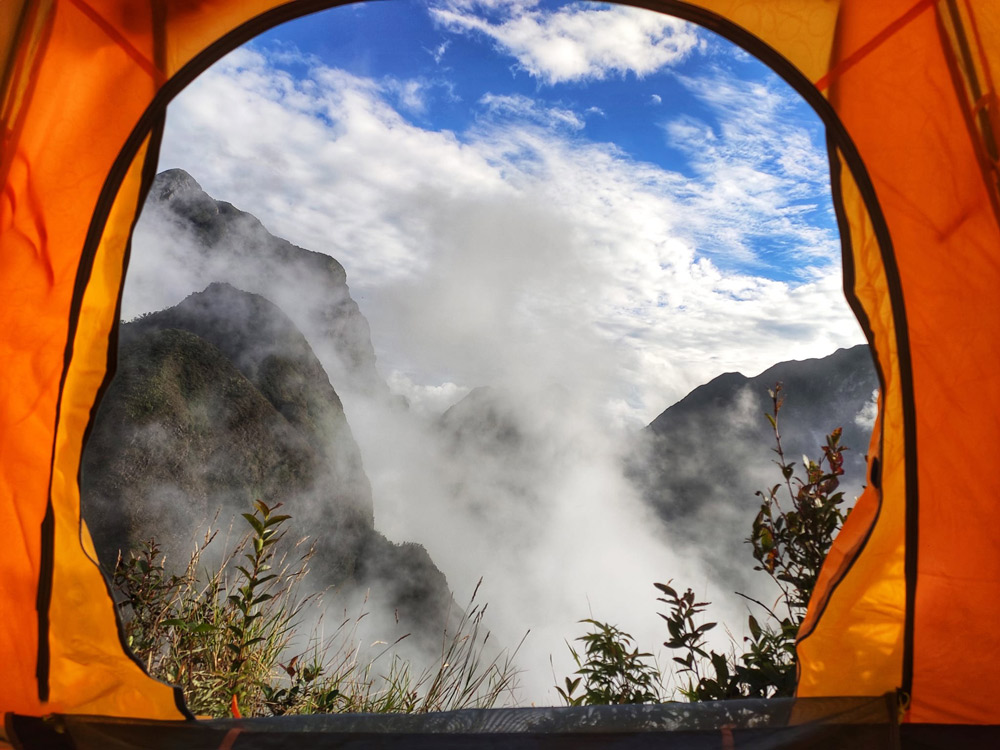
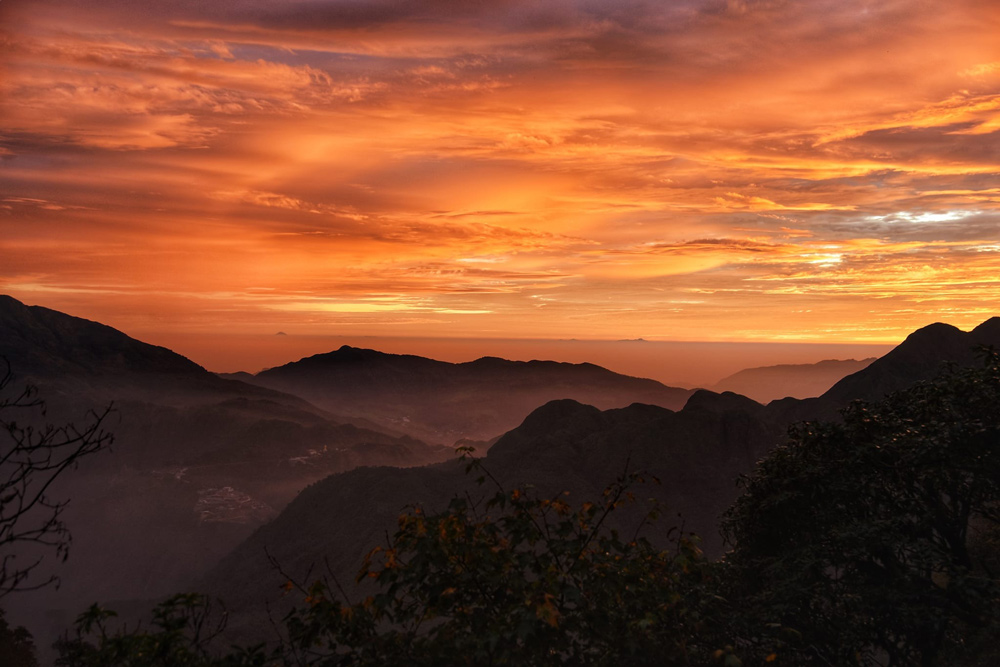
Fansipan sits in the Hoang Lien Son mountain range, the dramatic mountain backbone that shapes everything you feel in Sapa. It’s the reason the skyline looks so bold, and it’s also why Sapa’s weather can switch moods fast. One moment you’re looking at clear layers of ridgelines, the next you’re wrapped in mist, with cool winds and clouds drifting through the valleys. That “town in the clouds” feeling people talk about is not a marketing line, it’s the mountains doing what they do best.
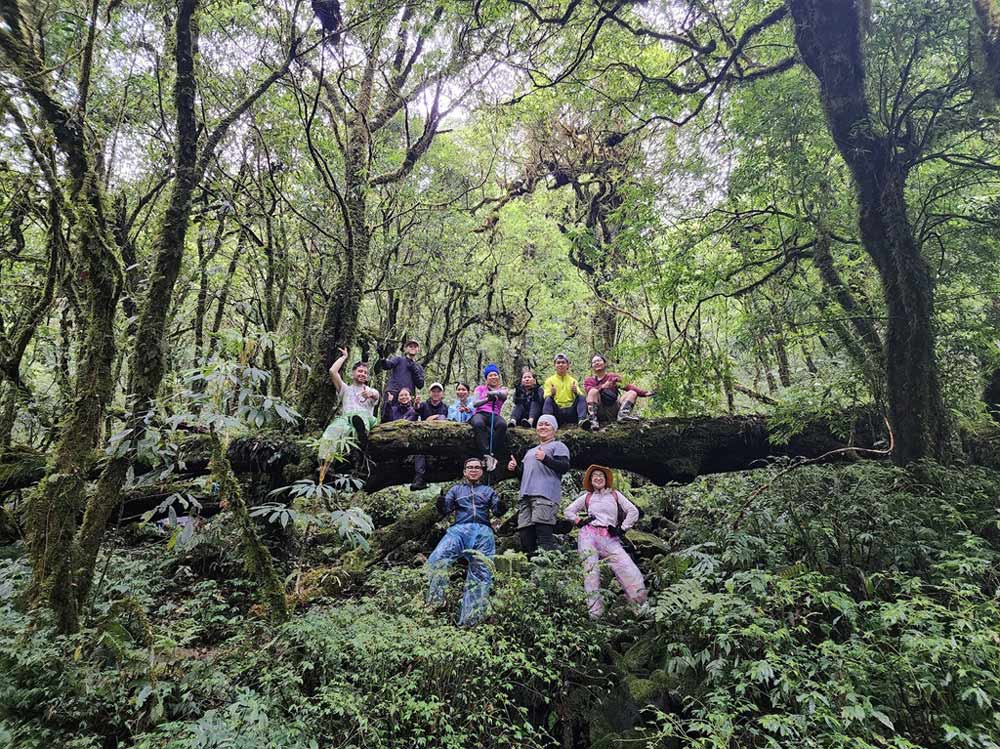
When people search mount Sapa, they usually want one thing: the Fansipan summit view. The good news is you’ve got two very different routes to get it, and choosing the right one comes down to time, fitness, and what kind of story you want to tell after.
If you want the big mountain feeling without a full-day workout, the Sun World Fansipan cable car is your best friend. In roughly 15 minutes, you rise from the Muong Hoa Valley and watch the landscape change fast: terraced fields below, ridgelines stacking up in the distance, then that moment when you slide into the clouds and everything turns misty and cinematic.
It’s also not just “convenient” it’s impressive engineering. The line was recognized by Guinness for major achievements, including a huge elevation gain between stations. This option is ideal for families, seniors, first-time visitors, or anyone short on time who still wants a clear win on their mount Sapa Vietnam checklist.
If you’re craving the real challenge, the Fansipan trek is the classic choice. This is the version where you earn the summit: long climbs, humid stretches of bamboo forest, and steeper rocky sections that make your legs question your life decisions in the best way. It’s tough, yes, but it’s also the kind of day (or two) that stays in your memory because you feel every meter you gain.
Most hikers go with local guides, often from ethnic communities like the Hmong or Dao, because they know the terrain and weather patterns far better than any map app. If you’re a trekking lover visiting Southeast Asia, this is a proper bucket-list achievement. It turns “mount sapa” from a photo goal into a personal milestone.
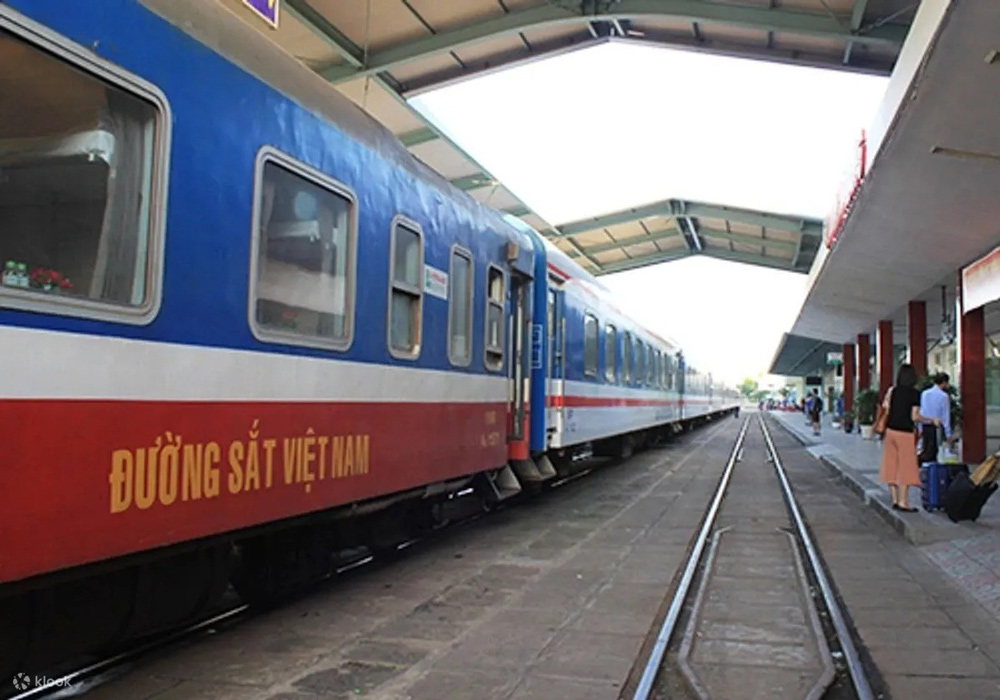
If you’re planning mount Sapa day (Fansipan), the first step is simply reaching Sapa town from Hanoi. You’ve got two popular styles of travel, and they suit different personalities. If you like a slower, classic journey, go for an overnight sleeper train to Lao Cai station, then continue by shuttle or taxi up the mountain road to Sapa. Many travelers book premium cabins on services like Chapa Express, which makes the ride feel more like a cozy travel experience than basic transport.
If you’d rather arrive fast and keep everything simple, the modern favorite is a luxury limousine bus. These usually take about 5.5 to 6.5 hours depending on traffic, often with convenient pickup in Hanoi and drop-off right in Sapa town. It’s a great option if you want to wake up in Hanoi and still have time for a relaxed afternoon before your mount Sapa plans.
Now, timing matters a lot in Sapa. If you want the best mix of views and comfort, aim for the two “sweet spot” seasons: September to November for golden rice terraces and clearer skies, or March to May for fresh spring blooms and mild temperatures. Try to avoid July and August if your trip depends on mountain views or trekking, because this period often brings heavier rains, slipperier paths, and more low cloud or fog around the peaks.
When travelers search mount Sapa, they are almost always talking about Mount Fansipan (Phan Xi Păng). That is the official name of the iconic peak everyone wants to reach.
Yes. Mount Fansipan is about 9 km southwest of Sapa town center in Lao Cai Province, sitting inside the Hoang Lien Son mountain range. It is close enough to visit on a day trip from town, which is why it is such a popular Sapa highlight.
Most people do it with a guide over 1 to 2 days, and some trekking routes can take up to 3 days depending on pace and trail choice. If you are very fit and experienced, a tough one day push is possible, but expect a long day on your feet and changing mountain weather.
Sapa is loved for its dramatic valleys and rice terraces, plus the rich mix of ethnic minority cultures in the surrounding villages. And of course, it is the gateway to Fansipan, the peak that puts “mount sapa” on so many travelers’ bucket lists.
For the nicest mix of weather and views, aim for September to November (golden harvest scenery, often clearer skies) or March to May (fresh spring landscapes and comfortable temperatures for walking).
Reaching the top of Fansipan is one of those mount sapa moments that genuinely lives up to the hype. Whether you choose the satisfying challenge of hiking or the easy comfort of the cable car, the reward is the same: standing above the Hoang Lien Son range, looking out over layers of peaks and shifting clouds, and feeling like you have done something truly iconic in Northern Vietnam.
A little prep makes the experience so much better. Bring warm layers because it can feel surprisingly cold at 3,143 meters, even on a summer trip. If you are coming from Hanoi, it also helps to book your transport in advance so you arrive in Sapa town on a schedule that gives you enough rest before summit day. And if you want to build a complete mountain escape, pair Fansipan with other Sapa classics like village visits and scenic viewpoints so your trip feels balanced, not rushed.
If you want to save time and effort and have everything arranged smoothly, you can contact Asia Mystika, a trusted tour operator in Vietnam. They can help you plan the best route for your style, handle transport and timing, and build a Sapa itinerary that feels easy while still covering all the must-see highlights.
Ready to go? Start planning your custom Sapa itinerary with us
Who we are: Learn more about the local experts at Asia Mystika
WhatsApp: (+84) 866.22.7878
Email: sales@asiamystika.com
Website: www.asiamystika.com