 Hotline: +84 866 227 878
- SG$ Singapore Dollar
- A$ Australian Dollar
- £ British Pound Sterling
- C$ Canadian Dollar
- € Euro
- MYR Ringgit Malaysia
- US$ United States Dollar
- đ Vietnamese Dong


 Hotline/Whatsapp: +84 86 622 7878
 Email: sales@asiamystika.com
 About Us
 Destinations
 Travel Styles
 Travel Guide
 Blogs
Blogs
 News
News

Planning a Sapa holiday from Singapore? Compare private Sapa holiday packages against CTC and Chan Brothers Vietnam tour package prices. Discover the best time to visit, how to get there, and the top itineraries for 2026.
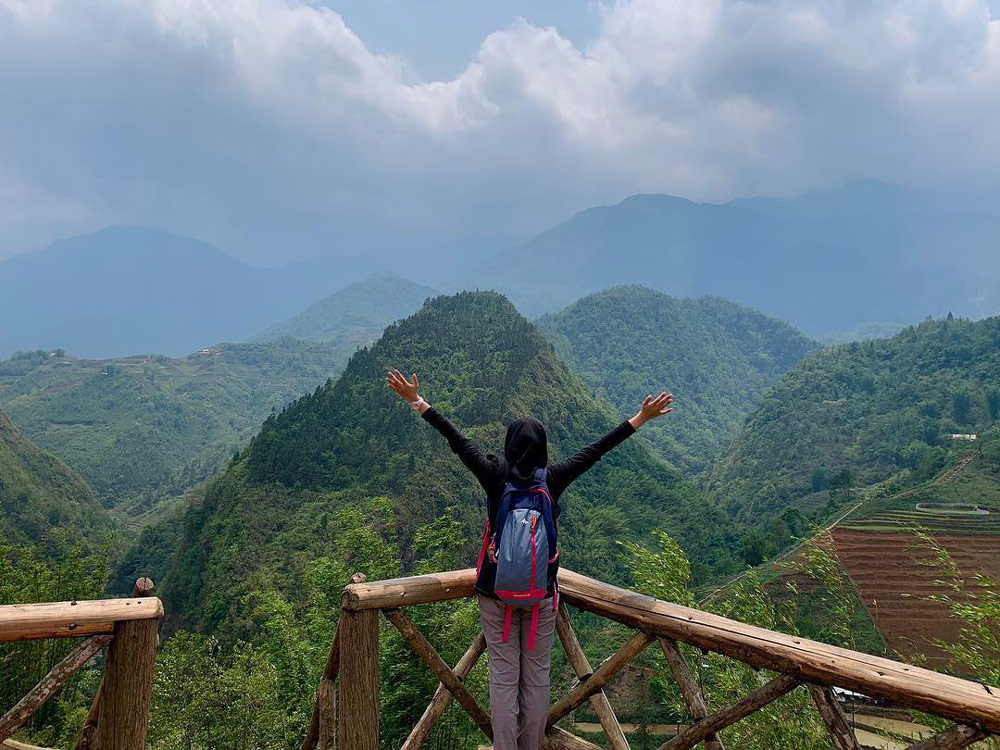
Imagine leaving behind Singapore’s humid heat and stepping into the crisp mountain air of Northern Vietnam. Instead of city skylines, you wake up to mist floating over deep valleys. Instead of tropical humidity, you feel cool wind rolling across rice terraces. Instead of rushing through a crowded urban schedule, you slow down in a mountain town where clouds drift between villages and the landscape changes by the hour.
That is the magic of Sapa.
For many Singaporean travelers, a Sapa holiday has become one of the most appealing short-haul escapes in Southeast Asia. It feels close enough for a practical vacation, yet different enough to feel like a real adventure. Sapa offers terraced rice fields, ethnic minority villages, highland markets, cool weather, scenic trekking routes, and the famous Fansipan peak, often known as the Roof of Indochina.
Vietnam’s official tourism site describes Sapa as a town standing at the head of a deep valley of rice terraces that are still farmed today, with Mount Fansipan crowning the mountain range above town. That combination of cultural landscape and dramatic scenery is exactly why Sapa keeps appearing on travel wish lists.
However, many travelers face the same question: how do you actually get there?
There are no direct flights from Singapore to Sapa. You need to fly to Hanoi first, then continue by road or train into the mountains. You also need to plan accommodation, local transfers, trekking guides, Fansipan tickets, weather timing, and meals. For first-time visitors, doing all of this in a foreign country can feel daunting.
That is why comprehensive Sapa holiday packages are often the smartest choice. A well-planned package helps you avoid confusing transport arrangements, language barriers, poor hotel locations, rushed schedules, and uncomfortable public buses. Instead, you can focus on the experience: walking through valleys, meeting local communities, breathing cool mountain air, and enjoying the unforgettable views.
If you are still exploring where to go and what to include, start here to Discover the magic of Sapa. Then use this guide to understand the best time to visit, how many days you need, how to get from Singapore to Sapa, and why booking with a local Vietnam tour agent like Asia Mystika can give you more flexibility than a large group tour.
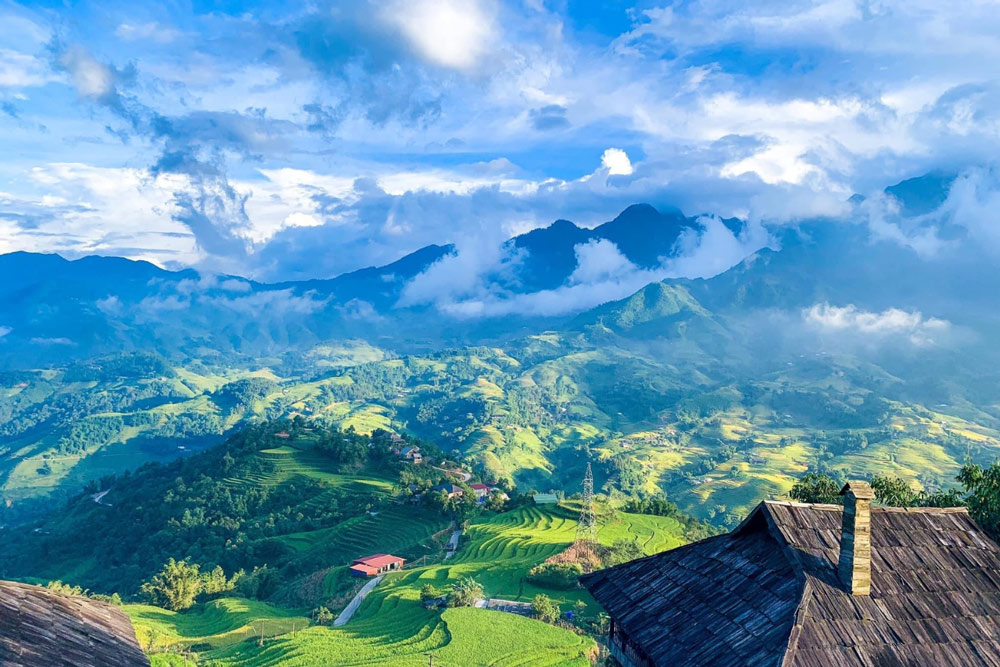
Yes, Sapa is really worth visiting, especially if you want a destination that feels completely different from Singapore.
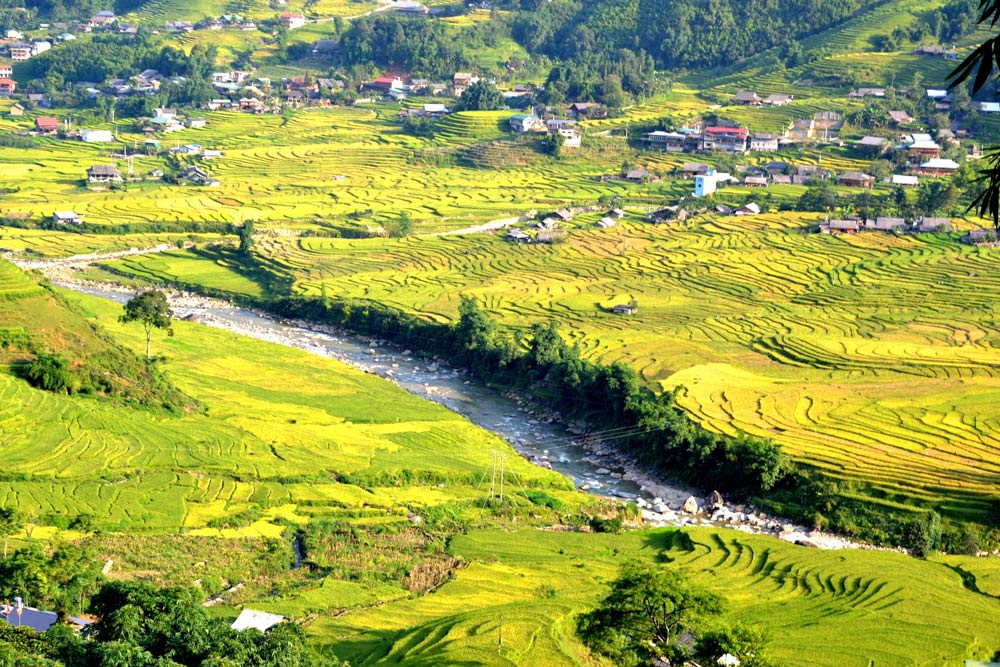
The biggest appeal is the contrast. Singapore is modern, tropical, efficient, and urban. Sapa is cool, mountainous, misty, and layered with traditional culture. The climate alone makes the trip feel special. In the morning, you may need a jacket. In winter, temperatures can drop sharply. In autumn, golden rice terraces cover the hillsides. In spring, flowers bloom across the valleys and villages.
For nature lovers, Sapa delivers some of the most beautiful mountain scenery in Vietnam. You can look across Muong Hoa Valley, take the cable car toward Fansipan, trek through Lao Chai and Ta Van, or stay in an eco-lodge overlooking terraced fields. For culture-focused travelers, Sapa is home to ethnic minority communities such as the Hmong and Red Dao, whose textile traditions, farming practices, and village life shape the region’s identity.
This is what makes a Sapa holiday package valuable. The destination is not only about checking off tourist spots. The best experience comes from knowing where to go beyond the busy town center.
To be honest, Sapa in 2026 is not a hidden village anymore. The town center is developed. You will find hotels, cafés, restaurants, shops, Sun Plaza, electric buggies, and domestic tourist crowds during peak periods. Some travelers arrive expecting an untouched mountain town and feel surprised by the level of development.
But that does not mean Sapa has lost its charm. It simply means you need to plan better.
The true value of Sapa lies in the valleys, trekking routes, local villages, boutique stays, and quiet viewpoints outside the most crowded areas. A good Sapa Vietnam tour package Singapore should not only bring you to Sapa town. It should help you experience the landscapes and communities that make the destination special.
That may include:
So, is Sapa worth visiting? Absolutely. But it is most rewarding when you choose the right route and avoid treating it as only a quick photo stop.
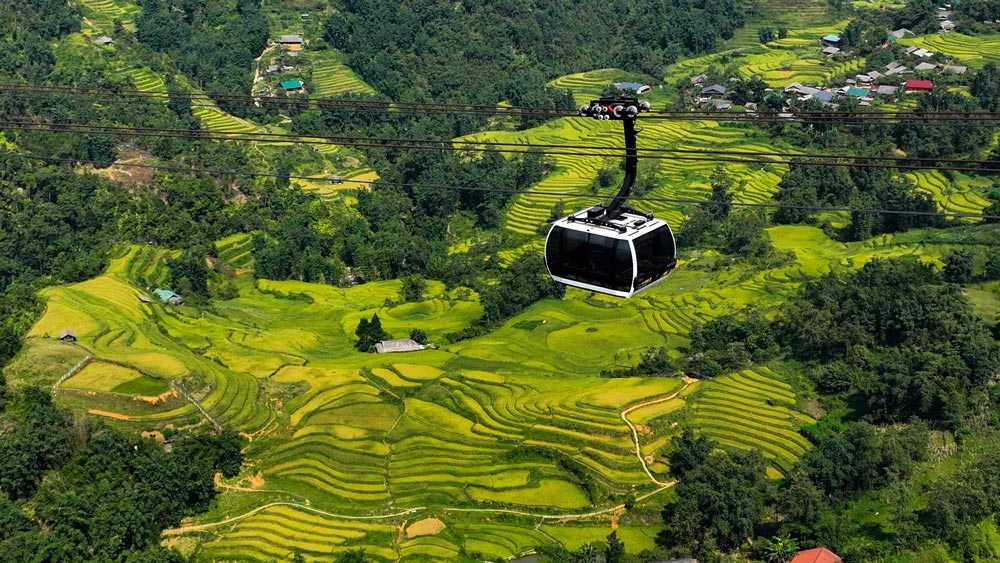
Unlike Singapore’s year-round tropical climate, Sapa has four distinct seasons. This is one of the reasons the destination feels so refreshing, but it also means timing matters.
The best months for a Sapa holiday from Singapore are usually September to November and March to May.
September to November is often considered the most beautiful period for rice terrace scenery. September and early October are especially popular because the rice fields turn golden before harvest. The air is cooler, the views are dramatic, and the landscape feels rich and full of color.
March to May is another excellent window. The weather is generally more comfortable for trekking, flowers begin to bloom, and visibility can be better than in the rainy season. This is a great choice for travelers who want active days without the cold of winter.
December to January offers a completely different mood. Sapa can become very cold, especially at night and in the early morning. Some years, high mountain areas may experience frost or rare snow-like conditions. For Singaporean travelers who want a winter feeling without flying long-haul to Europe, this can be exciting. However, you need warm clothing and realistic expectations because fog may reduce visibility.
July and August are generally less ideal if your main goal is clear mountain views. This is the heavy rainy season. Trails can become muddy, clouds can hide the valleys, and outdoor activities may need adjustment.
For a full month-by-month breakdown, use this Detailed Sapa seasonal weather guide.
For most travelers, 3 days and 2 nights in Sapa is the ideal minimum.
A 2-day, 1-night trip is possible, but it can feel rushed because the journey from Hanoi to Sapa takes several hours each way. If you only stay one night, you may spend almost as much time in transit as you do enjoying the destination.
A 3D2N Sapa holiday package gives you a better rhythm:
Day 1: Travel from Hanoi to Sapa, check in, explore the town, visit Sapa Stone Church or enjoy a relaxed dinner.
Day 2: Spend a full day trekking through Muong Hoa Valley, visiting ethnic minority villages, or taking the Fansipan Cable Car if the weather is clear.
Day 3: Enjoy a slower morning, visit a local market or café, then return to Hanoi.
This pacing works well for Singaporean travelers because it balances comfort and discovery. You do not feel like you are constantly moving, but you still experience the key highlights.
If you want to combine Sapa with Hanoi and Halong Bay, consider a 6D5N or 7D6N Vietnam tour package from Singapore. This allows you to enjoy the capital, the mountains, and the bay without squeezing too much into too little time.
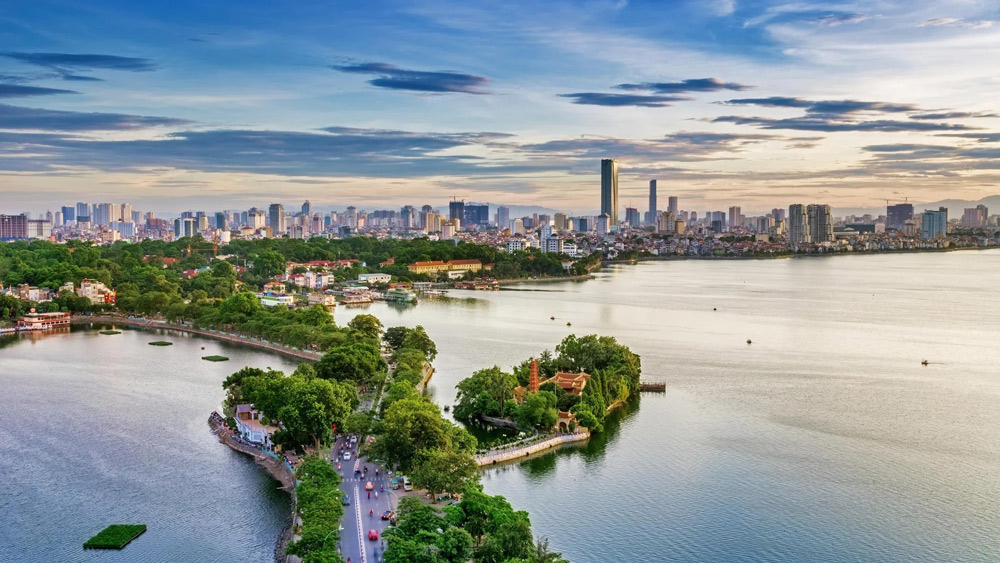
The journey from Singapore to Sapa has two main stages: fly to Hanoi, then travel from Hanoi to Sapa.
There are no direct flights to Sapa because Sapa does not have an international airport. Travelers from Singapore need to fly from Changi Airport Singapore SIN to Noi Bai International Airport Hanoi HAN.
Vietnam Airlines states that it offers nonstop Singapore to Hanoi flights, with a frequency of around 6 to 7 flights per week. Singapore Airlines also lists Singapore to Hanoi flight options, and major flight-search platforms show direct services by airlines such as Singapore Airlines and Vietnam Airlines.
The flight usually takes around 3.5 hours, making Hanoi an easy gateway for a Northern Vietnam holiday.
Travelers may choose:
Many Singaporean travelers prefer booking flights themselves to use KrisFlyer miles, credit card points, or low-cost carrier promotions. That is completely fine. Asia Mystika can then arrange the land portion from Hanoi onward.
From Hanoi, Sapa is reached by road or rail.
The most convenient option for most travelers is a luxury limousine van or private car. The road journey usually takes around 5.5 to 6 hours, depending on traffic, rest stops, weather, and your hotel location.
The overnight sleeper train is another option. It travels from Hanoi to Lao Cai, then you continue by road from Lao Cai to Sapa. This can be atmospheric, but it is less direct and may not suit travelers who prefer comfort and simple logistics.
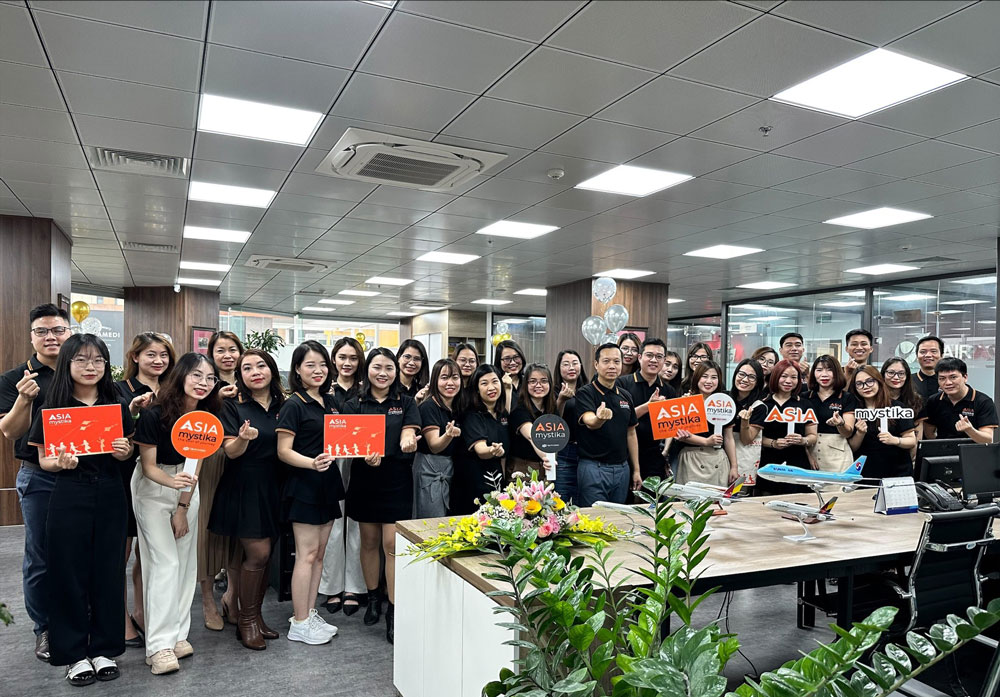
When you book a Sapa Vietnam tour package Singapore with Asia Mystika, the stressful part of the journey is handled for you.
Instead of trying to compare bus companies, find pickup points, negotiate transfers, or worry about arriving at the wrong station, you can have a private or luxury limousine transfer arranged from Hanoi. If your package begins at the airport, a driver can meet you after arrival. If you prefer to rest in Hanoi first, Asia Mystika can arrange the Sapa transfer for the next morning.
This is especially useful for:
A strong Sapa holiday package should make the mountain transfer feel smooth, not stressful.
This is one of the most important decisions for Singaporean travelers. Should you book with a large Singapore-based agency, or should you book directly with a local Vietnam destination management company?
Both options can work. The right choice depends on what kind of trip you want.
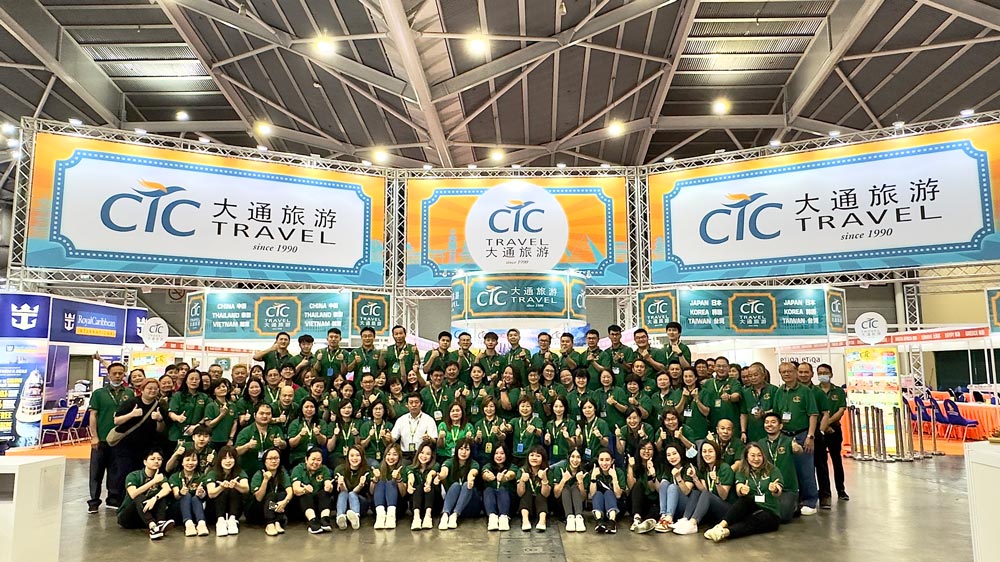
Large Singaporean brands such as Chan Brothers and CTC Travel are well-known and reputable. Many travelers trust them because they have physical offices, long histories, and familiar group tour formats.
Public package listings show that a Chan Brothers 7 Days Hanoi Halong and Sapa Tour starts from around S$1,588. Chan Brothers also lists Vietnam private and package tour options on its destination pages, with Northern Vietnam routes including Hanoi, Halong, and Sapa.
CTC Travel also lists Vietnam group tours. Its 6D Highlights of North Vietnam page shows fare examples such as twin fares from around S$1,199, with taxes and other fare conditions shown separately on the package page. Its broader Vietnam group tour listing also shows Northern Vietnam packages from around S$1,049.
These prices are helpful benchmarks, but travelers should look beyond the headline number.
Large group tours often involve:
For some travelers, this is acceptable. If you enjoy traveling with a group and want a fixed itinerary, it can be convenient.
But if you want privacy, flexibility, and a more personal experience, a large bus tour may not be the best fit for Sapa.
Asia Mystika offers a different model: local expertise, private planning, and customized Vietnam travel.
For a similar or sometimes lower total cost than a large group package, travelers may be able to enjoy a more flexible Sapa holiday package with:
This is especially important in Sapa because travelers have different fitness levels and expectations. A young couple may want a longer valley trek. A family may prefer shorter walks and comfortable transfers. Muslim travelers may need Halal-friendly or seafood-based meal planning. Older travelers may prefer scenic viewpoints and gentle village visits instead of steep muddy trails.
A private Sapa Vietnam tour package Singapore can be adjusted around your needs, instead of forcing you into a fixed group rhythm.
Sapa is not just a destination where you “show up and see the sights.” Weather, road timing, village routes, guide quality, and hotel location all affect the experience.
A local Vietnam tour agent can help answer practical questions such as:
This is where Asia Mystika’s local advantage becomes valuable. You are not only buying transport and hotels. You are buying better planning.
Singaporean travelers often begin by searching for Vietnam tour packages from Singapore, then narrow their choices to Hanoi, Sapa, Halong Bay, Ninh Binh, Da Nang, Ho Chi Minh City, or Phu Quoc.
Below are the most relevant package types for travelers interested in Sapa.
A classic Hanoi tour package from Singapore works well for travelers who want a mix of city culture and mountain scenery.
A simple 5D4N structure may look like this:
Arrive in Hanoi, airport pickup, check in, explore Hoan Kiem Lake or the Old Quarter.
Visit cultural landmarks, enjoy Vietnamese coffee, try street food, and learn about local history.
Travel by luxury limousine van or private car, check in, visit Sapa town, and enjoy a local dinner.
Choose a valley trek through local villages or take the Fansipan Cable Car depending on weather and preference.
Return to Hanoi for your flight or continue to Halong Bay, Ninh Binh, or another destination.
This is ideal for travelers who want a practical short holiday without rushing too much. It gives you Hanoi’s culture and Sapa’s mountain scenery in one trip.
Some travelers prefer a Vietnam tour package from Singapore including flight, while others prefer to book flights independently.
Asia Mystika can support both approaches.
Many Singaporean travelers like booking their own flights because they can use KrisFlyer miles, compare Scoot promotions, choose preferred flight times, or manage airline loyalty benefits. In that case, Asia Mystika can arrange the land package: airport pickup, hotels, private tours, Sapa transfers, guides, meals, and domestic travel if needed.
For travelers who prefer a full door-to-door arrangement, land-and-air packages can also be discussed upon request. This is useful if you want one team to coordinate the entire journey and reduce planning work.
The best option depends on your travel style. If you are confident with flight booking, keep control of the air ticket. If you want maximum convenience, ask for a fully coordinated package.
Sapa is cool, misty, and mountainous. Phu Quoc is warm, tropical, and beach-focused. Combining both can create a beautiful Vietnam holiday.
After exploring Hanoi, Sapa, and possibly Halong Bay, some travelers continue south for beach relaxation. A Phu Quoc Tour Package from Singapore works especially well for travelers who want to balance active sightseeing with downtime.
This route gives you:
This type of multi-region journey is where customized planning becomes especially useful. Vietnam is long, and weather varies by region. A local agency can help organize domestic flights, transfer timing, hotel check-ins, and the best sequence for your travel dates.
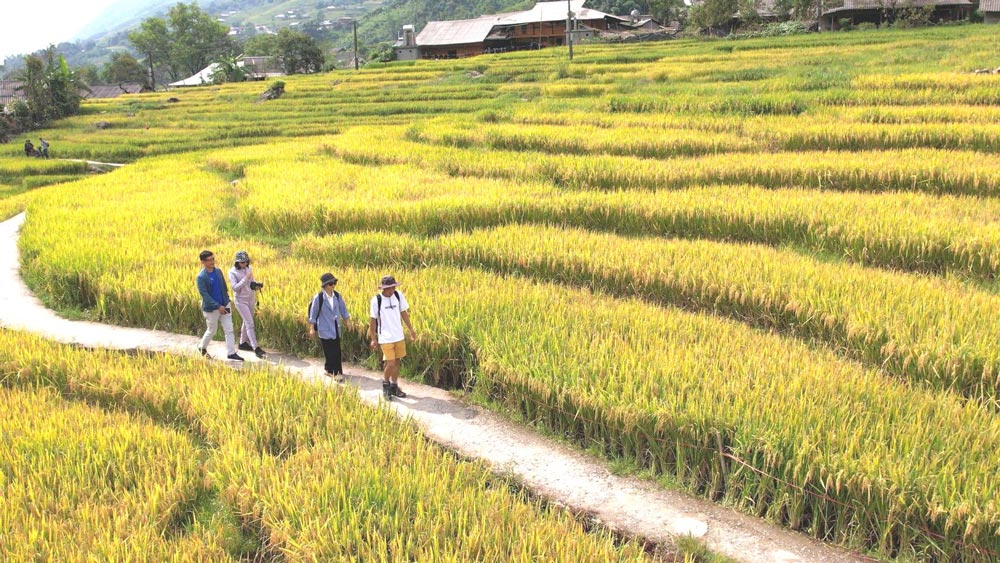
Yes, Sapa is really worth visiting. It offers mountain scenery, terraced rice fields, cool weather, ethnic minority cultures, and trekking routes that feel very different from Singapore and other urban destinations in Southeast Asia. The town center is developed, but the surrounding valleys and villages still offer unforgettable landscapes and cultural experiences.
The best months to visit Sapa are usually September to November and March to May. September and October are ideal for golden rice terraces, while March to May offers clearer skies, blooming flowers, and comfortable trekking weather. December and January can be very cold, while July and August are often rainy.
For most travelers, 3 days and 2 nights in Sapa is enough for a well-balanced trip. This allows time for the Hanoi to Sapa transfer, one full day for trekking or Fansipan, and a final morning for town exploration or local markets before returning to Hanoi.
To get from Singapore to Sapa, fly from Singapore Changi Airport to Hanoi Noi Bai International Airport, then travel from Hanoi to Sapa by luxury limousine van, private car, or overnight sleeper train. The road journey from Hanoi to Sapa usually takes around 5.5 to 6 hours.
Often, yes. Booking directly with a local destination management company like Asia Mystika can remove middleman fees and allow more value to go into private guides, better hotels, flexible transport, and customized experiences. Large Singapore agencies are reputable, but their group tours may involve bigger buses, fixed schedules, and less flexibility.
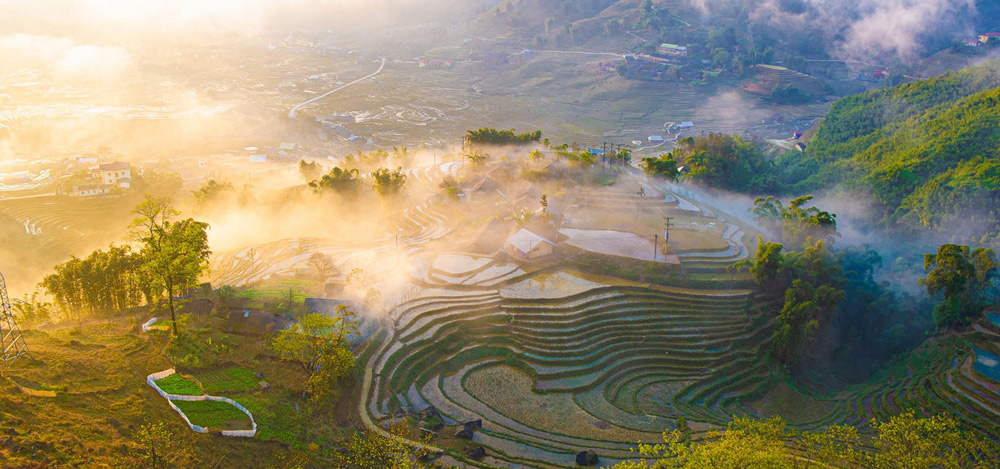
A Sapa holiday is one of the most memorable trips you can take from Singapore to Vietnam. It offers cool mountain air, sea-of-cloud views, terraced rice fields, ethnic minority culture, and a sense of escape that feels far removed from everyday city life.
But Sapa is also a destination that rewards good planning. The flight only takes you to Hanoi. From there, you still need to arrange mountain transfers, hotels, trekking routes, local guides, Fansipan timing, meals, and possibly connections to Halong Bay or Phu Quoc.
That is why the right Sapa holiday package matters.
A large group tour may be convenient, but it is not always the most flexible way to experience Sapa. If you want a more private, comfortable, and authentic journey, booking with a Vietnam-based expert can give you better control over your time, pace, and travel style.
Skip the 40-person tour buses, rigid meal schedules, and confusing transport research. If you want to save time and effort while traveling to Vietnam, contact Asia Mystika, a trusted tour agent in Vietnam.
Asia Mystika can customize your private Sapa holiday package with luxury transfers, local guides, boutique hotels, authentic village experiences, flexible trekking options, and seamless extensions to Hanoi, Halong Bay, Ninh Binh, or Phu Quoc.
Start planning your mountain escape today through Asia Mystika’s contact page, and let a local Vietnam expert design a Sapa journey that feels smooth, personal, and deeply memorable.
Ready to go? Start planning your custom Sapa itinerary with us
Who we are: Learn more about the local experts at Asia Mystika
WhatsApp: (+84) 866.22.7878
Email: sales@asiamystika.com
Website: www.asiamystika.com
