 Hotline: +84 866 227 878
- SG$ Singapore Dollar
- A$ Australian Dollar
- £ British Pound Sterling
- C$ Canadian Dollar
- € Euro
- MYR Ringgit Malaysia
- US$ United States Dollar
- đ Vietnamese Dong


 Hotline/Whatsapp: +84 86 622 7878
 Email: sales@asiamystika.com
 About Us
 Destinations
 Travel Styles
 Travel Guide
 Blogs
Blogs
 News
News

Visiting Sa Pa in September? Discover temperatures, rainfall, the start of golden rice season, trekking conditions, packing tips, and how to plan your Sapa trip in September.
The Temperature: Weather in Sapa in September is warm by day and cool by night, with mornings around 16°C to 19°C and afternoons reaching 22°C to 25°C.
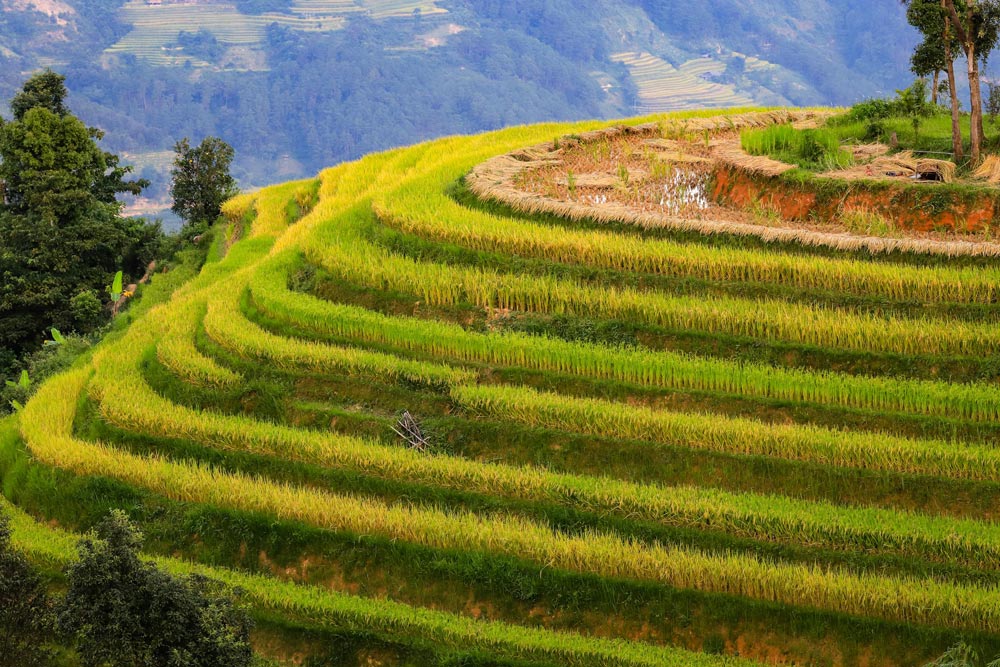
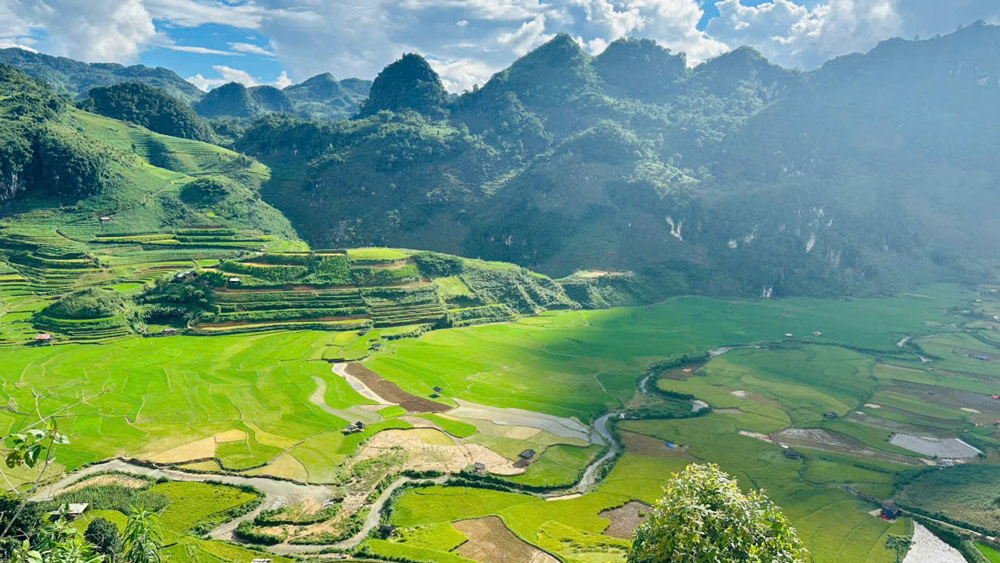
The Scenery: Sapa in September is a transition month. The terraces are still green early in the month, then begin turning gold in the final weeks as harvest season approaches.
Trekking Conditions: Rainfall is easing from the August peak, but showers are still possible. Expect a mix of sunny spells, occasional rain, and generally manageable trails.
Visibility: Skies clear noticeably compared with peak summer, with better mountain and terrace views as the month goes on.
The weather in Sapa in September is warm, humid, and gradually clearing. Daytime temperatures usually sit around 22°C to 25°C, while overnight lows often fall to around 16°C to 19°C. This makes September much more comfortable than the hotter lowland cities of Vietnam, especially Hanoi, where late-summer humidity can still feel heavy.
September is best understood as a transition month. It sits between the wet, lush summer and the dry, golden autumn. Early September can still feel like rainy season, with humid air, cloudy afternoons, and occasional showers. By late September, the weather becomes noticeably drier, clearer, and more stable.
That transition is exactly why Sapa in September is so attractive. You get much of the fresh green scenery from summer, but with improving visibility and the first hints of golden harvest color. The rice terraces do not turn gold all at once. Instead, the color changes slowly across the month, depending on altitude, planting time, sun exposure, and local farming schedules.
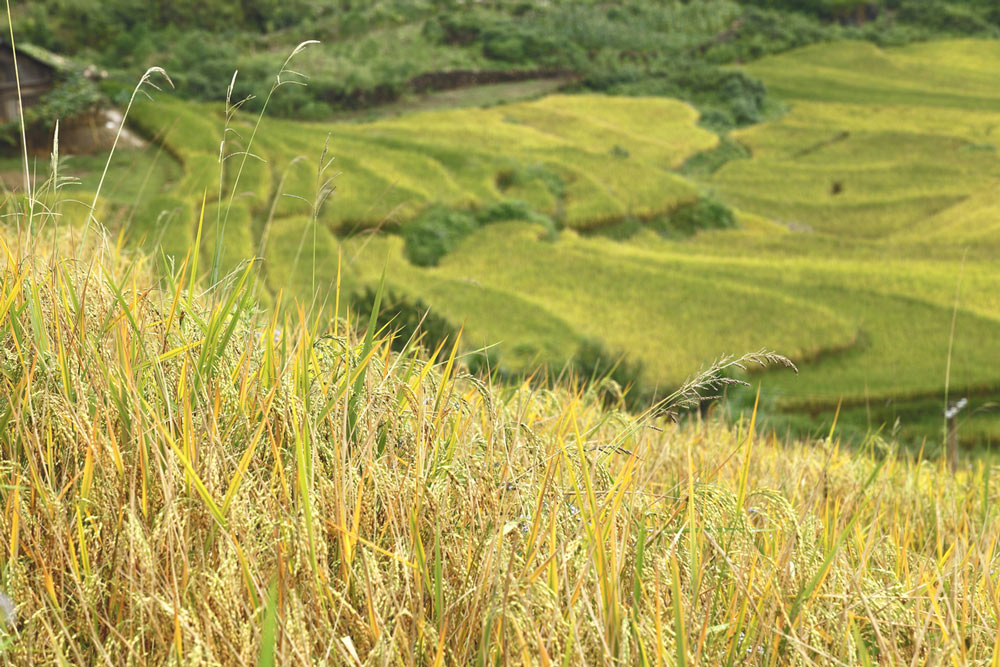
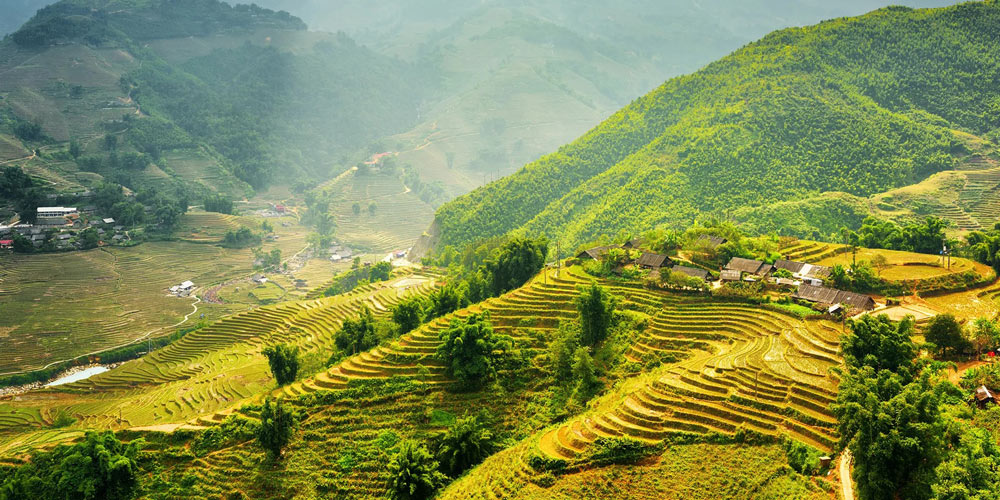
In early September, many terraces are still rich green. In mid-September, some fields begin softening into yellow-green. By the final one to two weeks, lower-elevation terraces near the valley floor may already show beautiful golden patches. Higher terraces often remain greener and may not fully ripen until early October.
For travelers who want a quieter and better-value alternative to peak October, September is a smart choice. It gives you early harvest beauty without the full October crowds and prices.
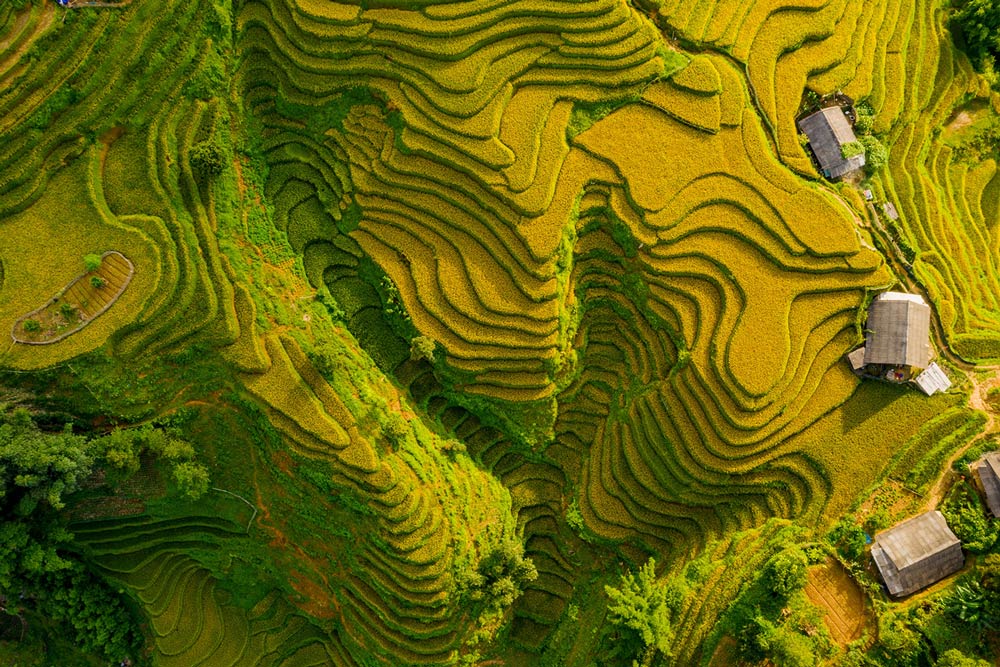
Weather in Sapa Vietnam in September bridges the tail of the summer monsoon and the start of golden autumn. Rainfall drops steadily through the month, and by late September, conditions become much closer to the drier October climate that follows.
The temperature is one of September’s biggest advantages. It is warm enough for comfortable trekking, but not so hot that long valley walks become exhausting. Mornings are usually fresh, afternoons can feel warm and humid, and evenings cool down enough for a light layer.
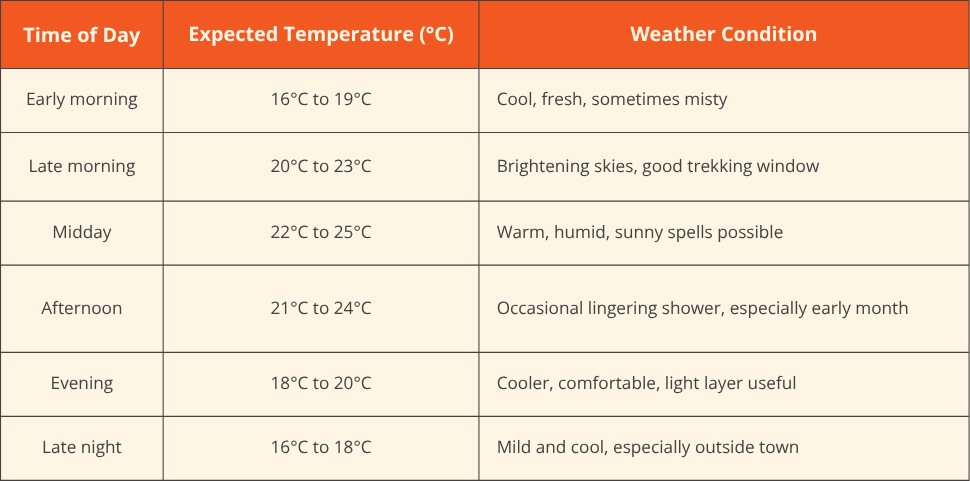
The daily rhythm depends on which part of the month you visit.
In early September, you should still treat Sapa as part of the rainy-season transition. Mornings may be usable for trekking, while afternoons can bring passing showers. Trails are usually more manageable than in July or August, but muddy patches remain possible.
In late September, the weather becomes more reliable. Rainfall eases, skies clear more often, and the rice terraces begin to turn gold. This is why the final two weeks of September are such a strong travel window for Sapa.
For trekking, September is easier than peak monsoon but still requires practical planning. Start hikes early, wear proper shoes, and keep a light rain layer in your backpack. You may not use it every day, but it is still useful.
Early September can still bring occasional rainy-season showers, but rainfall drops steadily as the month progresses. By the final week, Sapa weather in September is generally much drier and clearer than August, making it a genuine transition month rather than a fully wet month.
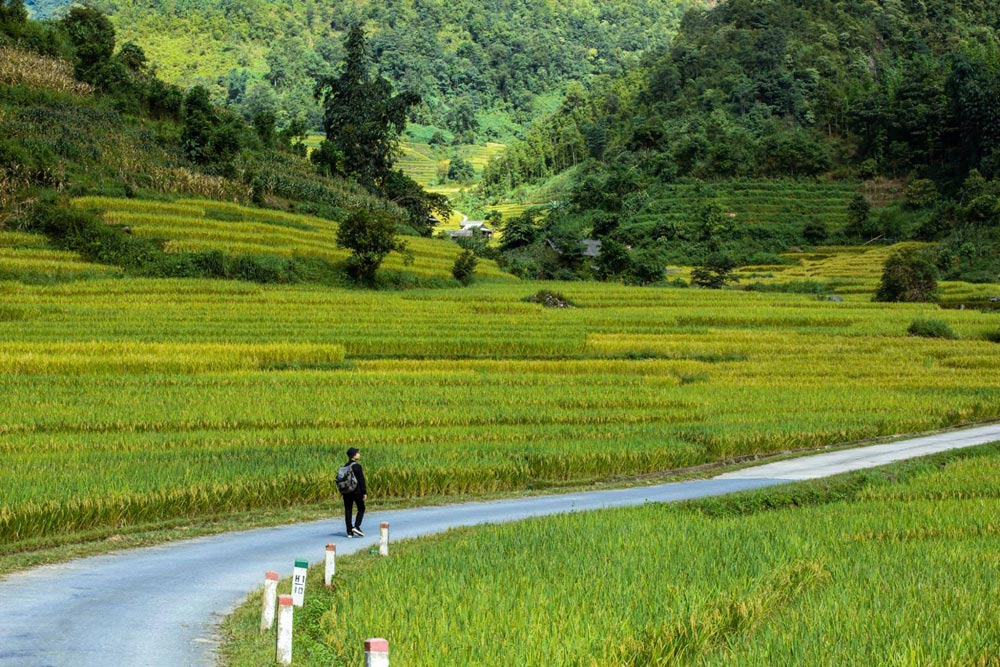
Yes, September is a good time to visit Sapa, especially for travelers who want early golden terrace color, improving weather, and fewer crowds than October.
Many travelers think October is the only month worth visiting for rice terraces. October is famous for a reason, but September deserves more attention. It offers most of October’s visual reward, especially in the second half of the month, with a calmer and often better-value travel experience.
The key is timing. Early September is still mostly green. Late September is when the magic begins. The terraces near lower-elevation areas such as Lao Chai, Ta Van, and parts of Muong Hoa Valley often begin turning gold first. Higher terraces may remain green longer.
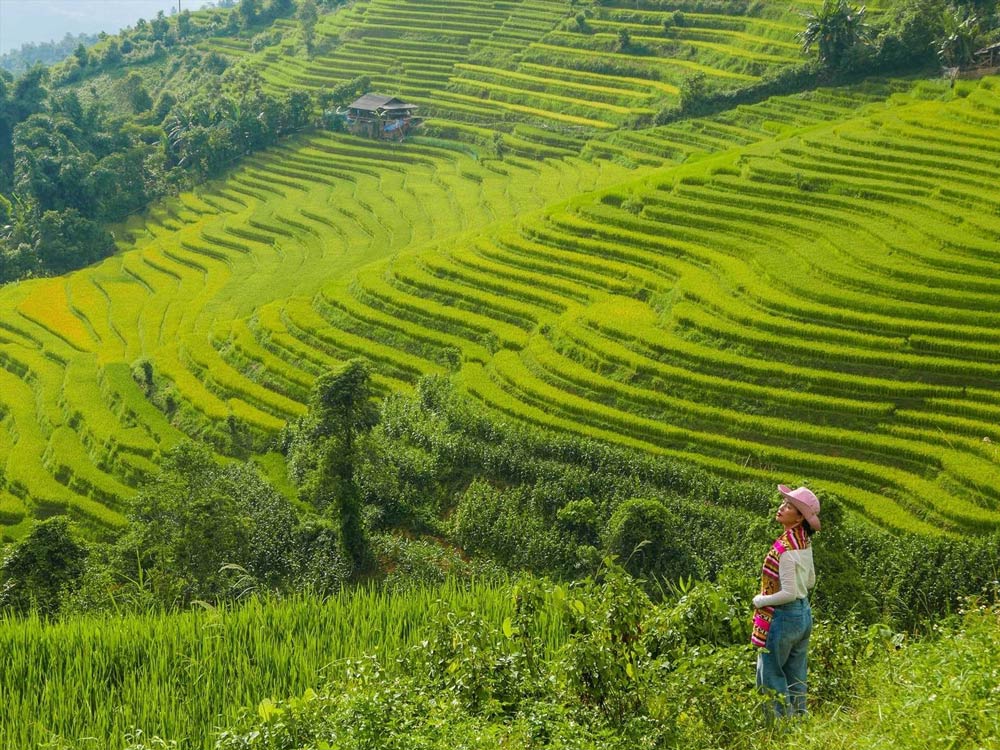
This creates a layered landscape: green fields, yellow-green fields, and early golden terraces all appearing together. For photographers, that mix can be beautiful. It shows the harvest season in motion, rather than only the final peak.
September also helps travelers avoid the heaviest October rush. Trails are usually less crowded. Eco-lodges and homestays may be easier to book. Prices can be more reasonable. Local guides may have more flexibility. You still need to plan ahead, but the pressure is usually lower than in peak October.
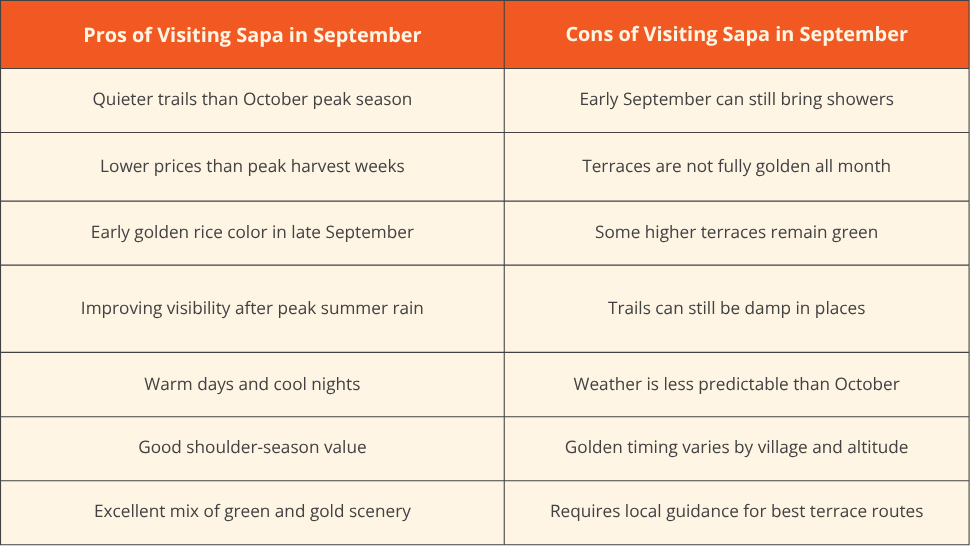
September is best for:
It is less ideal for:
The best recommendation is clear: choose late September for the strongest balance of color, weather, value, and crowd level.
The best month to go to Sapa depends on your priority.
If fully golden rice terraces are your main goal, October remains the best month. More specifically, early-to-mid October is usually the strongest window for peak golden fields.
If a quieter, better-value trip with a genuine early taste of harvest season matters more, late September is an excellent alternative. You may get slightly less golden color, but you often gain more space, lower prices, and a calmer travel experience.
Here is how September compares with the surrounding months:
Avoid early September if your main goal is to avoid all lingering rainy-season weather. Avoid late September only if you need guaranteed full-gold terraces across every valley. In that case, October is safer.
Yes, 3 days in Sapa is enough in September, especially in the second half of the month when weather conditions become more stable.
A 3-day trip gives you time for a full valley trek, a Fansipan cable car visit, and a local village or market experience without the booking pressure of October. It is a practical length for travelers coming from Hanoi, especially when paired with a Northern Vietnam itinerary.
A 2-day trip can feel rushed because the journey from Hanoi to Sapa takes time. With 3 days, you can adjust around showers, choose the clearest morning for Fansipan, and enjoy the terrace scenery at a slower pace.
Day 1: Arrival, Sapa Town and Cat Cat Village
Arrive from Hanoi by private car, limousine van, or overnight train via Lao Cai. Keep the first day light so you can adjust to the mountain air.
Explore Sapa town, visit Sapa Stone Church, enjoy a coffee with a valley view, and walk around the central square. If the weather is clear, visit Cat Cat Village in the afternoon for an easy introduction to the landscape.
In late September, Cat Cat and nearby viewpoints may begin showing early golden patches, though the color varies by year. This is a good day for a gentle walk rather than a long trek.
Day 2: Muong Hoa Valley Trek Through Lao Chai and Ta Van
Use your second day for the main terrace experience. Trek through Muong Hoa Valley, Lao Chai, and Ta Van, where lower-elevation rice terraces often begin turning gold earlier than higher areas.
This is the best day to look for early harvest color. A local guide is important because terrace conditions can vary from one village to another. Some fields may be golden, some still green, and some beginning to be harvested. A good guide can adjust the route to find the most photogenic areas during your exact travel week.
Start in the morning while the air is cool and visibility is better. Carry a light rain jacket, especially if you are visiting in early September.
Day 3: Fansipan Cable Car, Market Visit and Departure
Use the clearest morning for Fansipan, Vietnam’s highest peak. September visibility improves through the month, but clouds can still build later in the day. Go early to increase your chance of clear views.
After Fansipan, return to town for lunch, visit a local market, or enjoy a relaxed café stop before returning to Hanoi.
If the weather is cloudy, swap Fansipan for a lower viewpoint, Ham Rong Mountain, or a shorter village route.
This 3-day plan works especially well in late September because it balances scenery, flexibility, and comfort. You see the town, the valley, the terraces, and the mountain without trying to force too much into one short visit.
Most blogs push everyone toward October and treat September as second-best. That is too simple.
The truth is that late September in Sapa can be one of the smartest times to visit.
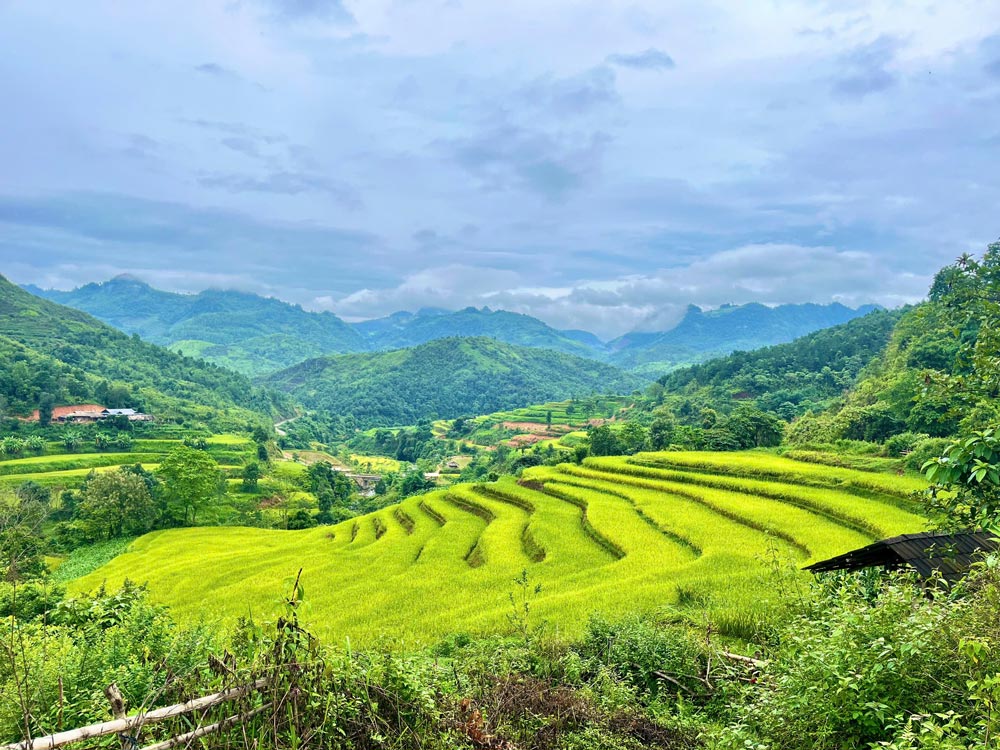
The last one to two weeks of September already show early golden color in many lower-elevation terraces, especially near the valley floor. You may not get the full golden carpet of early October, but you can still get a beautiful preview of harvest season.
This is the trade-off:
You may get 10% to 15% less golden color than peak October. But you may also get noticeably fewer crowds, better prices, and more flexible availability.
That is not settling for less. It is choosing a different kind of value.
For many travelers, late September is actually more enjoyable than October because the experience feels calmer. You can walk quieter trails, book better accommodation more easily, and enjoy terrace views without fighting the peak-season rush.
The landscape also feels more dynamic. Green and gold appear together. Farmers begin preparing for harvest. Some areas glow yellow, while others remain lush. The valley feels alive and changing.
So, do not think of late September as “almost October.” Think of it as its own beautiful window.
Rice ripens at different speeds depending on elevation. Lower terraces often turn gold earlier, while higher terraces stay green longer.
An Asia Mystika guide explains:
“If you’re set on September and want the most gold possible, ask your guide to prioritize the lower-elevation terraces near Lao Chai and Ta Van over the higher valleys — they ripen earlier. We can usually find genuinely gold sections even in the third week of September, while the higher terraces are still green.”
This is the kind of detail that makes local guidance valuable.
A traveler looking at generic online photos may assume the whole region changes color at once. It does not. Sapa’s harvest season moves across the landscape in waves. Village by village, slope by slope, elevation by elevation, the color shifts.
That means the right route matters. In September, do not simply choose a fixed trek because it is popular. Choose a route based on where the rice is actually turning gold that week.
For late September, good areas to consider include:
Higher or cooler areas may still be green, which can still be beautiful, but may not match your golden-photo goal.
Packing for Sapa weather in September is about balancing warmth, humidity, and rain protection.
You do not need winter clothing. You do need comfortable trekking clothes, a light rain layer, and shoes that can handle damp trails.
September Sapa packing checklist:
For Fansipan, bring a warmer layer. The summit is colder and windier than Sapa town, even when the town feels mild. A light jacket or windproof layer is usually enough in September, but do not go up in only a T-shirt.
Avoid smooth sneakers on treks. They can slip on damp clay paths. Avoid jeans for long valley walks because they dry slowly if wet.
Yes, September is a good time to visit Sapa, especially in the second half of the month, when weather clears and the first golden terrace color appears without October’s peak crowds and prices.
Early September can still bring occasional lingering rainy-season showers, but rainfall drops steadily through the month. Late September in Sapa is generally drier and clearer than August.
Partially, and mainly late in the month. Lower-elevation terraces near Lao Chai, Ta Van, and the valley floor often turn gold first, while higher terraces are typically still green until early October.
Wear breathable trekking clothes, quick-dry pants, comfortable shoes with grip, and a light rain jacket or poncho. Bring a light fleece or jacket for cool mornings, evenings, and Fansipan.
Late September is better for travelers who want fewer crowds and better value while still seeing early golden rice. October is better for travelers who want the fullest golden terrace color and do not mind peak-season crowds.
Sapa in September is the smart shoulder-season alternative to October.
It gives you most of the visual reward, especially in the final two weeks, with a fraction of the crowds and often better prices. The weather is improving, the rain is easing, and the rice terraces begin their slow shift from green to gold.
Early September still carries some residual rain, so it is better for travelers who enjoy lush green scenery and do not mind occasional showers. Late September is the real sweet spot. It brings clearer skies, more stable trekking conditions, and the first golden terrace sections near lower-elevation villages.
The key is managing expectations. September is not fully golden from the first day. It is a transition. But that transition is beautiful. You see Sapa changing in real time: green fields softening to yellow, farmers preparing for harvest, clouds lifting from the valley, and trails becoming easier after the peak monsoon.
For travelers who want value, scenery, and a calmer experience, late September in Sapa may be one of the best choices of the year.
Stop paying peak-October prices for a view you can already start to see in late September.
If you want to save time and effort while traveling to Vietnam, contact Asia Mystika, a trusted tour agent in Vietnam. We can arrange a late-September Sapa trekking package guided toward the lower-elevation terraces that turn gold first, with eco-lodges, expert local guides, private transfers, Fansipan planning, and flexible route adjustments.
Start planning your shoulder-season mountain escape today with Asia Mystika’s customized Sapa tour packages, and let us help you catch the early golden window before the October rush begins.
