 Hotline: +84 985 237 882
- SG$ Singapore Dollar
- A$ Australian Dollar
- £ British Pound Sterling
- C$ Canadian Dollar
- € Euro
- MYR Ringgit Malaysia
- US$ United States Dollar
- đ Vietnamese Dong


 Hotline/Whatsapp: +84 86 622 7878
 Email: sales@asiamystika.com
 About Us
 Destinations
 Travel Styles
 Travel Guide
 Blogs
Blogs
 News
News

Looking for a taxi in Hanoi and don’t want to overpay? This 2026 guide breaks down the real prices from Noi Bai Airport to the Old Quarter, explains the new Xanh SM electric taxis, and shows you exactly how to avoid the common tourist traps.

You’ve just stepped out of the airport. The warm Hanoi air hits your face, the sound of motorbikes fills the background, and before you even take ten steps, a chorus begins—“Taxi? Taxi?” It’s overwhelming, especially if this is your first time in Vietnam. You just want to get to your hotel in the Old Quarter without getting confused, overcharged, or stuck in a long negotiation with a persistent driver.
Here’s the good news: getting a taxi in Hanoi is actually simple, safe, and affordable—as long as you know which options to trust and what the fair prices are. The chaos outside the airport doors can be intimidating, but it doesn’t have to be stressful.
That’s exactly why this guide exists. In the next sections, you’ll learn the real, up-to-date taxi prices, when to choose Grab or Xanh SM, which traditional taxi companies are reliable, and how to avoid the classic scams that target new arrivals. Whether you're heading into the city, moving between attractions, or catching a late-night ride back to your hotel, this is your 2026 survival manual for taking a taxi in Hanoi—clear, friendly, and scam-free.
Let’s get you moving confidently through the city.
If you’ve done any research before landing in Hanoi, you’ve probably seen the same question pop up again and again: Should you use Grab, or should you take a traditional taxi? Here’s the simple truth most travelers eventually learn—apps are usually the easier, safer, and more predictable choice, especially if you're new to Vietnam.
But let’s break it down properly.
Using a ride-hailing app in Hanoi removes almost all the stress from getting around.
You don’t need to explain anything. Just type your destination, drop a pin, and the app handles the rest. No miscommunication, no “Where are you going?” moments.
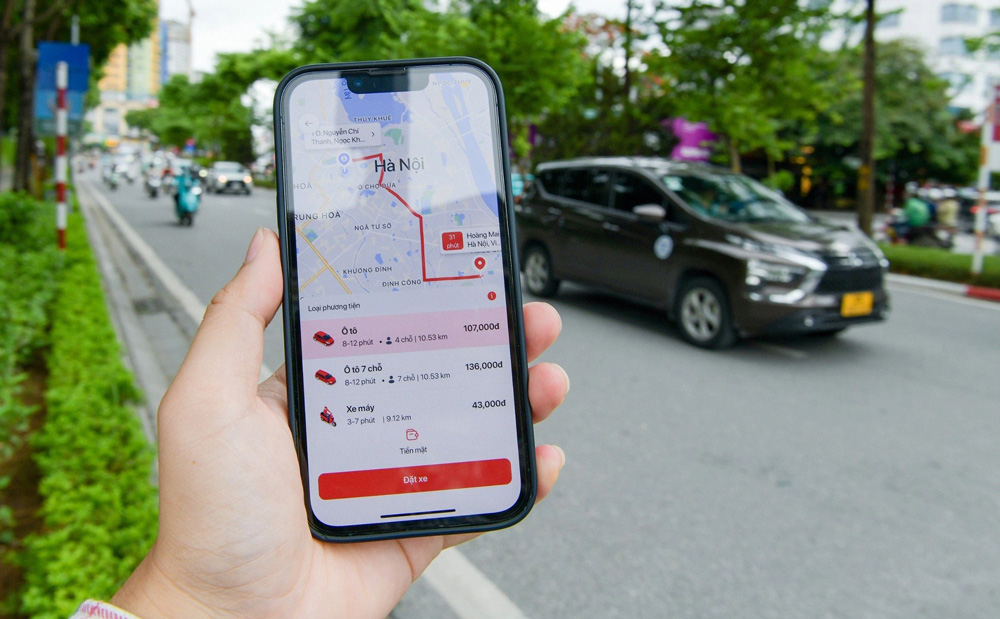
This is the biggest reason people choose apps. With Grab, Be, or Xanh SM, the fare is locked in before you even step into the car. There’s no arguing about the meter, no worry about detours, and no surprise fees at the end.
Everything is logged: your driver’s name, license plate, route, and price. If anything feels off, you have the app as backup.
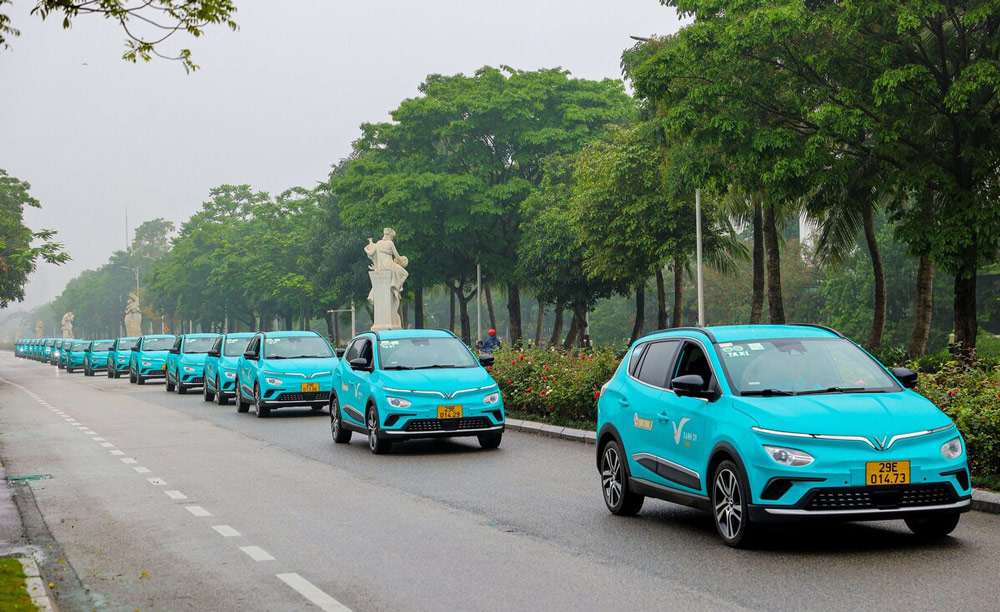
Hanoi has a new favorite, and locals rave about it: Xanh SM, the bright blue electric taxis that started appearing everywhere from 2024 onward.
Why people love them:
If you see a line of blue VinFast electric taxis, don’t hesitate—they’ve become one of the most reliable choices in the city.
Apps are fantastic… until it rains.
During storms or heavy traffic, Grab and other apps sometimes increase prices 2–3x due to surge pricing. This is when a good old-fashioned meter taxi suddenly becomes the smarter choice.
Reliable companies include:
These companies stick to regulated meter rates, so even in a downpour, your fare won’t spike.
To be sum up, apps are best for everyday travel, but traditional taxis still win during rain or rush hour.
Knowing when to use each option helps you save money, avoid stress, and move through Hanoi like someone who’s been here for years.
For most travelers, the first real test of arriving in Vietnam happens the moment they step out of Noi Bai Airport and try to figure out how to get to the Old Quarter. Don’t worry—there are good options, and once you know the real prices, the whole process becomes much less overwhelming.
Here’s the simple, stress-free breakdown.
If you’re comfortable using ride-hailing apps, this is the easiest and most transparent choice.
Price:
300,000 – 350,000 VND (roughly $12–$14)
This includes the toll fee and is usually cheaper than taking an airport taxi.
Important safety reminder:
At Hanoi Airport, you’ll often hear drivers saying:
“I am your Grab! Give me phone!”
Ignore this. Smile, wave, walk away.
Always check the license plate in the app before getting into any car. If it doesn’t match exactly, don’t get in.
Apps give you:
Perfect for first-timers.
If you prefer just walking out and getting into a car without dealing with apps, the official airport taxi stand works fine.
Price:
350,000 – 400,000 VND ($14–$16), flat rate for the Old Quarter.
Trusted taxi companies:
These companies use standard pricing and are known for being honest. Always line up at the official queue—there’s a staff member who will direct you to the next taxi in line.
Avoid the men walking around saying, “Taxi? Cheap taxi!” Those are almost always overcharging or unlicensed cars.
If you want the smoothest arrival possible—especially after a long flight—book a private car in advance.
Price: $15–$18 USD, similar to a normal taxi.
A driver waits for you inside the terminal with your name on a sign, helps with your luggage, and takes you straight to the hotel. No queues, no haggling, no confusion.
This is the top choice for:
If you’re traveling light and want to save money, Bus 86 is a gem.
Price: 45,000 VND (under $2).
Bus 86 is bright orange, clean, air-conditioned, and runs every 20–30 minutes.
It stops at all major points in the Old Quarter, including Hoan Kiem Lake and the train station.
This is the ideal pick if you’re:
Most travelers choose either Grab/Xanh SM or a private transfer.
If you want maximum convenience, book a transfer.
If you want the lowest price, take Bus 86.
Once you're aware of the real prices and safe options, getting from Hanoi Airport to the Old Quarter becomes easy—and you’ll start your Vietnam trip on the right foot.

Once you're settled into the city, taxis become one of the easiest ways to move around Hanoi—especially when the midday heat or sudden rain makes walking less appealing. The good news? Taxi fares in Hanoi are straightforward if you know what to expect.
Most reputable taxi companies use standard meter rates, and they’re surprisingly affordable.
Typical Meter Pricing:
Even if you get stuck in a bit of traffic, the cost rarely jumps dramatically. Compared to Western cities, the value is fantastic.
You can always use an app, but if you decide to hail a taxi on the street, there is a right way to do it.
Raise your hand low—around waist height. Waving above your head is uncommon and can feel aggressive to drivers.
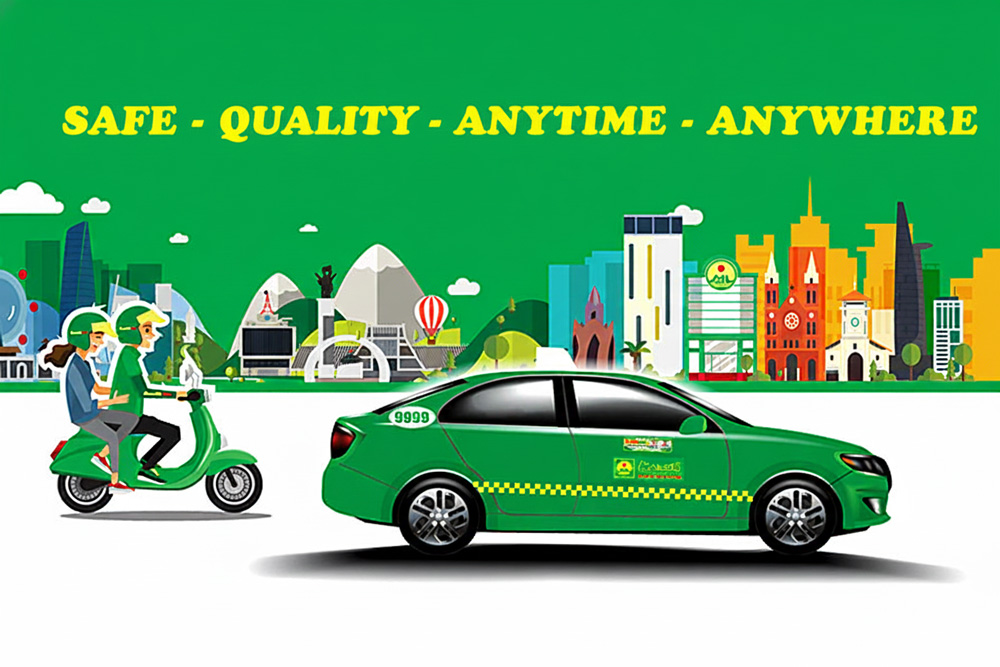
Follow the simple “Green & Checkered Rule.”
Stick to:
These companies have the most consistent meters and the least drama.
Avoid unbranded cars or any taxi with faded paint, missing decals, or suspiciously low starting fares—those are usually the troublemakers.
Compared to Western cities:
Not at all. A 20-minute ride typically costs $3–$4 USD, sometimes even less.
Compared to local transport:
Yes—buses are extremely cheap (about 7,000 VND, or ~$0.30). But for speed, comfort, AC, and door-to-door service, taxis are still a great value for travelers.
Taxis in Hanoi are safe, cheap, and convenient—as long as you stick to reputable companies and keep an eye on the meter. With just a few insider tips, you'll get around the city effortlessly and never overpay.
Taking a taxi for long-distance travel sounds convenient, but this is one route where you really need to be smart. The Hanoi → Ha Long Bay journey is about 2.5 to 3 hours, and if you don’t plan ahead, it can turn into one of the most expensive mistakes of your trip.
This is the number-one mistake travelers make.
If you hop into a regular metered taxi and say “Ha Long Bay,” here’s what can happen:
It's not a scam in the traditional sense, but it’s definitely not the price you should pay.
For long distances, always book a fixed-price transfer. This gives you a set fare, a nicer car, and no surprises when you arrive.
Here are your best options:
The most common choice for travelers who want a smooth, door-to-door ride.
Perfect if you're traveling with luggage or in a group of 2–4 people.
Despite the name, these are not “limos” but luxury vans with soft reclining seats, USB ports, and Wi-Fi.
Great for solo travelers or budget-conscious groups.
Some ride-hailing apps now offer long-distance bookings.
Use this only if you can't arrange a private transfer and want a quick solution.
A long-distance taxi from Hanoi to Ha Long Bay should never be metered. Fix the fare, book in advance, and choose the option that fits your comfort and budget.
With the right choice, the journey becomes part of the adventure—not a stress point.

If you’re wondering “Which app should I use for a taxi in Hanoi?”—good news. Vietnam has several great options, and using an app is almost always cheaper, safer, and easier than hailing a random taxi on the street. Here’s the 2025 ranking, written with real traveler experience in mind.
Grab is the app everyone knows, and for good reason.
If you only download one app for your trip, Grab is the easiest all-rounder.
This is Vietnam’s electric taxi revolution, backed by VinFast, and it’s becoming a traveler favorite.
If you see one available on the map—book it first.
Be is a homegrown app that offers very competitive pricing.
If you’re staying a few days and want to save money, Be is a smart backup app to install.
For cars: Xanh SM usually wins.
For motorbikes: Be are often the cheapest.
For overall reliability: Grab still leads.
Download Grab + Xanh SM + Be and you’ll cover all your bases while paying the best prices.

For a standard ride into the Old Quarter, the normal range is 300,000–400,000 VND (about $12–$16 USD). If someone quotes you anything dramatically higher, walk away or open an app immediately.
If you only download two apps, make them Grab and Xanh SM.
Grab gives you the biggest driver network.
Xanh SM gives you clean electric cars and some of the best prices in the city.
Install both before you land for a smooth arrival.
For most travelers, Grab or Xanh SM is the safer, easier choice. You get a fixed price, no haggling, and a digital trail of the trip. Traditional taxis are fine too—but only if you stick to reputable brands and check the meter.
It depends on how you travel:
Technically, no—apps allow card payments.
Practically, yes.
Many traditional taxi drivers prefer cash, and some will claim they “don’t have change” to pocket a little extra. Keep small bills like 10k, 20k, 50k VND to make your life easier.
If you know these basics, taking a taxi in Hanoi becomes one of the easiest parts of your trip—not the stressful moment many first-timers fear.

Getting around Hanoi doesn’t have to feel intimidating. Once you understand the basics, you’ll realize the city’s transport system is affordable, plentiful, and surprisingly modern. From electric taxis gliding quietly through the streets to easy-to-use ride-hailing apps, you’ll have no trouble moving from the Old Quarter to any corner of the city with confidence.
If you want one final piece of advice, it’s this: download your apps before you fly. Many visitors forget they need SMS verification, and it’s far smoother to set everything up while you still have your home SIM card active. And when you spot one of those bright cyan-blue Xanh SM electric taxis, hop in. They’re clean, quiet, and consistently ranked as the most pleasant rides in Hanoi.
So go ahead—ride like someone who knows exactly what they’re doing.
Ready to explore the city without stress? Now that you’ve mastered transportation, the next step is choosing the perfect base. Check out our guide on Where to Stay in Hanoi for neighborhood breakdowns, hotel picks, and local tips.
And if you want to save time and avoid all the planning headaches, reach out to Asia Mystika, a trusted tour operator in Vietnam. We can arrange airport transfers, curated city tours, and custom travel itineraries so you can focus on enjoying the journey, not managing the logistics.
WhatsApp: (+84) 866.22.7878
Planning trip: Click here
Email: sales@asiamystika.com
Website: www.asiamystika.com
Asia Mystika Profile: Click Here
