
- SG$ Singapore Dollar
- A$ Australian Dollar
- £ British Pound Sterling
- C$ Canadian Dollar
- € Euro
- MYR Ringgit Malaysia
- US$ United States Dollar
- đ Vietnamese Dong




 About Us
 Destinations
 Travel Styles
 Travel Guide
 Blogs
Blogs

Looking for halal food in Da Nang? Here is where to eat, where to pray, which Vietnamese dishes hide pork and fish sauce, and how to handle the day you spend on a mountain.
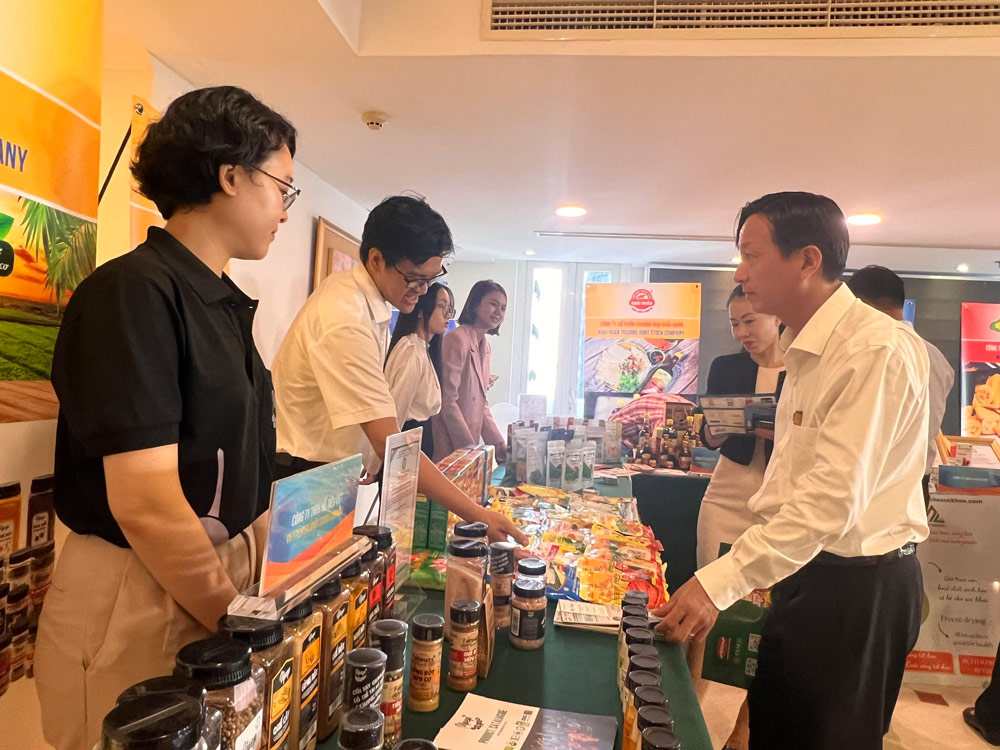
Let us set expectations honestly first, because that is more useful than reassurance.
Da Nang is not Kuala Lumpur. You will not walk out of your hotel and find halal options on every corner. Vietnam has a small Muslim population — the Cham community numbers around 80,000 nationally, concentrated mainly in the Mekong Delta, Ho Chi Minh City and Ninh Thuan province rather than on the central coast.
But Da Nang is genuinely workable, and it has improved considerably as visitor numbers from the Gulf, Malaysia, Indonesia and Singapore have grown. Reports put the city at more than 40 halal and Indian restaurants, over 10 halal-certified establishments, and several hundred additional venues operating in a Muslim-friendly way.
For comparison, Ho Chi Minh City has the broadest halal selection in Vietnam and Hanoi the strongest Middle Eastern and South Asian options. Da Nang's niche is different: it is the country's halal beach destination.
Three very different things get called 'halal' in Vietnam, and confusing them causes most of the problems travelers report.
That third category is where travelers get caught. A kitchen that swaps chicken for pork in mì Quảng has not necessarily changed the broth. Ask specifically, and ask about the stock.
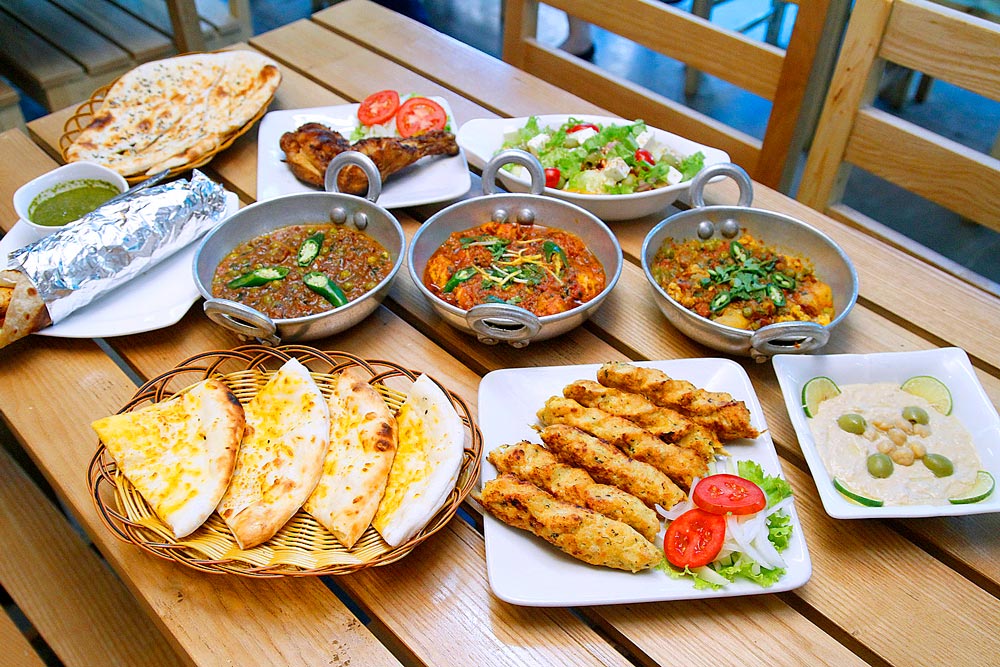
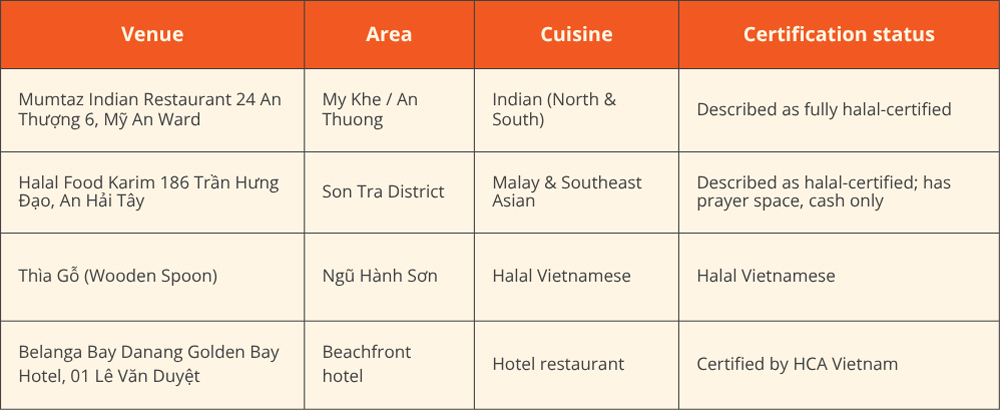
Da Nang's halal venues cluster in two areas: the My Khe Beach strip and An Thuong behind it, and Son Tra District toward the peninsula. Both are easy to reach by Grab, Southeast Asia's ride-hailing app.
The cuisine mix is broader than most travelers expect — Malay and Southeast Asian, North and South Indian, Middle Eastern, and a growing number of kitchens serving halal versions of Vietnamese dishes, which is the more interesting option if you want to actually taste Central Vietnam.
Writer instruction: the table below must be completed by visiting or telephoning each venue. Do not populate it from aggregator listings — certification status changes, and this is the one page on the site where an error has real consequences for a reader.
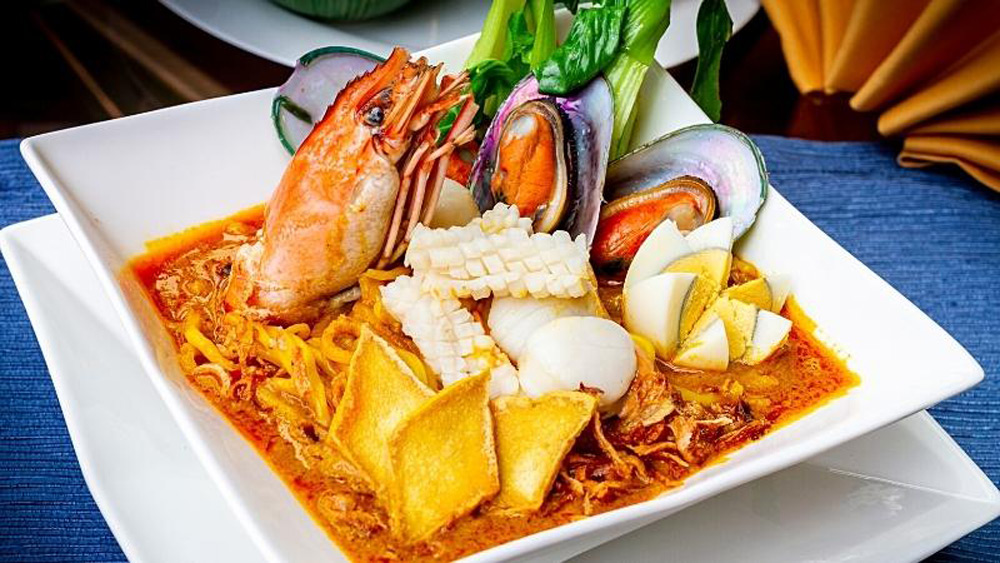
Several Da Nang kitchens now serve adapted versions of Central Vietnamese dishes — halal mì Quảng with chicken in place of pork and shrimp, halal bún chả, and fresh spring rolls with compliant dipping sauces.
This matters more than it sounds. Travelers who eat only at Indian and Malay restaurants leave Vietnam without having tasted Vietnamese food, which is a genuine loss on a coast known for it. If you find a halal Vietnamese kitchen, use it.
This is the section to read before your first meal.
Nước mắm is a fermented anchovy sauce and the base seasoning of Vietnamese cooking. It is in marinades, dressings, dipping sauces and broths — including dishes that contain no visible fish.
Scholarly opinion on fish sauce varies, and many Muslim travelers consume it without concern while others avoid it entirely. If you avoid it, you must say so explicitly, because no Vietnamese cook will think to mention it.
Mắm tôm — fermented shrimp paste — is a second hidden ingredient, pungent and common in northern and central dishes.
Pork appears in Vietnamese cooking far beyond the obvious. Many noodle broths are built on pork bones, including some that arrive with only chicken or beef visible in the bowl.
Phở is usually beef or chicken-based, but the stock is not guaranteed. Bún dishes and mì Quảng frequently use pork stock. Bánh mì commonly contains pork pâté and cold cuts.
The reliable question is not *does this contain pork?* but *what is the broth made from?*
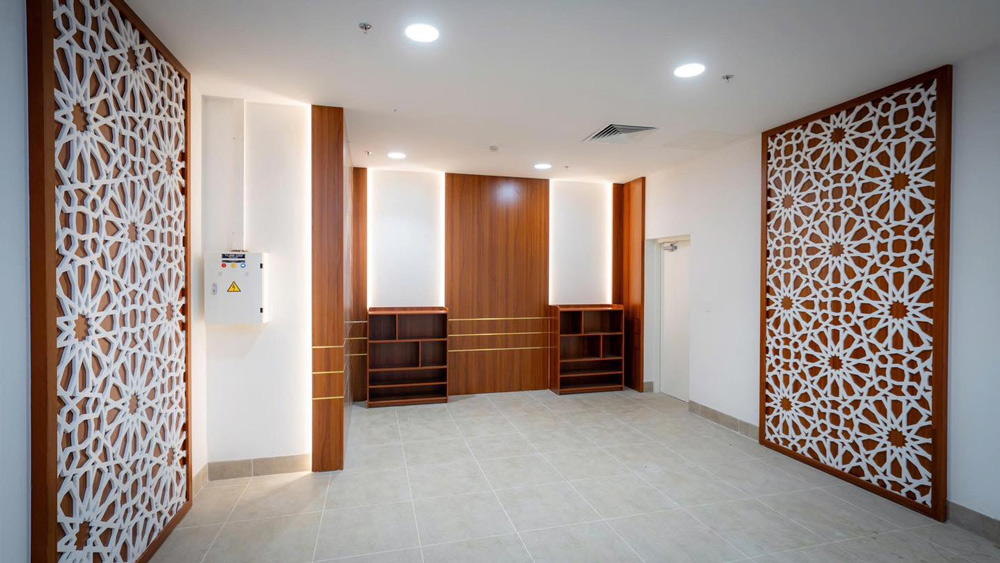
Masjid Al-Noor in Son Tra District is reported to be Da Nang's primary mosque, serving both the local Cham Muslim community and visiting travelers, with Friday prayers held weekly.
Important verification note for the writer: sources conflict on this point. Some travel guides state that central coastal destinations including Da Nang have no permanent mosque and rely on informal prayer spaces. Others name Masjid Al-Noor specifically with a Son Tra address. This must be confirmed directly — by telephone or in person — before publication. Sending a Muslim traveler to a mosque that does not exist, or telling them there is none when there is, are both serious failures.
Beyond the mosque, several Da Nang hotels provide prayer mats and qibla direction cards on request, and some beachfront properties in the My Khe and Non Nuoc areas can arrange prayer space.
Da Nang International Airport prayer facilities: Terminal 2 (International Terminal) features a dedicated, 24/7 prayer room located post-security on the second floor of the restricted departure area. This peaceful facility offers separated sections for men and women, complete with prayer mats, altars, and dedicated foot-washing areas. Please note that this room is only accessible to passengers with a valid international boarding pass, as the Domestic Terminal (Terminal 1) does not have its own prayer facility.
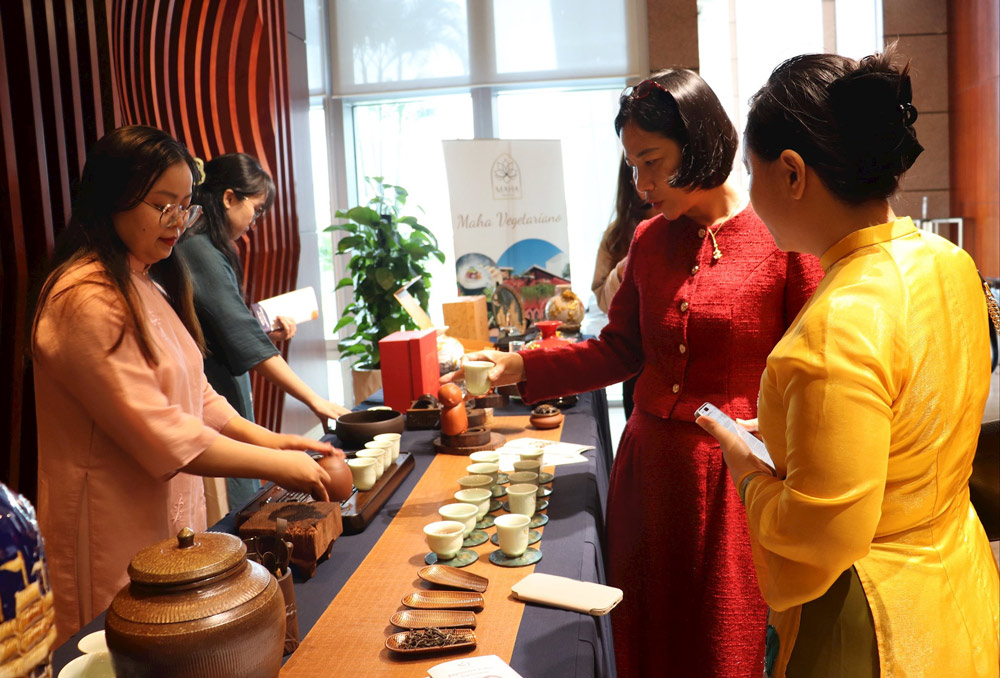
Some Da Nang hotels have real experience with Gulf and Southeast Asian Muslim guests, and at least one beachfront property houses a dedicated Muslim-friendly restaurant.
Rather than listing properties that may change, here is what to confirm in writing before you book:
Confirm all of this at booking rather than on arrival. A hotel that says yes in an email will make it happen; a hotel asked at check-in usually cannot.
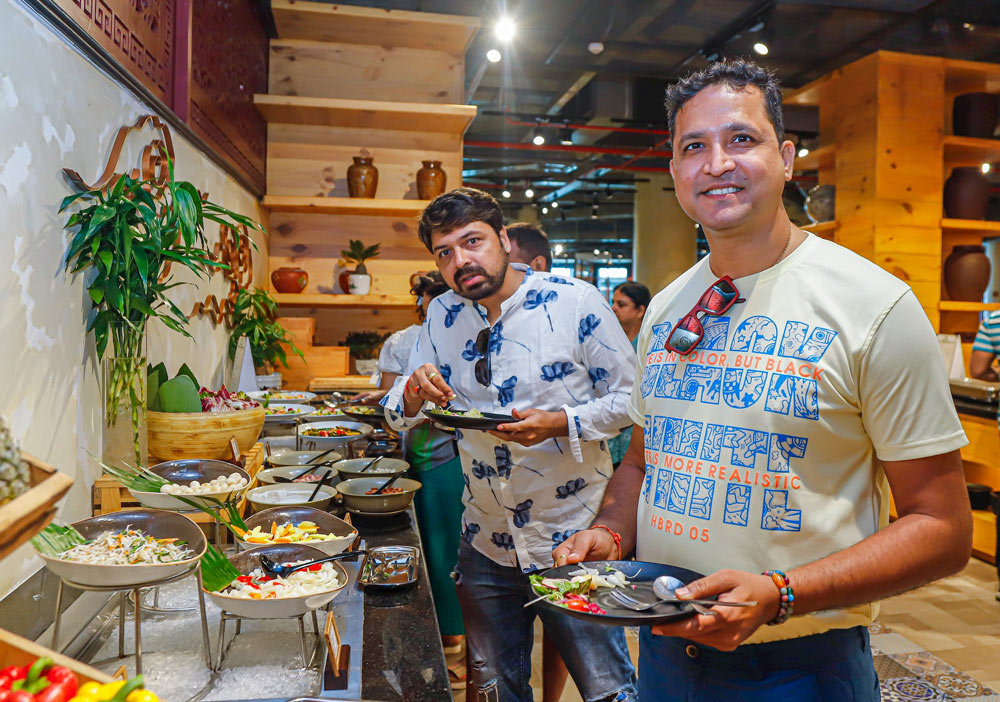
This is the part almost no guide covers, and it is the thing that actually goes wrong.
Ba Na Hills is a full-day trip. You take a cable car to a mountain summit above 1,400 m and stay there for four to five hours. The food at the top is resort catering, and there is reportedly only one halal option in the entire complex — an Indian and Vietnamese halal buffet, which is excellent if it is open and awkward if it is not.
The same issue applies elsewhere. My Son Sanctuary is an exposed archaeological site with minimal food. The Hai Van Pass loop has roadside stops but nothing certified. A Hue day trip means five hours of travel in a region with far fewer halal venues than Da Nang.
Hoi An is the exception — it is 45 minutes away, has its own halal and vegetarian options, and is the easiest excursion to eat well on.
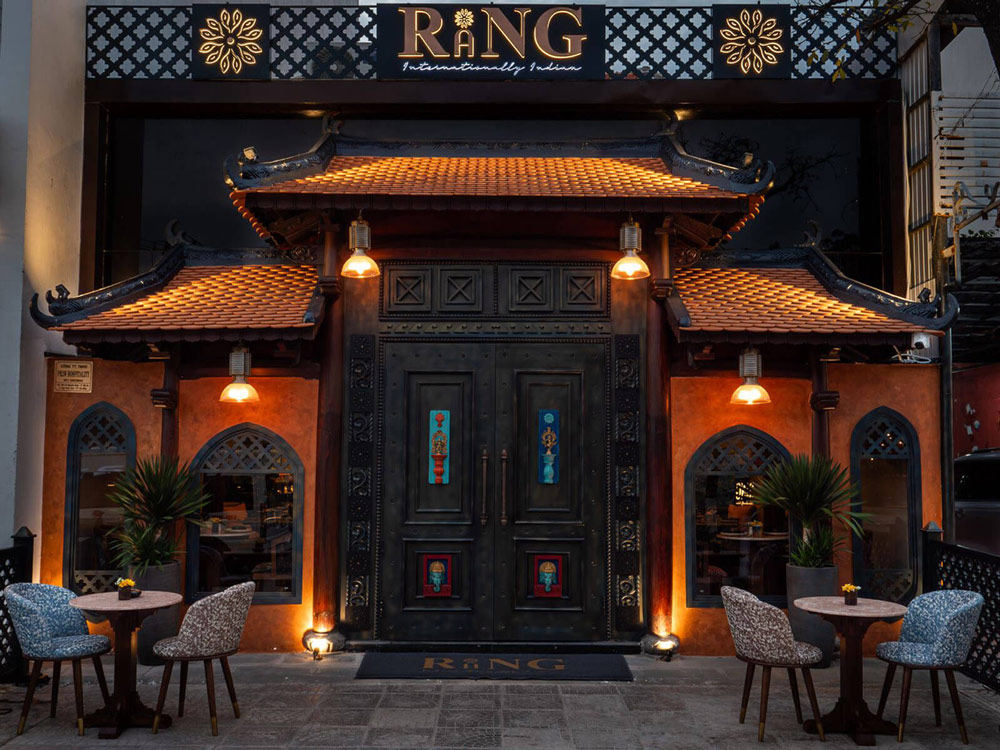
Vietnam does not observe Ramadan nationally, so the country's rhythm will not adjust around you. Restaurants open normally. Nothing shifts to accommodate fasting hours.
That makes hotel arrangements essential rather than optional. Confirm suhoor timing with your hotel before arrival — most kitchens will accommodate a pre-dawn meal if asked in advance, and none will if asked on the night.
For iftar, the mosque community is the best route to a shared meal, and worth asking about when you contact them regarding prayer times.
One practical warning: Central Vietnam is hot and humid. Fasting through a Da Nang afternoon in the dry season is significantly harder than fasting in a cooler climate. Plan sightseeing for the early morning and after sunset, and treat the middle of the day as rest time.
Eid in Da Nang: Eid al-Fitr marks the end of Ramadan, and in Vietnam it is a community occasion rather than a national one. It is not a public holiday, so shops, restaurants and attractions all run normally — which cuts both ways for visiting travelers: nothing closes, but nothing marks the day either unless you seek it out. Da Nang's Muslim community gathers for Eid prayers on the morning itself, and visitors are genuinely welcome to join. Arrive early, dress modestly, and expect something intimate rather than large-scale. This is a small community on a coast where Islam is not widely practised, and that is precisely what makes attending worthwhile — you will be greeted, and quite possibly fed. If your trip falls over Eid, contact the mosque a few days ahead to confirm the prayer time.
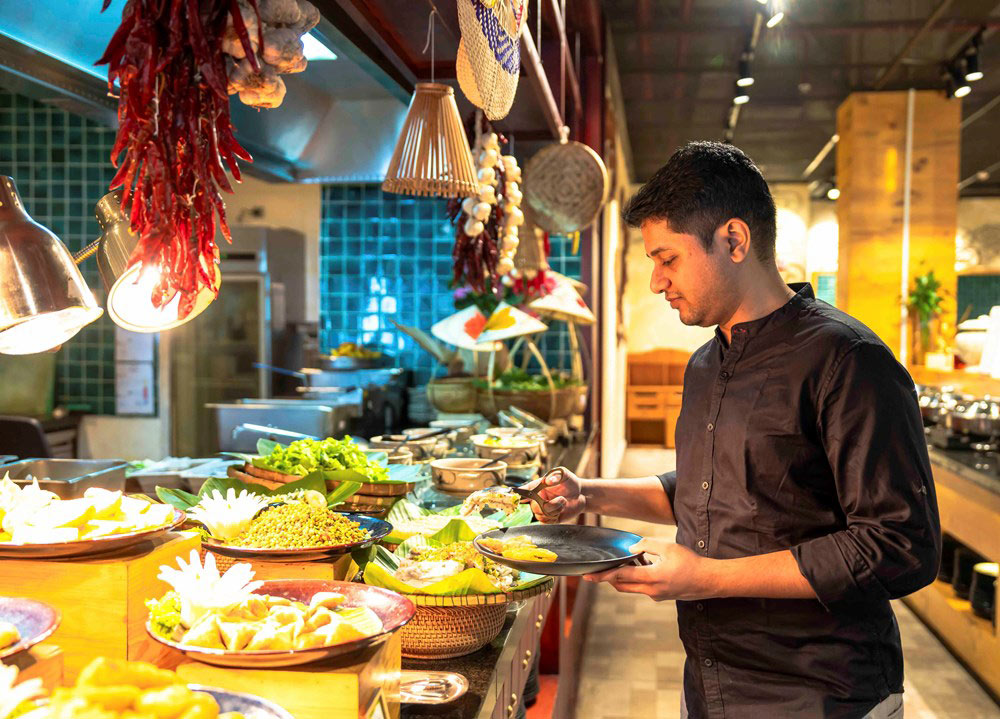
An Asia Mystika guide explains:
“The question I am asked most is not where to eat but what to do on excursion days. On a Ba Na Hills day you are on a mountain from morning until afternoon, and the summit food is not halal by default. I plan those days differently for Muslim guests — we eat properly before we go up, and I arrange what comes with us.” — Rosa — Asia Mystika guide, Da Nang.
City dining is the easy part. An Thuong and Son Tra have enough options that a traveler staying in Da Nang will eat well without much effort.
It is the days out that need thought, and they are exactly the days most travelers book last and plan least.
Where you stay matters more here than for most travelers.
The My Khe and An Thuong area puts you within walking distance of a cluster of halal and Indian restaurants. Son Tra District puts you closer to the mosque and to the Malay and Southeast Asian venues.
A resort at the far southern end near Non Nuoc is beautiful, but it means a Grab ride for every meal. That is fine if you planned for it, and frustrating if you did not.
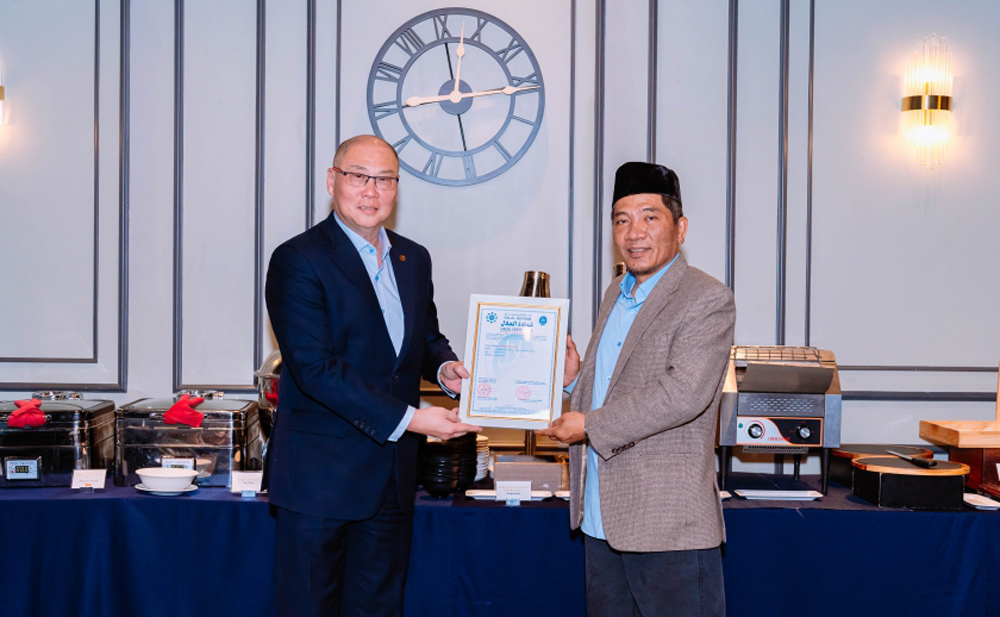
Yes. Da Nang reportedly has more than 40 halal and Indian restaurants and over 10 halal-certified establishments, concentrated around the My Khe Beach strip, An Thuong and Son Tra District.
Masjid Al-Noor in Son Tra District is Da Nang's primary mosque, serving the local Cham Muslim community and visiting travelers. Weekly Friday prayers (Jumu'ah) are held there.
Much of it is not. Pork and fish sauce (nước mắm) are staples, and pork stock appears in many broths that look meat-free. Always ask what the broth is made from rather than only asking about visible meat.
There is one halal dining option in the resort complex. Because it is the only one, confirm its opening days before your visit and eat well before going up.
Several international properties can, on request. Confirm it in writing at the time of booking rather than on arrival.
It is manageable and improving, and it is Vietnam's best halal beach destination. It requires more planning than a Muslim-majority country, but the safety, the family-friendliness and the coastline make it worthwhile.
Broths of unknown origin, bánh mì with pâté and cold cuts, and any dish where the kitchen has only removed visible pork without changing the stock or sauces.
Here is the whole thing in one line:
Da Nang works well for Muslim travelers with planning — base yourself near My Khe or Son Tra, confirm venues and hotel arrangements in writing before you arrive, and treat excursion days as a separate problem to solve.
Vietnam is not a Muslim-majority country and Da Nang is not a halal destination in the way Langkawi or Penang are. But it is a beautiful, safe, family-friendly beach city where eating well is entirely achievable — and where the effort of a little advance planning buys you a coastline, a mountain and a UNESCO town most halal travel itineraries never reach.
Eating well as a Muslim traveler in Vietnam is entirely possible. What it takes is somebody making phone calls in Vietnamese before you arrive — confirming which restaurants are currently certified, which hotel kitchens will genuinely prepare halal breakfast, what the mosque's current prayer times are, and what happens on the day you spend on a mountain.
If you want to save time and effort while traveling to Vietnam, contact Asia Mystika, a trusted tour agent in Vietnam. We are based here. We confirm venues before you land, brief your driver and guide, and build excursion days that do not leave you hungry at 1,400 metres.
Tell us your dates and your requirements, and we will do the checking.
