- SG$ Singapore Dollar
- A$ Australian Dollar
- £ British Pound Sterling
- C$ Canadian Dollar
- € Euro
- MYR Ringgit Malaysia
- US$ United States Dollar
- đ Vietnamese Dong




 About Us
 Destinations
 Travel Styles
 Travel Guide
 Blogs
Blogs

A Hai Van Pass tour is one of Central Vietnam’s most scenic half-day adventures, taking you along the famous mountain road between Da Nang and Hue. Choose a classic jeep ride, self-drive motorbike, Easy Rider experience, or private car depending on how you want to enjoy the journey. This guide compares each option with routes, travel times, costs, and practical tips to help you choose the best way to experience the Sea Cloud Pass.
A Hai Van Pass Tour is not only a route between Da Nang and Hue. It can also be enjoyed as a scenic half-day adventure from Da Nang. Most half-day loops cross the mountain road over Hai Van Pass, continue toward Lang Co Bay, then return to Da Nang via the Hai Van Tunnel, usually taking around 4–5 hours depending on stops and weather conditions.
For travellers who do not want to ride themselves, a jeep tour is one of the most comfortable ways to experience the pass with open-air views and easy access to photo stops. An Easy Rider tour offers a more authentic road-trip feeling by placing you behind an experienced local rider, while a self-drive motorbike trip gives the most freedom but requires a licence valid for riding in Vietnam and confidence on winding mountain roads.
The best time to start is usually in the morning. Hai Van Pass has its own microclimate, meaning the weather can change quickly: Da Nang may look sunny while clouds gather around the summit. Early departures give you a better chance of seeing the coastline, Lang Co Lagoon, and the mountain curves before afternoon haze and mist reduce visibility.
The key to enjoying a Hai Van Pass Tour is accepting that the weather is part of the experience. The changing clouds, sea views, and dramatic mountain scenery are exactly what make this one of Vietnam’s most memorable coastal journeys.
Many travellers first discover the Hai Van Pass while travelling between Da Nang and Hue, but the mountain road deserves more attention than simply being a route from one city to another. A dedicated Hai Van Pass Tour turns the journey into a half-day experience, allowing you to enjoy the viewpoints, coastline, and changing landscapes without needing to continue all the way to Hue.
The most common loop starts in Da Nang, climbs over Hai Van Pass, continues down toward Lang Co Bay, then returns to Da Nang through the Hai Van Tunnel. The route usually takes around 4–5 hours, depending on how many stops you make and the weather conditions.
A typical half-day schedule looks like this:
The exact timing changes depending on the vehicle, weather, and whether you add extra stops, but the loop is designed to fit comfortably into a morning or early afternoon.
A Hai Van Pass Tour and a Da Nang to Hue transfer share the same famous mountain road, but they serve different purposes.
A transfer to Hue is about reaching the next destination, often with luggage and a planned arrival time. A half-day tour is about enjoying the pass itself: stopping at viewpoints, taking photos, learning about the landscape, and returning to Da Nang without changing hotels.
If you are continuing north to Hue, see our guide on Da Nang to Hue: Train, Car & Hai Van Pass Guide to compare transport options and the best ways to experience the route.
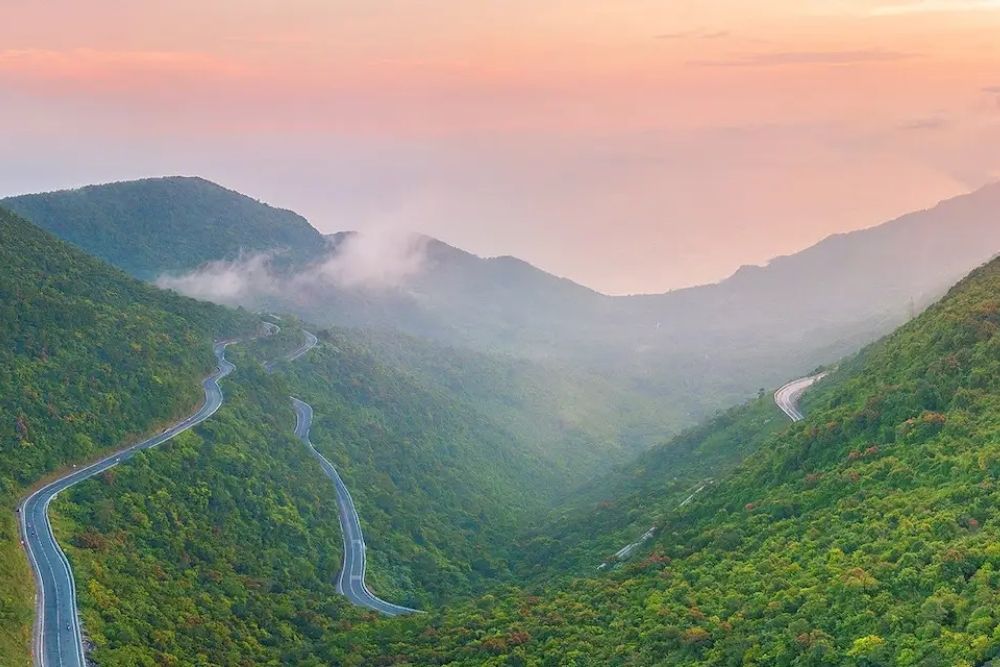
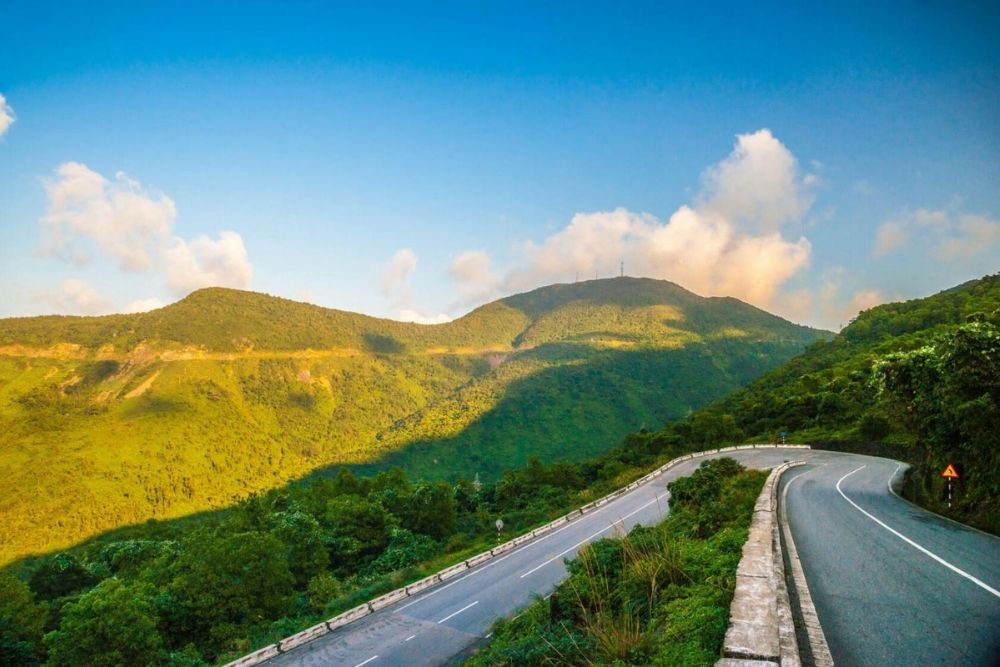
The beauty of the Hai Van Pass comes from the changing scenery rather than one single viewpoint. Travelling from Da Nang, the experience usually unfolds in this order:
As the road begins climbing, the city gradually opens behind you, revealing the coastline and the curved shoreline below.
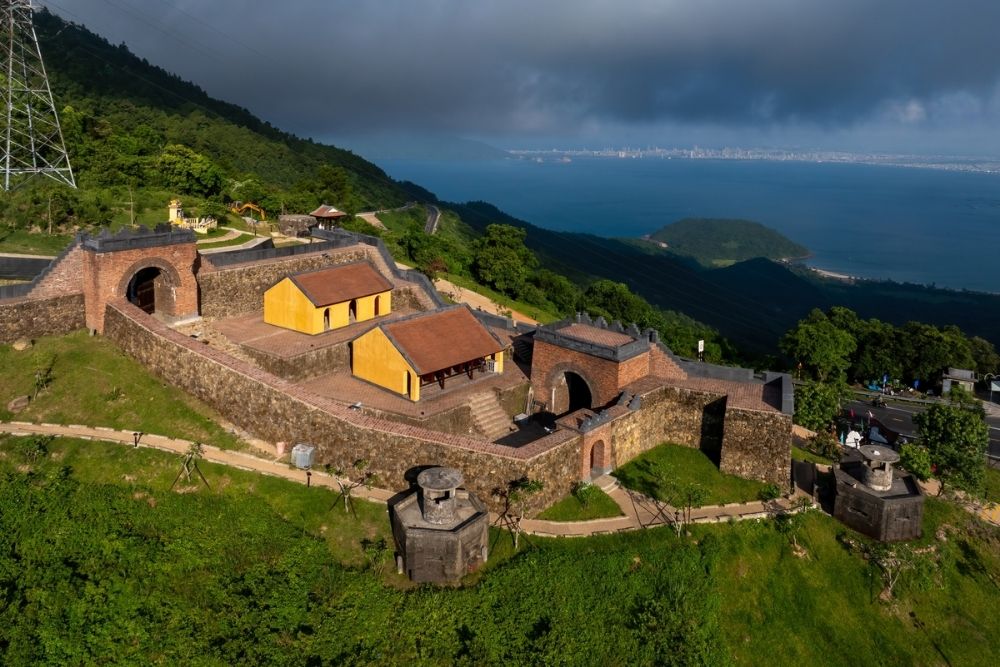
At the highest section of the route, you reach the historic gateway where mountain, sea, and clouds meet. This is the classic photo stop and the place where travellers understand why the pass is famous.
The landscape changes from steep mountain curves to wide coastal views, with Lang Co’s beach and lagoon appearing between the mountains and the sea.
The tunnel provides a practical way back to Da Nang, saving time while keeping the scenic mountain crossing as the highlight of the journey.
For a Hai Van Pass Tour, morning departures are usually the best choice. The air is cooler, the roads are less busy, and you have a better chance of clear views before coastal clouds and afternoon haze appear.
The pass creates its own weather conditions. It is common for Da Nang to look bright and sunny while clouds sit around the summit. That changing atmosphere is part of the charm, but starting early gives you the strongest chance of seeing the coastline, Lang Co Bay, and mountain curves in full detail.
A good Hai Van Pass experience is not about rushing from one stop to another. It is about giving the mountain road enough time to reveal itself and a half-day loop from Da Nang is the perfect way to do that.
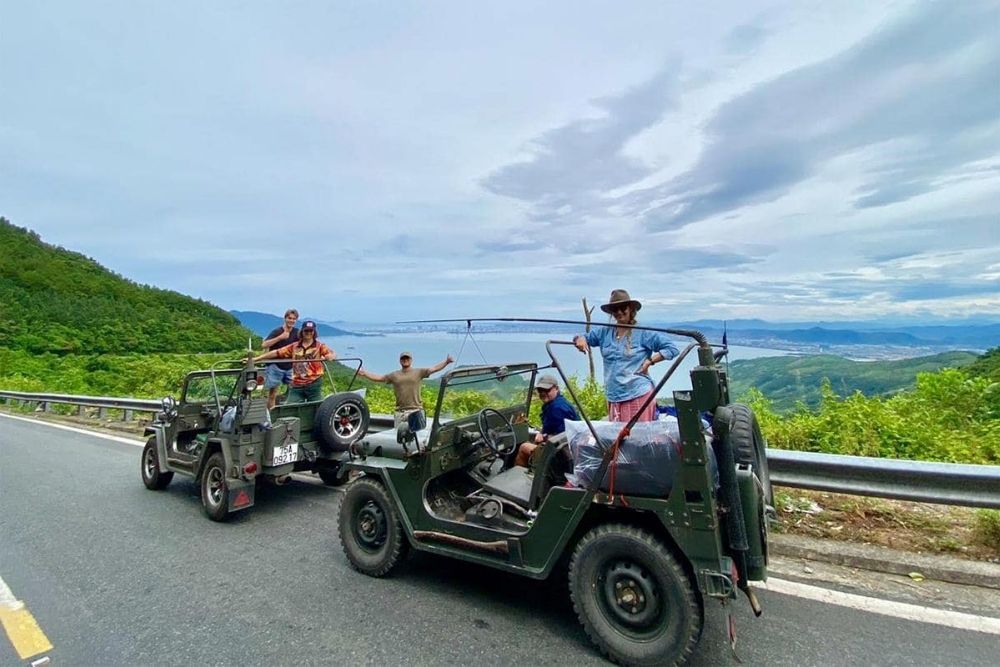
A Hai Van Pass Tour by jeep is one of the easiest ways to enjoy the famous mountain road without riding a motorbike. The open-air design gives travellers wide coastal views, fresh mountain air, and easy photo opportunities while a local driver handles the winding route.
Most jeep tours from Da Nang include hotel pickup, a drive over the old Hai Van Pass road, stops at viewpoints, Hai Van Gate (Hai Van Quan), and a visit toward Lang Co Bay before returning to Da Nang.
A typical route:
Vintage jeeps offer a more adventurous, classic road-trip feeling and are popular with photographers. Modern jeeps provide better comfort and are often more suitable for families or older travellers.
Travellers can choose shared or private jeep tours. Shared trips are more affordable, while private jeeps offer more flexibility with stops and timing.
Prices vary by vehicle, inclusions, and group size, so check whether hotel pickup, guide service, drinks, and additional stops are included.
The open-air design is the main attraction, but it also means you are exposed to the weather. Bring sunscreen, sunglasses, and a light jacket, and remember that Hai Van Pass can be cloudy or rainy even when Da Nang is sunny.
A jeep Hai Van Pass Tour is ideal for:
For most visitors, a jeep offers the perfect balance between comfort, views, and the feeling of exploring one of Vietnam’s most iconic coastal roads.
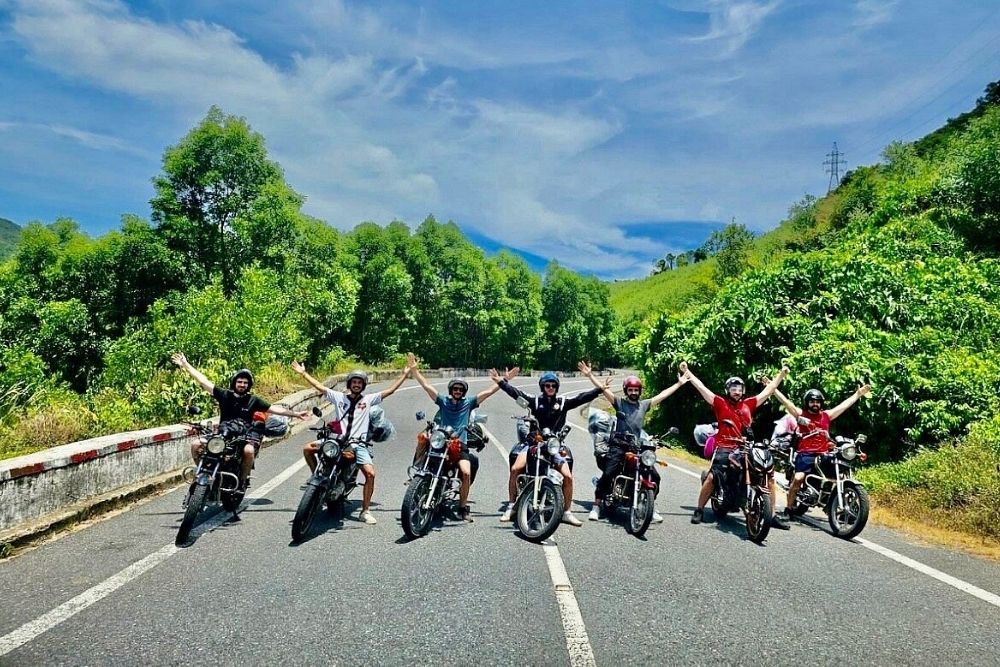
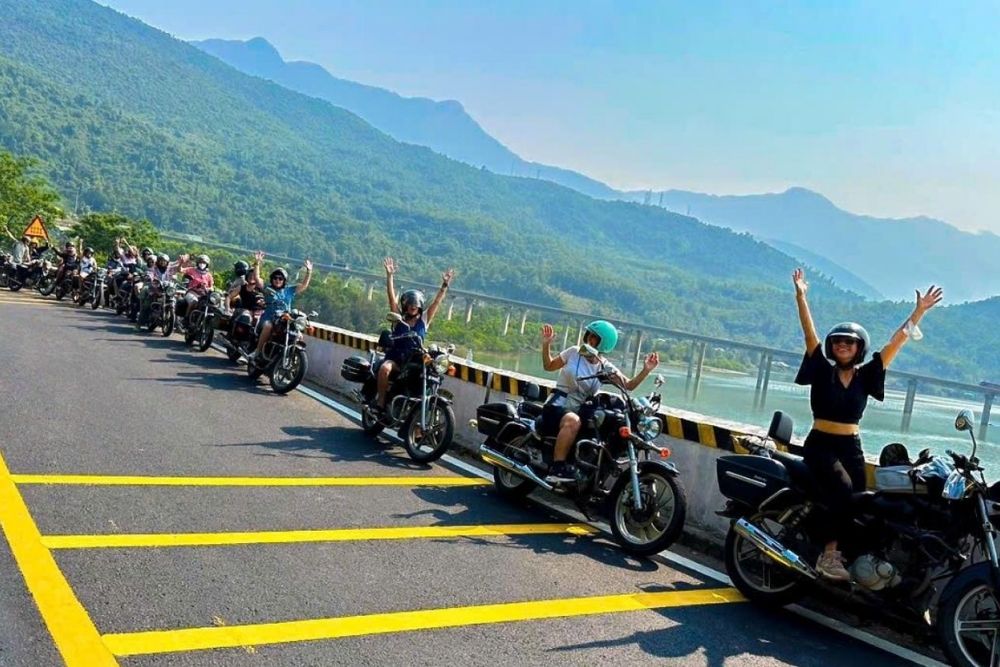
An Easy Rider Hai Van Pass Tour lets you experience the famous mountain road as a passenger on a local driver’s motorbike. You enjoy the open-air views and adventure of riding the pass without needing a motorbike licence or handling the winding roads yourself.
Your local driver manages the route, traffic, and navigation while you enjoy the scenery. Compared with a private car, a motorbike gives you a closer connection with the landscape, including the sea breeze, mountain curves, and coastal viewpoints.
For travellers continuing from Da Nang to Hue, most operators arrange separate luggage transfer because large bags are not practical on a motorbike. Confirm where your luggage goes and whether the service is included before booking.
A typical Easy Rider route takes around 4–6 hours, depending on stops. Most tours include:
Prices vary by route, group size, and inclusions. Check if fuel, driver service, hotel pickup, and luggage transfer are included.
Before booking, ask:
3.4. Best For
If you want to experience Hai Van Pass with the wind, views, and local perspective, but without the stress of driving, Easy Rider is one of the most memorable options.
A self-ride Hai Van Pass Tour offers the most freedom: stop whenever you want, choose your own pace, and experience the mountain road without following a fixed schedule. However, this option requires more preparation than many travellers expect. Hai Van Pass is beautiful, but it is still a mountain route with steep sections, changing weather, and real traffic conditions.
To legally ride a motorbike in Vietnam, you need a driving licence that is valid for use in the country. This point is important because many travellers rent a scooter without checking the legal requirements first.
If you ride without the correct licence, you may face problems with local authorities, and your travel insurance may not cover accidents or medical costs. Always check your licence requirements and insurance policy before choosing a self-ride option.
Da Nang has many motorbike rental shops offering scooters and manual bikes for travellers. Prices vary depending on the bike type, rental duration, and insurance or deposit conditions.
Before accepting a bike, check:
For Hai Van Pass, a reliable bike matters more than simply finding the cheapest rental.
Some rental companies allow travellers to pick up a motorbike in Da Nang and return it in Hue. This can be convenient for those continuing north, but availability and fees vary.
Confirm:
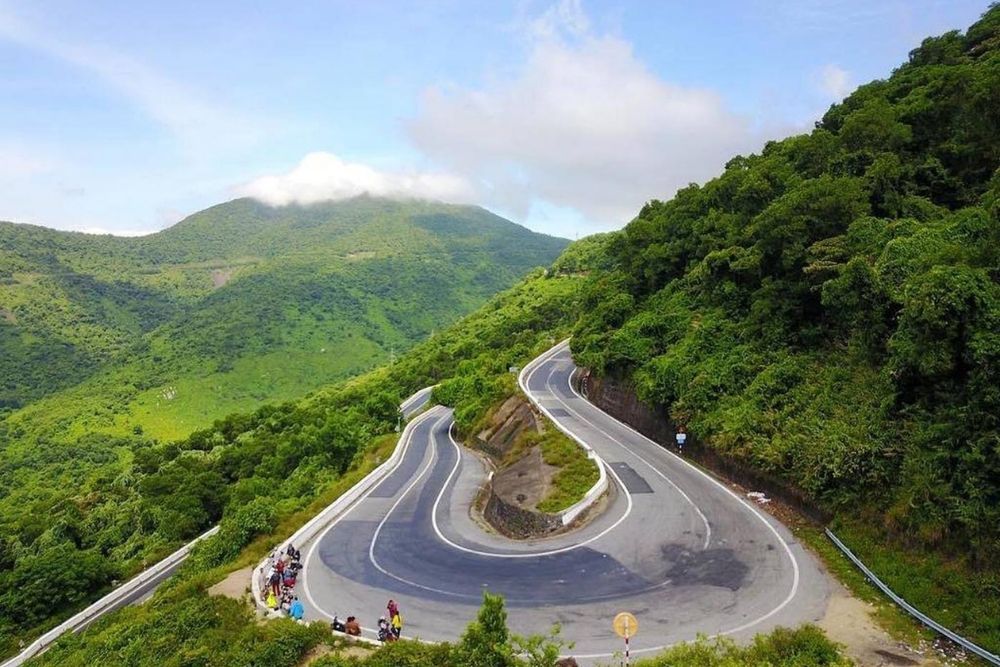
The scenic sections of Hai Van Pass include winding curves, uphill climbs, downhill descents, and areas where vehicles share limited road space. Experienced riders usually enjoy the challenge, but beginners may find the combination of bends, buses, trucks, and weather changes stressful.
Rain makes the road more demanding. Wet surfaces, reduced visibility, and slippery corners mean this is not a route to rush, especially for riders with limited motorbike experience.
A few simple preparations make the journey smoother:
Mobile coverage is generally available along the route, but some mountain sections can have weaker signals.
A self-ride Hai Van Pass Tour is best for:
If you have proper riding experience and the correct documents, crossing Hai Van Pass on your own can be unforgettable. But for first-time riders, an Easy Rider or jeep tour is often the safer way to enjoy the same scenery without the extra responsibility.
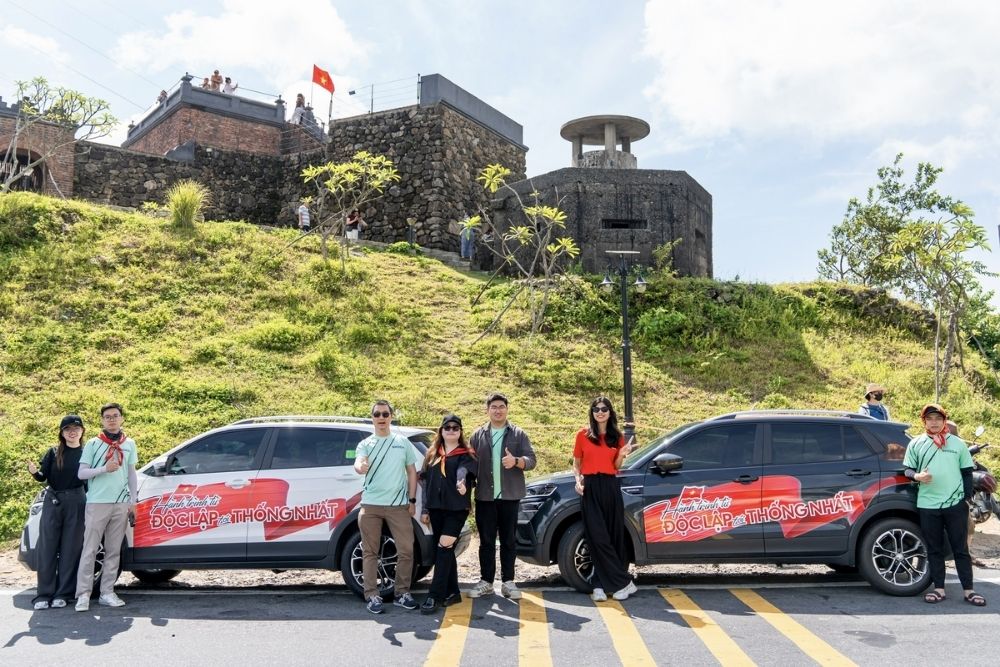
A Hai Van Pass Tour by private car is the most comfortable choice for travellers who want the scenery without worrying about driving, rain, or mountain roads. You can enjoy the views from an air-conditioned vehicle, stop when you want, and adjust the route around your group.
A typical half-day loop starts in Da Nang, crosses Hai Van Pass, descends toward Lang Co, then returns through the Hai Van Tunnel. Allow around 4–5 hours, depending on photo stops and weather.
The private-car option is especially useful because you can spend longer at the places your group actually enjoys instead of following a fixed tour schedule.
If Hue is your next destination, you can turn the same journey into a Da Nang to Hue private transfer via Hai Van Pass. Instead of returning to Da Nang, continue north after visiting the pass and Lang Co.
This avoids repeating the route and makes the scenic drive part of your travel day. See our Da Nang to Hue transfer guide for the different ways to make the journey.
Private-car prices depend on vehicle size, route, number of stops, and whether you are returning to Da Nang or continuing to Hue. A half-day scenic car is generally more expensive than a shared tour, but the cost can become reasonable when divided among a family or small group.
Before booking, check whether hotel pickup, fuel, driver, waiting time, and scenic stops are included.
A private Hai Van Pass Tour is particularly suitable for:
It is also the easiest option when weather conditions are uncertain. If rain arrives at the summit, you can stay dry inside the vehicle while still enjoying the mountain scenery when conditions improve.
If you want the freedom of a scenic route without the physical demands of a motorbike or the exposure of a jeep, a private car is the most practical all-round choice.
The actual drive across Hai Van Pass can take less than an hour, so the stops are what turn a road crossing into a memorable Hai Van Pass Tour. Rather than rushing over the mountain, choose a few places to pause, take in the scenery, and enjoy the landscape.
At the summit, Hai Van Gate is the classic stop. The historic gateway sits among the mountain curves with views stretching toward both Da Nang and the northern coast. Allow around 20 to 30 minutes for photos and a short walk.
After crossing the summit, descend toward Lang Co Bay for a completely different perspective. The lagoon, beach, mountains, and railway line create one of the most impressive views on the northern side of the pass.
Elephant Springs (Suoi Voi) is an optional stop on longer routes toward Hue. The natural pools and rocky surroundings make it a refreshing addition, particularly during warmer months. However, water levels and access can vary seasonally, so check current conditions before planning your visit.
Slow down around the coastal communities near Lang Co Lagoon to see a quieter side of Central Vietnam. Fishing boats, lagoon farms, and small settlements provide a more local perspective than the major viewpoints.
A roadside coffee stop is another simple way to enjoy the pass. Find a café with an elevated terrace, order a Vietnamese coffee, and give yourself time to watch the clouds move across the mountains and sea.
Half-day: Da Nang → Hai Van Pass → Hai Van Gate → Lang Co viewpoint → return through the tunnel → Da Nang.
Full-day: Da Nang → Hai Van Pass → Hai Van Gate → Lang Co → Elephant Springs → lagoon and local stops → continue to Hue or return to Da Nang.
You do not need to stop everywhere. For a shorter Hai Van Pass Tour, focus on Hai Van Gate and Lang Co. If you have a full day, add Elephant Springs and time around the lagoon for a slower, more immersive journey.
Weather can make or break a Hai Van Pass Tour. The summit sits around 500 metres above sea level and has its own microclimate, so it is completely possible to leave sunny Da Nang and reach a summit covered in cloud.
Cloud and fog can build around the summit as the day gets warmer, making early departures the safer bet for visibility. Aim to cross the main section in the morning, ideally before midday, when the road is generally cooler and the coastal views have a better chance of staying open.
From roughly September to December, Central Vietnam sees more unsettled weather, with Hai Van Pass particularly prone to rain, mist, and slippery surfaces. During poor conditions, visibility can fall dramatically even when Da Nang itself looks clear.
Rain does not automatically mean you need to cancel, but it should change your transport choice. A private car gives you a dry, comfortable alternative, while motorbike riders should avoid heavy rain, thunderstorms, or conditions where visibility becomes poor.
For a broader look at Central Vietnam's weather, see our Da Nang Rainy Season guide.
Severe tropical weather can cause temporary road restrictions, landslides, or unsafe driving conditions. Do not treat a scheduled tour as a guarantee that the pass will be accessible. Check the local weather and road situation on the day, and follow your driver or tour operator's advice if they recommend delaying or taking the tunnel.
The tunnel is an important fallback because it allows vehicles to bypass the exposed mountain road when conditions deteriorate.
The summit can feel noticeably cooler and windier than Da Nang. Bring a light jacket or rain shell, comfortable shoes, sunscreen, sunglasses, and a waterproof bag for your phone and camera.
If you choose an open jeep or motorbike, sun protection matters even on cloudy days. A long-sleeved layer can be more useful than relying only on sunscreen, particularly during a longer ride.
The pass is a mountain road with tight curves and changing visibility. Slow down in wet conditions, avoid stopping in unsafe places for photos, and never continue riding simply because the itinerary says you should.
For a Hai Van Pass Tour, the best experience is not necessarily the clearest one. Mist can make the summit atmospheric, but once visibility becomes genuinely poor or rain becomes heavy, safety should take priority over the view.
Choosing the right Hai Van Pass Tour mainly comes down to two questions: Do you want to ride on two wheels, and what will the weather be like? Motorbikes and Easy Riders offer the most immersive experience, while jeeps and private cars provide more comfort and weather protection.
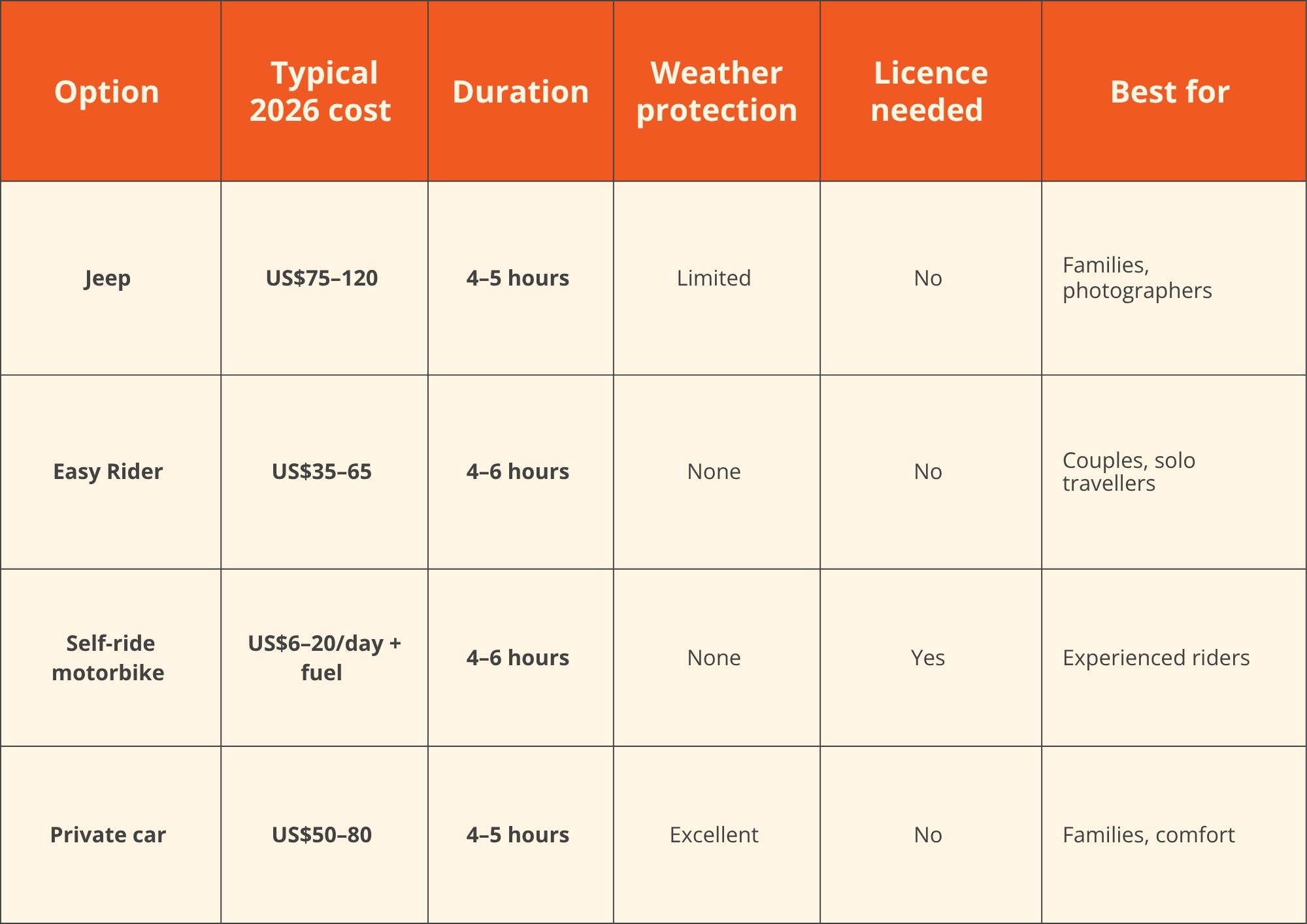
Prices vary by operator, vehicle, group size, route, and inclusions. Confirm the current rate before booking.
Solo travellers and couples: Choose an Easy Rider if you want the thrill of a motorbike without riding yourself. It is social, scenic, and gives you a strong sense of the road.
Experienced riders: A self-ride motorbike offers the greatest freedom. You control the pace and stops, but you need the correct licence and should be comfortable handling mountain roads.
Families and mixed-mobility groups: A private car is usually the easiest choice. Everyone can travel together, luggage stays with you, and the itinerary can be adjusted around children or older relatives.
Photographers and adventure seekers: A jeep offers an open-air perspective without putting you in control of a motorbike. It is particularly good for groups who want easy access to scenic stops.
During rainy or unsettled weather, private car is the safest all-round recommendation. You stay protected from rain and wind, while your driver can adjust the route if visibility or road conditions deteriorate.
For dry-season travellers, the choice is more about the experience you want. Pick Easy Rider or motorbike for adventure, jeep for open-air sightseeing, and private car for comfort and flexibility.
If you are still unsure, ask yourself one simple question: Do you want to experience the road, or simply enjoy the scenery? That answer usually makes the choice clear.
The summit of Hai Van Pass is the obvious photo stop, but it is not necessarily the most rewarding part of the journey. Once you leave the highest point and begin descending toward Lang Co, the landscape opens dramatically, with the bay, lagoon, railway, and mountains unfolding below.
An Asia Mystika guide explains: “Everyone stops at the top and photographs the gate, and then they turn round. The best part is the descent towards Lang Co, where the bay opens up in front of you. I plan the loop so we come down that side in the late morning light rather than rushing back for lunch.”
The takeaway is simple: do not treat Hai Van Gate as the finish line. Leave enough time to continue down the northern side and enjoy the views toward Lang Co. A well-planned Hai Van Pass Tour should give the descent as much attention as the summit, because that is where the mountain road really opens up.
Yes. A typical Hai Van Pass Tour follows the mountain road to Lang Co and returns through the Hai Van Tunnel, taking around 4–5 hours. This makes it an easy half-day excursion from Da Nang.
Yes, especially for non-riders who want an open-air experience without handling a motorbike. A jeep also gives families and small groups more space while keeping the route and driving simple.
Yes. Anyone riding a motorbike needs a licence that is legally valid in Vietnam. Riding without the required licence can also affect travel insurance coverage, so check both your licence and policy before setting off.
The road is generally well paved, but it has steep gradients, sharp bends, changing traffic, and weather that can include rain or fog. Inexperienced riders should consider an Easy Rider or jeep tour rather than tackling the pass themselves.
An Easy Rider tour means travelling as a passenger behind a local motorbike driver. You do not need to ride the motorcycle yourself, so it is a good option for travellers who want the two-wheel experience without the responsibility of driving.
2026 indicative prices are around US$75–120 for a jeep, US$35–65 for an Easy Rider, and US$50–80 for a private car, depending on the route, group size, and inclusions. Always confirm the current price and what is included before booking.
Morning is usually the best time. Starting early gives you cooler conditions and a better chance of clear views before cloud, haze, or fog develops around the summit later in the day.
A Hai Van Pass Tour is at its best when you give the mountain enough time to enjoy it. Start early for cooler conditions and better visibility, then let an experienced driver choose the right places to stop and make the most of the changing light across the coast and Lang Co.
Asia Mystika offers private Hai Van Pass journeys at your own pace, with flexible stops and local knowledge built into the route. Tell us your travel dates, and we can shape the experience around your schedule.
Plan Your Private Hai Van Pass Tour with Asia Mystika!

Asia Mystika Travel is a Vietnamese local travel agency dedicated to bringing first-hand experience of lovely scenery, and distinctive indigenous cultures to every customer. With professional local tour guides and prestiged airline partners (4 domestic airlines and over 300+ international airlines), we offer unique local experience at an extremely reasonable price. All tours are 100% customizable, no shopping and no extra fee.
Ready to go? Start planning your custom Sapa itinerary with us
Who we are: Learn more about the local experts at Asia Mystika
WhatsApp: (+84) 866.22.7878
Email: sales@asiamystika.com
Website: www.asiamystika.com