
- SG$ Singapore Dollar
- A$ Australian Dollar
- £ British Pound Sterling
- C$ Canadian Dollar
- € Euro
- MYR Ringgit Malaysia
- US$ United States Dollar
- đ Vietnamese Dong




 About Us
 Destinations
 Travel Styles
 Travel Guide
 Blogs
Blogs

Wondering is Da Nang safe? Yes — it is one of Vietnam's safest cities for visitors. But the things that actually injure travelers here are not the things most people worry about.
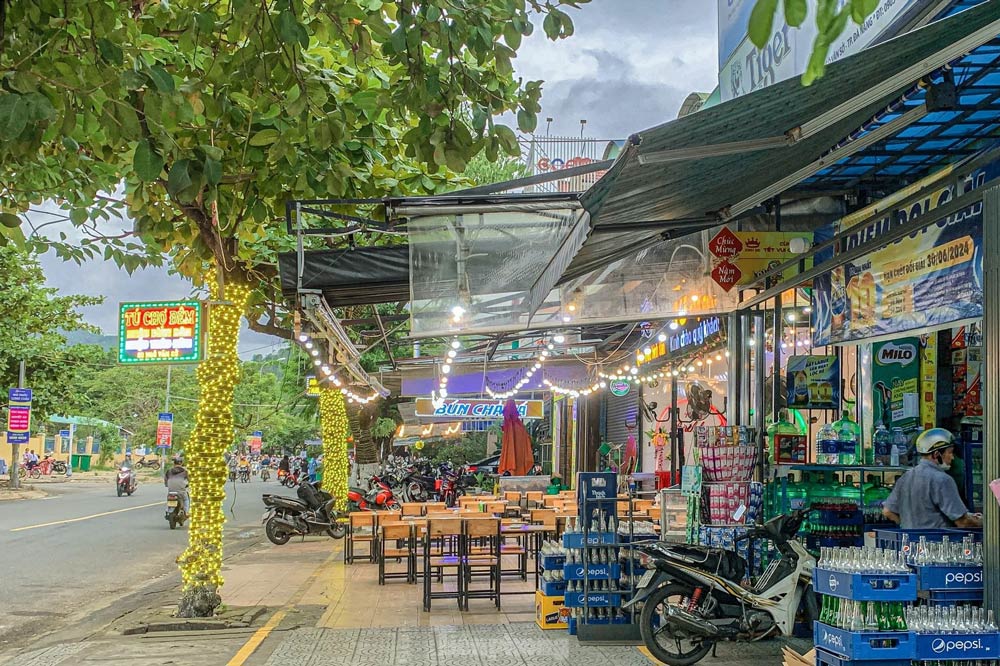
Yes. Da Nang is widely regarded as one of Vietnam's safest cities for visitors, and Vietnam overall has a strong safety record for tourists compared with much of the region.
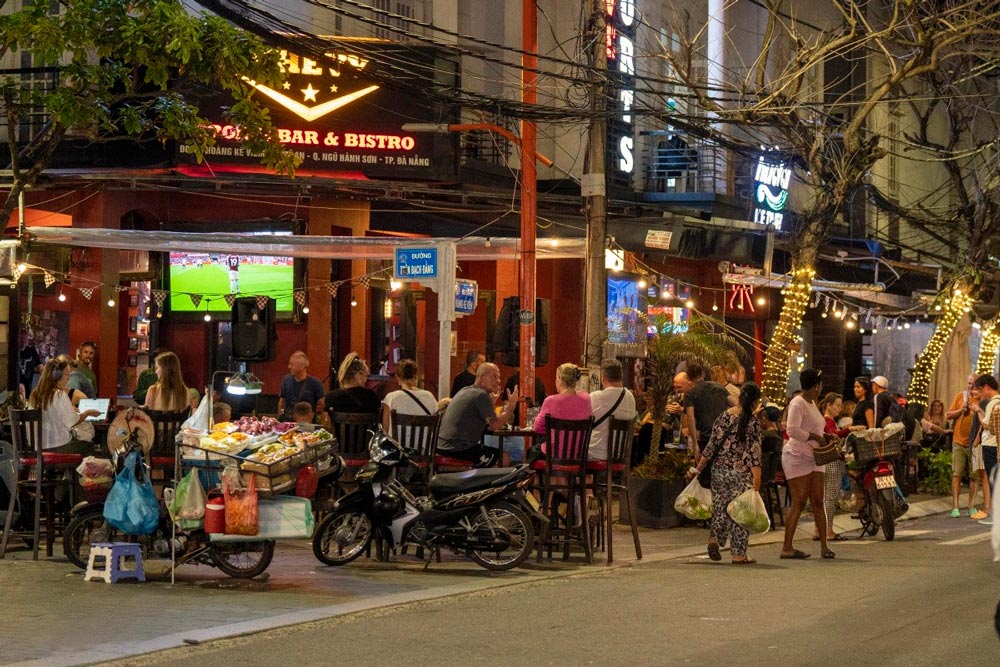
The city is modern, well-lit, comparatively clean and comfortable to walk around in the areas visitors use. Violent crime against foreigners is rare enough that it does not feature in most travelers' experience at all.
But 'safe' is not the same as 'nothing can go wrong.' The risks in Da Nang are real — they are simply weighted differently from what most first-time visitors expect. In our experience the things that actually cause problems are, in order:
Notice that the first two are not crimes at all. That reframing is the single most useful thing on this page.
Let us deal with the worry most people arrive with.
Violent crime against tourists in Da Nang is rare. You are unlikely to encounter aggression, and the city has none of the confrontational street atmosphere some travelers brace for.
What does occur, occasionally, is opportunistic petty theft — most commonly bag-snatching from a passing motorbike, or phones taken from tables at busy street-side cafés.
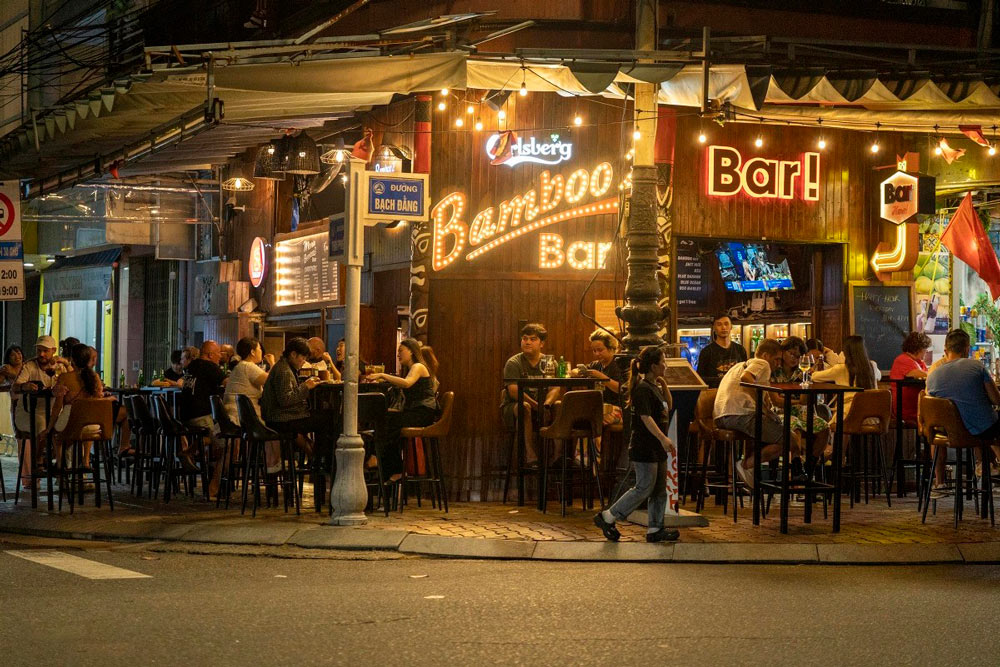
Generally, yes. The Han River promenade and the My Khe Beach strip are busy and well-lit into the evening, and families are out late — which is usually the best safety indicator there is.
Normal precautions apply as anywhere. Avoid unlit stretches of beach alone late at night, keep an eye on drinks, and use Grab rather than an unfamiliar taxi after dark.
If something does happen, the tourist police and your embassy are the routes to take. Vietnam's general emergency numbers are 113 (police), 114 (fire) and 115 (ambulance).
This is the section that matters most, and it is the one most safety guides bury.
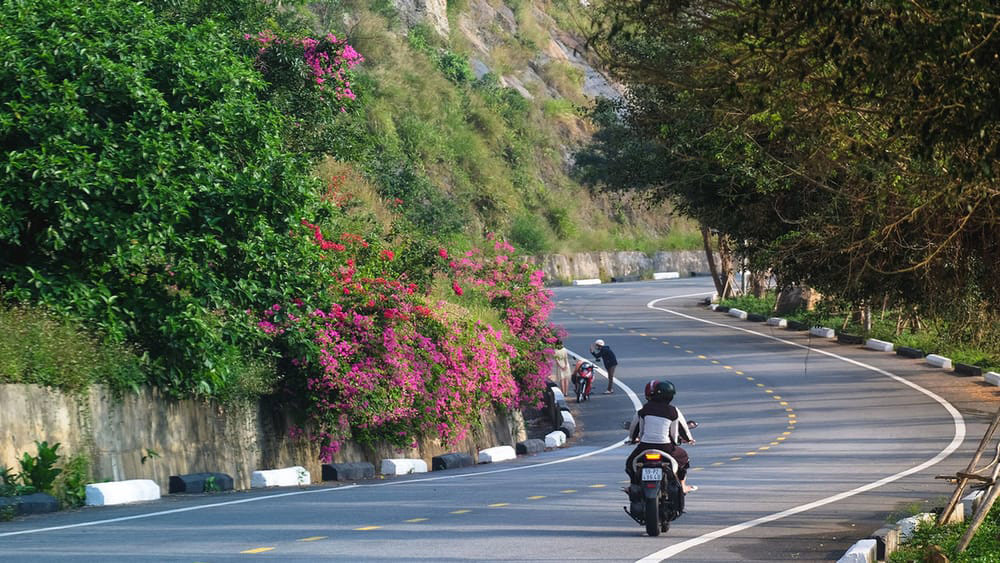
Traffic is the single most likely thing to injure a visitor in Vietnam. Da Nang's roads are wide and modern by Vietnamese standards, but the traffic culture is the same as everywhere else in the country: dense, fast-flowing, and governed by convention rather than by strict lane discipline.
This genuinely needs explaining, because the instinct you arrive with is the wrong one.
Traffic in Vietnam flows around you rather than stopping for you. The technique is to step off the kerb and walk slowly and steadily at a constant pace, without stopping, hesitating or running. Riders read your speed and direction and adjust around you.
What causes accidents is sudden change — stopping halfway, stepping back, or breaking into a run. Keep moving predictably and you will be fine. If it feels alarming at first, cross alongside a local.
Renting a scooter is the most common way visitors get seriously hurt in Vietnam, and it is entirely avoidable.
Two things travelers frequently get wrong:
If you have never ridden a scooter before, Vietnam is not where to learn. Grab, private cars with drivers, and taxis are inexpensive here, and the whole city is covered. Helmets are legally required for riders and passengers.
The second real risk, and the one that surprises people because the water often looks calm.
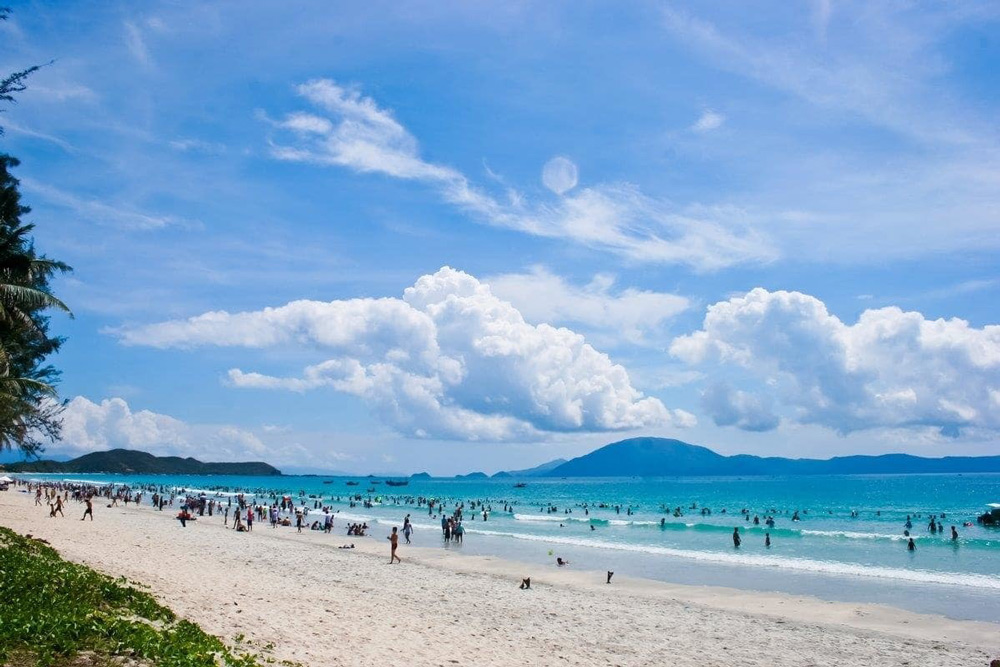
Rip currents at My Khe Beach and Da Nang's other beaches are a genuine hazard. They are narrow, fast channels of water flowing away from the shore, and they can pull a strong swimmer out faster than they can swim back.
Lifeguards patrol marked sections of My Khe during daylight hours, and the flags mark where it is currently safe to swim. Those zones shift with conditions — they are not decorative.
Swim between the flags. Swimming outside them, or outside patrol hours, is where incidents happen.
If you are caught in a rip current: do not swim against it. Swim parallel to the shore until you are out of the channel, then come in at an angle. If you cannot swim out of it, float, stay calm and signal for help. Exhaustion from fighting the current is the danger, not the current itself.
The small coves on the Son Tra Peninsula — beautiful, quiet and often recommended — have no lifeguard cover at all. Neither do stretches of coast outside the patrolled sections.
Go for the scenery. Be cautious about swimming.
From roughly September through December, the northeast monsoon makes the sea rough and lifeguard coverage is reduced.
Swimming during those months is often inadvisable regardless of how the water looks from the promenade. Jellyfish also appear seasonally.
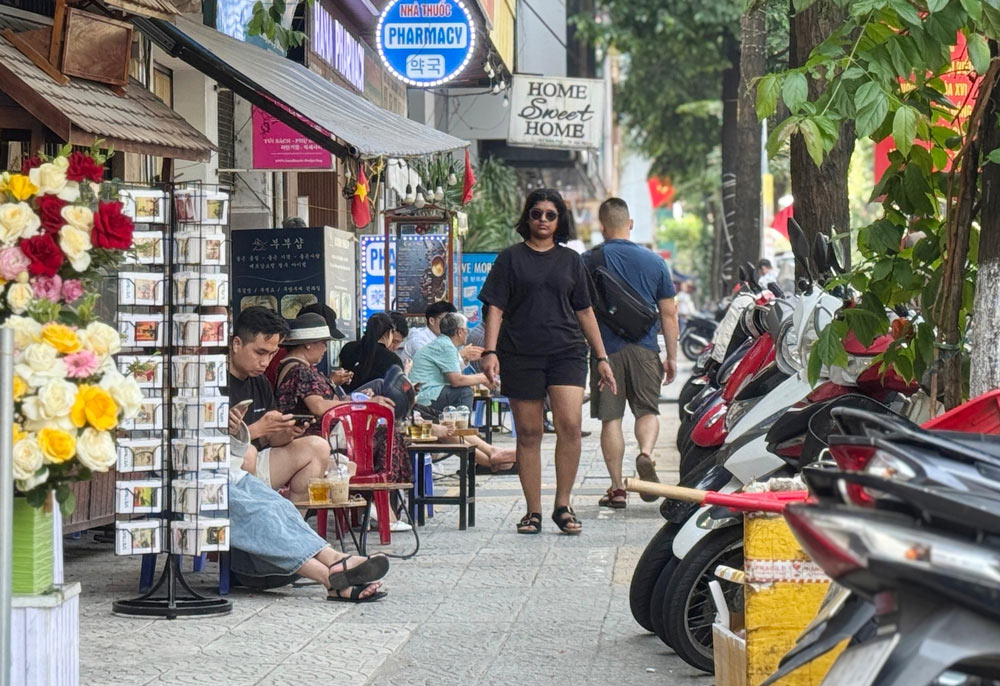
The most frequent complaint from visitors to Da Nang is not crime — it is price. None of the following is dangerous, but all of them are avoidable.
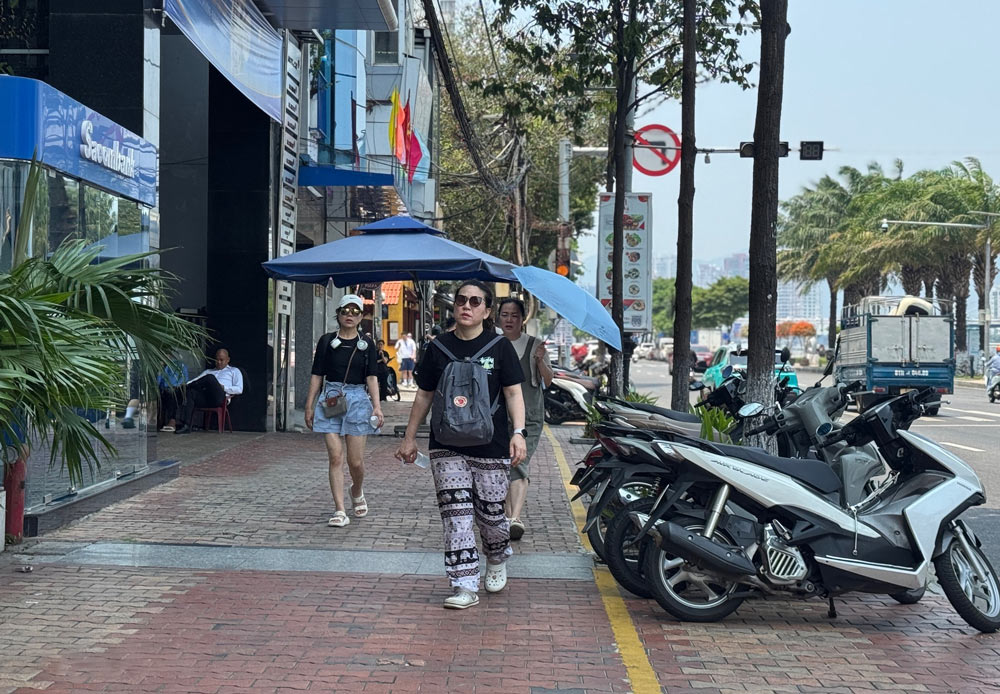
Solo travelers, including solo women, generally report Da Nang as comfortable and low-hassle by regional standards. Harassment is uncommon, and the city's modern layout and busy public spaces make it easy to be out alone without feeling conspicuous.
Ordinary sensible precautions still apply, as they would anywhere: let someone know your plans, use Grab rather than unfamiliar vehicles at night, be aware of your drink, and avoid unlit areas alone late.
One honest note on the social side rather than the safety side: Da Nang is a family-and-couples beach city, not a backpacker hub. Solo travelers looking for an easy social scene often find Hoi An or Sapa a better fit. That is a question of enjoyment, not risk.
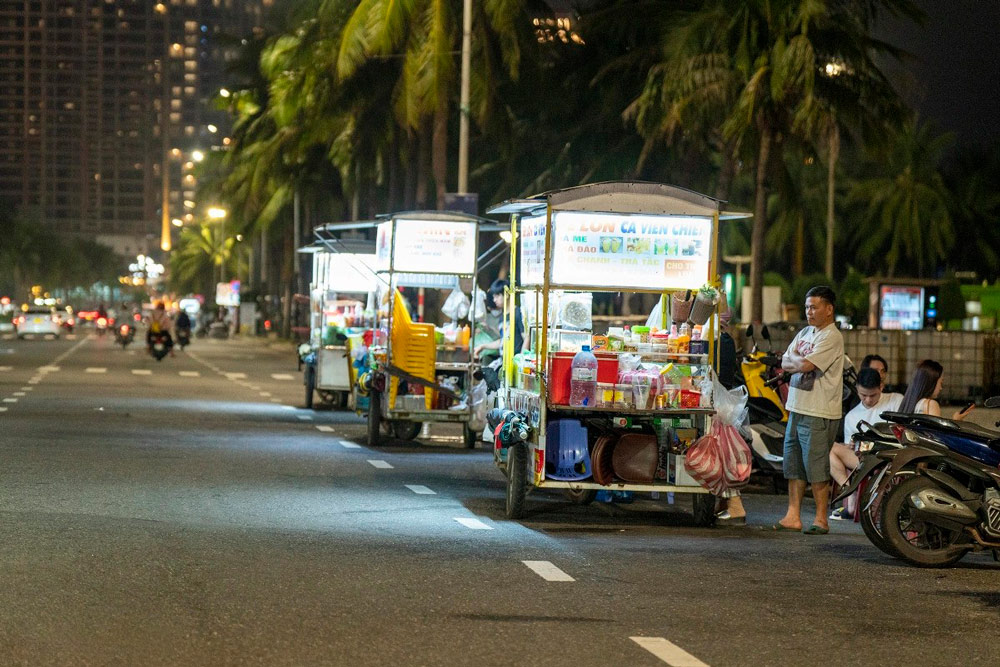
The most common health complaint among visitors to Da Nang is an upset stomach, not anything serious.
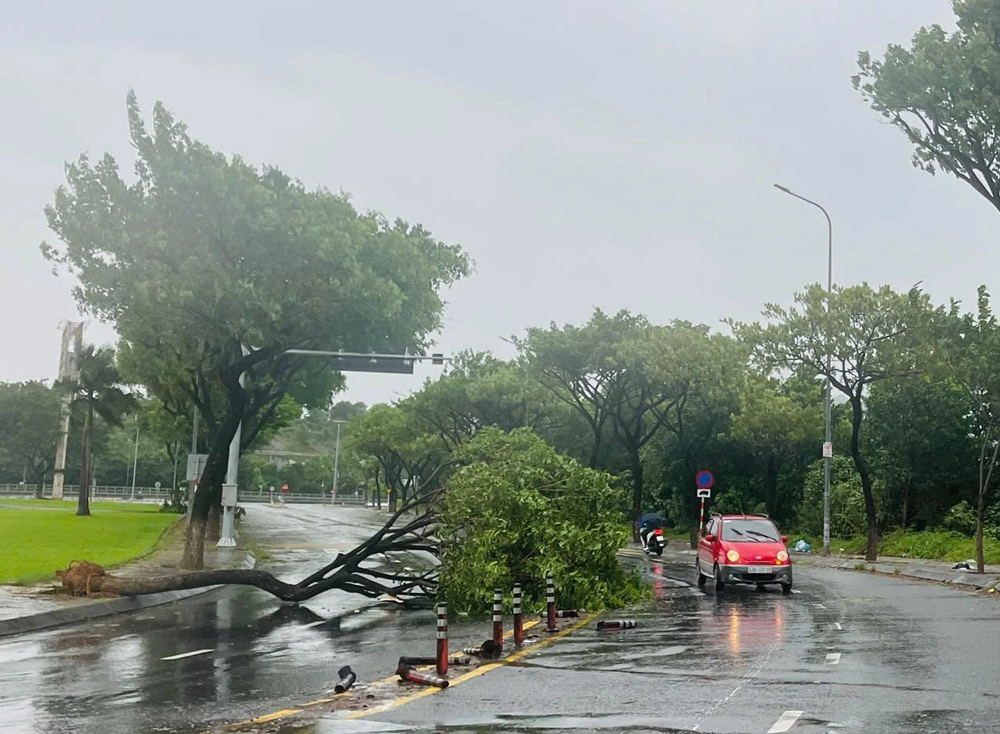
Central Vietnam sits in a typhoon belt. Storm season runs roughly September to November, occasionally extending into December.
In practice this means possible flight disruption, occasional road and mountain closures, and flooding — Hoi An in particular floods in bad years.
This rarely endangers visitors, because warnings are issued well in advance and infrastructure responds. What it does do is disrupt itineraries. If you are travelling in those months:
An Asia Mystika guide explains:
“In all my years guiding here I have never had a guest experience a crime. What I have had is guests come off a rented motorbike, and guests get into trouble swimming past the flags. Those are the two things I actually warn people about — not their wallet.” — Anna — Asia Mystika guide, Da Nang.
This is worth sitting with, because it inverts what most travelers spend their planning worry on.
People arrive with money belts and elaborate anti-theft bags, then rent a scooter with no licence and swim on an empty stretch of beach at six in the evening. The precautions do not match the risks.
If you remember nothing else from this page:
Do not ride a motorbike unless you are licensed and experienced. Take Grab. It costs very little and covers the whole city.
Swim between the flags, during patrol hours. The beach is one of Da Nang's great pleasures and it is safe within the marked zones.
Follow those two and your remaining risk in Da Nang is roughly that of any comfortable mid-sized city — which is to say, low.
Yes. Da Nang is regarded as one of Vietnam's safest cities for visitors, with violent crime against tourists rare. The realistic risks are road traffic and rip currents rather than crime.
Generally yes. The Han River promenade and My Khe Beach strip stay busy and well-lit, with families out late. Use Grab rather than an unfamiliar taxi after dark.
Solo women generally report Da Nang as comfortable and low-hassle by regional standards. Ordinary precautions apply, as anywhere.
Unmetered taxi overcharging is the most frequent, followed by inflated market pricing, vague tour inclusions and confusion between similar-looking đồng banknotes.
No. Use bottled or filtered water. Ice in established restaurants is generally made from filtered water and is fine.
Yes within the flagged lifeguard zones during patrol hours. Rip currents make swimming outside the flags genuinely dangerous, and the Son Tra coves have no lifeguard cover at all.
Only with a licence valid in Vietnam. Riding without one usually voids your travel insurance, including medical cover, and traffic accidents are the most common serious incident involving visitors.
Roughly September to November, occasionally into December. It rarely endangers visitors but can disrupt flights and excursions.

Here is the whole thing in one line:
Da Nang is safe — mind the traffic, swim between the flags, use Grab instead of a street taxi, and the rest takes care of itself.
Vietnam has a reputation among people who have not been that does not match the experience of people who have. Da Nang in particular is calm, modern and easy, and the overwhelming majority of visitors have an entirely uneventful trip.
The risks that do exist are real and worth respecting. They are also almost entirely within your control, which is the best kind of risk to have.
Most of what makes a trip feel safe is not precaution — it is knowing that if something goes wrong, somebody nearby can sort it out in the local language.
If you want to save time and effort while traveling to Vietnam, contact Asia Mystika, a trusted tour agent in Vietnam. Our guests travel with vetted drivers and guides, hotels we know, and a local team reachable throughout the trip — so a delayed flight, a change of weather or a medical question is a phone call rather than a crisis.
Tell us your dates and we will handle the parts you would otherwise worry about.
