 Hotline: +84 866 227 878
- SG$ Singapore Dollar
- A$ Australian Dollar
- £ British Pound Sterling
- C$ Canadian Dollar
- € Euro
- MYR Ringgit Malaysia
- US$ United States Dollar
- đ Vietnamese Dong


 Hotline/Whatsapp: +84 86 622 7878
 Email: sales@asiamystika.com
 About Us
 Destinations
 Travel Styles
 Travel Guide
 Blogs
Blogs

Short on time? Read our ultimate Sapa 2 day itinerary for 2026. We cover the Fansipan cable car, village treks, and how to travel from Hanoi to Sapa.
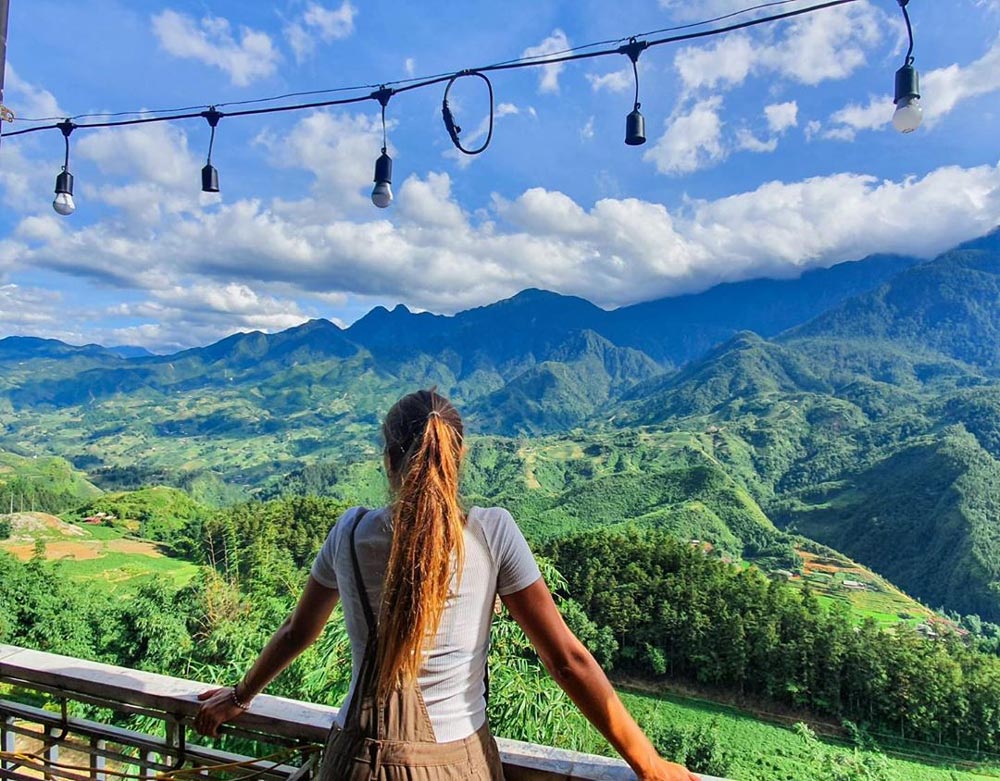
Sapa is one of those places that looks unreal in photos: terraced rice fields wrapped around mountains, cloud layers flowing through valleys, and villages that feel far from the rhythm of city life. For many travelers in Vietnam, Sapa is the emotional high point of the northern route. But the practical question is still the same in 2026: if you only have a weekend, can a short trip really be worth it?
The answer is yes — with the right expectations.
A Sapa 2 days 1 night itinerary is not a slow travel format. You will spend a meaningful amount of time in transit, and each half-day in Sapa must be planned carefully. But with upgraded highway access and reliable VIP limousine vans from Hanoi, a 48-hour mountain sprint is now a realistic option for busy travelers who still want the “Roof of Indochina” experience.
The key is to avoid the most common mistakes:
In this guide, you will get a practical, execution-ready Sapa itinerary 2 days framework that fits modern travel behavior in 2026. We will cover:
If this is part of a larger route, begin with your country-level planning page: Vietnam destination overview
And if you want broader North Vietnam context around Sapa, these internal pages fit naturally:

First, one essential clarification: there are still no direct commercial flights to Sapa.
Every Singapore-to-Sapa route starts in Hanoi.
For travelers planning from home (including people searching phrases like “sapa 2 day itinerary near singapore” or even location-specific planning terms like “near yishun”), the real route is:
That is true whether you book fully online or via a neighborhood travel agency package.
For a 2-day Sapa format, flight timing matters more than people expect. If your total Vietnam time is short, try to arrive Hanoi the day before your Sapa departure, sleep in Hanoi, and leave early next morning. This protects your mountain schedule from airline delays and late-night fatigue.
If you need Hanoi stopover ideas before departure to Sapa:
2.3. The “Hanoi Sapa Itinerary 2 Days” Transit Strategy
For tight schedules, the most efficient framework is exactly what your outline suggests:
Why this works:
Limousine vs Train for a 2-Day Trip
For a strict 2D1N itinerary, limousine van is usually better than overnight train.
Limousine van advantages (for short trips):
Train disadvantages (for 2D1N):
For you comparing train-based options:

This section is built to be operational. If followed with reasonable weather, it delivers a complete short-Sapa experience.
After check-in (or bag drop if room not ready), keep lunch simple and fast. Your priority is to get to the mountain systems while visibility is still acceptable. Local dishes such as bamboo sticky rice can be a good first stop if timing allows.
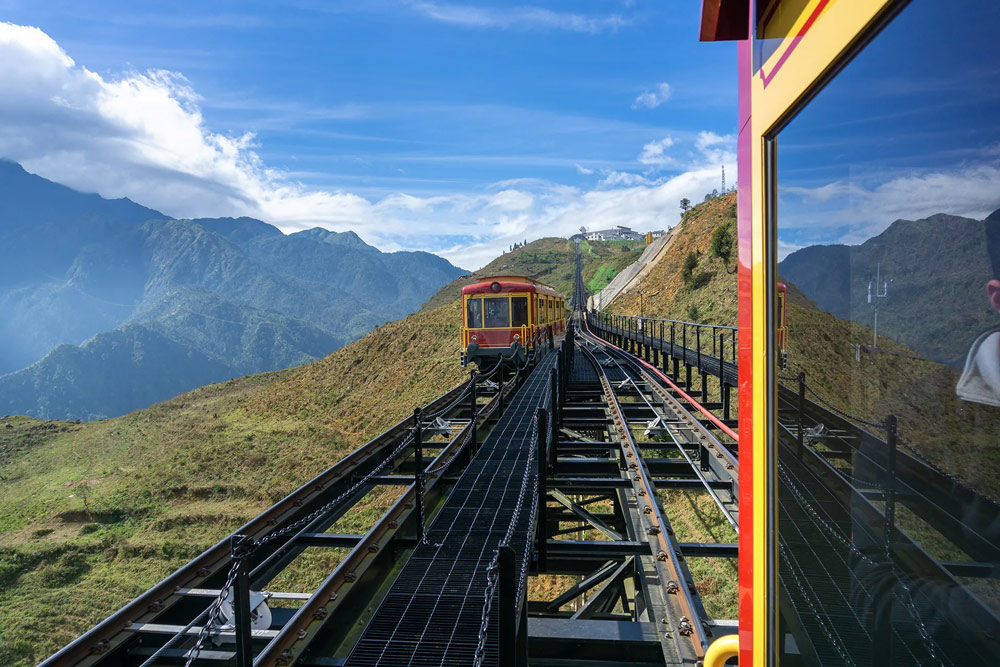
Start from the Sun Plaza area and ride the Muong Hoa mountain rail/funicular connection, then continue to the Fansipan cable car system.
Internal references for this segment:
Why this is perfect for short itineraries:
Practical execution tips:
After descending, reset at a viewpoint café. Viettrekking-style valley cafés are ideal for sunset transitions and low-effort scenery.
Internal links:
This stop is not “optional luxury” — it is a smart pacing move. It helps you recover from transit plus altitude movement before evening exploration.
Use your evening for compact, walkable highlights:
Relevant internal pages:
Day 2 decides whether your short trip feels shallow or meaningful. The goal is to include one real valley/village experience before returning to Hanoi.
Option A (Fast & Easy): Cat Cat Village
Best for travelers with limited walking stamina or tighter return schedules.
What to expect:
Internal link:
Option B (Nature-Focused): Ta Van Morning Walk
Best for travelers who want quieter valley depth and authentic terrace scenery.
What to expect:
Internal links:
How to choose between A and B:
Return to town, eat near the center, and buy only targeted souvenirs (brocade accessories, tea/herbal items, light gifts). Avoid long browsing loops this late in the schedule.
Helpful supporting links:
Depart on time and plan around realistic arrival windows into Old Quarter/evening traffic. Most travelers reach Hanoi in time for dinner if departure is punctual.
This itinerary works because it balances three layers:
That combination creates emotional completeness, even within 48 hours.

Technically possible? Yes.
Strategically wise? Usually no.
A day trip from Hanoi means roughly 11+ hours round-trip transit for only a few active hours in Sapa. Most travelers end up exhausted and underwhelmed. If your goal is quality memory, skip the one-day format.
If you can add one day, quality increases disproportionately.
A Sapa 3 days 2 nights itinerary gives you:
Strong add-on options for Day 3:
Internal pages for 3-day expansions:
Your outline’s 5-day split is one of the strongest first-visit frameworks for North Vietnam. A practical version looks like:
Alternative version:
Useful internal combinations:
If travelers are trying to fit multiple regions in only 5 days, guided packaging often wins because it reduces transfer friction, booking errors, and timing loss. DIY can still work, but only with strict coordination.
Yes. A Sapa 2 days 1 night itinerary is common and workable. Most travelers do Fansipan on Day 1 and a village block (Cat Cat or Ta Van) on Day 2 before returning to Hanoi.
Technically yes, but it is strongly discouraged due to long round-trip road time from Hanoi and limited meaningful sightseeing hours.
A 3-day itinerary is significantly better because it adds weather flexibility and supports deeper, less rushed valley experiences.
A popular structure is 2 days Hanoi + 2 days Sapa + 1 day Halong or return/transit adjustment depending on your flight schedule.
Fly to Hanoi first, then pre-book limousine transfer to Sapa. Travelers can book online directly or through local travel agencies in Singapore for a full package.

Two days in Sapa is fast, but it can still be outstanding when your plan is disciplined. In just 48 hours, you can move from high-altitude cable car panoramas to village paths and valley viewpoints, then return to Hanoi with a trip memory that feels much bigger than the timeline suggests.
The winning formula is simple:
If your schedule allows, 3 days is better. But if your reality is a weekend window, a sharp 2-day strategy absolutely works.
If you want to save planning time and avoid logistics stress, they can contact Asia Mystika, a tour agent in Vietnam, for a tailored Sapa and North Vietnam plan.
Asia Mystika can support with:
Contact / planning pages:
Ready to go? Start planning your custom Sapa itinerary with us
Who we are: Learn more about the local experts at Asia Mystika
WhatsApp: (+84) 866.22.7878
Email: sales@asiamystika.com
Website: www.asiamystika.com
Final tip: because your time is limited, pre-book your Fansipan tickets and Hanoi–Sapa transport before departure day. In a short itinerary, every saved hour matters.
