 Hotline: +84 866 227 878
- SG$ Singapore Dollar
- A$ Australian Dollar
- £ British Pound Sterling
- C$ Canadian Dollar
- € Euro
- MYR Ringgit Malaysia
- US$ United States Dollar
- đ Vietnamese Dong


 Hotline/Whatsapp: +84 86 622 7878
 Email: sales@asiamystika.com
 About Us
 Destinations
 Travel Styles
 Travel Guide
 Blogs
Blogs

Discover Sapa Vietnam weather April in this 2027 guide. Learn about spring temperatures, clear skies, water-pouring season, what to wear, trekking tips, Fansipan visibility, and April travel crowds.
Temperature: Sapa Vietnam weather April is mild and comfortable, averaging around 15°C at night and 20°C to 22°C during the day.
The Views: April marks Sapa’s stunning water-pouring season, when terraced fields turn into giant reflective mirrors.
Visibility: April offers some of the clearest skies of the year, making it one of the best months for Fansipan, trekking, and mountain photography.
Low Crowds, Mostly: April is a quiet pre-monsoon sweet spot, except during the Hung King Festival holiday period, when domestic travel can spike sharply.
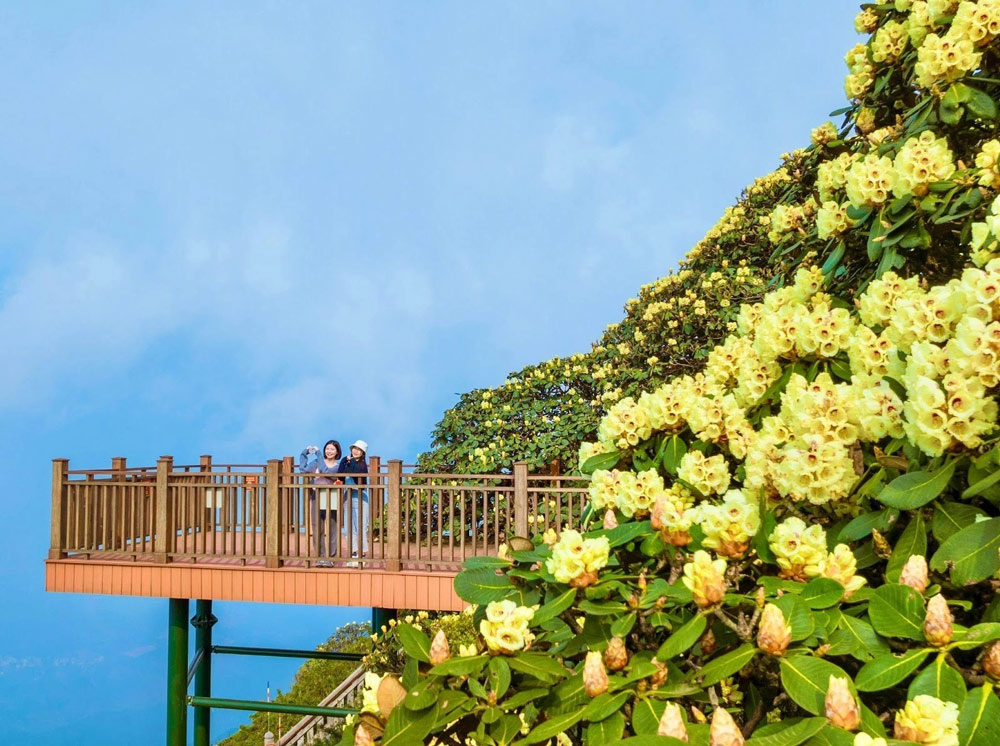
The weather in Sapa in April is comfortably mild, fresh, and ideal for outdoor travel. Daytime temperatures usually sit around 20°C to 22°C, while nights cool down to around 15°C. This gives travelers a pleasant balance: cool enough for trekking, but warm enough to avoid the heavy winter layers needed from December to February.
April is one of the best times to visit because it sits between two weather extremes. March can still feel dry and chilly in the early morning, while May begins to move closer to the humid pre-monsoon period. April stays in the middle. The air is soft, the skies are often clearer, and the trails are usually firmer than in the summer rainy season.
For travelers who want to trek through Muong Hoa Valley, visit Lao Chai, Ta Van, or ride the cable car to Fansipan, April offers a strong mix of comfort and visibility. You can wake up to crisp mountain air, walk through villages under a clear sky, and still enjoy cool evenings after sunset.
April is also special because of the water-pouring season. Farmers begin flooding the rice terraces to prepare for planting. The fields are not green like summer and not golden like September. Instead, they become mirror-like pools that reflect the sky, clouds, and mountains. This creates one of the most poetic landscapes in Northern Vietnam.
In simple terms, Sapa Vietnam weather April is one of the easiest months for foreign travelers. It is not too cold, not too hot, not too wet, and not yet crowded like peak domestic holiday periods.
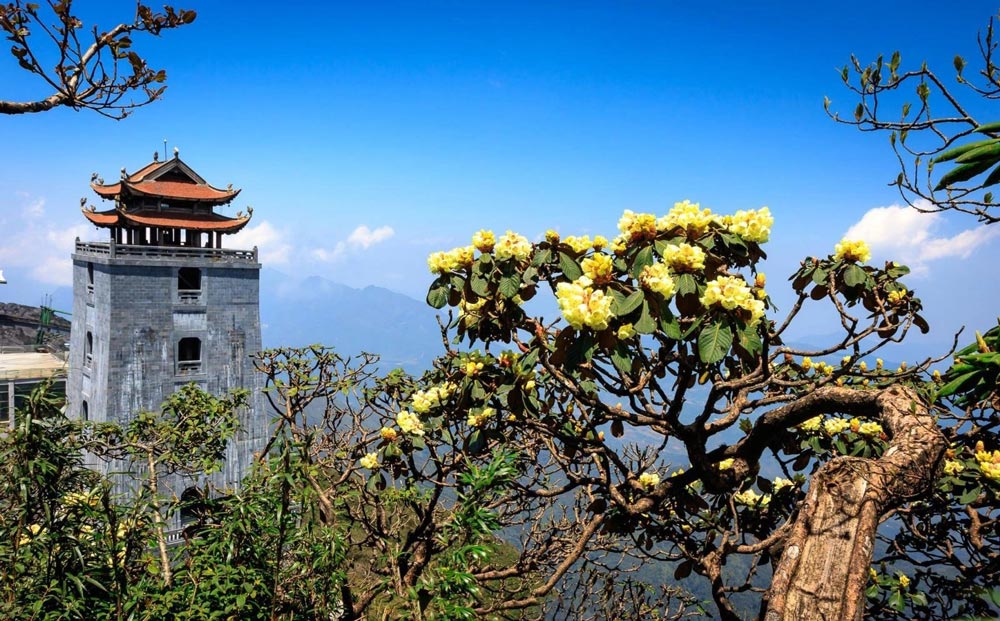
Sapa weather in April is the ultimate spring sweet spot. You can expect crisp mornings around 15°C, comfortable midday temperatures around 20°C to 22°C, low to moderate humidity, and some of the best mountain visibility of the year.
The month marks a clear transition. In March, Sapa can still carry the dry chill of late winter. In May, the air becomes warmer and more humid as Northern Vietnam moves toward the summer monsoon. April sits beautifully between them.
Rain does occur, but it is usually manageable. Travelers can expect around 5 to 7 days of light rain or short afternoon showers during the month. These are not usually the heavy, trail-washing storms of July and August. Most April showers are brief and can even make the terraces look more reflective.
| Time of Day | Avg. Temperature (°C) | Weather Condition |
| Early morning | 14°C to 16°C | Cool, fresh, sometimes misty |
| Midday | 20°C to 22°C | Mild, bright, good for trekking |
| Afternoon | 18°C to 21°C | Light breezes, possible short showers |
| Evening | 15°C to 17°C | Cool, comfortable with a light jacket |
| Late night | 13°C to 15°C | Chilly but not freezing |
April weather also makes walking more comfortable. You do not have to fight intense summer humidity, and you do not need to bundle up in heavy winter coats. The sunlight can still be strong at higher altitude, so sun protection matters, but the overall climate is gentle.
For photographers, April’s clear sky and water-filled terraces are a major advantage. The light can be soft in the morning, crisp by midday, and atmospheric after light rain. For trekkers, the trails are usually much safer than in the monsoon months.
Yes, April is arguably one of the best times to visit Sapa.
The trails are generally dry and firm, spring flowers are still visible in many areas, and the skies are clear enough for panoramic mountain views. Compared with the heavy freezing fog of December and January, April is much easier for sightseeing. Compared with the muddy trails of July and August, April is far more comfortable for trekking.
April is especially strong for travelers who want a balanced trip. You can trek, visit villages, ride the Fansipan cable car, enjoy local cafés, and photograph the water-filled terraces without dealing with extreme weather.
Pros of visiting Sapa in April:
Cons of visiting Sapa in April:
April wins because it gives you the best balance. It is scenic without being too crowded, cool without being freezing, and adventurous without being too wet.
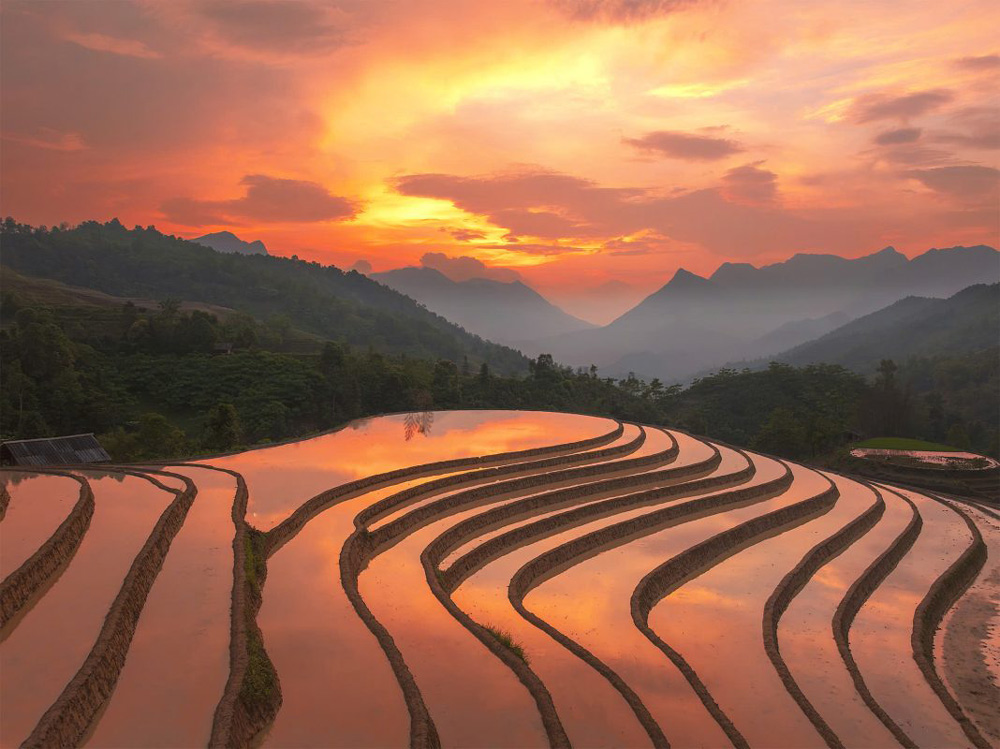
April kicks off Sapa’s famous water-pouring season. This is when local farmers begin flooding the terraced fields to prepare for rice planting. Water flows into each level of the terraces, slowly turning the mountainsides into layered mirrors.
This is a completely different kind of beauty from the golden harvest season. In September, the terraces glow yellow with ripe rice. In April, they are brown, silver, blue, and reflective. The soil is visible. The water catches the sky. Clouds appear inside the fields. At sunrise and sunset, the terraces can look almost liquid, glowing softly with reflected light.
This is important for expectation management. If you visit Sapa in April, do not expect lush green paddies or golden rice fields. The fields are mostly flooded and prepared for planting. Some areas may still look earthy or brown. The magic comes from reflection, not color.
The water-pouring season in Sapa is ideal for travelers who love photography, slow rural landscapes, and quieter seasonal moments. It shows the agricultural rhythm of the mountains before the rice grows tall.
Best areas to see April water-pouring terraces include:
A good April trek should include both high viewpoints and valley walks. From above, you see the full pattern of the terraces. From the path, you see water channels, farmers preparing fields, buffalo tracks, and the early work of the planting season.
Note for publishing: because you requested no image source suggestions, I have not included image source recommendations. If you use Asia Mystika’s own media library, place your geotagged reflective-terrace images here with alt text such as Sapa Vietnam weather April water-pouring rice terraces.
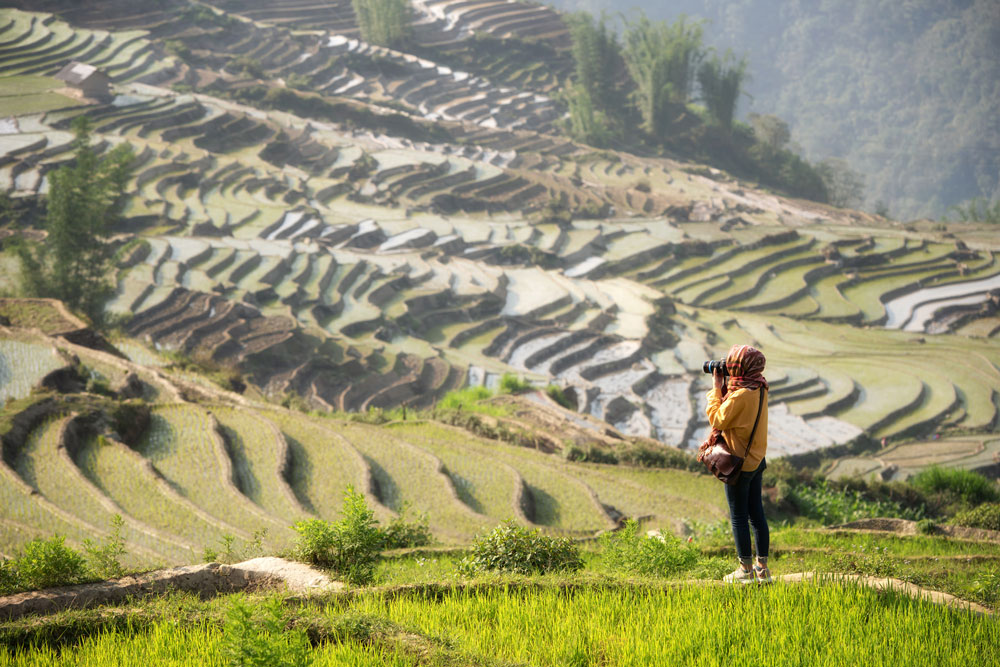
Because weather in Sapa in April shifts between cool mornings, warm afternoons, and chilly evenings, packing light layers is essential.
Heavy winter parkas are no longer needed, but you should not dress like you are going to tropical Vietnam either. Sapa sits at altitude, so the air can feel cool as soon as the sun disappears. If you plan to trek, your clothing should be practical, breathable, and weather-ready.
April Sapa packing checklist:
For Fansipan, bring an extra warm layer. Even if Sapa town feels mild, the summit area can be much colder and windier. A light jacket in town may not be enough at the top.
Shoes matter most. Smooth sneakers are not ideal for April treks because water-pouring season means damp terrace edges and wet rural paths. A pair of waterproof trekking shoes with good grip will make the experience much safer and more comfortable.
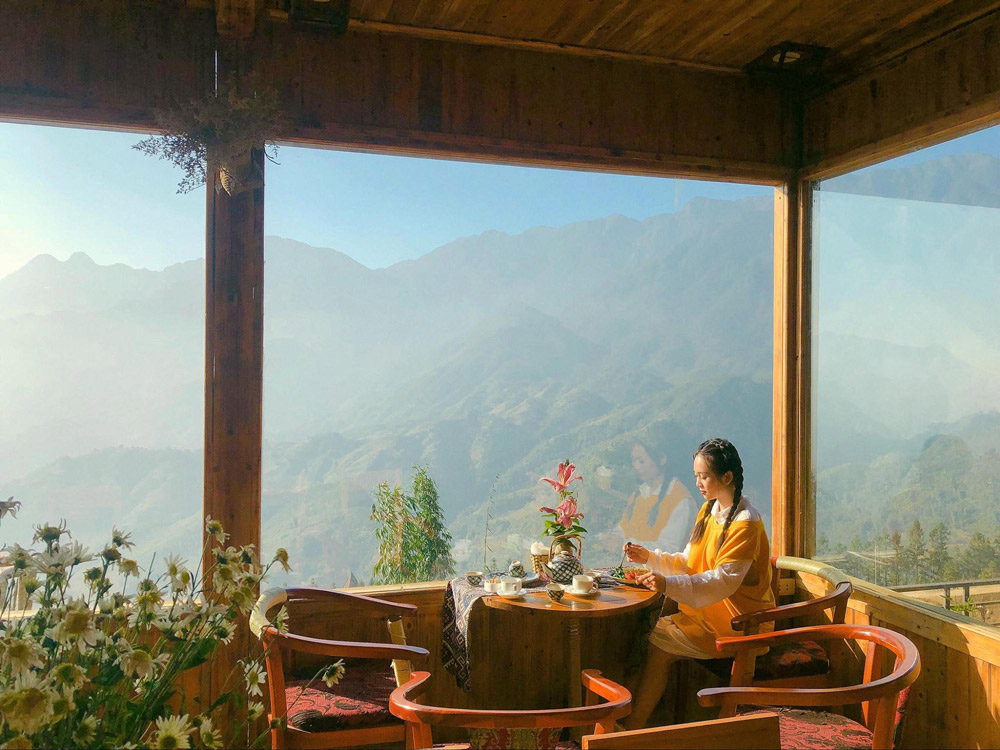
April is one of the best months for Sapa, but there are two details many generic travel blogs miss: the Hung King Festival spike and the morning weather window.
Many blogs call April a quiet or low-season month. That is mostly true, but not always.
In 2027, Hung Kings Commemoration Day falls on Friday, April 16. This creates a 3-day domestic holiday from April 16 to April 18.
During this period, Vietnamese travelers often take short domestic trips. Sapa can become busier than expected, especially around Sun Plaza, Fansipan, central hotels, cafés, and popular village routes. Hotel prices may rise, transfers may sell out, and restaurants can become crowded.
Foreign travelers visiting in April should pay close attention to this window.
Avoid or prepare for these dates:
If you must travel during that weekend, book your Hanoi Sapa itinerary well in advance. Secure hotels, train or limousine tickets, Fansipan cable car plans, and guided trekking before arrival.
Better April travel windows include:
April is peaceful when timed well. But during a national holiday, it can feel completely different.
April mornings are precious in Sapa. They often offer the clearest skies and best visibility of the day. By early afternoon, pre-monsoon clouds can roll in, especially around high-altitude areas such as Fansipan.
An Asia Mystika guide explains:
“April mornings offer 80% visibility, the clearest of the entire year. We always tell our clients to grab a hot local Arabica drip coffee by 6:00 AM and take the first cable car to Fansipan or hit the Sapa alpine coaster early. By 2:00 PM, the pre-monsoon clouds often roll in, so prioritize your high-altitude sightseeing before lunch.”
This is excellent practical advice.
If Fansipan is important to you, do not leave it for late afternoon. Go early. Have coffee before sunrise, reach Sun Plaza or the cable car station as soon as possible, and aim to finish the summit visit before lunch.
Best April timing strategy:
This same logic applies to trekking. Start early, especially if your route includes exposed viewpoints. Save cafés, herbal baths, markets, and indoor activities for the afternoon.
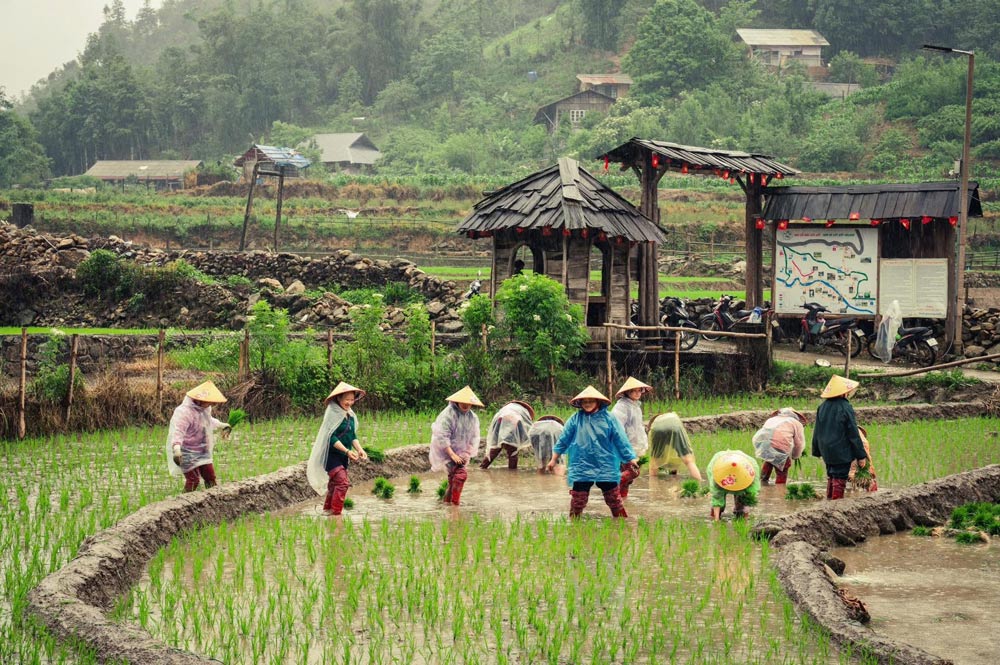
Yes, April is a great month to visit Vietnam. It is the ultimate shoulder season, offering dry and comfortable warmth in northern regions like Sapa and Hanoi before the intense summer heat and monsoon rains arrive.
The two best windows are April to May for the reflective water-pouring season and clear trekking, and September to October for the golden rice harvest. Choose April for comfort and reflections, or September for iconic golden terraces.
April is slightly cooler and drier, offering the best visibility and more comfortable trekking. May brings greener rice shoots, but it also comes with higher humidity and a greater chance of afternoon thunderstorms.
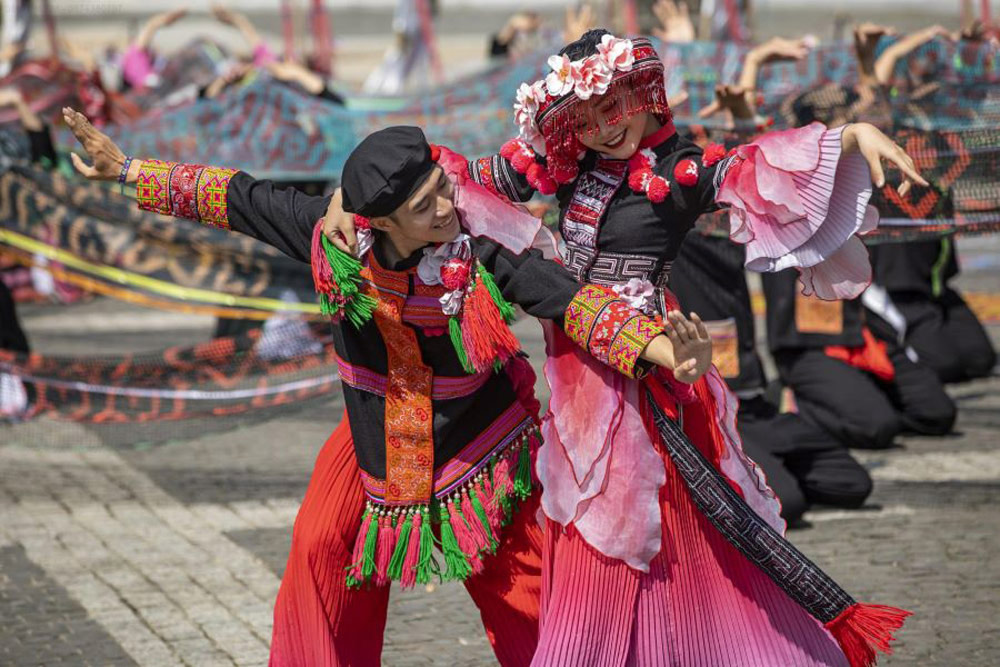
Visiting Sapa in April offers a rare balance of comfortable trekking weather, lower international crowds, clear mountain views, and the unique beauty of the flooded terraces. It is one of those months when Sapa feels fresh, alive, and easy to explore.
The air is mild. The trails are firmer. The mornings are clear. Fansipan has better visibility. The terraces begin reflecting the sky. Spring flowers still add color to the mountains. And unlike the summer monsoon, April usually lets you enjoy long outdoor days without constant rain.
Still, timing matters. Avoid or plan carefully around the April 16 to April 18 Hung King Festival holiday in 2027. Start your treks early. Visit Fansipan before lunch. Pack layers, waterproof shoes, and sun protection. And remember that April’s fields are reflective and brown, not golden or fully green.
If you want Sapa at its most balanced, April is one of the smartest choices of the year.
Stop stressing over mountain weather, domestic holiday crowds, hotel availability, and transfer schedules.
If you want to save time and effort while traveling to Vietnam, contact Asia Mystika, a trusted tour agent in Vietnam. We can arrange your eco-lodge booking, local trekking guide, Fansipan timing, luxury transit from Hanoi, and complete spring Sapa itinerary.
Independent travelers can also read our Sapa solo travel guide, while travelers who want a seamless experience can book an all-inclusive journey through Asia Mystika’s customized Sapa tour packages.
Secure your April mountain escape before the pre-monsoon window closes.
Ready to go? Start planning your custom Sapa itinerary with us
Who we are: Learn more about the local experts at Asia Mystika
WhatsApp: (+84) 866.22.7878
Email: sales@asiamystika.com
Website: www.asiamystika.com
