 Hotline: +84 866 227 878
- SG$ Singapore Dollar
- A$ Australian Dollar
- £ British Pound Sterling
- C$ Canadian Dollar
- € Euro
- MYR Ringgit Malaysia
- US$ United States Dollar
- đ Vietnamese Dong


 Hotline/Whatsapp: +84 86 622 7878
 Email: sales@asiamystika.com
 About Us
 Destinations
 Travel Styles
 Travel Guide
 Blogs
Blogs
 News
News

Visiting ta van sapa vietnam? This 2026 guide covers the village entrance fee, easy hiking routes from Sapa town, what to expect on the trails, and the best homestays for valley views.
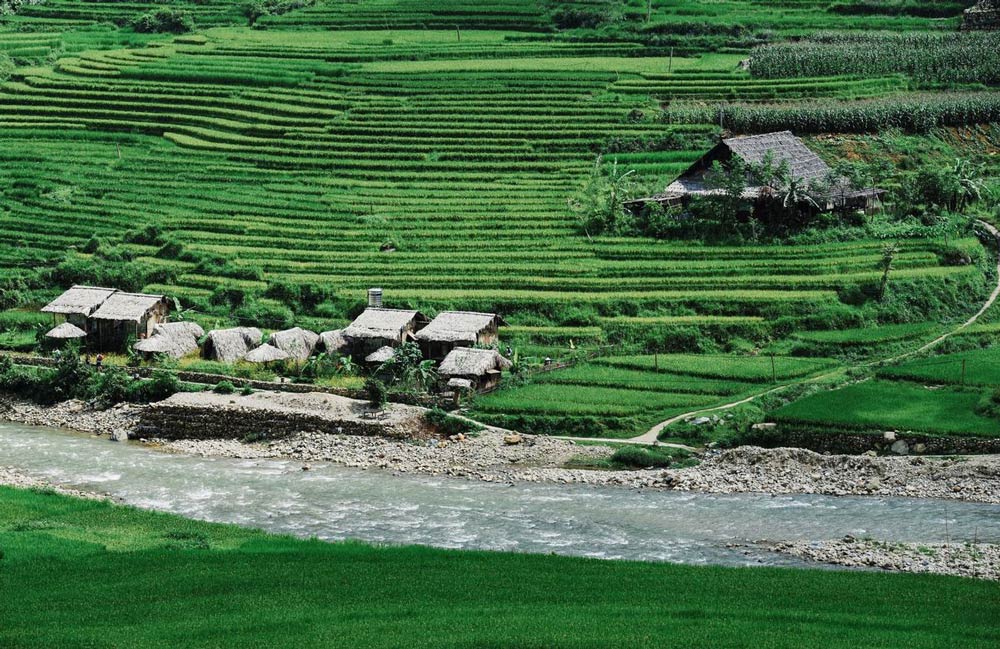
So, your friends weren’t wrong. If you want to see the real Northern Vietnam, you can’t stay only in Sapa town center. The cafés and shops are fun, but the moments people remember most happen when you leave the busy streets behind and step into the valleys where the mountains feel quiet and alive.
That’s exactly why ta van sapa vietnam deserves a place on your itinerary. Ta Van Village sits deep in the Muong Hoa Valley, surrounded by terraced rice fields that stretch like green (or golden) layers across the hillsides. You’ll hear small streams running through the valley, see footpaths leading past farms and wooden homes, and feel the slower rhythm of village life. It’s peaceful, scenic, and full of cultural texture, especially when you travel with a local guide who can explain what you’re seeing beyond the photo.
In this 2026 guide, I’ll help you plan Ta Van in a way that feels easy and rewarding. We’ll cover the practical stuff you actually need: entrance fees, the best hiking routes to reach the village, and what it’s really like to spend the night in a traditional wooden stilt house. If you’ve been looking for that “mountains, terraces, and warmth” kind of trip, Ta Van is where it starts to feel real.
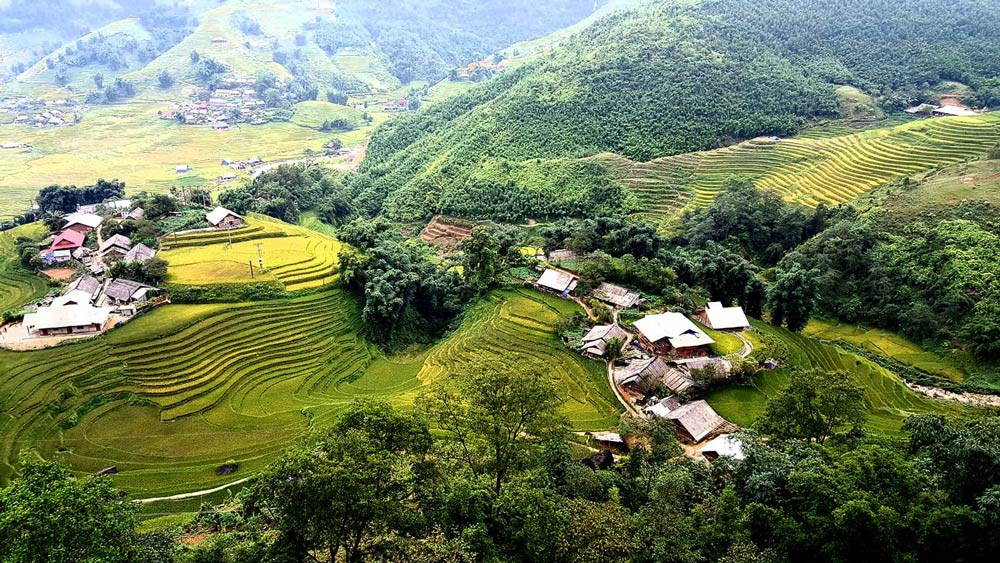
Ta Van Village sits about 10 to 12 km from Sapa town, down in the heart of Muong Hoa Valley. That distance might sound small, but the feeling is completely different. You leave behind the busy streets and drop into a quieter world of terraces, streams, and footpaths. If you’re visiting Ta Van Sapa Vietnam for the first time, just remember this: Ta Van is “down in the valley,” not up in the town, so the road naturally slopes and twists on the way there.
To get from Sapa to Ta Van, you’ve got three solid options, and the best one depends on your comfort level:
One simple planning tip: download an offline map before you head down. Signal can drop in parts of the valley, especially during bad weather. The good news is navigation is straightforward because the main route basically follows the Muong Hoa stream, so it’s genuinely hard to get lost if you stay on the main path.
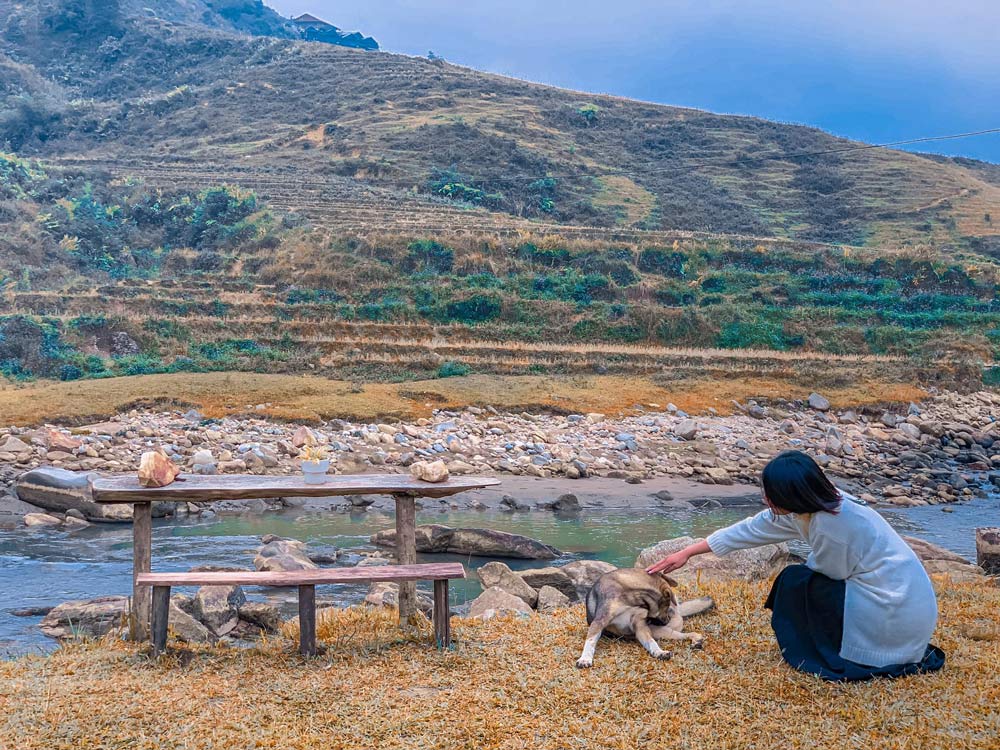
Yes, Ta Van is worth visiting, especially if you want the calmer, more “valley Sapa” experience your friends keep talking about. Compared with Cat Cat Village (closer to town and more built-up for quick visits), Ta Van Sapa Vietnam feels more lived-in and spacious. You’re down in Muong Hoa Valley with terraces, streams, and everyday village rhythm, and you get a closer look at local life among communities such as the Giay, Hmong, and Red Dao.
When you look at Ta Van Sapa Vietnam reviews from recent travelers, the compliments are consistent. People rave about the early-morning valley views and the genuine warmth of homestay hosts and local guides, especially on treks that finish in Ta Van after passing Lao Chai. The only expectation to set is that Ta Van is slowly evolving: you’ll notice more cafés, dining spots, and eco-lodge style stays appearing to meet growing demand. It’s still far quieter than the town center, but it’s no longer a hidden secret, and that’s not necessarily a bad thing if you’re coming for comfort plus scenery.
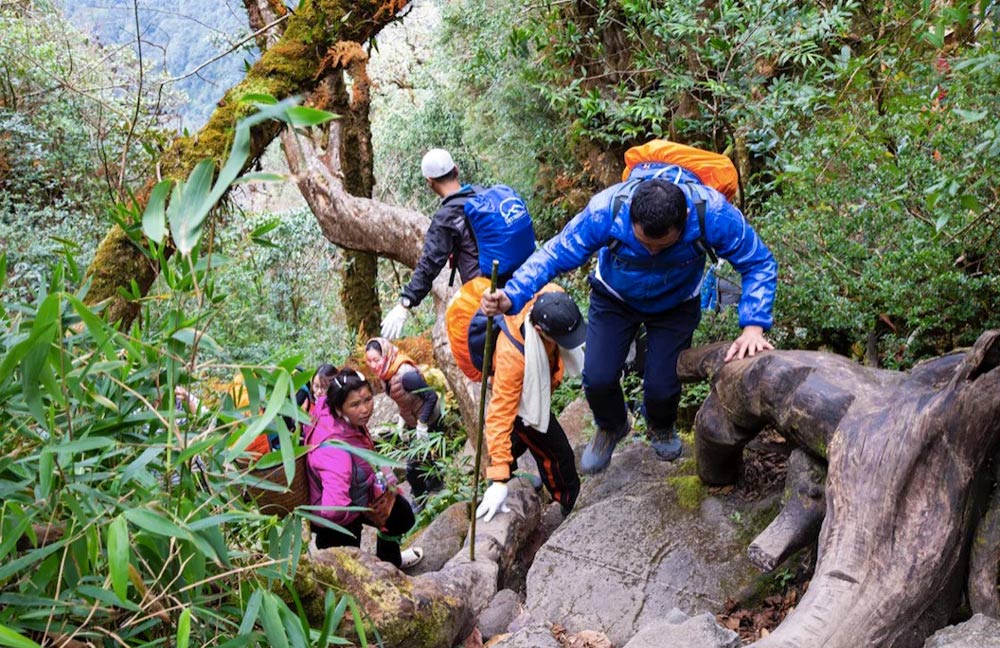
If you’re building a Ta Van Sapa Vietnam itinerary, think of Ta Van as a place to move slowly and enjoy the details. The valley is not about rushing from one “check-in spot” to the next. It’s about walking paths that feel quiet, meeting local life along the way, and ending the day with a warm, well-earned rest.
The main experience is the Ta Van Sapa Vietnam hike. You’ll follow narrow trails through bamboo groves, step over small streams, and cross suspension bridges that bounce just enough to make the moment exciting. In the terrace areas, the path often runs right along the edges of the rice fields. It can get muddy, especially after rain, but that’s part of the real valley feeling. You’re not watching the landscape from a viewpoint. You’re walking through it.
Once you’re in the village, there are a few highlights worth planning around. Cau May (Cloud Bridge) is one of the most photogenic spots, a wooden suspension bridge stretching across the stream with terraces and hills behind it. Then, if you’re curious about local culture, look for visits to traditional Giay stilt houses, some are described as nearly a century old, built from wood and raised above the ground in the classic valley style. And after a long walking day, the best reward is simple: a Red Dao herbal bath. You soak in a hot wooden tub filled with mountain herbs, and your legs instantly feel human again. It’s one of those “Sapa-only” experiences that turns a trek into something truly memorable.
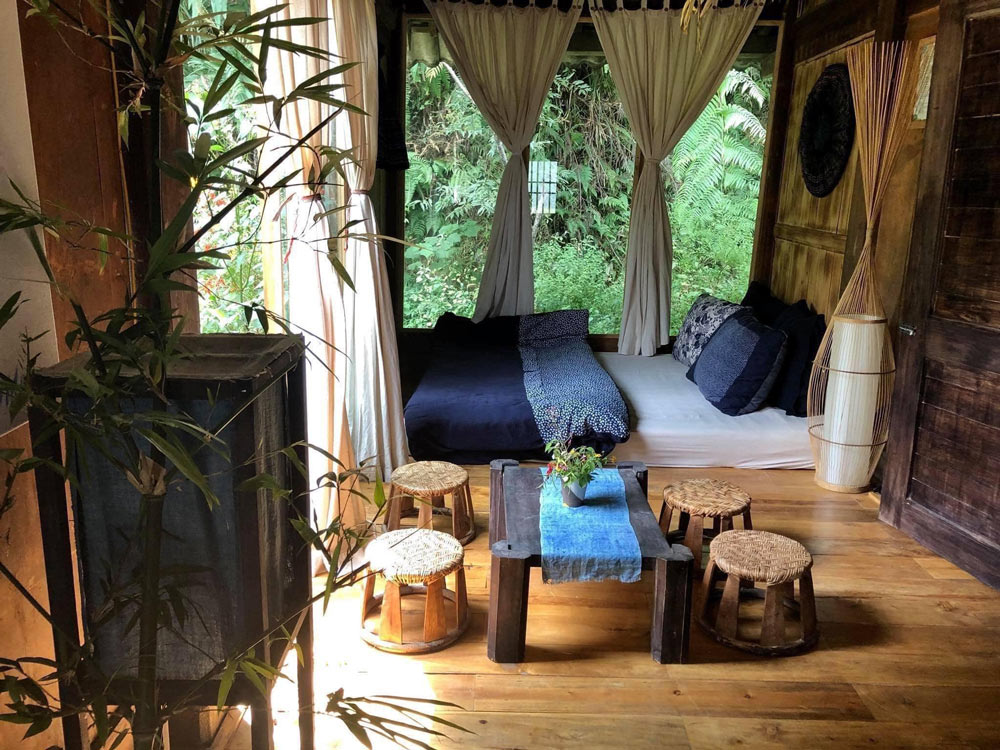
A day trip to Ta Van Sapa Vietnam is lovely, but if you want the version of Ta Van that people talk about with that dreamy tone, you need to stay the night. When the tour groups head back up to Sapa town, the valley gets quieter, the air cools down, and the whole place feels like it finally exhales. That is when Ta Van becomes more than a scenic stop, it becomes an experience.
When you choose a Ta Van Village homestay, you’ll usually see two styles. The first is the truly traditional, family-run homestay, where you eat dinner with the hosts, share stories, and sleep simply, often on a mattress on the floor under warm blankets. It is basic, but it feels personal and real. The second option is the newer wave of eco-bungalows. These are great if you want the valley atmosphere without giving up comfort. You still get the rustic wood-and-bamboo vibe, but with private bathrooms, hot water, and balconies facing the terraces. If you are traveling as a couple or you value sleep and privacy, this option can be the best of both worlds.
And honestly, the night vibe is the real reason to stay. Ta Van is not a place for loud nightlife, and that is exactly the point. Your evening might be cicadas in the background, a small cup of local rice wine, and a sky full of stars if the clouds open up. It is the perfect contrast to the noisy town center, and it is often the moment travelers remember most, not the photos, but the quiet.
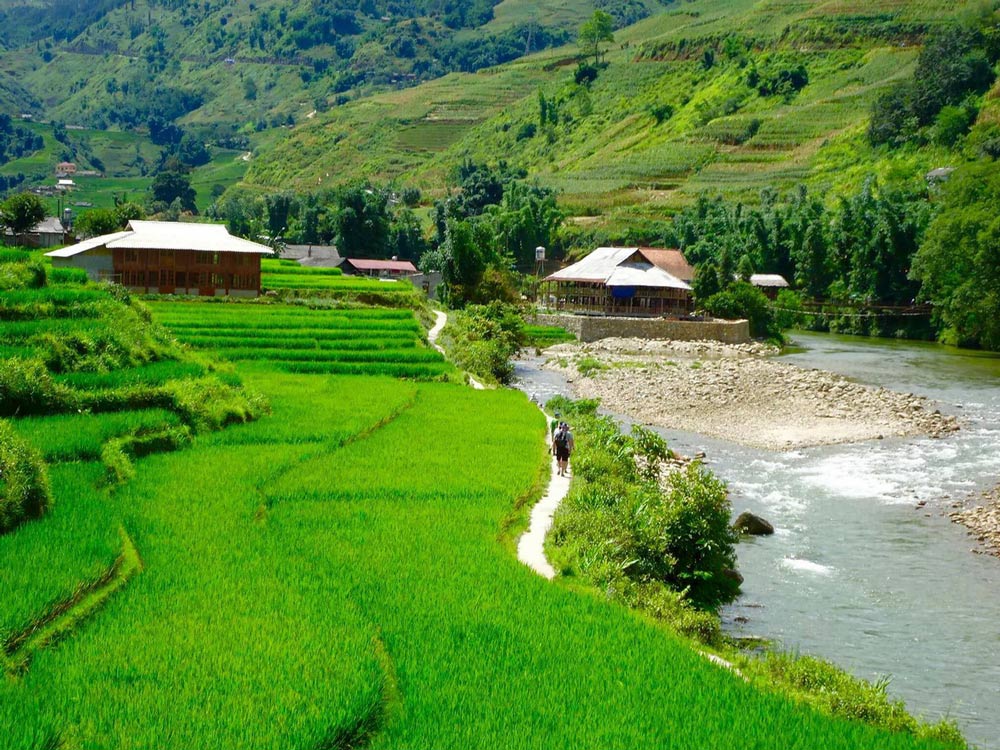
Before you head down into Ta Van Sapa Vietnam, budget for one small but important cost. There is a checkpoint on the road into the Muong Hoa Valley route, and most visitors pay an environmental fee of 75,000 VND per adult (children often have a lower rate). This ticket is part of the official Sapa sightseeing routes that include Lao Chai and Ta Van, and you usually pay it right at the booth before continuing deeper into the valley.
Many local guides explain that this fee helps support valley upkeep like basic infrastructure and visitor management, so it is a simple way your visit contributes back to the area.
Now for timing, because Ta Van looks completely different depending on the month. If you want the famous “wow” scenery, September is the star for golden, harvest-ready terraces and crisp trekking weather. If you love photography and reflections, come in May or June. This is the “water season” when terraces fill up and can look like giant mirrors before the young rice fully greens up.
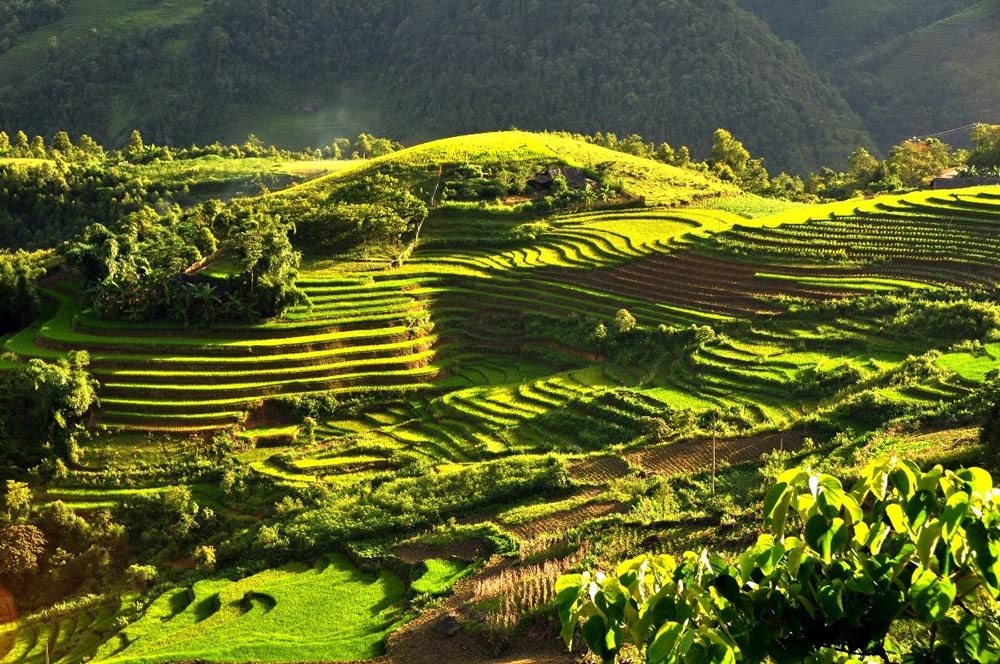
Ta Van Village sits in the Muong Hoa Valley, about 10–12 km southeast of Sapa town in Lao Cai Province. It’s down in the valley, so the scenery opens up fast once you leave the center.
You have three easy choices. The quickest is a taxi or private car (usually around 30 minutes). If you’re confident on mountain roads, you can rent a motorbike. The most popular option is a guided trek from Sapa town that typically takes 4 to 6 hours, often passing through Lao Chai before ending in Ta Van Sapa Vietnam.
Yes, absolutely. Ta Van feels quieter and more relaxed than the villages closest to town, and it’s one of the best places for terrace views and genuine homestay nights in the valley. It’s where Sapa starts to feel peaceful and real.
The favorites are simple but unforgettable: walk the terrace trails, cross the photogenic Cau May suspension bridge, treat yourself to a Red Dao herbal bath, and enjoy a family-style meal at a local homestay. Those small moments are what make Ta Van special.
As of 2026, visitors commonly pay an environmental fee of 75,000 VND per adult, collected on the Muong Hoa Valley route and used to support local upkeep and community management.
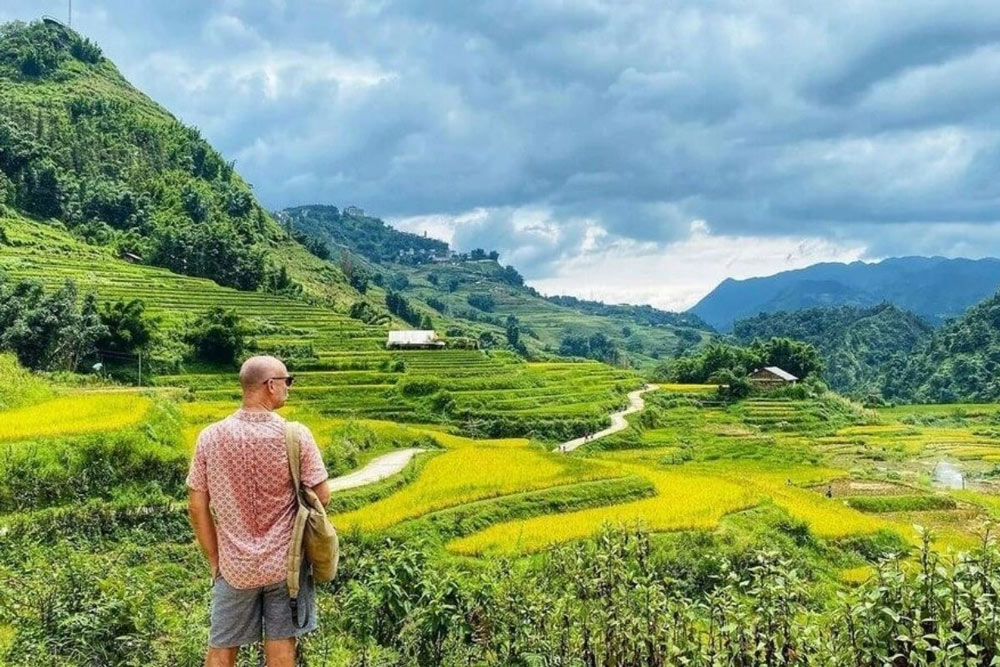
Ta Van is the kind of place that quietly fixes you. After busy streets, schedules, and constant scrolling, ta van sapa vietnam feels like an antidote. Life moves slower down in the valley. You wake up to mountain air, walk past terraces and streams, and actually have time to notice small things, the sound of water, the smell of wood smoke, the way people greet you on the trail. It’s not just “pretty scenery.” It’s a gentle way to connect with Vietnam’s highland culture without rushing through it.
If you’re planning a Ta Van visit, a little preparation goes a long way. Pack sturdy walking shoes because the paths can be muddy and uneven. Bring mosquito repellent, especially if you’re staying overnight near water or rice fields. And if you’re coming during the harvest season (September), book your homestay in advance because the best valley stays fill up quickly.
If you want to save time and effort and have everything arranged smoothly, you can contact Asia Mystika, a trusted tour operator in Vietnam. They can help you choose the right route, match your trip to the best season, and secure a great homestay in Ta Van Sapa Vietnam without the planning stress.
Ready to go? Start planning your custom Sapa itinerary with us
Who we are: Learn more about the local experts at Asia Mystika
WhatsApp: (+84) 866.22.7878
Email: sales@asiamystika.com
Website: www.asiamystika.com
