
- SG$ Singapore Dollar
- A$ Australian Dollar
- £ British Pound Sterling
- C$ Canadian Dollar
- € Euro
- MYR Ringgit Malaysia
- US$ United States Dollar
- đ Vietnamese Dong




 About Us
 Destinations
 Travel Styles
 Travel Guide
 Blogs
Blogs

Discover Sapa weather in January in this 2027 winter guide. Learn about temperatures, snow chances, frost, trekking conditions, what to wear, ethnic festivals, and how to plan a warm, smooth Sapa trip.
The Coldest Month: January is the coldest month in Sapa, with daytime temperatures around 8°C to 12°C and nights often dropping to 3°C, near freezing, or lower during cold snaps.
Snow and Frost: Genuine snow is rare, but brilliant white frost on Fansipan Peak, O Quy Ho Pass, and pine forests is highly likely during strong morning cold spells.
Cultural Magic: January is a peaceful, low-international-tourist month that can align with vibrant ethnic spring festivals such as Tet Nhay, Gau Tao, and local New Year gatherings.
What to Wear: The high humidity makes the wind chill biting. Thermal base layers, a waterproof shell, insulated gloves, and a warm beanie are non-negotiable.
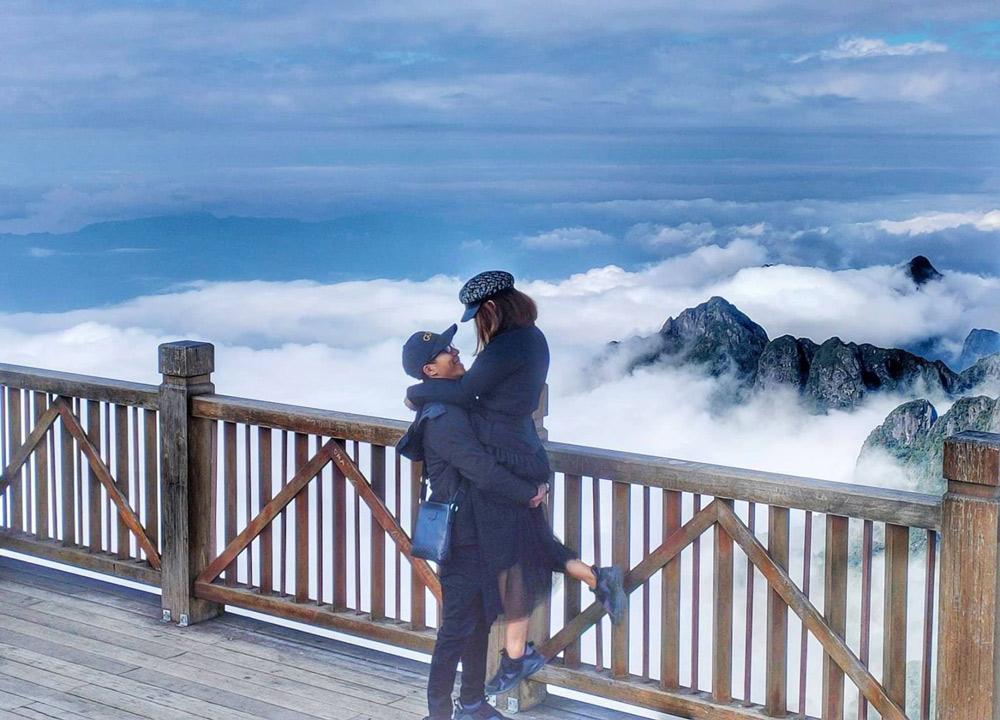
Sapa weather in January is the coldest of the year, featuring crisp, misty mountain conditions with average daytime temperatures of around 8°C to 12°C, while nighttime lows can drop to 3°C, freezing, or lower during strong northeast monsoon waves.
This is not the tropical Vietnam many travelers expect. While Hanoi may feel cool and manageable, Sapa sits high in the Hoang Lien Son mountains, around 1,600 meters above sea level. The altitude changes everything. The cold feels sharper. The fog feels thicker. The wind cuts harder. And even when the weather app shows 8°C or 10°C, the damp air can make it feel much closer to freezing.
January is also one of the driest months in Sapa compared with the heavy summer monsoon. Heavy rain is rare. Instead, you are more likely to experience dense morning fog, cold drizzle, silver-gray skies, and spectacular mountain frost on high peaks such as Fansipan.
For many foreign travelers, January brings a completely different side of Vietnam. The rice terraces are not green or golden. The fields are usually brown and fallow. The visual beauty comes from misty valleys, frosted rooftops, smoky kitchens, colorful ethnic clothing, pine forests, and dramatic cloud layers.
If you want warm weather and lush rice terraces, January is not the right month. But if you want a quiet winter mountain escape, atmospheric photography, dry trekking paths, and the chance to see frost in Southeast Asia, Sapa in January can be deeply memorable.
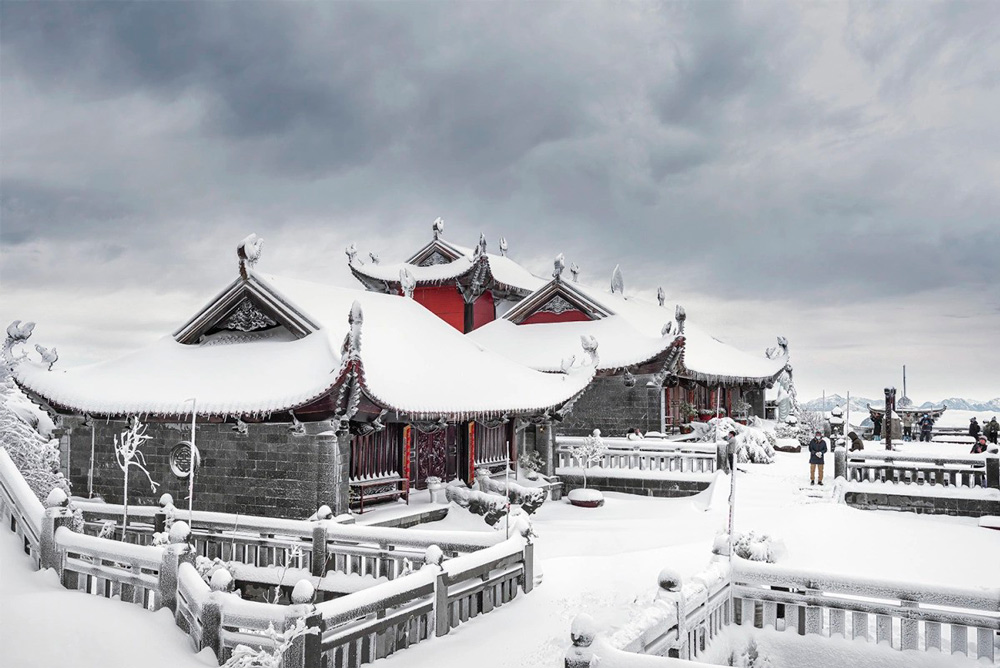
January is the coldest month in Sapa. Driven by the northeast winter monsoon from China, temperatures routinely drop below 5°C at night, creating a frigid but poetic silver-gray mountain landscape.
The coldest moments usually happen early in the morning, late at night, or during strong cold fronts. On those days, Sapa town may feel bitterly cold, while higher areas like Fansipan Peak and O Quy Ho Pass can drop below freezing.
The most important thing to understand is the difference between town weather and high-altitude weather. Sapa town is already cold in January, but Fansipan is much colder. A traveler may feel comfortable walking around town at noon with a fleece and jacket, then feel freezing at the Fansipan summit because of wind chill and altitude.
January rainfall is low compared with summer. Many planning references estimate only around 20mm to 30mm of rainfall for the month, though mist and fog remain common. This means the air can feel damp, but the trails are usually much firmer than in July or August.
| Elevation Zone | Daytime Average (°C) | Nighttime Average (°C) |
| Sapa Town Center | 8°C to 12°C | 3°C to 6°C |
| Muong Hoa Valley | 10°C to 14°C | 4°C to 8°C |
| Lao Chai and Ta Van Villages | 9°C to 13°C | 3°C to 7°C |
| O Quy Ho Pass | 5°C to 10°C | 0°C to 4°C |
| Fansipan Summit Area | -3°C to 6°C | Below 0°C possible |
Because January is cold but relatively dry, it can be a surprisingly good month for trekking. You do not have the sticky humidity of summer. You do not have the intense mud of the rainy season. You do not have as many insects. But you do need serious cold-weather clothing.
The biggest danger is underpacking. Many visitors arrive with a light hoodie, sneakers, and jeans, then realize the cold is stronger than expected. The humidity often sits above 85%, which makes the cold feel penetrating. It seeps through thin clothes and stays in cotton fabric for hours.
This is why proper layers matter more in January than in almost any other month.
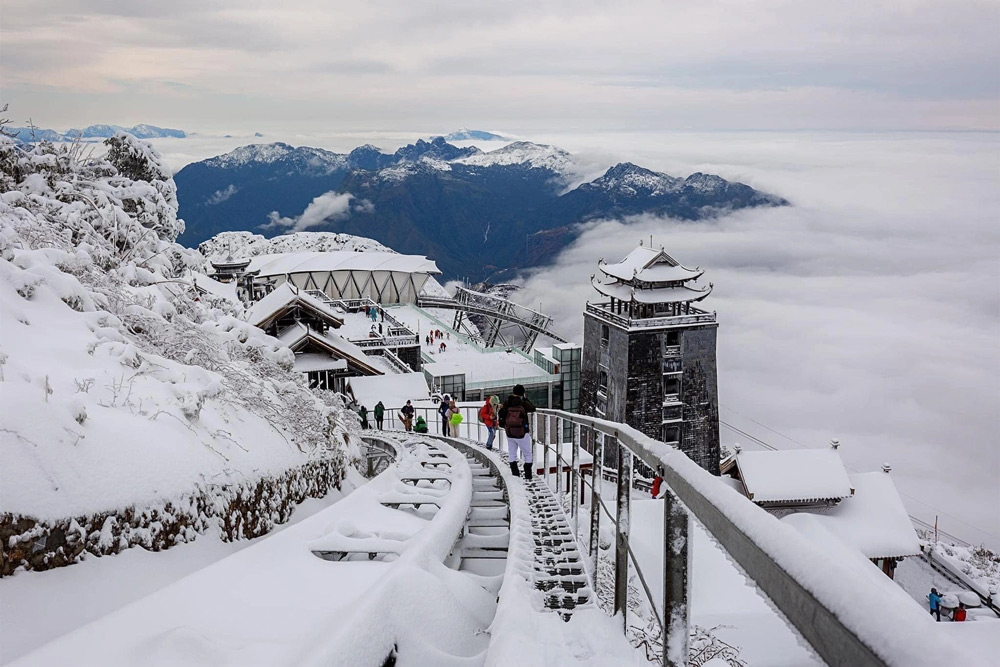
True snow in Sapa in January is rare. It can happen, but it does not happen every year, and it does not usually last long. Snowfall in Sapa town occurs only a few times across many years. When snow does appear, it is usually during an intense cold front and is more likely in high-altitude areas.
However, hoarfrost, ice crystals, and white frost formations are much more common. On freezing mornings, high mountain areas can look as if they have been dusted in snow. Grass, pine branches, temple roofs, fences, and terrace edges may be coated in white frost before the sun melts it later in the day.
This is the key expectation travelers need to understand: January is excellent for winter atmosphere, but it is not a guaranteed snow holiday.
If you come only for snow, you may be disappointed. If you come for frost, fog, cloud seas, and dramatic cold-season landscapes, January can be magical.
Fansipan is the best-known place for frost and rare snow near Sapa. As Vietnam’s highest mountain, it is much colder than the town below. After a strong cold front, ice can form on pagodas, stone steps, railings, and trees around the summit area.
The best strategy is to go early. Frost often melts by midday when the winter sun rises higher.
O Quy Ho Pass is one of the best places near Sapa for cold-weather scenery. It sits high, exposed, and windy, making it a strong candidate for frost during winter cold snaps. The pass also offers dramatic views when visibility is clear.
Because the road can be cold and slippery in extreme conditions, go with a safe driver rather than trying to ride a motorbike yourself.
Ham Rong Mountain is easier to access from Sapa town. It does not have the same snow potential as Fansipan, but it can offer beautiful morning mist, cold air, and frosty garden scenes during very cold periods.
It is a good option if the Fansipan cable car is not operating or if you want a gentler winter viewpoint close to town.
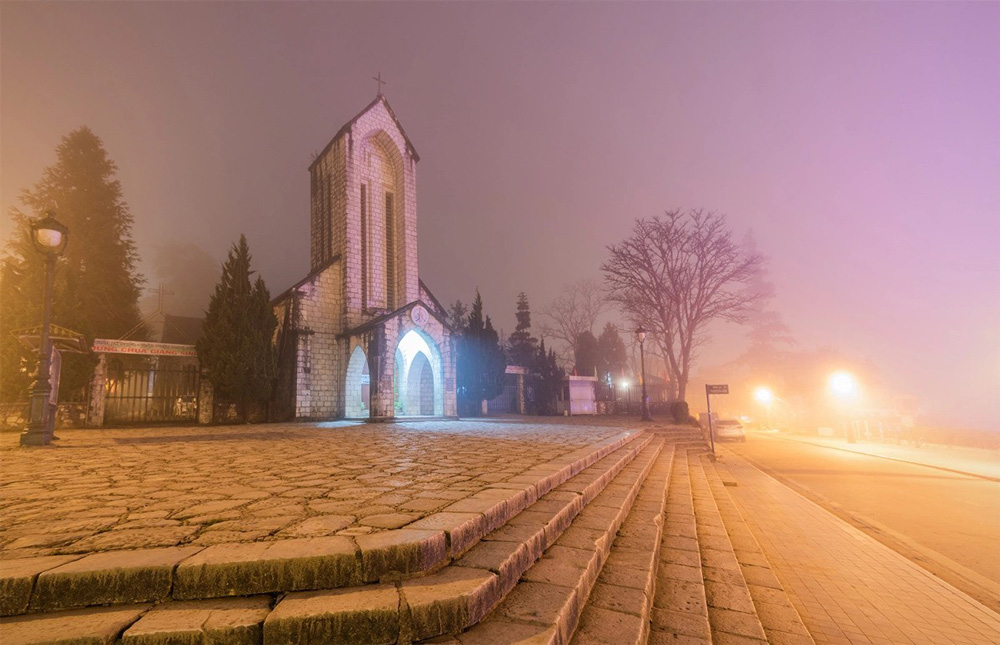
Yes, visiting Sapa in January is absolutely worth it if you want to avoid massive summer crowds and experience the quiet, moody beauty of a tropical winter.
January is not the classic rice-terrace month. The fields are not lush green like August. They are not golden like September. They are usually brown, quiet, and resting. But Sapa’s beauty in January comes from something else: silence, mist, frost, mountain light, and culture.
This is also a meaningful cultural period. Depending on the lunar calendar and local community schedules, January or the weeks around it can connect with ethnic spring festivals and New Year traditions. These may include events such as Tet Nhay of the Red Dao people, Gau Tao of the Hmong people, and local agricultural celebrations such as Roong Pooc in some communities.
These festivals are not staged only for tourists. They are connected to prayers for health, harvest, family, and community fortune. If your timing is right and you travel respectfully with a local guide, January can offer a rare cultural layer that many peak-season travelers miss.
| Pros of Visiting Sapa in January | Cons of Visiting Sapa in January |
| Zero summer crowds and a quieter mountain mood | Dense fog can obscure valley views |
| Unique cultural festivals around the Lunar New Year season | Very cold mornings and evenings |
| Firm, dry trekking trails compared with monsoon months | Rice terraces are brown and fallow |
| Possible frost on Fansipan and O Quy Ho Pass | Basic homestays can be freezing |
| No summer leeches and fewer insects | Fansipan may be windy, foggy, or below freezing |
| Excellent winter photography with mist and cloud layers | You need heavier luggage and proper layers |
| Peaceful cafés, hot tea, hotpot, and winter food experiences | Some local services may close around Lunar New Year dates |
So, is Sapa in January worth it? Yes, if you know what you are choosing.
Come for frost, culture, low crowds, firm trails, and winter mood. Do not come expecting green rice fields or warm weather.
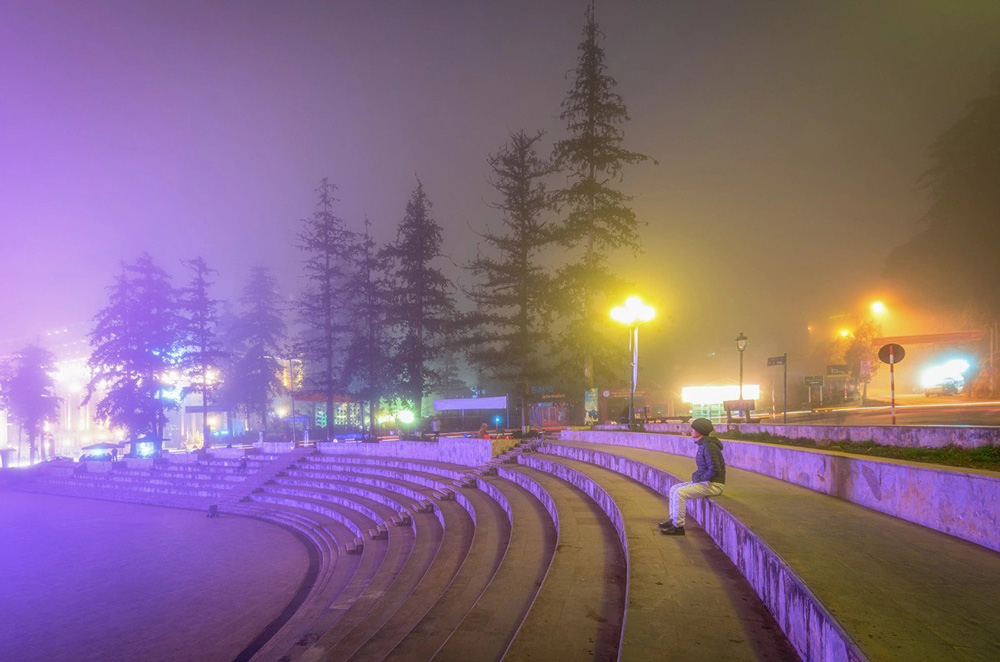
Knowing what to wear in Sapa in January is critical because the high humidity makes 8°C feel much closer to freezing. You must pack using a strategic layering system to combat the damp, penetrating chill.
The most common packing mistake is wearing jeans. Jeans may seem warm, but in Sapa’s damp winter air they become cold, heavy, and uncomfortable. If they get wet from fog, drizzle, or trekking mud, they can stay damp for hours.
Instead, wear quick-drying trekking pants with thermal leggings underneath. This combination is warmer, lighter, and much more practical for mountain walks.
January Sapa packing checklist:
If you are visiting Fansipan, bring more warmth than you think you need. Sapa town may feel manageable, but the summit can be freezing. A windproof shell, gloves, hat, and thermal layers are strongly recommended.
If you are traveling with children or older family members, pack even more carefully. They may feel the cold faster and need better accommodation with heating.
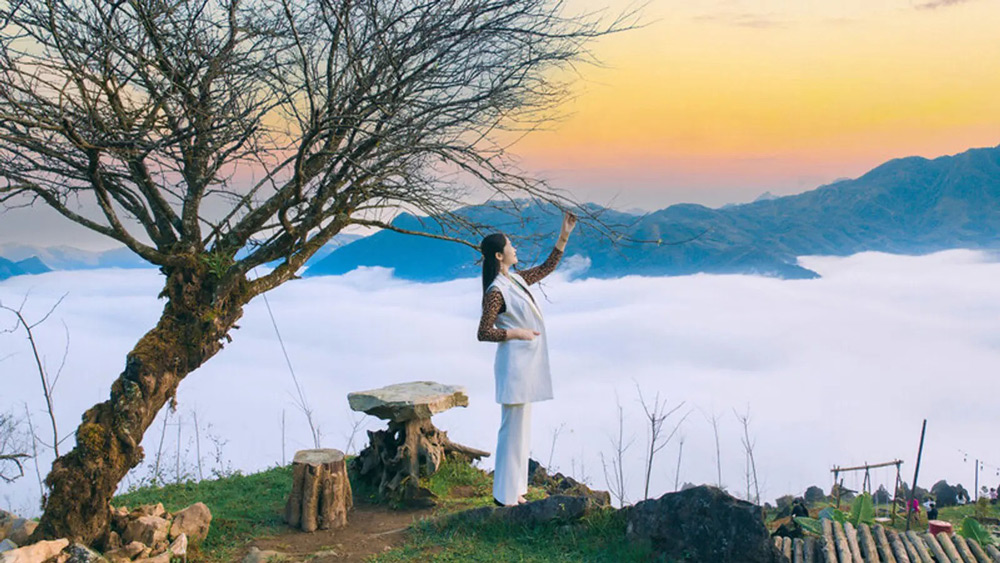
Many standard blogs tell backpackers to “stay in a local village to experience the culture.” That can be lovely in spring, summer, or autumn. In January, the reality is more complicated.
Traditional Hmong and Dao wooden stilt houses often have gaps in the floorboards, thin walls, little insulation, and no central heating. They are beautiful and authentic, but they were not designed as warm hotel rooms for foreign tourists.
Cold mountain dampness can seep through blankets, floors, and walls. Even if the temperature outside is not below freezing, the room may feel cold all night. A basic blanket may not be enough, especially for travelers from tropical climates.
An Asia Mystika guide explains:
“Foreign travelers often book basic homestays in January and spend the entire night shivering. The mountain dampness seeps right through the blankets. For a January trip, we strictly mandate that our clients book 4-star hotels in Sapa town equipped with 2-way AC heating, or let us arrange one of our premium, winterized boutique lodges. Don’t let a freezing night ruin your trek.”
This is practical advice, not luxury upselling.
A warm room changes everything in January. After a cold trek or Fansipan visit, you need a place where your clothes can dry, your body can recover, and you can sleep properly.
For a winter Sapa trip, prioritize:
If you still want a village stay, choose a premium winterized lodge rather than a very basic homestay. Ask specific questions before booking. Does the room have heating? Are there electric blankets? Is hot water reliable? Is the room sealed against wind?
If you are hunting for frost on Fansipan, take the absolute first cable car of the morning, often around 7:30 AM, depending on the operating schedule.
This matters because frost is delicate. The winter sun often melts ice crystals on pagodas, railings, and trees by midday. If you arrive at 11:00 AM, you may still see beautiful clouds, but the frosty details may already be gone.
A smart Fansipan frost plan:
Do not leave Fansipan for late afternoon in January. Visibility can change fast, and the cold becomes stronger again as the sun drops.
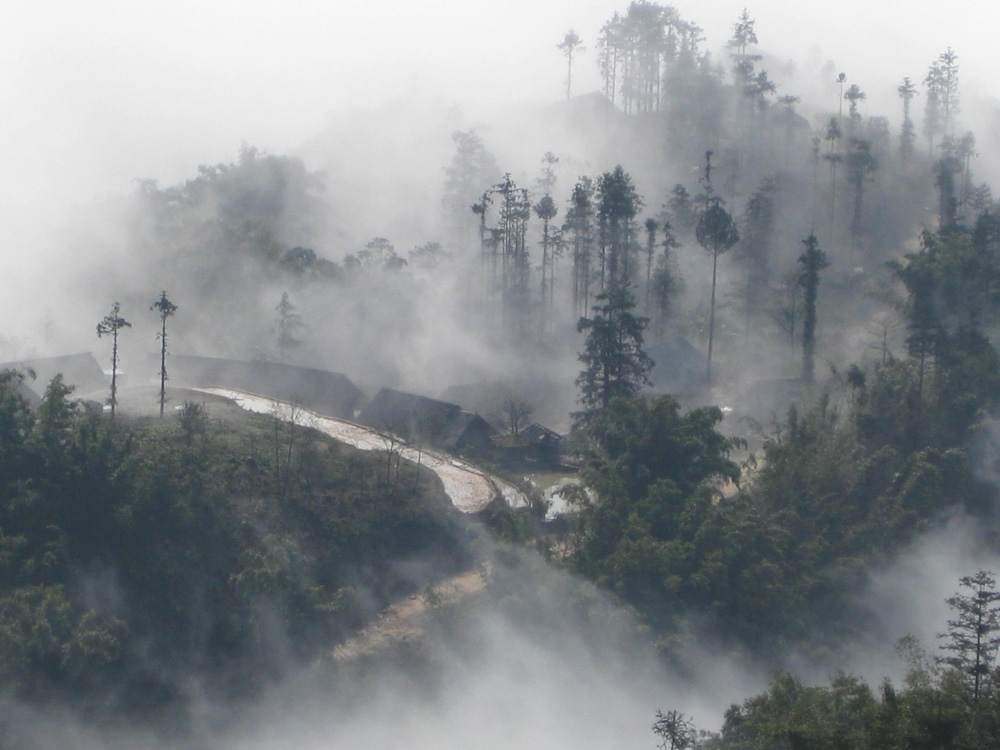
Sapa weather in January 2027 followed the typical pattern of crisp, freezing mountain weather, with spectacular morning frost events on Fansipan Peak and dense atmospheric fog in the valleys. Travelers needed warm layers, especially for early mornings and high-altitude sightseeing.
Yes, you can go trekking in Sapa January weather. Because January has very little rainfall, the trails are usually firm and free of the mud and leeches that affect the summer monsoon season. Just dress warmly.
No, the rice terraces in Sapa in January are not green. They are usually brown and fallow. The visual draw this month is the misty silver-gray winter atmosphere and the vibrant traditional clothing of local ethnic communities.
Yes, January is generally the coldest month in Sapa. Daytime temperatures can sit around 8°C to 12°C, while nights often drop near freezing, especially during northeast monsoon cold spells.
Snow in Sapa in January is possible but rare. Frost and ice formations are much more common, especially on Fansipan Peak, O Quy Ho Pass, and high-altitude areas after cold fronts.
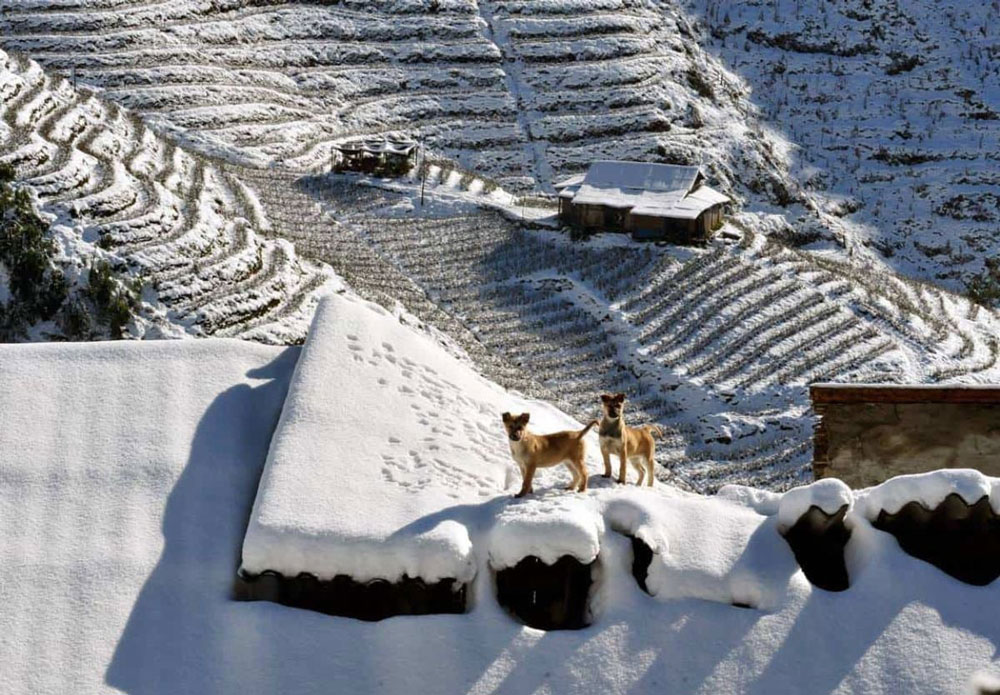
Sapa in January weather requires a heavy coat, thermal layers, and smart planning. But the reward is unlike almost anywhere else in Southeast Asia.
This is the season of frosted peaks, silver fog, cold mountain silence, steaming hot tea, firm trekking trails, and ethnic spring festivals. It is not the green Sapa of summer or the golden Sapa of harvest season. It is quieter, colder, moodier, and deeply atmospheric.
If you prepare properly, January can be one of the most unique months to visit Sapa. You can walk dry trails without summer mud, enjoy fewer international crowds, chase frost on Fansipan, and experience a side of Vietnam that many travelers never expect.
The key is to plan like a winter mountain traveler. Pack thermal layers. Avoid jeans on treks. Choose heated accommodation. Wake up early for Fansipan frost. Do not rely on snow. Look for mist, frost, festivals, and the quiet beauty of Sapa’s coldest month.
Stop stressing over unpredictable winter transport, freezing accommodations, and confusing mountain weather.
If you want to save time and effort while traveling to Vietnam, contact Asia Mystika, a trusted tour agent in Vietnam. We can arrange an all-inclusive Winter Sapa package with vetted heated eco-lodges, expert local trekking guides, safe private Limousine transfers, Fansipan timing, frost-hunting routes, and flexible backup plans.
Start planning your winter mountain escape with Asia Mystika’s customized Sapa tour packages, and let us make your January journey warm, smooth, and unforgettable.
Ready to go? Start planning your custom Sapa itinerary with us
Who we are: Learn more about the local experts at Asia Mystika
WhatsApp: (+84) 866.22.7878
Email: sales@asiamystika.com
Website: www.asiamystika.com
