- SG$ Singapore Dollar
- A$ Australian Dollar
- £ British Pound Sterling
- C$ Canadian Dollar
- € Euro
- MYR Ringgit Malaysia
- US$ United States Dollar
- đ Vietnamese Dong




 About Us
 Destinations
 Travel Styles
 Travel Guide
 Blogs
Blogs

Discover Sapa weather in March in this 2027 guide. Learn about temperatures, spring blossoms, trekking conditions, Fansipan visibility, what to wear, and how to plan a smooth spring Sapa trip.
The Temperature: Weather in Sapa in March is mild and highly comfortable, with crisp mornings around 12°C to 15°C and warm, sunny afternoons around 18°C to 22°C.
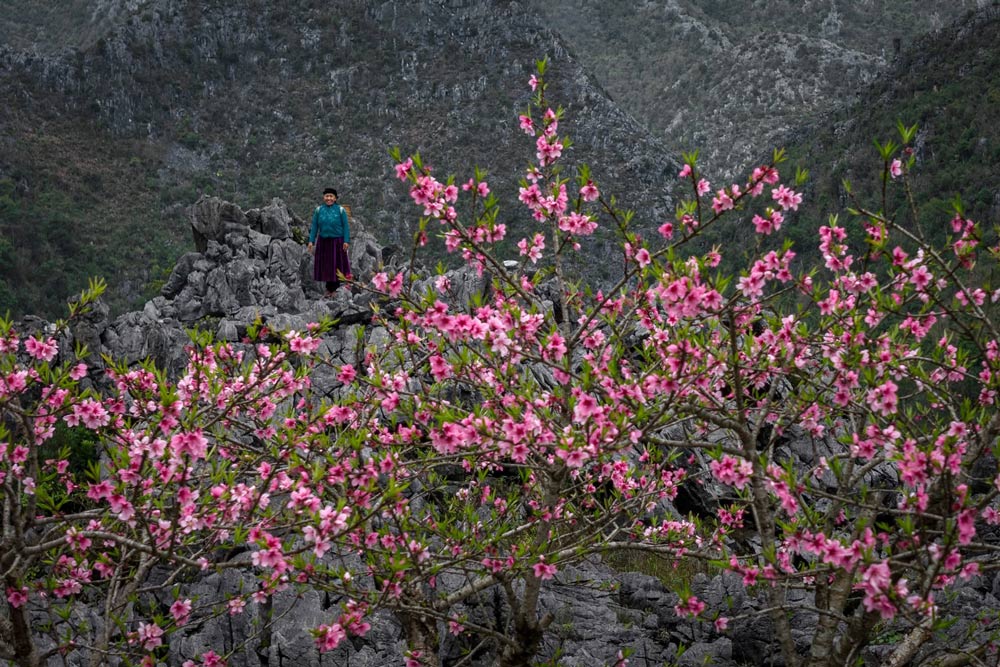
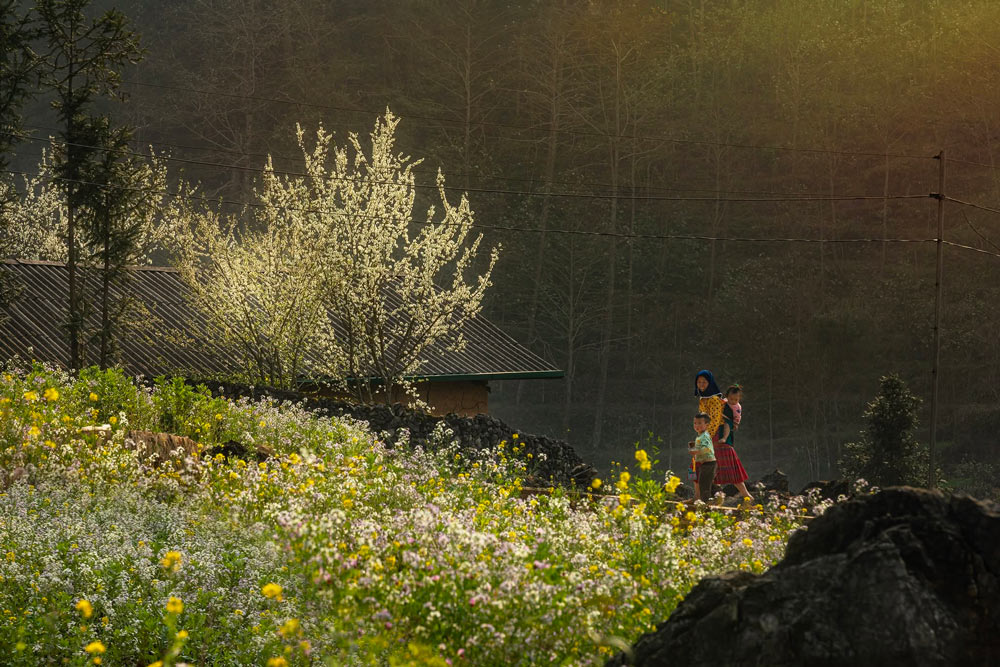
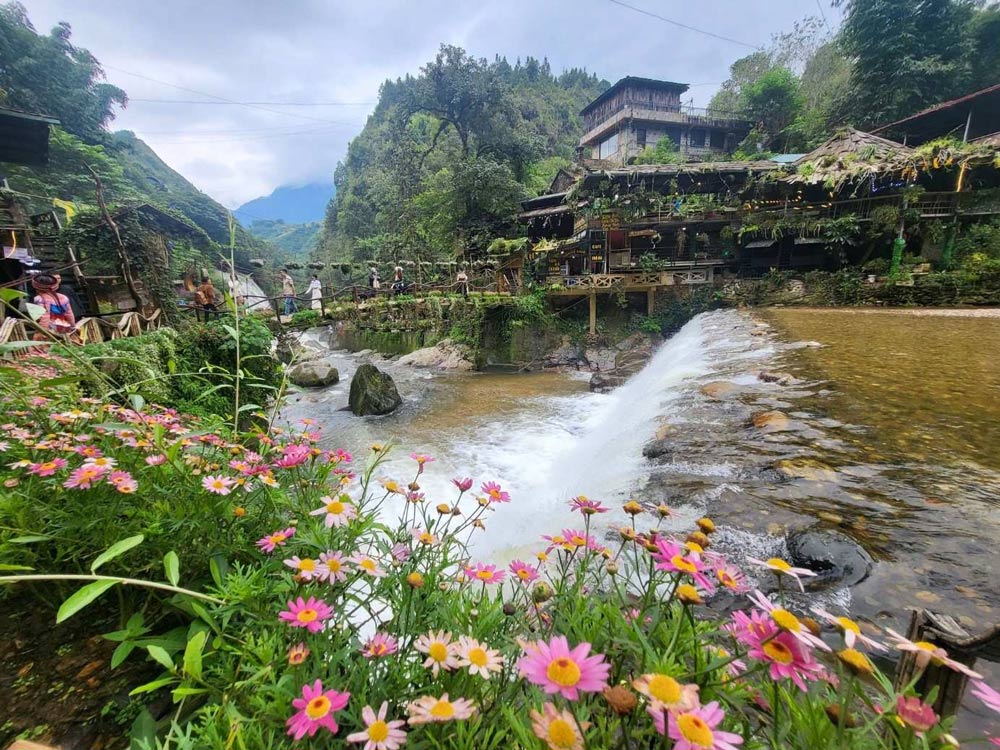
The Scenery: While the rice terraces are still brown or newly flooded, March is a magical season for wild peach blossoms, plum blossoms, and pear blossoms painting the valleys in soft pink and white.
Trekking Conditions: With relatively low rainfall and firmer trails, March is one of the best months of the year for long, comfortable hikes.
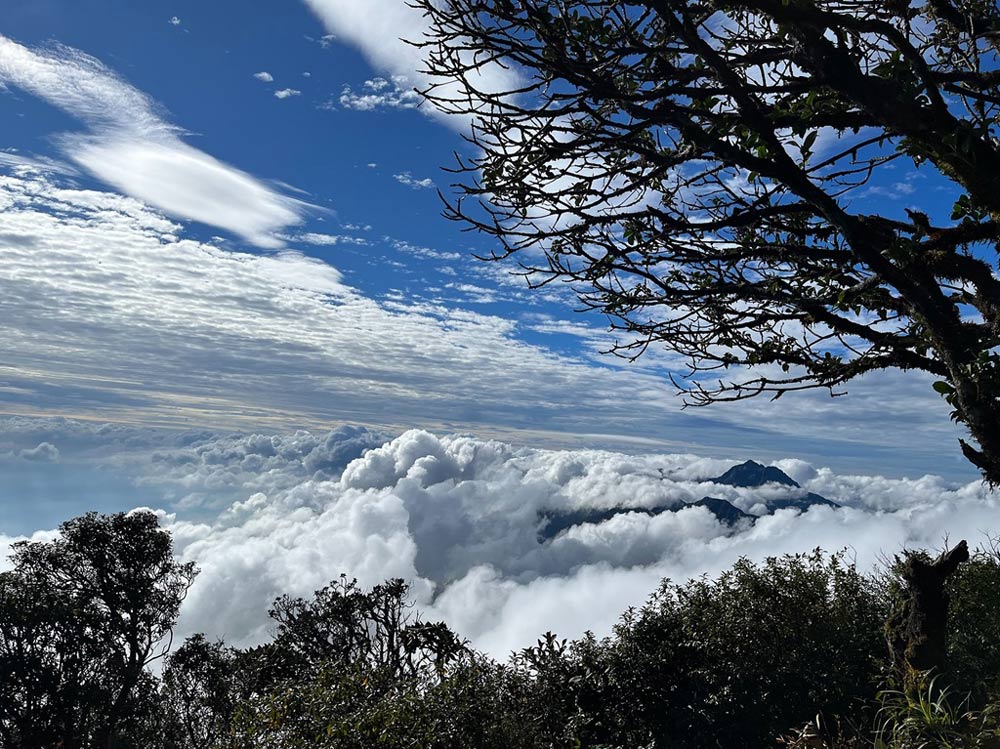
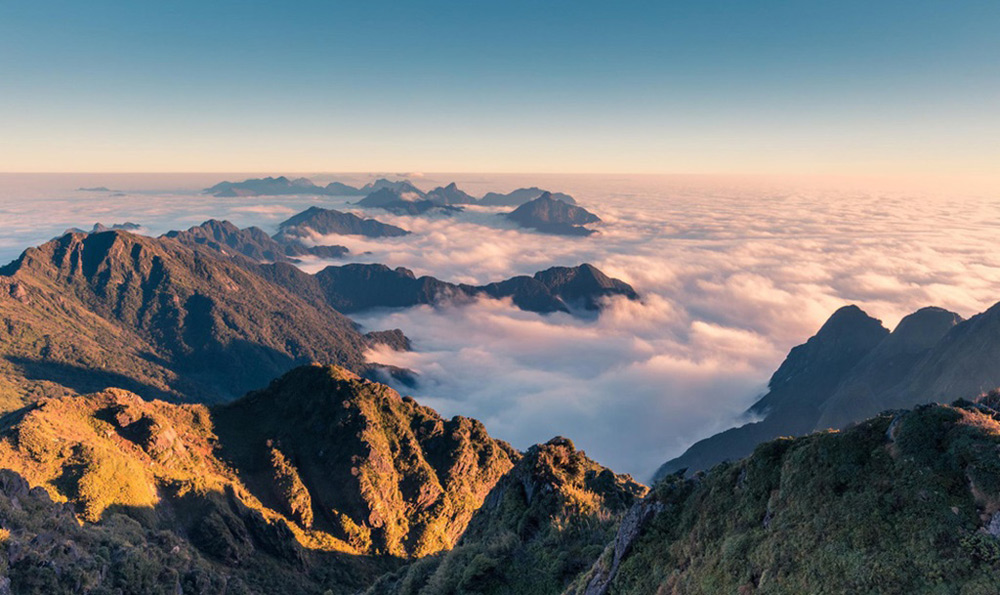
Visibility: Morning fog often burns off by around 9:00 AM, revealing clearer skies that are ideal for Mount Fansipan, valley views, and spring photography.
Weather in Sapa in March is one of the most pleasant spring conditions you can experience in Northern Vietnam. The freezing chill of winter begins to fade, the heavy rains of summer have not arrived yet, and the mountains slowly wake up with flowers, soft sunlight, and cool fresh air.
Daytime temperatures usually feel comfortable for outdoor travel. Mornings can be crisp, often around 12°C to 15°C, especially before the sun rises over the valley. By late morning and noon, temperatures often climb toward 18°C to 22°C, making it comfortable enough to trek in a T-shirt or light long-sleeved shirt.
This balance makes Sapa in March especially attractive for travelers who want to walk, explore villages, visit viewpoints, and ride the Fansipan cable car without dealing with extreme heat, deep winter cold, or monsoon mud.
Unlike December and January, you do not need heavy winter gear for normal sightseeing. Unlike June, July, and August, you do not need to plan every moment around heavy afternoon storms. March gives you a softer and more flexible version of Sapa.
The most beautiful part of March is the spring atmosphere. The rice terraces are not at their most colorful yet, but the hills and village roads are touched by white plum blossoms, pink peach blossoms, and sometimes pear blossoms. The valleys can feel misty in the morning, then open into bright, clear mountain views by mid-morning.
For travelers who love trekking, culture, and quieter trails, March is one of Sapa’s most underrated months.
Weather in Sapa in March marks the end of the freezing winter and the arrival of a gentle mountain spring. The high humidity of summer has not arrived yet, and rainfall remains relatively low compared with the monsoon months. Travelers may experience light drizzle or mist on some days, but heavy trail-washing thunderstorms are not yet common.
The day-to-night temperature swing is the main thing to plan for. Early mornings and evenings still require a light fleece, sweater, or windproof jacket. By noon, especially during a trek, you may feel warm enough to remove outer layers.
This is why layering is better than packing one thick coat. March is not a heavy-parka month, but it is not a tropical T-shirt-only month either.
| Time of Day | Expected Temperature (°C) | Weather Condition |
| Early morning | 12°C to 15°C | Cool, misty, fresh, sometimes foggy |
| Late morning | 16°C to 20°C | Fog lifting, brighter skies, good trekking conditions |
| Midday | 18°C to 22°C | Warm, comfortable, often sunny |
| Afternoon | 17°C to 21°C | Pleasant, possible light cloud or drizzle |
| Evening | 13°C to 16°C | Cool again, light jacket recommended |
| Late night | 10°C to 14°C | Chilly, especially outside town or in village homestays |
March weather is ideal for travelers who want to spend time outdoors without rushing. You can begin the day slowly, enjoy coffee in town, then start trekking when the fog lifts. You can take longer routes through Muong Hoa Valley, Lao Chai, Ta Van, or Y Linh Ho without the exhausting humidity of summer.
The trails are usually firmer than in the rainy season. There may still be damp patches, especially after mist or light rain, but the deep mud of July and August is much less common. For this reason, March is excellent for longer hikes, village walks, and soft adventure travel.
It depends on where you go. Southern Vietnam, including Ho Chi Minh City and the Mekong Delta, is already hot in March. Northern Vietnam, including Hanoi and Sapa, still has a cool spring breeze. In Sapa, you will not usually experience freezing temperatures unless you are at the very top of Fansipan or traveling during an unusual cold spell.
For normal sightseeing and trekking, you do not need heavy winter gear. A fleece, light jacket, breathable layers, and good walking shoes are usually enough.
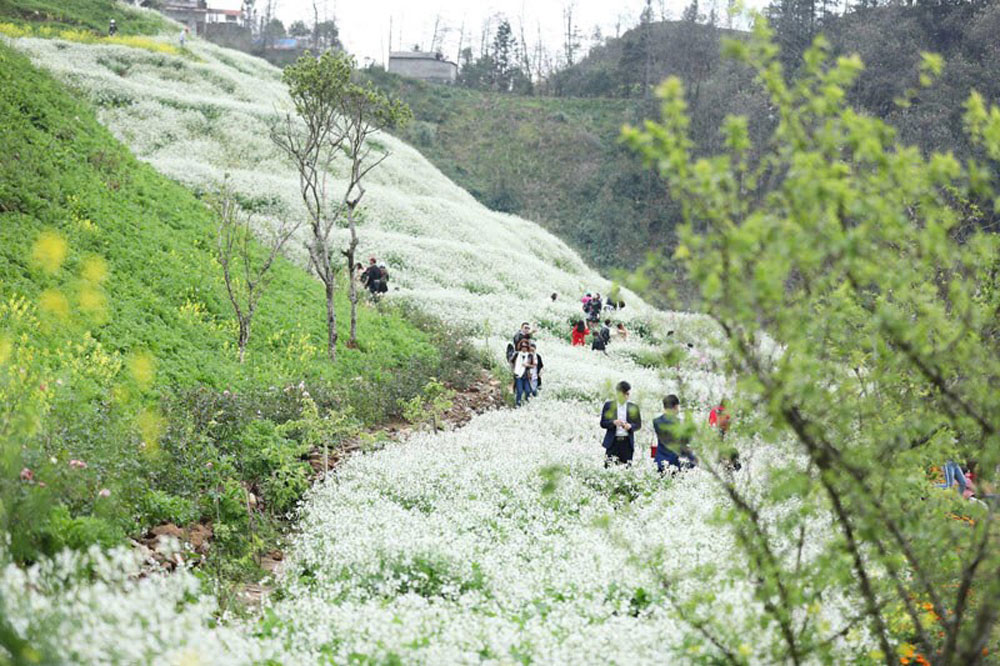
Yes, March is a good time to visit Sapa. In fact, it is one of the most underrated months of the year.
March comes after the coldest winter period and after the main Lunar New Year travel rush. It also comes before the summer backpacker and domestic holiday crowds. That gives travelers a rare combination: pleasant weather, quieter trails, better hotel availability, and beautiful spring scenery.
The biggest reason to visit Sapa in March is the spring blossom season. In early March, you may still see white plum blossoms in cooler areas and village orchards. By mid-to-late March, pink peach blossoms and pear blossoms can add color to the mountain roads and valley edges.
These flowers create a completely different Sapa from the famous rice-harvest photos. March is softer, quieter, and more delicate. It is not about golden terraces. It is about misty mornings, flower-lined village paths, crisp trekking air, and a peaceful spring atmosphere.
For travelers who enjoy photography, March is beautiful in a subtle way. The light is cleaner than in summer. The fog can add depth to the valley. Blossoms create foreground color. Ethnic minority clothing stands out against soft spring landscapes. The overall mood is gentle and poetic.
| Pros of Visiting Sapa in March | Cons of Visiting Sapa in March |
| Blooming spring flowers in pink and white | Rice terraces are brown or flooded, not green or golden |
| Comfortable trekking temperatures | Morning fog can hide views until later |
| Lower rainfall than summer months | Some nights still feel chilly |
| Firmer trails for longer hikes | Blossom timing changes by year and altitude |
| Fewer crowds than Tet, summer, and harvest season | Not ideal for travelers expecting harvest scenery |
| Good Fansipan visibility after morning mist clears | Light drizzle is still possible |
| Better hotel value than peak periods | Village homestays may still feel cool at night |
March is especially good for:
The best month to go to Sapa depends on your travel goal.
If your dream is to see golden rice terraces, the best month is usually September, especially from early September to early October depending on harvest timing.
If your goal is comfortable trekking and blooming flowers, March is unbeatable. It has mild temperatures, spring scenery, and far fewer crowds than the harvest season.
If you dislike heavy rain, you should avoid July and August, which are peak monsoon months. Trails can become muddy, visibility can drop quickly, and afternoon storms are common.
If you dislike freezing fog and cold nights, avoid December and January, especially if you plan to stay in basic village homestays without heating.
Here is a quick comparison:
For a balanced trip, March is one of the safest choices because it avoids both summer monsoon extremes and deep winter cold.
No, 4 days in Sapa is not too much, especially in March.
Because March offers flexible and pleasant weather, a 4-day trip lets you enjoy Sapa at a slower pace. You do not need to cram everything into one rushed overnight visit. You can trek deeper into Muong Hoa Valley, dedicate a clear morning to Fansipan Peak, explore high mountain passes, and visit remote ethnic markets without feeling exhausted.
Many travelers only book 2 days and 1 night in Sapa, then regret it. The journey from Hanoi takes several hours each way, so a short trip can feel like too much transport and not enough experience. A 4-day itinerary gives you room to adjust around fog, enjoy spontaneous stops, and travel with less pressure.
Day 1: Arrival, Sapa Town and Cat Cat Village
Arrive from Hanoi by private car, limousine van, or overnight train via Lao Cai. Keep the first day light. Explore Sapa town, visit Sapa Stone Church, walk around the central square, and enjoy the European-style architecture around Sun Plaza.
In the afternoon, visit Cat Cat Village if the weather is clear. This is an easy introductory walk and works well for travelers who want a gentle first look at local village scenery without committing to a long trek immediately.
End the day with hotpot or grilled mountain food in town.
Day 2: Deep Valley Trek Through Lao Chai and Ta Van
Use the best March weather for a full-day trek through Muong Hoa Valley, Lao Chai, and Ta Van. This is one of the most rewarding trekking routes near Sapa because it combines terraced landscapes, village paths, mountain views, and cultural encounters.
In March, the rice terraces may look brown, silver, or newly watered, but the surrounding valleys are peaceful and fresh. Blossom pockets along village roads can make the walk especially beautiful.
A local guide is strongly recommended. They can explain the ethnic communities, farming cycles, textile traditions, and seasonal changes that you would miss if walking alone.
Day 3: Fansipan and O Quy Ho Pass
Save a clear morning for Fansipan, the highest peak in Vietnam and often called the Roof of Indochina. In March, morning fog may linger, so do not rush too early unless visibility is already excellent. A mid-morning departure often works better.
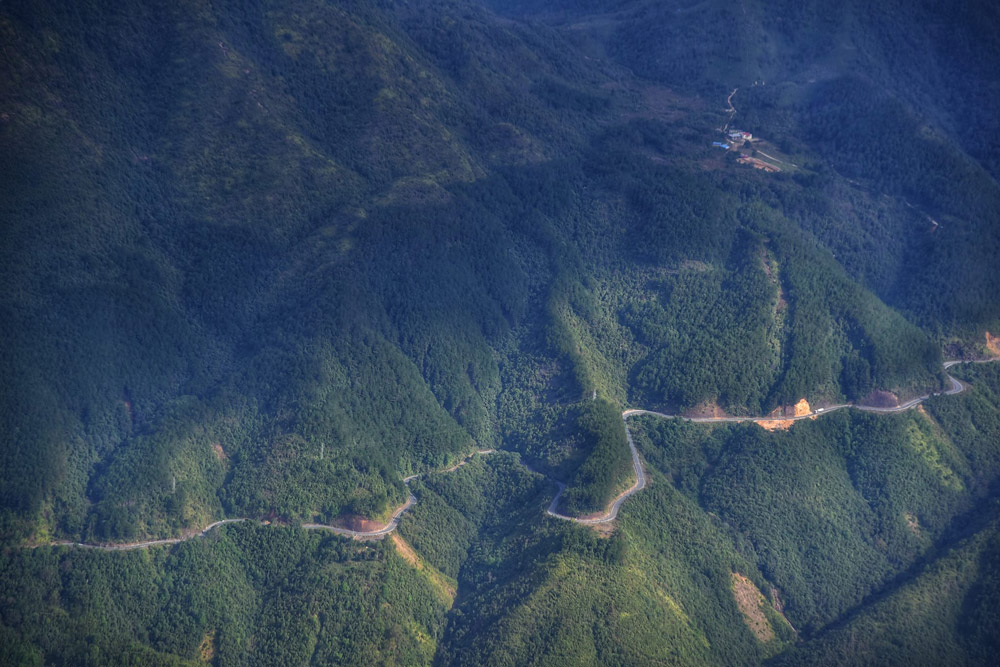
After Fansipan, continue toward O Quy Ho Pass if the weather is good. This mountain pass offers wide views, cool air, and dramatic scenery. It is also a good route for seeing spring blossoms in some areas, depending on timing.
Return to town for a relaxed evening.
Day 4: Bac Ha Sunday Market or Remote Village Experience
If your schedule includes a Sunday, consider Bac Ha Sunday Market. It is farther from Sapa, but it offers one of the most colorful ethnic market experiences in Northern Vietnam. You can see Flower Hmong communities, local produce, textiles, livestock trading, and a lively highland market atmosphere.
If it is not Sunday, choose a slower remote village visit instead. Ta Phin, Ban Ho, or a local Red Dao herbal bath experience can be excellent choices before returning to Hanoi.
This 4-day pace works beautifully in March because the weather is gentle enough for outdoor exploration, but varied enough that you still benefit from flexibility.
Many travel blogs show Sapa with green terraces all year. That is misleading.
March has its own beauty, but it is not the month for lush green rice fields or golden harvest landscapes. Travelers who understand this before arriving will enjoy the trip much more.
Here is the truth: in March, the iconic terraced fields are usually brown stubble, resting soil, or reflective pools of water being prepared for planting. They are not the glowing green terraces of summer. They are not the golden terraces of September.
That does not mean Sapa is unattractive in March. It means you should come for the right reason.
You are not coming mainly for rice color. You are coming for ethereal spring valleys, soft morning mist, wild peach blossoms, plum orchards, clear trekking conditions, and quiet village paths.
This is a different kind of beauty. It is gentler and more local. You may see farmers preparing land, water collecting in terrace levels, children walking through villages, and trees blooming along the mountain roads. Instead of one dramatic golden postcard, March gives you a living spring landscape.
For many travelers, that feels more authentic.
Many tourists make the mistake of rushing to the Fansipan cable car at 7:00 AM because they think they need to beat the crowds. In summer or peak periods, that can make sense. In March, it is not always the best strategy.
An Asia Mystika guide explains:
“Many tourists make the mistake of rushing to the Fansipan cable car at 7:00 AM to ‘beat the crowds.’ In March, the valleys hold a thick morning mist that doesn’t burn off until the sun warms the air. We always advise our clients to have a slow, hot breakfast in town and head up the mountain closer to 9:30 AM. By then, the mist clears, giving you a 80% chance of panoramic, unobstructed views of the Hoang Lien Son range.”
This is a helpful March-specific timing strategy.
If you wake up and see fog outside your hotel window, do not panic. Give the sun time to work. Have breakfast. Check live visibility if possible. Ask your local guide or hotel staff about the conditions. Then go when the mist begins lifting.
A smart March Fansipan plan:
March rewards patience. You do not need to rush every morning. Sometimes the best view comes after the fog has lifted.
Pack light, breathable layers for daytime trekking, plus a warm fleece or windproof jacket for cooler 13°C evenings. Leave the heavy winter parka at home unless you are very sensitive to cold or planning an early Fansipan visit.
No, March is considered a shoulder season. With the Lunar New Year period finished and summer holidays still months away, it is one of the quieter and more peaceful times to hike Sapa’s valleys.
Rainfall is minimal in March compared with the monsoon season. You may experience light misty drizzle on some days, but the heavy trail-washing thunderstorms usually do not arrive until late spring or summer.
Yes, March is a good time to visit Sapa if you want mild trekking weather, spring blossoms, clearer visibility, and fewer crowds. It is not the best month for green or golden rice terraces, but it is excellent for walking and spring scenery.
No, the rice terraces in March are usually brown, resting, or newly flooded in some areas. If you want green terraces, visit in June or July. If you want golden terraces, visit in September.
Sapa weather in March gives travelers one of the most comfortable and peaceful windows of the year. The mornings are crisp, the afternoons are mild, the trails are firmer, and the valleys are often touched by soft spring blossoms.
Yes, you will miss the green rice fields of summer and the golden harvest of September. But in return, you get something more delicate: quiet villages, empty trekking paths, plum blossoms, peach blossoms, pear flowers, misty mornings, and clear mountain views after the fog lifts.
March is the month for nature lovers who appreciate subtle beauty. It is ideal for travelers who want to walk slowly, breathe cool air, enjoy spring light, and experience Sapa without the intensity of peak crowds or peak weather extremes.
The key is to plan with the right expectations. Do not come for golden rice. Come for blossoms, trekking, and mountain calm. Dress in layers. Start valley walks after the morning chill softens. Visit Fansipan closer to mid-morning when the fog clears. Stay long enough to let Sapa reveal itself.
Stop stressing over unpredictable mountain logistics, transport timing, local guides, and changing spring visibility.
If you want to save time and effort while traveling to Vietnam, contact Asia Mystika, a trusted tour agent in Vietnam. We can arrange an all-inclusive Spring Sapa package with vetted eco-lodges, expert local trekking guides, safe private transfers, Fansipan timing, blossom routes, and flexible backup plans.
Start planning your spring mountain escape today with Asia Mystika’s customized Sapa tour packages, and let us make your March journey smooth, scenic, and unforgettable.
Ready to go? Start planning your custom Sapa itinerary with us
Who we are: Learn more about the local experts at Asia Mystika
WhatsApp: (+84) 866.22.7878
Email: sales@asiamystika.com
Website: www.asiamystika.com