 Hotline: +84 866 227 878
- SG$ Singapore Dollar
- A$ Australian Dollar
- £ British Pound Sterling
- C$ Canadian Dollar
- € Euro
- MYR Ringgit Malaysia
- US$ United States Dollar
- đ Vietnamese Dong


 Hotline/Whatsapp: +84 86 622 7878
 Email: sales@asiamystika.com
 About Us
 Destinations
 Travel Styles
 Travel Guide
 Blogs
Blogs
 News
News

Northern Vietnam offers a sensory overload in the best way possible. You can start your morning dodging thousands of scooters in a bustling capital and end your day drinking tea above the clouds in the Hoang Lien Son mountains.

Northern Vietnam is one of those rare regions where every 24 hours can feel like a complete change of country. In Hanoi, your morning starts with motorbike traffic, sidewalk coffee, old architecture, and nonstop urban energy. In Sapa, your next morning can be mist, mountain silence, terraced fields, and village trails. Then, within the same trip, Halong Bay gives you a third world entirely: calm emerald water and limestone towers.
That contrast is exactly why people ask: “Is it worth going to Sapa from Hanoi?”
The short answer is yes. The better answer is: yes, if you structure your timing correctly.
Sapa is not difficult, but it is not frictionless either. Transit is long, mountain weather can change fast, and poor sequencing can waste a lot of precious vacation time. But in 2026, the transport network is better than before, and a well-planned route now makes a North Vietnam itinerary 6 days not only possible, but highly rewarding.
This guide is built for decision-making. Whether you are planning a Hanoi Sapa itinerary 6 days from Singapore, assembling a flexible DIY route, or considering a Sapa tour package, the objective is the same: maximize experience quality without burning energy on avoidable logistics errors.
You will get:
For broader route context, you can begin with:
Your-value keywords to focus on
This post highlights practical high-intent keywords such as:
These are high-value because they map directly to itinerary planning and booking actions.
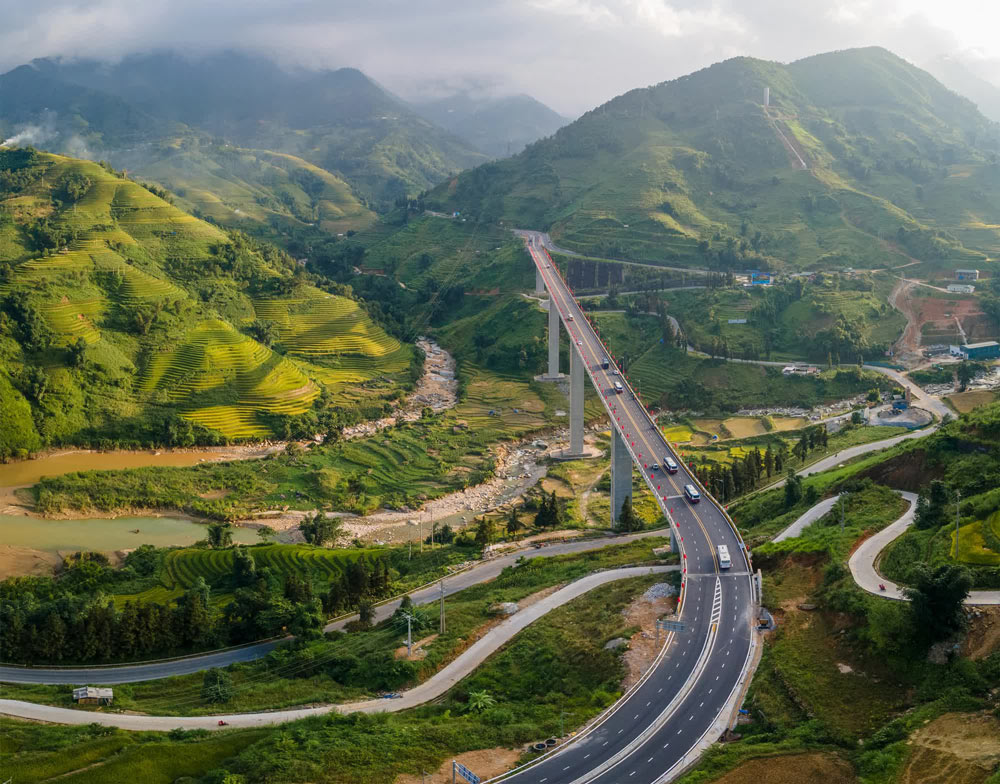
If you ask “How many days is enough for Hanoi and Sapa?”, six days is one of the strongest answers for first-time visitors. Why?
A balanced split usually looks like:
This avoids the biggest mistake in shorter routes: spending too much of the trip in transit and too little in meaningful experiences.
A two-day Sapa sprint is possible, but often rushed. A full six-day plan gives enough flexibility for weather changes and helps prevent “checklist fatigue.”
For most travelers, yes—Vietnam remains very cost-efficient compared with many nearby destinations. Even though this article covers 6 days, the wider budget signal helps you benchmark confidence.
On a 6-day trip, many travelers can manage comfortably with a mid-range budget if they plan transport and hotels in advance. Typical spend drivers include:
A practical mid-range range for 6 days is often around USD 500–600 per person excluding international flights, though this varies by season and room category.
For a Hanoi sapa itinerary 6 days from Singapore, your entry point is usually:
Then choose Hanoi to Sapa transfer:
VIP Limousine Van (usually 5.5–6 hours)
Sleeper Train to Lao Cai (~8 hours + transfer)
Important 2026 note: with peak-hour restrictions affecting larger coaches in some Hanoi windows, many travelers prefer 9-seater limousine vans for smoother city exits and fewer delays.
Useful internal transport-support pages:
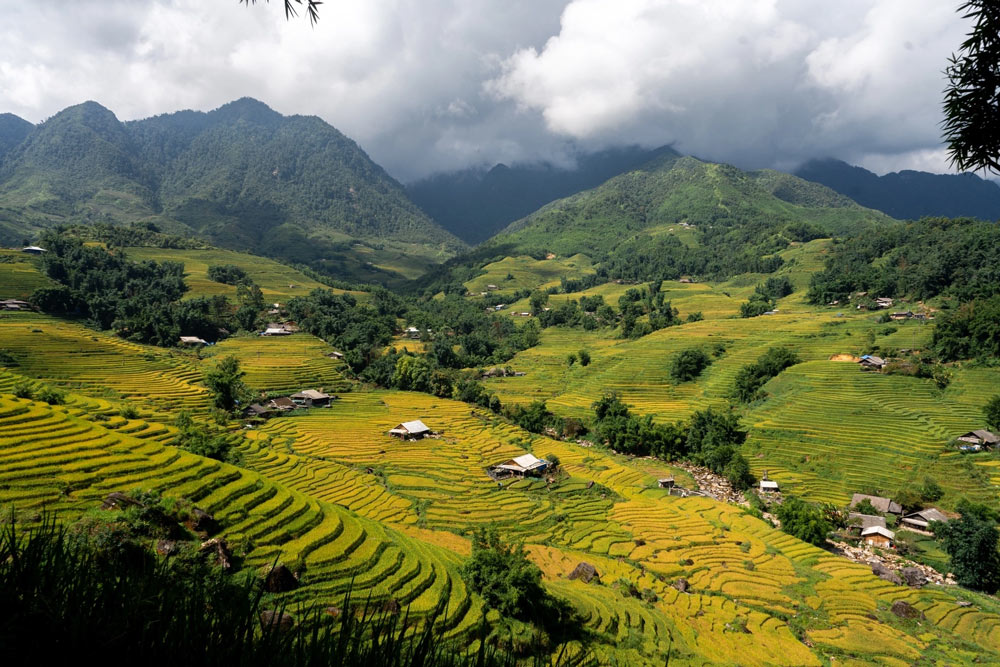
Below is a practical sequence that minimizes backtracking and protects high-value daylight blocks.
Arrive in Hanoi and check in near the Old Quarter for walkability.
Core experiences
This first day is less about heavy sightseeing and more about acclimatization, local rhythm, and food immersion.
Food anchors
A street-food walk is one of the best Day 1 upgrades. Prioritize:
Useful links:
North Vietnam itinerary 6 days starts strong when Day 1 is structured for orientation, not overloading.
Depart early from Hanoi—around 6:30 AM by VIP limousine van is a strong target.
Midday arrival strategy
Arrive around 12:30 PM, check in, have lunch, and keep afternoon light to preserve energy.
Low-friction Day 2 highlights
Sunset reset
A cliffside café stop (e.g., Viettrekking-style viewpoints) is one of the best first-day mountain experiences:
Internal links:
This is your major mountain-impact day.
Morning: Fansipan experience
Use the Sun World system:
Internal links:
Afternoon: hidden-gem strategy
Popular routes like Cat Cat are convenient but often crowded. For your searching “What are some hidden gems in Vietnam?”, Sapa’s deeper valley sections are stronger answers.
Recommended options:
This is where a 6-day plan beats shorter itineraries—you have time for depth, not just headline landmarks.
Supporting links:
Day 4 combines authentic Sapa immersion with strategic return timing.
Morning trek (Lao Chai → Ta Van style)
A guided valley walk gives:
Add a homestay-style lunch to enrich the experience and support local households.
Internal links:
Afternoon return
Target the 2:30 PM limousine van back to Hanoi. Typical evening arrival around 8:30 PM (traffic dependent). Overnight in Hanoi to reset for Halong.
Hanoi to Sapa planning is not just outbound—it is about clean return timing to keep Day 5 intact.
This day completes the classic three-part northern arc: city + mountains + bay.
Morning transfer
Take a cruise shuttle via expressway (~2.5 hours).
Cruise options
Typical activities:
Internal cruise links:
Evening return
If day trip format, return Hanoi for final-night food and packing.
Use final hours for low-risk, close-in activities:
Then transfer to Noi Bai Airport with sufficient buffer.
Final-day checklist
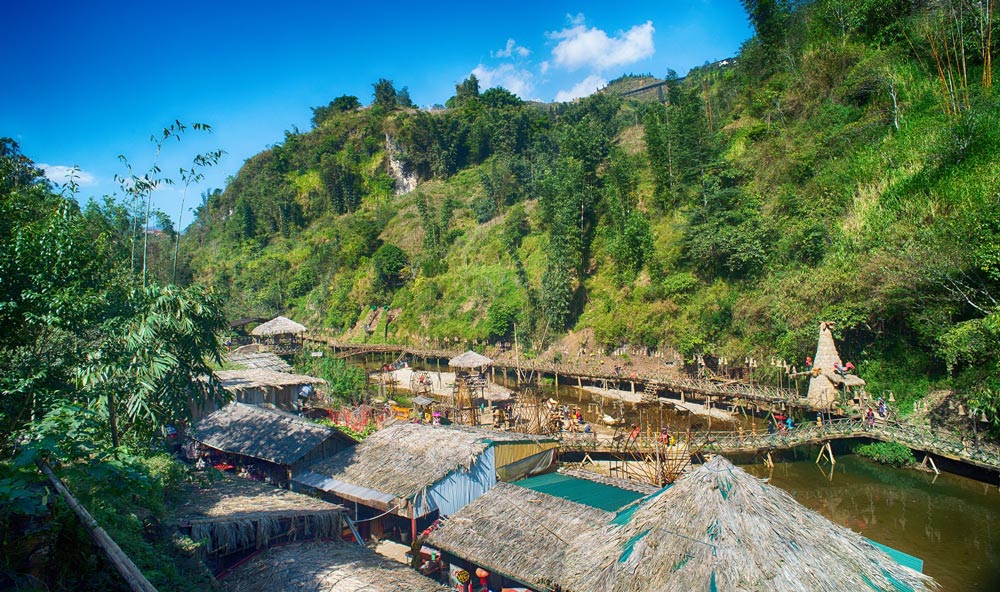
If you are short on time, remove Halong Bay and focus on:
This reduces transfer stress significantly and often improves trip satisfaction for slow-travel personalities.
With one extra day, best upgrades are:
This version is ideal for families and travelers who prefer depth over speed.
Internal support:
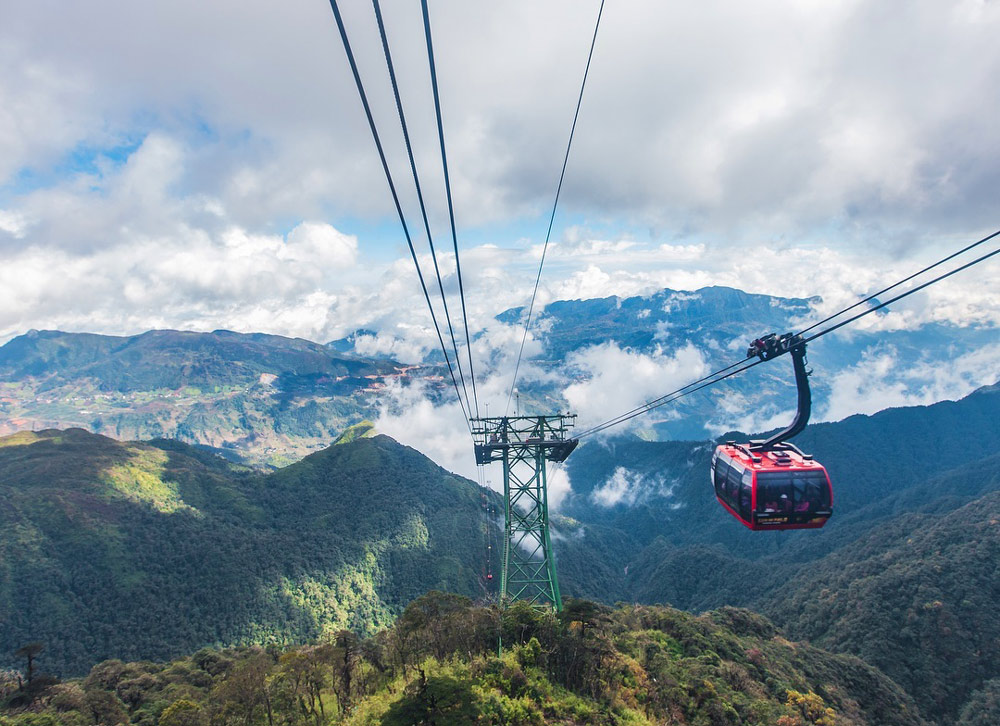
A 6-day multi-region route has moderate complexity. Both DIY and package models can work, but not for every traveler type.
Best for:
Risks:
For many travelers, especially first-timers or families, a guided package is more reliable.
Why Hanoi tour packages from Singapore and combined Sapa tour package options are attractive:
For tight 5–7 day routes, package reliability often outweighs minor cost differences.

For most travelers, 6 days is ideal if combining Hanoi and Sapa with one extra day for Halong Bay or travel buffer. It balances pace and depth.
Yes, in most cases. Vietnam remains affordable, and $1000 can support a comfortable 2-week trip with sensible planning.
In the Sapa region, less-crowded routes around Giang Ta Chai and Ban Ho are often considered hidden gems compared with busier central stops.
Absolutely. The contrast between Hanoi’s urban culture and Sapa’s mountain landscapes is one of Vietnam’s most rewarding travel experiences.
Fly to Hanoi, transfer to Sapa for around 3 days, return to Hanoi, take a Halong Bay excursion, and depart on Day 6.
In 2026, VIP limousine vans usually take about 5.5–6 hours. Sleeper train routes take around 8 hours to Lao Cai plus transfer.
For short, multi-stop trips (5–7 days), yes. A package can reduce risk and keep transfers seamless.
A strong 6-day route usually combines 2 days Hanoi, 3 days Sapa, and 1 day Halong Bay, with optimized transfer timing.

A Hanoi Sapa itinerary 6 days is one of the strongest ways to experience northern Vietnam in a single trip. You get city heritage, mountain depth, and bay scenery in one coherent route. It is efficient, high-impact, and genuinely memorable when sequenced correctly.
The trip works best when travelers:
In short: six days gives enough time to feel the contrast—not just pass through it.
If you want to save time and avoid the complexity of syncing mountain vans, Hanoi hotels, and Halong cruises, they can contact Asia Mystika, a trusted tour agent in Vietnam.
Asia Mystika can help with:
Useful planning links:
Ready to go? Start planning your custom Sapa itinerary with us
Who we are: Learn more about the local experts at Asia Mystika
WhatsApp: (+84) 866.22.7878
Email: sales@asiamystika.com
Website: www.asiamystika.com
