 Hotline: +84 866 227 878
- SG$ Singapore Dollar
- A$ Australian Dollar
- £ British Pound Sterling
- C$ Canadian Dollar
- € Euro
- MYR Ringgit Malaysia
- US$ United States Dollar
- đ Vietnamese Dong


 Hotline/Whatsapp: +84 86 622 7878
 Email: sales@asiamystika.com
 About Us
 Destinations
 Travel Styles
 Travel Guide
 Blogs
Blogs
 News
News

Plan the perfect Sapa itinerary 3 days. Our 2026 guide covers the Fansipan cable car, Muong Hoa valley trekking, and travel logistics from Hanoi.
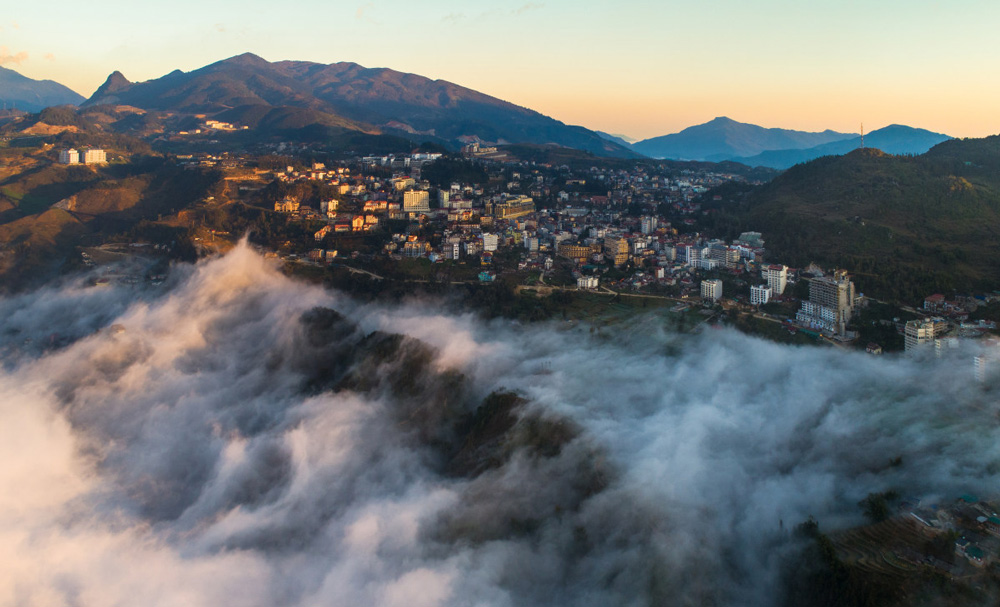
If you ask travelers to name one mountain destination in Vietnam that delivers both scale and soul, the answer is usually Sapa. It is famous for dramatic terraces, layered mist, and ethnic village culture—but it is also a place where first-time visitors often overplan and under-enjoy. The pressure is real: should you prioritize the summit, the villages, the market, the cable car, or the cafés with valley views?
The key is choosing the right duration.
A Sapa 3 days 2 nights itinerary is widely considered the most effective format because it balances transit time, activity depth, and recovery. A 2-day trip can work, but many travelers spend too much of it on the road. On the other hand, if you remain in central town too long without structured day plans, the experience can become repetitive quickly. Three days is the practical middle path: enough time for one major mountain highlight, one meaningful valley trek, and one low-stress cultural morning before returning to Hanoi.
This guide is designed for travelers who want a practical, field-tested plan in 2026. Whether you are researching a Sapa itinerary 3 days from Singapore, building a route from the Philippines, or checking community opinions on forums, you will find a clear, hour-by-hour structure below.
Before diving into details, travelers can anchor broader planning with:
Why this guide emphasizes your-value keywords”
To make planning easier, this article highlights high-intent terms you actually search when making booking decisions, such as:
These keywords maps directly to real planning actions.

The first planning truth remains unchanged in 2026: there are no direct commercial flights to Sapa.
For travelers coming from abroad, your entry point is Noi Bai International Airport (Hanoi).
This applies whether you are searching for a Sapa itinerary 3 days from Singapore or from the Philippines.
From Singapore / Philippines to Hanoi
For pre-Sapa Hanoi planning:
Option A: 6:00 AM VIP Limousine Van (recommended for efficiency)
This is usually the best match for a 3 day Sapa tour from Hanoi.
Option B: Sleeper Train (romantic slow-travel style)
Helpful train-route internal links:
To protect your Sapa itinerary 3 days quality:

Day 1 should deliver emotional impact without exhausting you. The winning structure is altitude first, town rhythm later.
Arrive in Sapa, drop bags, and keep lunch practical. Many travelers choose a warm bowl of phở or local sticky rice before heading to the afternoon highlight.
For accommodation-area context:
This is the most powerful Day 1 anchor for a Sapa 3 days 2 nights trip.
Typical flow:
Why it works:
Relevant internal links:
After descending, avoid rushing into another heavy activity. A cliffside café with Muong Hoa views is one of the best ways to reset and absorb the landscape.
Recommended context links:
This pause improves stamina for Day 2 trekking.
3.3. 7:00 PM – Night market and dinner loop
Keep the evening walkable and compact:
Useful links:
Day 1 keyword value recap
These are high-value because they map directly to first-day booking and movement decisions.
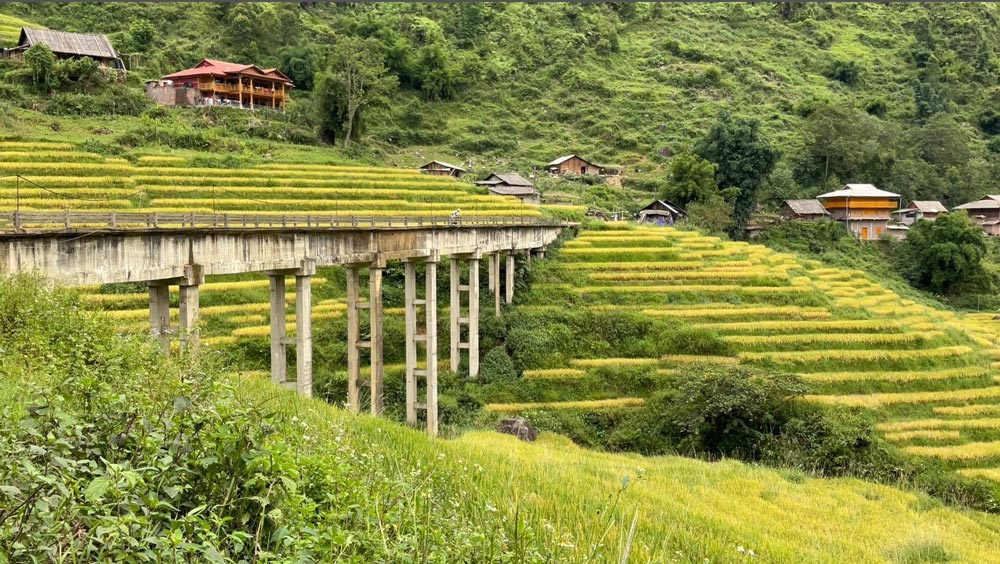
If Day 1 is the panoramic highlight, Day 2 is the soul of Sapa. This is where you leave the commercial center and understand why the destination matters.
“Reddit consensus” and real traveler wisdom
Across communities and travel forums, one pattern repeats: if you only stay in town and skip the valley, you miss the core Sapa experience. A full-day guided valley route is what turns a scenic trip into a memorable one.
Hire a local H’Mong or Red Dao guide (private or small-group format). The Lao Chai to Ta Van route is popular because it combines:
Related internal links:
A local lunch stop adds cultural depth and energy recovery. Depending on route and operator, this may be farm-to-table style with regional dishes and simple village hospitality.
Why this matters for you:
Continue through bamboo areas, smaller water features, and mixed terrain sections. This segment is often the most photogenic in soft afternoon light.
Tips:
Pre-book return transport back to town (taxi or arranged ride).
After a full valley day, a Red Dao herbal bath is one of the best cultural recovery experiences in Sapa.
This is not just wellness marketing—many trekkers find it genuinely restorative for legs and lower back after long descents.
Complementary links:
Day 2 keyword value recap
These terms bring high your value because they answer the “real Sapa vs tourist-only Sapa” decision.
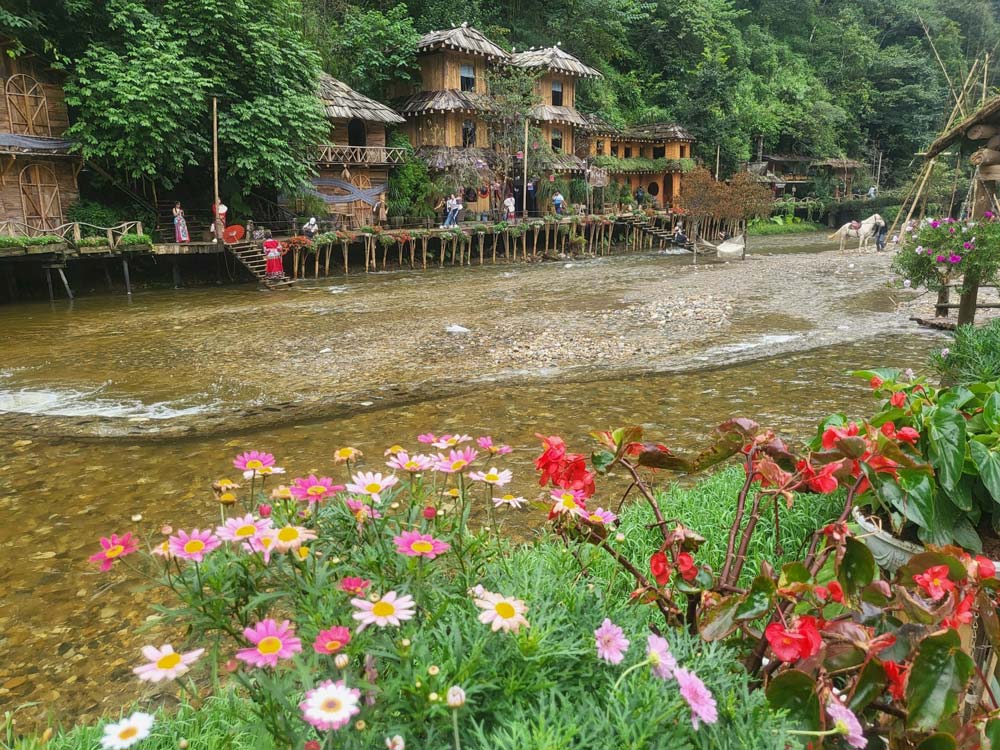
Day 3 should be light, strategic, and timed around return transit.
Option A: Cat Cat Village (easy-access culture + photos)
Cat Cat is more commercialized than remote valleys, but it is efficient for short final-day windows.
What it offers:
Internal link:
Option B: Silver Waterfall + O Quy Ho Pass (less walking, dramatic views)
If you prefer minimal trekking on departure day, this is a strong option.
Internal links:
Use Cau May area for last purchases:
Keep this block time-controlled. Over-shopping can create return stress.
Helpful references:
Board your pre-booked limousine van and expect evening arrival in Hanoi (traffic-dependent). For many travelers, this timing still allows dinner in Old Quarter before next-day flights.
For connection planning:
Day 3 keyword value recap
These are high-value because they reduce common last-day errors.
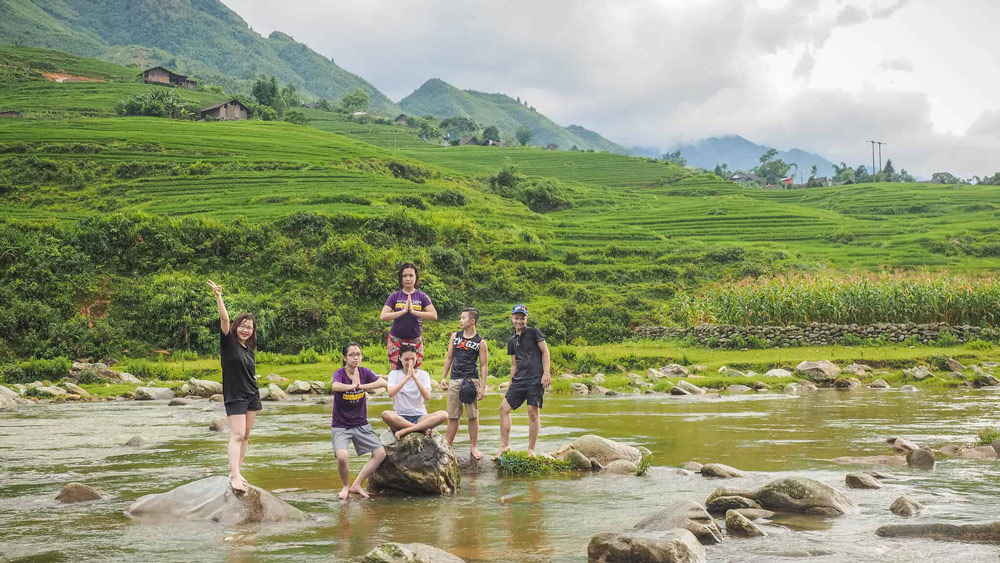
Once travelers complete a successful 3-day plan, the most common next question is how to expand intelligently.
Option 1: Sapa itinerary 4 days
If you add one day, avoid simply repeating town-center activities.
Use the extra day for deeper village immersion.
Suggested upgrade:
This creates a stronger “mountain life” experience, not just extra sightseeing.
Related links:
Option 2: Hanoi Sapa itinerary 5 days (best northern mini-loop)
A high-performing format:
This structure is popular because it balances city and mountain without overloading logistics.
Useful internal routes:
Should travelers combine Halong in 5 days?
Possible, but aggressive. If adding Halong, reduce Sapa pressure and prioritize one core valley day only. Otherwise quality drops from “immersive” to “checklist travel.”
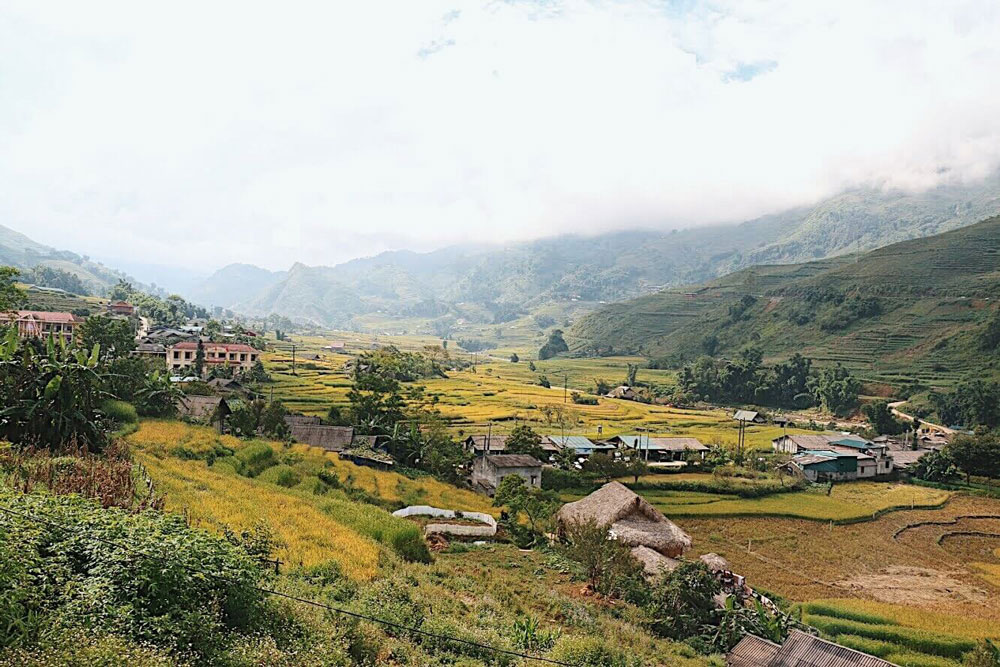
A 2-day trip is possible, but often rushed due to long Hanoi–Sapa transit. A 3-day trip is strongly recommended for better pacing and real valley trekking.
Fly into Hanoi first (Noi Bai Airport), then continue by VIP van, sleeper bus, or train transfer to Sapa.
Most forum consensus recommends at least 3 days and prioritizing one full guided Muong Hoa valley trek instead of staying only in central town.
Spend 2 days in Hanoi, then move to Sapa for 3 days/2 nights. Return to Hanoi on Day 5 evening for flight convenience.
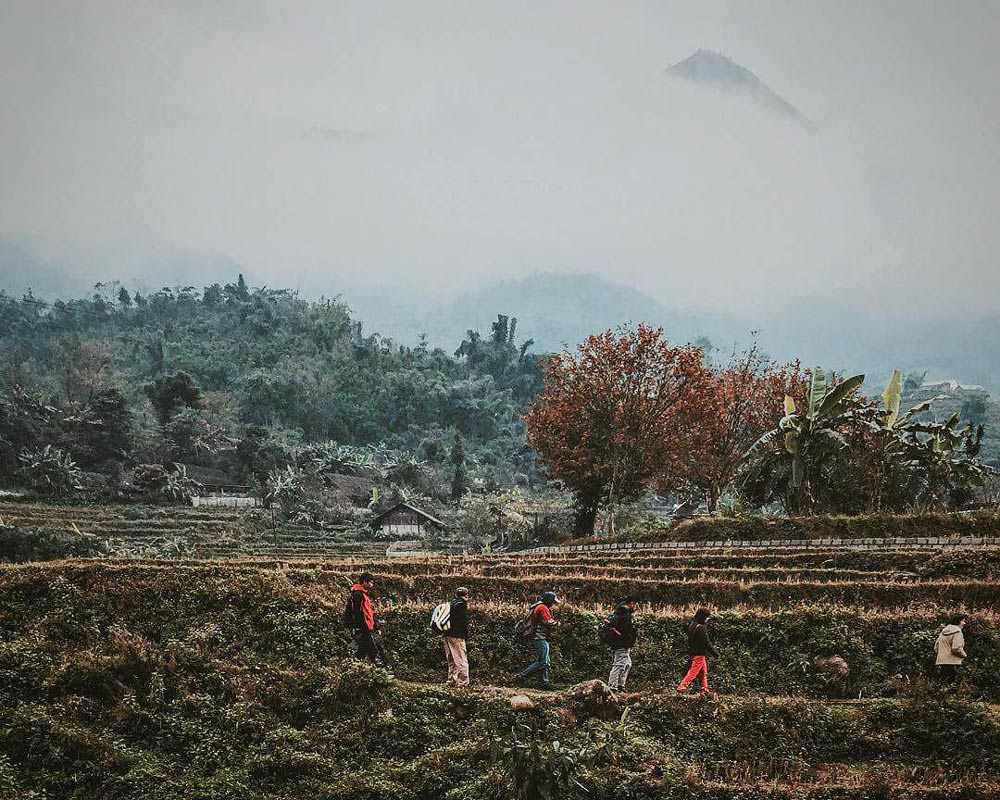
A Sapa itinerary 3 days remains the strongest format for travelers who want both iconic highlights and real cultural depth. It gives you enough time to stand at 3,143 meters one day and walk valley paths with local communities the next—without collapsing the experience into pure transit.
In practical terms, this 3-day structure works because it balances:
It is the right collision of adventure and comfort.
Final tip: mountain weather can change rapidly, even in good seasons. Always pack a reliable raincoat and grip-friendly shoes, and keep one backup plan for low-visibility periods.
If you want to save planning time and avoid logistics stress, they can contact Asia Mystika, a trusted tour agent in Vietnam, to build a personalized Sapa and North Vietnam route.
Asia Mystika can support with:
Useful contact pages:
Ready to go? Start planning your custom Sapa itinerary with us
Who we are: Learn more about the local experts at Asia Mystika
WhatsApp: (+84) 866.22.7878
Email: sales@asiamystika.com
Website: www.asiamystika.com
