Hotline: +84 866 227 878
- SG$ Singapore Dollar
- A$ Australian Dollar
- £ British Pound Sterling
- C$ Canadian Dollar
- € Euro
- MYR Ringgit Malaysia
- US$ United States Dollar
- đ Vietnamese Dong


 Hotline/Whatsapp: +84 86 622 7878
 Email: sales@asiamystika.com
 About Us
 Destinations
 Travel Styles
 Travel Guide
 Blogs
Blogs
 News
News

Planning a Sapa trip in 2026? Discover the ultimate 3-day itineraries, how to travel from Hanoi or Singapore, and the best things to do without trekking.

A Sapa trip is still one of the most rewarding ways to experience northern Vietnam. The shift is dramatic: one day you are navigating the noise and heat of Hanoi, and the next you are watching cloud layers move across mountain ridges, terraced rice fields, and valley villages. That contrast is exactly why Sapa remains a flagship destination in 2026.
At the same time, travelers often arrive with old assumptions. Some still think Sapa is only for hard trekkers, or that transport remains difficult and unpredictable. In reality, Vietnam Sapa travel in 2026 is much more flexible than outdated guides suggest. Yes, you can do authentic village trekking and muddy mountain routes if you want that adventure. But you can also enjoy Sapa through modern infrastructure: comfortable transfers, cable car systems, and easy-access viewpoints that make the destination possible for non-hikers and mixed-age groups.
This guide is built to answer practical trip planning questions, not just inspire. Whether you are preparing a full 7-day Vietnam Sapa trip or planning a short mountain escape, you will find clear recommendations on:
If this is part of a broader Vietnam route, begin with your destination planning here: Vietnam destination overview
For travelers building a northern route around Hanoi + Sapa + Halong, these pages are also relevant:

Let’s clear up the most common confusion first: there is no commercial airport in Sapa in 2026 for standard passenger travel.
If you are searching “Sapa airport,” what you actually need is this route logic:
For travelers asking “How do I get from Singapore to Sapa?”, the route is straightforward:
Step 1: Fly from Singapore (SIN) to Hanoi (HAN)
Step 2: Transfer from Hanoi to Sapa
If convenience matters most, book airport arrival and Hanoi-Sapa transfer as one connected service.
Option 1: Limousine Van (5.5–6 hours)
This is the most popular Sapa trip from Hanoi option in 2026.
Pros
Cons
This route is commonly preferred for Vietnam Sapa Hanoi transit when travelers want to maximize time in Sapa.
Option 2: Sleeper Train (8 hours + ~1 hour transfer from Lao Cai)
A classic choice for travelers who enjoy atmosphere over speed.
Pros
Cons
For route planning with train components:
Practical Logistics Tips (2026)

Choosing when to visit has a bigger impact in Sapa than in many other Vietnam destinations. Visibility, trail condition, and overall experience can change significantly by season.
For many travelers, this is the most visually impressive period. Terraced fields turn golden before harvest, temperatures are more comfortable than peak summer, and mountain conditions are often favorable for photography.
Why this season is highly rated:
Trade-off: high demand and higher prices in premium accommodations.
Spring is excellent for travelers who want cool-to-mild weather and fresh landscape tones. Depending on exact timing, you may catch blossom moments and water-filled terraces that reflect sky tones beautifully.
Why spring works:
This period can bring heavier rain and reduced visibility. Trekking paths may become muddy and slippery, and cloud cover can block major mountain views.
Does this mean “never go”? Not necessarily.
It means this season requires more flexibility and realistic expectations:
Your outline emphasizes Sep–Nov and Mar–May as best windows, which is correct for most travelers. But winter remains important to mention: it can be cold, moody, and mist-heavy, with a cinematic atmosphere some travelers specifically seek.
For planning with weather-linked alternatives:
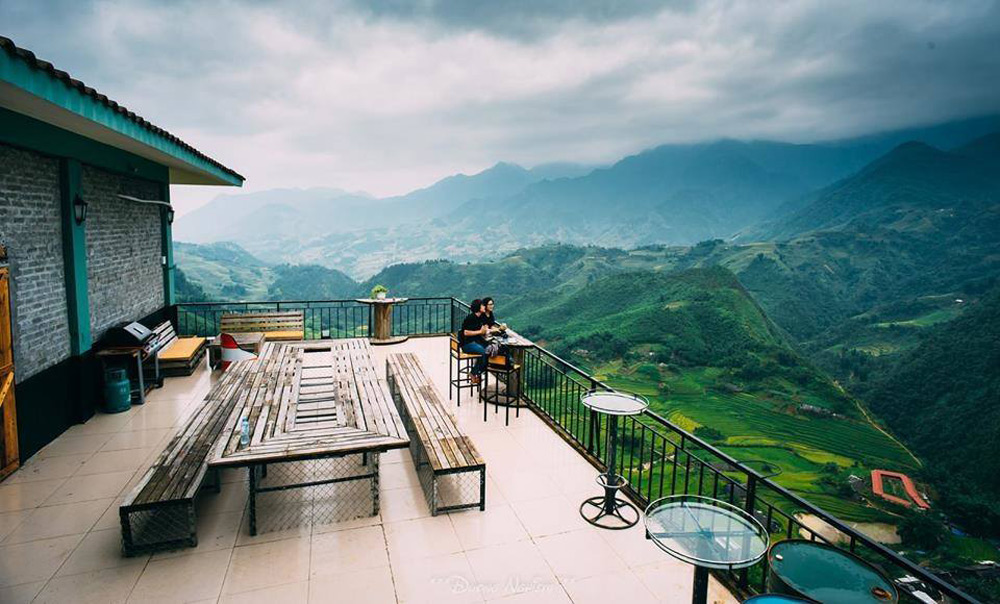
One of the most common planning errors is overestimating how much can be done comfortably in Sapa after long transit. Time allocation matters.
Best for:
Suggested structure:
This works, but it is tight. Transit time consumes a large share of total trip energy.
Useful linked content:
For most travelers, 3 days / 2 nights is the practical balance between travel effort and destination value.
Day 1: Arrival + Mountains Intro
Day 2: Valley Culture Day
Day 3: Cat Cat + Return
Internal links for this flow:
Your outline is right: spending all 7 days only in Sapa is rarely necessary for most travelers. The stronger strategy is a northern combination.
A practical 7-day structure:
This gives a complete north-Vietnam contrast:
city culture + mountain landscapes + bay scenery.
Internal route references:
.jpg)
There is no single “best” booking model. The right choice depends on time, risk tolerance, and how much planning effort you want to handle yourself.
For travelers searching “Sapa tour from Singapore”, large-agency packages typically include:
Advantages:
Trade-off:
Booking a Hanoi Sapa tour package after arrival (especially around Old Quarter travel networks) is often:
Advantages:
Trade-off:
DIY works well for experienced travelers comfortable with:
Advantages:
Trade-off:
Which Model Fits Which Traveler?
If travelers want to compare Sapa with broader package options:
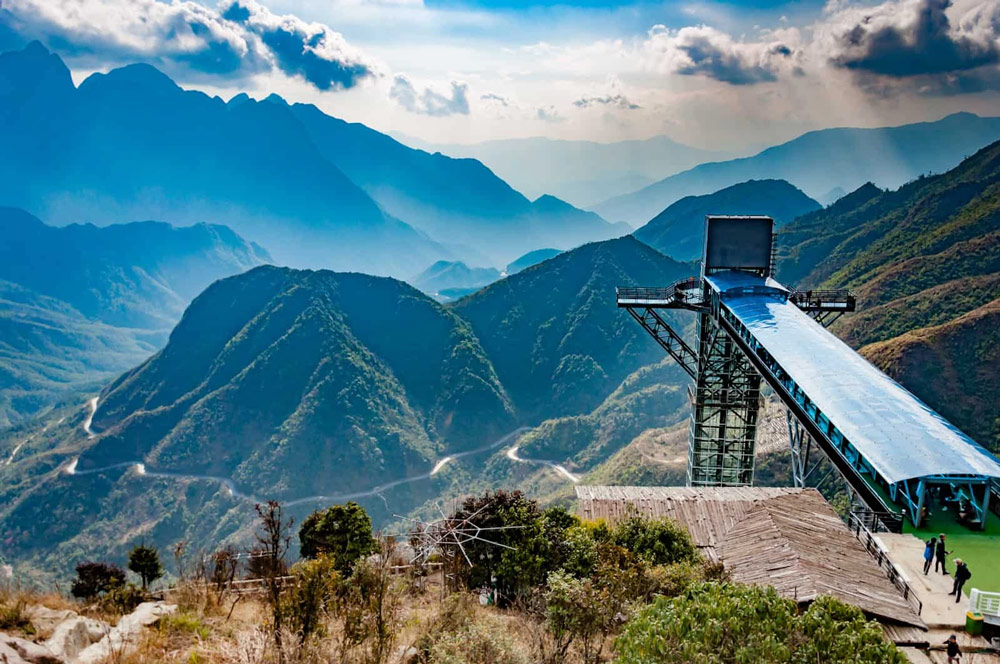
A major 2026 reality: you can enjoy Sapa deeply without committing to demanding hikes.
This is the flagship non-hiking experience. You can access high-altitude landscapes and major viewpoints via transport systems rather than full climbs.
Why it works:
Located toward O Quy Ho Pass direction, this attraction delivers an adrenaline-style viewpoint experience without long trekking routes. Access is generally by road/taxi plus on-site systems.
Best for:
Internal link:
For many travelers, this becomes one of the most memorable parts of Sapa:
Popular references in local travel content include Viettrekking-style view cafes and Cong Caphe aesthetic stops.
Internal links:
Moana Sapa is a photo-focused stop that many non-hikers include, especially in short itineraries. Pair it with market/town exploration for a complete low-effort day.
Internal links:
Even if you skip trekking, evening market zones still provide destination character:
Internal link:
Yes. Even with growing commercialization in central zones, Sapa’s mountain scale, valley scenery, and cultural depth remain among the strongest travel experiences in Southeast Asia.
For most travelers, 3 days and 2 nights is ideal. It gives enough time to recover from transit, do one major mountain day, and still explore culture/town highlights.
September to November is widely considered the best period for cool weather and golden rice terraces. March to May is also excellent for balanced weather and green seasonal scenery.
Fly from Singapore to Hanoi first. Then continue to Sapa by limousine van (about 5.5–6 hours) or overnight train to Lao Cai plus onward transfer.
Ride the Fansipan cable car, visit Moana Sapa, explore Sapa market/town areas, enjoy valley-view cafes, and consider Rong May Glass Bridge for dramatic viewpoints.

A Sapa trip from Hanoi is one of Vietnam’s most powerful travel contrasts: dense urban momentum on one side, cloud-heavy mountain calm on the other. That contrast is exactly what makes Sapa memorable — and why it continues to rank high on northern Vietnam itineraries in 2026.
If you want the highest chance of a smooth, satisfying trip, the practical formula is simple:
For travelers with only 2 days, focus on essential highlights and avoid overloading your schedule. For travelers with 7 days, integrate Sapa into a wider northern loop instead of forcing an overlong mountain-only stay.
If you want to save time and avoid trip-planning stress, they can contact Asia Mystika, a trusted tour agent in Vietnam, for support with:
Useful contact/planning pages:
Ready to go? Start planning your custom Sapa itinerary with us
Who we are: Learn more about the local experts at Asia Mystika
WhatsApp: (+84) 866.22.7878
Email: sales@asiamystika.com
Website: www.asiamystika.com