 Hotline: +84 866 227 878
- SG$ Singapore Dollar
- A$ Australian Dollar
- £ British Pound Sterling
- C$ Canadian Dollar
- € Euro
- MYR Ringgit Malaysia
- US$ United States Dollar
- đ Vietnamese Dong


 Hotline/Whatsapp: +84 86 622 7878
 Email: sales@asiamystika.com
 About Us
 Destinations
 Travel Styles
 Travel Guide
 Blogs
Blogs

Looking for an Indian restaurant in Da Nang, or wondering whether you can eat vegetarian in Vietnam? The answer is better than you expect — and the key word is chay.
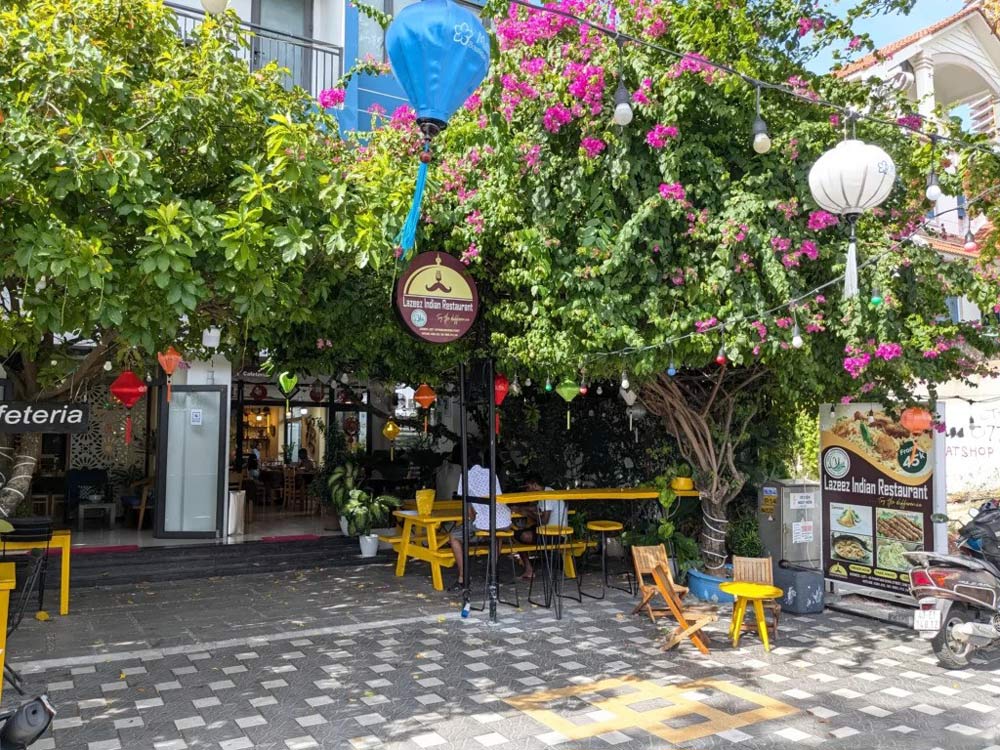
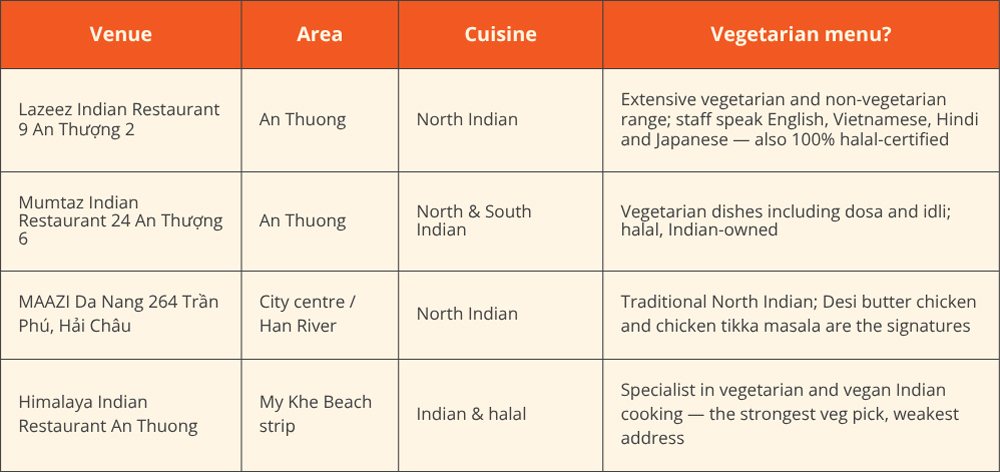
Da Nang has a small but genuine Indian dining scene, and it has grown as Indian visitor numbers to Vietnam have risen. Reports put the city at roughly 40 halal and Indian restaurants combined.
The venues cluster in two areas: An Thuong — the grid of streets behind My Khe Beach where most foreign visitors and long-stay residents base themselves — and the city centre near the Han River.
North Indian menus dominate, though some kitchens employ chefs from different regions and offer South Indian dishes alongside. Expect curries, tandoor and biryani as the core, with dosa and idli less consistently available.
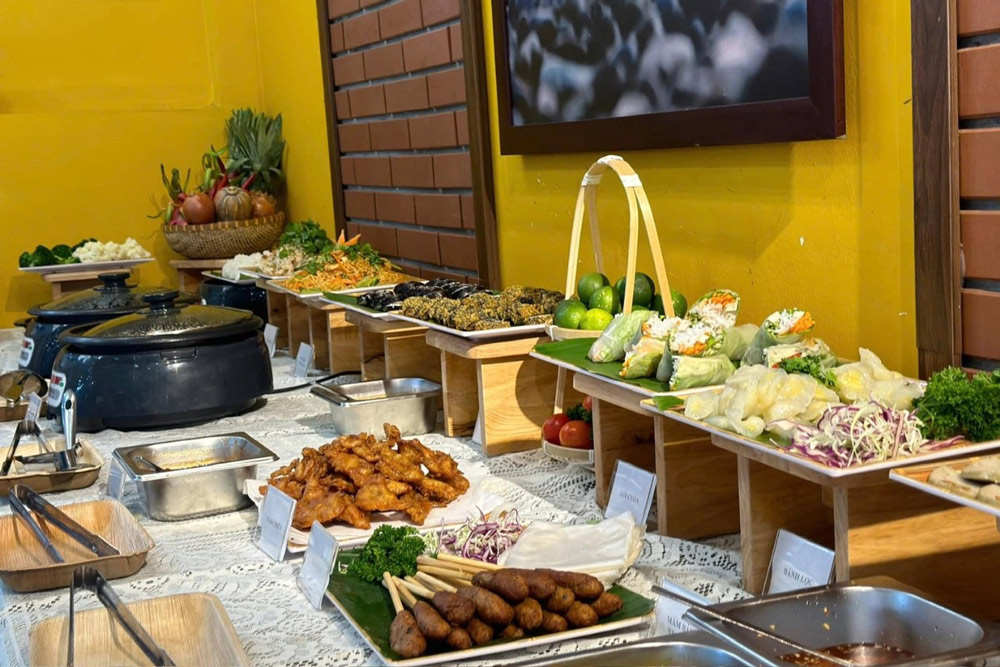
This is the section that changes most travelers' trips, and almost no guidebook explains it properly.
Vietnam has been cooking vegetarian food for Buddhist temples for centuries. Chay means vegetarian, and a restaurant signed cơm chay, quán chay or simply chay serves entirely plant-based food. Da Nang reportedly has more than 100 such venues.
These are not tourist restaurants. They are ordinary neighbourhood eateries serving Vietnamese office workers and temple-goers, and they are dramatically cheaper than the Indian restaurants — often a fraction of the price for a full meal.
The food is Vietnamese, not a compromise version of it: mock-meat dishes made from tofu, seitan and mushroom, vegetable claypots, noodle soups, fresh rolls and rice plates. If you want to actually taste Central Vietnam rather than eat Indian food for a week, this is how.
Search quán chay Đà Nẵng on Google Maps rather than 'vegetarian restaurant Da Nang' — you will get far more results, because that is what locals call them.
Many Vietnamese Buddhists eat vegetarian on the 1st and 15th days of the lunar month, and on those days chay options multiply across the city — ordinary restaurants add vegetarian dishes, and markets fill with chay stalls.
If your trip includes one of those dates, it is a good day to explore.
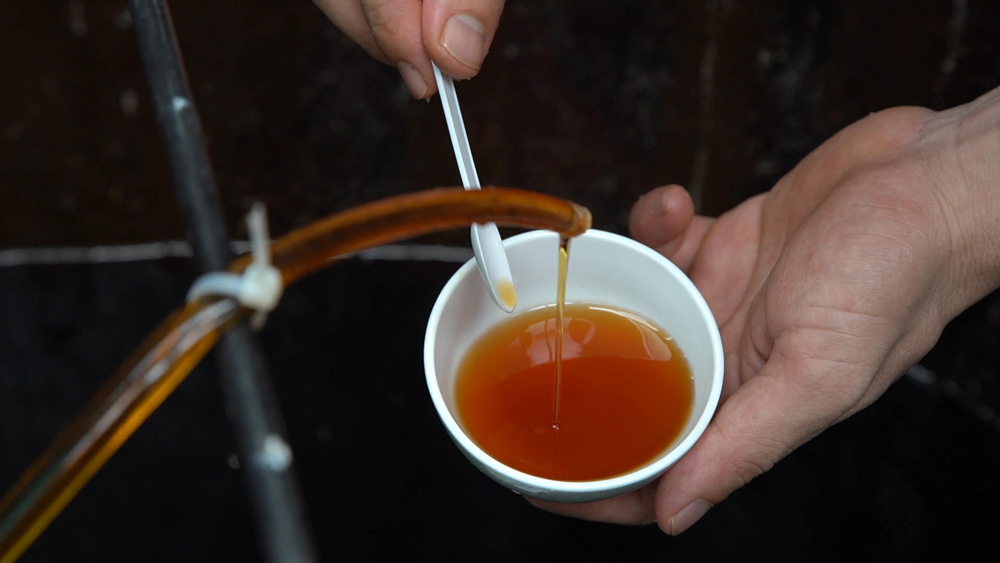
Nước mắm is a fermented anchovy sauce and the base seasoning of Vietnamese cooking. This is the single biggest issue for vegetarian travelers in Vietnam, and it catches nearly everyone at least once.
It appears in marinades, dressings, dipping sauces and broths — including dishes that contain no visible fish or meat. A plate of stir-fried morning glory looks entirely vegetarian and frequently is not. Mắm tôm, fermented shrimp paste, is a second hidden ingredient.
Dedicated chay restaurants avoid this entirely, which is the strongest argument for seeking them out. At ordinary restaurants, you must ask specifically — and asking for 'vegetarian' is not enough, because fish sauce is not considered a meat.
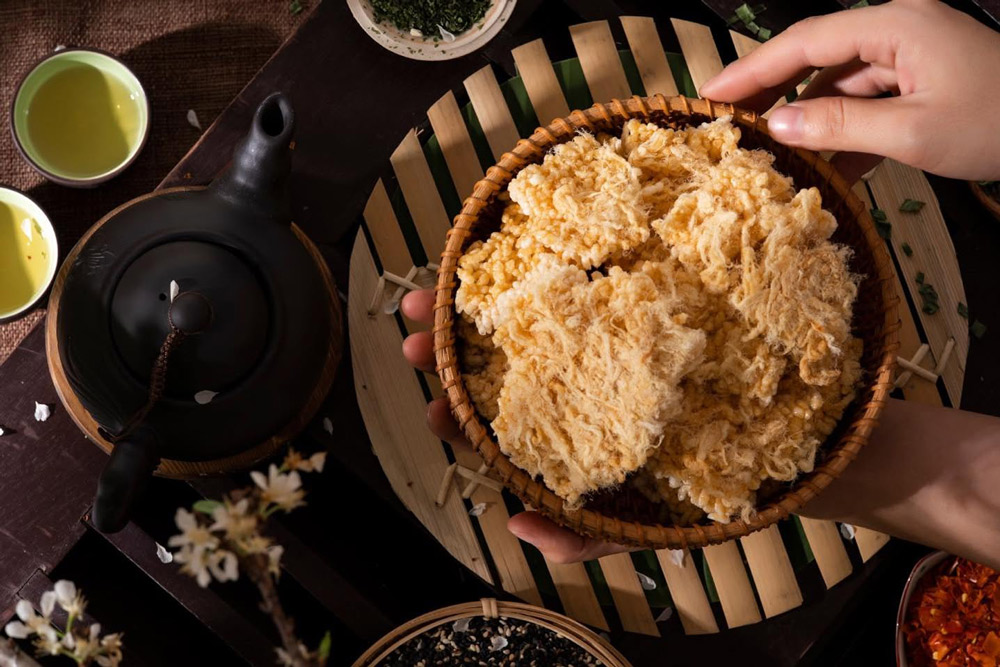
Once you know what to ask for, Central Vietnam has plenty to offer.
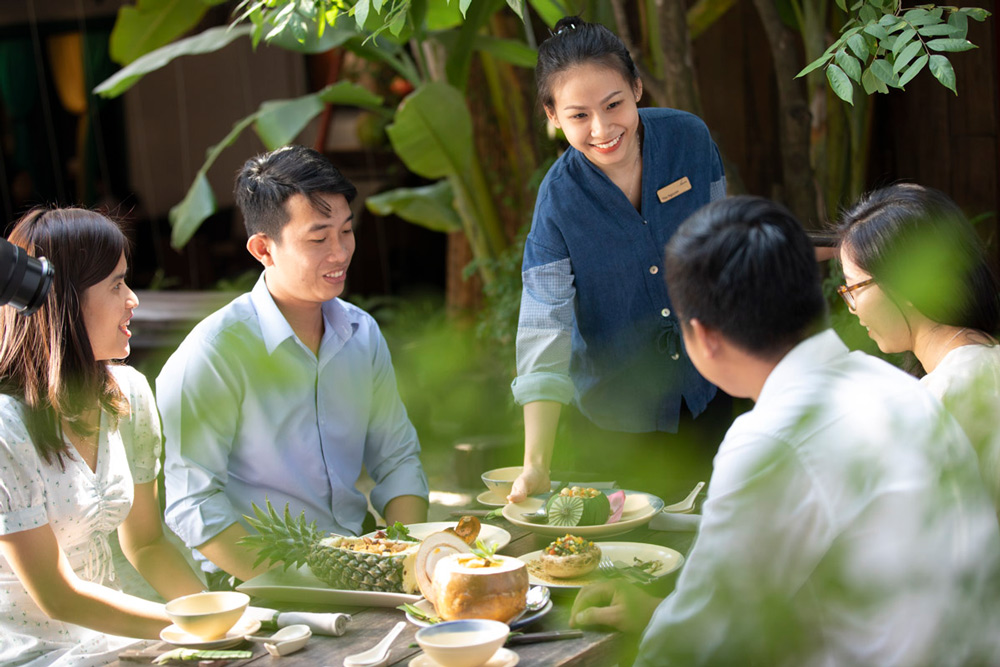
This surprises people: Vietnamese Buddhist vegetarian cooking is usually already vegan. The tradition excludes dairy and egg by default, not just meat.
That means a chay restaurant is, in most cases, a vegan restaurant without calling itself one. Confirm on individual dishes — some modern chay venues have added egg or dairy for broader appeal — but the default assumption works.
The main things to watch outside chay restaurants are condensed milk in coffee and drinks, egg in some noodle types, and honey.
We will be direct about this. Onion and garlic are near-universal in Vietnamese cooking, including in chay dishes. Root vegetables are common. Vietnamese kitchens have no cultural reference point for Jain requirements the way Indian kitchens do.
Practical approaches, in order of reliability:
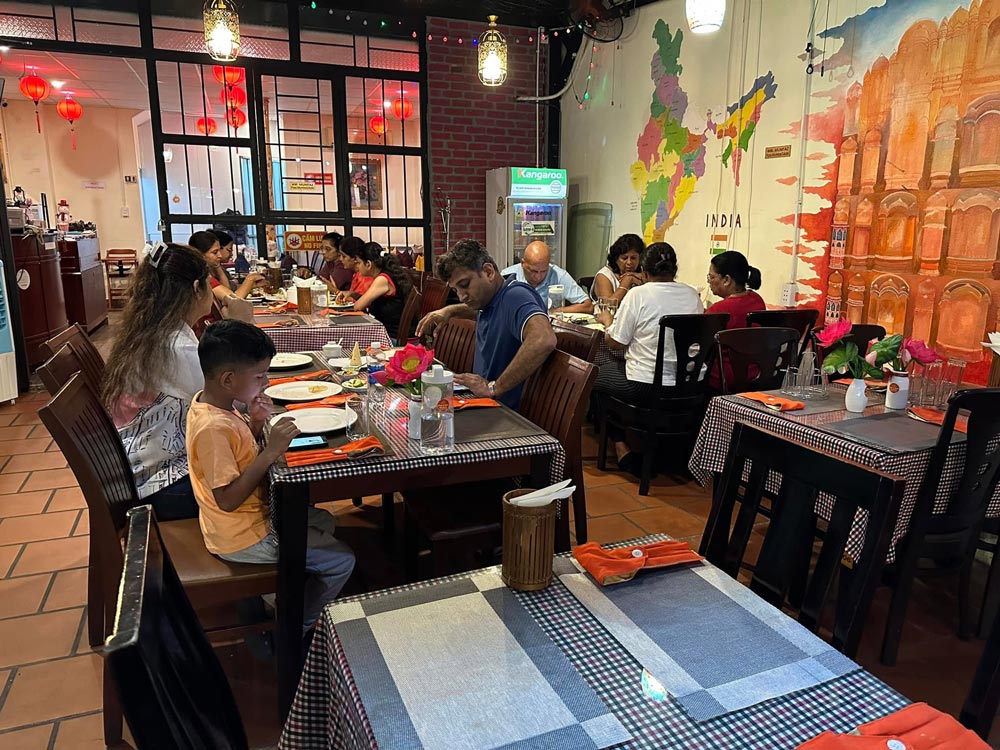
City dining is easy. Day trips are where planning matters.
Ba Na Hills is a full-day trip with resort catering at the summit. Vegetarian options exist but are limited, and the reported halal venue there also serves Indian and Vietnamese vegetarian dishes.
Hoi An, 45 minutes away, is the opposite — it has notably good vegetarian food, several dedicated chay restaurants and a strong cooking-class scene that caters for vegetarians. If you have one day out and dietary requirements, make it Hoi An.
My Son Sanctuary and long transfer days have minimal options. Carry snacks.
Seafood restaurants, which is where many Da Nang evenings end up, are the hardest for vegetarians. Look for a chay restaurant nearby, or eat separately from the group and rejoin for the walk.
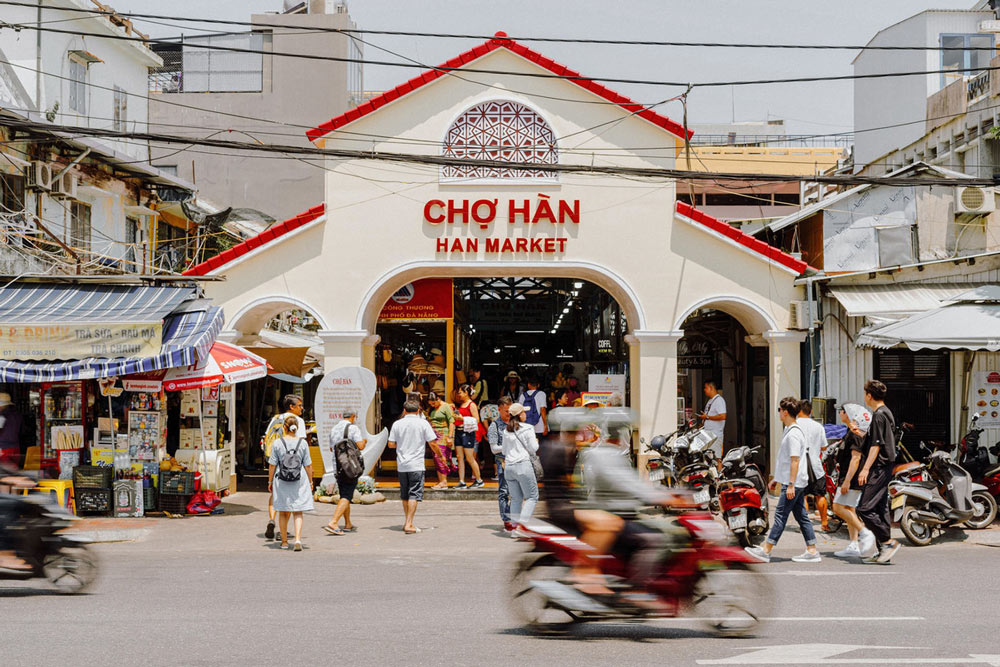
For longer stays, or for Jain and strict-requirement travelers, self-catering is worth considering.
Da Nang's larger supermarkets stock a reasonable range of Indian ingredients — lentils, spices, rice, some branded imports. Specialist stores exist near An Thuong.
Local markets are excellent for produce, tofu, herbs and mushrooms, and cheap. Vietnamese delivery apps cover most of the city and list both Indian restaurants and chay venues.
Aparthotels and serviced apartments along the beach strip usually include a kitchenette, which makes a week-long stay considerably easier to manage.
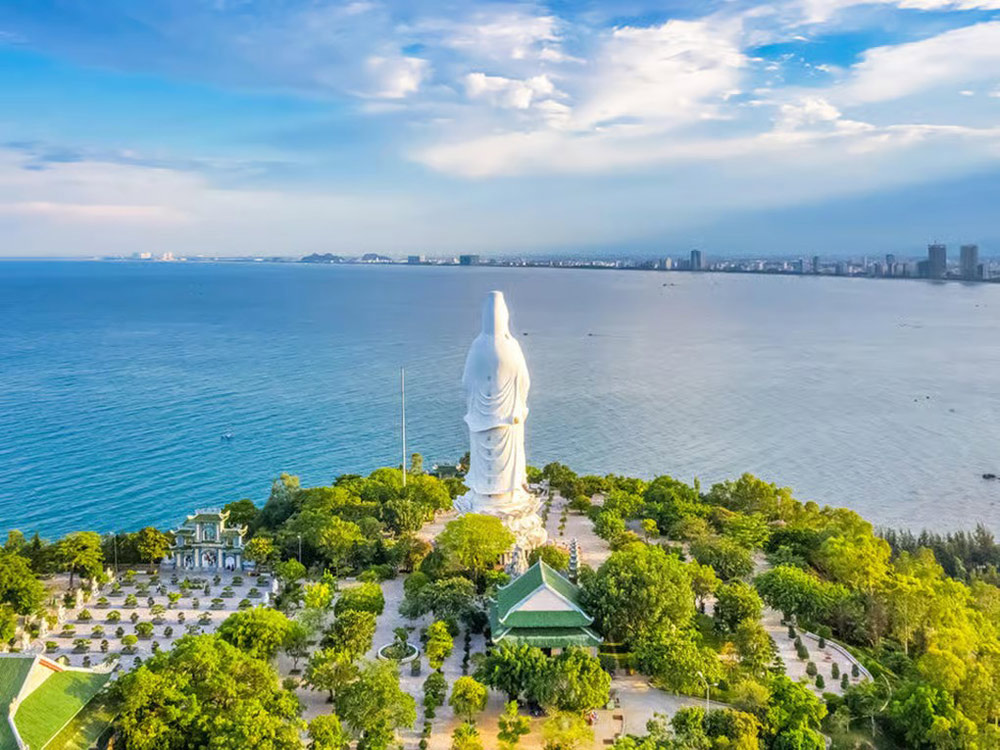
An Asia Mystika guide explains:
“Guests assume vegetarian will be hard here and it is the opposite — Vietnam has been cooking vegetarian for Buddhist temples for centuries. The word to learn is 'chay'. Once you can spot that sign, half the city opens up, and it costs a fraction of the Indian restaurants.” — Rosa — Asia Mystika guide, Da Nang.
This is genuinely the most useful thing on this page. Travelers arrive braced for a difficult week and end up eating better and cheaper than the meat-eaters in their group.
The mental shift is simply this: stop looking for restaurants that will adapt for you, and start looking for restaurants that were already vegetarian before you arrived. Vietnam has a great many of the second kind.
We say this gently, because it is a common pattern. Vegetarian and Indian travelers often find one reliable Indian restaurant on the first night and return to it for the rest of the trip.
That is understandable, and it means leaving Vietnam without having eaten Vietnamese food. Mì Quảng chay, a bowl of phở chay on a plastic stool at six in the morning, or a bánh mì chay from a street cart are all part of what you came for.
Use the Indian restaurants when you want them. But find one chay place near your hotel in the first two days, and use that as your default.
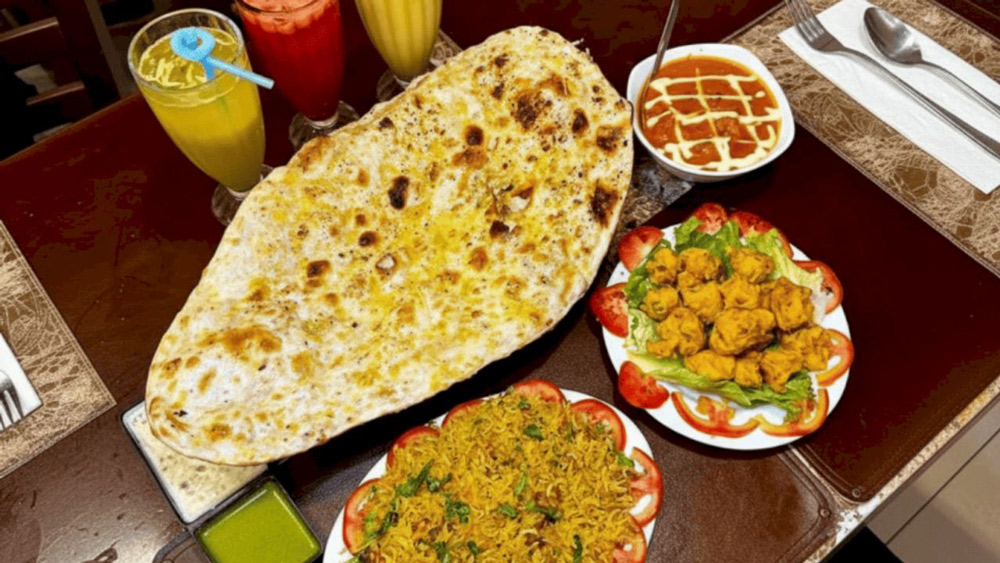
Yes. Da Nang has a cluster of Indian restaurants, mainly in An Thuong behind My Khe Beach and in the city centre, with North Indian menus dominating.
Yes, better than most travelers expect. Vietnam's Buddhist vegetarian tradition means chay restaurants serve fully plant-based food widely and cheaply — Da Nang reportedly has over 100.
Chay means vegetarian. A restaurant signed cơm chay or quán chay serves entirely plant-based food. Searching quán chay Đà Nẵng on Google Maps finds far more results than searching in English.
Most of it does. Nước mắm is the base seasoning and appears even in dishes with no visible fish, so ask specifically — requesting 'vegetarian' alone is not enough.
Usually yes. Buddhist chay cooking traditionally excludes dairy and egg as well as meat, so most chay dishes are already vegan. Confirm on individual items at modern venues.
It is difficult. Onion and garlic are near-universal in Vietnamese cooking, including in chay dishes. Indian restaurants, advance hotel arrangements or self-catering are the practical routes.
Neighbourhood chay restaurants, which serve Vietnamese Buddhist vegetarian food at a fraction of restaurant prices. Hoi An, 45 minutes away, also has notably good vegetarian options.
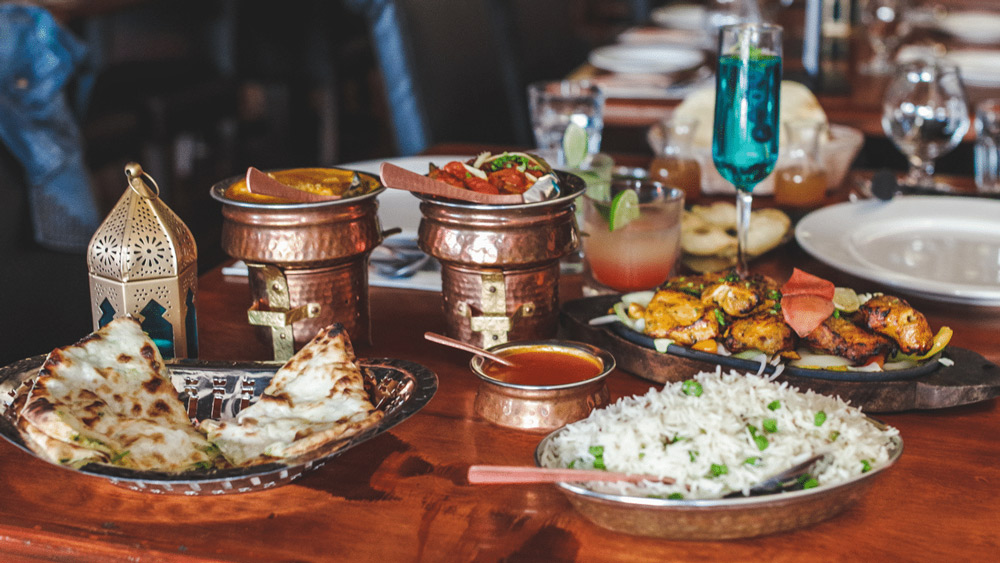
Here is the whole thing in one line:
Learn the word chay, find one vegetarian restaurant near your hotel in the first two days, and keep the Indian restaurants in An Thuong for the nights you want them.
Vietnam has a reputation as a difficult country for vegetarians, built almost entirely on the fish sauce problem and on visitors not knowing what to look for. Once you do, Da Nang becomes one of the easier and cheaper places in Asia to eat well without meat — and considerably more interesting than a week of curry.
Dietary requirements should not be the thing you think about most on holiday. But in a country where the base seasoning is fish sauce and the word for vegetarian is one you have never seen, they often become exactly that.
If you want to save time and effort while traveling to Vietnam, contact Asia Mystika, a trusted tour agent in Vietnam. We brief drivers and guides on your requirements before you arrive, book restaurants that can genuinely accommodate them, and plan excursion days so you are not stuck on a mountain with nothing to eat.
Tell us your dates and your requirements — vegetarian, vegan, Jain, halal — and we will handle the rest.
