 Hotline: +84 866 227 878
- SG$ Singapore Dollar
- A$ Australian Dollar
- £ British Pound Sterling
- C$ Canadian Dollar
- € Euro
- MYR Ringgit Malaysia
- US$ United States Dollar
- đ Vietnamese Dong


 Hotline/Whatsapp: +84 86 622 7878
 Email: sales@asiamystika.com
 About Us
 Destinations
 Travel Styles
 Travel Guide
 Blogs
Blogs
 News
News

Planning your journey from Hanoi? Read our 2026 guide to the Sapa sleeper bus. Compare double cabins, prices, travel times, and find the best sleeper bus from Hanoi to Sapa.
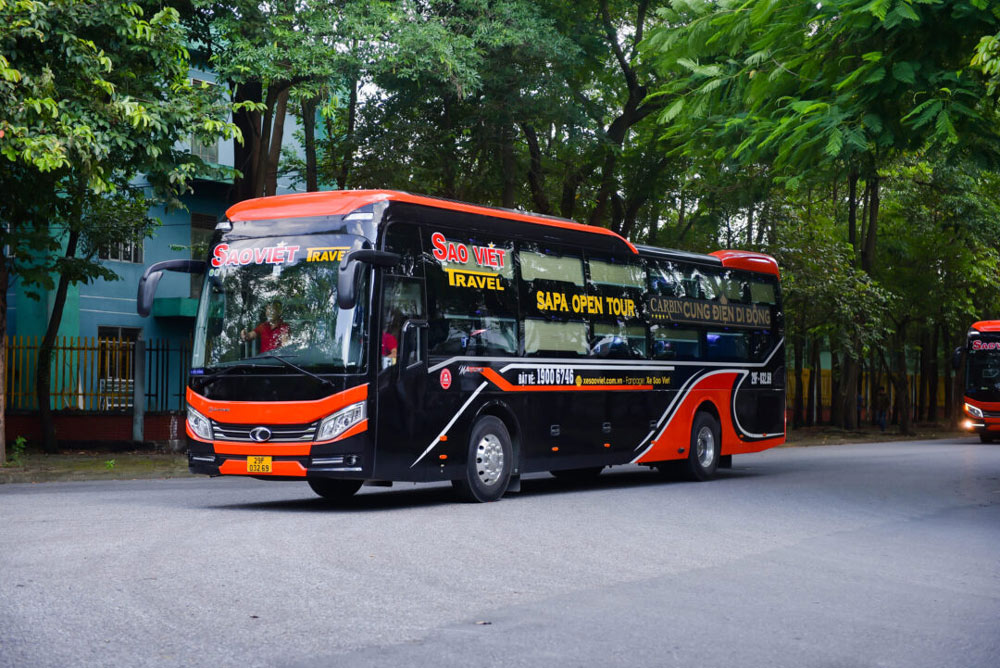
If you are planning a trip to Vietnam’s majestic northern mountains, you have probably heard about the famous Sapa sleeper bus. For many travelers, it sounds unusual at first: a bus where you do not sit upright, but lie down in your own bed-like cabin while the vehicle climbs toward the misty highlands.
Think of it as a moving capsule hotel. You board in Hanoi, settle into your private or semi-private space, and travel overnight or during the day toward one of Vietnam’s most spectacular mountain destinations. By the time you arrive, you are close to Sapa’s rice terraces, ethnic minority villages, Fansipan, and cool highland air.
For first-time visitors to Southeast Asia, the idea of a sleeping bus to Sapa may feel strange. But in 2026, the experience is much more comfortable than many people expect. Modern VIP cabin buses often include flat beds, privacy curtains, USB charging ports, air conditioning, pillows, blankets, reading lights, and sometimes massage functions or personal entertainment screens. The journey is no longer just basic backpacker transport. It has become one of the most convenient ways to travel between Hanoi and Sapa.
The sleeper bus from Hanoi to Sapa is popular because it is direct, affordable, frequent, and much faster than the train. Current 2026 transport guides estimate the Hanoi to Sapa bus journey at about 5.5 to 6.5 hours, with many daily departures and prices commonly ranging from about 10 to 25 USD depending on bus type and operator.
If you are still building your wider trip, start by planning your complete Sapa itinerary. Then use this guide to understand cabin types, prices, operators, travel time, airport pickups, and whether the bus or train is better for your travel style.
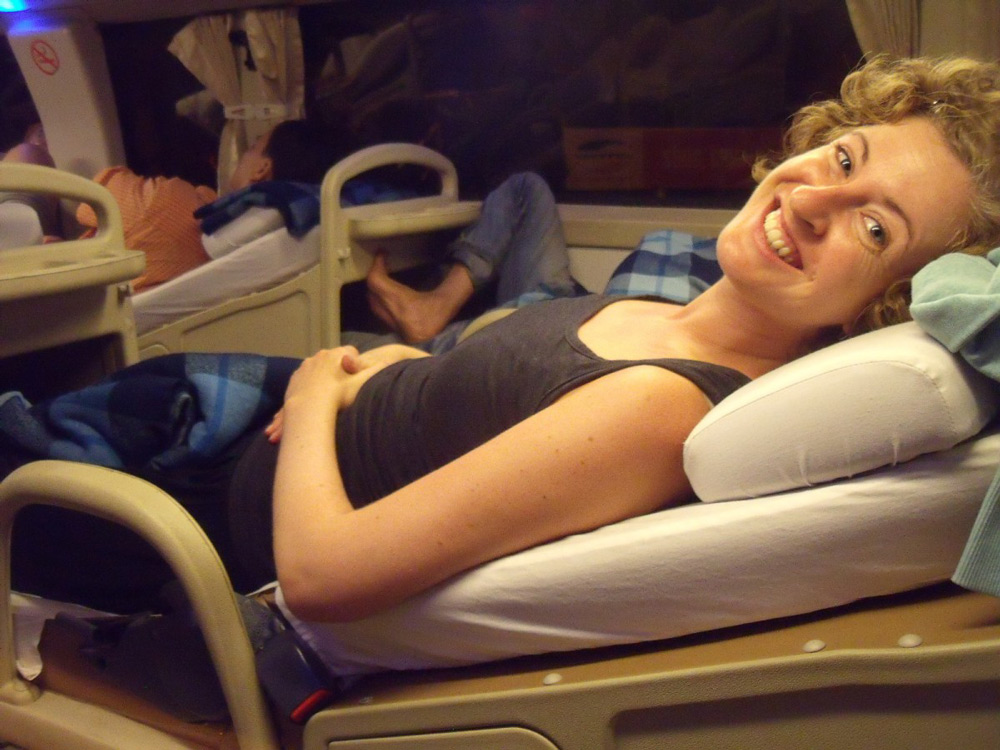
Yes, absolutely. Foreigners can ride sleeper buses in Vietnam, and the sleeper bus from Hanoi to Sapa is one of the most common transport choices for international backpackers, expats, couples, families, and even comfort-focused travelers.
In fact, many foreign visitors choose the sleeper bus because it solves several problems at once. It is cheaper than a private car, more direct than the train, and easier than managing multiple transfers. You can board in Hanoi, travel along the expressway, stop at rest areas, and arrive directly in Sapa town without needing to change vehicles in Lao Cai.
The biggest advantage is convenience. Unlike the train, which only goes to Lao Cai Station, the Hanoi to Sapa sleeper bus takes you much closer to Sapa town. This saves time, energy, and the extra step of arranging a minivan from Lao Cai.
The second advantage is price. A sleeper bus is usually one of the most affordable ways to travel to Sapa. Standard beds can cost less than a night in many hotels, while VIP cabins still remain affordable compared with private transfers.
The third advantage is frequency. Buses run throughout the day and evening, giving travelers more flexibility. Some people choose morning departures so they can see the scenery. Others choose overnight departures so they can sleep through the journey and save a night of accommodation.
One concern foreign travelers often have is bed size. Older sleeper buses in Vietnam were sometimes cramped, especially for taller travelers. Beds could be narrow, short, and awkward if you were over 175 cm.
Modern VIP cabin buses to Sapa are much better. Many offer larger private cabins, with beds commonly around 180 cm in length depending on operator and vehicle model. They are not exactly hotel beds, but they are far more comfortable than old-style sleeper buses.
If you are tall, choose a VIP single cabin or double cabin instead of a standard sleeper bed. A standard bed is cheaper, but a private cabin gives you more privacy, better comfort, and a smoother experience.
For most foreign travelers, the modern Sapa sleeper bus is safe, practical, and comfortable enough for the 6-hour mountain journey.
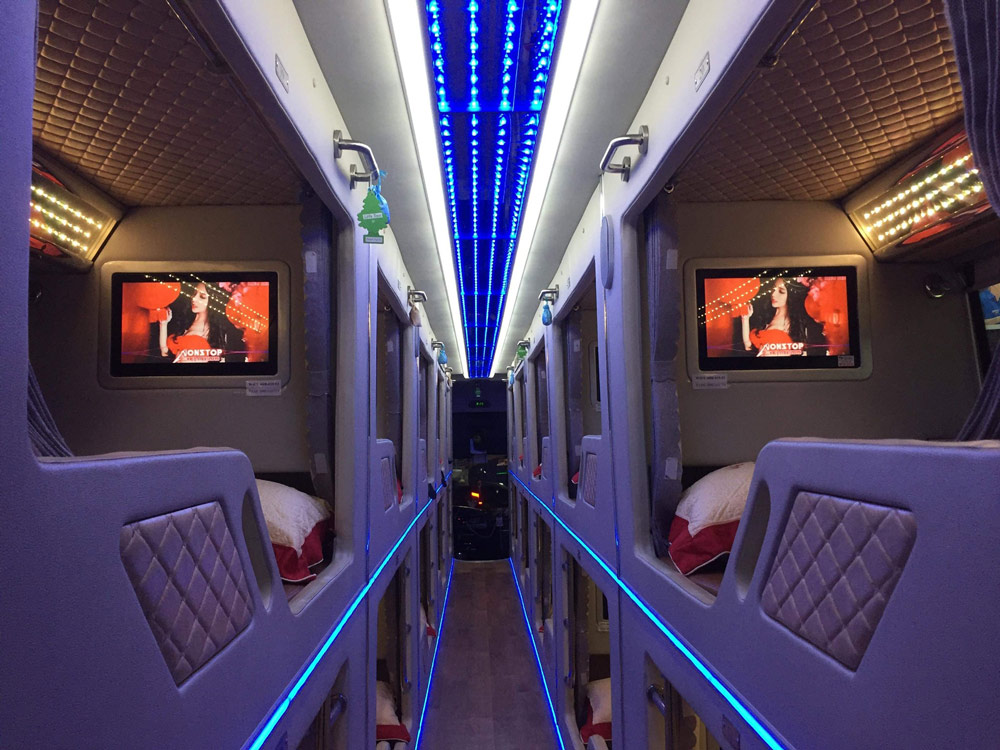
Choosing the best sleeper bus from Hanoi to Sapa starts with understanding the cabin types. Not all sleeper buses are the same, and the difference between a standard sleeper and a VIP cabin can completely change your experience.
A standard sleeper bus usually has around 34 to 38 beds arranged in two levels. These are the older and cheaper buses. The beds are semi-reclined or nearly flat, with basic blankets, air conditioning, and shared space. They are fine for budget travelers, but they offer less privacy and less room.
A VIP cabin bus usually has fewer cabins, often around 20 to 24 private spaces. These cabins may include:
This is the better choice for most international travelers. A VIP cabin feels more like a private pod than a bus seat. You can close the curtain, rest, listen to music, watch a movie, and arrive in Sapa feeling less exhausted.
Sapa Express, for example, lists Premium 24 Cabins on its Hanoi to Sapa route at about 20 USD one way, with an estimated travel time of around 6 hours.
The Sapa sleeper bus double cabin is a highly searched option because it works well for couples, close friends, or parents traveling with a small child.
A double cabin gives you a wider shared flatbed rather than two separate pods. It can feel more comfortable for couples who want to stay together during the journey. It can also be practical for families with a young child who may feel nervous sleeping alone in a separate cabin.
However, double cabins are limited, so it is best to book early. If you are traveling during weekends, Vietnamese public holidays, or peak Sapa seasons such as September and October, these cabins can sell out quickly.
A VIP double cabin Hanoi to Sapa usually costs more than a single cabin but less than booking two separate VIP cabins. For many couples, it is a good balance between comfort and price.
Many travelers ask about the Hanoi to Sapa sleeper bus with toilet. The answer is a little more complicated than yes or no.
Most premium VIP buses do not have an onboard toilet. At first, that may sound inconvenient. But many operators do this intentionally because onboard toilets can create odor issues during a long enclosed journey. Without a toilet, the air conditioning stays fresher and the cabin environment feels cleaner.
Instead, buses usually make scheduled stops at highway rest areas. HK Buslines’ Hanoi to Sapa service, for example, lists two rest stops during the journey.
For most travelers, this is enough. The trip is about 6 to 7 hours, and the stops give you time to use the restroom, buy snacks, stretch your legs, and reset before the final mountain section.
If having an onboard toilet is mandatory for you, check specific operators carefully before booking. Some bus companies offer toilets on selected vehicles, but it is not universal. Do not assume every VIP cabin bus has one.
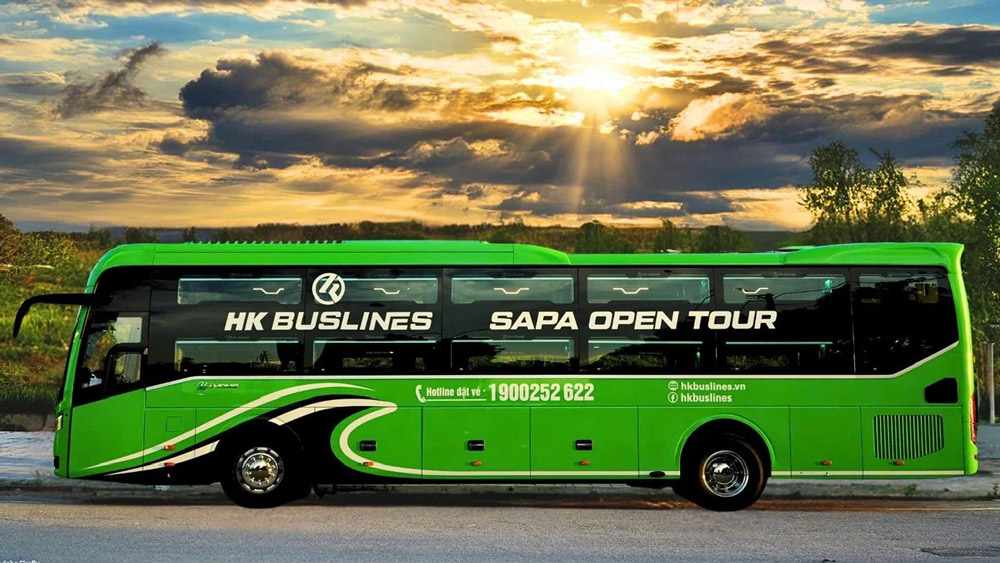
There are many companies operating between Hanoi and Sapa, but a few names appear frequently among foreign travelers. When choosing a bus, look for comfort, pickup support, clear communication, good reviews, clean vehicles, and transparent departure points.
Hanoi Sapa sleeper bus HK Buslines is one of the better-known options for travelers who want a premium cabin experience. HK Buslines operates high-quality routes connecting Sapa, Lao Cai, Hanoi, Ninh Binh, Halong, and other destinations.
Klook lists HK Buslines’ Hanoi to Sapa sleeper bus route with a travel duration of about 6 to 7 hours, excluding pickup and drop-off time. The listed stations include Hanoi Old Quarter, Noi Bai International Airport, and Sapa, with two rest stops during the journey.
HK Buslines is especially popular among travelers looking for private cabin comfort. Their higher-end cabin buses are often promoted for fully reclining beds, privacy, and a more premium feel than standard sleeper buses.
This operator is a good choice if you want:
Other trusted names for the best sleeper bus from Hanoi to Sapa include:
Sapa Express is popular with foreign travelers and lists clear schedules and pricing for soft-seat buses and premium cabin buses. Its Premium 24 Cabins are listed at around 20 USD one way, with departures at 07:00 and 22:00 on the Hanoi to Sapa route.
G8 Open Tour is often mentioned for VIP cabin buses with massage seats, double cabins, privacy curtains, and mid-range pricing. Current bus guides describe it as a popular option for travelers seeking a cabin sleeper experience with massage functions.
Interbus Lines is another well-known company on the Hanoi to Sapa route, often chosen by backpackers and budget travelers.
When booking, always confirm:
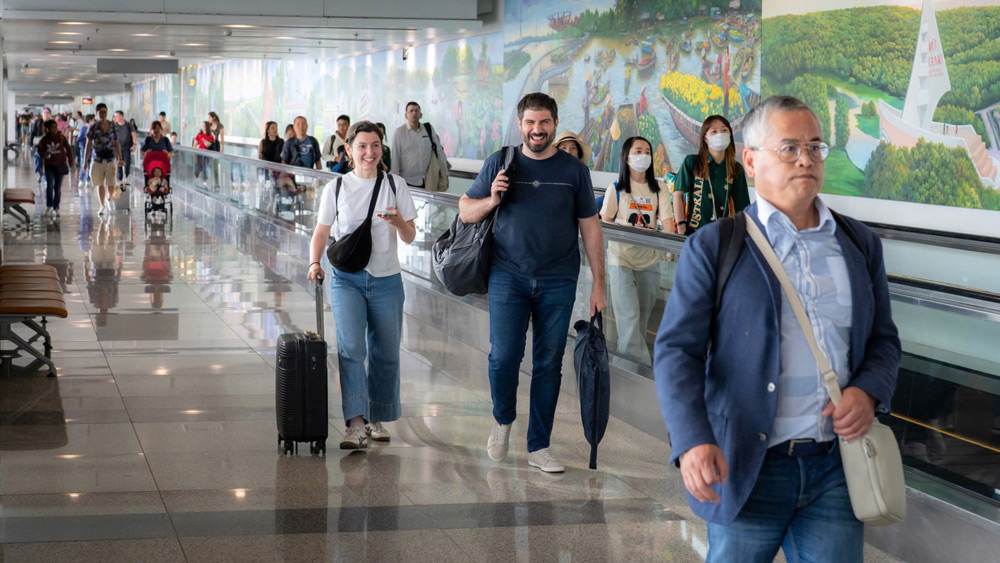
The Hanoi to Sapa sleeper bus travel time is usually about 6 to 7 hours, depending on traffic, rest stops, weather, and pickup/drop-off arrangements. Broader 2026 bus guides place the Hanoi to Sapa road journey at around 5.5 to 6.5 hours, with distance around 315 kilometers.
The route usually follows the modern Noi Bai to Lao Cai Expressway before climbing into the mountains near Sapa. The highway section is relatively smooth, but the final part of the trip includes winding mountain roads.
This final hour is where some travelers may feel motion sickness. If you are sensitive to curves, take medicine before the mountain section begins.
The sleeper bus Hanoi to Sapa timetable is flexible. Buses run frequently, with morning, afternoon, evening, and overnight departures depending on operator.
The most popular times are:
Morning departures, around 6:30 AM to 7:30 AM
These are good if you want to see the scenery and arrive in Sapa around midday or early afternoon.
Evening and overnight departures, around 10:00 PM to 11:30 PM
These are popular because you can sleep through the journey and save a night of hotel accommodation.
Sapa Express lists Premium 24 Cabin departures from Hanoi to Sapa at 07:00 and 22:00, with an estimated travel time of 6 hours.
For most travelers, the best choice depends on your arrival time in Hanoi.
Choose a morning bus if:
Choose an overnight bus if:
A sleeper bus to Sapa from Hanoi Airport is very convenient if you land at Noi Bai and want to skip Hanoi city.
Some major bus operators offer pickup points around Noi Bai International Airport, meaning you do not need to take a taxi into the Old Quarter first. HK Buslines’ route listing includes Noi Bai International Airport HAN as one of its stations.
This is helpful for travelers arriving on international flights, but be careful with timing. If your flight is delayed, immigration takes longer than expected, or baggage is slow, you may miss a shared bus departure.
For airport pickups, always confirm:
For a full explanation of airport transfers, read this detailed guide on getting from Hanoi Airport to Sapa.
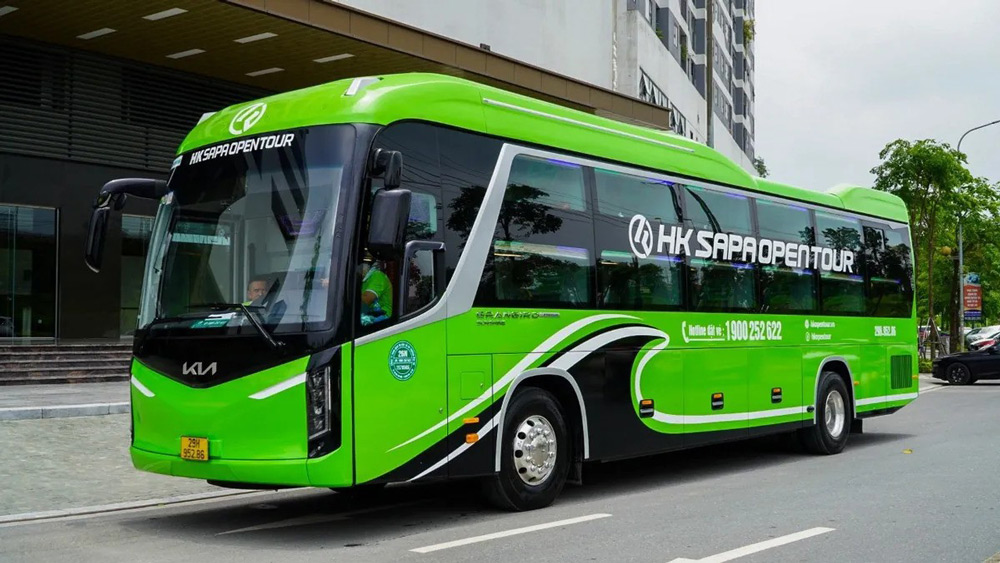
The Sapa sleeper bus price depends on cabin type, operator, departure time, booking platform, and season. However, you can use the following 2026 ranges for planning:
These estimates fit current public pricing patterns. General 2026 Hanoi to Sapa bus references list prices from about 10 to 25 USD, while specific cabin-style or premium products can cost more depending on comfort level.
Sapa Express lists a Premium 24 Cabin at 20 USD one way from Hanoi to Sapa, while standard soft-seat buses are listed at 16 USD.
If you see a ticket much cheaper than the normal range, check carefully. It may be a standard bed, a less convenient pickup point, or an older vehicle. If you see a ticket much higher, it may include airport pickup, a luxury cabin, peak-season pricing, or extra services.
A balanced Sapa sleeper bus review should include both the good and the bad.
The biggest advantage is value. A Hanoi to Sapa sleeper bus is affordable, direct, and widely available. For travelers who want to save time and money, it is hard to beat.
VIP cabins also offer surprising privacy. You can close the curtain, charge your phone, lie down, and rest in your own space. Compared with standard bus seats, this feels much more comfortable.
Another benefit is direct arrival in Sapa. Unlike the train, you do not need to transfer from Lao Cai Station. This saves time and reduces stress, especially if you have luggage.
The final hour of the drive can be uncomfortable. The road climbs into the mountains, and the bus may slow down, brake often, or follow winding curves. If you are prone to motion sickness, prepare before departure.
Light sleepers may also struggle. Even in VIP cabins, you may hear engine braking, road noise, other passengers, or announcements during stops. Earplugs and an eye mask can help.
Another issue is arrival time. Overnight buses may arrive early in the morning, sometimes before hotel check-in. Confirm whether your hotel can store luggage or offer early check-in.
For a smoother journey, bring:
Keep your passport, wallet, phone, and important items with you inside the cabin, not under the bus.
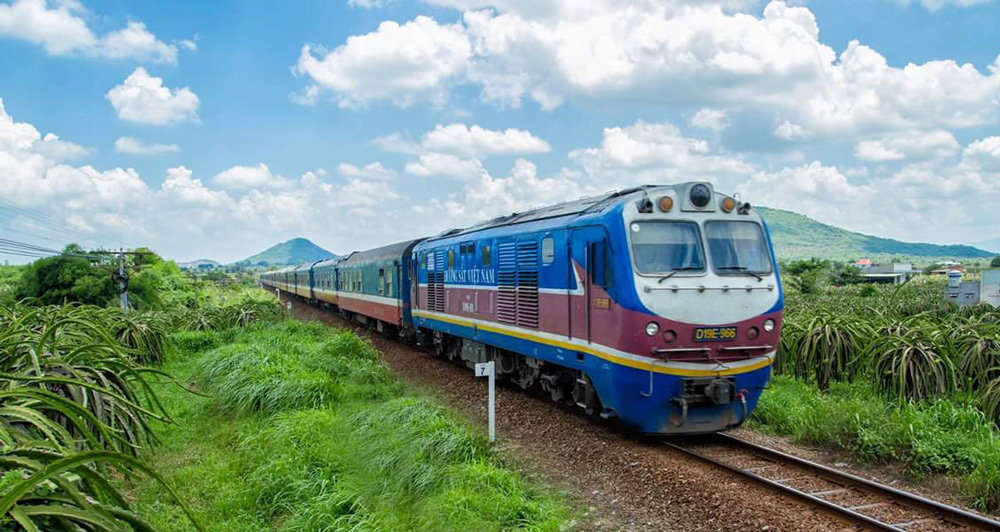
The question which is better, sleeper bus or train to Sapa has no single answer. It depends on what you value most.
The Hanoi to Sapa train is romantic, nostalgic, and often smoother for sleeping. You board in Hanoi at night, sleep in a cabin, and arrive at Lao Cai Station in the morning.
However, the train does not go directly to Sapa town. It stops at Lao Cai Railway Station, and travelers must take a shuttle bus, taxi, or minivan for the final 33 kilometers to Sapa. Current train guides estimate the train ride at about 7 hours 40 minutes to 8 hours, plus around 1 hour for the Lao Cai to Sapa transfer.
The train is best if you want:
The Sapa sleeper bus is cheaper, faster, and more direct. It usually takes around 6 to 7 hours and drops travelers much closer to Sapa town.
The bus is best if you want:
If you want speed and convenience, the sleeper bus from Hanoi to Sapa wins.
If you want old-world romance, a quieter cabin, and a more nostalgic experience, take the train.
For a wider comparison, read this guide to compare all travel options from Hanoi to Sapa.

In 2026, HK Buslines, G8 Open Tour, and Sapa Express are among the popular choices for travelers looking for private VIP cabins, comfortable beds, and foreigner-friendly service. The best option depends on your budget, pickup location, cabin type, and departure time.
A sleeper bus to Sapa usually costs around 15 to 18 USD for standard beds, 20 to 25 USD for VIP single cabins, and around 30 to 35 USD for VIP double cabins. Prices vary by operator, season, and booking platform.
The sleeper bus is faster, cheaper, and takes you directly to Sapa town. The train is more nostalgic and may offer a smoother sleep, but it only goes to Lao Cai Station, so you need an extra transfer to Sapa.
Yes. Foreigners can ride sleeper buses in Vietnam, and modern VIP cabin buses are very popular with international travelers. Major operators usually offer online booking, clear pickup points, and comfortable cabin options suitable for foreign visitors.
Yes. Some major bus operators offer a sleeper bus to Sapa from Hanoi Airport or nearby airport pickup points. Always confirm the exact meeting point, terminal details, pickup time, and delay policy before booking.
The Hanoi to Sapa sleeper bus travel time is usually around 6 to 7 hours, depending on traffic, rest stops, pickup time, and mountain road conditions.

The Hanoi to Sapa sleeper bus is more than just transportation. It is part of the adventure. For many travelers, the journey into the mountains begins the moment they close the curtain of their VIP cabin and feel the city lights of Hanoi fade behind them.
In 2026, the Sapa sleeper bus is one of the most efficient, affordable, and comfortable ways to start your Northern Vietnam trip. Standard beds work for budget travelers. VIP single cabins are ideal for most foreign visitors. Double cabins are perfect for couples. Airport pickup options make the route even easier for those arriving directly at Noi Bai.
The key is choosing the right operator, cabin type, and departure time. A good choice can make the journey smooth. A poor choice can make the ride tiring before your Sapa adventure even begins.
Do not want to deal with third-party booking sites, unclear pickup points, language barriers, or uncertainty about which bus is best?
Let Asia Mystika handle it.
As a trusted tour agent in Vietnam, Asia Mystika can arrange your VIP luxury bus tickets, airport pickups, hotel transfers, trekking guides, and customized Sapa itinerary in one seamless package. Whether you want a private mountain escape, a trekking-focused journey, or a comfortable family holiday, we help you save time and travel with less stress.
Start planning your trip today and Explore our customized Sapa Tour Packages.
Ready to go? Start planning your custom Sapa itinerary with us
Who we are: Learn more about the local experts at Asia Mystika
WhatsApp: (+84) 866.22.7878
Email: sales@asiamystika.com
Website: www.asiamystika.com
