 Hotline: +84 866 227 878
- SG$ Singapore Dollar
- A$ Australian Dollar
- £ British Pound Sterling
- C$ Canadian Dollar
- € Euro
- MYR Ringgit Malaysia
- US$ United States Dollar
- đ Vietnamese Dong


 Hotline/Whatsapp: +84 86 622 7878
 Email: sales@asiamystika.com
 About Us
 Destinations
 Travel Styles
 Travel Guide
 Blogs
Blogs
 News
News

Discover the best time to visit Sapa Vietnam in 2026. Compare weather by month, rice harvest season, Fansipan conditions, Hanoi and Halong Bay combinations, packing tips, and local travel advice.
The Absolute Best Months: The best month to visit Sapa Vietnam is September for golden rice harvests or April for clear skies, mild temperatures, and green terraces.
Multi-City Trips: The best time to go Hanoi and Sapa together is October to November, when Northern Vietnam is generally cool, dry, and comfortable.
When to Avoid: The rainy season in Sapa Vietnam peaks from June to August, bringing muddy trails, sudden storms, and heavy fog.
Winter Travel: Sapa temperature in December can drop close to 0°C, especially at night or near Fansipan. It can be magical for cloud hunting and rare frost, but basic homestays may feel very cold.
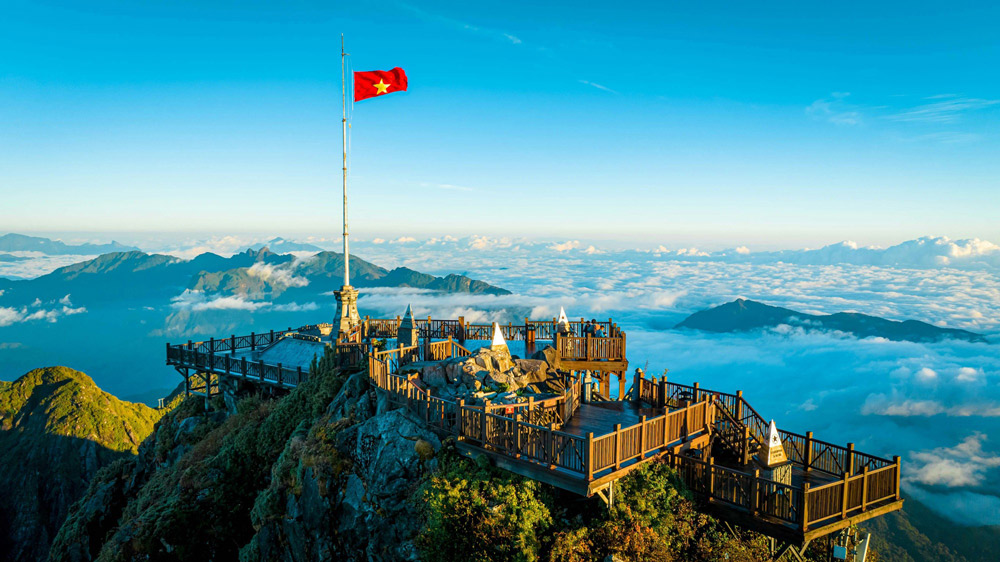
The best time to visit Sapa Vietnam is from September to November or from March to May.
If you dream of seeing the famous golden rice terraces, choose September. This is the harvest season, when the mountains around Muong Hoa Valley, Lao Chai, Ta Van, and surrounding villages glow in yellow and gold. The scenery is iconic, photogenic, and deeply tied to local farming life.
If you prefer mild weather, clear trekking trails, flowers, and fresh green landscapes, choose March to May. This is one of the most comfortable periods for walking, village visits, Fansipan trips, and outdoor photography.
Sapa is different from many destinations in Vietnam because of its altitude. Sitting around 1,600 meters above sea level, it is much cooler than Hanoi, Da Nang, Ho Chi Minh City, or the Mekong Delta. That means the weather in Sapa Vietnam can feel surprisingly cold, foggy, or wet depending on the season.
There is no single “perfect” time for every traveler. The best month depends on what you want:
For most first-time travelers, April, May, September, October, and November offer the best balance between scenery, comfort, and travel conditions.
If you are still building your route, start by planning your complete Sapa itinerary.
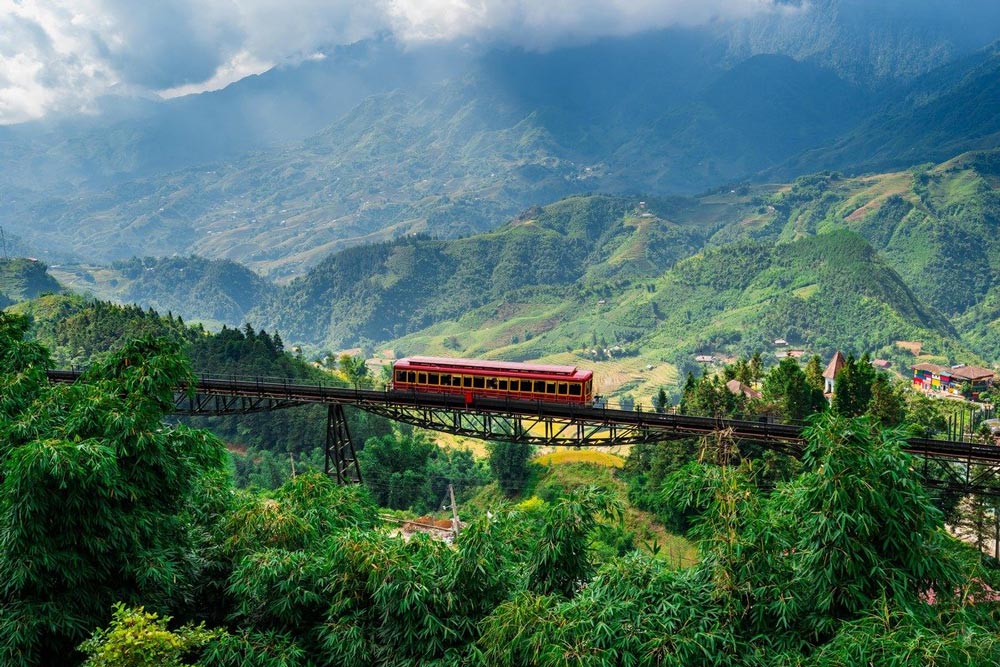
The weather in Sapa Vietnam is divided into four clear seasons. However, because Sapa sits in the mountains, temperatures are always cooler than lowland Vietnam. Even in summer, mornings and evenings can feel fresh. In winter, Sapa can feel genuinely cold.
| Month / Season | Avg. Temp (°C / °F) | Rainfall | Scenic Highlight |
| January / Winter | 4°C to 12°C / 39°F to 54°F | Low to moderate, often foggy | Cloud hunting, cold mountain atmosphere |
| February / Late Winter | 6°C to 14°C / 43°F to 57°F | Low to moderate | Plum and peach blossoms begin |
| March / Spring | 10°C to 18°C / 50°F to 64°F | Moderate | Blooming flowers, clearer trekking |
| April / Spring | 15°C to 20°C / 59°F to 68°F | Moderate | Watering season, mirror-like terraces |
| May / Late Spring | 18°C to 24°C / 64°F to 75°F | Increasing rain | Green terraces, warm trekking days |
| June / Summer | 20°C to 26°C / 68°F to 79°F | High | Lush mountain scenery |
| July / Rainy Season | 20°C to 27°C / 68°F to 81°F | Very high | Deep green valleys, muddy trails |
| August / Rainy Season | 20°C to 27°C / 68°F to 81°F | Very high | Dramatic clouds, stormy landscapes |
| September / Harvest | 18°C to 24°C / 64°F to 75°F | Moderate | Golden rice terraces |
| October / Autumn | 15°C to 22°C / 59°F to 72°F | Lower rain | Cool weather, dry trekking |
| November / Late Autumn | 10°C to 18°C / 50°F to 64°F | Low | Crisp air, clear views |
| December / Winter | 5°C to 13°C / 41°F to 55°F | Low, fog possible | Winter mood, cloud hunting, possible frost |
These are general planning ranges. In the mountains, weather changes quickly. A sunny morning can become foggy by noon. A dry forecast can still bring sudden showers. Always check the local forecast right before trekking or visiting Fansipan.
Yes, April is one of the best months to visit Sapa Vietnam.
This is the start of the beautiful “watering season,” when farmers flood the rice terraces before planting. The mountainsides turn into giant reflective mirrors, catching the sky, clouds, and sunlight. It is one of the most unique times to photograph Sapa because the terraces look completely different from the golden harvest season.
The temp in Sapa Vietnam in April usually feels comfortable, often around 15°C to 20°C. It is cool enough for walking but not as cold as winter. Trails are generally easier than in peak rainy season, and the air often feels fresh and clean.
Spring pros:
April is ideal for travelers who want soft scenery, mild air, and a calmer mood before the summer travel crowds.
Yes, December is a good time to visit Sapa Vietnam if you enjoy cold weather, mist, cloud hunting, and a winter mountain atmosphere.
However, you must prepare properly. Sapa temperature in December often falls below 10°C, and nights can feel close to freezing. In higher areas such as Fansipan, temperatures can drop even lower. Rare frost or snow-like conditions may appear in some winters, which is why many travelers search for the best time to visit Sapa Vietnam snow.
December can feel like a “winter wonderland,” especially for travelers from Singapore, Malaysia, Thailand, or southern Vietnam who are used to tropical heat. The fog, cold air, pine-covered slopes, and clouds rolling through the valley create a magical atmosphere.
But winter has challenges:
If you visit in December, pack serious winter layers and consider staying in a comfortable hotel in Sapa town rather than a very basic village homestay.
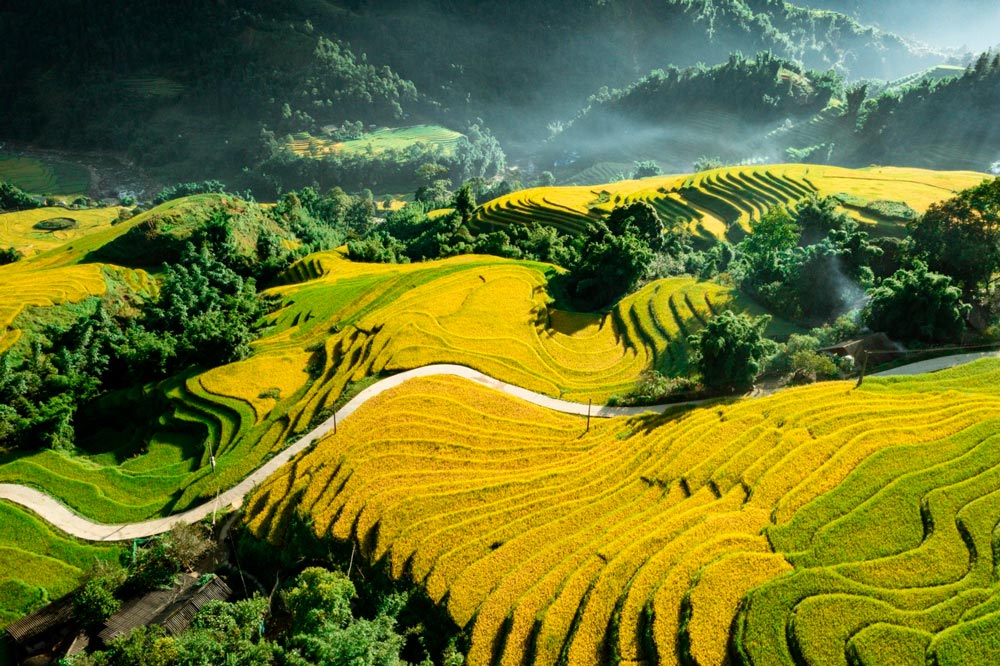
If your dream is to photograph the iconic yellow terraced fields, the best month to visit Sapa, Vietnam is September.
This is the golden harvest season. Rice terraces turn from green to yellow, then deep gold, creating the most famous version of Sapa’s landscape. The fields curve around the mountains like natural staircases, and local farmers begin preparing for harvest.
The best window is narrow. In many years, the most beautiful golden color appears from early September to early October, with peak scenery often around mid to late September. By mid-October, much of the rice has already been harvested. The terraces can turn brown or empty, depending on the exact village, altitude, and harvest timing.
This matters because many travelers arrive too late expecting golden fields in late October or November. By then, Sapa may still be beautiful, but the harvest colors are usually gone.
Best places for harvest scenery include:
September is also a strong month for trekking because the weather is cooler than summer. However, rain can still happen, especially in early September. Bring waterproof shoes and a light rain jacket.
Note for publishing: because you requested no image source suggestions, I have not included image source recommendations. If using your own Asia Mystika media library, place one geotagged golden terrace image under this section with alt text such as: Golden rice terraces in Sapa Vietnam during September harvest season.
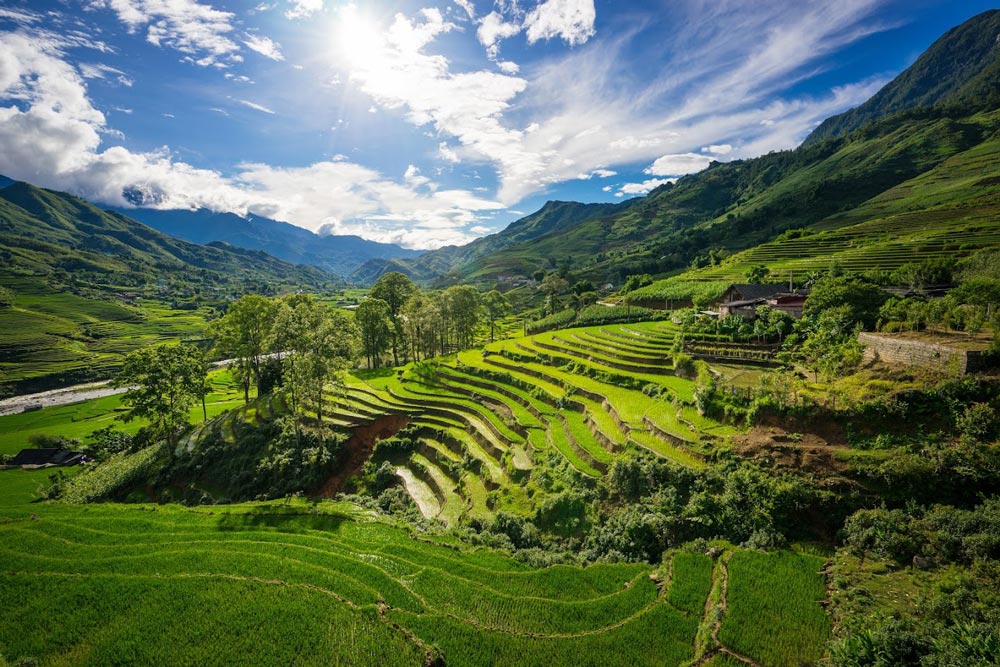
The best time to visit Sapa and Halong Bay on the same itinerary is late October through November.
This is because Northern Vietnam has different microclimates. Sapa is mountainous and cool. Hanoi is urban and lower in elevation. Halong Bay is coastal and affected by storms during the wet season. A good multi-city itinerary needs weather that works across all three.
August and September can be tricky because Halong Bay may still be affected by tropical storms or heavy rain, while Sapa can be muddy from the monsoon. January can be beautiful in Hanoi and Halong Bay, but Sapa may be very cold and foggy. November is the “Goldilocks” month. It is not too wet, not too hot, and not yet freezing.
In November:
This makes November one of the best months for a complete Northern Vietnam trip.
Day 1: Arrive in Hanoi
Settle into the Old Quarter, enjoy Vietnamese coffee, and walk around Hoan Kiem Lake.
Day 2: Hanoi city discovery
Visit the Temple of Literature, local markets, museums, and street food spots.
Day 3: Hanoi to Sapa
Travel by VIP limousine van or overnight train. Arrive in Sapa and enjoy the cool mountain air.
Day 4: Sapa trekking
Trek through Muong Hoa Valley, Lao Chai, or Ta Van with a local guide.
Day 5: Fansipan and Sapa town
Take the cable car to Fansipan if the weather is clear. Explore Sun Plaza, Sapa Stone Church, and local cafés.
Day 6: Return to Hanoi
Travel back to Hanoi and rest.
Day 7: Hanoi to Halong Bay
Board an overnight cruise and enjoy limestone islands, caves, kayaking, or bamboo boat rides.
Day 8: Halong Bay to Hanoi
Enjoy sunrise on the bay, brunch on board, and return to Hanoi.
Day 9: Hanoi free day or Ninh Binh extension
Add a day trip to Ninh Binh or enjoy a slower day in the capital.
Day 10: Departure
Transfer to the airport for your flight home.
For travelers who want a smooth route across Northern Vietnam, November is one of the safest and most comfortable months.
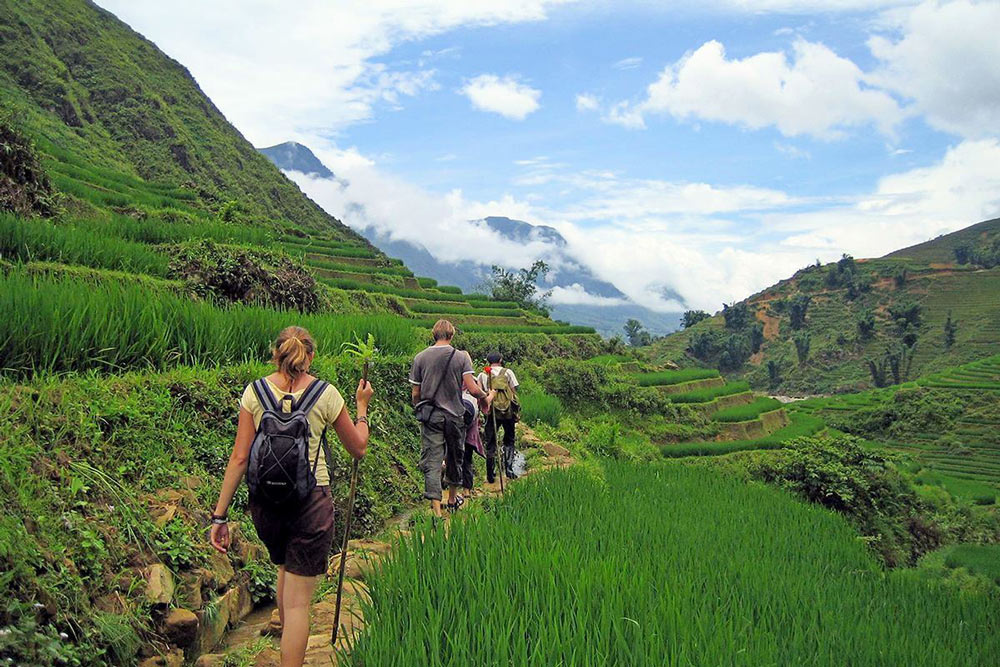
Knowing what to wear in Sapa Vietnam is essential because the weather can change quickly. In Sapa, you can experience four seasons in one day. A morning can start cold and foggy, noon can feel warm in the sun, afternoon rain can arrive suddenly, and evening can turn chilly again.
Layering is mandatory.
Pack these items regardless of the month:
For winter travel from December to February, add:
For summer travel from June to August, add:
Do not wear smooth sneakers for trekking in rainy season. Muddy paths can be slippery, especially around rice terraces and village slopes.
To reach Sapa from Singapore, you must first fly to Hanoi Noi Bai Airport. The direct flight from Singapore to Hanoi usually takes around 3.5 hours.
From Hanoi, you continue to Sapa by road or rail:
So, the full journey from Singapore to Sapa usually takes one long travel day if timed well. Many travelers prefer to spend one night in Hanoi first, then continue to Sapa the next morning.
If you want the easiest option, Asia Mystika can arrange a seamless airport-to-mountain transfer package, including Hanoi airport pickup, private transfer or limousine booking, hotel arrangements, local guide, and Sapa itinerary planning.
Suggested internal link: Explore our customized Sapa tour packages

Sapa is beautiful year-round, but it is also a mountain destination. Small planning mistakes can affect the whole trip. Here are two practical points many standard guides do not explain clearly.
Many blogs say summer in Sapa simply has “daily rain.” That is too general.
In reality, summer rain from June to August is not always a gentle drizzle. It can arrive as sudden, heavy afternoon storms. Mornings may be surprisingly clear, with bright skies and vivid green valleys. Then, by early afternoon, clouds build quickly and rain can fall hard.
This matters for trekking.
If you visit Sapa in summer, start hikes early. Aim to begin around 7:00 AM. Do the most important walking before noon, then keep the afternoon flexible for cafés, herbal baths, local markets, or indoor rest.
Summer trekking strategy:
Summer is not a bad time to visit if you like lush green landscapes. But it requires smarter timing.
Winter in Sapa can be magical, but accommodation choice matters.
An Asia Mystika guide explains:
“Many backpackers book cheap ethnic homestays in January, not realizing these traditional wooden homes have zero insulation and no central heating. If you visit between December and February, we strongly advise our clients to book 4-star hotels in Sapa town with heated mattresses, or book our premium homestays equipped with heavy-duty thermal gear.”
This is especially important for travelers from tropical countries. A basic wooden homestay may sound authentic, but it can feel extremely cold at night. Thin blankets and wooden walls are not enough for everyone.
If you want a village experience in winter, choose carefully. Ask whether the homestay has thick blankets, heated mattresses, enclosed rooms, hot showers, and proper insulation. If not, consider staying in Sapa town and doing village visits during the day.
Winter comfort tips:
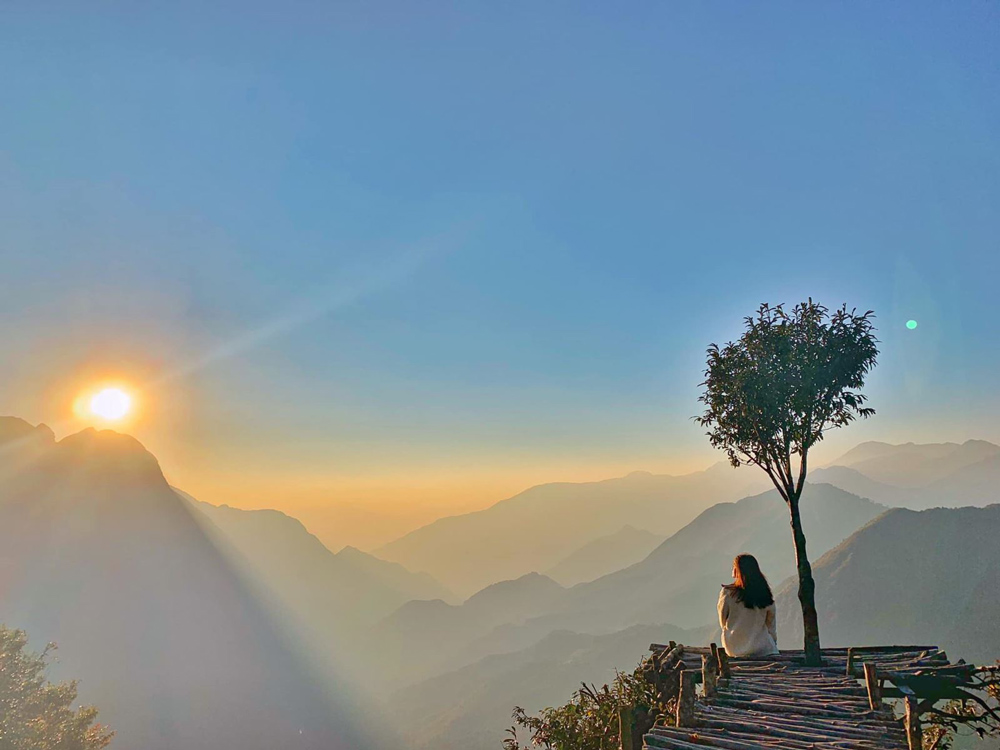
The best time to visit Sapa Fansipan is usually October to November or March to April, when skies are clearer and there is a higher chance of seeing the sea of clouds without heavy fog blocking the view. Go early in the morning for the best visibility.
The weather in Sapa in November 2026 is expected to be cool, crisp, and relatively dry based on typical seasonal patterns. Temperatures often range around 10°C to 15°C, making it excellent for trekking, though the rice terraces will usually be harvested and no longer golden.
Avoid July and August if you dislike rain, mud, and poor visibility, as this is the peak monsoon season. Also avoid major Vietnamese holidays such as Tet Lunar New Year if you dislike crowds, higher prices, and limited service availability.
You need a minimum of 2 full days and 1 night to do a basic trek and visit Fansipan. However, 3 days and 2 nights is the optimal duration because it gives you time to explore deeper ethnic villages, enjoy the landscape, and avoid rushing.
The temperature in Sapa Vietnam right now can vary widely by hour and elevation. As a general guide, daytime highs can reach around 20°C or more in summer, while winter daytime temperatures may stay around 10°C or lower. Always check a local forecast immediately before trekking or visiting Fansipan.
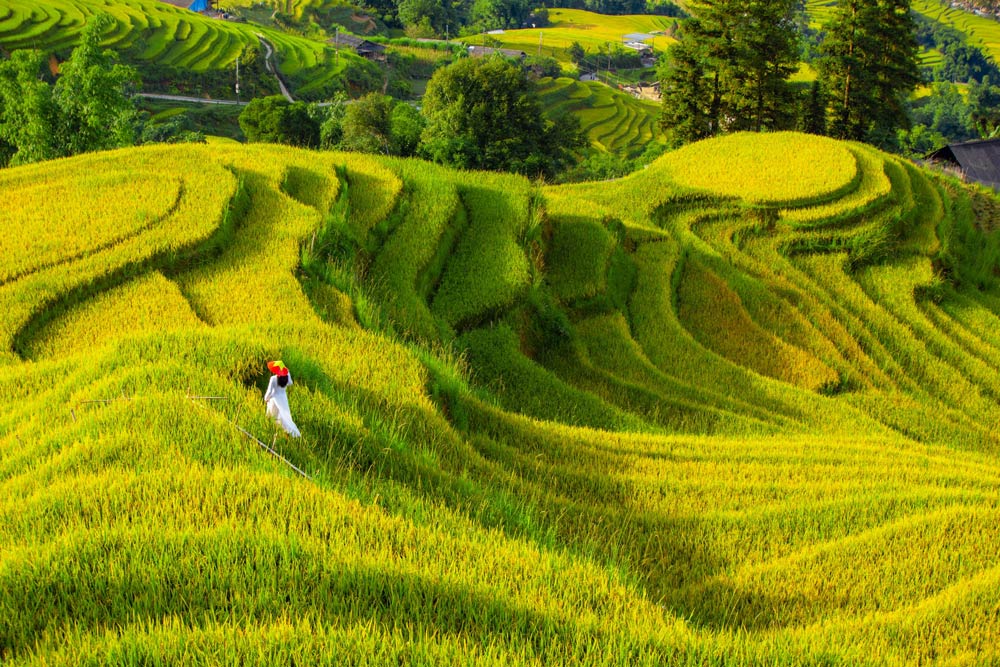
There is no truly bad time to travel to Sapa Vietnam. There are only different landscapes.
In April, the terraces shine like mirrors during watering season. In May, the mountains turn lush and green. In September, the rice fields glow gold. In November, the air is crisp and perfect for a wider Hanoi, Sapa and Halong Bay itinerary. In December and January, the mountains become cold, misty, and dramatic.
The key is choosing the season that matches your travel dream.
If you want postcard harvest photos, go in September. If you want comfortable trekking, choose March to May. If you want the best Northern Vietnam combination, choose late October or November. If you want winter atmosphere, come prepared for the cold.
Stop stressing over unpredictable mountain weather, train schedules, transfer timing, and what to pack.
If you want to save time and effort while traveling to Vietnam, contact Asia Mystika, a trusted tour agent in Vietnam. We can arrange your Northern Vietnam itinerary with carefully selected hotels, expert trekking guides, private transfers, Fansipan planning, and weather-smart route design.
Whether you want golden terraces, clear Fansipan views, a family-friendly trek, or a full Hanoi, Sapa and Halong Bay journey, Asia Mystika can help you plan it smoothly.
Start your mountain journey today with Asia Mystika’s customized Sapa tour packages.
Ready to go? Start planning your custom Sapa itinerary with us
Who we are: Learn more about the local experts at Asia Mystika
WhatsApp: (+84) 866.22.7878
Email: sales@asiamystika.com
Website: www.asiamystika.com
