 Hotline: +84 866 227 878
- SG$ Singapore Dollar
- A$ Australian Dollar
- £ British Pound Sterling
- C$ Canadian Dollar
- € Euro
- MYR Ringgit Malaysia
- US$ United States Dollar
- đ Vietnamese Dong


 Hotline/Whatsapp: +84 86 622 7878
 Email: sales@asiamystika.com
 About Us
 Destinations
 Travel Styles
 Travel Guide
 Blogs
Blogs
 News
News

What is Sa Pa like in winter? Discover December to February temperatures, fog, possible snow, crowds, trekking conditions, packing tips, and how to plan a winter trip to Sapa, Vietnam.
The Temperature: Winter in Sapa Vietnam, from December to February, is genuinely cold by Vietnam standards. Mornings often sit around 5°C to 9°C, while afternoons usually reach only 12°C to 15°C. Higher elevations such as Fansipan are much colder.
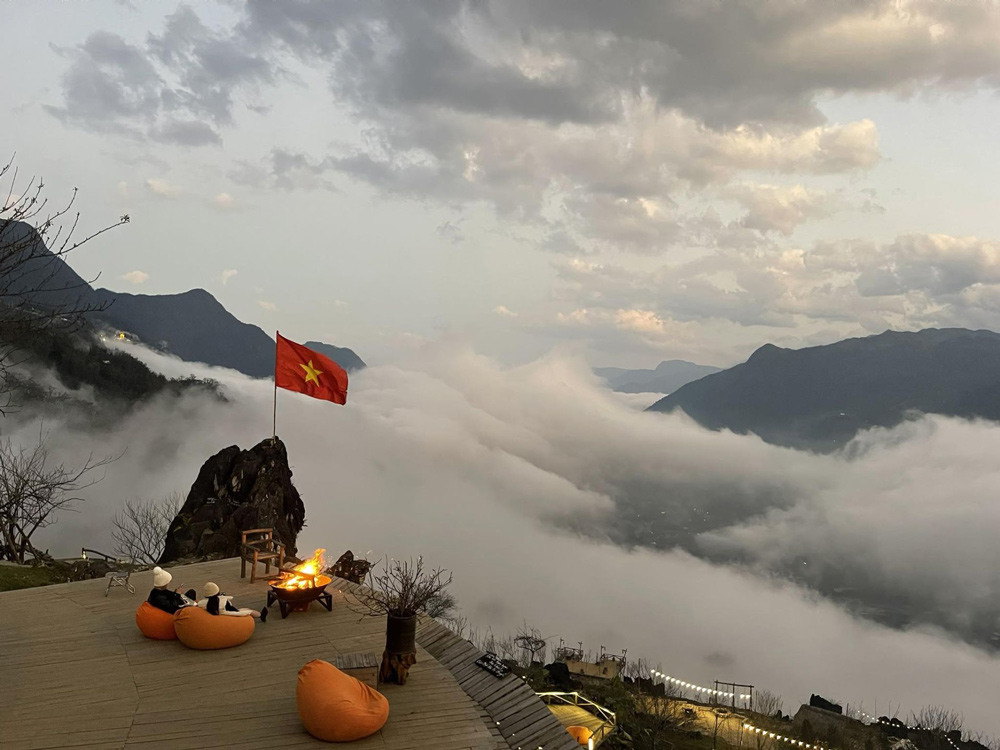
The Scenery: Expect misty valleys, bare rice terraces, quiet villages, and, on clear days after a cold front, dramatic sea of clouds views from above the fog line at Fansipan.
Trekking Conditions: Trails are generally walkable but can feel cold, damp, and occasionally icy at higher elevations. Winter is also one of the quietest and lowest-price seasons of the year.
Visibility: Fog and low cloud are common at valley level, but they often clear dramatically at higher elevations. This makes the Fansipan cable car ride part of the winter experience, not just transportation.
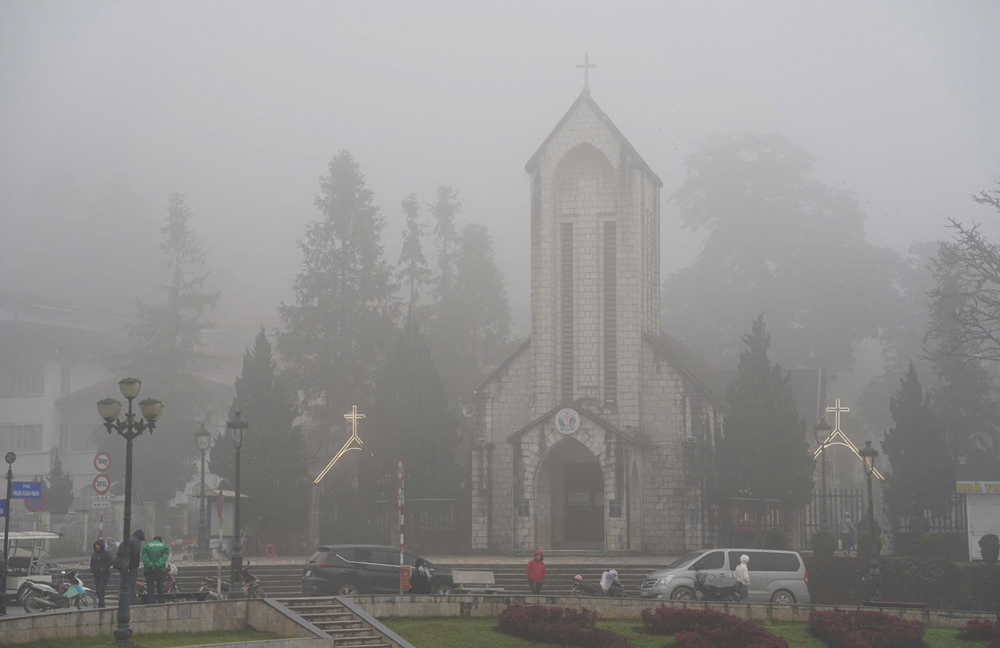
The weather in Sapa in winter, roughly from December through February, is cold, misty, quiet, and atmospheric. Daytime temperatures often hover around 12°C to 15°C, while mornings and nights can drop to 5°C to 9°C or lower during strong cold spells.
This is a surprise for many first-time visitors. Vietnam is often imagined as a tropical country of beaches, rice paddies, and warm cities. That image is true in many regions, but not in Sapa during winter. Sapa sits around 1,600 meters above sea level in the Hoang Lien Son mountains. Because of that altitude, winter here feels completely different from Hanoi, Da Nang, Ho Chi Minh City, or the Mekong Delta.
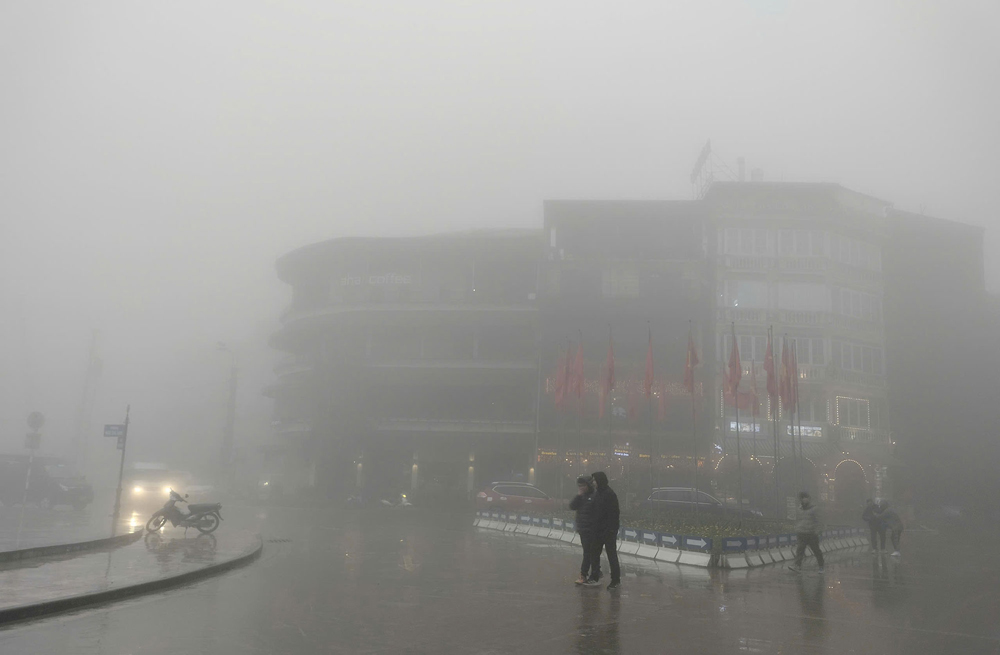
The cold is not only about the number on the thermometer. Sapa’s winter air is damp, and fog often hangs low over the valleys. That humidity makes the cold feel sharper. A morning that reads 8°C can feel much colder when the wind blows through the streets or when mist settles into your clothes.
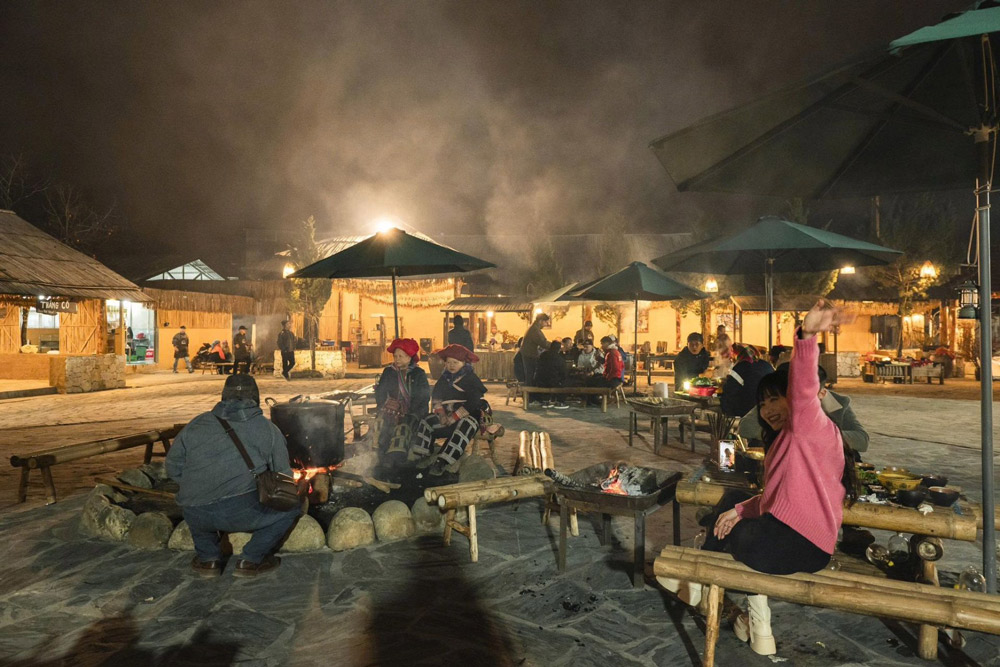
Yet this cold is also what makes Sapa winter season so memorable. The town slows down. The valleys become quiet. Cafés feel warmer. Hotpot tastes better. Local markets feel more atmospheric. The mountains take on a moody, cinematic feeling that you do not get in the bright green summer months or the golden harvest season.
Winter is not the season for lush rice terraces. The fields are usually bare, brown, or resting. But it is the season for fog, frost, cloud seas, cool trekking, hot tea, and peaceful village walks.
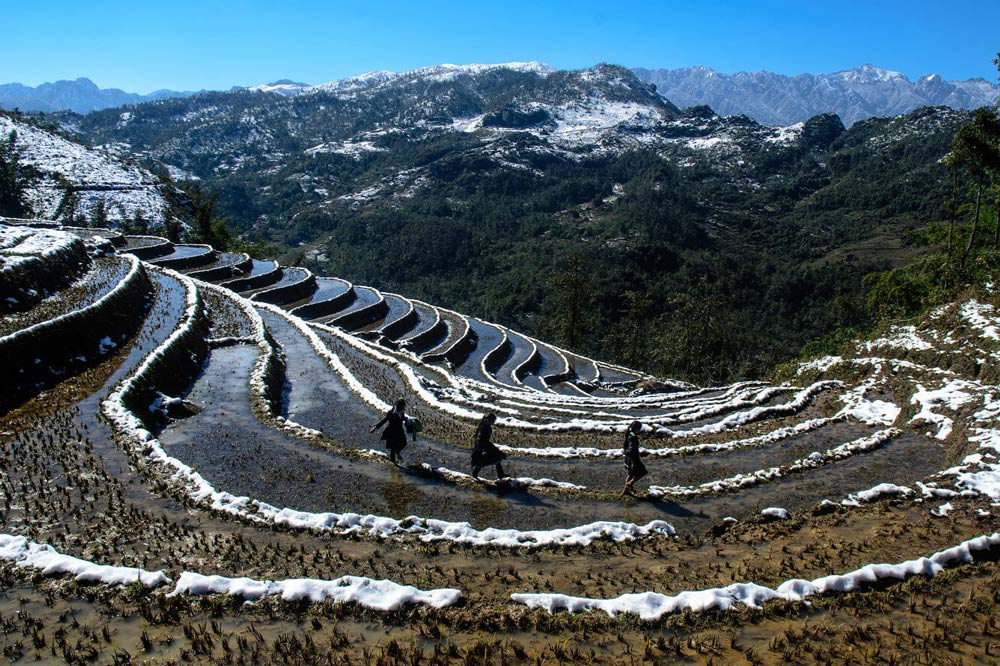
Sapa Vietnam winter season is shaped by successive cold-air outbreaks from the north. Each cold front can bring several days of fog, damp chill, and low visibility. After the front passes, the air often becomes clearer, colder, and crisper. Those clear windows are when travelers may see the most dramatic mountain views.
Humidity stays high at valley level even when rainfall itself is relatively low. This is why winter Sapa can feel wet even when it is not raining heavily. Fog, mist, and damp air are part of the experience.
The three winter months feel similar, but they are not identical. December is usually milder and more festive. January is often the coldest month. February begins a gradual warm-up, with the first signs of spring blossoms in some areas.
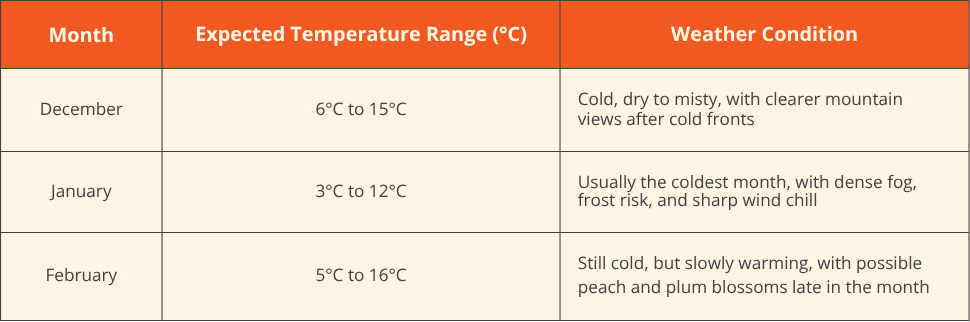
In December, Sapa often feels cold but manageable. It is a good month for travelers who want winter atmosphere without the harshest cold. Around Christmas and New Year, the town can feel lively, especially near central hotels, cafés, and Sun Plaza.
In January, cold becomes the main story. Mornings can feel bitter, especially outside town or at higher elevations. Fansipan may drop below freezing. Frost is more likely in high areas such as O Quy Ho Pass, Fansipan, and exposed mountain roads.
In February, Sapa begins to soften. The weather remains cold, but spring begins to appear gradually. Depending on the year and exact timing, peach and plum blossoms may start blooming in some valleys and villages.
No, winter in Sapa is not too cold to visit if you pack properly.
It is genuinely cold by Vietnam standards, but it is manageable with insulated layers, a windproof jacket, warm socks, gloves, and a good hotel or lodge. The reward is a quiet, moody version of Sapa with fewer crowds, lower prices, peaceful trails, and dramatic cloud-sea views. Travelers who dislike cold weather should choose another season, but cold-tolerant visitors often find winter Sapa deeply rewarding.
Yes, winter is a good time to visit Sapa for the right traveler.
It is not the best time for everyone. If you want warm-weather trekking, lush green terraces, or golden harvest photos, winter is not ideal. But if you want quiet trails, lower prices, moody landscapes, cloud hunting, and a real mountain-winter atmosphere in Vietnam, then winter is one of the most underrated times to go.
The honest trade-off is this: winter terraces are mostly bare and brown, and fog can obscure valley views on any given day. You may wake up to a completely grey town with almost no visibility. You may visit a viewpoint and see only mist. You may need to change your plan because Fansipan is hidden in clouds.
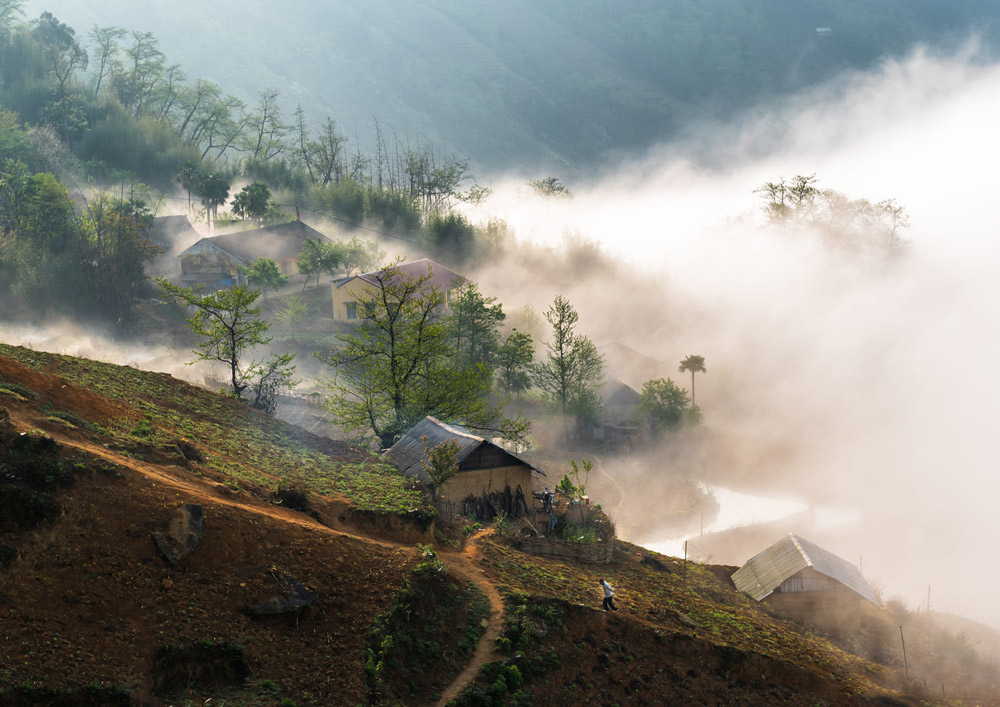
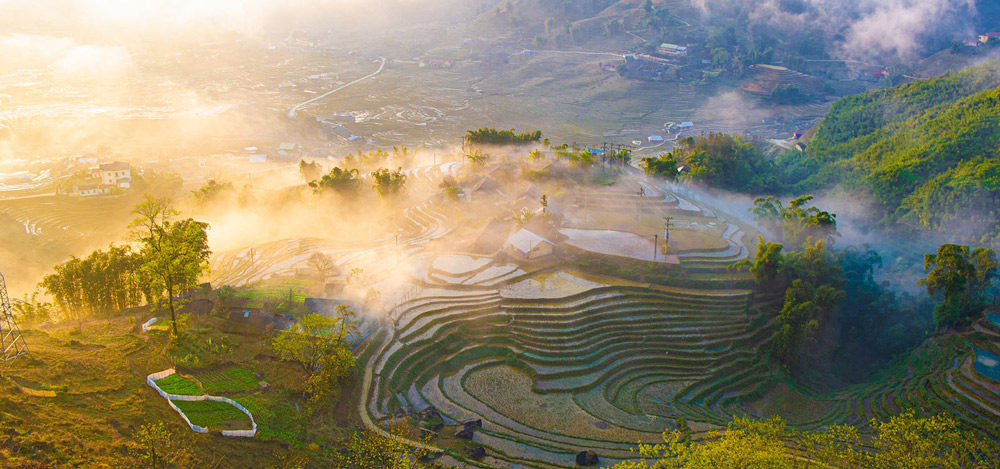
But that same fog can also create one of Sapa’s most spectacular experiences: the sea of clouds, or biển mây. When fog sits low in the valleys and the summit rises above it, the Fansipan cable car can lift travelers out of grey mist into blue sky. From the top, the clouds spread below like a white ocean.
This is why winter rewards flexible travelers. You should not chase perfect blue skies every day. Instead, watch the forecast, ask local guides about cloud conditions, and adjust your schedule around the clearest window.
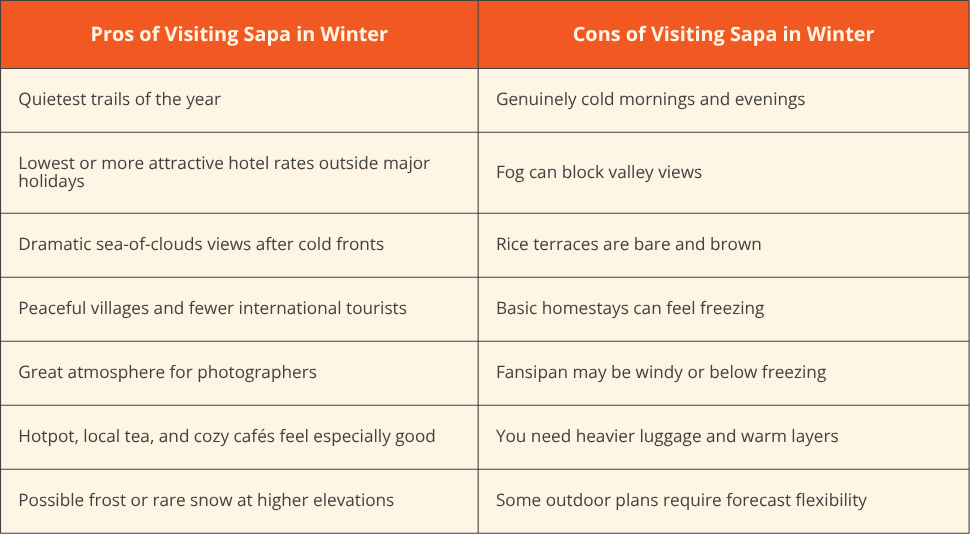
Winter Sapa is best for:
It is less suitable for:
The best month to go to Sapa depends on what you want to see.
If comfortable, dry, warm-weather trekking is the priority, choose September through November. September is best for golden rice terraces. October and November are cooler, drier, and great for trekking.
If your goal is a quiet, moody, budget-friendly trip with a real chance of frost, rare snow, or a cloud-sea view, winter delivers an experience no other season offers.
Here is how winter compares with other travel windows:
Avoid winter specifically if:
Winter is not the “easy” version of Sapa. It is the atmospheric version. If that matches your travel style, it can be unforgettable.
Yes, 3 days in Sapa is enough in winter, especially if your itinerary is flexible and built around the daily forecast.
In winter, the best plan is not to lock every activity into a fixed hour too far in advance. Weather can shift quickly. A foggy morning may become clear by noon. A grey town day may still produce a beautiful Fansipan cloud-sea view. A cold, damp day may be better for a village lunch, herbal bath, or hotpot experience than a long ridge trek.
A 3-day winter itinerary gives you enough time to check the forecast, choose the best Fansipan window, and still enjoy local culture even if one day is foggy.
Day 1: Arrival, Warm Welcome and Forecast Check
Travel from Hanoi to Sapa by private car, limousine van, or overnight train via Lao Cai. Keep your first day gentle, especially if you arrive early after the night train.
Check into your hotel or store your luggage. Walk around Sapa town, visit Sapa Stone Church, enjoy hot tea or coffee, and settle into the cold mountain mood.
In the evening, enjoy a Sapa-style hotpot dinner. This is one of the best winter meals in town, especially when the fog rolls through the streets. After dinner, check the next day’s weather and visibility forecast for Fansipan.
Day 2: Fansipan Cable Car on the Clearest Forecast Window
Use the clearest part of the trip for Fansipan Peak. In winter, timing matters. If fog sits low but the summit is clear, the cable car can lift you above the cloud layer into bright sunshine.
Dress warmly. Bring gloves, a hat, windproof jacket, and good shoes. The summit can be far colder than Sapa town.
If visibility is good, spend the morning enjoying the summit area, temples, and cloud views. If the forecast is poor, swap this day with a village experience and wait for a better window.
Day 3: Village Visit, Market and Departure
Use your final day for a lower-altitude village walk. Routes such as Cat Cat, Ta Van, Lao Chai, or Ta Phin can still be enjoyable in winter if you dress properly and choose a manageable path.
If the day is very cold or foggy, keep the route gentle. Visit a local market, enjoy a Red Dao herbal bath, have lunch with a local family, or explore Sapa town’s cafés and shops before returning to Hanoi.
This flexible pacing is better than rushing. Winter Sapa is not about checking off as many attractions as possible. It is about reading the weather, moving slowly, and embracing the mood.
Many blogs describe Sapa in winter as simply cold and foggy. That is partly true, but it misses the real magic.
Winter is not only about what the fog hides. It is also about what the fog creates.
Here is the truth: a foggy morning in Sapa town does not always mean a wasted day.
In winter, fog often sits low in the valleys. Town streets may look grey and visibility may seem poor. But higher up, above the fog line, the sky may be completely clear. This is why the Fansipan cable car can be so special in winter.
You may begin in thick mist at the base. Then, as the cable car climbs, the grey slowly thins. Suddenly, you break through the fog and see bright sunlight, blue sky, and a solid white blanket of clouds below. That is the sea of clouds experience.
This is one of the main reasons winter Sapa can be spectacular. The same fog that frustrates valley sightseeing can produce the best summit views of the year.
Instead of thinking, “The fog ruined my day,” think, “This might be the day to go higher.”
A smart winter strategy:
This is exactly where local knowledge matters. A guide who understands winter microclimates can help you decide whether to trek low, ride high, or wait.
On the coldest, foggiest winter days, do not fight the weather. Lean into it.
An Asia Mystika guide explains:
“On the coldest, foggiest winter days, we don’t fight the weather — we lean into it. A long lunch of Sapa-style hot pot with a local family, followed by a slow walk through a quiet, misty village, is one of our most consistently loved experiences of the year, precisely because there’s no crowd and no rush. Winter rewards travelers who embrace the mood instead of chasing perfect blue skies every single day.”
This is important.
A winter trip should not depend only on perfect views. Some of the best memories may come from warm meals, quiet village roads, conversations by a fire, herbal baths, or watching mist drift through the valley from a café window.
If you are always chasing blue skies, winter may frustrate you. If you let the season guide the experience, it becomes beautiful in its own way.
Packing properly is essential for winter in Sapa Vietnam. The cold is damp, and it becomes stronger at night or at higher elevations. You do not need heavy expedition gear, but you do need real winter layers.
The best approach is layering. This lets you adjust as the temperature changes between morning, midday, evening, and summit visits.
Winter Sapa packing checklist:
Avoid relying on thin hoodies, sandals, shorts, or cotton-only clothing. Cotton absorbs moisture and stays cold when damp. Jeans can also become uncomfortable in winter fog.
Accommodation matters too. Choose hotels or lodges with heating, electric blankets, hot water, or heated mattresses if possible. If you want a village stay, ask specific questions about winter comfort before booking.
Yes, winter is a good time to visit Sapa for travelers who want quiet trails, low prices, moody scenery, and do not mind genuine cold, especially in January.
Overnight temperatures in Sapa winter season commonly drop to 5°C to 9°C, with daytime highs around 12°C to 15°C. Higher elevations such as Fansipan are noticeably colder and can drop below freezing.
Yes, Sapa is foggy in winter, especially at valley level. However, the fog often clears at higher elevations, meaning the Fansipan cable car can rise above the fog into clear skies even on a grey day in town.
Snow in Sapa is possible but rare. Frost and icy conditions are more common, especially on Fansipan, O Quy Ho Pass, and high-altitude areas during strong cold spells.
Wear thermal layers, a warm fleece or sweater, a windproof jacket, thick socks, gloves, a beanie, and proper walking shoes. If visiting Fansipan, bring extra warmth because the summit is much colder than town.
Sapa in winter is not for every traveler, and that honesty matters.
Budget travelers, photographers, quiet-seekers, and people who enjoy cold mountain atmospheres will likely love it. Warm-weather travelers, rice-terrace hunters, and visitors who need guaranteed clear valley views every day may be happier in another season.
Winter Sapa is about mood. It is about fog drifting through quiet streets, hotpot on a cold night, frost on mountain railings, bare terraces resting under mist, and the sudden magic of rising above the clouds at Fansipan.
The fog is not always a flaw. Sometimes, it is the whole reason the trip becomes unforgettable.
If you pack properly, choose warm accommodation, keep your itinerary flexible, and let the weather shape the experience, winter can reveal one of the most peaceful and atmospheric sides of Northern Vietnam.
Stop assuming winter means a wasted, grey trip.
If you want to save time and effort while traveling to Vietnam, contact Asia Mystika, a trusted tour agent in Vietnam. We can arrange a winter Sapa package built around forecast-timed Fansipan cable car visits, cozy local experiences like hotpot, heated eco-lodges, expert guides, and safe private transfers.
Start planning the quietest and most atmospheric season of the year with Asia Mystika’s customized Sapa tour packages.
