 Hotline: +84 866 227 878
- SG$ Singapore Dollar
- A$ Australian Dollar
- £ British Pound Sterling
- C$ Canadian Dollar
- € Euro
- MYR Ringgit Malaysia
- US$ United States Dollar
- đ Vietnamese Dong


 Hotline/Whatsapp: +84 86 622 7878
 Email: sales@asiamystika.com
 About Us
 Destinations
 Travel Styles
 Travel Guide
 Blogs
Blogs
 News
News

Wondering what to see in Sapa? This 2026 guide covers the top places in town and the valleys, simple itineraries for 2–4 days, and tips to plan your trip without stress.
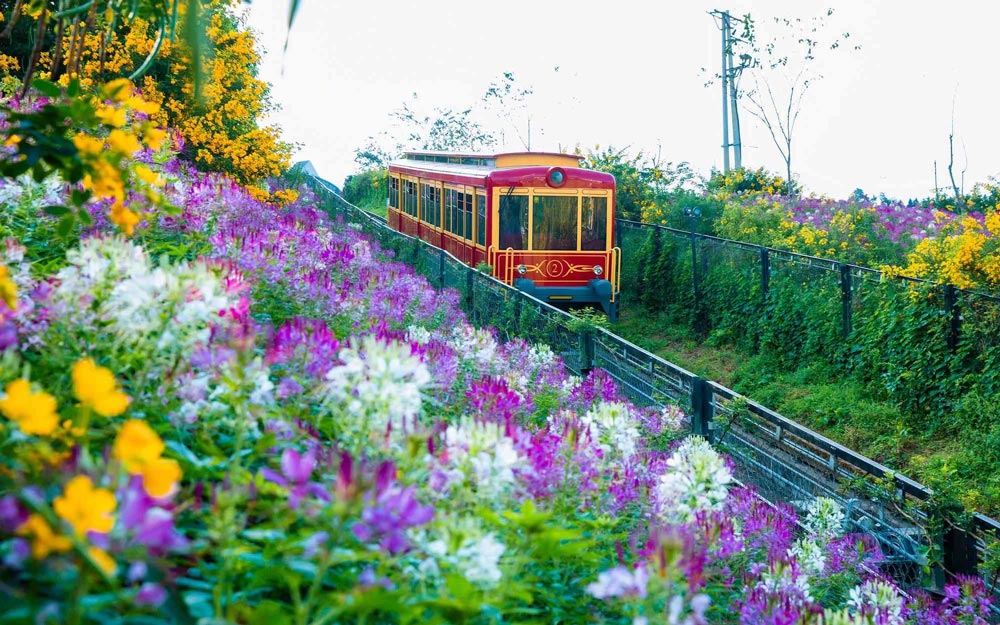
You’re not imagining it. Those photos your friends brought back from Southeast Asia, the terraces stacked like green staircases, the mountains disappearing into mist, the cozy cafés floating above the valley, they make you want to book a ticket immediately. And now you’re doing the smart thing: trying to figure out what to see in Sapa so your trip looks amazing in real life, not just on social media.
Sapa is the crown jewel of Vietnam’s northwestern highlands. It’s cool, dramatic, and full of contrast: one minute you’re in a lively town with markets and cafés, the next you’re looking out over quiet valleys and rice fields that seem to roll forever. That’s exactly why planning matters here. The best Sapa moments don’t happen by accident, they happen when you pick the right spots, the right timing, and the right pace for your travel style.
This guide is here to make that easy. We’ll cut through the confusing lists and show you exactly what to see in Sapa Vietnam, whether you want a big adventure day on the mountains or a relaxed itinerary with coffee, viewpoints, and easy village visits. You’ll also get the practical basics: how to get to Sapa, what the weather feels like, and what you should realistically expect this year so you can plan with confidence.
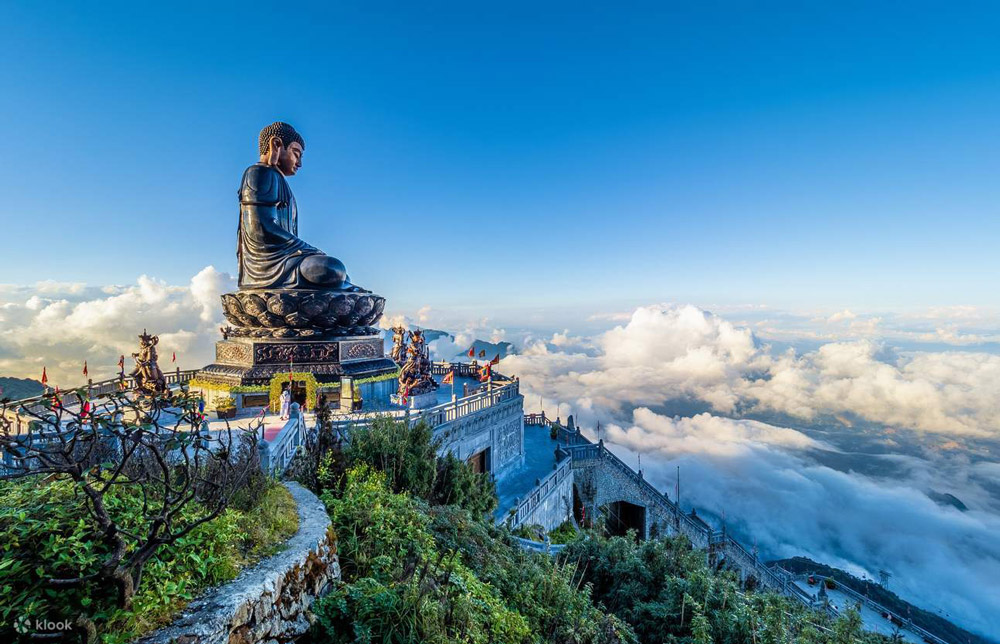
When people ask what to see in Sapa, they’re usually chasing three things they’ve heard about again and again. First are the rice terraces, especially around Muong Hoa Valley, where the hills drop steeply and the fields stack like giant green steps. Second is Mount Fansipan, often called the “Roof of Indochina,” the big headline peak that makes Sapa feel truly alpine. And third is the culture, the region is home to ethnic communities like the Hmong and Red Dao, and you’ll notice their presence through village life, textiles, markets, and local guides who know the mountains like home.
Now for the honest reality check: is Sapa, Vietnam worth visiting? Yes, absolutely, but it helps to arrive with the right expectations. In 2026, the town center is more modern and busier than many first-time visitors imagine. There are more hotels, more cafés, more traffic, and it can feel crowded at peak times. If you stay only in town, you might miss the exact “rugged magic” your friends described.
The good news is you don’t have to go far to find it. The real Sapa feeling starts just a few kilometers outside the center, when you drop into the valleys and the scenery opens up. That’s where you’ll get the quiet trails, the terraces, the mist drifting across the hills, and the slower rhythm of village life. So the best way to plan what to see in Sapa Vietnam is simple: use the town as your base, but make sure your itinerary includes at least one day out in the valleys. That’s where Sapa becomes unforgettable.
When people search what to see in Sapa, they usually want the same thing you do: the places that actually deliver the big views, the classic photos, and that “wow, I’m really in the mountains” feeling. Here are the four groups I’d put at the top of your list, especially for a first trip.
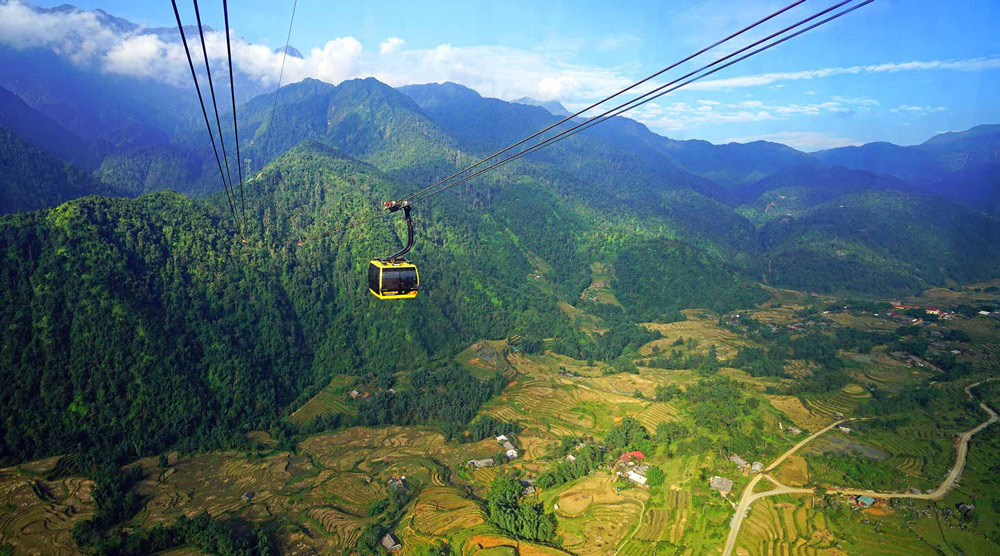
Mount Fansipan is the headline. It rises to 3,143m, and you can reach the top without trekking for days thanks to the Sun World cable car, which can shorten the journey to around 15 minutes while you float up through the Hoang Lien Son scenery. It is also a Guinness-recognized system, which tells you how serious the engineering is. If you want one big moment in Sapa that feels truly iconic, this is it.
Next, the real “postcard Sapa” is the rice terrace world of Muong Hoa Valley. This is where your camera starts working overtime. The valley sits roughly 6km southeast of town and spreads across villages like Lao Chai and Ta Van. Even a gentle trek here gives you those layered terrace views, small footpaths, and quiet mountain life that make Sapa feel special beyond the town center.
For what to see in Sapa center, keep it simple and satisfying. Start at the Sapa Stone Church for that classic town landmark and people-watching energy. Then wander to Sapa Lake for a calm loop when you want a break between activities. Finish at the local market if you want something meaningful to take home. This is where you can browse textiles and brocade-style items that reflect the highland culture and craft traditions.
Finally, for dramatic mountain photos with almost no effort, do the easy roadside combo: Silver Waterfall (Thác Bạc) and Heaven Gate at O Quy Ho Pass. Silver Waterfall is right on the Sapa side of the pass area, and O Quy Ho itself is famous for huge views over cliffs and valleys. Go late afternoon if you want softer light, or early morning if you are chasing that misty mountain mood.
If you’re trying to decide what to see in Sapa but you don’t want your trip to feel chaotic, the easiest trick is to plan by “energy level.” Sapa can be adventurous, but it can also be incredibly gentle. You just need a simple structure that matches your time and your legs.
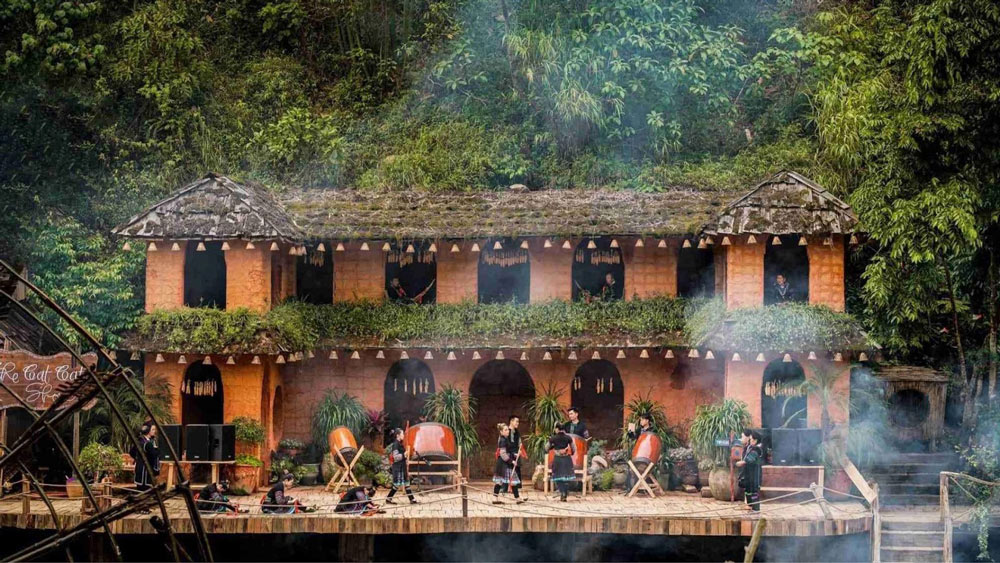
If you only have one full day, go for the biggest highlights in a clean order. Start early with Fansipan so you catch clearer skies and beat the crowds. Take the cable car up, enjoy the summit area, and give yourself time to soak in the views without rushing. In the afternoon, shift to something cultural and close by: Cat Cat Village is a good pick because it’s accessible from town and gives you scenery, waterfalls, and local crafts without needing a long trek. Then finish the day back in the center with a warm dinner. Sapa evenings are made for hot food and slow conversations.
If you’re not a hiker, don’t worry. You can still tick off the best parts of what to see in Sapa
Vietnam with minimal effort. Keep Fansipan on your list, the cable car does the hard work for you. Add a Red Dao herbal bath in town for the most relaxing “mountain reset” you can imagine. If you want photos, visit Moana Sapa, a curated viewpoint park where the backdrops are dramatic and the walking is light. And for the easiest scenic pleasure of all: café-hop along Fansipan Street. Find a window seat, order something warm, and let the clouds roll through the valley while you do nothing but enjoy it.
Nighttime in Sapa has a special feel, cooler air, foggy lights, and a gentle buzz in the streets. If it’s the weekend, head to the Night Market for roasted chestnuts and grilled skewers, perfect mountain snacks when the temperature drops. Then slow down with a loop around the lit-up Sapa Lake, where reflections make everything feel calmer. End the night at a mountain-view pub or café with a warm drink. It’s not party nightlife, it’s the kind of evening that makes you feel cozy and genuinely present, which is exactly what most people come to Sapa for.
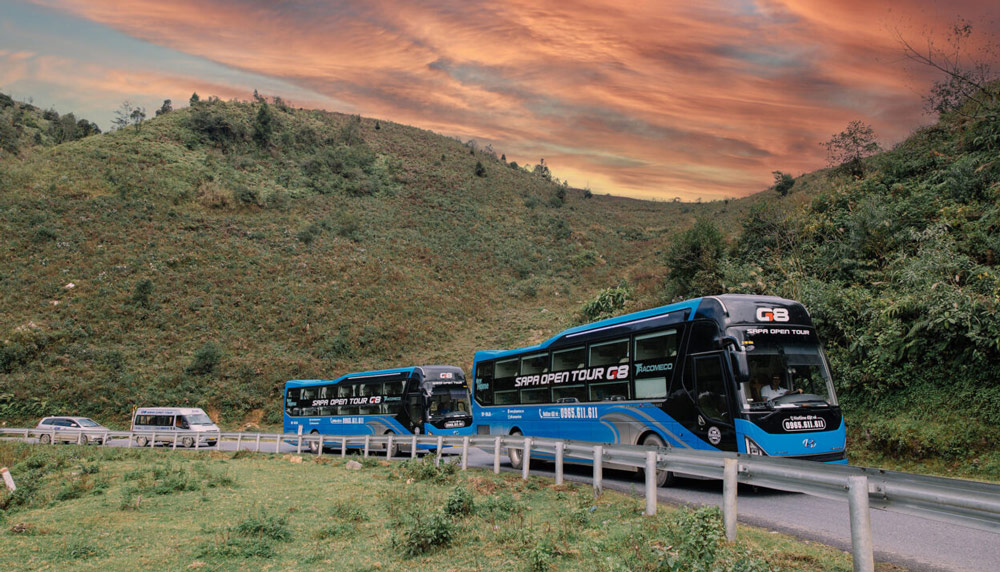
If you’re planning what to see in Sapa, the trip starts with choosing how to get there from Hanoi. In 2026 you’ve got two popular routes. The classic option is the overnight sleeper train (around 8 hours) to Lao Cai, then a 45-minute mountain shuttle up to Sapa. It’s great if you like the idea of sleeping through the long distance and arriving early. The faster, comfort-first choice is the luxury limousine bus (about 5.5 hours) that drives straight into town, so you skip the transfer and step off right near your hotel.
Timing matters in Sapa more than people expect. The best windows are very clear. September to November is the all-star season, you get golden harvest colors in the valleys and a better chance of clearer skies. If you love softer light and fresh scenery, March to May is a beautiful pick too. Spring brings blooming hillsides and those mirror-like terraces filled with water before the bright green rice starts taking over.
Visiting in December is a totally different vibe, and honestly it can be magical if you come prepared. It gets genuinely cold, especially at night, so pack a heavy coat, gloves, and warm layers. This is the season for cozy meals like hotpot, slow café stops, and chasing dramatic weather. If you go up toward Mount Fansipan, you might catch thick frost or even snow on certain days, plus that moody fog that makes Sapa feel like a cloud city for real.
For most travelers, 3 days and 2 nights is the sweet spot. It gives you time to settle in and actually enjoy the highlights without rushing. Use one day for Fansipan and town center sights, then keep another day for valley villages and terraces. That balance is what turns a checklist trip into a proper Sapa experience.
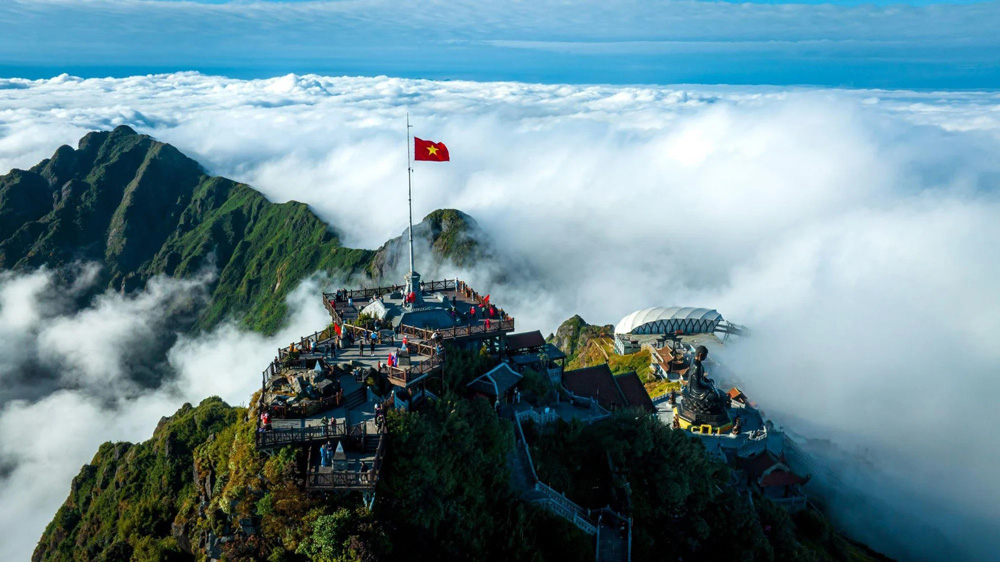
If you’re short on time, focus on the big five: Mount Fansipan, the Muong Hoa Valley rice terraces, Cat Cat Village, the Sapa Stone Church, and the dramatic views at O Quy Ho Pass. That mix gives you mountains, terraces, culture, and classic photo spots in one trip.
Sapa is famous for its stunning terraced rice fields, being the gateway to Fansipan (the highest peak in Indochina), and the rich traditions of ethnic communities like the Hmong and Red Dao. It’s one of the few places where nature and culture feel equally “wow.”
Yes, definitely. Just know this: the town center can be busy and modern, but the real magic is nearby. Step out into the valleys and you’ll find raw scenery, quiet village paths, and some of the most memorable mountain landscapes in Southeast Asia.
The sweet spot is 3 days and 2 nights. That gives you time to recover from the Hanoi journey, explore the town highlights, and still dedicate one full day to valley views or village trekking without rushing.
You can still have a full Sapa experience without long walks. Take the Fansipan cable car, visit small local museums, book a relaxing Red Dao herbal bath, or hire a taxi to see waterfalls and mountain passes that are right off the main road.
Two main options: the classic route is an overnight sleeper train (about 8 hours) to Lao Cai, then a short shuttle up to Sapa. The easier direct option is a luxury limousine sleeper bus, usually around 5.5 hours straight into town.
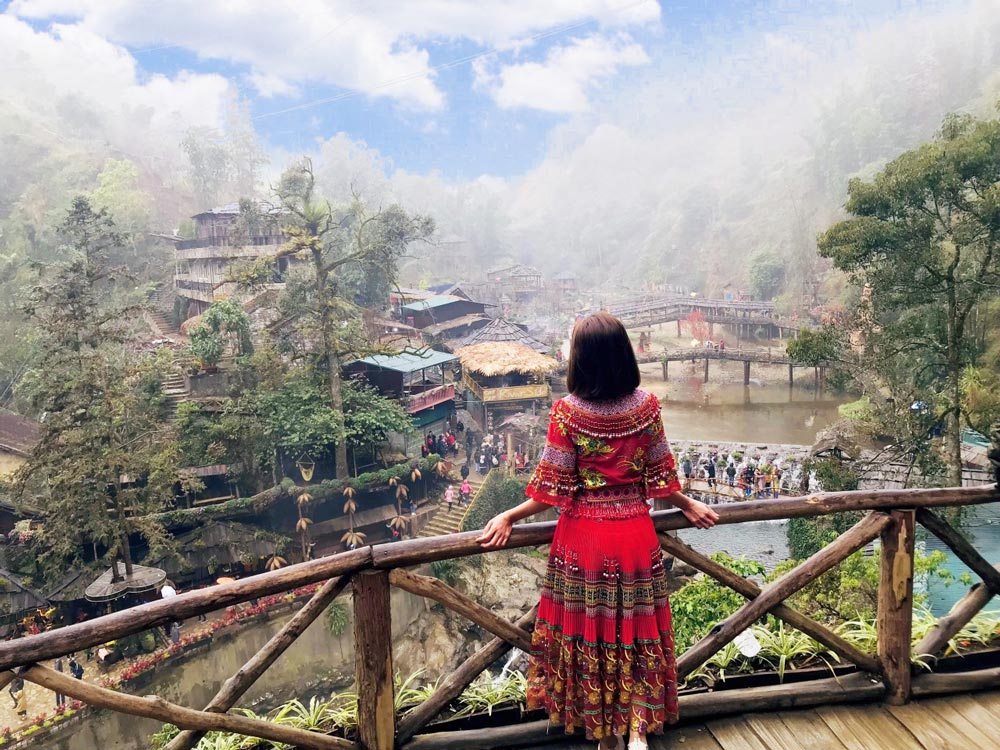
Sapa really does live up to the stories. It’s one of those places where you can have a full “mountain adventure” day, then come back to town for a warm dinner and a cozy café with valley views. That mix is what makes planning what to see in Sapa so fun. You can choose rugged moments like terraces and high passes, or keep it comfortable with cable cars, short village walks, and slow evenings in town, and it still feels like a proper highland escape.
A little preparation will make your trip smoother and more enjoyable. Book your Hanoi to Sapa transport early, especially for weekends and peak seasons. Pack layers because Sapa weather is unpredictable, mornings can be chilly, afternoons can turn sunny, and the fog can roll in anytime. Then start building your dream itinerary with the spots that match your style, whether you want big views, cultural village time, or just a relaxed “coffee above the clouds” vibe.
If you want to save time and effort and avoid planning stress, you can contact Asia Mystika, a trusted tour operator in Vietnam. They can help you design the best route for your travel dates, handle transport and timing, and build a Sapa itinerary that includes the best answers to what to see in Sapa without the guesswork.
Ready to go? Start planning your custom Sapa itinerary with us
Who we are: Learn more about the local experts at Asia Mystika
WhatsApp: (+84) 866.22.7878
Email: sales@asiamystika.com
Website: www.asiamystika.com
