Hotline: +84 866 227 878
- SG$ Singapore Dollar
- A$ Australian Dollar
- £ British Pound Sterling
- C$ Canadian Dollar
- € Euro
- MYR Ringgit Malaysia
- US$ United States Dollar
- đ Vietnamese Dong


 Hotline/Whatsapp: +84 86 622 7878
 Email: sales@asiamystika.com
 About Us
 Destinations
 Travel Styles
 Travel Guide
 Blogs
Blogs

Planning a trip to Sapa in August? Discover Sapa Vietnam weather in August, rice terrace conditions, what to wear, trekking tips, rainy season safety, and whether late August is worth visiting.
The Weather: Sapa weather in August is warm, humid, and rainy, with temperatures usually ranging from 18°C to 25°C. It is still part of the rainy season, so expect frequent afternoon showers.
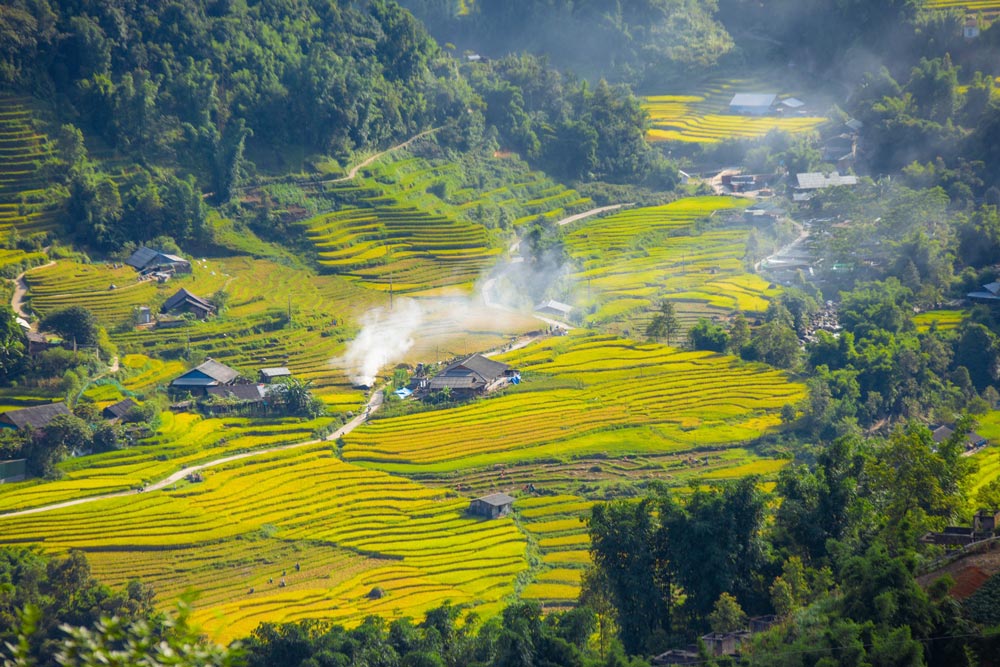
The Scenery: Early August brings lush, towering green rice fields. By late August, the terraces begin their magical transition from green to golden-yellow.
The Verdict: Is visiting Sa Pa in late August worth it despite the rain? Absolutely. The rain clears the summer haze, making the mountains vivid, dramatic, and excellent for photography.
Crowds: August sees fewer international tourists than peak harvest season, giving travelers a quieter and more authentic trekking experience.
Yes, Sapa is good in August, especially if you understand what kind of trip you are getting.
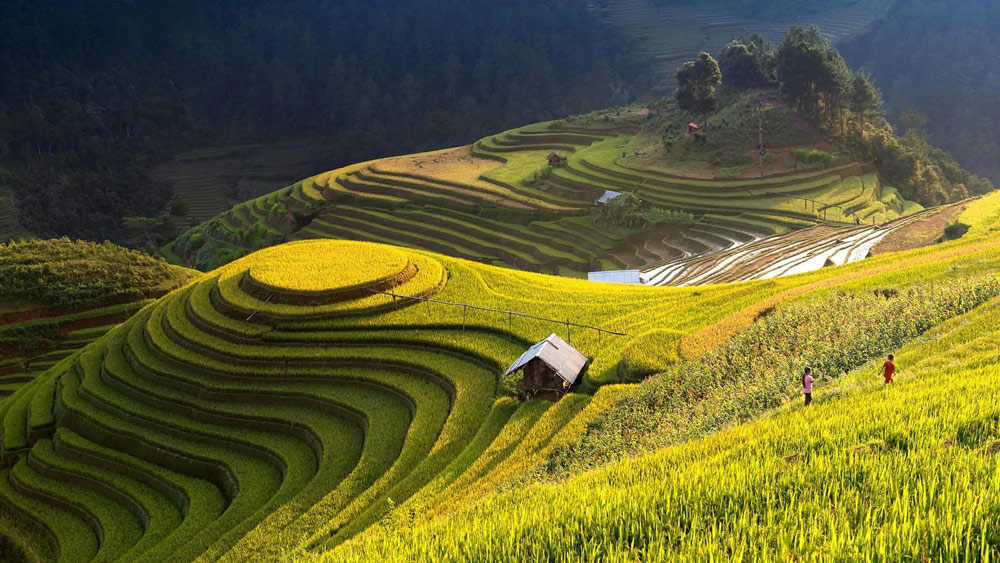
August is not the dry, easy, postcard-perfect version of Sapa. It is the dramatic version. The mountains are deep green. The valleys feel alive. Waterfalls run stronger. Clouds move fast across the ridges. Rice terraces stand tall and full, especially in early August, before slowly shifting toward yellow near the end of the month.
The weather averages a comfortable 18°C to 25°C, which is much cooler than Hanoi, Da Nang, or Ho Chi Minh City in the same month. This makes Sapa a refreshing escape from Vietnam’s lowland summer heat. The challenge is rain. August is one of the wettest months in Sapa, so you need flexibility, good shoes, and a realistic trekking plan.
The good news is that it does not usually rain heavily all day. Many August mornings are misty, cool, and surprisingly clear. The heaviest showers often come in the mid-to-late afternoon. If you start your hikes early and keep afternoons flexible, you can still enjoy a rewarding Sapa trip.
August is also one of the most underrated months for travelers who want the rice terraces before the big September crowds arrive. In early August, the fields are intensely green. In late August, the first golden tones begin to appear. This transition is beautiful because you get both colors in one landscape: green valley floors, yellowing slopes, and misty mountain backdrops.
So, is Sapa in August worth visiting? Yes, if you are prepared for rain and want lush scenery, fewer international tourists, and a more atmospheric mountain experience.
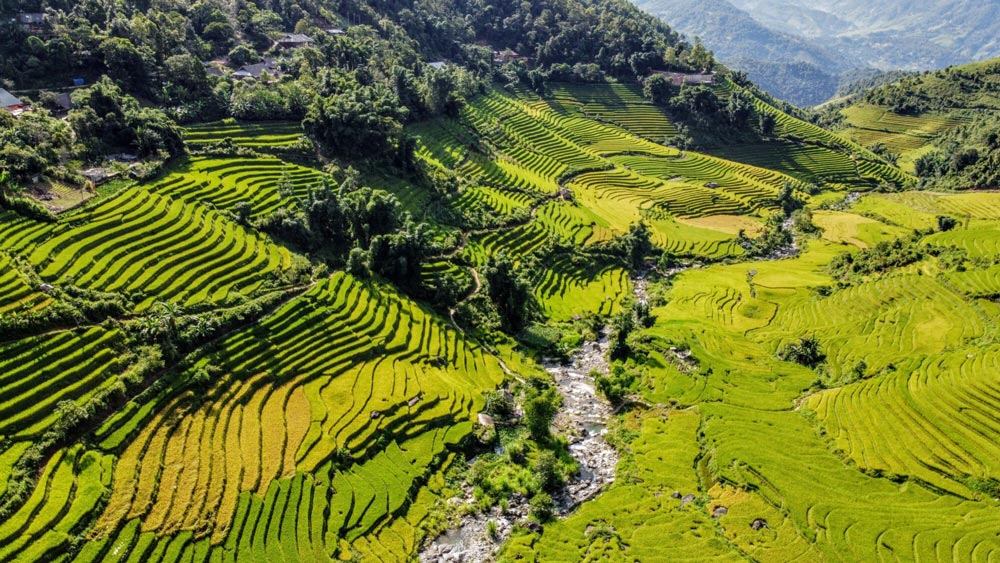
Weather in Sapa in August is defined by three things: high humidity, frequent rain, and mild mountain temperatures.
Temperatures usually range from 18°C at night to around 25°C during the day. This feels pleasant compared with Vietnam’s hotter lowland regions, but the humidity can be heavy. Rainfall is also significant, often around 300mm to 350mm or more during the month, depending on the year.
The most important thing to understand is the daily weather rhythm. Many travelers imagine August as endless rain from morning to night. That is not always accurate. The pattern is usually more manageable:
This rhythm is the secret to enjoying Sapa in August. Start early, finish your outdoor plans before the biggest rain, and save cafés, herbal baths, markets, and hotel rest for the afternoon.
| Time of Day | Expected Weather | Best Activity to Do |
| Early morning | Cool, misty, sometimes clear after sunrise | Start trekking, take terrace photos, visit viewpoints |
| Mid-morning | Brighter skies, humid but comfortable | Lao Chai, Ta Van, Cat Cat, Muong Hoa Valley walks |
| Midday | Warm, humid, clouds building | Lunch, short village visits, return toward town |
| Mid-to-late afternoon | Heavy showers or sudden storms likely | Café, herbal bath, market visit, hotel rest |
| Evening | Cool, damp, sometimes foggy | Dinner in town, local hotpot, gentle walk near hotel |
Because of the rain, trails can be muddy and slippery. This is especially true on narrow terrace paths, village slopes, bamboo forest routes, and downhill sections. Do not rely on smooth sneakers. You need shoes with grip.
The humidity also means your clothes may not dry quickly. Quick-dry fabrics are much better than denim or thick cotton. A lightweight waterproof layer is more useful than a heavy jacket because August is wet but not cold.
Yes, visiting Sapa in late August is highly recommended if you want dramatic rice terrace scenery before the peak harvest crowds.
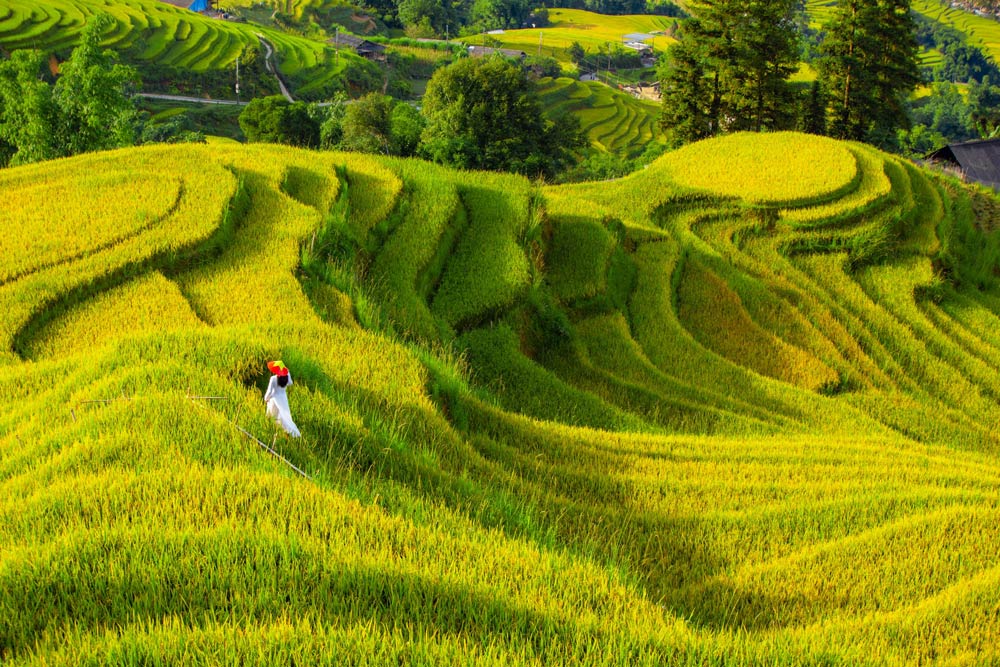
Late August is when Sapa begins to change. The rice fields are no longer only green. The first golden-yellow tones start appearing, especially in sunnier areas and lower-altitude terraces. The landscape becomes layered, with green, yellow, silver rainwater, and drifting clouds all appearing together.
This is why late August is so rewarding for photography. The scenery feels alive and transitional. You are not seeing the final golden harvest of September yet, but you are seeing the moment just before it. For many travelers, that is even more interesting.
A common worry on travel forums is whether August rain will ruin the trip. The honest answer is: it depends on your timing and expectations. Rain can interrupt outdoor plans, but it also creates sharper post-rain visibility. After a strong shower, the mountains often look cleaner, greener, and more vivid. Summer haze is washed away, and the valley can suddenly open into a spectacular view.
In dry, hazy months like May or June, distant mountain views can sometimes appear soft or washed out. In August, when the rain clears, the contrast can be stunning.
Early August is best if you want lush green rice terraces and powerful waterfalls. The fields are tall and full, the valleys feel fresh, and every slope looks dense with life.
Best for:
Main challenge:
Late August is best if you want to see the first signs of the golden rice terrace transition before September’s peak crowds.
Best for:
Main challenge:
Note for publishing: because you requested no image source suggestions, I have not included image sourcing recommendations. If using Asia Mystika’s own media library, place your geotagged green-to-gold Sapa terrace images in this section with alt text such as Sapa in late August green to golden rice terraces.
You should reconsider visiting Sapa only if a major tropical depression, typhoon, or severe storm system is actively forecasted.
Normal August rain does not automatically ruin a Sapa trip. Many travelers still enjoy trekking, photography, village visits, and Fansipan if they plan around the weather. The real concern is extreme rain. Heavy storms can cause localized landslides, muddy trails, poor visibility, road delays, and unsafe trekking conditions.
Check the weather carefully 3 days before arriving. This is more useful than checking too far in advance because mountain forecasts change quickly. If severe rain is forecasted, adjust your plan. Choose shorter routes, avoid remote trails, use professional drivers, and avoid unnecessary night transfers on mountain roads.
You should avoid long treks during active heavy rain. You should also avoid steep rural trails if your guide says conditions are unsafe. Sapa’s beauty is not worth risking an injury on a slippery path.
For road travel, professional transport matters more in August. Local drivers understand which roads are safer during wet conditions and how to handle the winding mountain pass.
A private transfer or well-managed limousine service can make a major difference in rainy season. It reduces stress, avoids unreliable roadside arrangements, and gives you more control over timing.
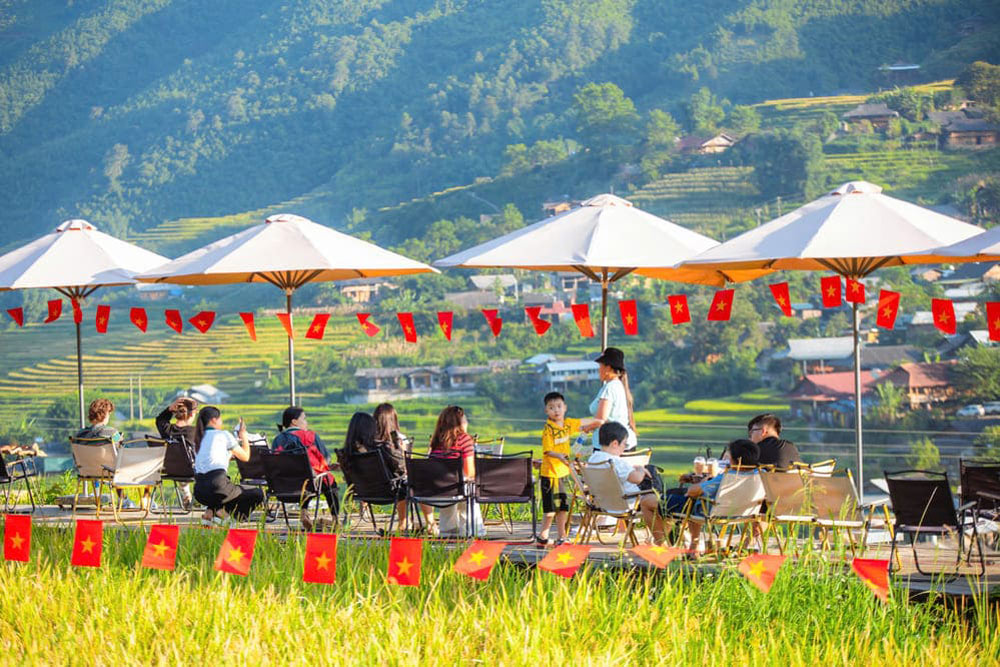
Because you can experience four seasons in one day, layering and waterproofing are mandatory for Sapa Vietnam weather in August.
You need clothing that handles humidity and rain without overheating. Do not pack heavy winter gear. August is not cold enough for thick coats. The key is lightweight, breathable, quick-dry, and waterproof.
Sapa August packing checklist:
For trekking, prioritize function over fashion. You can still dress nicely for cafés or town walks, but village routes require practical gear.
If you plan to visit Fansipan, bring a light jacket even if Sapa town feels warm. The summit can be windy, foggy, and much cooler than town.
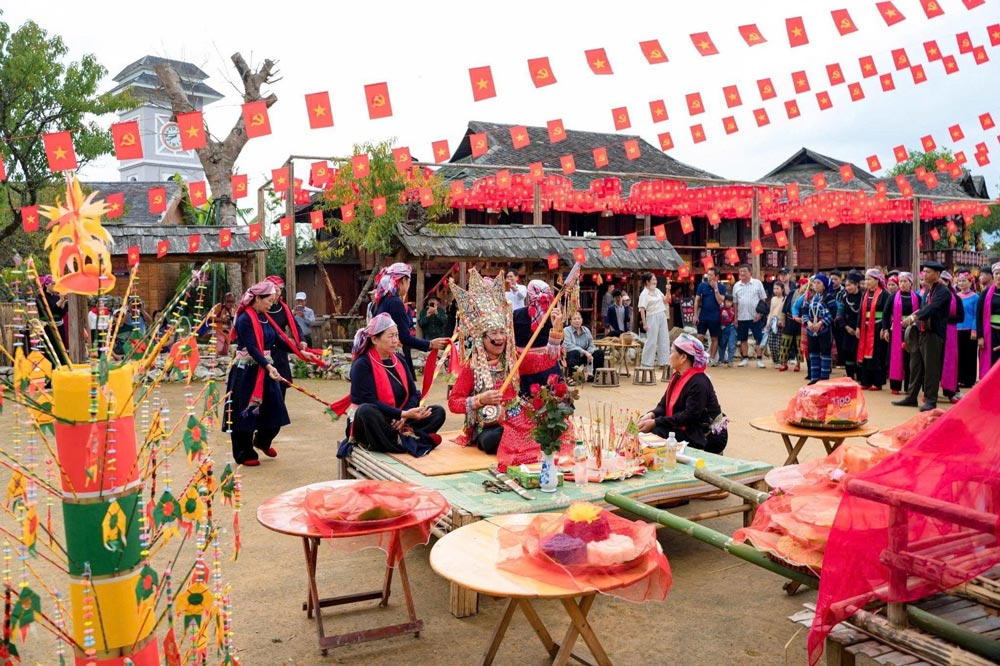
Yes, August can be a good time to go to Vietnam, but it depends on where you travel.
Vietnam has different regional climates. August is not the same everywhere. Northern Vietnam, including Hanoi and Sapa, experiences summer rains. Central Vietnam, including Da Nang and Hoi An, is often drier and sunnier during much of August. Southern Vietnam is warm and wet, but showers are often short and tropical.
This makes August a transitional month that needs smart routing.
If you want to include Sapa, a good August Vietnam itinerary might look like this:
Day 1 to Day 2: Hanoi
Spend 2 days in Hanoi for food, coffee, culture, museums, and Old Quarter walking. Expect heat, humidity, and possible afternoon rain.
Day 3 to Day 4: Sapa
Travel to Sapa for 2 days to see lush rice terraces, misty mountains, waterfalls, and early green-to-gold scenery. Start activities early each day.
Day 5 onward: Central Vietnam
Fly to Da Nang or continue to Hoi An for beaches, heritage streets, and a generally sunnier coastal atmosphere.
This combination works well because you get the dramatic mountain scenery of Sapa without spending your entire holiday in rainy Northern Vietnam. After the mountains, Central Vietnam gives you warmth, beach time, and a different rhythm.
If your trip is short, do not overload the itinerary. Sapa needs flexibility in August. Build buffer time and avoid tight same-day transfers after long treks.
Suggested internal link: How to travel from Hanoi to Sapa
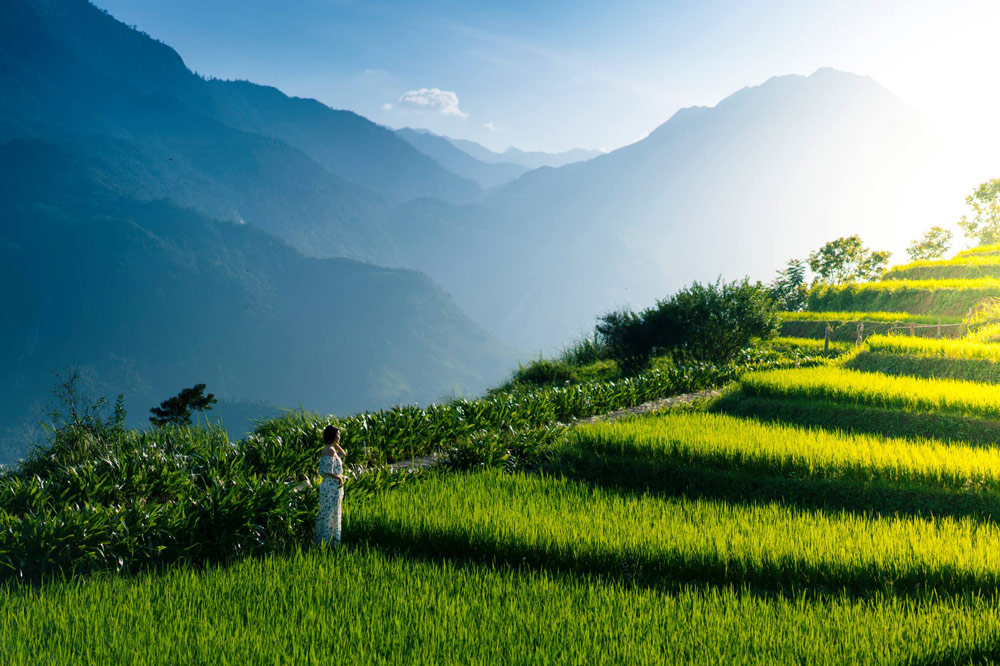
Most travel guides simply say “bring a raincoat.” That is true, but not enough. The real secret to enjoying Sapa in August is timing.
Rain in August often hits after 2:00 PM. It does not always follow this pattern perfectly, but it happens often enough that you should plan around it.
This creates a powerful microclimate strategy: start early.
If you begin your valley hike around 6:30 AM, you can enjoy the best part of the day. The air is cool. The terraces are quiet. The mist begins to lift. Villages are waking up. Light is soft. Trails are less crowded. Most importantly, you can finish the main trek before the heavy afternoon rain arrives.
This works especially well for:
A smart August day looks like this:
This approach changes everything. Instead of fighting the rain, you move before it.
August rain affects not only trekking, but also transportation. Roads can be wet, visibility can drop, and the winding mountain pass between Lao Cai and Sapa can become slippery.
An Asia Mystika guide explains:
“During the August monsoon, we strongly advise our clients against taking the overnight sleeper buses. The winding mountain pass from Lao Cai to Sapa can be slippery at night. Instead, book the overnight train, or hire one of our daytime private Limousine vans where our experienced drivers can navigate the roads safely in daylight.”
This advice is especially useful for families, first-time visitors, and travelers who get anxious on mountain roads.
If you want comfort and safety, consider:
Rainy season does not mean you cannot travel. It means you should travel smarter.
The Sapa weather August forecast is usually warm, humid, and rainy, with daytime highs around 25°C and cool evenings dropping to around 18°C. Expect frequent showers, especially in the afternoon.
In early August, the rice terraces are vividly green. By late August, you can begin to see the beautiful transition as the fields start turning golden-yellow before the September harvest.
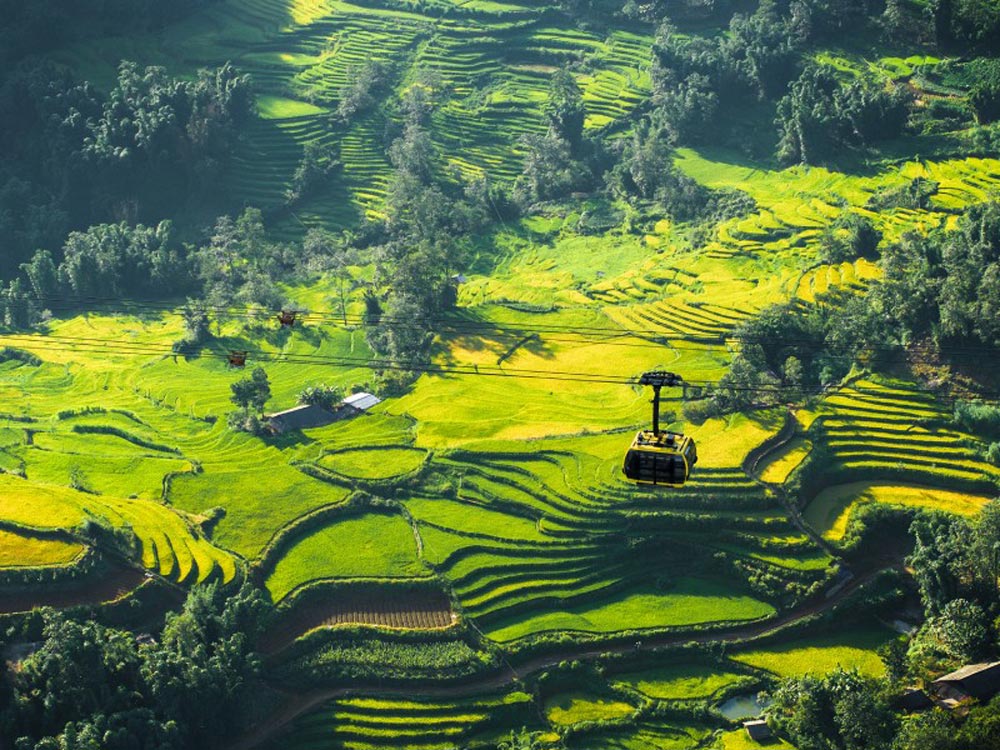
Yes, you can hike or visit Fansipan in August, but you should start very early or take the cable car. Afternoon fog and thunderstorms often roll in after midday, so morning offers the best chance of visibility.
No, Sapa is not cold in August. It is one of Sapa’s warmer months, but the high altitude means evenings can feel slightly chilly around 18°C, so a light jacket is recommended.
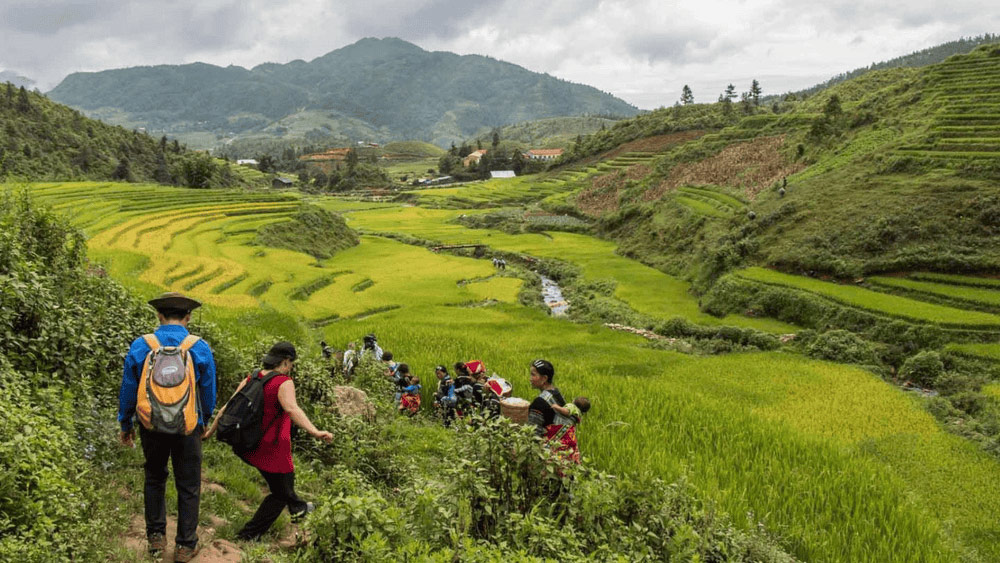
Sapa Vietnam weather in August requires flexibility, but the reward can be unforgettable.
This is the month of deep green valleys, powerful waterfalls, dramatic clouds, and the first hints of golden rice. Early August feels lush and alive. Late August begins the transition toward harvest season. The rain can be inconvenient, but it also clears the haze, sharpens the mountain views, and gives Sapa its vivid late-summer beauty.
If you are willing to start your treks early, pack properly, and keep afternoons flexible, August can be one of the most rewarding months to experience Sapa before the September crowds arrive.
The key is planning. Avoid severe storm windows. Check weather 3 days before arrival. Use safe transport. Bring waterproof gear. Choose experienced local guides. And remember the 6:00 AM rule: the mountains often reward early risers.
Stop stressing over unpredictable mountain weather, muddy trails, and rainy-season transfers.
If you want to save time and effort while traveling to Vietnam, contact Asia Mystika, a trusted tour agent in Vietnam. We can arrange your all-inclusive Sapa package with vetted eco-lodges, expert local trekking guides, safe private transfers, smart rainy-season routing, and flexible backup plans.
Start planning your late-summer mountain escape with Asia Mystika’s customized Sapa tour packages.
Ready to go? Start planning your custom Sapa itinerary with us
Who we are: Learn more about the local experts at Asia Mystika
WhatsApp: (+84) 866.22.7878
Email: sales@asiamystika.com
Website: www.asiamystika.com