
- SG$ Singapore Dollar
- A$ Australian Dollar
- £ British Pound Sterling
- C$ Canadian Dollar
- € Euro
- MYR Ringgit Malaysia
- US$ United States Dollar
- đ Vietnamese Dong




 About Us
 Destinations
 Travel Styles
 Travel Guide
 Blogs
Blogs

Planning Sa Pa in November? Discover real temperatures, rainfall, visibility, trekking conditions, packing tips, and how to plan one of Sapa’s driest and clearest travel months.
The Temperature: Weather in Sapa in November is cool and crisp, with cold mornings around 10°C to 14°C and mild, sunny afternoons around 17°C to 20°C. The final week of the month can feel noticeably colder as early winter air arrives.
The Scenery: The rice terraces have already been harvested. Expect dry, sculpted, golden-brown fields and some of the year’s clearest panoramic mountain views.
Trekking Conditions: November is one of the driest months in Sapa, with firm trails, minimal humidity, and excellent walking conditions. It is arguably one of the best trekking windows of the entire year.
Visibility: Morning fog is common, but it usually burns off by mid-morning, revealing some of the clearest blue-sky mountain views of the year, especially around Fansipan and the Hoang Lien Son range.
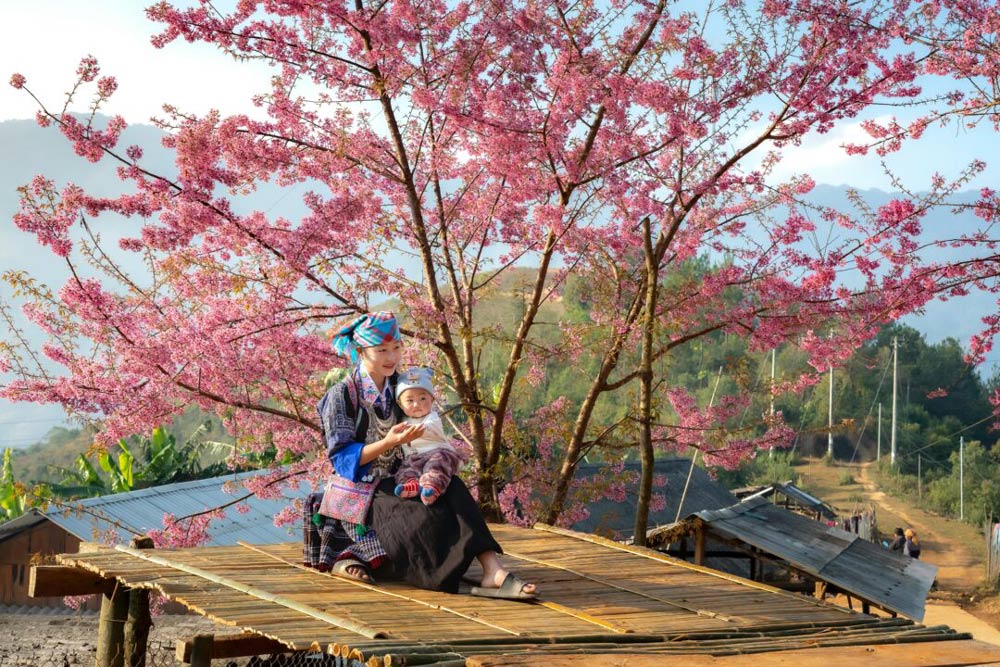
The weather in Sapa in November is dry, cool, and clear. Daytime temperatures usually sit around 17°C to 20°C, while overnight lows often drop to 10°C to 14°C. In the final week of the month, temperatures can fall even lower as the first strong winter air arrives from the north.
For many travelers, November feels like the most balanced month in Sapa. It is no longer wet and muddy like July or August. It is not as busy as the September and October harvest period. It is not yet as cold and fog-heavy as December or January. Instead, November gives you crisp air, firm trails, open skies, and a peaceful post-harvest landscape.
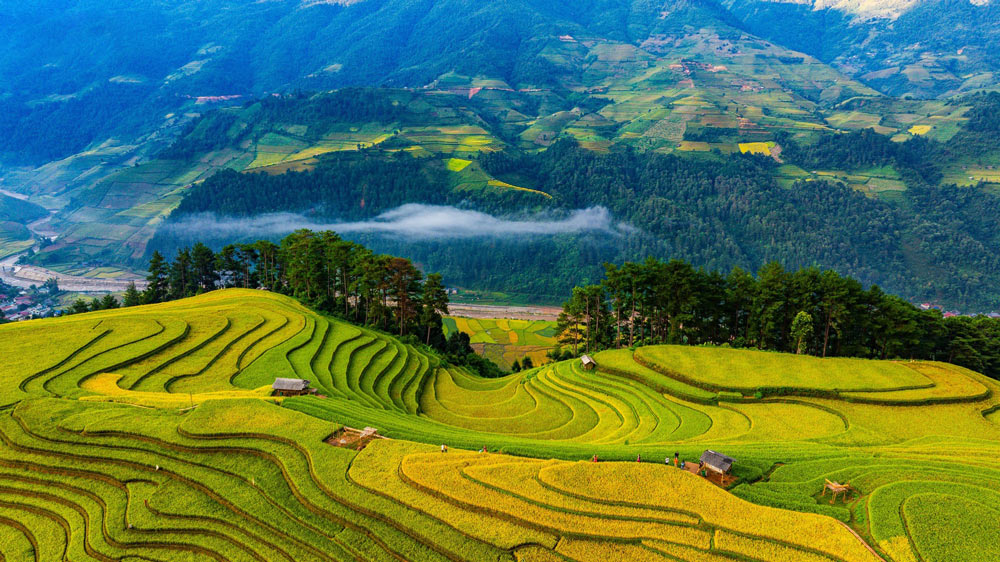
The rice terraces are no longer green or golden. By November, most fields have been harvested. What remains is a dry, sculpted, straw-colored landscape. The terraces still look beautiful, but in a different way. Instead of bright harvest color, you get texture, shape, and depth. The layered hillsides become more architectural, especially under clear autumn light.
This is why Sapa in November is ideal for travelers who care more about mountain views, trekking comfort, and photography clarity than peak rice color. The fields may be quieter, but the mountains are often at their most visible.
If September is the month for golden rice, November is the month for clear horizons.
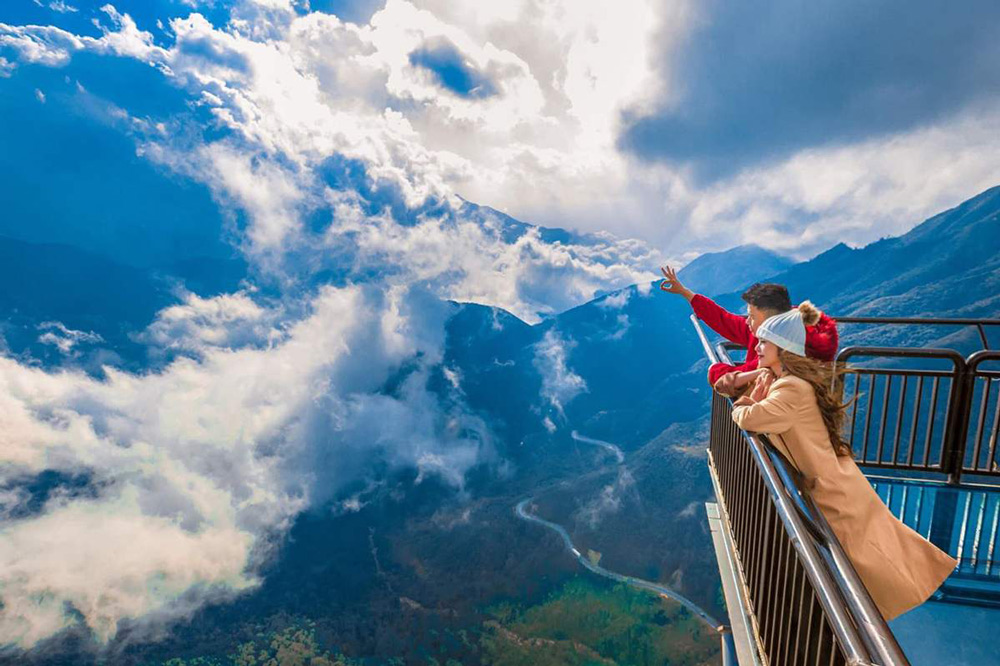
Weather in Sapa in November marks the transition from autumn into the first true cold of winter. For most of the month, humidity and rainfall are among the lowest levels of the year. The air feels clean, the trails dry out, and the mountains often appear sharper than they do in the wetter or hazier months.
However, November is not the same from beginning to end. Early November can still feel like pleasant autumn. Late November can feel like the beginning of winter. This is the most important detail for packing.
If you visit during the first two weeks, you may enjoy sunny afternoons, light trekking layers, and mild weather in the valley. If you visit after the 20th, you should prepare for colder mornings, sharper wind, and the possibility of a sudden cold front.
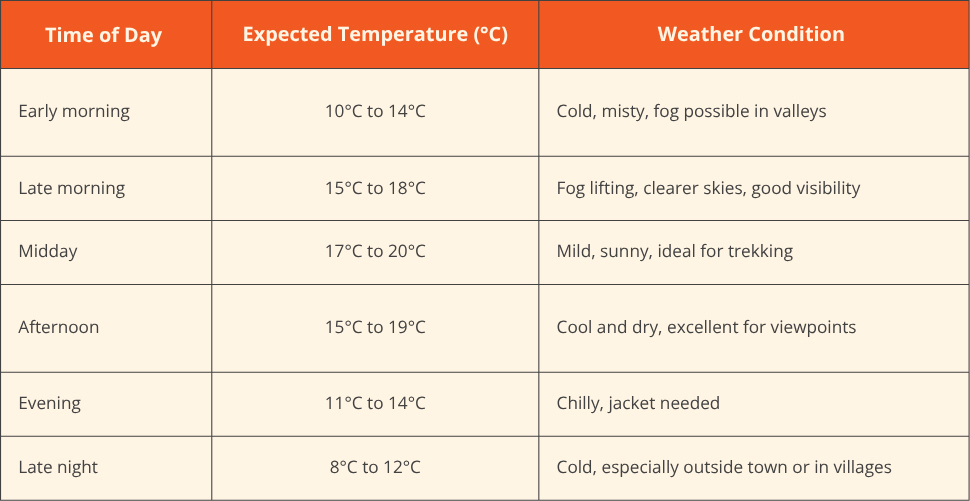
The daily pattern is usually traveler-friendly. You may wake up to fog or low cloud in the valley. By mid-morning, the sun often warms the air enough to clear the mist. This creates a beautiful rhythm: soft fog in the morning, blue skies by late morning, and clear mountain light through the afternoon.
Rain is usually limited compared with summer. Light showers can still happen, especially in early mornings or late evenings, but November is not a monsoon month. This makes it one of the safest periods for trekking routes such as Muong Hoa Valley, Lao Chai, Ta Van, Cat Cat Village, and Y Linh Ho.
It depends which week you visit. Early-to-mid November is usually mild and comfortable for trekking with layers. Late November can feel much colder, especially at night, as the first northern cold fronts arrive. If you travel in the final week, pack one proper insulated layer, not only a light fleece.
Yes, November is a good time to visit Sapa. In fact, it is one of the best months of the year for travelers who want dry trails, clear mountain panoramas, and fewer crowds than the peak harvest season.
Many people think Sapa is only worth visiting when the terraces are green or golden. That is not true. November offers a different reward: clarity. The air is often cleaner, the mountains are more visible, and the trekking routes are more comfortable.
By November, the harvest-season crowds have thinned. You may still see travelers, especially on weekends or around popular spots like Sun Plaza and Fansipan, but it usually feels calmer than September or October. For people who dislike crowds but still want excellent weather, November is a strong choice.
The main visual trade-off is the rice terraces. The vivid green of summer is gone. The golden rice of September and early October is gone. The fields are now dry, brown, straw-colored, and sculpted. They still look dramatic, especially from high viewpoints, but they are not the postcard-gold version many travelers imagine.
If you know this before you arrive, you will enjoy November much more.
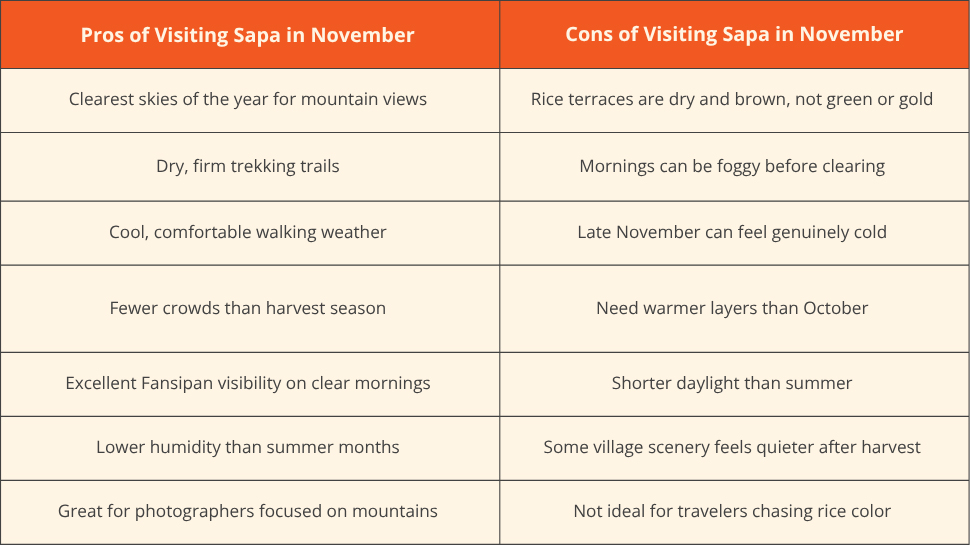
November is especially good for:
If your priority is walking comfortably and actually seeing the mountains, Sapa in November is one of the best choices.
The best month to go to Sapa depends on what you want most.
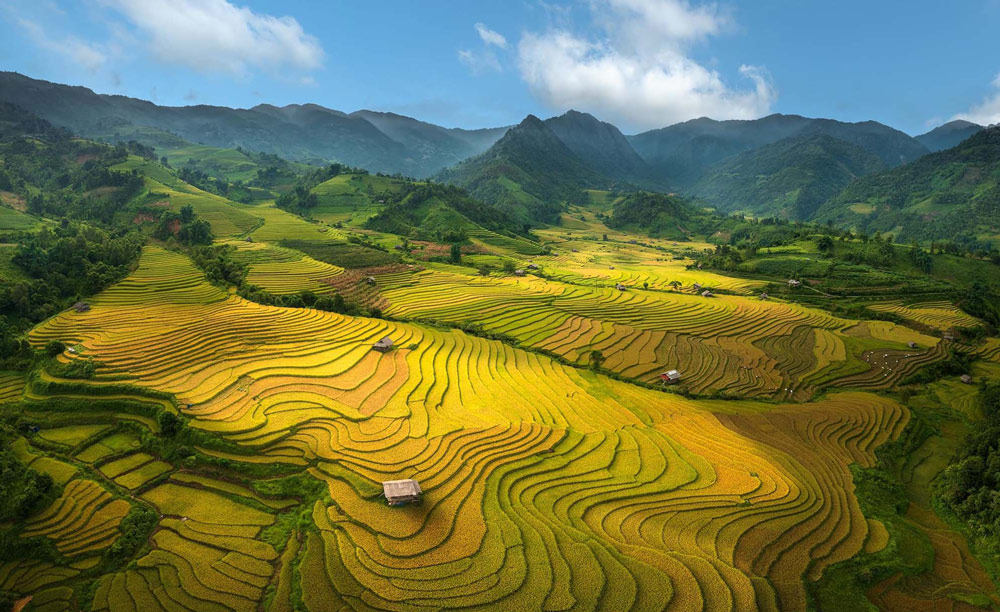
If your priority is golden rice terraces, choose September or early October. This is the classic harvest season, when the fields turn yellow before being cut.
If your priority is clear mountain views and comfortable dry trekking, November is arguably unmatched. You may miss the golden rice, but you gain clearer skies, easier trails, and fewer crowds.
If your priority is lush green terraces, choose June to August, but be ready for rain, humidity, mud, and afternoon storms.
If you want a winter atmosphere, choose December to February, but prepare for cold weather, fog, and possible frost.
Here is the quick comparison:
Avoid the last week of November if you are highly sensitive to cold and do not want to pack warm clothing. Otherwise, November is one of the strongest all-round months in Sapa.
No, 4 days in Sapa is not too much in November.
Because trails are dry and skies are often clear, a 4-day itinerary gives you enough time to enjoy Sapa properly. You can do a full valley trek, dedicate one good-weather morning to Fansipan, explore local villages without rushing, and add a market or highland day trip.
Many travelers only stay 1 or 2 nights, but that can feel rushed. The journey from Hanoi takes time, and Sapa’s best experiences are spread across valleys, villages, viewpoints, and mountain routes. November weather gives you the freedom to slow down and enjoy them.
Day 1: Arrival, Sapa Town and Cat Cat Village
Arrive from Hanoi by private car, limousine van, or overnight train via Lao Cai. Keep your first day light so you can adjust to the mountain air.
Explore Sapa town, visit Sapa Stone Church, walk around the central square, and enjoy a warm drink in one of the town’s cafés. If the weather is clear, visit Cat Cat Village in the afternoon for an easy introduction to the valley scenery.
In November, Cat Cat’s harvested fields may look dry and sculpted, but the walking conditions are generally good.
Day 2: Deep Valley Trek to Lao Chai and Ta Van
Use the dry November trails for a longer trek through Muong Hoa Valley, Lao Chai, and Ta Van. This is one of Sapa’s classic trekking routes and works especially well in November because the paths are firmer and less slippery than in summer.
A local guide can help explain the rice cycle, ethnic communities, and post-harvest village rhythm. Even though the fields are no longer golden, the valley still has beautiful texture and open views.
End the day in Sapa town or stay overnight in a comfortable lodge if you want a slower village experience.
Day 3: Fansipan Summit on the Clearest Forecast Morning
Reserve your clearest morning for Fansipan, the highest peak in Vietnam. November is one of the best months for visibility, but timing still matters. Morning fog may appear in town, then clear by mid-morning.
If the forecast is good, head to the cable car after breakfast. Bring a jacket because the summit is much colder than Sapa town. On a clear day, the views over the Hoang Lien Son range can be breathtaking.
After Fansipan, continue to O Quy Ho Pass if the weather remains clear.
Day 4: Bac Ha Sunday Market or Remote Village Day Trip
If your schedule includes a Sunday, consider a day trip to Bac Ha Sunday Market. It is farther away, but it offers a colorful highland market experience with local produce, textiles, livestock, and ethnic communities.
If it is not Sunday, choose a gentler village route such as Ta Phin, a Red Dao herbal bath experience, or a slow morning in Sapa before returning to Hanoi.
This 4-day pace works beautifully in November because you are not racing against heavy rain. You can plan more confidently, stay outdoors longer, and still keep enough flexibility for fog or cold snaps.
November is often misunderstood. Many guides describe it simply as “cool season” or “start of winter,” but locals rate it highly for one major reason: visibility.
Most travelers come to Sapa for rice terraces. That makes September and October famous. But if you want to actually see the mountains, November can be even better.
The truth is that November has some of the lowest rainfall and cloud cover of the year. This means the Fansipan summit, O Quy Ho Pass, and Hoang Lien Son panoramas are visible more often than during wetter or hazier months.
This is the expectation shift travelers need:
That clarity matters. A golden terrace under cloudy haze is beautiful, but a clear November panorama from Fansipan or O Quy Ho can be unforgettable. You see ridge after ridge, valleys opening below, and the mountain range stretching farther than expected.
November is the month for travelers who want space, air, and distance.
November can trick travelers. Early-month weather may look mild in forecasts, so people pack like they are visiting in autumn. Then they arrive after the 20th and meet a cold front.
An Asia Mystika guide explains:
“Every year we get guests who pack for ‘mild autumn’ based on early-November forecasts and land in the last week when a cold front has just rolled through. We now tell every client booking after the 20th: bring one proper insulated layer, not just a fleece. It can be the difference between a magical, crisp trek and a miserable, shivering one.”
This advice is especially important for travelers from warm countries. A fleece may be enough at noon, but not always enough at sunrise, after sunset, or on Fansipan.
For late November, pack:
You do not need deep-winter expedition gear, but you should prepare for the first real cold of the season.
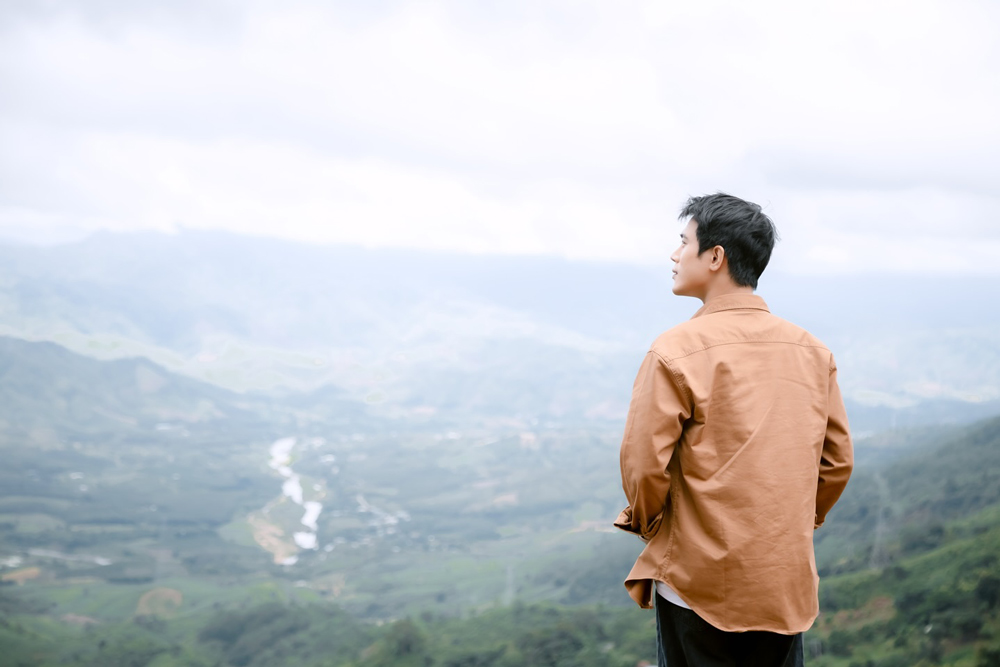
Packing for Sapa weather in November is about layering. The weather can feel mild at midday and cold at night. The difference between early November and late November is also important.
For early November, light layers are usually enough. For late November, add one proper warm layer.
November Sapa packing checklist:
If you are visiting Fansipan, dress warmer than you would for Sapa town. The summit is higher, windier, and colder. Even on a sunny day, wind chill can make it feel much colder than expected.
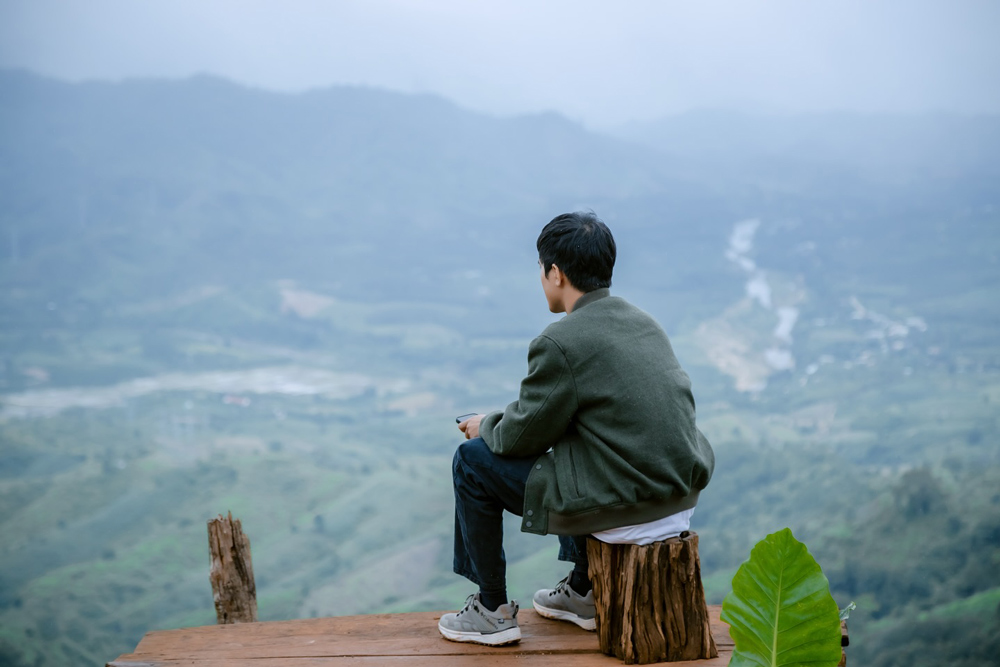
Layer up for Sapa weather in November. Bring a warm mid-layer and windproof outer shell for daytime, plus a hat and gloves for cold mornings and evenings, especially in the last week of the month.
There are fewer tourists than in October. The harvest-season crowds have thinned, though November remains popular because of its clear, dry weather and excellent trekking conditions.
Yes, Sapa can be foggy in November, especially in the morning. However, the fog typically clears by mid-morning, giving way to some of the clearest skies and mountain views of the year.
Yes, November is one of the best months to visit Sapa if you prioritize dry trekking trails, clear mountain views, and fewer crowds over green or golden rice terraces.
No, the golden harvest is usually finished by November. The terraces are mostly dry, brown, and sculpted, which gives them a dramatic post-harvest texture rather than bright harvest color.
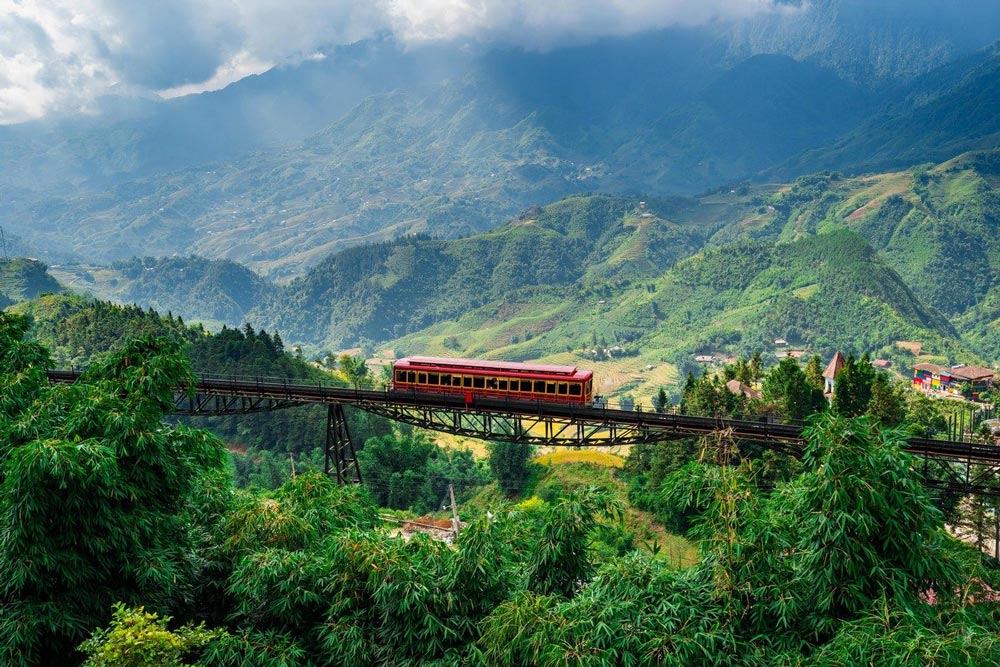
Sapa weather in November makes this one of the strongest all-round months for visiting the mountains of Northern Vietnam.
It is dry, cool, clear, and comfortable. The trails are firm. The humidity is low. The harvest crowds have eased. Fansipan visibility is often excellent. The valleys are peaceful. And the crisp air makes long treks feel refreshing rather than exhausting.
The trade-off is simple: you will not see peak green or golden rice terraces. By November, the fields have already been harvested. But in exchange, you get something many travelers value even more: clear mountain views and reliable trekking conditions.
November is best for travelers who prioritize scenery beyond the rice fields. It is for people who want open skies, sculpted valleys, comfortable walking, and the chance to see the Hoang Lien Son mountains in sharp detail.
Just remember the late-month cold. If you travel after November 20, bring one proper insulated layer. That small packing choice can make your trip much more comfortable.
Stop leaving your clearest-sky window to chance.
If you want to save time and effort while traveling to Vietnam, contact Asia Mystika, a trusted tour agent in Vietnam. We can arrange a November Sapa trekking package timed around the best visibility forecasts, with vetted local guides, eco-lodges, private transfers, Fansipan planning, and flexible backup routes.
Start planning your clear-sky mountain escape today with Asia Mystika’s customized Sapa tour packages, and let us help you secure the best dates before the month’s most popular travel windows fill up.
Suggested Internal Links
