 Hotline: +84 866 227 878
- SG$ Singapore Dollar
- A$ Australian Dollar
- £ British Pound Sterling
- C$ Canadian Dollar
- € Euro
- MYR Ringgit Malaysia
- US$ United States Dollar
- đ Vietnamese Dong


 Hotline/Whatsapp: +84 86 622 7878
 Email: sales@asiamystika.com
 About Us
 Destinations
 Travel Styles
 Travel Guide
 Blogs
Blogs
 News
News

Visiting Sapa soon? This 2026 guide to sapa town attractions covers the must-see spots, easy things to do without trekking, the best night activities, and simple tips to plan your visit.
You’ve probably seen the photos already, those dramatic rice terraces rolling down the mountains, and travelers posing like they’re literally standing on the edge of the clouds. Then your friends come back from Northern Vietnam saying, “You have to go to Sapa.” But once you open a map and start planning, the real question hits: Where do you actually begin?
Start in the town itself. Sapa isn’t just a place you “pass through” on the way to viewpoints. It’s the crown jewel basecamp of the north, a lively mountain town where cafés, markets, hotels, and tour pick-up points are all packed into a walkable area. That’s why the sapa town attractions matter. They give you an easy first taste of the region, and they make it simple to branch out to the big experiences, valley villages, rice fields, waterfalls, and even Fansipan.
In this guide, I’ll break down the top Sapa town attractions and show you how to enjoy Sapa in a way that fits your style. You’ll learn how to get there, what to see in town, what’s worth doing at night, and how to plan a great trip even if you’re not a hardcore trekker. Think of it as your friendly, practical roadmap to Sapa, with fewer guesswork moments and more “wow, this is exactly what I came for” moments.
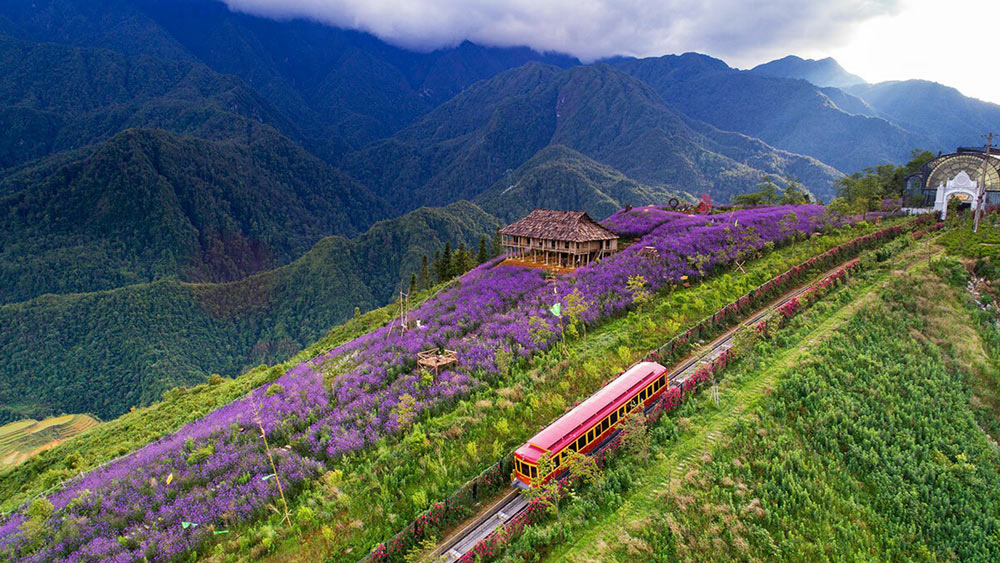
Sapa is famous because it sits right at the doorstep of the Hoang Lien Son mountain range, so the town feels like a front row seat to Northern Vietnam’s wildest scenery. In one day you can sip coffee in the center, then be looking out over sharp ridgelines and cloud seas a short ride away. It is also the gateway to Muong Hoa Valley, the green, plunging valley where many of the most photogenic rice terraces and village trekking routes begin.
But the landscape is only half the story. What really gives Sapa its character is the culture around it. The region is home to ethnic communities like the Hmong and Red Dao, and you will see their presence everywhere through textiles, markets, village life, and the way local guides share the mountains with visitors. If you are planning your Sapa town attractions list, this mix of nature plus living traditions is exactly why Sapa stands out from other mountain towns in Southeast Asia.
One more thing people do not expect until they arrive is the weather. Sapa can feel cool and misty most of the year, and in winter (December to February) it can get genuinely cold, with frost and occasional snowfall at higher elevations. It is magical when it happens, but you will want layers and a warm jacket, even if the rest of Vietnam feels tropical.
If this is your first time in town, these three Sapa town attractions are the “do them first” list. They are easy to reach, they give you the best mix of views, culture, and atmosphere, and they help you understand why Sapa is so loved.
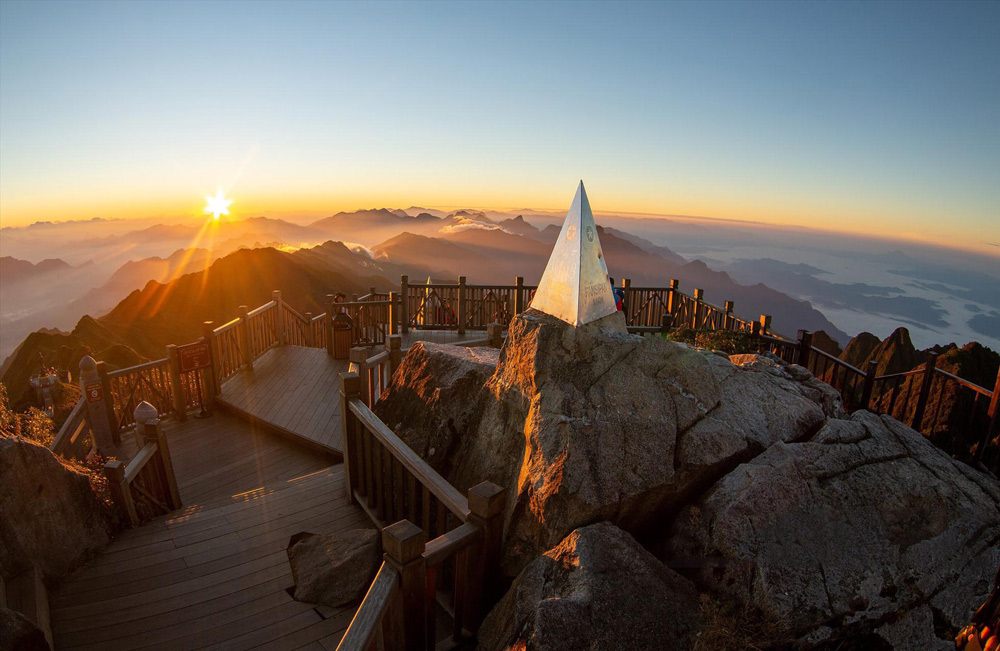
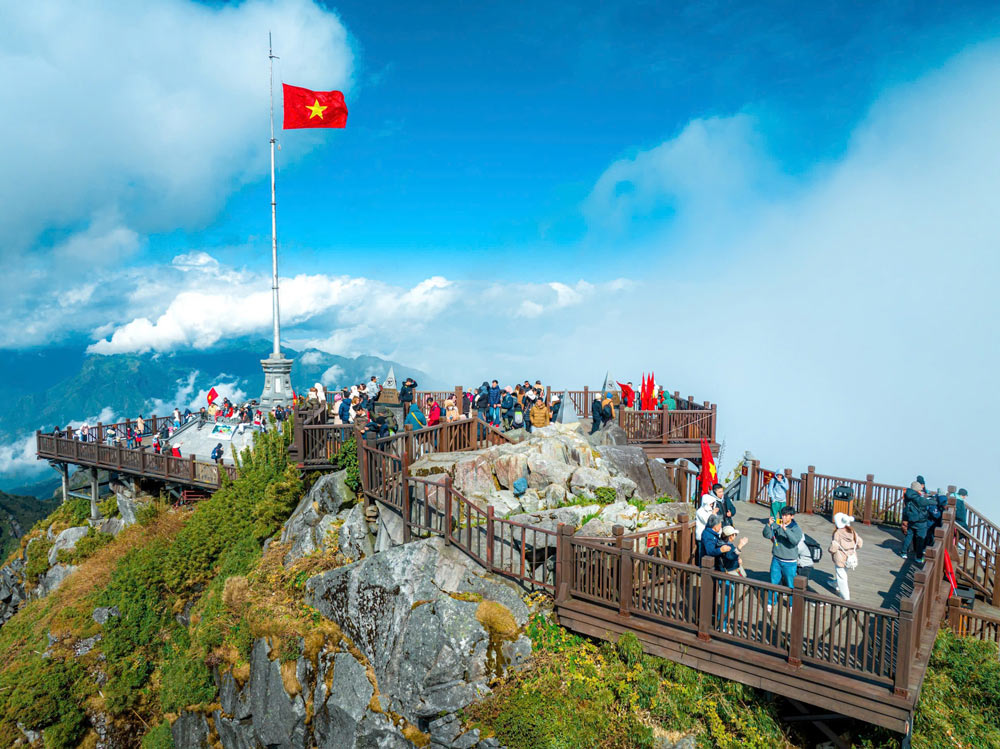
Mount Fansipan (Roof of Indochina) is the headline experience. The summit sits at 3,143 meters, but in 2026 you do not need hiking boots or mountain training to reach it. The Sun World cable car takes you up in about 15 minutes, floating over valleys and ridgelines on the way to that iconic high-altitude viewpoint. It is the perfect option if you are traveling with family, short on time, or simply want the biggest “wow” moment with the least effort.
For something cultural and close to town, Cat Cat Village is usually the easiest village visit for beginners. It is only around 2.5 to 3 km downhill from Sapa’s main area, so you can get there without a long drive. Along the walking paths you will see a waterfall, traditional water wheels, and small shops selling Hmong handicrafts. It is tourist-friendly, yes, but it is also a great way to get a first look at local life and scenery without committing to a full-day trek.
Then come back to the heart of town for the Sapa Stone Church and Central Square. This is the place where Sapa gathers, you will see couples taking photos, families strolling, and travelers meeting their guides. The church itself is a striking French-era landmark, commonly described as being completed in 1935, and it gives the town center a very distinctive character. If you want to feel Sapa’s everyday rhythm, spend an hour here in the late afternoon and again after dinner.
You can absolutely enjoy Sapa town attractions without turning your trip into a fitness challenge. Sapa is one of those mountain towns where the views do most of the work for you. Even if you skip long treks, you can still collect dreamy cloud moments, cozy cafés, and a few “wow” viewpoints with very little walking.
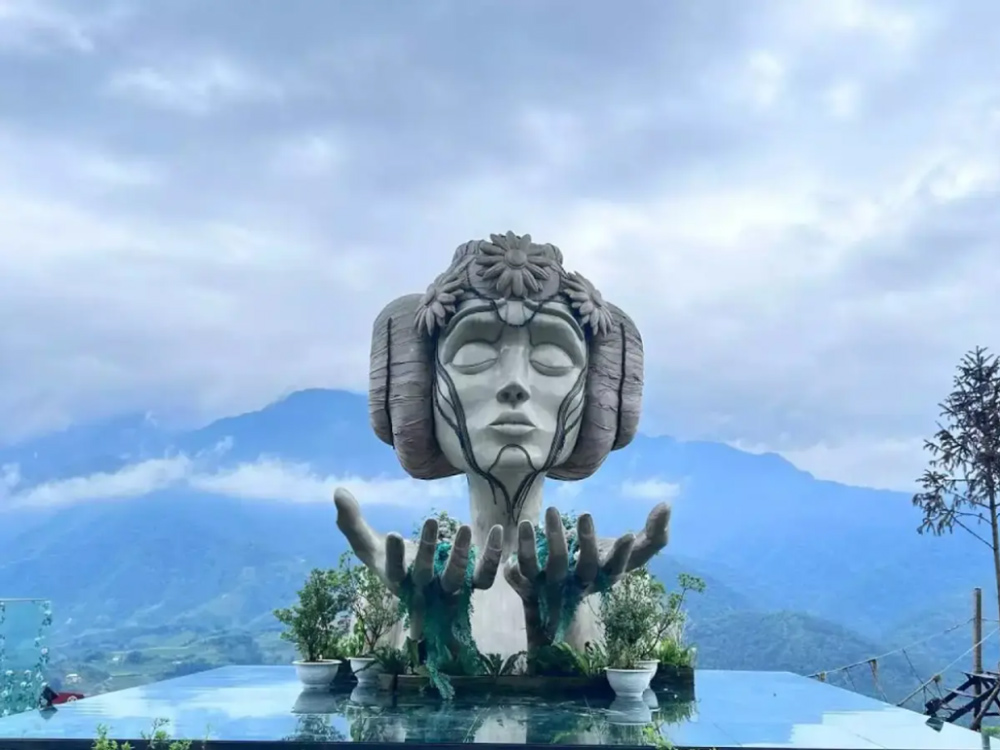
If you are asking what to do in Sapa besides Fansipan, start with experiences that feel relaxing but still photo-worthy. Moana Sapa is a curated photo park built for scenic shots, so you get dramatic backdrops without hiking into the valleys. Then reward yourself with a Red Dao herbal bath at a traditional spa in town. It is warm, soothing, and perfect after travel. After that, keep it simple and fun by café-hopping along Fansipan Street, where many spots have balconies or windows facing the mountains. Order something hot, take your time, and let the fog roll in like free entertainment.
For easy sightseeing with maximum payoff, use wheels. Hiring a taxi or renting a motorbike lets you visit Silver Waterfall (Thác Bạc) and Heaven Gate at O Quy Ho Pass with almost no effort on foot. You hop out, breathe in that crisp air, take a few photos, and hop back in. If you want Sapa’s scenery but prefer comfort, this is the smartest way to do it.
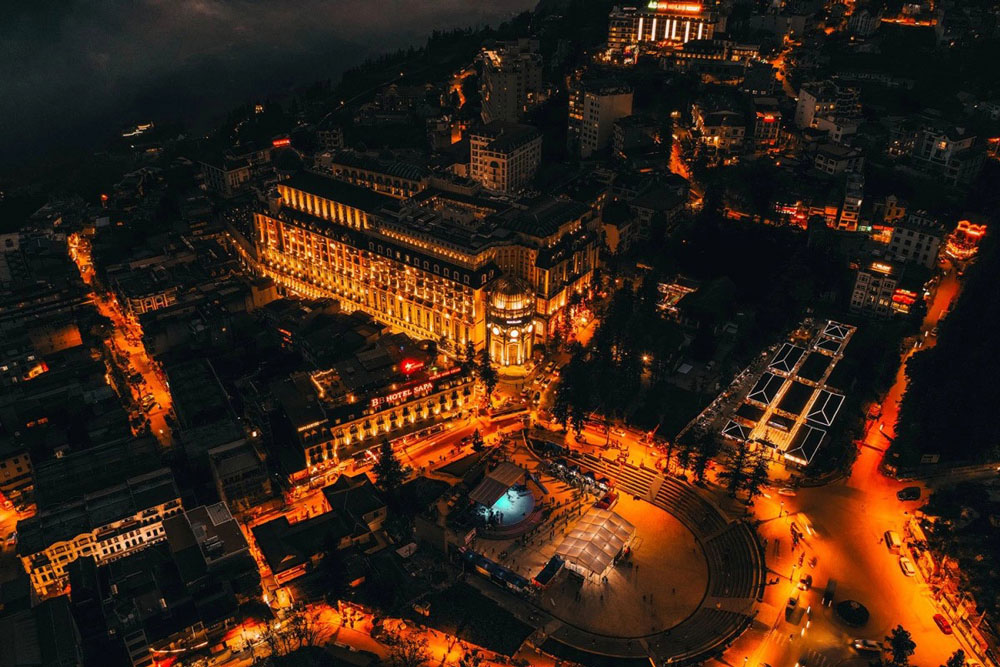
When the sun goes down, Sapa doesn’t “shut off.” It just changes mood. The air gets colder, the town lights glow through the mist, and the Sapa town attractions feel more social and cozy. If you’re wondering what to do at night, you can keep it simple and still have a genuinely memorable evening.
Start with the weekend night market if it’s open during your stay. This is where Sapa feels the most lively, you’ll hear chatter, see colorful textiles hanging from stalls, and smell street food from a few steps away. It’s the best place to snack on hot roasted chestnuts or grab grilled pork skewers fresh off the fire, especially when the temperature drops. And if you want a souvenir that feels local, this is where you’ll find woven items and small handmade pieces that actually match the mountain vibe.
Then slow the pace with a walk around Sapa Lake. The loop is calm and romantic at night, with lights reflecting on the water and couples and families doing the same gentle stroll. It’s the perfect “cool down” after the market. Finish your night at a lakeside café with hot coffee or a cup of mulled wine, and you’ll understand why so many travelers say their favorite Sapa moments aren’t always the big adventures, they’re the quiet evenings in town.
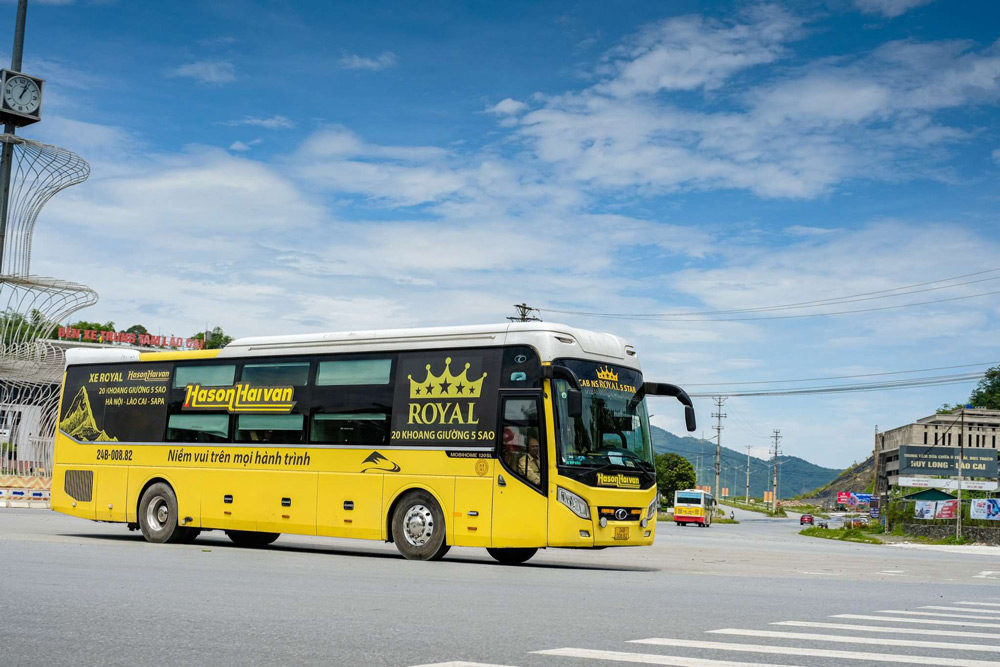
Before you start ticking off Sapa town attractions, you need a smooth way to reach the mountains from Hanoi. In 2026, you’ve basically got two comfort-friendly options. The first is the direct luxury limousine bus, which usually takes about 5.5 to 6.5 hours and drops you right in Sapa town. It’s the easiest choice if you want a simple door-to-door ride and don’t want to deal with transfers.
The second option is the “classic Vietnam” route: an overnight sleeper train to Lao Cai, then a shuttle or taxi up to Sapa. It’s slower overall, but you get to sleep through most of the long distance and arrive early morning ready for a full day. Many travelers pick this if they like the romance of train travel or want a more restful night compared to a bus.
Once you’re in town, navigation is the only small challenge. Sapa’s streets are steep, curvy, and easy to mix up on your first day. Download an offline map on your phone, or grab a paper tourist map from your hotel, then use big landmarks (the church, the lake, the main square) to keep your bearings. This tiny step saves time and helps you enjoy the town without that “where am I?” feeling.
If you’re pairing Sapa with Ha Long Bay, timing can make your whole trip feel easier. The best all-around windows are September to November or March to May. In Sapa, these months usually bring more comfortable temperatures and better visibility, plus the terraces are at their most beautiful in early autumn. In Ha Long Bay, these same seasons are known for more pleasant cruising weather compared to the stormier summer months.
For length of stay, I recommend at least 3 days and 2 nights. That gives you enough space for the Hanoi travel day, one day for Fansipan and town highlights, and one day for valley villages and viewpoints. With that pace, you’ll see the best of Sapa without rushing from one spot to the next.
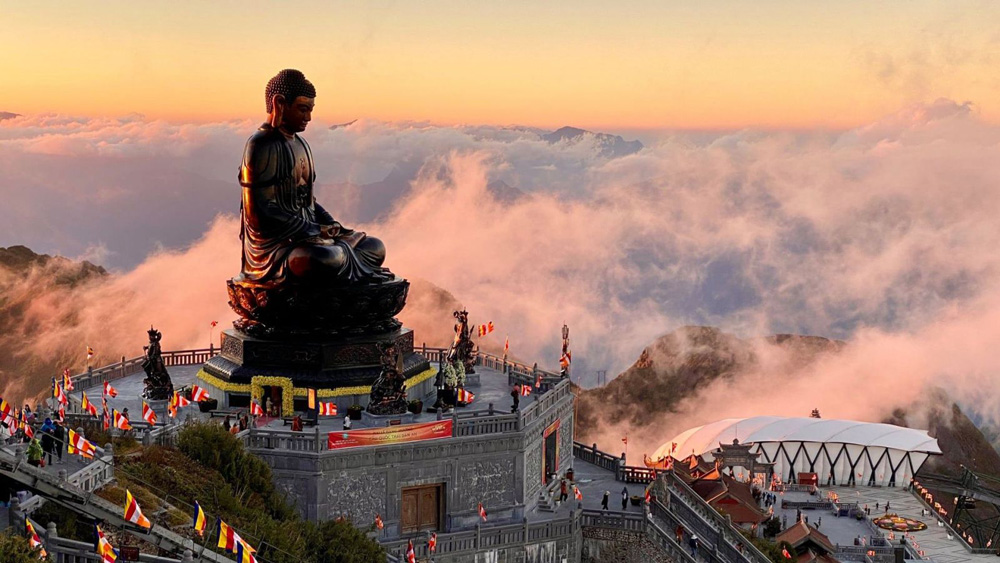
Sapa is best known for its terraced rice landscapes, the towering Fansipan peak, and the living traditions of local ethnic communities like the Hmong and Red Dao. It’s one of the few places where nature and culture feel equally unforgettable.
If you want the essentials, focus on these Sapa town attractions and nearby highlights: Fansipan Cable Car, Cat Cat Village, Muong Hoa Valley, Sapa Lake, and the Sapa Stone Church. Together they cover viewpoints, village life, and the town’s main landmarks.
You’ve got plenty of easy options. Take the Fansipan cable car for the summit experience, book a relaxing Red Dao herbal bath, stop by the Sapa Museum, or hire a car for scenic, low-walking stops like Silver Waterfall and O Quy Ho Pass.
Spend a half-day in Cat Cat Village, browse the central market for local products and textiles, visit Moana Sapa for curated photo spots, or simply go café-hopping for valley views and slow mountain vibes.
Keep it cozy and local. Walk around the beautifully lit Sapa Lake, explore the weekend night market, snack on highland street food like grilled skewers, or watch a cultural performance in the main square if one is happening.
3 days and 2 nights is the sweet spot. It gives you time for travel, one day for town and Fansipan, and one day for villages and valley scenery, without turning your trip into a rush.
For the most comfortable weather and better chances of clear views, aim for autumn (September to November) or spring (March to May). These seasons usually give you the nicest balance for both mountain exploring and Ha Long Bay cruising.
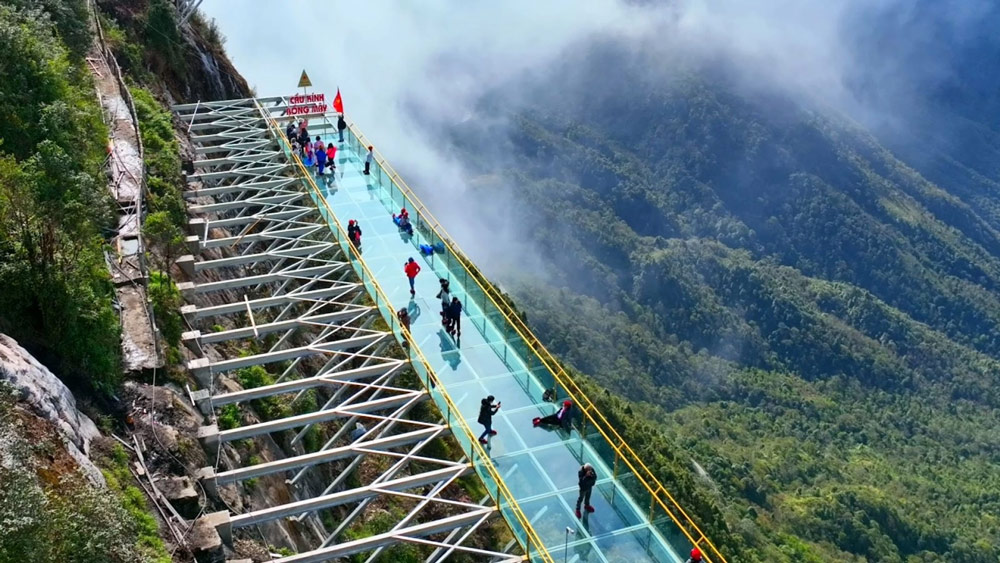
Sapa is the kind of place that doesn’t force you to travel one way. If you want a challenge, you can chase peaks and big viewpoints. If you prefer slow mornings and comfort, you can still enjoy the best Sapa town attractions with lakeside walks, warm cafés, and easy scenic drives. That’s why Sapa works for almost everyone. You can make it adventurous, relaxing, or a mix of both, and it will still feel like a proper mountain escape.
To keep your trip smooth, plan a few practical things early. Pack layers because Sapa evenings can get surprisingly cold, even when daytime feels mild. It is also smart to book your transport from Hanoi in advance if you’re traveling on weekends or during peak seasons, so you do not lose time searching last minute. And if you want your itinerary to feel complete, check out your guides on local homestays and a Sapa packing list. Those small details often make the biggest difference once you’re actually on the ground.
If you’d like to save time and effort and have everything arranged neatly, you can contact Asia Mystika, a trusted tour operator in Vietnam. They can help you build a Sapa plan that matches your pace, handle the logistics, and make sure you don’t miss the best sapa town attractions without the planning stress.
Ready to go? Start planning your custom Sapa itinerary with us
Who we are: Learn more about the local experts at Asia Mystika
WhatsApp: (+84) 866.22.7878
Email: sales@asiamystika.com
Website: www.asiamystika.com
