Hotline: +84 866 227 878
- SG$ Singapore Dollar
- A$ Australian Dollar
- £ British Pound Sterling
- C$ Canadian Dollar
- € Euro
- MYR Ringgit Malaysia
- US$ United States Dollar
- đ Vietnamese Dong


 Hotline/Whatsapp: +84 86 622 7878
 Email: sales@asiamystika.com
 About Us
 Destinations
 Travel Styles
 Travel Guide
 Blogs
Blogs
 News
News

Visiting sapa village vietnam in 2026? Discover the best villages for views and culture, what to expect on a trek, typical costs, and easy ways to get there from town.
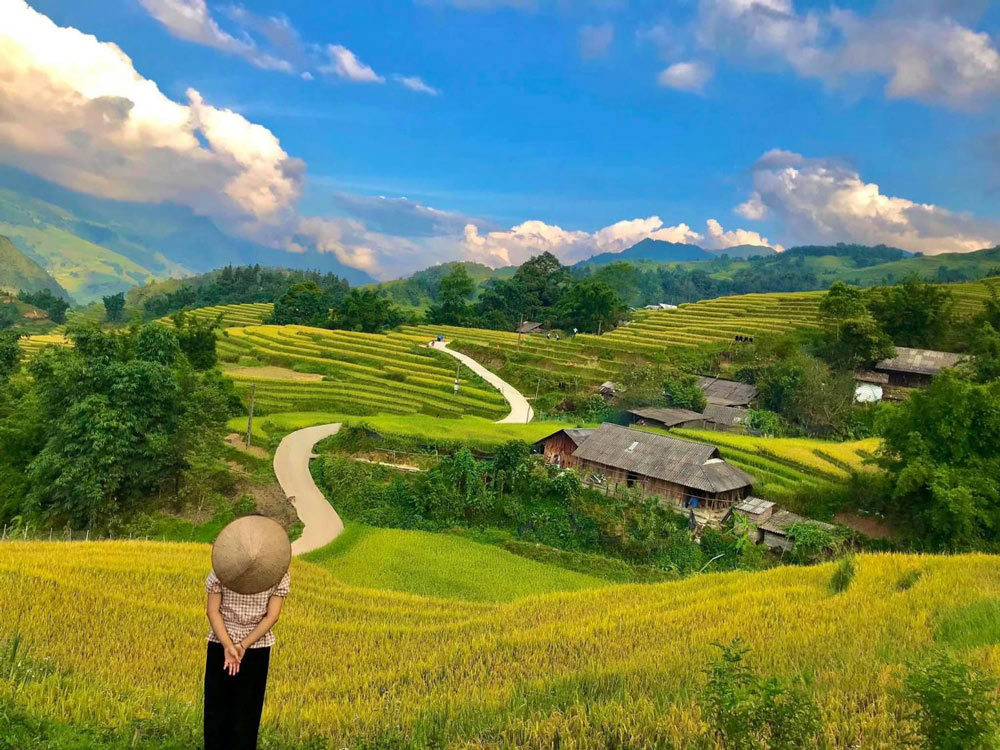
You’ve probably heard the stories already. A friend comes back from Southeast Asia talking about misty mountain mornings, endless green terraces, and locals who welcome you with the kind of warmth that makes you feel instantly at home. And somehow, Sapa always ends up in the conversation. If you’re planning your own trip, it helps to know one simple truth right away: Sapa is not just a town, it’s a whole mountain world.
Yes, there is a main hub called Sapa Town where you’ll find hotels, cafés, markets, and tour pick-up points. But the real reason people fall in love with this region is what happens when you leave the center and step into a Sapa village Vietnam experience. That’s where the scenery opens up, rice terraces wrap around the hills, buffalo wander past footpaths, and daily life feels slower, quieter, and more connected to the land. If you want the “postcard Sapa,” the villages are where it lives.
In this guide, I’ll walk you through the parts travelers actually need to plan well. We’ll cover how to get from Hanoi to the villages, what the weather feels like in different seasons, the best options for where to sleep (hotel vs homestay), and how to choose between staying mostly in town or spending more time out in the mountains. The goal is simple: help you build a Sapa trip that fits your style and still delivers those unforgettable mountain moments.
So why is Sapa famous in the first place? It really comes down to three big reasons. First, the terraced rice fields. They look like giant staircases carved into the Hoang Lien Son mountains, and when the valleys fill with green or turn golden before harvest, it’s honestly hard to believe humans shaped that landscape by hand. Second, Sapa is the gateway to Mount Fansipan, the peak known as the “Roof of Indochina”. Whether you hike or take the cable car, it’s one of the most iconic mountain experiences in Vietnam. And third, Sapa is deeply connected to the traditions of ethnic communities like the Black Hmong and Red Dao, whose clothing, handicrafts, markets, and village life give this region its soul.
Now the real question people hesitate to ask out loud: Is Sapa in Vietnam worth visiting? Yes, absolutely, but with a little honesty. The main town has become more commercial in recent years, with more hotels, shops, and busy streets than many first-timers expect. If you stay only in the center, you might leave thinking, “Wait… is this the Sapa everyone raved about?” That’s why the best advice I can give you is simple: don’t treat Sapa Town as the final destination. Use it as your base, then step into a Sapa village Vietnam experience by heading into the valleys. Villages like Ta Van and Lao Chai are where the “authentic” Sapa feeling lives: quiet footpaths, terrace views, and daily life that feels real, not staged. If you want the Sapa your friends fell in love with, the villages are the key.
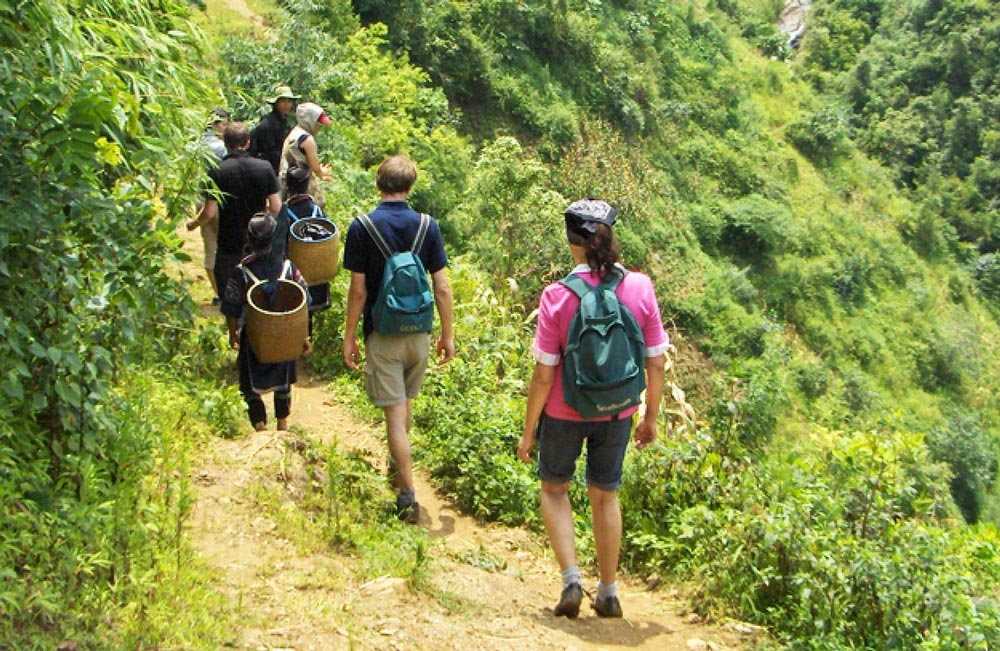
If your goal is a true Sapa village Vietnam experience, build your days around three core activities: a valley walk, a village meal, and a guide-led story of the land. The villages aren’t just “pretty scenery.” They’re working landscapes where people farm, dye cloth, raise animals, and keep traditions alive in everyday life. When you plan it this way, your trip feels deeper than a quick photo stop.
The number one thing to do is trekking through the valleys. You’ll follow narrow footpaths that weave past rice terraces, slip through quiet bamboo groves, and pass water buffalo grazing near streams. The best part is the pace. You’re not racing to a viewpoint. You’re moving slowly enough to notice how the terraces are built, how water channels are guided, and how village life flows around the fields. This is the kind of walk that makes you feel like you’re inside the postcard, not just looking at it.
Next, don’t skip a homestay if you can spare a night. It’s usually simple but incredibly warm. Think family-style dinner, stories around the table, and a chance to learn hands-on skills like embroidery or indigo dyeing (the deep blue color you’ll see on traditional textiles). You’ll wake up to mountain air and quiet mornings that feel worlds away from the busy town center. This is where Sapa becomes personal.
For booking, you can arrange a trek locally, but if you care about doing it responsibly, choose community-based operators that are transparent about where your money goes. Sapa O’Chau positions itself as a social enterprise that supports ethnic minority communities and education through tourism. ETHOS also emphasizes ethical trekking and says it works exclusively with Hmong and Dao women guides, spreading tourism income across many families. A quick rule of thumb: ask who your guide is, how big the group will be, and how the community benefits. When those answers are clear, your village tour usually feels better for you and fairer for locals.
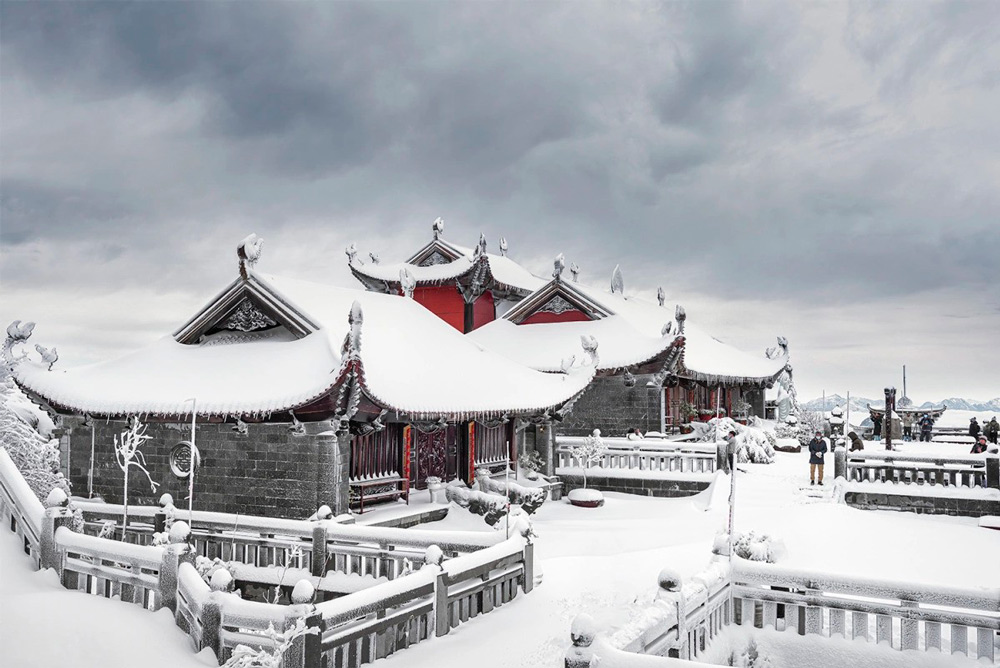
Before you lock in dates for a Sapa village Vietnam escape, it helps to understand the mountain mood. Sapa village Vietnam weather is cooler than most of Southeast Asia, because you’re up in the highlands, and the air changes fast. In winter (December to February), the cold is real. Think damp, freezing fog, chilly mornings, and on some years you can even catch frost or light snowfall, especially at higher elevations. It’s beautiful and cinematic, but it’s not the season for bright green rice terraces, so go for the atmosphere and pack warm layers.
If you want the most “wow” village scenery, these two windows are the easiest wins. September to November is the famous harvest stretch. The air feels crisp, the skies are often clearer, and the terraces turn golden-yellow in the valleys, which is exactly the postcard look most people dream about. Then March to May brings spring energy. Temperatures start to feel friendlier, flowers appear, and you can catch the water-filled terraces that reflect the sky like giant mirrors before the young rice greens up. It’s a softer, calmer kind of beautiful, and it’s perfect for village walks and homestays.
Best months at a glance
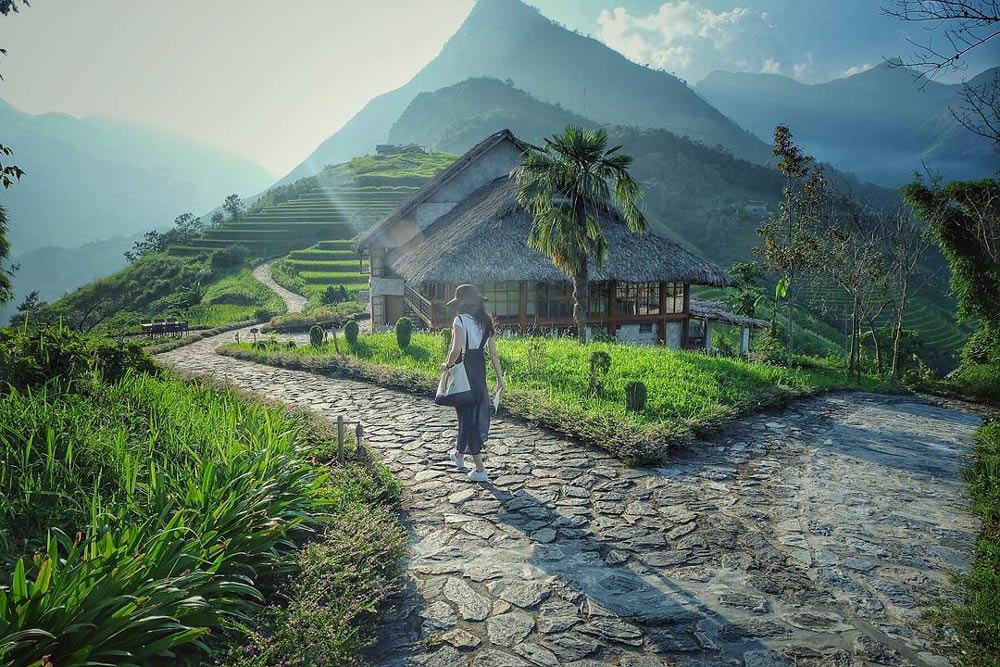
If you’re planning a Sapa village Vietnam trip, where you sleep will shape your whole experience. Stay in the town center if you want convenience and comfort on tap. This is where you’ll find stylish resorts like Hotel de la Coupole, the kind of place you can come back to after a foggy day out and still enjoy a heated indoor pool and spa-level downtime. The town is also perfect if you like being able to walk to cafés, the church square, and evening food stalls without thinking too hard.
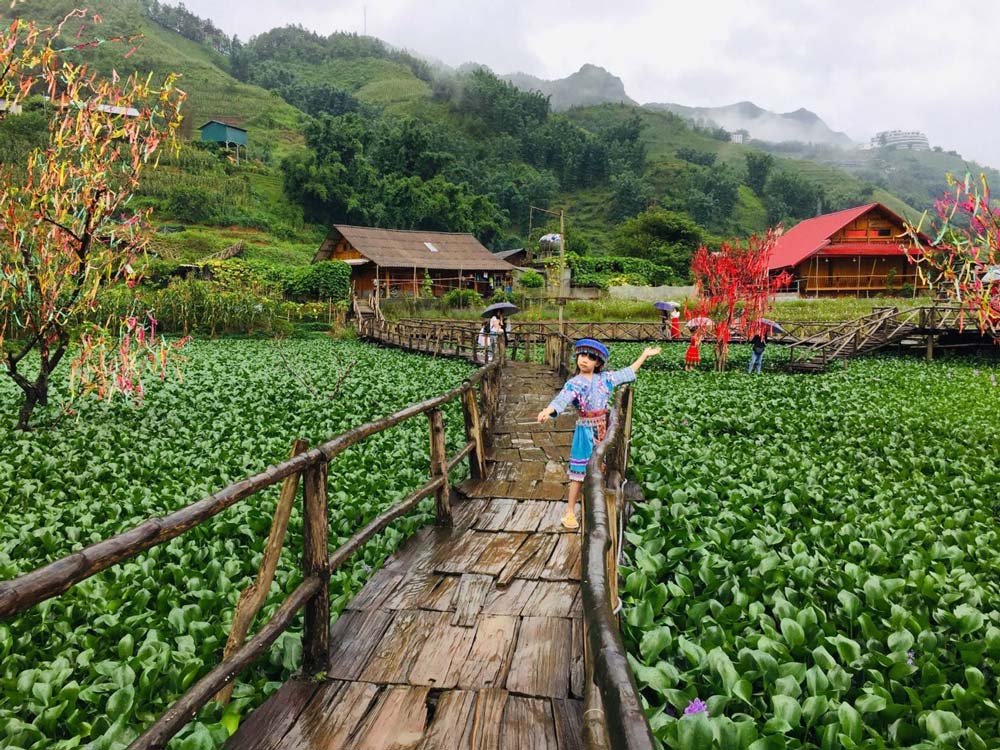
But if you’re chasing that “waking up in the valley” feeling your friends keep talking about, book eco-lodges or homestays in villages like Ta Van. You trade elevators and lobby perfume for morning birdsong, rice terraces outside your window, and nights that feel genuinely quiet. Ta Van is especially popular because it’s close enough to reach easily, but far enough to feel like you’ve left the busy center behind.
Now for nightlife, let’s set expectations in a friendly way. Sapa isn’t a party capital, and that’s part of its charm. Evenings are usually about cozy vibes, a warm drink, and good food. On weekends, the night market is the fun, lively option, come hungry for grilled skewers and roasted chestnuts in the cold mountain air. If you’re in town on Saturday night, you might also catch the modern version of the Sapa Love Market, which today often shows up as a cultural showcase with music and performances around the central
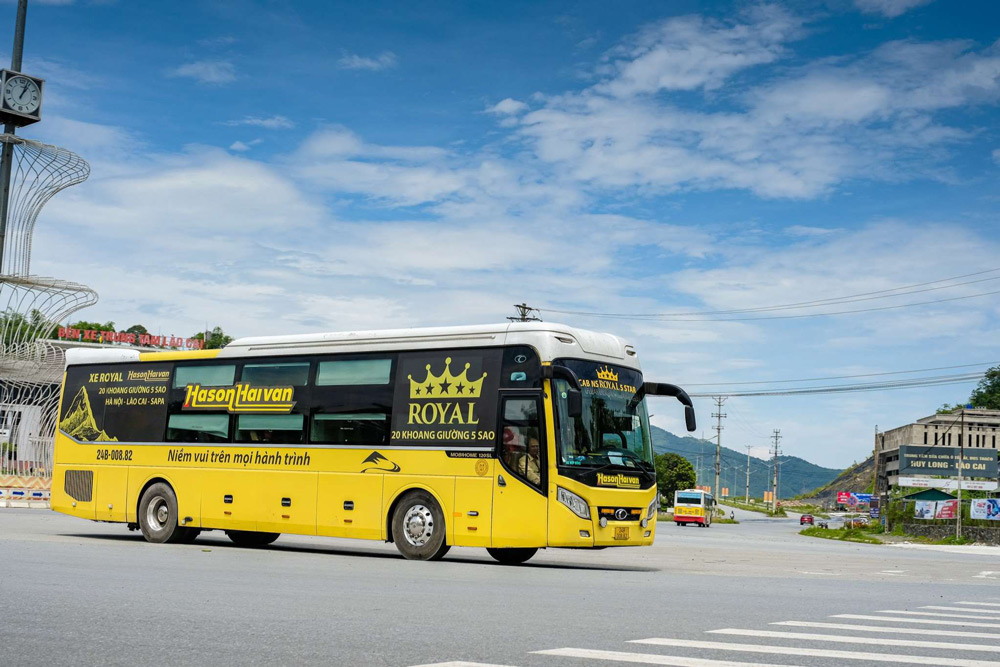
To reach a Sapa village Vietnam adventure, you first need to get from Hanoi to Sapa town. In 2026, most travelers pick one of two routes, and both are easy once you know what you are signing up for: the overnight sleeper train or the direct luxury limousine bus.
If you love the idea of arriving fresh in the mountains, take the sleeper train to Lao Cai. The rail journey is usually around 8 hours, so you board at night and wake up near the border province in the early morning. From there, you hop on a mountain transfer to Sapa that is commonly about 45 to 60 minutes depending on traffic and the type of shuttle. This option feels romantic and efficient for your schedule, but be honest with yourself: trains can be a bit shaky and noisy. Light sleepers should pack earplugs.
If you want the simplest, no-transfer journey, go with a luxury limousine bus. Many services run the roughly 320 km route on the expressway in about 5 to 5.5 hours, and they drop you straight into Sapa town. These buses are designed for comfort. You will often see reclining seats, charging ports, and on some VIP lines even massage-style seats. It is a great choice if you prefer daytime travel and want to start exploring as soon as you arrive. Quick local tip: if you get motion sickness, choose a seat closer to the front for the mountain section.
Which is better, Hanoi or Sapa Vietnam? Do not choose. Pair them. Hanoi gives you the food, history, and big-city energy. Sapa gives you cool air, terraces, and village calm. The best Northern Vietnam trips usually look like this: a couple of days in Hanoi, then a few days based in Sapa town while you branch out into a Sapa village Vietnam valley for trekking, homestays, and those cloud-level views.
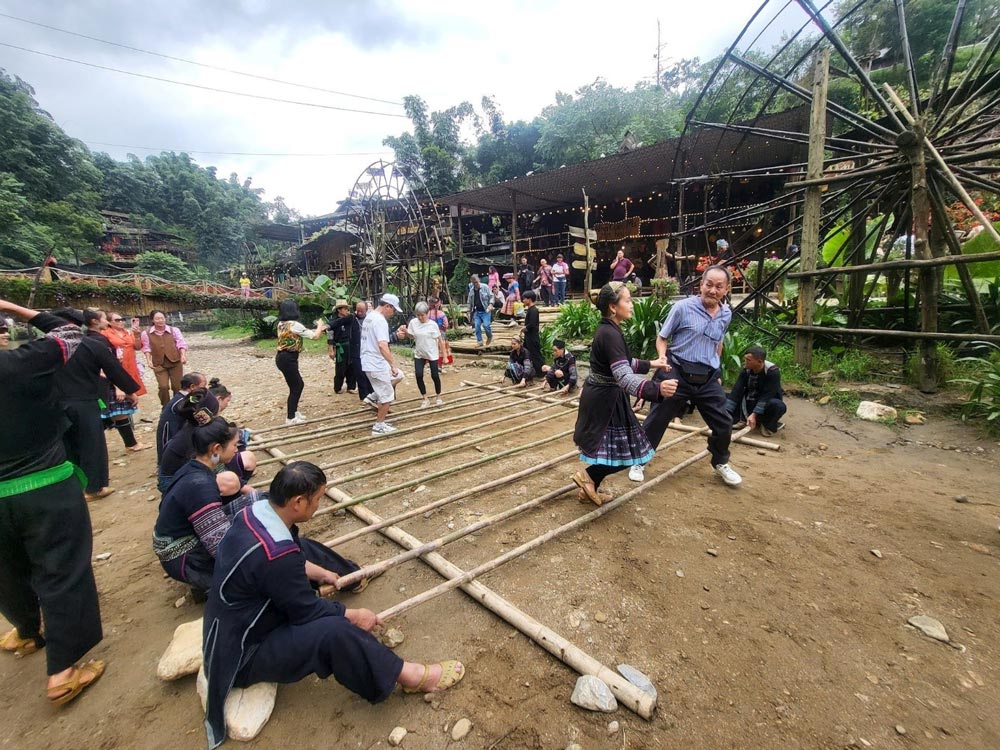
Sapa is famous for three things that hit different parts of your travel bucket list: towering rice terraces carved into the mountains, Mount Fansipan (the highest peak in the region), and the living traditions of ethnic communities like the Black Hmong and Red Dao. If you want nature and culture in one place, this is why people keep recommending a Sapa village Vietnam trip.
Yes, 100%. The town center has become more modern and touristy, but the magic is still right there in the valleys. Once you trek into the villages, you’ll see why people call this one of Southeast Asia’s most scenic countryside experiences. A night in a local homestay and a morning walk through terraces can easily become the highlight of your whole Vietnam trip.
If you can choose only one month, go for September. It’s famous for clearer skies and those golden-yellow terraces just before harvest. It’s the kind of view that looks unreal even without a filter.
They’re not competing. They’re a perfect combo. Hanoi is for street food, history, and busy old streets you can wander for hours. Sapa is for cool air, mountain scenery, and village life. Most travelers do both because together they give you the full Northern Vietnam experience.
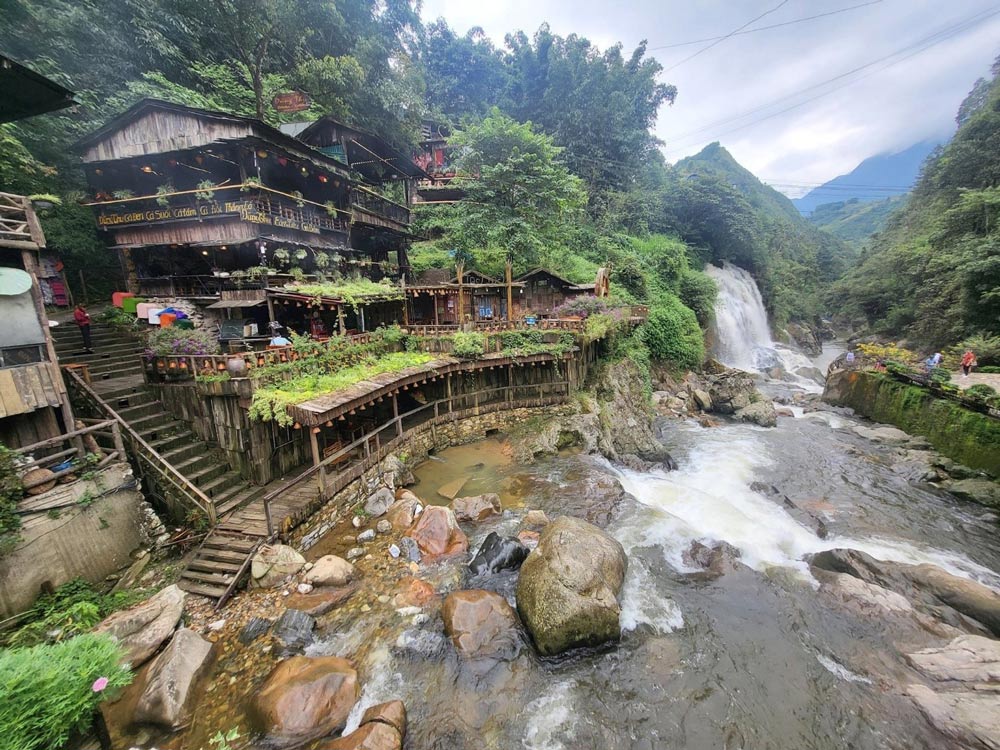
Northern Vietnam feels most complete when you experience both sides of it. Hanoi gives you the buzz, the street food, the history, and the nonstop city rhythm. But at some point, you need to trade those horns and traffic for something quieter. That’s where a Sapa village Vietnam experience comes in. One misty morning on a valley trail, with terraces stretching out below and mountain air in your lungs, instantly makes you understand why Sapa stays in people’s hearts.
If you’re going, go prepared, not stressed. Pack comfortable hiking boots (even short village walks can be muddy), bring a warm jacket for chilly evenings, and keep an open mind because the best moments usually come from small things, a shared meal, a conversation with your guide, or watching daily life unfold in the fields. To plan smarter, check out your other guides on what to pack for Sapa and how to choose the right homestay, because those two decisions can totally change the feel of your trip.
If you want to save time and effort and have everything arranged smoothly, you can contact Asia Mystika, a trusted tour operator in Vietnam. They can help you build a village-focused itinerary, match the route to the season, and handle the logistics, so you can focus on enjoying the mountains instead of planning every detail.
Ready to go? Start planning your custom Sapa itinerary with us
Who we are: Learn more about the local experts at Asia Mystika
WhatsApp: (+84) 866.22.7878
Email: sales@asiamystika.com
Website: www.asiamystika.com